

Plant Profile & Key Characteristics
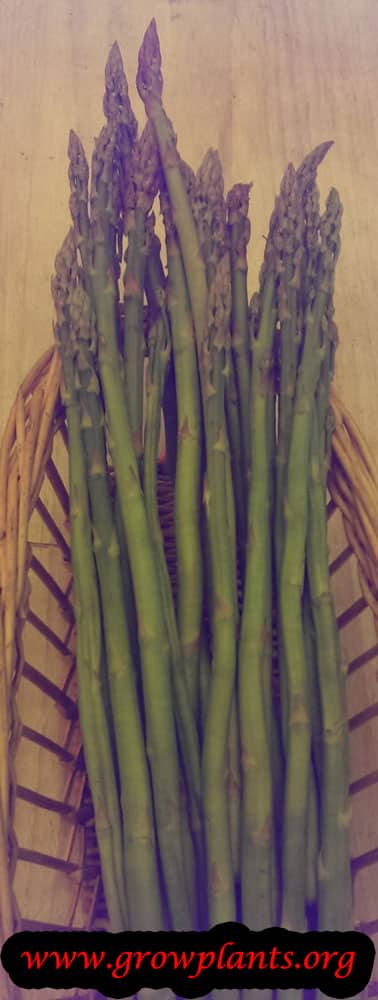
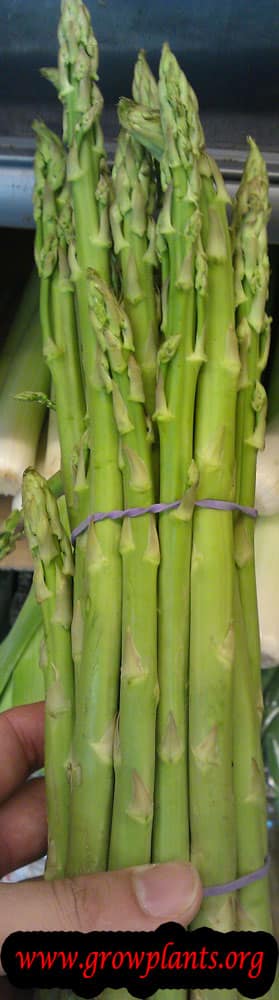
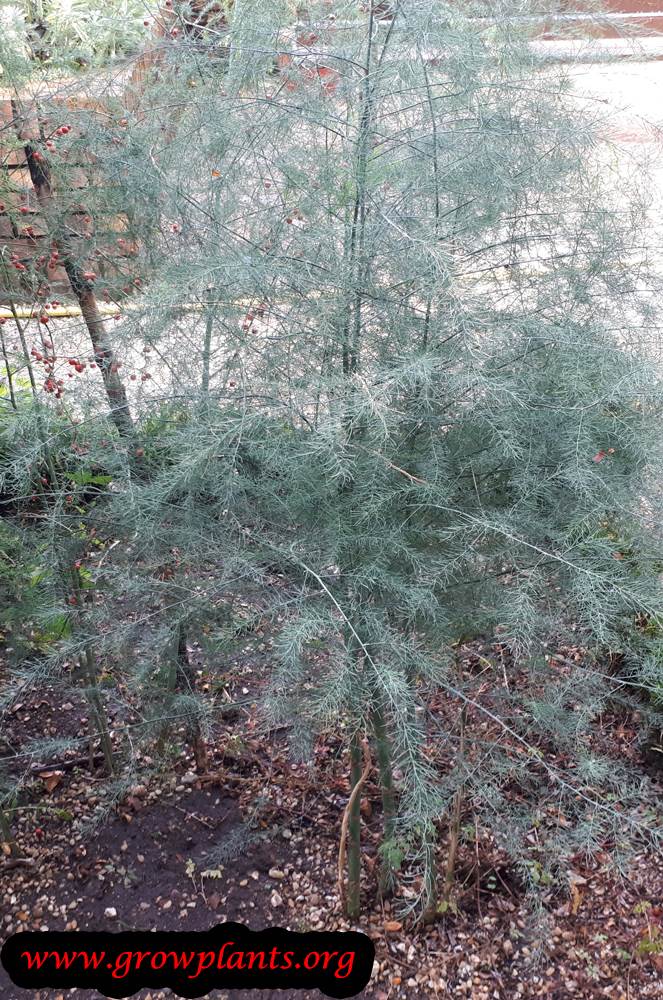
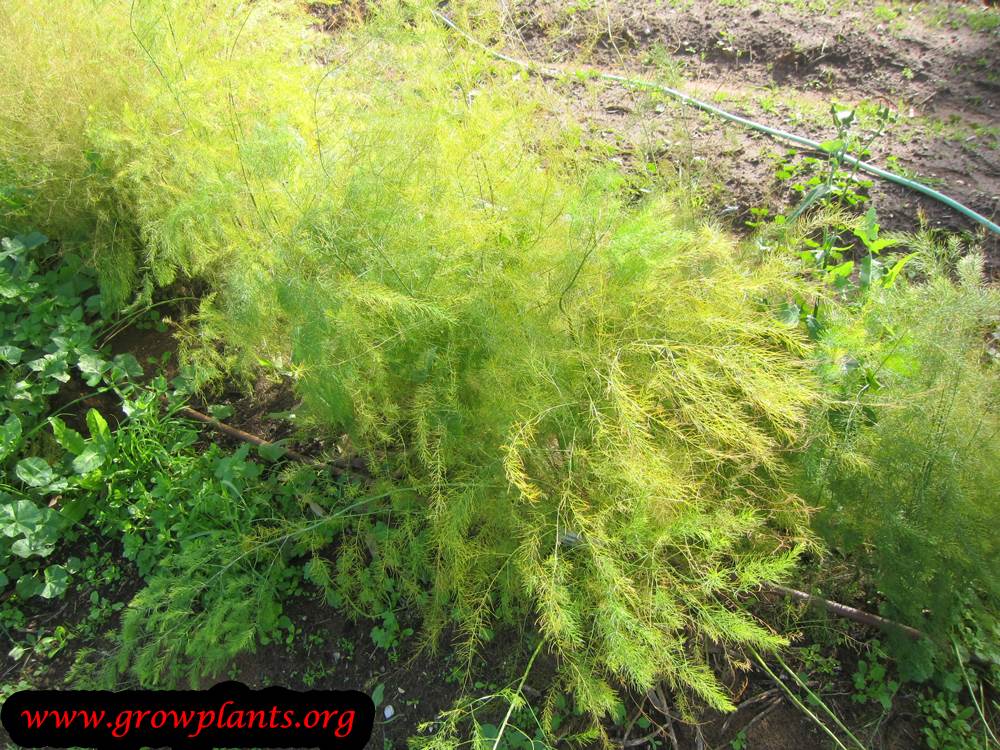
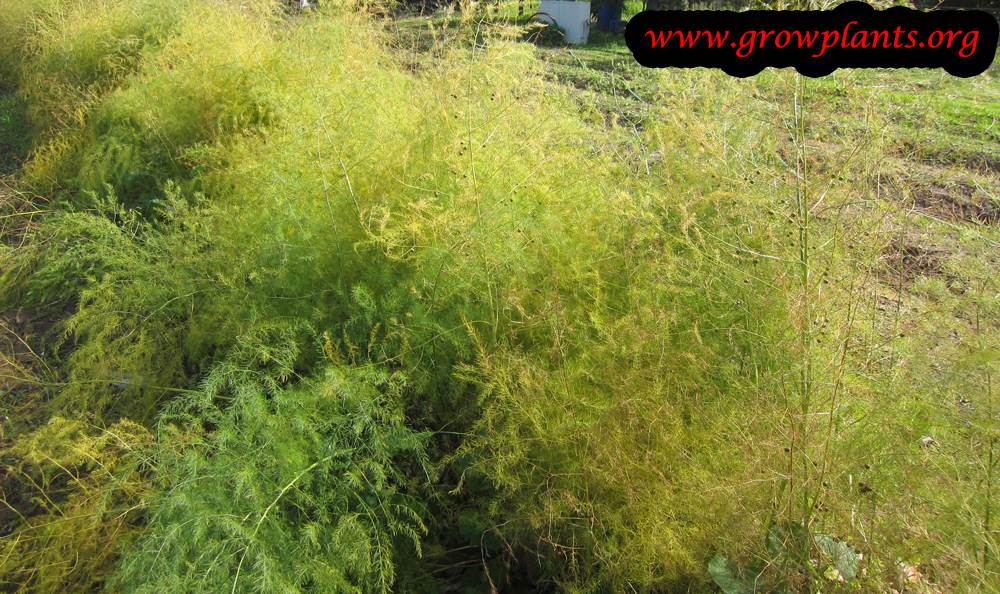
Overview: Asparagus is a long-lived perennial grown for its edible spring spears, dying back to a fleshy crown each year and re-sprouting ferny foliage. It is deciduous and can be productive for decades.
Quick Specifications
| Specification | Attribute |
|---|---|
| Plant Type / Life Cycle | Perennial |
| Foliage Type | Deciduous (dies back annually) |
| Mature Size | 0.5-1 m (20-40 in) ferny growth |
| Growth Rate | Moderate to slow |
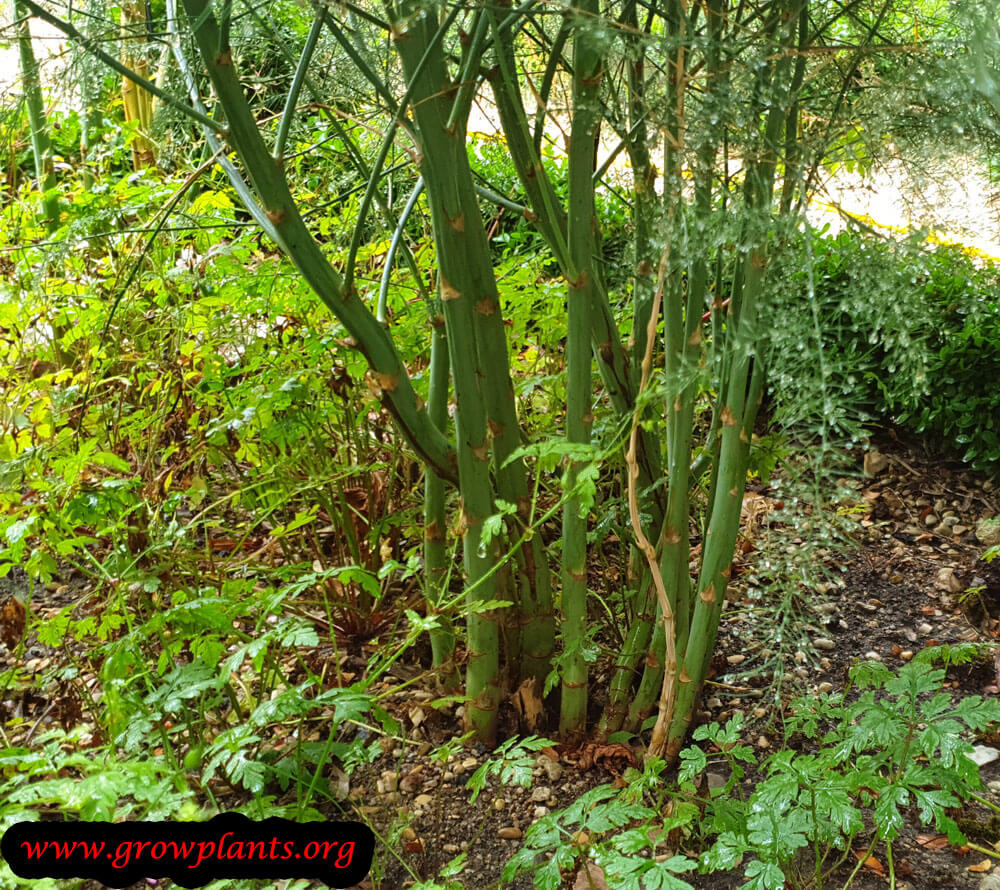
| Root System | Fleshy crown with fibrous roots (rhizomatous) |
| Toxicity | Spears edible; mature red berries are toxic |
| Hardiness | USDA zones 4-11 |
Growth Form & Structure
- Height & Spread: Ferny growth reaches 0.5-1 m; can be grown in containers.
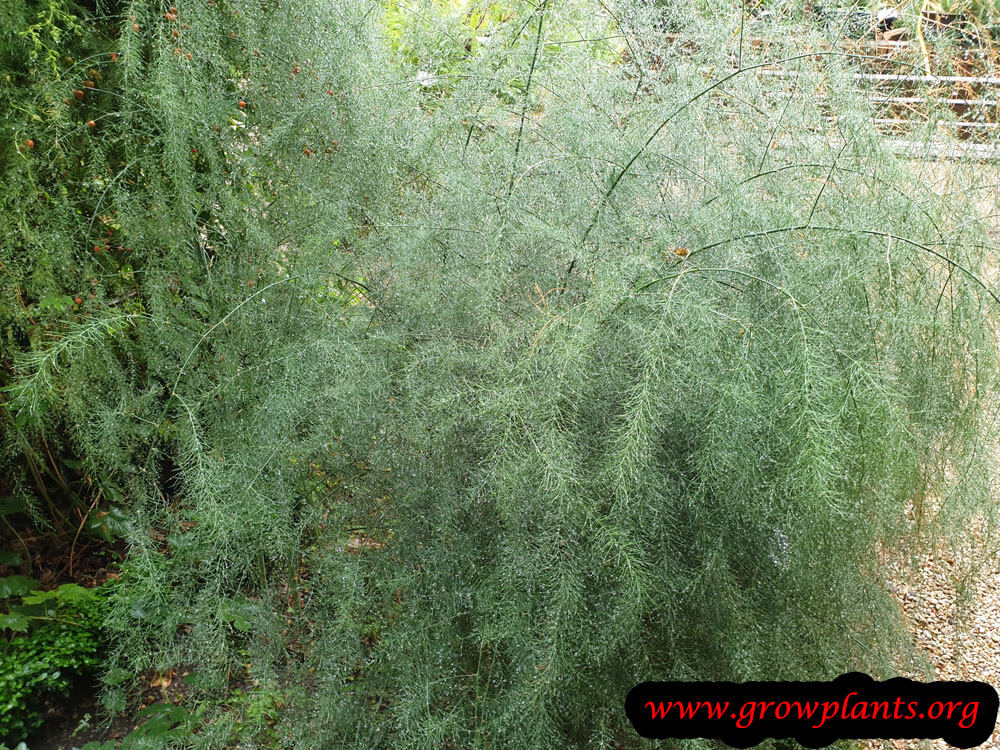
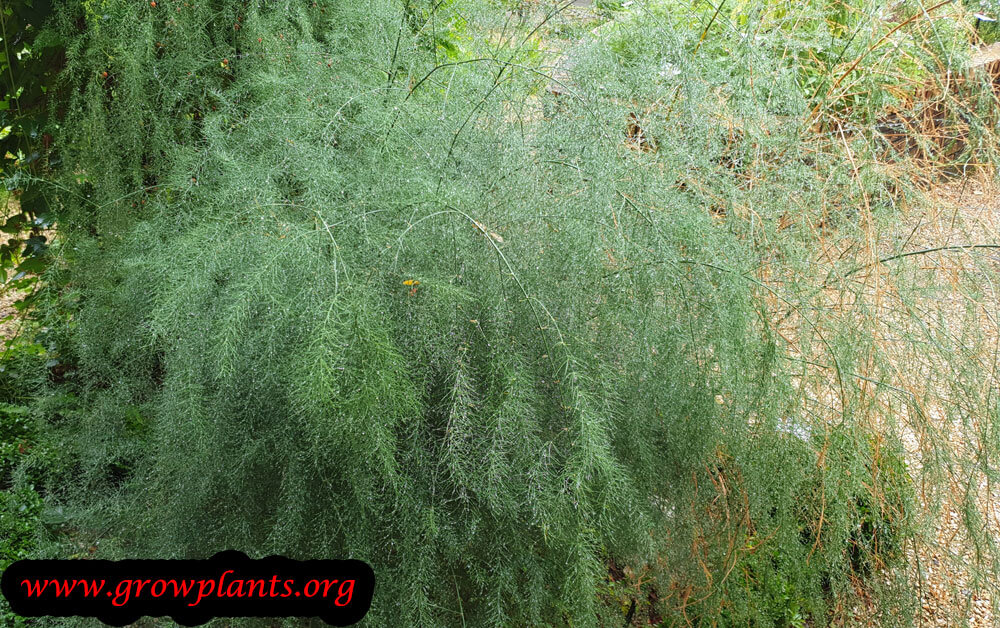
- Growth Habit & Form: Herbaceous perennial arising from a fleshy crown, with fine needle-like cladodes.
- Lifespan & Maturity: Long-lived (decades); spears harvestable about 2-3 years from seed, or 1 season from crowns.
Anatomy & Physical Features
- Leaves & Foliage: Fine, needle-like green foliage (cladodes).
- Flower Characteristics: White-to-yellowish bell-shaped flowers; bee-pollinated.
Primary Uses & Landscape Value
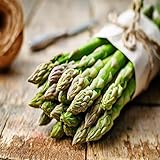
- Edible Uses: Spring spears cooked, pickled, in salad or eaten raw.
- Functional & Ornamental Roles: Ferny ornamental foliage; containers.
Care Guide: Planting, Soil & Watering
Overview: Asparagus is a long-lived perennial crop that grows in full sun to light shade and, once established, produces spears for years. It demands light, sandy, very well-drained soil and appreciates mulch and steady moisture during the growing season.
Quick Care Requirements
| Requirement | Ideal Condition |
|---|---|
| Planting Season | Crowns in winter in warm areas; plants in spring to summer |
| Growth Rate | Slow to moderate |
| Soil Type | Light, sandy, mulched and very well-draining |
| Soil pH | Neutral to slightly alkaline (about 6.5-7.5); dislikes acidic soil |
| Water Need | Moderate to high during active growth |
Planting & Establishment
- Best Planting Season: Plant dormant crowns in winter in warm areas, or set out plants in spring to summer (hardiness zone 4-11); it is a permanent bed, so prepare the ground well before planting.
- How to Plant:
- Hole Preparation: For crowns, dig a wide trench and spread the roots over a low mound; for plants, a hole a little wider than the root ball.
- Soil Amendments: Work in plenty of compost and grit for a light, free-draining bed, and mulch the surface to feed the crowns and suppress weeds.
- Planting Depth: Set crowns with the buds pointing up and cover to the recommended depth; plant potted asparagus at its original level.
- Growth Speed & Expectations: Slow to establish – expect little harvest for the first couple of seasons while the crowns build strength, then years of spears from a plant reaching about 0.5-1 m of ferny top-growth.
Soil, Watering & Drainage Care
- Soil Mix & Drainage Needs: Above all needs sharp drainage; sandy or light soil suits it best, and standing water rots the crowns. Container-growing is possible, but a deep, permanent bed is better.
- Watering Schedule & Technique:
- Young / Newly Planted: Keep newly planted crowns and young plants steadily moist to establish deep roots.
- Established: Water generously through spring and summer while spears and ferns grow; established beds are fairly resilient.
- Seasonal Adjustments: Water freely in the warm growing season and let the bed dry out as the ferns die back and the plant goes dormant.
Climate, Light & Hardiness
Garden asparagus is a long-lived, cool-to-warm temperate perennial vegetable that crops best in full sun with a distinct dormant season. It is exceptionally cold-hardy as a dormant crown - roughly USDA zones 4–11 - though its tender emerging spears are vulnerable to late-spring frost.
Quick Climate Specifications
| Climate Zones | Temperate to warm subtropical, with a cold or dry dormant season |
|---|---|
| USDA Hardiness Zones | Approximately 4–11 |
| Optimal Temp Range | Approximately 16–24 °C (60–75 °F) for spear growth |
| Cold Damage Begins | Emerging spears blackened by late-spring frost near 0 °C (32 °F) |
| Approx. Survival Minimum | Dormant crowns generally hardy to about −34 °C (−30 °F) or lower |
| Frost Tolerance | Dormant crown: High; young spears: Low |
| Light Conditions | Full sun (tolerates light shade, with reduced yield) |
| Wind Tolerance | Moderate (tall summer fronds may need support) |
| Salt / Coastal Tolerance | Moderate to High (a naturally coastal species) |
Sunlight & Light Exposure
Optimal Light Setup
Give asparagus an open, full-sun position. The summer fern needs strong light to build the crown reserves that fuel next spring's spears, so avoid shaded or crowded sites.
Direct Sun Requirement
Direct sun for most of the day gives the heaviest, best-quality spears; light or part shade is tolerated but steadily reduces vigour and yield.
Best Exposure / Orientation
A warm, south- or west-facing bed encourages earlier spring cropping, while good air movement around the fern helps keep the foliage dry.
Temperature Extremes & Hardiness
USDA Hardiness & Regional Limits
The dormant crown is hardy across roughly USDA zones 4–11, making cold winters no obstacle. At the warm end of the range the constraint is not cold but the lack of a proper dormant rest: without a cold winter or a dry resting season, plants struggle to build reserves and are shorter-lived.
Cold Damage & Winter Protection
In autumn the fern yellows and dies down, and the crown rests below ground through winter. A mulch over the row protects the crowns in the coldest zones and, in mild-winter regions, an imposed dry rest serves the same purpose of triggering dormancy.
Frost Sensitivity
Established crowns shrug off hard freezes, but the succulent spears that push up in spring are readily burned by late frosts; a temporary cover over emerging spears prevents the loss of an early pick.
Extreme Heat Tolerance
Once spears extend into fern, the plant handles summer heat well, though in very hot regions spear quality declines quickly as warmth makes them open and toughen, so harvest promptly and let the fern grow.
Chilling Requirement
Asparagus needs an annual dormant period - supplied by winter cold in temperate zones or by an enforced dry season in frost-free areas. Where neither occurs, cropping becomes erratic and stands decline, which is why the warm end of its zone range depends on managing dormancy rather than on heat itself.
Wind, Humidity & Microclimate
Humidity Preferences
Asparagus is adaptable on humidity, but prolonged humid, still conditions favour fungal disease on the fern, so open siting that lets foliage dry is preferable.
Dry-Air Tolerance
An established bed tolerates dry air well; its deep, fleshy root system supports the plant through hot, low-humidity spells once the fern is up.
Wind Tolerance
The tall summer fern can be rocked or flattened by strong wind, loosening crowns; discreet staking or support keeps it upright and photosynthesising through the season.
Coastal / Salt Tolerance
Wild asparagus grows on coasts and the crop shows useful tolerance of salt spray and modestly saline soils - better than most vegetables - though highly saline irrigation water still limits it.
Rainfall & Seasonal Moisture
It suits climates with a moist growing season and a drier dormant period; waterlogged winter ground rots crowns, so free-draining conditions matter as much as the temperature regime.
Microclimate Recommendations
Choose a warm, open, free-draining spot with shelter from the fiercest wind - a raised bed in a sunny, airy corner gives early spears and healthy fern.
Growing in Pots, Balconies & Indoors
Garden asparagus is a long-lived edible crop, not a houseplant. It grows best in the open ground but can be raised in a large, deep container outdoors, where the crowns get the root room and full sun they need.
Quick Details
- Container Size: A large, deep container – the crowns need root depth
- Indoor Suitability: Not a houseplant – a sun-loving vegetable crop
- Best Spot: Full sun to half shade, outdoors
- Soil & Drainage: Rich, free-draining, organic mix; sharp drainage in winter
- Watering in Pots: Keep evenly moist through the growing season; ease off in winter dormancy
Indoors & On the Windowsill
- Not a houseplant: The grower does not grow edible asparagus indoors – it is a sun-loving, long-lived vegetable crop that needs open root room and a winter rest, not room conditions.
- Containers instead: It can be grown in a large, deep outdoor container – give the crowns plenty of depth and full sun on a patio or balcony.
On a Balcony or Patio
- Light & wind: Give it the sunniest spot. Walls, railings and paving reflect heat, so pots dry fast – check moisture daily in warm weather, and shelter or stake tall growth from wind.
- Weight & runoff: A full pot of moist soil is heavy – check the balcony can take it, and stand pots so drainage water runs off cleanly without staining or flooding a neighbour below.
Choosing the Pot, Soil & Long-Term Care
- Pot & drainage: A pot with strong drainage holes and no standing-water saucer, so the roots never sit wet and rot. Terracotta breathes and dries faster (good against overwatering), while glazed or plastic holds moisture longer – match it to how often you water.
- Potting mix: A light, aerated, organic-rich mix – potting soil or peat/coir with perlite or vermiculite, blended with compost or well-rotted organic matter.
- Feeding: Nutrients leach out of pots with every watering, so potted plants need feeding more often than those in the ground – a balanced liquid feed through the growing season keeps them going.
- Repotting: Refresh the mix and pot up about every two years; for perennials, lightly trim the root ball and top growth at the same time to keep them vigorous.
Fertilizing & Feeding
A hungry perennial crop that rewards rich soil: feed to establish the bed and again after harvest to power the fern, then stop over winter dormancy.
Quick Fertilizing Specs
| Feeding Level | Heavy feeder |
|---|---|
| Main Nutrient Priority | Adequate nitrogen with balanced nutrition and rich organic matter |
| Best Feeding Period | Early growth and again after harvest to feed the fern |
| Organic Options | Compost and well-rotted manure |
| Soil pH | Prefers near neutral; tolerates a range |
| Reduce/Stop Feeding | Stop feeding once the fern dies back for winter |
Feeding by Growth Stage
Bed establishment
Establish strong crowns and roots in a newly planted bed.
| Nutrient direction | Work plenty of organic matter into the bed and feed with a balanced complete fertilizer. |
|---|---|
| Timing | At bed preparation and through the first growing seasons. |
| Frequency | Feed during the active growing season while the young planting establishes. |
| Fertilizer types | Balanced complete garden fertilizer, Compost and well-rotted manure worked into the bed |
| Precautions | Avoid heavy harvesting while the planting is still young so it can build reserves. |
Fern growth after harvest
Feed the ferny summer growth so it can recharge the crown for the next spear season.
| Nutrient direction | A nitrogen-forward complete fertilizer supports vigorous fern growth once the spears are harvested. |
|---|---|
| Timing | After the spring harvest ends, as the fern develops. |
| Frequency | Feed as the fern grows through summer, then ease off toward autumn. |
| Fertilizer types | Nitrogen-forward complete fertilizer, Compost |
| Precautions | Let the fern grow undisturbed; feeding now builds the reserves that power next spring’s spears. |
Winter dormancy
The tops die back and the crown rests over winter.
| Nutrient direction | None – withhold fertilizer while the crown is dormant. |
|---|---|
| Timing | After the fern yellows and dies back in late autumn. |
| Frequency | No feeding at this stage. |
| Fertilizer types | No feeding at this stage; the crown is dormant. |
| Precautions | Do not fertilize until spring growth resumes. |
Nutrient Deficiency Signs & Corrections
Fern foliage is pale and thin, and spear production weakens the following season.
| Possible causes | Low soil nitrogen, Heavy harvest without replenishing the bed, Leaching in sandy soil |
|---|---|
| Appears first on | Older fronds |
| What to check | Feeding history, Soil organic matter, Drainage and leaching |
| Possible correction | Feed the fern after harvest with a nitrogen-forward complete fertilizer and add organic matter. |
Frond tips brown and growth is poor, sometimes with a crust on the soil surface.
| Possible causes | Excess fertilizer salts, Poor drainage, Dry soil concentrating salts |
|---|---|
| Appears first on | Frond tips |
| What to check | Recent fertilizer amounts, Soil drainage, Watering depth |
| Possible correction | Water deeply to leach salts and reduce fertilizer. |
New fern growth yellows between the veins.
| Possible causes | High soil pH, Waterlogged soil, Low micronutrient availability |
|---|---|
| Appears first on | New fronds |
| What to check | Soil pH, Drainage, Root health |
| Possible correction | Correct pH and drainage; apply a chelated iron product following its label if it persists. |
Pruning, Training & Seasonal Maintenance
Garden asparagus is a long-lived herbaceous crop grown for its spring spears, and ‘pruning’ here means managing the ferny top growth, not woody cutting. The single most important rule is the opposite of ordinary tidying: leave the tall, feathery fern uncut and green all season, because those ferns photosynthesise to recharge the underground crown that will push next spring’s spears — cut them down while still green and you starve the crown and shrink next year’s harvest. The one real cut is the annual cut-down of the whole top to the ground in late autumn or winter, once the fern has yellowed and browned. That cut-down doubles as pest sanitation, since asparagus beetle overwinters in old fern debris. (Spear harvesting itself is covered separately under edible use.)
Quick Pruning & Maintenance Specs
| Pruning Tolerance | None during the growing season (fern feeds the crown); full cut-down when dormant |
| Primary Pruning Window | Late autumn/winter, only after the fern has yellowed and died back |
| Secondary Maintenance Window | In-season: support tall fern and remove any berried female fern |
| Typical Frequency | One annual fern cut-down; ongoing sanitary attention |
| Main Objective | Protect the crown’s food supply, then clear old fern for hygiene |
| Young Plant Priority | Do not cut fern for the first years; let crowns build before harvesting spears |
| Mature Plant Priority | Annual dormant fern cut-down and destruction of debris to break the beetle cycle |
| Best Tool Type | Bypass secateurs or shears for the tough fern bases |
| Avoid Heavy Pruning During | Spring/summer — cutting green fern robs the crown |
Pruning by Plant Age & Size
Newly Established
A first- or second-year bed is all about building the crown: let every fern grow and stand, cut nothing green, and resist harvesting spears until the crown has bulked up over its first couple of seasons. The only removals are broken or diseased fronds. Cutting the fern early on a young crown is the surest way to weaken the whole bed.
Young / Formative
There is no framework to train — asparagus is a herbaceous crown, not a woody plant. ‘Formative’ work is simply supporting the increasingly tall, top-heavy fern so wind does not snap or lodge it, and keeping rows open to light. Earthing up or a line of twine along the row keeps the fern upright and productive.
Mature / Established
Each year, harvest spears in spring within the recognised window, then stop cutting and let the fern grow all summer to refuel the crown. In late autumn or winter, once that fern has yellowed and browned, cut the entire top to about 2–3 cm above the ground and remove it. Do this before winter is well advanced so overwintering beetle and disease are cleared with the debris.
Seasonal Pruning Schedule
Growing Season (fern retained)
Objective: recharge the crown. Remove: nothing but broken, storm-damaged or clearly diseased fronds. Do NOT remove: green, healthy fern — it is feeding next year’s spears. Impact: cutting green fern directly reduces spear number and size the following spring.
Dormant Cut-Down
Objective: hygiene once the fern has done its work. Remove: the whole yellowed top to just above ground, and take the debris off the bed. Do NOT: leave old fern standing over winter. Impact: none on the crown’s reserves (already withdrawn); breaks the asparagus-beetle overwintering cycle.
Ongoing Sanitary
Objective: curb pests and stray seedlings. Remove: female fern carrying red berries before the seed drops, and any rust- or disease-marked fronds. Impact: fewer volunteer seedlings crowding the bed and less carry-over of foliar disease.
Structural Pruning & Training
No structural pruning exists for a crown crop — there is no trunk, branch or cane to select. The nearest thing to training is physical support: earth up the row, or run twine or short stakes along it, so the tall summer fern stays upright, catches full light and does not lodge across the bed. Keeping rows from crowding also lets each crown’s fern work efficiently.
Special Growth to Remove
The growth worth removing is not suckers or watersprouts but the red berries borne on female plants: they seed freely and fill the bed with weedy volunteers, so cut berried fern out before the seed ripens (or grow all-male types). Spent, yellowed fern is removed only at the dormant cut-down, never while green.
Container & Small-Space Pruning
Asparagus resents confinement, but where it is grown in a large deep container the same rule holds — never cut green fern; only remove it after autumn yellowing. Support the fern, which flops readily in a pot, and expect the crown to need dividing or replanting into fresh deep soil after a few years, as a root-bound crown yields poorly. There is no useful root-pruning here; renewal is by replanting healthy crowns, not by cutting them back.
Tools
The fern base is tough and slightly woody by autumn, so a sharp pair of bypass secateurs (or garden shears for a whole row) is the right tool for the cut-down; light snips are enough for removing berried or damaged fronds in season. No saw, loppers or hedge shears for shaping are relevant — there is nothing woody to shape.
Tool Hygiene & Disease Risk
Risk here is increased, not routine, because asparagus beds carry transmissible troubles — asparagus rust and, in older beds, fusarium crown/root rot. When you are cutting out rust-marked fronds or clearing a bed with a history of decline, clean the blades between beds or plants and remove (do not compost) the trimmings, so you are not carrying spores from an infected row into a clean one.
Cut Placement & Technique
Make the dormant cut-down cleanly at about 2–3 cm above soil level, leaving short stubble rather than cutting into the crown itself. Cut berried female fern low enough to take all the seed off in one go. All cuts are simple thinning removals of whole fronds at the base; there is no heading-back into wood, and no bud direction to consider.
Heavy Pruning & Rejuvenation
There is no hard-rejuvenation cut for asparagus — you cannot ‘cut it back to renew it’ the way you would a shrub, and severe cutting only harms the crown. A tired, unproductive bed is renewed by lifting and replanting vigorous crowns into fresh, deep, well-prepared soil, not by cutting the tops harder.
Post-Pruning Care
After the autumn cut-down, top-dress the bed with compost or well-rotted manure and mulch the crowns for winter; this, not the cut, is what fuels next year’s spears. Keep the cleared bed weed-free so emerging spring spears are not shaded. No pruning-driven feeding is needed beyond that seasonal top-dressing.
Common Pruning Mistakes
- Cutting the fern down while it is still green — the classic error that starves the crown and cuts next year’s spear yield.
- Over-harvesting spears in the first years or too late into the season, leaving the crown too little fern to recover.
- Leaving old fern standing all winter, giving asparagus beetle a place to overwinter in the bed.
- Letting female plants ripen and drop berries, so the bed fills with crowding seedlings.
When NOT to Prune
Do not cut the fern at any point while it is green and growing — through spring, summer and into early autumn it must stay intact to feed the crown. Wait for genuine yellowing and dieback before the cut-down. Avoid disturbing or cutting a young, still-establishing crown, and do not clear the bed so late that beetles have already settled in for winter.
Recommended Tools (by task)
- bypass_secateurs — for the annual dormant cut-down of the tough, semi-woody fern bases and for removing berried female fronds cleanly.
- soft_ties_stakes — twine and low stakes to hold the tall summer fern upright so it keeps feeding the crown instead of lodging across the bed.
- blade_disinfectant — to clean blades between rows where asparagus rust or crown rot is present, so cutting does not spread it through the bed.
Pruning Troubleshooting
| Problem | Possible Cause | What to Check | Corrective Action |
| Thin, weak or fewer spears the next spring | Fern cut down while still green, starving the crown | Whether the top was removed before it yellowed, or spears over-cut | Leave all fern until autumn yellowing; ease off harvest so the crown can rebuild |
| Recurring asparagus beetle each season | Old fern left standing over winter as a beetle refuge | Whether spent fern and debris were cleared in late autumn | Cut down and destroy (do not compost) all fern once dormant |
| Bed filling with unwanted asparagus seedlings | Female plants ripening and dropping red berries | Presence of berries on the fern | Remove berried female fern before seed drops, or replant with all-male types |
| Fern lodging and yellowing early across the row | Wind-flattened, crowded fern losing light; or rust in wet seasons | Support, spacing and rust-orange pustules on stems | Support/earth up the rows, thin crowding, and cut and bin rust-marked fern, cleaning blades |
Propagation Guide
Garden asparagus is grown either from seed or, faster and more evenly, by planting dormant one-year crowns – the site’s preferred shortcut. Asparagus is dioecious (separate male and female plants), so seed gives a mix of sexes and named all-male hybrids do not come true; crowns are clonal and predictable.
Quick Propagation Specs
| Best Propagation Method | Dormant crowns |
| Alternative Methods | Seed; division of an established crown |
| Propagation Difficulty | Easy to Moderate |
| Seed True-to-Type | Variable – mixed male and female; hybrid offspring vary |
| Vegetative True-to-Type | Yes (crowns are clonal) |
| Best Propagation Season | Crowns in winter (dormant) in warm areas; seed in spring to summer |
| Germination Temperature | Warm soil, roughly 20–30°C (68–86°F) |
Growing from Seed
Seed Handling & Viability
Seed comes from the red berries of female plants; clean it from the pulp before sowing.
Dormancy & Pre-Sowing Treatment
No cold treatment is needed. Soaking the hard seed in water for a day or two before sowing speeds and evens up germination.
Germination Conditions
Germinate in warm soil, roughly 20–30°C (68–86°F); cool soil makes germination slow and erratic.
Seedling Care
Raise seedlings for a season, then lift the young crowns while dormant and transplant them to their permanent bed – this is the point at which growing from seed rejoins the crown-planting method.
Division, Offsets, Pups & Suckers
Crowns
Plant dormant crowns in a wide trench of light, sandy, well-drained soil: spread the fleshy roots out over a low ridge with the buds facing up, then backfill. In hot-summer areas set crowns in winter while dormant. An old established crown can also be lifted during dormancy and split into sections, each keeping a share of buds and thick storage roots.
Bloom & Flower Guide
Quick Details
- Bloom Season: Summer
- Time to First Bloom: On established plants, typically from the second or third year
- Flower Appearance: Small, white to yellowish bell-shaped flowers
- Edibility: The flower is not eaten – asparagus is grown for its young spears; the ornamental red berries that follow on female plants are toxic if eaten
Detailed Blooming Overview
Garden asparagus flowers in summer, once the plants are well established and you stop cutting spears and let the ferny stems grow. The plants are dioecious – male and female flowers are borne on separate plants – so only female plants set the small red berries after bloom.
Flower Characteristics
- Small, white to yellowish, bell-shaped flowers.
- Carried among the fine, needle-like foliage on the tall summer stems.
- Male and female flowers appear on separate plants.
Bloom Care & Thinning
- Managing the bloom: Let the ferny growth flower and mature through summer – it feeds the crown for next year’s spears; cut old stems down once they yellow.
- Pollination: Insect-pollinated, mainly by bees.
- Safety: The red berries that follow the flowers on female plants are toxic – keep them away from children and pets.
Fruit & Uses
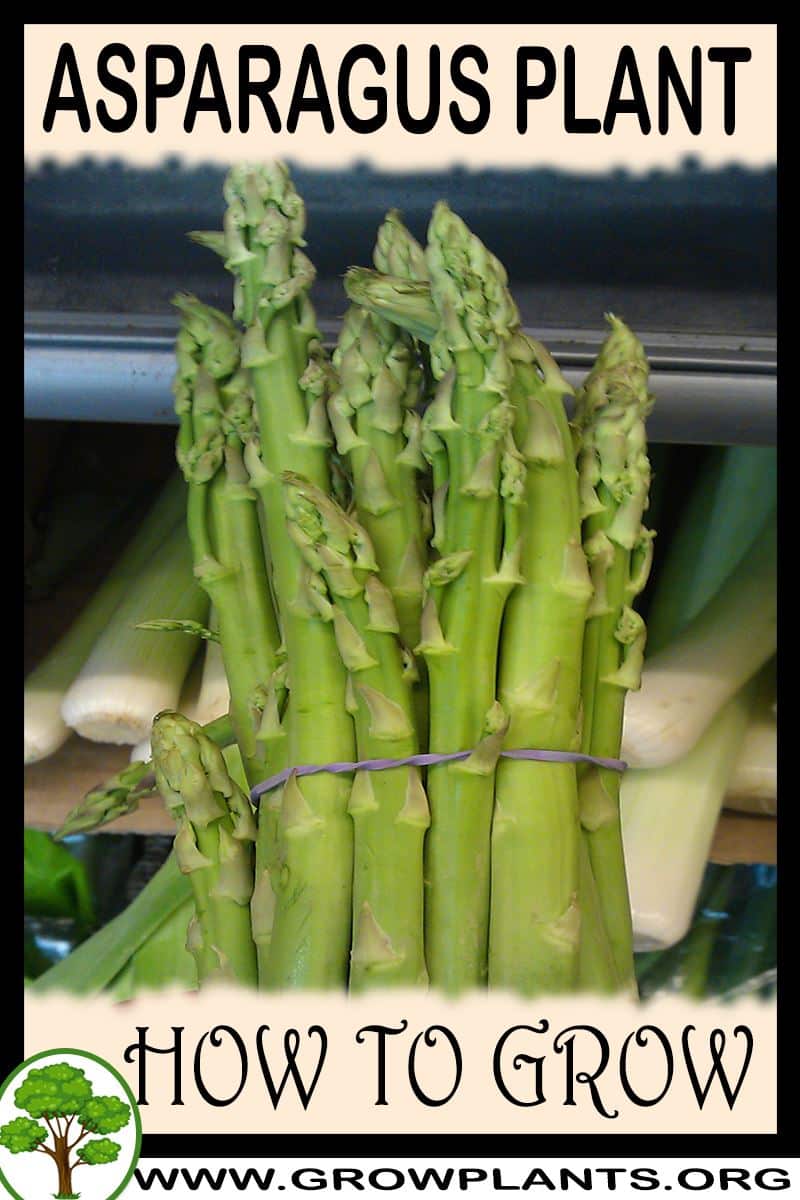
Garden asparagus (Asparagus officinalis) is grown for its young shoots, or spears, which push up from the underground crown in spring and are one of the most prized early-season vegetables. Only the tender young shoots are eaten — they can be used raw or cooked — while the ferny mature stems and the red berries that follow the flowers are not eaten.
Quick Edible Specs
| Edible Parts | Young shoots (spears) |
|---|---|
| Main Use(s) | Culinary vegetable – cooked, raw in salad, or pickled |
| Eaten Raw or Cooked | Both – tender young spears can be eaten raw or cooked |
| Preparation Required | Trim only – snap or cut off the tough, fibrous base |
| Harvest Season | Spring into early summer |
| Time to First Harvest | A few years from seed (site notes about 2–3 years); roughly one season when started from crowns – see Propagation |
| Safety/Toxicity Caveat | Only the young shoots are eaten; the fern-like foliage and the red berries are not edible |
Shoots & Stems
The edible part is the young shoot, or spear, that emerges from the crown in spring. Harvest each spear while it is still young, firm and tightly tipped, before the head opens and the stem turns woody. Cut or snap the spear at, or just below, soil level. The crown keeps sending up fresh spears through the harvest window, so the same plant is cut repeatedly over the season rather than in a single picking. Timing matters: spears left too long become tough and fibrous and are no longer good to eat, so harvest at the right young stage.
Preparation, Uses & Safety
Spears need little preparation — trim off the tough, fibrous base (snapping a spear breaks it where the tender part begins). They are eaten cooked (steamed, boiled, roasted or grilled), added raw to salads, or pickled, and a heavy cutting can be preserved by pickling.
Safety: only the young shoots are the food crop. The fern-like summer foliage is not eaten, and the bright red berries that form on female plants after flowering are not edible — keep them away from children and pets.
Pests, Diseases & Troubleshooting
Asparagus is a long-lived perennial with a few dedicated pests – the asparagus beetles above all, which damage both spears and ferns – plus the asparagus aphid, and slugs and cutworms on emerging spears. Its most serious threats, though, are soil-borne: Fusarium crown and root rot slowly wear a bed out, and rust attacks the fern. Good drainage, sanitation and rust-resistant crowns keep a bed productive for many years.
Quick Troubleshooting Overview
| Issue / Pest | Main Symptom | Primary Solution |
|---|---|---|
| Asparagus beetles | Chewed, scarred spears; grubs on ferns | Hand-pick, clear ferns in winter, neem/spinosad |
| Asparagus aphid | Bushy, stunted ‘witches-broom’ fern | Encourage beneficials, insecticidal soap |
| Slugs / cutworms | Grazed or severed young spears | Hand-pick, collars, iron-phosphate pellets |
| Asparagus rust | Orange then black pustules on fern | Rust-resistant crowns, airflow, remove fern |
| Fusarium crown rot | Yellow ferns, decline, rotted crowns | Good drainage, resistant crowns, don’t over-cut |
Common Pests & Management
- Common asparagus beetle (Crioceris asparagi):
- Symptoms: Blue-black beetles with cream spots and red margins, plus slug-like grey larvae, chewing spears and fern; feeding scars and dark eggs standing on end along the spears spoil the crop and weaken the fern that feeds next year’s crowns.
- Prevention & Control: Hand-pick adults, larvae and eggs regularly – knocking them into soapy water – and cut down and remove the old fern in winter to destroy overwintering beetles. Encourage ladybirds and parasitic wasps; neem or spinosad helps in heavy infestations, sprayed off the harvest.
- Spotted asparagus beetle (Crioceris duodecimpunctata):
- Symptoms: Orange beetle with black spots whose larvae feed inside the berries; less damaging to spears than the common beetle but adds to overall pressure.
- Prevention & Control: Hand-pick as for the common beetle, remove berries and old fern, and grow all-male (berry-free) varieties to deny the larvae their food.
- Asparagus aphid (Brachycorynella asparagi):
- Symptoms: Small grey-green aphids on the fern that inject a toxin causing tufted, stunted ‘witches’-broom’ growth, weakening the crown and reducing next season’s spears.
- Prevention & Control: Scout the fern through summer, encourage ladybirds and lacewings, and treat colonies with insecticidal soap or neem oil before they distort the fern.
- Cutworms (Agrotis spp.):
- Symptoms: Soil-dwelling caterpillars that sever emerging spears at or below ground, leaving them toppled.
- Prevention & Control: Keep beds weed-free, cultivate lightly to expose the caterpillars to birds, and hand-pick at night; cardboard collars protect valued spears.
- Slugs & snails (Deroceras / Helix spp.):
- Symptoms: Irregular holes in leaves and stems with tell-tale silvery slime trails, worst on soft young growth in damp, shady conditions and after rain or watering; seedlings can be grazed to the ground overnight.
- Prevention & Control: Clear hiding places, water in the morning so surfaces dry by nightfall, and hand-pick after dark. Set beer traps or ring vulnerable plants with grit, copper tape or crushed shell. Where pressure is high, scatter iron-phosphate pellets, which are safe around pets and wildlife.
Diseases & Fungal Issues
- Fusarium crown & root rot (Fusarium oxysporum f.sp. asparagi / F. proliferatum):
- Symptoms: Gradual decline of the bed – fewer, thinner spears, yellowing ferns, and reddish-brown rot inside the crown and roots; worst on wet, compacted or over-harvested beds.
- Treatment & Management: Plant disease-free, resistant crowns in well-drained, slightly raised beds, avoid waterlogging, and do not over-cut young beds. Keep plants vigorous with good feeding and sanitation; there is no cure once crowns are badly rotted, so prevention is everything.
- Asparagus rust (Puccinia asparagi):
- Symptoms: Pale spots then orange, and later black, powdery pustules on the fern stems, causing early browning and weakening the crown for next year.
- Treatment & Management: Grow rust-resistant varieties, space rows for airflow, avoid overhead watering, and remove and destroy infected fern; a sulphur fungicide protects the fern under heavy pressure.
- Purple spot (Stemphylium vesicarium):
- Symptoms: Small sunken purple spots on spears and lesions on the fern in wet, windy spring weather; mainly cosmetic on spears but can defoliate fern.
- Treatment & Management: Clear old fern and debris, improve airflow, and avoid mechanical injury; harvest promptly in wet spells so marked spears are cut before spotting worsens.
Growing Difficulties & Abiotic Problems
- Crown rot from waterlogging:
- Cause & Symptoms: Asparagus crowns rot in heavy, wet soil, which also fuels Fusarium; the plant needs deep, free-draining ground.
- Correction Strategy: Plant in raised, well-drained beds enriched with organic matter, and avoid overwatering – established crowns are deep-rooted and drought-tolerant.
- Thin, spindly spears:
- Cause & Symptoms: Weak spears come from young or over-harvested crowns, poor feeding, or competition and shade, leaving the crown short of the reserves the fern builds.
- Correction Strategy: Let new beds establish for two to three years before full harvest, stop cutting in good time to let the fern feed the crown, feed and mulch generously, and keep the bed weed-free.
What Helps – Products & Tools
Neem or spinosad, plus simple hand-picking and winter fern removal, keep the asparagus beetles in check, while insecticidal soap handles the aphid and iron-phosphate pellets deal with slugs on spears. For disease, the real ‘tools’ are resistant, all-male crowns, sharp drainage and sanitation, with a sulphur fungicide reserved for rust on the fern.