
Plant Profile & Key Characteristics
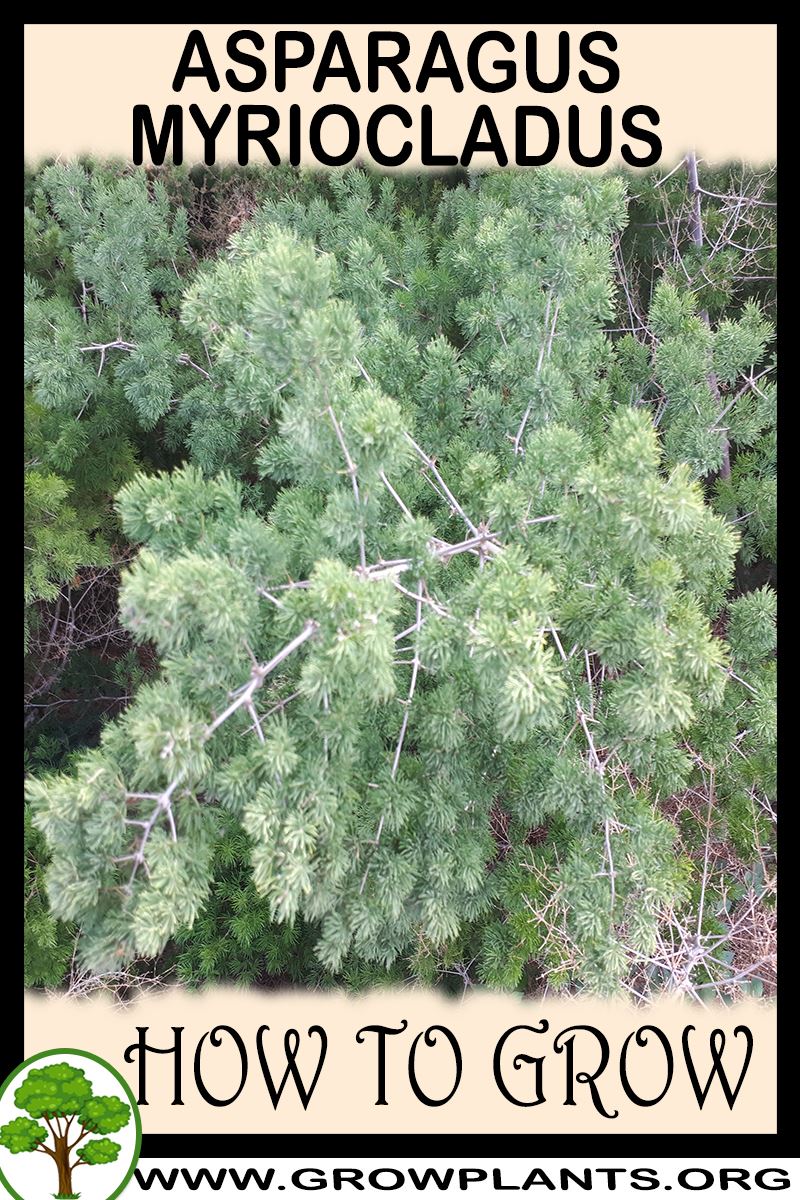
Overview: Asparagus myriocladus is an evergreen shrub of the asparagus family growing 1-1.6 m (40-64 in) tall with feathery foliage. This drought-tolerant perennial is grown as an ornamental, hedge, houseplant and fragrant cut foliage.
Quick Specifications
| Specification | Attribute |
|---|---|
| Plant Type / Life Cycle | Perennial (evergreen shrub) |
| Foliage Type | Evergreen |
| Mature Size | 1-1.6 m tall (40-64 in) |
| Growth Rate | Fast to moderate |
| Root System | Fibrous with water-storing tuberous roots |
| Toxicity | Red berries not edible |
| Hardiness | USDA zone 10+ |
Growth Form & Structure
- Height & Spread: 1-1.6 m (40-64 in) tall; can be grown in containers, though best outdoors in mild climates.
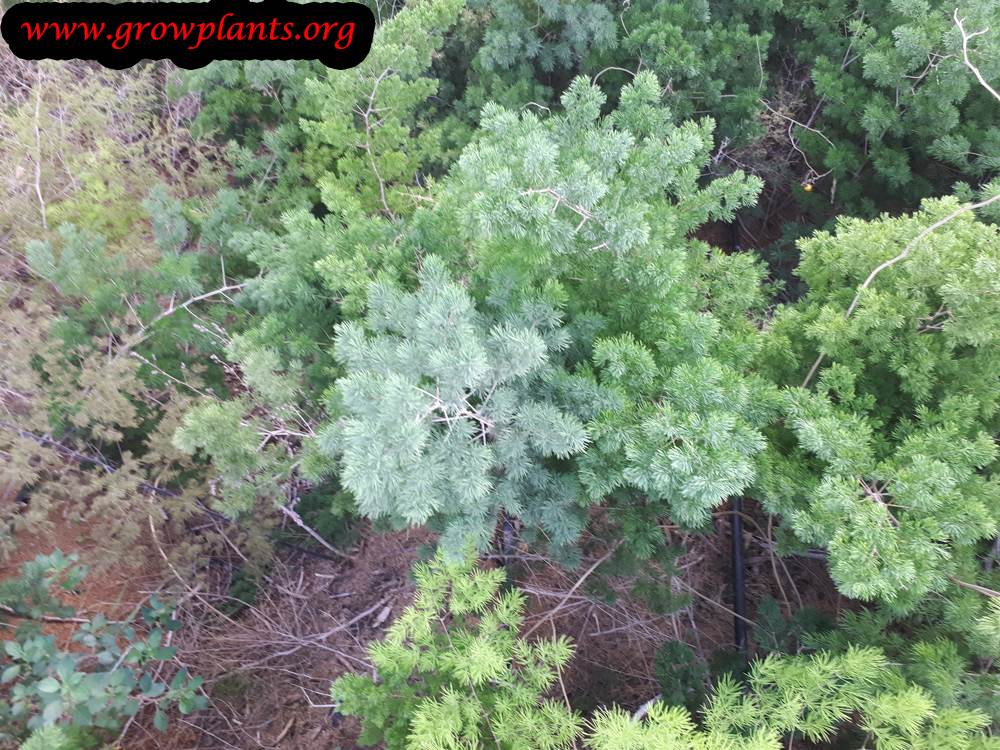
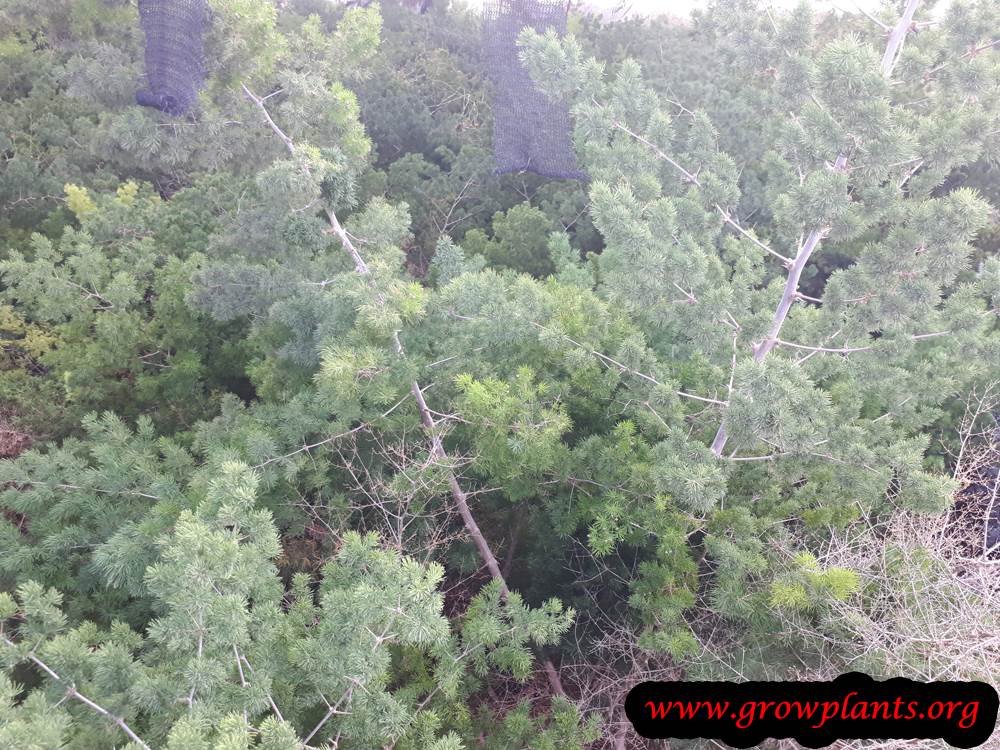
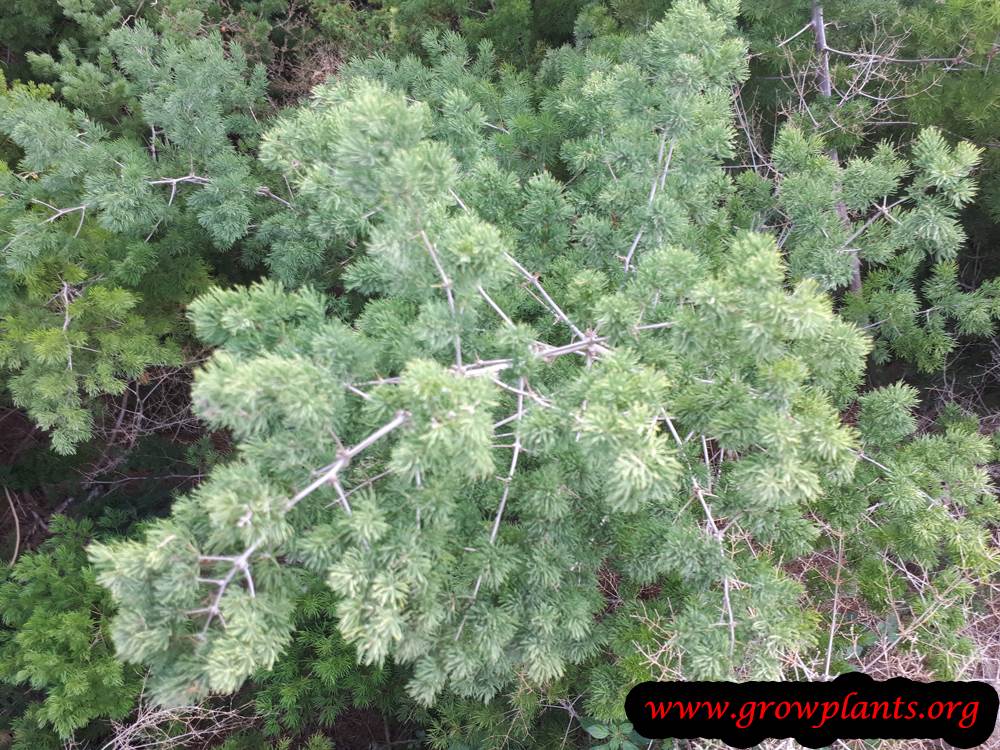
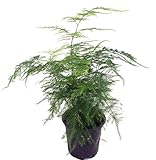
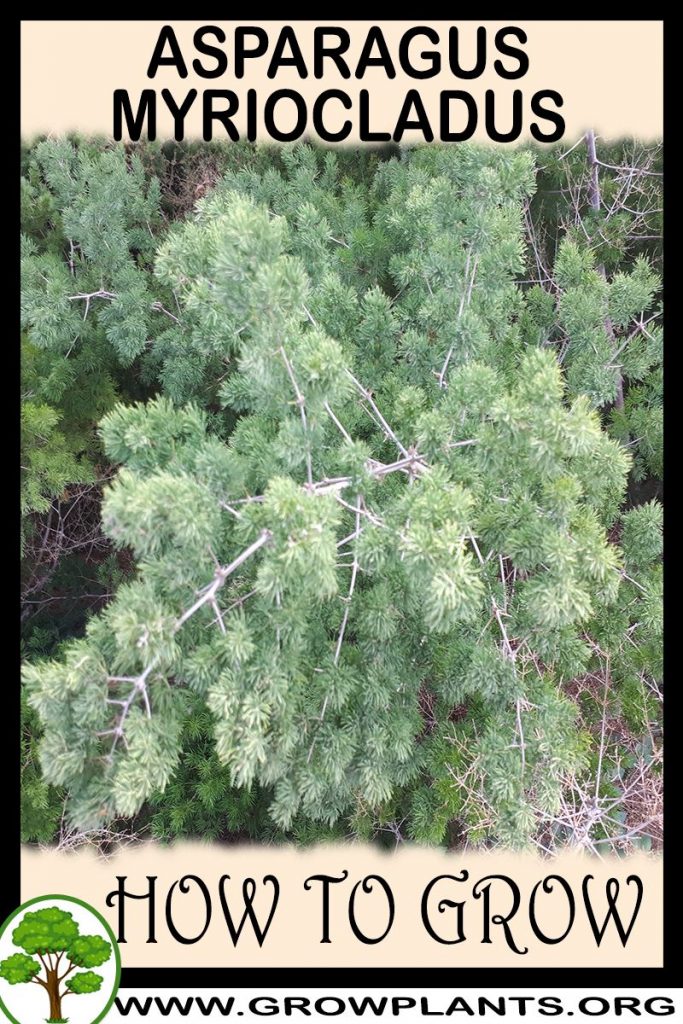
- Growth Habit & Form: Upright shrubby plant with fine, feathery fern-like foliage.
- Lifespan & Maturity: Long-lived evergreen perennial.
Anatomy & Physical Features
- Leaves & Foliage: Fine green needle-like cladodes giving a soft fern-like texture.
- Flower Characteristics: Small fragrant white flowers with six petals and yellow stamens at the stem tips (see Bloom guide).
- Fruit Profile: Small round red berries about 0.5 cm – not edible (see Fruit guide).
Primary Uses & Landscape Value
- Functional & Ornamental Roles: Ornamental foliage, hedge, container and house plant, and fragrant cut greenery; drought tolerant.
Care Guide: Planting, Soil & Watering
Overview: Asparagus myriocladus (a Ming fern relative) is a drought-tolerant evergreen shrub (hardiness zone 10+) for sun or part shade, indoors or out. It prefers moist, well-drained soil but tolerates dry spells once established.
Quick Care Requirements
| Requirement | Ideal Condition |
|---|---|
| Planting Season | Spring through autumn, in the warm season |
| Growth Rate | Moderate to fast |
| Soil Type | Well-drained; prefers moist soil |
| Water Need | Low – tolerates dry spells |
Planting & Establishment
- Best Planting Season: Plant from spring through autumn in the warm season.
- How to Plant:
- Hole Preparation: Dig a hole about the width of the root ball, loosening the surrounding soil for the tuberous roots.
- Soil Amendments: Work some organic matter into the backfill; it appreciates a little richness alongside good drainage.
- Planting Depth: Set it at its original depth with the crown at the surface.
- Growth Speed & Expectations: Growth is moderate to fast, reaching about 1–1.6 m.
Soil, Watering & Drainage Care
- Soil Mix & Drainage Needs: Well-drained soil that holds some moisture suits it; its fleshy roots dislike waterlogging. Ordinary potting mix works in containers with good drainage.
- Watering Schedule & Technique:
- Young / Newly Planted: Keep newly planted plants lightly moist while they root in.
- Established: Once established, water sparingly – it needs only a small amount and tolerates short dry spells.
- Seasonal Adjustments: Water a little more in hot weather and cut back in winter.
Climate, Light & Hardiness
This ornamental Asparagus fern prefers a subtropical-to-tropical climate with full sun to half shade and is drought tolerant once established. It is only lightly frost hardy, generally suited to USDA zone 10 and warmer, with established plants able to briefly withstand temperatures a little below freezing.
Quick Climate Specifications
| Climate Zones | Subtropics, Mediterranean, or tropics, or grown as a houseplant |
|---|---|
| USDA Hardiness Zones | Approximately 10 and warmer |
| Approx. Survival Minimum | Established plants may briefly tolerate temperatures a little below 0°C (32°F), roughly down to about −5°C (23°F) |
| Frost Tolerance | Low |
| Light Conditions | Full sun to half shade |
Sunlight & Light Exposure
Optimal Light Setup
Grow in full sun to partial shade; it adapts well across this range as long as light is bright.
Direct Sun Requirement
Tolerates full direct sun outdoors in subtropical and mediterranean climates without issue.
Best Exposure / Orientation
An open, sunny to lightly shaded position works well, including as a hedge or accent planting.
Temperature Extremes & Hardiness
USDA Hardiness & Regional Limits
Reliable outdoors from about USDA zone 10 upward; in cooler climates it is best grown as a houseplant or container plant that can be sheltered in winter.
Cold Damage & Winter Protection
Cold damage to foliage begins as temperatures approach freezing; mulching the root zone and providing overhead cover during cold snaps helps protect marginal plantings.
Frost Sensitivity
Frost-sensitive; hard or prolonged frost is likely to damage or kill unprotected plants, though brief light frost may only cause superficial foliage damage.
Extreme Heat Tolerance
Tolerates subtropical and desert-type heat well given its drought-tolerant habit.
Growing in Pots, Balconies & Indoors
This ornamental asparagus (often sold as ming or zigzag asparagus, Asparagus retrofractus) is grown by the grower as a container plant rather than a full houseplant, but its light needs suit a bright, sunny windowsill well, where its airy, feathery stems do fine. In a pot outdoors it makes a fine, drought-tolerant patio plant.
Quick Details
- Container Size: A medium pot; its fleshy roots soon fill it, so pot up as needed
- Indoor Suitability: Best on a bright or sunny windowsill rather than deep in a room
- Best Spot: Full sun to half shade
- Soil & Drainage: Free-draining mix – the swollen roots dislike sitting wet
- Watering in Pots: Small – it is drought-tolerant and stores water in its roots
Indoors & On the Windowsill
- Houseplant limits: The grower does not rate it a full houseplant, but it takes indoor life well given enough light.
- Windowsill growing: A bright, sunny sill keeps the foliage dense and green; poor light makes it thin and yellow.
- Overwintering: Tender to hard frost – a potted plant is easy to shelter indoors over a cold winter.
On a Balcony or Patio
- Light & water: Give it a bright to sunny spot; it shrugs off some dryness, but pots still dry fast in sun, so check in warm spells.
- Practicalities: Tough and wind-tolerant; watch for small spines when handling the stems.
Choosing the Pot, Soil & Long-Term Care
- Pot & drainage: A free-draining pot with plenty of holes; the fleshy roots can crack a pot, so pot up when it bulges.
- Potting mix: Well-aerated and organic-rich – a peat- or coir-based mix opened up with perlite or vermiculite and enriched with compost.
- Feeding: Potted plants use up their food faster because frequent watering leaches nutrients away – feed a little more often through the growing season than plants in open ground.
- Repotting: Pot up or divide every couple of years when the roots fill the pot.
Fertilizing & Feeding
A light, undemanding feeder – this drought-tolerant evergreen shrub grows well on modest, balanced feeding through its active season.
Quick Fertilizing Specs
| Feeding Level | Light – an easy-care shrub that does not need heavy feeding. |
|---|---|
| young_feeding | A light balanced feed to help new plants establish roots. |
| mature_feeding | Occasional light feeding keeps established plants and hedges filling in well. |
| Main Nutrient Priority | Balanced nutrition for steady, fern-like foliage growth. |
| Best Feeding Period | Through the warm, active growing season. |
| Organic Options | Compost or well-rotted organic matter worked into the soil. |
| Soil pH | Tolerates a wide range of soil pH. |
| Reduce/Stop Feeding | Ease off feeding as growth slows in cooler weather. |
| Micronutrients | Rarely needed; correct only if a deficiency shows. |
Feeding by Growth Stage
Establishment after planting
Help new plants root in and settle before pushing top growth.
| Nutrient direction | A light, balanced feed to support root establishment. |
|---|---|
| Timing | In the first weeks to months after planting. |
| Frequency | A light feeding is enough while roots are establishing. |
| Fertilizer types | Balanced complete fertilizer at a light rate, Compost worked into the planting area |
| Precautions | Avoid heavy feeding on freshly planted specimens, which can stress developing roots. |
Active growth and hedging
Support steady foliage growth and fill-in for use as a hedge or ornamental planting.
| Nutrient direction | A balanced feed carries this fast-to-medium growing, drought-tolerant shrub through its main growth period. |
|---|---|
| Timing | During the warm growing season from spring through autumn. |
| Frequency | A few light feedings spread through the growing season is usually enough. |
| Fertilizer types | Balanced complete fertilizer, Compost or well-rotted organic matter |
| Precautions | This drought-tolerant plant does not need frequent feeding; over-fertilizing can push weak, floppy growth. |
Cool-season slowdown
Let growth ease off naturally as temperatures drop and the plant needs little support.
| Nutrient direction | None – withhold fertilizer while growth is minimal in cooler weather. |
|---|---|
| Timing | During the cooler part of the year when growth slows. |
| Frequency | No feeding at this stage. |
| Fertilizer types | No feeding at this stage – resume only once active growth picks back up. |
| Precautions | Do not fertilize during the slow period; wait for active growth to resume. |
Nutrient Deficiency Signs & Corrections
Pale, yellow-green older foliage with slow, sparse new growth.
| Possible causes | Low soil nitrogen, Poor, sandy soil with little organic matter, Prolonged drought limiting nutrient uptake |
|---|---|
| Appears first on | Older, inner foliage first. |
| What to check | Recent feeding history, Soil organic matter, Watering consistency |
| Possible correction | Apply a balanced fertilizer during active growth and work compost into the soil. |
Yellowing between the veins of new needle-like foliage while veins stay green.
| Possible causes | High or alkaline soil pH locking up iron or manganese, Waterlogged or compacted soil reducing uptake, Low available iron or manganese in the soil |
|---|---|
| Appears first on | Newest growth at the stem tips. |
| What to check | Soil pH, Drainage, Whether new growth or old growth is affected first |
| Possible correction | Correct soil pH toward the plant’s preferred range, improve drainage, and if it persists apply a chelated iron or manganese product per its label. |
Browning or scorched needle tips despite adequate water.
| Possible causes | Over-application of fertilizer on a low-demand plant, Poor leaching after feeding, Fertilizing during drought stress |
|---|---|
| Appears first on | Needle tips and outer foliage. |
| What to check | Recent fertilizer amounts, Drainage, Watering consistency around feeding times |
| Possible correction | Ease off feeding, water thoroughly to flush excess salts, and resume only light, balanced feeding. |
Pruning, Training & Seasonal Maintenance
Ming Fern is a fine-textured, cane-forming evergreen shrub grown for its needle-like cladodes (cut-foliage and hedge use) rather than for its small fragrant flowers or inedible red berries, so pruning is entirely about canopy shape and cane renewal, not fruit or bloom. It tolerates moderate pruning, is safest cut back in autumn/winter as growth slows, and responds to cane thinning by pushing fresh, fuller basal growth.
Quick Pruning & Maintenance Specs
| Pruning Tolerance | Moderate |
| Primary Pruning Window | Autumn–Winter (slowed growth) |
| Secondary Maintenance Window | Light shaping/cladode trim whenever active |
| Typical Frequency | 1–2x/year shaping, plus as-needed cane removal |
| Main Objective | Shape/hedge density and canopy renewal |
| Young Plant Priority | Let multiple basal canes establish; remove only damaged growth |
| Mature Plant Priority | Renew oldest bare canes; control size and hedge line |
| Best Tool Type | Bypass secateurs; loppers for thick basal canes |
| Avoid Heavy Pruning During | Hottest summer growth flush; right after transplant/division |
Pruning by Plant Age & Size
Newly Established
Remove only dried or damaged cladodes while the root system establishes; do not hard-prune young plants.
Young / Formative
No leader training is needed — encourage several canes from the base for fullness (multi-cane habit). If grown as a hedge, begin light face-shearing only once plants have filled in.
Mature / Established
Practice cane renewal: each year remove one or two of the oldest, most bare-based woody canes at ground level to trigger fresh replacement growth; hedge specimens also get a face/top trim for density.
Seasonal Pruning Schedule
| Dormant/Winter | Objective: shape and renew. Remove dead, discolored or winter-damaged canes; do not strip all old canes in one pass. |
| Ongoing Sanitary | Remove dead, yellowed or gall-affected cladodes as spotted through the year. |
Structural Pruning & Training
Thin old, sparsely-foliaged woody canes at the base to let light into the crown and keep the plant’s fine, airy texture; control height and spread by heading back overly long arching canes rather than shearing the whole plant.
Special Growth to Remove
- Old, bare or yellowing canes at the base (renewal cuts)
- Gall-affected cladodes/stems (see Tool Hygiene)
- Spent flower stalks (minor, cosmetic only)
Container & Small-Space Pruning
Not typically grown as an indoor houseplant but does well in outdoor planters; pinch/tip new growth to keep container specimens compact, and watch for pot-bound roots reducing cane vigor — repot or root-prune before hard cane renewal.
Tools
- Bypass secateurs — individual cane thinning and cladode trimming
- Loppers — removing thick, woody basal canes
- Hedge shears — only if the plant is maintained as a clipped hedge face
Tool Hygiene & Disease Risk
Routine: clean, sharp tools are normally sufficient. Increased risk when cutting out gall-affected tissue (a documented pest issue) — wipe blades between plants when removing galled growth to avoid spreading it through the planting.
Cut Placement & Technique
Remove old canes at or near ground level rather than heading them mid-cane, which leaves bare stubs; favor thinning cuts over shearing for the individual-cane form. If hedged, keep the face slightly tapered so lower growth still receives light.
Heavy Pruning & Rejuvenation
A neglected, leggy plant tolerates hard renewal — up to about a third of the oldest canes can be cut to the ground in one season, with vigorous basal regrowth following. For hedges, spread renewal over two seasons to avoid a bare face.
Post-Pruning Care
Give modest extra water after heavy cane removal to support regrowth; monitor fresh basal shoots for the same gall pest noted in this plant’s records.
Common Pruning Mistakes
- Shearing the whole plant instead of selectively thinning canes, which ruins its airy, fern-like texture
- Removing too many basal canes at once, leaving visible gaps
- Leaving gall-affected growth in place instead of cutting it out
When NOT to Prune
Avoid hard cane removal during the hottest, most active summer flush, and right after transplanting or division, when the plant needs its full canopy to re-establish.
Recommended Tools (by task)
- bypass_secateurs — clean thinning cuts on individual canes and cladode trims at any age
- loppers — cutting thick, woody old canes at the base on mature plants
- hedge_shears — only for specimens actually maintained as a sheared hedge line
Propagation Guide
Ming Fern is most easily and quickly increased by dividing an established clump, since each division is identical to the parent and grows away fast; seed from the red berries is a slower alternative that stays true to the species. Propagation is Easy either way.
Quick Propagation Specs
| Best Propagation Method | Division of the clump/rootball |
| Alternative Methods | Seed (from the red berries) |
| Propagation Difficulty | Easy |
| Seed True-to-Type | Usually true-to-type (species) |
| Vegetative True-to-Type | Yes |
| Best Propagation Season | Spring (division); seed sown when fresh |
| Seed Germination Time | Several weeks, often irregular |
Growing from Seed
Seed Handling & Viability
Seed comes from the small (about 0.5cm), round, inedible red berries. Clean the pulp from the seed before sowing, since pulp left on the seed can encourage rot rather than germination.
Sowing Season
Best sown fresh, within the plant’s spring–summer–autumn planting window.
Germination Conditions
Warm, moist, well-drained sowing medium in a lightly shaded position.
Germination Time
Germination is generally slow and can be uneven; allow several weeks and expect staggered emergence.
Division, Offsets, Pups & Suckers
This species is easy to start from vegetative division of the clump, matching the site’s note that vegetative propagation, while not required, is an easy way to start new plants. Best done in spring: lift the clump and separate sections of the fleshy, tuberous rootstock, making sure each division keeps healthy roots and at least one growing shoot. Replant divisions promptly and keep lightly moist until re-established.
Bloom & Flower Guide
Quick Details
- Bloom Season: Spring
- Flower Appearance: Small white flowers with six petals and yellow stamens, clustered toward the stem tips
- Edibility: Not eaten – grown for its fine, ferny foliage
Detailed Blooming Overview
Asparagus myriocladus (Ming fern, botanically Asparagus retrofractus) is an evergreen, drought-tolerant shrub grown for its soft, feathery sprays. In spring it carries small, lightly fragrant flowers. It suits subtropical, Mediterranean and tropical gardens or a bright indoor spot, in roughly zone 10 and warmer, and its foliage is a favorite filler for cut arrangements.
Flower Characteristics
- Small, star-like white flowers with six petals and yellow stamens.
- Carried in clusters toward the ends of the wiry stems.
- Delicate and lightly scented rather than showy.
Bloom Care & Thinning
- Position: Bright light and even moisture bring on the best flowering.
- Safety: The berries that may follow are not edible, so keep them away from children and pets.
Pests, Diseases & Troubleshooting
Overview: This ornamental asparagus (listed as Asparagus retrofractus, and also known under the name A. myriocladus) is a fine-foliaged ‘fern’ relative sharing the genus’s spider-mite, scale and needle-drop tendencies. These are ornamental asparagus ‘ferns’ (they are not true ferns, and not the edible vegetable), tough foliage plants whose fine cladodes hide sap-sucking pests and shed ‘needles’ at the first sign of stress. Their most common troubles are spider mites and scale in warm dry indoor air, plus yellowing and leaf drop from watering and light problems; manage them with good humidity, inspection of the fine foliage, and restrained watering into a free-draining mix.
Quick Troubleshooting Overview
| Issue / Pest | Main Symptom | Primary Solution |
|---|---|---|
| Spider mites | Fine stippling, dull foliage and webbing, heavy needle drop | Raise humidity, rinse foliage, horticultural oil/miticide |
| Scale & mealybugs | Waxy bumps or cottony tufts on stems, honeydew, sooty mould | Wipe/pick off, treat with horticultural oil |
| Aphids | Sticky, distorted new shoot tips | Rinse off, insecticidal soap if persistent |
| Yellowing & needle drop | Foliage yellows and sheds ‘needles’ everywhere | Fix light/water/humidity; usually a stress signal, not a pest |
| Root rot | Wilting, mushy tubers/roots in soggy soil | Reduce watering, improve drainage, repot into open mix |
Common Pests & Management
- Two-spotted spider mite (Tetranychus urticae):
- Symptoms: Fine pale stippling and a dull, greyish cast over the fine foliage, fine webbing between cladodes, and rapid needle drop in hot, dry air – the classic indoor problem for these plants.
- Prevention & Control: Raise humidity and rinse the foliage regularly in the shower; isolate affected plants; apply horticultural oil or insecticidal soap thoroughly (they hide in the fine growth), repeating to catch newly hatched mites.
- Mealybugs (Pseudococcus / Planococcus spp.):
- Symptoms: White cottony tufts tucked into stem junctions and the crown, with sticky honeydew and sooty mould, and slow decline where heavy.
- Prevention & Control: Dab colonies with an alcohol-dipped swab, isolate new plants, control ants, and treat lingering infestations with horticultural or neem oil into all the crevices.
- Scale insects (Pinnaspis aspidistrae (fern scale), soft scale):
- Symptoms: Small brown, tan or white waxy bumps clinging to stems and cladodes; honeydew and sooty mould with soft scale, and yellowing/thinning where numerous.
- Prevention & Control: Wipe or scrape off with a soft cloth or old toothbrush, then smother remaining crawlers with horticultural oil; repeat every couple of weeks until clear.
- Aphids (Aphididae):
- Symptoms: Clusters of soft green or brown insects on tender new shoots, causing sticky, curled, distorted growth.
- Prevention & Control: Rinse off with water, encourage ladybirds and lacewings, and treat persistent groups with insecticidal soap, focusing on the growing tips.
- Thrips (Thysanoptera):
- Symptoms: Silvery streaking and tiny black frass specks on foliage, with fine distortion of new growth in warm dry conditions.
- Prevention & Control: Monitor with blue sticky traps, remove badly affected growth, and treat with insecticidal soap, neem or spinosad, repeating to break the cycle.
Diseases & Fungal Issues
- Root & crown rot (Phytophthora / Pythium / Fusarium spp.):
- Symptoms: Overall wilting and yellowing with soft, dark, decayed roots and tubers, from soggy, poorly drained soil or chronic overwatering.
- Treatment & Management: Water only when the top of the mix begins to dry, use a free-draining medium and pots with drainage, remove rotted material, and repot into fresh open mix if roots are badly affected.
- Fungal leaf spot (various fungi):
- Symptoms: Brown or blackish spots on cladodes and stems, mostly on crowded, chronically wet or poorly ventilated plants.
- Treatment & Management: Improve airflow and spacing, avoid wetting the foliage late in the day, remove affected growth, and keep plants uncrowded; fungicides are rarely needed.
Growing Difficulties & Abiotic Problems
- Yellowing & needle drop:
- Cause & Symptoms: Foliage yellows and sheds its fine ‘needles’ wholesale – the plant’s universal stress response to too little light, drafts, dry air, or erratic (over/under) watering.
- Correction Strategy: Give bright indirect light, keep away from heat vents and cold drafts, maintain humidity, and water consistently so the mix stays lightly moist but never soggy.
- Leaf/tip browning & salt burn:
- Cause & Symptoms: Browning tips and edges from dry air, fluoride/salts in tap water, or fertiliser build-up.
- Correction Strategy: Raise humidity, flush the pot periodically with clean water to leach salts, use low-mineral water where possible, and feed lightly.
- Sunburn:
- Cause & Symptoms: Bleached, scorched foliage when a shade-adapted plant is moved abruptly into strong direct sun.
- Correction Strategy: Keep in bright indirect light, and acclimatise gradually if moving to a brighter spot; avoid harsh midday sun.
- Pot-bound / tuber crowding:
- Cause & Symptoms: Declining vigour, rapid drying and foliage loss as fleshy tubers fill and lift out of the pot.
- Correction Strategy: Repot or divide every year or two into fresh free-draining mix, easing the crowded tuberous roots; note the red berries are toxic if eaten.
What Helps – Products & Tools
These plants respond best to environment control: humidity, bright indirect light, and consistent watering into an open mix. For pests, horticultural/neem oil and insecticidal soap cover spider mites, scale, mealybugs, aphids and thrips (spray thoroughly into the fine foliage); blue sticky traps help monitor thrips. Fungal issues are managed culturally rather than with fungicide. Treat in the cool of the day and rinse foliage as a first line of defence.