

Plant Profile & Key Characteristics
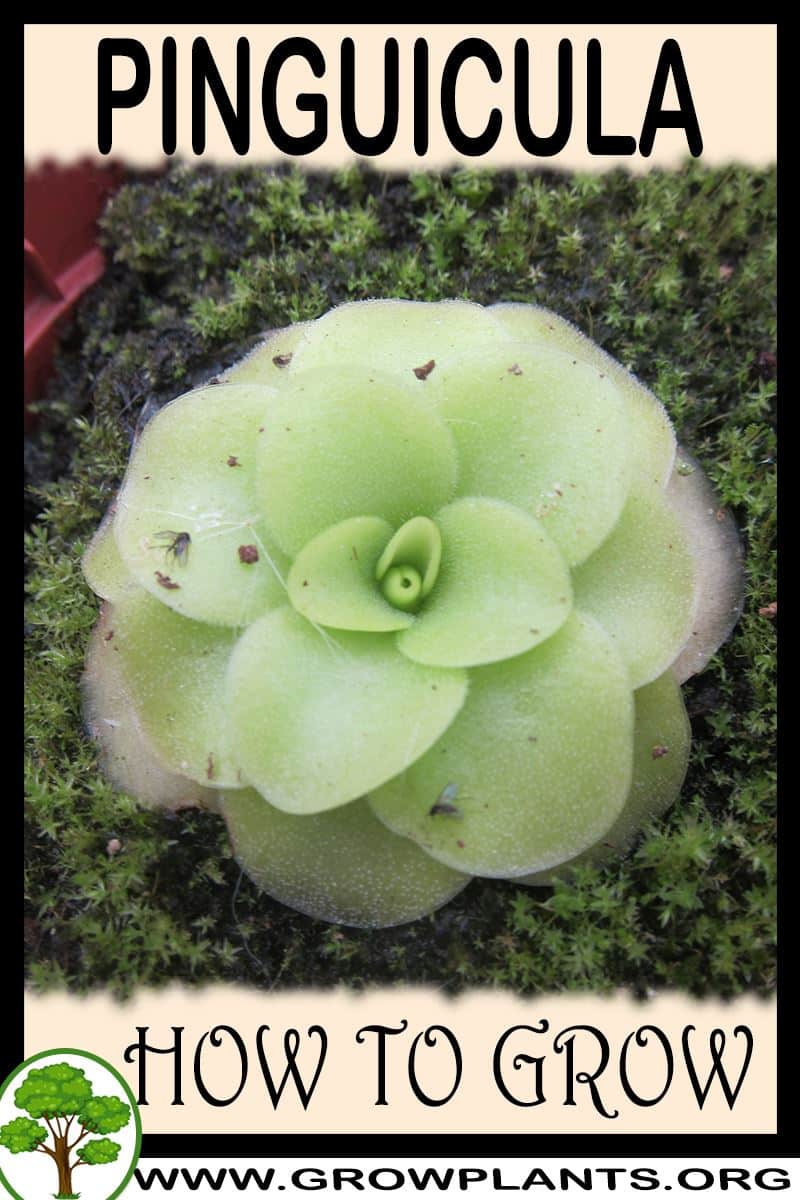
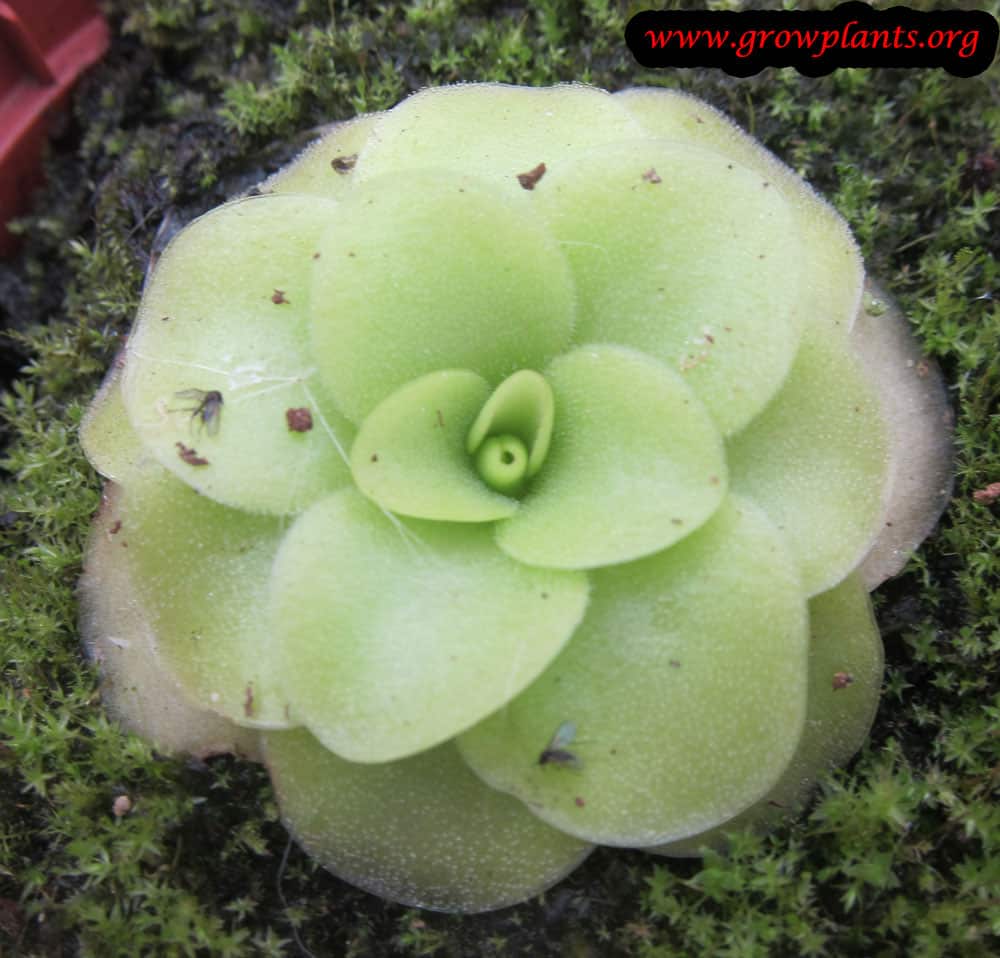
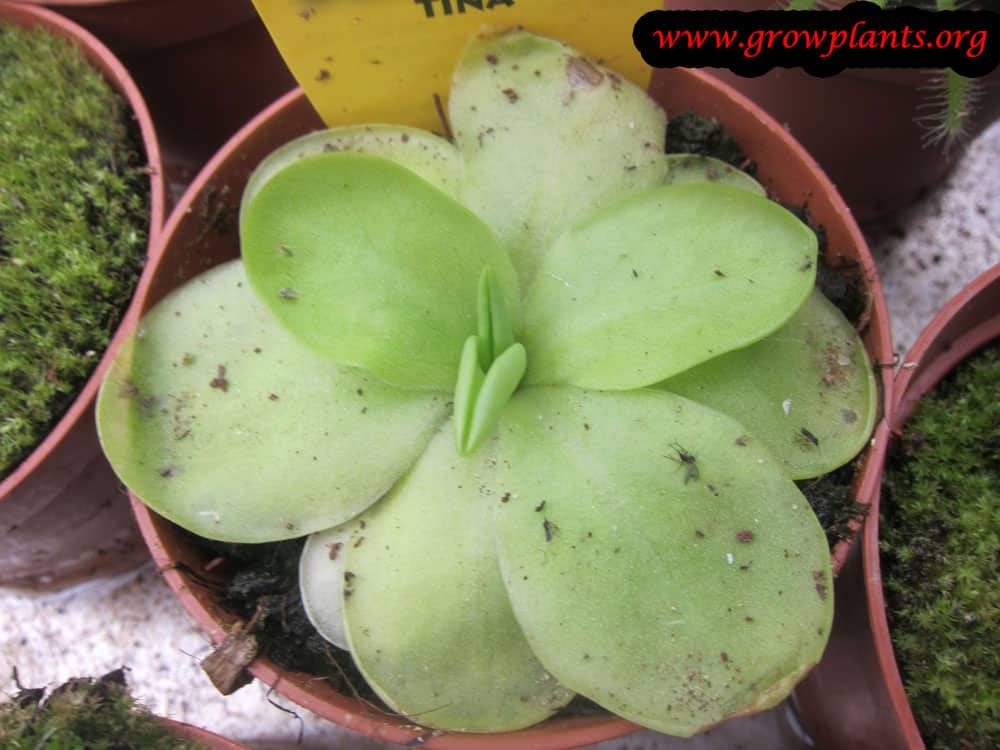
Overview: Butterworts (Pinguicula) are small carnivorous rosette plants, just 5–20 cm (2–8 in) across, whose sticky leaves trap insects. They are grown as curiosity ornamentals in bright, humid, boggy conditions.
Quick Specifications
| Specification | Attribute |
|---|---|
| Plant Type / Life Cycle | Perennial carnivorous plant (evergreen or winter-dormant depending on species) |
| Foliage Type | Evergreen, or cold-deciduous in temperate species |
| Mature Size | 5–20 cm (2–8 in) |
| Growth Rate | Slow to moderate |
| Root System | Fine, shallow root system (roots are weak; the plant feeds mainly through its leaves) |
| Toxicity | Non-toxic |
| Hardiness | USDA zone 9 and warmer (varies widely by species) |
Growth Form & Structure
- Height & Spread: A tiny plant forming a flat rosette 5–20 cm (2–8 in) wide; ideally suited to small pots, terrariums and bog planters indoors or out.
- Growth Habit & Form: Low, ground-hugging rosette of soft leaves, with slender flower stems held above.
- Lifespan & Maturity: A perennial that returns each year; many temperate species form a tight winter resting bud.
Anatomy & Physical Features
- Leaves & Foliage: Green, red or yellow leaves in a rosette, edged with tiny sticky glandular hairs that capture and digest small insects.
- Flower Characteristics: Five-petalled, rounded flowers on slender stems in purple, pink, white, red, yellow or bicolours.
Primary Uses & Landscape Value
- Functional & Ornamental Roles: Ornamental carnivorous novelty for terrariums, bog gardens and bright windowsills; helps catch small flying insects such as fungus gnats.
Care Guide: Planting, Soil & Watering
Overview: Pinguicula (butterworts) are small carnivorous perennials (many hardy from zone 9) grown in a lean, mineral-free medium rather than ordinary soil. They need constant moisture, high humidity (over 50%) and mineral-free water, and because requirements vary by species you should check the needs of your particular type.
Quick Care Requirements
| Requirement | Ideal Condition |
|---|---|
| Planting Season | In spring to summer |
| Growth Rate | Slow to moderate |
| Soil Type | Nutrient-poor carnivorous mix of sphagnum moss, peat and perlite – never fertilised garden soil |
| Water Need | High – keep the medium constantly moist with rainwater or distilled water |
Planting & Establishment
- Best Planting Season: Pot or divide in spring to summer during active growth; many temperate species also take a cool winter rest.
- How to Plant:
- Media & Container: Plant into a pot of nutrient-poor carnivorous mix – sphagnum moss with peat and perlite – using a container with drainage holes.
- Feeding & Amendments: Do not add compost, fertiliser or lime; these plants get their nutrients from trapped insects and are scorched by rich soil.
- Planting Depth: Set the rosette at the surface so the crown sits just above the medium and is not buried.
- Growth Speed & Expectations: Growth is slow to moderate; plants stay small, about 5-20 cm (2-8 in) across.
Soil, Watering & Drainage Care
- Soil Mix & Drainage Needs: Keep the mineral-free mix open and moist; stand the pot in a shallow tray of rainwater or distilled water so the medium wicks up moisture and never dries.
- Watering Schedule & Technique:
- Young / Newly Planted: Keep newly potted plants constantly damp using the tray method with mineral-free water.
- Established: Maintain constant moisture and high humidity for tropical types; never let the medium dry out.
- Seasonal Adjustments: For temperate, winter-dormant species reduce watering and keep the medium barely moist and cool during the rest period.
Climate, Light & Hardiness
Butterworts are small carnivorous rosette plants spanning temperate, subtropical, Mediterranean and tropical climates, some evergreen and some cold-deciduous. They take full sun to full shade with high humidity, and their cold tolerance genuinely varies by species - the site frames the genus at about zone 9+, but warns that each species suits a different zone.
Quick Climate Specifications
| Climate Zones | Temperate, subtropical, Mediterranean and tropical – strongly species-dependent |
| USDA Hardiness Zones | Site lists zone 9+ for the genus, noting that each species fits a different zone; some temperate species are hardier, many Mexican / warm-growing species are tender |
| Optimal Temp Range | Mild, humid conditions; broadly cool-to-warm depending on the species' origin |
| Cold Damage Begins | Tender (warm-growing) species suffer below about 5 °C (41 °F); temperate species instead go dormant as cold arrives |
| Approx. Survival Minimum | Varies widely by species - keep tender types frost-free, while cold-deciduous temperate types survive freezing as resting winter buds |
| Frost Tolerance | Varies by species (None to Moderate) |
| Light Conditions | Full sun to full shade (with adequate light) |
Sunlight & Light Exposure
Optimal Light Setup
Bright light keeps rosettes compact and sticky; many take full sun with humidity, while some tolerate half to full shade with good ambient light.
Shade & Heat Management
In strong heat a little shade protects the soft leaves; match exposure to whether the species is a sun-lover or a shade-tolerant type.
Best Exposure / Orientation
A bright, humid, sheltered spot suits most; check the individual species' preference before siting.
Temperature Extremes & Hardiness
USDA Hardiness & Regional Limits
Because the genus is so varied, the site's zone 9+ is a general guide only. Confirm the specific species: warm-growing (e.g. Mexican) butterworts are frost-tender houseplants, while temperate species tolerate real winter cold by forming a resting bud.
Cold Damage & Winter Protection
Tender species need frost-free warmth; temperate species expect a cold, drier winter rest and resent being kept warm year-round. Identify which you have before deciding on winter protection.
Frost Sensitivity
Frost sensitivity ranges from high (tender types) to low (dormant temperate types) - a clear case where cultivar and species matter.
Extreme Heat Tolerance
Most prefer mild warmth with humidity over prolonged extreme heat.
Wind, Humidity & Microclimate
Humidity Preferences
The site calls for more than 50% humidity; the soft, sticky leaves keep best in humid air.
Dry-Air Tolerance
Low - dry air reduces the sticky secretion; enclosed or humid positions help.
Microclimate Recommendations
Provide a bright, humid micro-spot and tune winter conditions to the species - frost-free for tender types, a cool rest for temperate ones.
Growing in Pots, Balconies & Indoors
Butterworts are among the easiest carnivores to keep indoors – small, tidy rosettes of sticky leaves that thrive on a bright windowsill and even help mop up fungus gnats.
Quick Details
- Container Size: Small – a 8-10 cm (3-4 inch) pot suits the rosette
- Indoor Suitability: An easy, genuine windowsill houseplant
- Best Spot: Bright light, some direct sun; a sunny sill is perfect
- Soil & Drainage: A lean, nutrient-free carnivorous mix – sphagnum peat with perlite or lime-free sand; never ordinary potting soil, compost, fertilizer, or lime.
- Watering in Pots: Only mineral-free water – rainwater, distilled, or reverse-osmosis – never hard tap water, whose minerals build up and harm the plant. Stand the pot in a shallow tray of that water so the mix stays constantly wet.
Indoors & On the Windowsill
- A real houseplant: Butterworts do very well indoors on a bright sill and are a favourite for catching gnats on their sticky leaves.
- Care indoors: Keep the mix wet with mineral-free water (rainwater is ideal); many Mexican types like a drier, cooler rest in winter as their leaves shrink to a small bud.
On a Balcony or Patio
- Light & wind: A bright, sheltered outdoor spot suits it in the warm season; keep the water tray topped up, as pots in sun and wind dry out fast, and shelter it from drying wind.
- Practicalities: Use rainwater for topping up; a filled tray adds weight, so make sure shelving or railings can take it.
Choosing the Pot, Soil & Long-Term Care
- Pot & water tray: Use a plastic or glazed pot (terracotta leaches minerals and dries too fast); unusually for a potted plant, keep it standing in a shallow water tray rather than letting it drain dry.
- Potting mix: Nutrient-free only – sphagnum peat blended with perlite or lime-free sand. Ordinary compost or feed will kill the roots.
- Feeding: Do not fertilize – these plants draw their nutrients from the insects they catch, so rich soil or feed will scorch the roots.
- Repotting: Refresh the peat mix every year or two in the warmer months, before the old mix breaks down and turns sour.
Fertilizing & Feeding
These plants evolved in nutrient-poor bogs and feed themselves by trapping insects; they are very light feeders whose roots are easily damaged by fertilizer and mineral salts, so external feeding stays minimal.
Quick Fertilizing Specs
| Feeding Level | light |
|---|---|
| Main Nutrient Priority | Nutrients come mainly from captured prey, not soil fertilizer |
| Best Feeding Period | Warm active growing season |
| Reduce/Stop Feeding | Stop any feeding during the winter dormancy or rest period |
| Soil pH | Acidic, low-mineral medium such as peat or sphagnum with perlite |
| Organic Options | Mineral-free medium; nutrition supplied by trapped insects |
| Micronutrients | Not supplied by fertilizer; mineral salts are harmful |
Feeding by Growth Stage
Active growth season
Support new traps, pitchers, and leaves during the growing season, with most nutrition coming from captured prey.
| Nutrient direction | Very low external nutrients – nutrition comes mainly from trapped insects, so the roots rarely need feeding and are easily harmed by fertilizer salts. |
|---|---|
| Timing | Through the warm growing season when new traps form. |
| Frequency | Fed mainly by captured insects; keep any soil feeding minimal and infrequent. |
| Fertilizer types | Captured insects are the primary nutrient source, When prey is scarce, offer small insects to the traps rather than fertilizing the roots |
| Precautions | Use only rain, distilled, or other mineral-free water; ordinary fertilizer and hard tap water leave salts that can kill the roots. |
Winter dormancy
Let the plant rest as growth and prey capture slow; nutrient demand falls away.
| Nutrient direction | None – withhold all feeding during the rest period. |
|---|---|
| Timing | During winter dormancy in the cold season. |
| Frequency | No feeding at this stage. |
| Fertilizer types | No feeding at this stage; do not fertilize while the plant rests. |
| Precautions | Do not fertilize; keep the medium moist with mineral-free water only until active growth resumes. |
Nutrient Deficiency Signs & Corrections
Leaf and trap tips brown and die back, and the plant declines after fertilizing or using hard water.
| Possible causes | Fertilizer salts in the medium, Hard or mineral-rich tap water, Overfeeding the roots |
|---|---|
| Appears first on | Leaf and trap tips |
| What to check | Water source and its mineral content, Any fertilizer added to the medium, Mineral or salt crust on the surface |
| Possible correction | Flush the medium repeatedly with rain or distilled water and switch to mineral-free water, avoiding all soil fertilizer. |
Weak, pale growth with small or few traps when the plant catches little prey.
| Possible causes | Too few insects available to trap, Grown indoors away from prey, Traps not triggered or unable to close |
|---|---|
| Appears first on | New growth, seen as small, pale traps |
| What to check | Whether the plant is catching insects, Light levels, Trap function |
| Possible correction | Offer suitable small insects to the traps or improve access to prey and light, rather than adding soil fertilizer. |
Pruning, Training & Seasonal Maintenance
Butterworts (Pinguicula) are carnivorous rosettes 5–20 cm across whose sticky, flypaper leaves catch small insects. They do not tolerate pruning in any structural sense: care is grooming only — removing fully dead leaves and spent flower scapes — and it must respect the seasonal changes some species make between carnivorous and resting leaves.
Because the genus spans temperate, subtropical, and tropical species with different habits, the safe general rule is to remove only what is clearly dead and to learn whether your species forms a non-carnivorous winter rosette that must be left intact.
Quick Pruning & Maintenance Specs
| Pruning Tolerance | Very low — grooming only, no structural pruning |
| Primary Maintenance Window | Year-round, as leaves age and after flowering |
| Typical Frequency | Occasional grooming; scapes removed once spent |
| Main Objective | Remove dead leaves and spent flower scapes; respect winter leaves |
| Best Tool Type | Precision snips or fine scissors |
| Avoid Heavy Pruning During | Any time — never cut the crown or the resting winter rosette |
Pruning by Plant Age & Size
Newly Established
Let a young rosette settle and remove only leaves that have fully died; there is no formative pruning.
Young / Formative
No training applies. The plant renews its flat rosette continually; keep it groomed and appropriately lit.
Mature / Established
Groom spent leaves and flower scapes; renew a crowded plant by division or leaf pullings rather than by any cutting back.
Seasonal Pruning Schedule
Ongoing (sanitary): older leaves steadily die and are replaced — remove them once fully dead. After flowering (spring/summer): the flower scapes rise well above the rosette; cut them off once spent to conserve energy. Winter: many species swap their sticky carnivorous leaves for a tight, succulent, non-carnivorous winter rosette — do not mistake this for dieback; leave it untouched until active leaves return.
Special Growth to Remove
Trim fully dead leaves and spent flower scapes at the base with fine snips. Never remove the compact succulent leaves of a winter rosette, which are the plant’s resting stage, and never pull leaves off by hand.
Tools
Precision snips or fine scissors are the only tool needed; the cuts are tiny and selective. Larger tools have no role on a rosette this size.
Tool Hygiene & Disease Risk
Routine. No significant tool-borne disease is recorded; clean, sharp blades suffice. Clear dead leaves promptly, since decaying tissue can invite mould in humid conditions.
Heavy Pruning & Rejuvenation
Not tolerated. There is no cutting back to rejuvenate a butterwort. A tired plant is renewed by correct seasonal culture and by division or leaf pullings, never by hard pruning.
Post-Pruning Care
After grooming, keep the plant on its mineral-free mix with the humidity and light its species needs; reduce fuss over a plant that is simply entering its winter rosette. No feeding follows grooming.
Common Pruning Mistakes
- Removing the succulent winter rosette, mistaking the resting stage for dead growth.
- Cutting green, sticky leaves that are still catching prey.
- Leaving spent flower scapes to drain a small plant.
When NOT to Prune
Do not remove living carnivorous leaves or the winter succulent rosette, and never cut into the crown. Only fully dead leaves and spent scapes should be taken.
Recommended Tools (by task)
- precision_snips — for removing dead leaves and spent flower scapes cleanly.
Propagation Guide
Butterworts are propagated most easily from leaf cuttings (leaf pullings), which root very readily, and by division; many species also drop small detachable buds (gemmae) that grow into new plants. Seed is possible but slower. Vegetative methods reproduce the parent; easy to moderate depending on species. Note that Pinguicula do not form true tubers or bulbs — some temperate and Mexican species instead make winter resting buds and gemmae.
Quick Propagation Specs
| Best Propagation Method | Leaf cuttings (leaf pullings) |
| Alternative Methods | Division; gemmae (in species that form them); seed |
| Propagation Difficulty | Easy to Moderate (species-dependent) |
| Seed True-to-Type | Species mostly uniform; hybrids vary — propagate vegetatively to keep a form |
| Vegetative True-to-Type | Yes — leaf cuttings, gemmae and divisions reproduce the parent |
| Best Propagation Season | Spring to summer (active growth) |
Leaf Cuttings
Detach a healthy leaf with a little of its base and lay it on damp mineral-free medium (peat/perlite or sphagnum) in bright light and high humidity; small plantlets form at the leaf base. Succulent-leaved (Mexican) types root from leaf pullings especially well. Use rainwater only.
Division & Gemmae
Plants that offset or branch can be divided in growth, each rosette kept with roots. Species that produce gemmae (small resting buds) around the crown, particularly temperate and Mexican butterworts, can have these detached and set on damp medium to grow on.
Growing from Seed
Seed Handling & Germination
Surface-sow the fine seed on damp mineral-free medium in good light and humidity; keep temperate species cooler and be aware that germination is slow and uneven. Because species suit different climates, match conditions to the species.
Bloom & Flower Guide
Quick Details
- Bloom Season: Spring to summer
- Time to First Bloom: On established plants
- Flower Appearance: Solitary five-petalled, spurred flowers (purple, pink, white, red or yellow) on tall stalks
- Edibility: A carnivorous ornamental; not eaten
Detailed Blooming Overview
Butterworts (Pinguicula) carry charming, almost violet-like flowers on tall stalks held well above their buttery, sticky leaves. Raising the flower keeps pollinators clear of the trapping foliage.
Flower Characteristics
- Single, five-petalled, spurred flowers, sometimes lobed at the edges, in purple, pink, white, red or yellow.
- One flower to a stalk, held high above the rosette.
Bloom Care & Thinning
- Managing the bloom: Bright light and pure (low-mineral) water support flowering; remove spent stalks unless you are collecting seed.
Pests, Diseases & Troubleshooting
Overview: Butterworts are carnivorous plants whose sticky leaves trap small gnats and flies, yet they are still vulnerable to aphids on flower stalks and new growth, and to mealybugs, scale and root mealybugs that their traps cannot catch. Their most serious enemies, however, are not pests at all but cultural: mineral-laden tap water and soggy, stagnant compost, which cause fertilizer burn and crown rot. Use pure water, a lean mineral-free medium, and the correct dormancy for the type, and pests are secondary.
Quick Troubleshooting Overview
| Issue / Pest | Main Symptom | Primary Solution |
|---|---|---|
| Aphids | Distorted new leaves and flower stalks, sticky | Rinse or dunfurl-dip; avoid systemics that harm the plant; spot-treat |
| Fungus gnats | Flies over soil; larvae in wet mix (also feed the plant) | Usually tolerated; sticky traps; keep tray water clean |
| Mealybugs / root mealybugs | White fluff in crown or on roots; slow decline | Alcohol dab on foliage; bare-root, wash and repot for root mealybug |
| Scale | Small bumps on leaves, weak growth | Scrape off; gentle horticultural-oil dab (test first — oils can harm leaves) |
| Crown / root rot | Blackened, mushy crown; collapse | Reduce water in cool/dormant periods; airy medium; remove rotten tissue |
| Mineral / tap-water damage | Browning, weakening, dying leaves | Use rain, distilled or RO water only; never fertilize the soil |
Common Pests & Management
- Aphids (Aphis, Myzus spp.):
- Symptoms: Small soft insects on emerging leaves and flower stalks, causing puckering and distortion of new growth that the sticky leaves fail to catch.
- Prevention & Control: Rinse gently or submerge the affected growth briefly in pure water, and remove infested flower stalks. Avoid harsh or systemic insecticides that carnivorous plants resent; spot-treat with a very dilute insecticidal soap, testing on one leaf first, and rely mainly on removal.
- Fungus gnats / sciarid flies (Bradysia spp.):
- Symptoms: Small dark flies over the medium; larvae live in the wet peat. Adults are often caught by the leaves and actually feed the plant.
- Prevention & Control: Usually best tolerated, as they are part of the plant’s prey. If larvae become excessive, use yellow sticky traps and keep the tray water fresh; avoid chemical drenches that damage the sensitive roots.
- Mealybugs and root mealybugs (Pseudococcus / Rhizoecus spp.):
- Symptoms: White cottony specks nestled in the crown and leaf bases, or on the roots (root mealybug), causing slow decline the traps cannot stop.
- Prevention & Control: Dab foliage colonies with a cotton bud of rubbing alcohol. For root mealybug, unpot the plant, wash the roots thoroughly, and repot into fresh mineral-free medium; isolate affected plants and inspect new acquisitions.
- Scale (Coccidae / Diaspididae):
- Symptoms: Tiny immobile bumps on leaves and crown with gradual weakening.
- Prevention & Control: Scrape off individually and, if needed, apply a very light horticultural-oil dab to affected spots — test first, as oils can smother and damage the delicate leaves. Prefer physical removal on such small plants.
- Spider mites (Tetranychus urticae):
- Symptoms: Fine stippling and dull, dry leaves in hot, dry, low-humidity air.
- Prevention & Control: Raise humidity and keep the plant in bright but not baking conditions; gently rinse foliage. Chemical miticides are risky on butterworts, so favor cultural correction and isolation.
Diseases & Fungal Issues
- Crown and root rot (Pythium, Phytophthora, Fusarium spp.):
- Symptoms: The crown or roots turn black, soft and mushy and the rosette collapses, typically after cool, wet, stagnant conditions or overwatering during dormancy.
- Treatment & Management: Use an open, mineral-free medium (peat/sand or peat/perlite), water less in cool and dormant periods, and keep good airflow. Remove rotted tissue, repot into fresh mix, and never let temperate species stay wet and warm when they should be resting.
- Botrytis / grey mold (Botrytis cinerea):
- Symptoms: Fuzzy grey mold on dying leaves and old flower stalks in cool, damp, still air — common on the winter resting buds of temperate species.
- Treatment & Management: Remove dead leaves and spent flower stalks promptly, improve ventilation, and keep the resting buds (hibernacula) cool but not sodden; a light fungicide is a last resort for valued plants.
Growing Difficulties & Abiotic Problems
- Mineral / hard-water damage:
- Cause & Symptoms: Butterworts cannot tolerate the dissolved minerals in tap water; salts accumulate and brown, weaken and kill the leaves — a very common cause of decline.
- Correction Strategy: Water only with rainwater, distilled or reverse-osmosis water, keep the medium mineral-free, and never add fertilizer to the soil; the plant gets its nutrients from trapped insects.
- Wrong dormancy:
- Cause & Symptoms: Temperate species need a cool winter rest as a small resting bud (hibernaculum); Mexican species shift to a dry, succulent winter rosette. Treating them alike causes rot or exhaustion.
- Correction Strategy: Identify whether your plant is temperate or Mexican and give the matching winter conditions — cool and just-moist for temperate types, drier for Mexican types.
- Fertilizer burn:
- Cause & Symptoms: Any soil feeding scorches the roots and can kill the plant.
- Correction Strategy: Never fertilize the medium; if extra feeding is wanted, offer tiny amounts of insect prey or a very dilute foliar orchid feed misted lightly, sparingly.
What Helps — Products & Tools
This plant needs almost no products: pure (rain/distilled/RO) water, a lean mineral-free medium, yellow sticky traps, and rubbing alcohol for spot-treating mealybugs are the essentials. Avoid systemic insecticides and strong oils, which carnivorous plants tolerate poorly; physical removal and correct culture do most of the work.