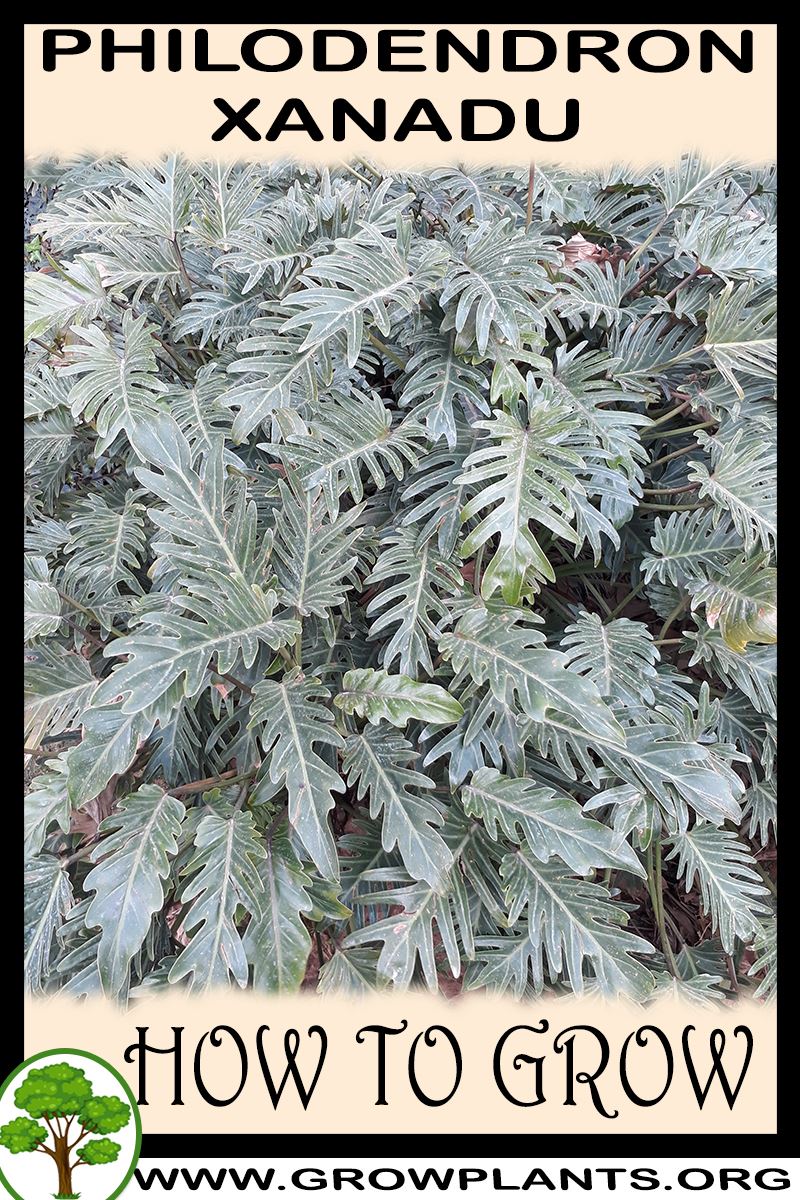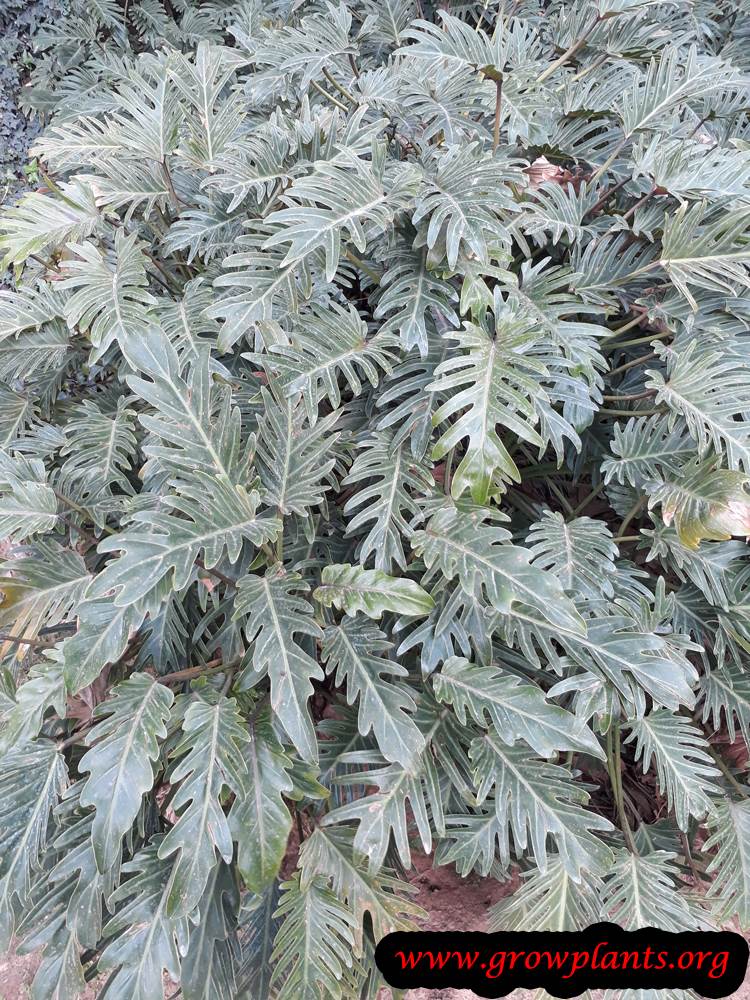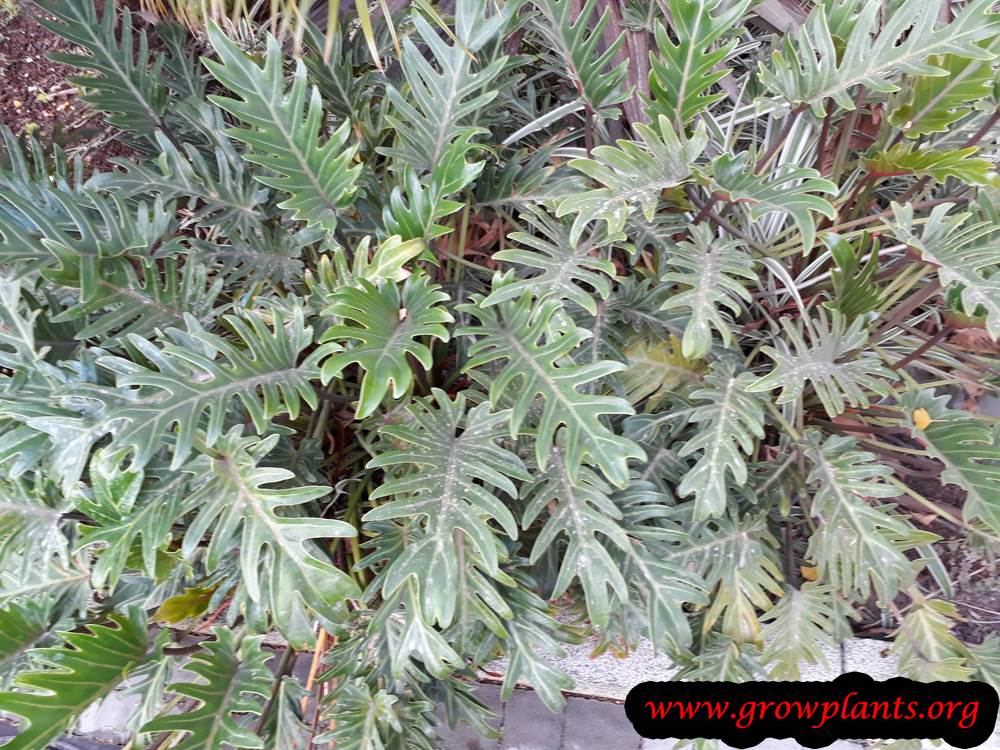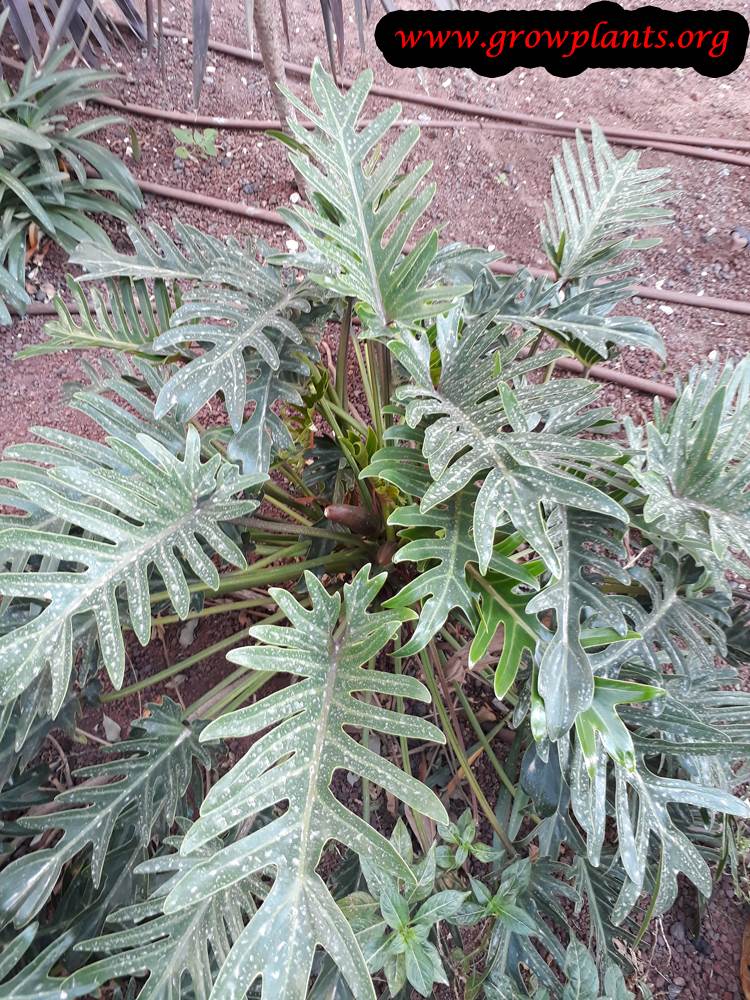




Plant Profile & Key Characteristics
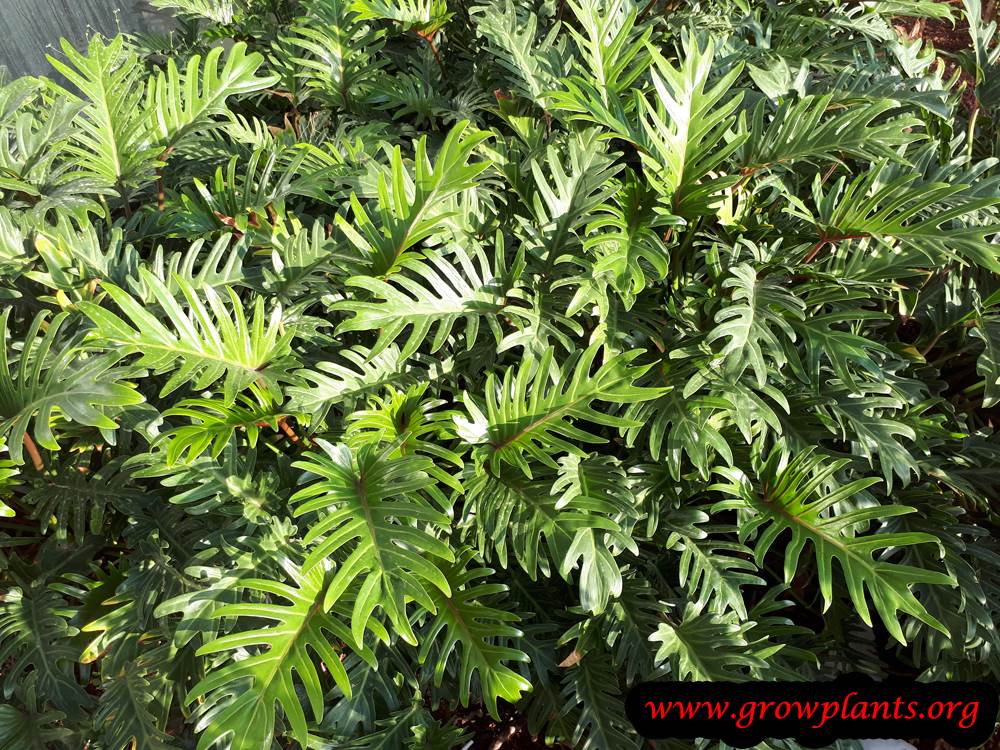
Overview: A compact, clump-forming evergreen aroid, typically 0.6-1.5 m (2-5 ft) tall and spreading somewhat wider, grown for its neat, deeply lobed foliage. It is a popular ornamental for warm gardens, low massing and as an indoor plant.
Quick Specifications
| Specification | Attribute |
|---|---|
| Plant Type / Life Cycle | Perennial (evergreen aroid) |
| Foliage Type | Evergreen |
| Mature Size | Compact, ~0.6-1.5 m (2-5 ft) tall, spreading wider |
| Growth Rate | Moderate to slow |
| Toxicity | Toxic if chewed — all parts contain insoluble calcium oxalate crystals that irritate the mouth and skin of people and pets |
| Hardiness | USDA zones 9+; grown as a houseplant elsewhere |
Growth Form & Structure
- Height & Spread: Forms a tidy mound around 0.6-1.5 m (2-5 ft) tall and often wider, staying naturally compact in a pot — a good low, structural foliage plant.
- Growth Habit & Form: Self-heading, clump-forming aroid (unlike the climbing philodendrons); dense rosettes of stiff, lobed leaves build a mounded clump.
- Lifespan & Maturity: A long-lived evergreen perennial that slowly widens into a fuller clump.
Anatomy & Physical Features
- Leaves & Foliage: Glossy green oval leaves, deeply and neatly lobed, held on a compact clumping crown.
- Flower Characteristics: A white-yellowish spathe with a honeycomb-textured spadix, rarely produced in cultivation.
Primary Uses & Landscape Value
- Functional & Ornamental Roles: A compact ornamental foliage plant for low mass planting, borders, large containers and as an indoor houseplant.
Care Guide: Planting, Soil & Watering
Overview: This philodendron is a warm-climate aroid that thrives in bright, indirect light in rich, moisture-retentive but well-drained soil. It likes steady moisture and warmth and is sensitive to cold and harsh direct sun.
Quick Care Requirements
| Requirement | Ideal Condition |
|---|---|
| Planting Season | Spring, summer or autumn in warm conditions; year-round indoors |
| Growth Rate | Slow to moderate |
| Soil Type | Rich, well-draining, moisture-retentive aroid mix |
| Water Need | Moderate to high — keep evenly moist, letting the surface dry slightly |
Planting & Establishment
- Best Planting Season: Plant in spring, summer or autumn during warm weather; indoors it can be potted year-round.
- How to Plant:
- Hole Preparation: Dig a hole about as deep as and a little wider than the root ball.
- Soil Amendments: Enrich the soil with compost and coarse organic matter so it holds moisture yet drains freely and stays airy.
- Planting Depth: Set the root ball level with the surface, keeping the crown and stem base at soil level rather than buried.
- Growth Speed & Expectations: Expect slow-to-moderate growth, reaching 1–5 m in ideal warm, humid conditions.
Soil, Watering & Drainage Care
- Soil Mix & Drainage Needs: Use a chunky, aerated aroid mix (with bark or perlite) that stays moist but drains fast; sharp drainage prevents root rot in the fleshy roots.
- Watering Schedule & Technique:
- Young / Newly Planted: Keep newly planted or potted plants evenly moist in a warm, humid, sheltered spot out of harsh sun.
- Established: Water when the top few cm of soil begin to dry, then water thoroughly and let excess drain away.
- Seasonal Adjustments: Water more in warm active growth and cut back in cool weather; protect from cold, which it resents.
Climate, Light & Hardiness
Philodendron xanadu is a compact, clumping tree philodendron for tropical, subtropical and mild Mediterranean climates and a popular foliage houseplant, growing best in warm, humid, part-shaded conditions. It is cold-sensitive, but at zone 9 it is one of the hardier philodendrons and an established plant tolerates brief light frost.
Quick Climate Specifications
| Climate Zones | Tropical, subtropical, mild Mediterranean; elsewhere a houseplant |
|---|---|
| USDA Hardiness Zones | 9+ (site data) |
| Optimal Temp Range | Approx. 18–30°C (64–86°F) |
| Cold Damage Begins | Below about 10°C (50°F); foliage is damaged by frost |
| Approx. Survival Minimum | Established plants may survive brief light frost near 0°C (32°F); young plants are more sensitive |
| Frost Tolerance | Low |
| Light Conditions | Part to full shade (leaves burn in full sun) |
Sunlight & Light Exposure
Optimal Light Setup
Bright, filtered light or part shade is ideal; although the site lists a range up to full sun, it also flags sensitivity to full sun, which scorches the glossy lobed leaves.
Shade & Heat Management
In hot climates shade it from harsh midday sun; dappled light keeps the mound of foliage dense and green.
Best Exposure / Orientation
Indoors, near a bright window out of direct sun; outdoors, an east-facing or tree-shaded position.
Temperature Extremes & Hardiness
USDA Hardiness & Regional Limits
Site data rates it hardy to zone 9, tougher than most tropical philodendrons. Cold tolerance still varies with plant age, exposure duration and conditions.
Cold Damage & Winter Protection
Growth stops below about 10°C (50°F), and frost marks the foliage; an established plant recovers from brief light frost, while young plants need covering and mulch. A warm, sheltered site improves overwintering at the cold margin.
Frost Sensitivity
Low - the site flags it as sensitive to cold, but it endures more than the strictly tropical philodendrons.
Extreme Heat Tolerance
Good in warm, humid heat with shade and moisture; hot direct sun scorches the leaves.
Wind, Humidity & Microclimate
Humidity Preferences
Prefers moderate to high humidity for the lushest foliage.
Dry-Air Tolerance
Moderate; dry air browns leaf edges but is tolerated better than by tender aroids.
Wind Tolerance
Low to moderate; the leaves can tear in strong wind, so give it some shelter.
Microclimate Recommendations
A warm, humid, sheltered, part-shaded spot suits it best; young plants especially benefit from frost protection.
Growing in Pots, Balconies & Indoors
Xanadu is a compact, self-heading philodendron – neat and shrubby rather than climbing – and an easy, popular houseplant. The grower rates it for both indoors and pots; it makes a tidy leafy mound in a container.
Quick Details
- Container Size: A medium pot – it stays far more compact than its 1-5 m (3-16 ft) potential
- Indoor Suitability: Yes – an easy, tidy foliage houseplant
- Best Spot: Full sun to full shade – bright, indirect light indoors
- Soil & Drainage: Airy, free-draining mix
- Watering in Pots: Average to plenty; let the top just dry
Indoors & On the Windowsill
- An easy houseplant: Give bright, indirect light and it forms a tidy, self-heading mound that needs no support.
- Warmth & humidity: Keep it warm with a little humidity; keep it off cold draughts.
- Safety: Sap contains calcium oxalate – keep it from children and pets.
On a Balcony or Patio
- Bright shade: Best in bright shade or gentle sun outdoors; shelter from strong wind.
- Water & drainage: Keep evenly moist with free drainage; empty the saucer.
Choosing the Pot, Soil & Long-Term Care
- Pot & mix: A pot with strong drainage and an airy, free-draining mix.
- Feeding: Feed through the growing season – pots leach nutrients faster.
- Repotting: Refresh the mix or pot up about every two years.
Growing this plant in a greenhouse
A greenhouse can give philodendron xanadu frost protection, cold protection, humidity control and extra warmth. In the right climate it may also be kept growing through winter, depending on how much warmth and light are provided.
Greenhouse at a glance
| Greenhouse suitability | Good - clearly useful |
|---|---|
| Main benefits | frost protection, cold protection, humidity control, extra warmth |
| Season extension | earlier spring & later autumn |
| Outdoor protection advisable below | about 10°C |
| Maintain greenhouse minimum | around 10°C for active growth |
| Suitable types | heated greenhouse, polycarbonate greenhouse |
| Heating | Heating is recommended in cold climates for continuous growth. |
Related greenhouse guides
- Greenhouses: How to Choose the Right Greenhouse
- Best Greenhouse Heaters
- Greenhouse Climate Control: Temperature, Ventilation and Humidity
- Polycarbonate Greenhouses: What to Look for Before Buying
Fertilizing & Feeding
A light to moderate feeder: feed with a balanced fertilizer only while the plant is in active growth, and hold off in low light or cool conditions. A compact clumping philodendron grown for its lobed foliage; light, dilute feeding in active growth keeps it full, with less in low light.
Quick Fertilizing Specs
| Feeding Level | Light to moderate feeder |
|---|---|
| Main Nutrient Priority | Balanced feeding with adequate nitrogen for healthy foliage |
| Best Feeding Period | Spring through the warm, brighter active growing season |
| Organic Options | Compost or worm castings worked into the potting mix, plus a diluted complete liquid feed |
| Reduce/Stop Feeding | Hold off feeding in low light, cool weather, and right after repotting |
| Micronutrients | Usually supplied by a complete fertilizer; correct only diagnosed iron or manganese shortages |
| Soil pH | Slightly acidic to near neutral |
Feeding by Growth Stage
Settling in after potting or repotting
Let fresh roots establish in new mix before any feeding begins.
| Nutrient direction | None – withhold fertilizer while the plant is not in active growth. |
|---|---|
| Timing | The first weeks after potting up or repotting into fresh mix. |
| Frequency | No feeding at this stage; resume only when active growth returns. |
| Fertilizer types | No feeding at this stage; hold off fertilizing until active growth resumes. |
| Precautions | Withhold fertilizer now; feeding a plant that is not actively growing wastes nutrients and risks salt buildup in the root zone. |
Warm-season active growth
Support steady, well-colored foliage while the plant is actively growing.
| Nutrient direction | A balanced complete fertilizer with adequate nitrogen to fuel leafy growth, kept dilute for a containerized plant. |
|---|---|
| Timing | Through the warm, brighter part of the year when new leaves are forming. |
| Frequency | Light, regular feeding spread across the active growing season. |
| Fertilizer types | A balanced complete liquid fertilizer, applied dilute, Compost or worm castings top-dressed into the mix |
| Routine trace nutrients | iron, manganese |
| Precautions | Keep feeding light and always water first; overfeeding a containerized foliage plant scorches roots and dulls leaf color. |
Low-light or cool-season slowdown
Let the plant coast through low light or cool conditions without pushing weak growth.
| Nutrient direction | None – withhold fertilizer while the plant is not in active growth. |
|---|---|
| Timing | During short winter days, low indoor light, or cool spells when growth stalls. |
| Frequency | No feeding at this stage; resume only when active growth returns. |
| Fertilizer types | No feeding at this stage; hold off fertilizing until active growth resumes. |
| Precautions | Withhold fertilizer now; feeding a plant that is not actively growing wastes nutrients and risks salt buildup in the root zone. |
Nutrient Deficiency Signs & Corrections
Older, lower leaves fade to pale green or uniform yellow and overall growth slows.
| Possible causes | low available soil nitrogen, nitrogen leaching from heavy watering or rain, thin, low-organic-matter soil |
|---|---|
| Appears first on | older, lower leaves |
| What to check | recent feeding history, soil organic matter, watering and drainage |
| Possible correction | Apply a nitrogen-containing complete fertilizer and build soil organic matter, then water evenly. |
New leaves yellow between the veins while the veins themselves stay green.
| Possible causes | low available iron, high soil pH locking up iron, cold or waterlogged roots limiting uptake |
|---|---|
| Appears first on | youngest leaves |
| What to check | soil pH, drainage and root health, whether symptoms are on new growth |
| Possible correction | Correct soil pH and improve drainage, then apply a chelated iron product per its label if new growth stays chlorotic. |
Leaf margins and tips brown or scorch and growth stalls despite adequate watering.
| Possible causes | fertilizer salt buildup in the root zone, under-watering that concentrates salts, excessive or too-frequent feeding |
|---|---|
| Appears first on | leaf margins and tips |
| What to check | recent fertilizer amounts, watering consistency, drainage, especially in containers |
| Possible correction | Ease off feeding, water thoroughly to flush accumulated salts from the root zone, then return to lighter feeding. |
Pruning, Training & Seasonal Maintenance
Philodendron xanadu is a compact, self-heading philodendron that forms a low, mounding clump of neat lobed leaves — it does not climb and it stays naturally tidy, so it needs very little pruning. Maintenance is simply removing old outer and lower leaves and any spent flower, plus dividing the clump when it outgrows its space. There is no framework to shape; the sap is an irritant, so wear gloves.
Quick Pruning & Maintenance Specs
| Pruning Tolerance | Grooming only — single crown, no structural pruning |
| Primary Pruning Window | Before winter — tidy old leaves |
| Secondary Maintenance Window | Ongoing grooming; divide when crowded |
| Typical Frequency | Minimal — naturally compact |
| Main Objective | Remove old leaves and spent blooms; divide to control size |
| Best Tool Type | Precision snips; bypass secateurs for thicker petioles |
| Avoid Heavy Pruning During | Any time — never cut the growing crown |
Pruning by Plant Age & Size
A young plant needs only damaged leaves removed. A mature clump needs no more than occasional removal of tired outer leaves and division when it becomes congested — there is no formative or renewal pruning because it self-heads into a tidy mound.
Seasonal Pruning & Ongoing Maintenance
Groom old leaves as they age, with a light tidy of old foliage before winter. It keeps a single evergreen crown, so there is no dormant structural work.
Structural Pruning & Training
None — it is a clump-forming, self-heading plant with no branches to select or thin. Control size by dividing the clump, not by cutting a framework.
Special Growth to Remove
Remove old outer/lower leaves and spent flower stalks. Offsets that make up the clump are its fullness — keep them, or divide surplus to propagate and to limit spread.
Container & Small-Space Pruning
An easy container plant that stays neat: groom old leaves and divide when it fills the pot. Do not attempt to shrink it by topping — it has a single crown; divide instead.
Tools
Precision snips for most leaves; bypass secateurs for the thicker petioles. No saw, loppers or shears needed.
Tool Hygiene & Disease Risk
Routine — keep blades clean; no significant pruning-borne disease. Wear gloves for the irritant aroid sap.
Cut Placement & Technique
Cut leaf petioles cleanly at the base near the crown without cutting into the crown itself.
Heavy Pruning & Rejuvenation
Not applicable. With a single crown it cannot be cut back hard for rejuvenation; renew or reduce a large clump by dividing it, not by topping.
Post-Pruning Care
Keep warm, moist and in bright indirect light after grooming or division; protect fresh divisions from harsh sun until re-established.
Common Pruning Mistakes
- Over-pruning a plant that is naturally tidy.
- Cutting into the growing crown.
- Trying to reduce size by topping instead of dividing.
When NOT to Prune
Never cut the crown; avoid heavy leaf removal just before winter cold or right after repotting.
Recommended Tools (by task)
- precision_snips — grooming old leaves and spent flower stalks.
- bypass_secateurs — cutting thicker petioles on a large clump.
Propagation Guide
'Xanadu' is a compact, clumping Philodendron usually increased by dividing its basal offshoots, which keeps this named selection true to type; stem sections with a node also root and it can be air-layered. Seed is possible but slow. It is easy to propagate by division.
Quick Propagation Specs
| Best Propagation Method | Division of clumps / basal offshoots |
| Alternative Methods | Stem cuttings; air layering |
| Propagation Difficulty | Easy |
| Seed True-to-Type | Cultivar-dependent — seedlings vary, so vegetative propagation keeps 'Xanadu' |
| Vegetative True-to-Type | Yes |
| Best Propagation Season | Spring, once cold has passed (site) |
| Cutting / Layer Rooting Time | A few weeks to a few months (site) |
Division, Offsets, Pups & Suckers
The plant naturally forms a low, spreading clump of offshoots. In spring, lift or ease apart the clump and separate offshoots that each carry their own roots and a shoot; pot them individually into warm, moist, well-drained mix. This is the simplest method and preserves the cultivar.
Stem Cuttings
Cutting Type & Timing
Semi-woody stem sections with at least one node, taken in spring (site).
Rooting Setup
Moist, warm and shaded under high humidity (site); rooting hormone is optional.
Rooting Time
A few weeks to a few months depending on warmth and humidity (site).
Air & Ground Layering
A stem can be air-layered by wounding and wrapping it below a node with moist medium; the site reports rooting from a few weeks to a few months before the layer is separated.
Bloom & Flower Guide
Quick Details
- Bloom Season: Late spring to summer (late winter to summer in warm climates)
- Time to First Bloom: Only on mature plants; it rarely blooms in cultivation
- Flower Appearance: A white-yellow spathe around a spadix with a beehive-like surface
- Edibility: Not edible – contains calcium oxalate
Detailed Blooming Overview
A compact, self-heading philodendron that seldom blooms in cultivation, but when it does it produces the typical aroid spathe and spadix. As the grower notes, beetles are the pollinators, drawn to the warm, scented spadix.
Flower Characteristics
- White-yellow spathe.
- Spadix with a beehive-like interior.
Bloom Care & Thinning
- Pollination: By beetles.
- Safety: Sap is an irritant; the flower is not for eating.
Pests, Diseases & Troubleshooting
Overview: Philodendrons are famously tough aroids, and the great majority of their problems are cultural rather than pest-driven – the brown leaf edges people notice come from dry air, fertiliser salts, tap-water fluoride/chloride or overwatering. When insects do appear they are the usual houseplant sap-suckers: aphids, mealybugs, scale, spider mites and thrips. Their main disease risk is root and stem rot from a soggy mix.
Quick Troubleshooting Overview
| Issue / Pest | Main Symptom | Primary Solution |
|---|---|---|
| Brown leaf edges/tips | Crisp brown margins and tips | Raise humidity, flush salts, use filtered water |
| Root rot | Yellow lower leaves, mushy stem base | Let mix dry, improve drainage, repot |
| Mealybugs | White fluff in leaf axils | Alcohol swab, horticultural oil, isolate |
| Spider mite | Fine stippling, webbing in dry air | Raise humidity, rinse leaves, horticultural oil |
| Scale | Brown bumps on stems and midribs | Scrape off, horticultural oil |
| Fungus gnats | Flies over constantly damp mix | Let surface dry, sticky traps, top-dress grit |
Common Pests & Management
- Aphids (Aphidoidea spp.):
- Symptoms: Small soft-bodied green, black or grey insects clustered on new leaves and unfurling growth; causes curled, distorted foliage, sticky honeydew and sooty mould. Look-alikes: whitefly (which flies up when disturbed).
- Prevention & Control: Encourage ladybirds, lacewings and parasitic wasps; blast colonies off with a firm jet of water; remove badly infested tips. Persistent outbreaks respond to insecticidal soap or a light horticultural oil applied to leaf undersides in the cool of the evening to protect pollinators.
- Mealybugs (Pseudococcidae spp.):
- Symptoms: White cottony masses in leaf axils, on stems and around the crown; feeding causes yellowing, stunting and honeydew with sooty mould.
- Prevention & Control: Dab individual colonies with a cotton bud dipped in surgical spirit; isolate affected plants; keep humidity moderate. For wider spread use insecticidal soap or horticultural oil, repeating every 7–10 days to catch newly hatched crawlers.
- Scale insects (Coccidae & Diaspididae spp.):
- Symptoms: Immobile brown or tan bumps along stems and leaf veins, often with sticky honeydew and sooty mould; slow decline and yellowing.
- Prevention & Control: Scrape off light infestations by hand or with a soft toothbrush; prune out heavily encrusted stems. Smother remaining scale with horticultural oil, targeting the mobile crawler stage with repeat applications.
- Two-spotted spider mite (Tetranychus urticae):
- Symptoms: Fine pale stippling on leaves, faint webbing on undersides and leaf axils, and a dusty bronzed look in warm dry conditions. Tiny moving specks visible with a hand lens.
- Prevention & Control: Raise humidity and hose foliage regularly, as mites thrive in hot dry air; introduce predatory mites (Phytoseiulus persimilis) under cover. Treat hotspots with insecticidal soap or horticultural oil, ensuring thorough coverage of leaf undersides.
- Thrips (Thysanoptera spp.):
- Symptoms: Silvery streaks and flecking on leaves and petals, black frass specks, and distorted new growth; slender fast-moving insects.
- Prevention & Control: Use blue sticky traps for monitoring; remove weeds and spent flowers that harbour them; encourage predatory mites and pirate bugs. Spot-treat with insecticidal soap or spinosad-type products following the label.
- Fungus gnats (Bradysia spp.):
- Symptoms: Small dark flies drifting over the soil; larvae in constantly wet mix feed on fine roots and organic matter, weakening young plants.
- Prevention & Control: Let the top of the mix dry between waterings, top-dress with grit or sand, and use yellow sticky traps; a Bacillus thuringiensis israelensis (Bti) drench for persistent larvae.
Diseases & Fungal Issues
- Root & stem rot (Pythium / Phytophthora spp.):
- Symptoms: Yellowing lower leaves, a soft mushy stem base and a plant that wilts in wet soil, from overwatering or a compacted airless mix.
- Treatment & Management: Let the mix dry appropriately, improve drainage and repot into fresh chunky aroid mix, cutting away any blackened roots and stem; do not leave the pot standing in water.
- Bacterial leaf spot / blight (Erwinia / Xanthomonas spp.):
- Symptoms: Dark, water-soaked, sometimes yellow-haloed spots that spread fast and may smell, especially with wet leaves and warm stagnant air.
- Treatment & Management: Remove affected leaves with a sterile blade, keep foliage dry, improve airflow and isolate the plant; avoid overhead watering. Copper products give limited help.
- Fungal leaf spot (Colletotrichum / Cercospora spp.):
- Symptoms: Brown or tan spots, sometimes with a yellow halo, in humid conditions.
- Treatment & Management: Remove spotted leaves, keep foliage dry and improve ventilation; a copper fungicide for stubborn cases.
Growing Difficulties & Abiotic Problems
- Brown leaf edges & tips:
- Cause & Symptoms: The plant’s classic complaint: low humidity, fertiliser-salt build-up, or fluoride/chloride in tap water scorches leaf margins and tips crisp brown.
- Correction Strategy: Raise humidity, flush the pot with clean water every so often to leach salts, ease off feeding, and use filtered, distilled or rainwater on sensitive plants.
- Yellowing leaves:
- Cause & Symptoms: Overwatering (soggy roots) is the usual cause; underwatering, low light or nutrient shortage can also yellow leaves.
- Correction Strategy: Check the roots and let the mix dry appropriately; give bright indirect light and a balanced feed in the growing season.
- Leggy, small-leaved growth:
- Cause & Symptoms: Insufficient light makes stems stretch with widely spaced, undersized leaves.
- Correction Strategy: Move to brighter indirect light and provide a moss pole for climbing types to encourage larger mature foliage.
What Helps – Products & Tools
Because most philodendron problems are cultural, the best ‘products’ are filtered water, a chunky free-draining aroid mix and a moss pole. For the occasional pest, use surgical spirit or light horticultural oil for mealybugs and scale, insecticidal soap for aphids, mites and thrips, and yellow sticky traps plus a Bti drench for fungus gnats. Copper fungicide is reserved for stubborn leaf spot.