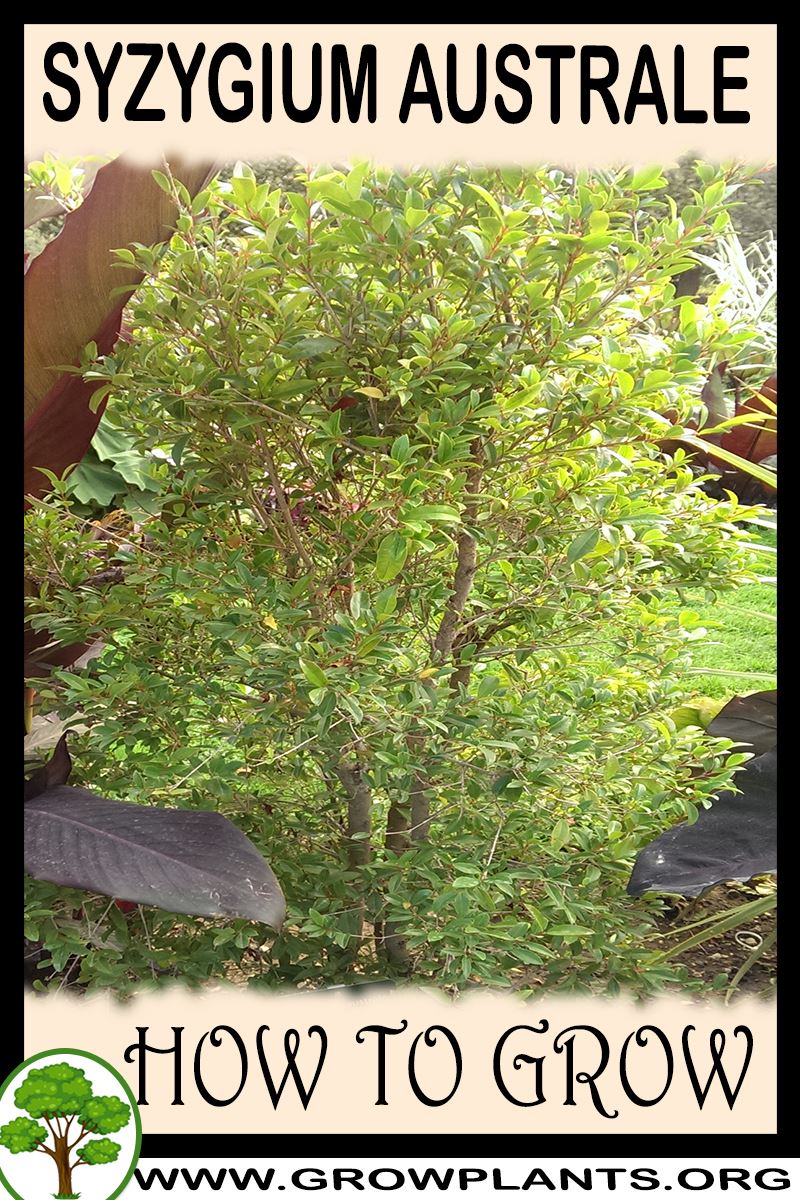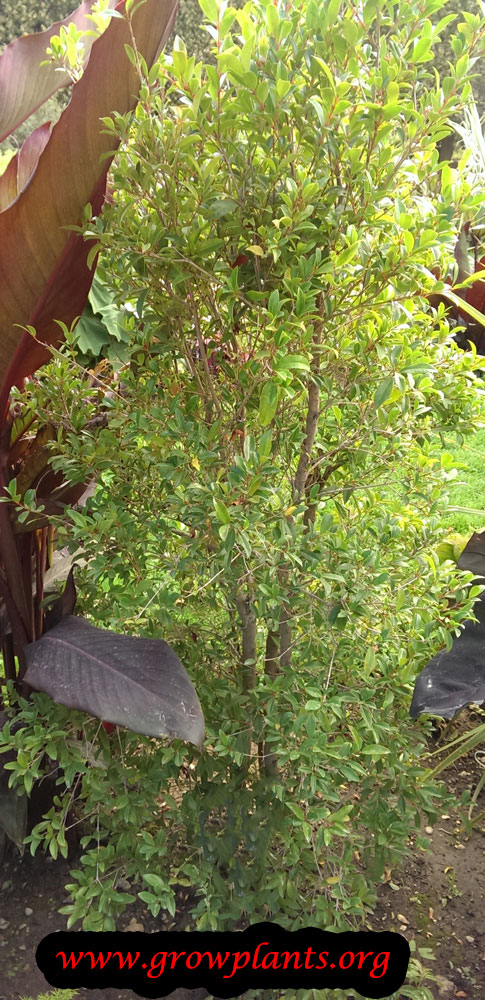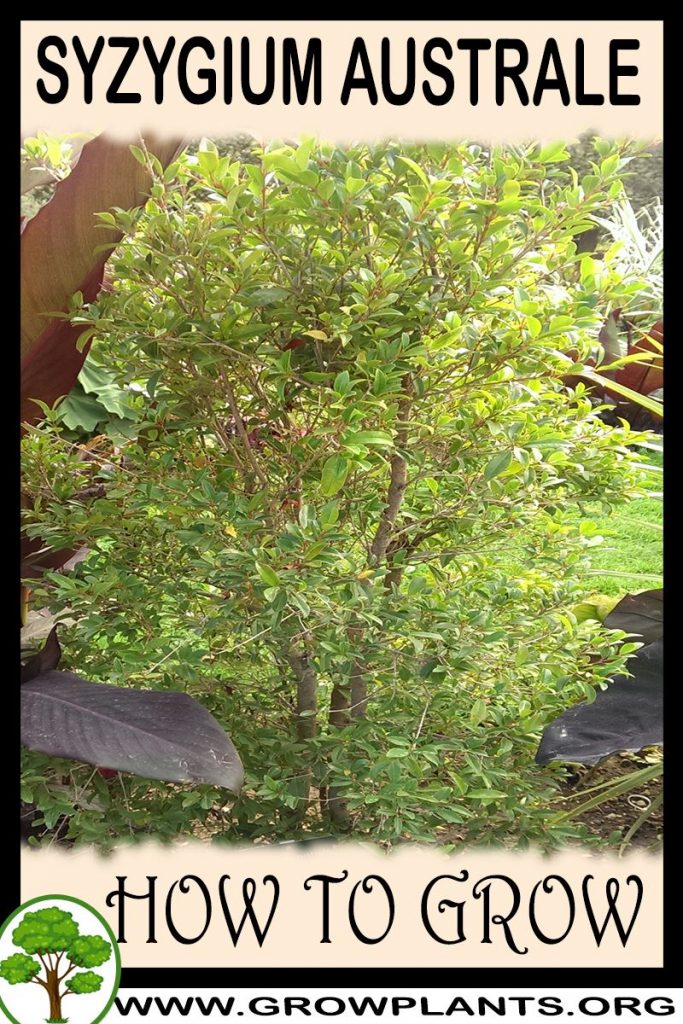
Plant Profile & Key Characteristics
Overview: An evergreen tree that reaches 15-25 m (45-75 ft) in the wild but is usually kept as a 1-3 m (3-10 ft) shrub, grown mostly as an ornamental and for edible fruit. It is a favourite hedge, screen and bonsai subject.
Quick Specifications
| Specification | Attribute |
|---|---|
| Plant Type / Life Cycle | Evergreen tree (woody perennial) |
| Foliage Type | Evergreen |
| Mature Size | Tree 15-25 m (45-75 ft); kept as a shrub 1-3 m (3-10 ft) |
| Growth Rate | Fast to moderate |
| Toxicity | Non-toxic / edible (fruit is eaten fresh) |
| Hardiness | USDA zone 10+ |
Growth Form & Structure
- Height & Spread: A large tree of 15-25 m (45-75 ft) if left unpruned, but almost always maintained as a 1-3 m (3-10 ft) clipped shrub; also grown in containers and as bonsai.
- Growth Habit & Form: Dense, leafy evergreen that tolerates hard clipping, making it ideal for hedges, screens, topiary and brush-cherry bonsai.
- Lifespan & Maturity: Long-lived; begins to bear fruit about 2-4 years from planting.
Anatomy & Physical Features
- Leaves & Foliage: Glossy evergreen leaves that flush red when young, giving colourful new growth.
- Flower Characteristics: White flowers with many long, needle-like stamens, borne in clusters.
- Fruit Profile: Pink or red berries; flavour sour to bland with astringency.
Primary Uses & Landscape Value
- Edible Uses: Berries eaten fresh.
- Functional & Ornamental Roles: Widely used as a hedge, screen, shade tree, topiary and bonsai; also grown in containers.
Care Guide: Planting, Soil & Watering
Overview: Brush cherry (Syzygium australe) is a frost-tender, subtropical-to-tropical evergreen fruit tree that thrives in full sun, warmth and humidity (hardiness zone 10+). It performs best in deep, rich, well-draining soil kept consistently moist — it enjoys water but tolerates average watering once established.
Quick Care Requirements
| Requirement | Ideal Condition |
|---|---|
| Planting Season | Spring through autumn in frost-free zones |
| Growth Rate | Moderate to Fast |
| Soil Type | Deep, rich, organic, well-draining soil |
| Water Need | Moderate to High — enjoys regular moisture but tolerates average watering (growing more slowly when kept drier) |
Planting & Establishment
- Best Planting Season: Plant in the warm season once frost risk has passed. Spring through autumn in frost-free zones. Shelter young, frost-tender trees from cold while they establish.
- How to Plant:
- Hole Preparation: Dig a planting hole as deep as the current root ball and about 30–50% wider, loosening the sides so the roots can spread.
- Soil Amendments: Mix plenty of organic matter — humus, compost and dried leaves — into the backfill; these trees want a rich, organic soil.
- Planting Depth: Set the tree so the root collar sits at soil level and firm the soil gently (neither packed hard nor left loose so it stays stable), then mulch with dead leaves to hold moisture. Do not bury the stem.
- Growth Speed & Expectations: Expect a moderate-to-fast pace — fastest in hot climates with regular feeding, slower where conditions are cooler or drier.
Soil, Watering & Drainage Care
- Soil Mix & Drainage Needs: Rich but free-draining soil is essential — heavy, waterlogged ground invites root rot. Mulch with dead leaves when the surface dries to lock in moisture. In pots start about 50–100% larger than the root ball and step up gradually; ensure drainage holes and never let the pot stand in water.
- Watering Schedule & Technique:
- Young / Newly Planted: Keep newly planted and young trees consistently moist and mulched; while establishing they are sensitive both to drying out and to cold.
- Established: Water established trees deeply and regularly — they reward generous moisture with faster growth and better fruiting, though they will cope with less.
- Seasonal Adjustments: Increase watering through heat and the fruiting season; ease off in cool weather when growth slows.
Climate, Light & Hardiness
Syzygium australe (Brush Cherry) grows in tropical, subtropical, and mediterranean climates and does best in full sun. It has very low cold tolerance and needs essentially frost-free conditions, with extra protection for young plants.
Quick Climate Specifications
| Climate Zones | Tropical, subtropical, and mediterranean climates |
|---|---|
| USDA Hardiness Zones | Approximately zone 10 and above |
| Frost Tolerance | Very Low – frost-free growing recommended |
| Light Conditions | Full Sun |
| Wind Tolerance | Moderate to High – commonly grown as a clipped hedge |
Sunlight & Light Exposure
Optimal Light Setup
Full sun is preferred for dense growth and best form, whether grown as a shade tree, hedge, or bonsai.
Temperature Extremes & Hardiness
USDA Hardiness & Regional Limits
Reliable outdoor culture is generally limited to approximately zone 10 and warmer.
Cold Damage & Winter Protection
Young trees in particular need to be kept frost-free or covered during cold snaps; treat the species as intolerant of freezing temperatures at any age.
Frost Sensitivity
Site away from frost pockets and cold, exposed positions where grown near the cool edge of its range.
Wind, Humidity & Microclimate
Wind Tolerance
Its dense, wind-firm habit is part of why it is widely used as a clipped hedge or screen.
Microclimate Recommendations
A warm, sheltered microclimate supports better establishment and winter survival outside its core tropical/subtropical range.
Growing in Pots, Balconies & Indoors
Brush cherry (Syzygium australe) is a 15-25 m (45-75 ft) tree, or a 1-3 m (3-10 ft) shrub if trained tree, so it is not a houseplant. It is often trained as a 1-3 m shrub or hedge, which suits a large pot. It can, however, be kept in a large container for years if you keep it small by potting up gradually and pruning.
Quick Details
- Container Size: Minimum 25 L (5 gal), better 100 L (20 gal)
- Indoor Suitability: Not a houseplant – grow it outdoors
- Best Spot: Full sun outdoors – a sunny patio, courtyard or balcony
- Soil & Drainage: Peat-based mix (add perlite or potting mix) with strong drainage; some lava grit at the base helps
- Watering in Pots: Water so it fills the saucer, but let that saucer dry the same day – standing water means too much
Indoors & On the Windowsill
- Not a houseplant: This is a full-sized fruit tree that needs strong outdoor sun to grow and fruit – indoor light is far too weak, so it will not thrive as a room plant.
- Overwintering: Being frost-tender, in cold climates it is best kept in a pot that can be moved into a bright, frost-free space for the cold season and back outside once warmth returns.
On a Balcony or Patio
- Light & heat: Give it the sunniest, most sheltered spot. Walls and paving reflect heat and pots dry fast, so check moisture often and shelter a top-heavy plant from wind.
- Weight & runoff: A fruiting tree in 25-100 L (5-20 gal) is heavy – set it where the floor can take the load and where drainage runoff won’t be a problem.
Choosing the Pot, Soil & Long-Term Care
- Pot & drainage: Make plenty of drainage holes and add lava grit at the base. You can stand it on a saucer, but when you water and it fills, let it dry off the same day – if water lingers, cut back. 25-100 L (5-20 gal) is the working range the grower gives.
- Potting mix: Peat soil with perlite, or potting mix, kept open and free-draining.
- Feeding: Grown in a pot it needs more fertiliser to set fruit, as nutrients leach with watering; feed through the growing season.
- Refreshing the soil: When the tree is large, replace part of the soil rather than the whole root ball, taking it from the sides of the pot.
Grower’s Container Tip
- Pot up gradually: Start in a pot about 50-100% larger than the root ball (use the smaller percentage for a bigger plant), then step up to the next size each time the roots fill it, until it reaches the size you want. This keeps the tree compact, refreshes tired soil over time, and makes long-term care more efficient.
Fertilizing & Feeding
Brush Cherry is most often grown as a clipped hedge, shade tree or bonsai subject for its glossy, red-tinted new foliage and clustered white flowers, with edible but secondary fruit; it does well on rich, organic-matter-rich soil with steady, moderate feeding, tuned to its regular shearing routine.
Quick Fertilizing Specs
| Feeding Level | Moderate; a vigorous ornamental and fruiting tree that is frequently pruned or clipped into hedges and bonsai forms. |
|---|---|
| Main Nutrient Priority | Nitrogen-forward feeding to support canopy and hedge recovery after clipping, moving to balanced nutrition as an unclipped specimen matures toward flowering. |
| Best Feeding Period | Through the warm active growth period, tapering off as growth slows in cooler weather. |
| Organic Options | Rich soil built up with organic matter and mulch suits this tree well, especially where it is kept dense as a hedge. |
| Reduce/Stop Feeding | Ease back on feeding as growth slows going into the cooler part of the year, particularly on young or recently sheared plants. |
Feeding by Growth Stage
Newly planted
Help a newly planted Brush Cherry root into rich, organic-matter-amended soil and push its first flush of glossy, red-tinted new leaves.
| Nutrient direction | Light, balanced nutrition focused on root establishment rather than pushing top growth. |
|---|---|
| Timing | In the first growing season after planting, once the tree has settled in. |
| Frequency | A light feeding soon after planting is usually enough while roots spread into the surrounding soil. |
| Fertilizer types | A balanced complete fertilizer used sparingly, Organic matter, compost or aged manure worked into the planting area |
| Precautions | Avoid heavy feeding right at planting, and keep young, frost-tender specimens protected through their first cold season regardless of feeding. |
Young tree or establishing hedge
Build a dense, well-branched canopy on a young Brush Cherry, whether it is being trained as a hedge, shade tree or bonsai form, before it reaches bearing age.
| Nutrient direction | Nitrogen-forward feeding to support vigorous canopy growth and recovery after shaping cuts. |
|---|---|
| Timing | Through the active warm-season growth period while the plant is young or being trained. |
| Frequency | Regular light feedings through the growing season support steadier canopy growth than infrequent heavy doses. |
| Fertilizer types | A nitrogen-forward complete fertilizer suited to young fruiting trees, Organic matter worked into the root zone, topped with mulch |
| Routine trace nutrients | iron, manganese, zinc |
| Precautions | Avoid pushing excessive soft new growth with heavy nitrogen right before or after a major shearing, which tends to attract aphids and mealybugs to the flush of new leaves. |
Established, approaching bearing age
Support an unclipped or lightly shaped specimen as it matures toward its first flush of clustered, bee-pollinated white flowers and fruit set.
| Nutrient direction | Balanced nutrition supporting both continued growth and the shift toward flowering. |
|---|---|
| Timing | Through the growing season as the tree nears bearing age. |
| Frequency | Steady, moderate feedings through active growth, without pushing constant flushes of soft new growth. |
| Fertilizer types | A balanced complete fertilizer suited to fruiting trees, Organic matter or compost as a soil-building feed |
| Routine trace nutrients | iron, manganese, zinc |
| Precautions | Avoid excess nitrogen close to the flowering period, which can favor leafy growth over flower and fruit set; heavily hedged specimens may rarely reach this stage. |
Mature, fruit-bearing tree
Support flowering and the development of the tree’s pink or red fruit on a mature, lightly shaped or unclipped Brush Cherry.
| Nutrient direction | Balanced nutrition shifting toward potassium as fruit develops. |
|---|---|
| Timing | Through the growing season, with attention around bloom and fruit development. |
| Frequency | Regular moderate feedings through active growth, easing back once fruit has set and is ripening. |
| Fertilizer types | A balanced complete fruit-tree fertilizer, A potassium-forward feed while fruit is developing |
| Routine trace nutrients | iron, manganese, zinc |
| Precautions | Reduce feeding as growth slows heading into the cooler part of the year, and avoid heavy nitrogen right at bloom time. |
Nutrient Deficiency Signs & Corrections
New leaves turn pale yellow between the veins while the veins themselves stay green.
| Possible causes | High soil pH limiting iron or manganese availability, Waterlogged or compacted soil restricting root uptake, A genuine iron or manganese shortage in the soil |
|---|---|
| Appears first on | New growth at branch tips. |
| What to check | Soil pH and drainage around the root zone, Whether only the newest leaves are affected, Recent feeding and irrigation history |
| Possible correction | Correct soil pH and drainage first, then apply a chelated iron or manganese product per its label if pale new growth persists. |
New growth after a hedge trim or shaping cut comes back sparse, pale or slow rather than dense and green.
| Possible causes | A general nutrient shortage limiting the plant’s ability to push new growth, Shearing carried out during a stressful, very hot or dry period, Compacted or waterlogged soil restricting root function |
|---|---|
| Appears first on | New shoots along recently cut stems. |
| What to check | Timing of the most recent shearing relative to weather stress, Soil moisture and drainage, Recent feeding history |
| Possible correction | Time major shearing to milder weather where possible, keep the root zone consistently moist but not waterlogged, and support regrowth with a light, balanced feeding. |
An unclipped specimen flowers but sets little fruit, or young fruit drops before maturing.
| Possible causes | A boron shortage affecting flower and fruit development, Too little bee activity during bloom to pollinate the clustered flowers, Regular hedge shearing removing most flowering wood before it can set fruit |
|---|---|
| Appears first on | The current season’s flower clusters and newly set fruit. |
| What to check | Whether recent shearing removed flowering wood, Pollinator activity during bloom, Recent nitrogen-heavy feeding |
| Possible correction | Leave some growth unclipped through a bloom cycle if fruit is wanted, ease back on nitrogen near bloom, and consider a boron-containing corrective product only if a genuine shortage is confirmed. |
Pruning, Training & Seasonal Maintenance
Brush cherry is grown in three quite different forms — a large shade tree (15–25 m/45–75 ft), a clipped formal hedge (kept to 1–3 m/3–10 ft), or a bonsai — and the right pruning approach depends entirely on which one applies. It resprouts vigorously from old wood, which is exactly what makes it tolerate both hard hedge shearing and fine bonsai ramification so well. As a shade/fruiting tree the safest structural window is after summer fruiting; as a hedge, shape through the growing season as needed; as bonsai, maintenance is frequent and light, with decorative form taking priority over any fruit crop.
Quick Pruning & Maintenance Specs
| Pruning Tolerance | High — resprouts readily from old wood |
| Primary Pruning Window | Shade tree: after summer fruiting (autumn). Hedge: through the growing season. |
| Secondary Maintenance Window | Bonsai: near-continuous light pinching; sanitary removal any time |
| Typical Frequency | Shade tree ~once/yr; hedge 3+ trims/season; bonsai ongoing |
| Main Objective | Form-dependent: size/shade (tree), density/shape (hedge), miniature refinement (bonsai) |
| Young Plant Priority | Choose the form early — leader for a shade tree, low branching for a hedge, or begin bonsai styling |
| Mature Plant Priority | Maintain the chosen form; renew hedges before they hollow out; keep bonsai ramification fine |
| Best Tool Type | Shade tree: secateurs/loppers/saw. Hedge: hedge shears. Bonsai: precision snips and wire/ties. |
| Avoid Heavy Pruning During | Spring bloom, if fruit or wildlife value is wanted from the shade-tree form |
Pruning by Plant Age & Size
Newly Established
Remove only damaged growth from transplanting. Decide the intended form now — converting a shade-tree-trained plant into a tight hedge or a bonsai later means undoing years of growth.
Young / Formative
Shade tree: build a modified-leader scaffold. Hedge: pinch/tip to force dense low branching, then begin shearing once the row reaches its target spread. Bonsai: this species’ flexible young growth takes wire well, so early styling typically sets trunk movement and primary branch placement with wire plus selective removal of reverse-taper or crossing shoots, rather than following any fruit-tree framework.
Mature / Established
Shade tree: annual thinning and height control. Hedge: regular shearing with an occasional deeper renewal cut so it doesn’t hollow out. Bonsai: continuous fine pinching to hold ramification and small leaf size, with heavier structural work (branch selection, restyling) done while the tree is vigorous and followed by an extended recovery period.
Seasonal Pruning Schedule
Post-Harvest (shade/fruiting-tree form)
Objective: renew and size-control the canopy once summer fruit is finished. Remove spent fruiting twigs, dead or crossing growth; leave the fresh flush that will carry next spring’s bloom.
Summer Canopy Management (hedge form)
Objective: keep a clipped hedge dense and shapely with regular trims through the growing season; because shearing removes most flowering wood before it blooms, fruit display on a hedge is minimal by design, not a fault.
Ongoing Sanitary
Remove pest-affected foliage as it appears (any form), and disinfect tools after cutting rust-affected material (see Disease Risk below).
Flowering & Fruiting Wood
On the shade-tree form, flowers form at the tips of mature flushes and ripen into a summer crop 2–4 years after planting; post-harvest pruning protects that cycle by leaving fresh flush intact. On hedge and bonsai forms, regular shearing or pinching removes most of that flowering wood before it blooms — an accepted trade-off, since both forms are maintained for shape rather than fruit.
Structural Pruning & Training
Shade tree: thin crossing/rubbing branches and reduce height at the tallest scaffolds after fruiting. Hedge: keep a slightly tapered profile so lower foliage stays lit, with an occasional hard renewal cut into old wood, which this species tolerates well. Bonsai: select for taper and branch movement, wire young flexible shoots into position, and remove reverse-taper or crossing growth per standard bonsai design principles.
Special Growth to Remove
Fallen fruit self-seeds readily — remove volunteer seedlings around the base. This species is typically propagated by seed or cutting rather than grafting, so rootstock suckers are rarely a concern unless a specific grafted selection is known. On a hedge, basal shoots can be kept to fill the base or removed for a cleaner look; on bonsai, remove sacrificial branches once they’ve done their thickening job, and any unwanted “bar branches” per the design.
Container & Small-Space Pruning
Container growing is well supported, and this is where the bonsai form lives: shallow pots, root pruning timed with repotting (best done as the tree is heading into its main growth flush), and frequent pinching of new shoot tips to hold fine ramification and small leaf size. Resume normal watering and the regular feeding schedule after a hard root-and-canopy prune — don’t add extra fertilizer as a reaction to the cut, since the tree will already be pushing new growth.
Tools
Bypass secateurs and loppers for shade-tree thinning, a pruning saw for larger structural limbs on an unclipped tree, hedge shears strictly for the clipped-hedge form, and precision snips for bonsai-scale pinching and fine cuts.
Tool Hygiene & Disease Risk
Increased–High: Syzygium australe is one of the more myrtle-rust-susceptible ornamental Myrtaceae in humid climates. Avoid pruning, shearing or pinching right before extended wet weather, inspect new flush closely for yellow/orange rust pustules after cutting, and disinfect blades between plants (and between infected and healthy material) rather than relying on routine hygiene alone.
Cut Placement & Technique
Shade tree/hedge: thinning cuts back to a lateral or trunk, outside the branch collar, avoiding stubs. Bonsai: cut just above a bud facing the intended growth direction, and stage the removal of larger branches to avoid tearing bark on a small trunk.
Heavy Pruning & Rejuvenation
Shade tree: avoid topping, which produces weakly attached regrowth — use selective thinning instead. Hedge: tolerates a hard cutback into old wood to rejuvenate an overgrown row, resprouting vigorously; spread a very overgrown hedge’s renewal over one to two seasons. Bonsai: major branch removal or a trunk chop belongs in an initial or restyling session while the tree is vigorous, followed by a full recovery period before further heavy work.
Post-Pruning Care
Watch newly exposed interior wood for sunburn after opening a dense hedge or shade canopy. After bonsai root pruning/repotting, keep watering consistent and give the tree some shade for a couple of weeks to recover; don’t force feeding immediately after any hard prune.
Common Pruning Mistakes
Topping a large shade tree instead of thinning it; shearing a hedge for years with no renewal cut, leaving it hollow; over-wiring or over-cutting a bonsai in one session instead of working gradually; being disappointed by low fruit on a heavily shaped hedge or bonsai, when that’s an inherent trade-off of the form; ignoring rust symptoms after pruning in humid weather.
When NOT to Prune
Avoid pruning, shearing or pinching right before extended wet, humid weather given this species’ rust susceptibility. Avoid major structural work on a newly transplanted tree or a newly repotted bonsai until it’s re-established. Avoid removing flowering wood in spring on the shade-tree form if a crop is wanted that year.
Recommended Tools (by task)
- hedge_shears — routine shaping trims on the clipped-hedge form.
- loppers — thinning cuts on the shade-tree form after fruiting.
- precision_snips — bonsai-scale pinching and fine ramification work.
- pole_pruner — reaching upper growth on an unclipped tree at its full 15–25 m height.
Pruning Troubleshooting
| Problem | Possible Cause | What to Check | Corrective Action |
| Orange/yellow rust pustules on new growth after cutting | Myrtle rust infection — this species is highly susceptible | New flush, especially after humid weather | Avoid pruning before wet spells; remove and dispose of infected material; disinfect tools between plants |
| Hedge developing a hollow, twiggy shell | Years of surface-only shearing with no renewal cut | Live wood/buds inside the hedge | Make a hard renewal cut into old wood; the species resprouts readily |
| Bonsai losing fine ramification / leaves coarsening | Too little pinching, or feeding right after a hard structural prune | Pinching frequency and recent feeding | Resume regular pinching; avoid feeding immediately after a hard prune |
| Topped shade tree with weak, upright watersprouts | Topping cuts into large-diameter wood | Tight clusters of vertical shoots at cut points | Thin sprouts to a few well-placed ones; avoid repeat topping |
Propagation Guide
Syzygium australe (brush cherry) is easiest to start from fresh seed, which the site notes germinates so readily it can self-sow in the garden, but because it is grown mainly as a clipped hedge or bonsai, cuttings or air layering are usually the better choice when a uniform, predictable plant matters. Seed propagation is easy; cuttings and air layering are moderate and depend on warmth and humidity to root reliably.
Quick Propagation Specs
| Best Propagation Method | Seed for a quick, easy plant; stem cuttings or air layering for a uniform hedge/bonsai clone |
| Alternative Methods | Air layering; grafting (only to improve poor fruit quality) |
| Propagation Difficulty | Easy by seed; Moderate by cutting or air layering |
| Seed True-to-Type | Usually true-to-type for the species; growth habit can vary somewhat since flowers are bee-pollinated |
| Vegetative True-to-Type | Yes – preferred when a consistent hedge or bonsai form is needed |
| Best Propagation Season | Warm months (spring–summer); take cutting wood before the spring growth flush, in line with related Syzygium on this site |
Growing from Seed
Seed Handling & Viability
Use fresh seed where possible; as with other Syzygium on this site, viability does not hold for long, so avoid extended storage before sowing.
Sowing Depth & Orientation
Site does not give an exact depth for this species; sow just covered in a light, well-draining mix, similar to the shallow sowing used for related Syzygium.
Germination Conditions
Warm, consistently moist, sunny conditions suit germination, as with related Syzygium species.
Germination Time
Not specified on site; expect roughly a few weeks under warm conditions, with some variation.
Stem Cuttings
Cutting Type
Semi-hardwood tip cuttings, taken before the plant flushes new growth for the season – the standard commercial method for producing uniform hedging stock.
Rooting Setup
Not detailed for this species on site; related Syzygium on this site are rooted at warm temperatures (around 27–32°C / 80–90°F) with high humidity, moist soil and half shade, typically under greenhouse or misted conditions – a reasonable starting point here too.
Rooting Hormone
Not mentioned on site – treat as optional; it can help improve strike rate on semi-hardwood wood.
Rooting Time
Not specified; allow several weeks to a couple of months for woody Syzygium cuttings to strike.
Grafting & Budding
Why Grafting Is Used
Not needed for ordinary growing since seed is easy, but the site notes it as an option when a tree’s fruit is dry, small or lacking flesh, to reproduce a better-fruiting selection – a minor consideration for a plant grown mainly for foliage and form.
Rootstock
Seedling-grown Syzygium australe rootstock.
Scion Selection
Wood from a proven, better-performing plant.
Air & Ground Layering
Listed on site as a standard way to start a new plant, though not detailed further. As with related Syzygium, expect to wound or girdle a semi-hardwood branch, pack with moist sphagnum moss and wrap to hold humidity, with rooting taking roughly one to a few months before severing – a practical way to clone an established hedge or bonsai specimen without waiting on many small cuttings.
Bloom & Flower Guide
Quick Details
- Bloom Season: Spring
- Flower Appearance: White powder-puff flowers of fine needle-like stamens, borne in clusters
- Edibility: Ornamental / none – grown for its foliage, hedging and fruit, not its flowers
Detailed Blooming Overview
Brush Cherry (Syzygium australe) flowers in spring with fluffy white blossoms scattered across the canopy. It is often grown as a clipped hedge or bonsai, but left a little looser it rewards you with this soft bloom, followed by its edible reddish fruit.
Flower Characteristics
- White flowers made up of many long, needle-like stamens.
- Held together in clusters toward the branch ends.
Bloom Care & Thinning
- Pollination: Worked by bees; avoid spraying while the flowers are open.
- Managing the bloom: No thinning needed. Frequent hedge shearing removes flower buds, so ease off trimming if you want the bloom and fruit.
Fruit & Uses
Syzygium australe (brush cherry) is grown mainly as an ornamental shade tree, hedge or bonsai subject, but its small pink or red fruit is also edible, eaten fresh off the plant. The flavour ranges from sour to nearly tasteless with an astringent edge.
Quick Edible Specs
| Edible Parts | Fruit |
|---|---|
| Main Use(s) | Culinary – fresh eating (secondary to its ornamental use) |
| Eaten Raw or Cooked | Raw |
| Preparation Required | None, but best left until fully ripe – unripe fruit is astringent |
| Harvest Season | Summer |
| Time to First Harvest | A few years after planting from seed or cutting (see Propagation) |
| Safety/Toxicity Caveat | None known; flavour is sour-to-tasteless rather than unsafe |
Fruit
Fruit is pink or red, small, and ranges in flavour from sour to nearly tasteless with an astringent note – a milder, less consistently sweet fruit than some other Syzygium relatives. It is eaten fresh, straight from the plant, once fully coloured.
Harvesting
Fruit ripens and is picked in summer. Birds and fruit flies are common pests of the ripening crop.
Preparation, Uses & Safety
The fruit is simply picked and eaten raw; no cooking or other preparation is required. Because the plant is grown mainly for hedging, shade or bonsai, fruiting and flavour can be inconsistent, especially on plants kept clipped for shape. No safety concerns are noted for this species.
Pests, Diseases & Troubleshooting
Members of the myrtle family, these trees are generally tough but share the family’s two signature threats: sap-sucking psyllids that pimple and distort new growth, and myrtle rust, a serious fungal disease of soft young foliage. Scale, mealybug and aphid infestations bring sooty mould, so the core strategy is to keep new flushes healthy, encourage predators, and protect tender growth from rust in warm, humid weather.
Quick Troubleshooting Overview
| Issue / Pest | Main Symptom | Primary Solution |
|---|---|---|
| Psyllids (pimple/lerp) | Raised pimples or dimples on new leaves | Prune tips, encourage predators; oil on soft growth |
| Scale & mealybug | Bumps/white fluff, sticky sap, sooty mould | Horticultural oil; band trunks against ants |
| Aphids | Curled new shoots, honeydew, ants | Water jet, soap, encourage ladybirds |
| Myrtle rust | Bright yellow pustules on young leaves/shoots | Remove infected growth; avoid wetting foliage |
| Sooty mould | Black film over leaves | Control the sap-suckers producing honeydew |
| Fruit fly | Stung, maggoty, dropping fruit | Bait/traps, netting, remove fallen fruit |
Common Pests & Management
- Pimple psyllid / lilly pilly psyllid (Trioza eugeniae / Trichochermes spp.):
- Symptoms: Nymphs feed on unfurling leaves, raising conspicuous pimples, dimples or lumpy distortions on the new growth; heavy infestation makes flushes unsightly and stunted. Sugary lerps and honeydew may be present.
- Prevention & Control: Choose psyllid-resistant, smooth-leaved cultivars where available. Tip-prune to remove galled growth and to synchronise flushing, and encourage ladybirds, lacewings and small parasitic wasps. A light horticultural oil or soap on the soft new growth checks nymphs; avoid feeding heavily, which drives lush, susceptible flushes.
- Scale insects (Coccidae / Diaspididae):
- Symptoms: Brown, black or waxy bumps line stems and leaf veins; feeding weakens the tree and the honeydew (soft scales) blackens leaves with sooty mould. Ants patrolling the tree are a giveaway.
- Prevention & Control: Rub off light infestations or prune out badly encrusted twigs. Apply horticultural oil to smother scale and repeat for successive generations. Band trunks with a sticky barrier to stop ants farming them, and protect the parasitic wasps and lady beetles that keep scale in check.
- Mealybugs (Planococcus / Pseudococcus spp.):
- Symptoms: Cottony white tufts gather in leaf axils, on shoot tips and around fruit; they suck sap, stunt growth and excrete honeydew that fuels sooty mould.
- Prevention & Control: Dislodge colonies with a firm water spray and dab spots with a soap or oil solution. Control the attending ants, avoid over-feeding with nitrogen, and release or encourage mealybug destroyers (Cryptolaemus) and lacewings.
- Aphids (Aphis / Toxoptera spp.):
- Symptoms: Soft green or black insects crowd the tender new shoots and flower buds, curling leaves and coating them in sticky honeydew; ants tend the colonies.
- Prevention & Control: Hose off colonies and squash early arrivals. Encourage ladybirds, hoverflies and lacewings; band trunks against ants. Insecticidal soap or light oil clears persistent groups – spray in the evening to spare bees.
- Fruit fly (Bactrocera / Ceratitis spp.):
- Symptoms: Females sting ripening fruit to lay eggs; maggots tunnel the flesh, which softens, browns and drops early. A major pest of the edible-fruited species.
- Prevention & Control: Hang protein-bait or lure traps before fruit colours, bag or net developing fruit, and pick up and destroy all fallen and stung fruit promptly to break the cycle. Harvest promptly at maturity.
Diseases & Fungal Issues
- Myrtle rust (Austropuccinia psidii):
- Symptoms: Bright yellow to orange powdery pustules erupt on young leaves, shoots, buds and fruit; badly hit growth distorts, browns and dies back, and repeated attacks can severely weaken susceptible plants. Soft new flushes are the target.
- Treatment & Management: Inspect new growth in warm, humid weather and remove infected tips into a sealed bag (do not compost). Avoid overhead watering and wetting foliage late in the day, space plants for airflow, and choose resistant selections. Where permitted, a registered protectant fungicide on new flushes helps in high-risk climates.
- Sooty mould (Capnodium / Cladosporium spp.):
- Symptoms: A black, soot-like film coats leaves and stems, growing on the honeydew excreted by scale, mealybug, aphids and psyllids. It blocks light rather than infecting the plant directly.
- Treatment & Management: It clears once the sap-sucking insects producing the honeydew are controlled and ant-farming is stopped. Rinse or wipe leaves to speed recovery; no direct fungicide is needed.
- Anthracnose / leaf spot & root rot (Colletotrichum spp. / Phytophthora spp.):
- Symptoms: Dark leaf spots and blotches, blighted shoot tips, and – in waterlogged soil – root and collar rot causing yellowing, wilting and dieback.
- Treatment & Management: Improve drainage and never let the tree sit wet; water at the base, not over the canopy. Prune to open the canopy, clear fallen leaves, and remove dead wood. A copper-based spray checks foliar spots; avoid deep planting and manage irrigation to prevent Phytophthora.
Growing Difficulties & Abiotic Problems
- Iron chlorosis:
- Cause & Symptoms: In alkaline or waterlogged soils new leaves yellow between green veins while older leaves stay greener; growth slows.
- Correction Strategy: Correct drainage, mulch, and lower pH slightly with organic matter or sulfur; apply chelated iron as a quick foliar or soil correction.
- Leaf scorch / sunburn & wind burn:
- Cause & Symptoms: Exposed young foliage browns at the margins in hot sun, drying wind or after transplanting; salty coastal wind can bronze leaves.
- Correction Strategy: Establish plants with steady moisture, mulch the root zone, and provide shelter or afternoon shade while young. Choose tougher, hardy selections for exposed and coastal sites.
- Waterlogging / drought stress:
- Cause & Symptoms: Both extremes cause leaf drop and dieback – soggy soil rots roots, while prolonged drought browns and sheds leaves.
- Correction Strategy: Plant in free-draining soil, water deeply but allow the surface to dry between waterings, and maintain an even mulch to buffer moisture swings.
What Helps – Products & Tools
Useful tools here are horticultural / neem oil and insecticidal soap (psyllids, scale, mealybug, aphids on soft growth), a sticky trunk band against ants, copper fungicide for leaf spots, and – in rust-prone humid climates – a registered protectant fungicide on new flushes. For the edible-fruited types add fruit-fly bait/lure traps and fruit netting. Chelated iron corrects chlorosis on alkaline soils. Favour cultural controls and resistant cultivars first.
Frequently Asked Questions
Does Syzygium australe make a good hedge plant?
Yes — Brush Cherry is a dense, glossy-leaved evergreen that tolerates hard clipping, making it a favourite for hedges, screens and topiary. As a hedge it’s almost always kept to 1-3 m (3-10 ft) with regular shearing (around 3+ trims a season through the growing season), and its dense, wind-firm habit also suits it to screening and windbreak use. Because years of surface-only shearing can leave the hedge hollow and twiggy, give it an occasional hard renewal cut into old wood — the species resprouts readily from it.
Can Syzygium australe be grown as a houseplant or indoor bonsai?
No — despite often being trained as a bonsai, Brush Cherry is not a houseplant. It’s a full-sized outdoor tree that needs strong sun to grow and fruit; indoor light is far too weak for it to thrive as a room plant. If it’s grown as a bonsai or in a container, keep it outdoors in full sun, only moving a potted plant into a bright, frost-free space for the cold season in cold climates, and back outside once warmth returns.
Can Syzygium australe be grown in a container or on a patio?
Yes — although it’s usually trained as a hedge or shrub, Brush Cherry can be kept in a large pot for years if you pot up gradually and prune to keep it small. Use a container of at least 25 L (5 gal), ideally up to 100 L (20 gal), with a free-draining peat-based mix plus perlite and some lava grit at the base. Give it the sunniest, most sheltered spot, such as a patio or balcony, water it so it fills the saucer but let that saucer dry the same day, and feed it more often than a ground-grown plant since nutrients leach out with frequent watering.
Is the fruit of Syzygium australe (Brush Cherry) edible, and what does it taste like?
Yes — the small pink or red berries are edible and eaten fresh, straight off the plant once fully ripe, with no cooking or other preparation needed. Flavour is inconsistent, ranging from sour to nearly tasteless with an astringent note, especially on plants kept clipped for shape, and there are no known safety concerns. Fruit ripens and is picked in summer, generally a few years after planting from seed or cutting.
What are the main pests and diseases to watch for on Syzygium australe?
As a member of the myrtle family, Brush Cherry is generally tough but shares the family’s two signature threats: sap-sucking psyllids that pimple and distort new growth, and myrtle rust, a serious fungal disease of soft young foliage. Scale, mealybug and aphid infestations are also common and bring on sooty mould as a side effect. The core strategy is to keep new flushes healthy, encourage predators, and protect tender growth from rust in warm, humid weather.
How much water does Syzygium australe need?
Brush Cherry has moderate-to-high water needs: it enjoys regular moisture and grows fastest with it, but established plants tolerate average watering, just growing more slowly when kept drier. Keep newly planted and young trees consistently moist and mulched, since while establishing they’re sensitive to both drying out and cold; once established, water deeply and regularly for faster growth and better fruiting. Increase watering through hot weather and the fruiting season, and ease off once growth slows in cool weather.