Plant Profile & Key Characteristics
Overview: A spreading, aromatic evergreen succulent-herb 40-70 cm (16-28 in) tall, grown as a fragrant ornamental and often as a summer annual in cold climates. It is valued for its scented foliage and spikes of small purple flowers.
Quick Specifications
| Specification | Attribute |
|---|---|
| Plant Type / Life Cycle | Evergreen perennial (grown as an annual in cold climates) |
| Foliage Type | Evergreen |
| Mature Size | 40-70 cm (16-28 in) tall, wider spreading |
| Growth Rate | Moderate |
| Hardiness | USDA zone 9 and up as a perennial; grown as an annual from zone 5 |
Growth Form & Structure
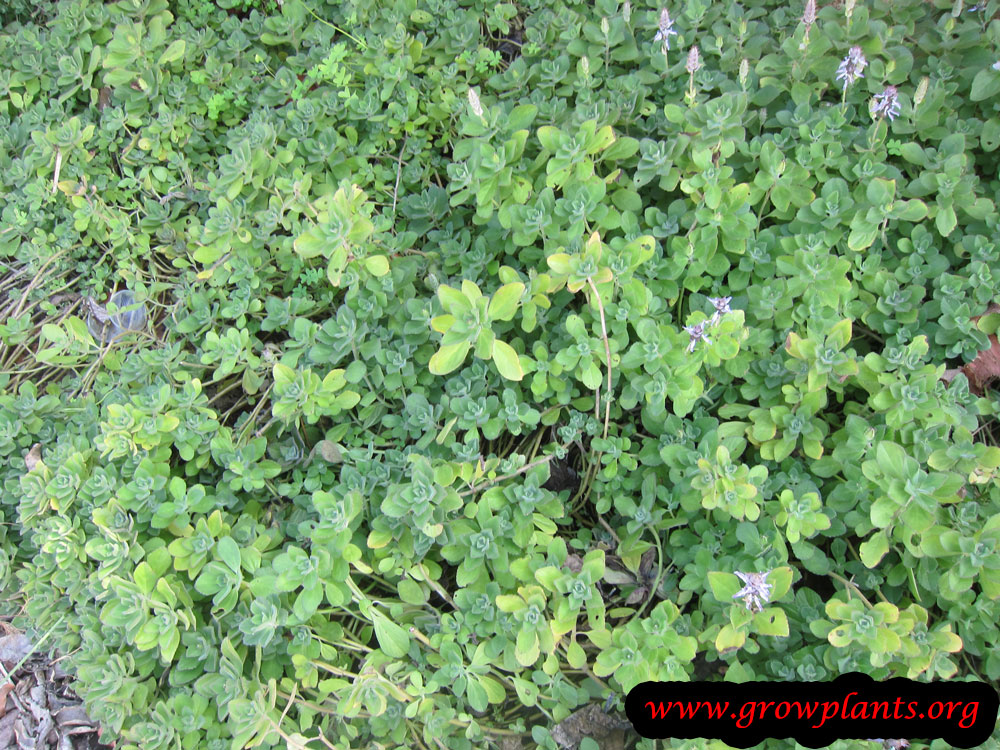
- Height & Spread: A low, spreading plant 40-70 cm (16-28 in) tall that trails and mounds; excellent in containers, hanging baskets and as groundcover.
- Growth Habit & Form: Soft-stemmed, semi-succulent spreader that roots as it runs.
- Lifespan & Maturity: Fast to establish and easily renewed from cuttings; reaches full size within a season.
Anatomy & Physical Features
- Leaves & Foliage: Fleshy green (sometimes green-and-white variegated) leaves, elliptic to ovate with scalloped (crenate) edges, aromatic when brushed.
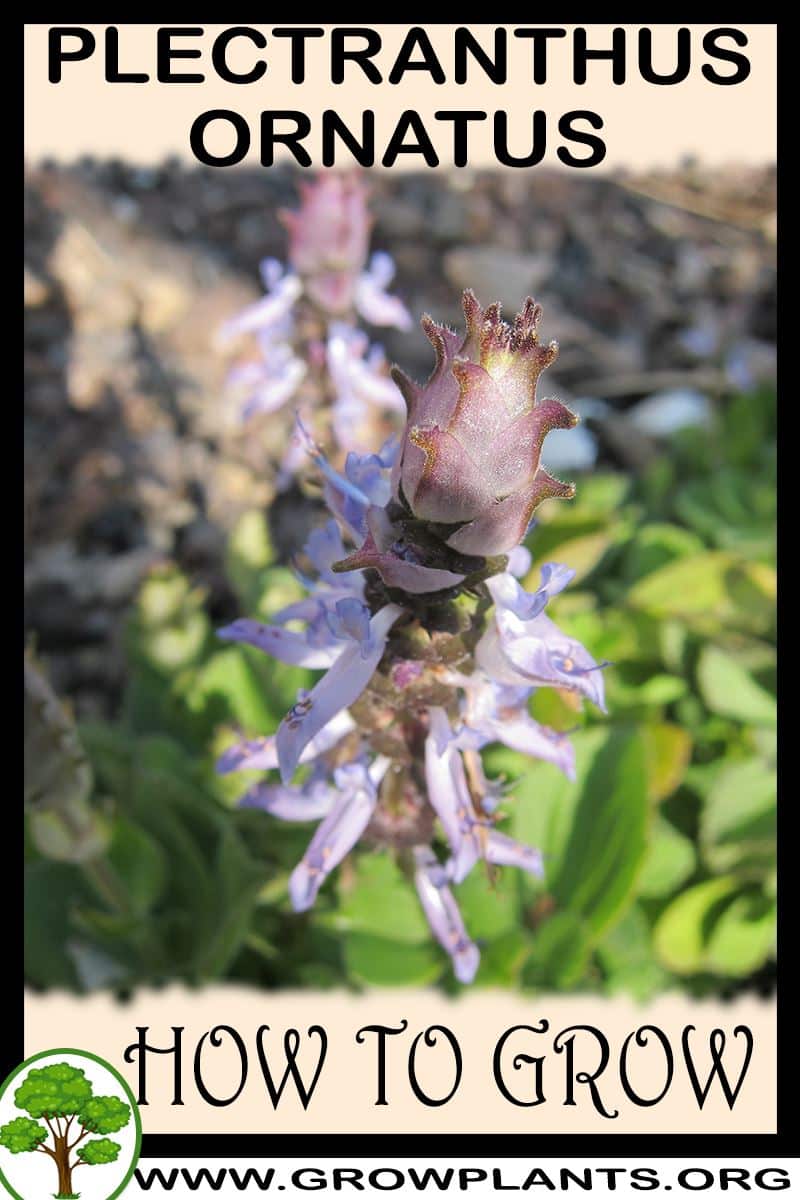
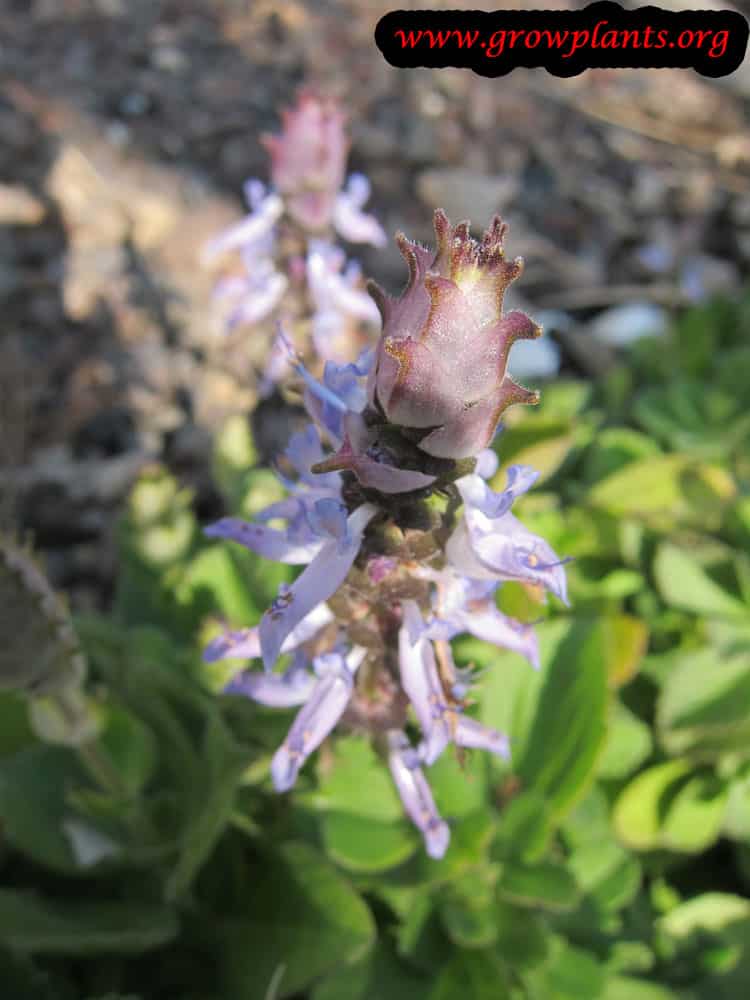
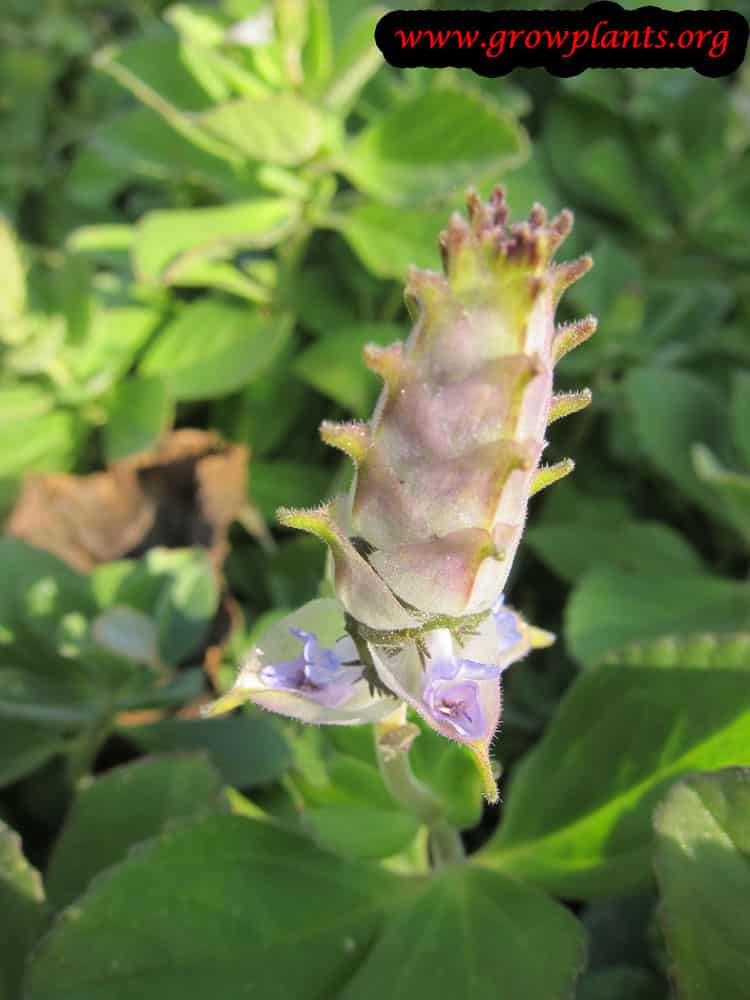
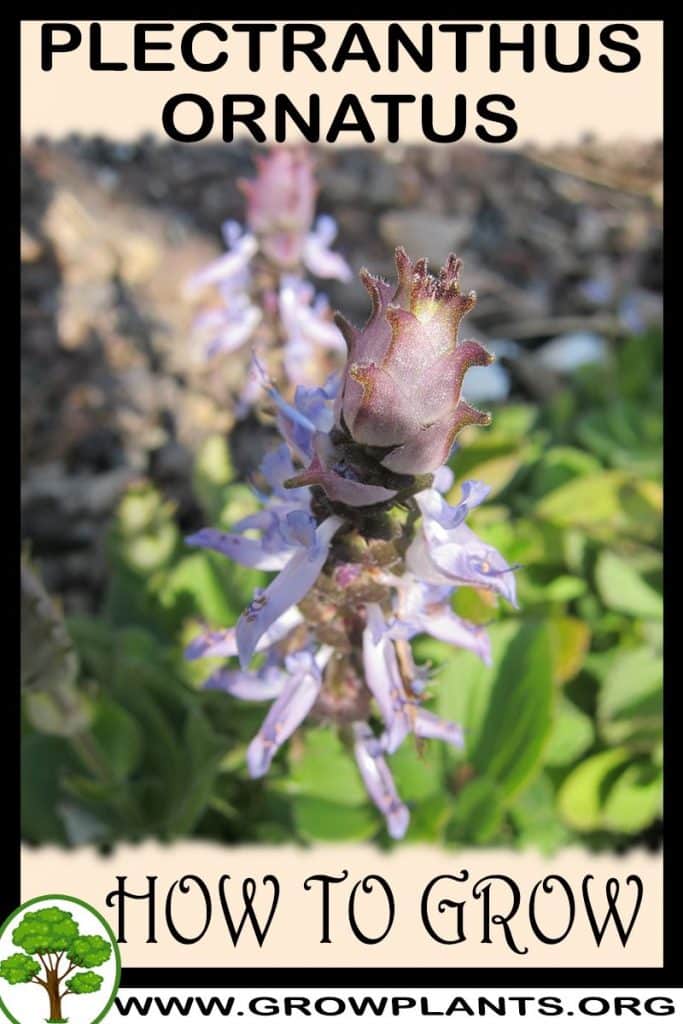
- Flower Characteristics: Small, two-lipped purple flowers held in whorls on upright stalks.
Primary Uses & Landscape Value
- Functional & Ornamental Roles: Aromatic groundcover, container, edging and hanging-basket plant grown for both foliage and flowers; a summer annual in cold regions.
Care Guide: Planting, Soil & Watering
Overview: Ornatus Plectranthus is a semi-succulent, frost-tender perennial that grows well in half shade to full sun in moist but well-drained soil. Its fleshy leaves store water, so it needs only modest, careful watering.
Quick Care Requirements
| Requirement | Ideal Condition |
|---|---|
| Planting Season | Spring; spring to autumn where grown as a perennial |
| Growth Rate | Moderate |
| Soil Type | Moist but well-draining |
| Water Need | Low; let the surface dry between waterings |
Planting & Establishment
- Best Planting Season: Plant in spring as an annual, or spring through autumn where it is grown as a perennial; keep it frost-free.
- How to Plant:
- Hole Preparation: Dig a hole as wide as the root ball in loose, free-draining ground.
- Soil Amendments: Add compost for moisture retention plus grit or perlite to keep drainage sharp.
- Planting Depth: Set the root ball level with the soil surface and firm gently.
- Growth Speed & Expectations: A moderate grower reaching 40-70 cm, forming a low, spreading mound.
Soil, Watering & Drainage Care
- Soil Mix & Drainage Needs: Wants soil that holds a little moisture yet drains freely; sharp drainage prevents rot in its fleshy stems. A well-drained potting mix suits containers.
- Watering Schedule & Technique:
- Young / Newly Planted: Keep lightly moist while establishing, avoiding sogginess.
- Established: Water sparingly, letting the top of the soil dry before watering again.
- Seasonal Adjustments: A little more in summer heat; keep much drier in winter.
Climate, Light & Hardiness
Plectranthus ornatus is a warm-climate succulent-leaved ornamental grown as a perennial in frost-free regions and as an annual in colder climates, doing well in half shade to full sun. It needs frost-free conditions to persist as a perennial.
Quick Climate Specifications
| Climate Zones | Tropics, Mediterranean, temperate, desert, subtropics |
|---|---|
| USDA Hardiness Zones | 9 and warmer as a perennial; can be grown as an annual from zone 5 and warmer |
| Frost Tolerance | None to Low |
| Light Conditions | Half shade / full sun |
Sunlight & Light Exposure
Optimal Light Setup
Adaptable between half shade and full sun, more flexible on light than many of its Plectranthus relatives, consistent with its more succulent, drought-tolerant leaves.
Direct Sun Requirement
Tolerates full sun reasonably well once established, unlike the deeper-shade-loving species in the genus.
Best Exposure / Orientation
Performs across a range of exposures from partly shaded to open and sunny.
Temperature Extremes & Hardiness
USDA Hardiness & Regional Limits
Perennial only in zone 9 and warmer, frost-free climates, matching the site data's explicit note that it needs frost-free conditions. In colder regions (zone 5 and warmer) it is commonly grown as an annual; cold is what forces the annual treatment, not an inability to be perennial where winters stay frost-free.
Cold Damage & Winter Protection
Frost and freezing temperatures damage or kill top growth; site data specifically calls for frost-free conditions for reliable perennial survival.
Frost Sensitivity
Frost-sensitive; this is the key factor separating perennial culture (zone 9+) from annual culture (colder zones).
Extreme Heat Tolerance
Good heat tolerance, aided by its succulent leaves and modest (small amount of) water needs.
Wind, Humidity & Microclimate
Humidity Preferences
Adapts across the humidity range from humid tropics to drier Mediterranean and desert climates.
Dry-Air Tolerance
Reasonably good dry-air tolerance, consistent with its succulent foliage and low water requirement.
Microclimate Recommendations
In containers, it can be moved to a warm, sheltered spot or indoors during cold snaps to extend its life beyond a single season.
Growing in Pots, Balconies & Indoors
Plectranthus ornatus is a small, semi-succulent spur flower. The grower does not class it as a true houseplant, but at 40-70 cm (16-28 in) and tolerant of both half shade and full sun it is an easy container plant that can also grow on a bright windowsill.
Quick Details
- Container Size: A small-to-medium pot, potting up as it fills
- Indoor Suitability: Not a deep-indoor houseplant, but happy on a bright, sunny sill
- Best Spot: Half shade to full sun on a balcony or patio
- Soil & Drainage: Gritty, free-draining mix – it likes to dry between waterings
- Watering in Pots: Sparing – it needs only a small amount of water; let it dry out between drinks
Indoors & On the Windowsill
- Windowsill, not deep indoors: The grower doesn’t list it as a houseplant, but its compact, sun-loving habit means a bright, sunny sill suits it well – give it the strongest light you have.
- Overwintering: Tender and easy to keep as a small potted plant indoors over a cold winter; it roots readily from cuttings.
On a Balcony or Patio
- Light & exposure: It takes full sun to half shade on a balcony. Its fleshy leaves cope with heat, but pots still dry fast against warm walls – just avoid overwatering.
Choosing the Pot, Soil & Long-Term Care
- Pot & drainage: A pot with strong drainage holes; skip a standing-water saucer to avoid root rot. Terracotta suits it well, breathing and drying faster than glazed or plastic.
- Potting mix: A gritty, aerated mix – add perlite or coarse sand for sharp drainage.
- Feeding: A light feed now and then in growth is plenty; pinch tips to keep it bushy.
- Repotting: Refresh the mix or pot up every couple of years, or restart from cuttings.
Fertilizing & Feeding
This fragrant, semi-succulent Plectranthus flowers over a long spring-through-autumn window but keeps a naturally lean, low-water habit, so light rather than heavy feeding suits it best.
Quick Fertilizing Specs
| Feeding Level | Light – a naturally lean grower that does not need rich feeding. |
|---|---|
| Main Nutrient Priority | Balanced, light nutrition to support foliage and its long spring-to-autumn bloom without pushing soft, weak growth. |
| Best Feeding Period | Spring through autumn while the plant is actively growing. |
| Soil pH | Prefers moist, well-drained, frost-free conditions. |
| Reduce/Stop Feeding | Reduce feeding as growth slows heading into the cool season. |
| Organic Options | A light dressing of compost worked into the bed or container soil is generally enough. |
| Micronutrients | No routine micronutrient product is typically needed for this light-feeding species. |
Feeding by Growth Stage
Spring Growth
Support fresh stem and leaf growth as the plant resumes active growth in spring.
| Nutrient direction | A light, balanced feed rather than a strong nitrogen push, keeping growth compact and sturdy. |
|---|---|
| Timing | As new growth begins in spring, once frost risk has passed. |
| Frequency | A light feeding at the start of the growing season is usually enough for this lean-growing species. |
| Fertilizer types | A diluted, balanced general-purpose fertilizer applied lightly, A light dressing of compost worked into the surrounding soil |
| Precautions | Avoid overfeeding, which can push soft, weak growth on this naturally lean-growing, semi-succulent species. |
Spring-to-Autumn Bloom
Support the plant’s long run of purple, mouth-shaped flower spikes across spring, summer, and autumn.
| Nutrient direction | Keep feeding light and balanced rather than pushing extra nitrogen, which favors leafy growth over flowers. |
|---|---|
| Timing | Spring through autumn as flower spikes form in succession. |
| Frequency | Continue the same light feeding rhythm established in spring, without stepping it up during bloom. |
| Fertilizer types | A balanced, general-purpose flowering-plant fertilizer, at a light rate |
| Precautions | Avoid a nitrogen boost during bloom, which can push leafy growth instead of flowers on this light-feeding species. |
Cool-Season Rest
Let the plant slow down through the cool season, whether it persists as a perennial in frost-free climates or is treated as a spent annual in colder ones.
| Nutrient direction | None – withhold fertilizer as growth slows for the season. |
|---|---|
| Timing | Late autumn through winter, or once cold weather ends the growing season for plants grown as annuals. |
| Frequency | No feeding at this stage; resume only with renewed active growth in spring. |
| Fertilizer types | No feeding at this stage – do not apply fertilizer during cool-season rest. |
| Precautions | Do not fertilize a resting plant; feeding resumes only once active spring growth begins. |
Nutrient Deficiency Signs & Corrections
Pale, undersized leaves and unusually slow growth even for this naturally modest grower.
| Possible causes | Very lean soil with little available nitrogen, Root-bound container restricting nutrient uptake, Overwatering leaching nutrients from the soil |
|---|---|
| Appears first on | Older, lower leaves first |
| What to check | Recent feeding history and overall soil fertility, Whether the plant is root-bound and due for repotting, Watering frequency and drainage |
| Possible correction | A light, balanced feeding during active growth is usually enough to correct mild nitrogen shortage in this light-feeding species. |
Soft, mushy stems or wilting despite moist soil.
| Possible causes | Waterlogged or poorly drained soil causing root or stem rot in this semi-succulent species, Overfeeding compounding stress on an already struggling root system, Cold, wet conditions outside this frost-sensitive plant’s comfort range |
|---|---|
| Appears first on | Base of stems and lower leaves |
| What to check | Soil drainage and recent watering frequency, Signs of stem or root rot at the base, Recent cold or wet weather exposure |
| Possible correction | Correct drainage and reduce watering frequency before adjusting fertilizer; this species is more prone to decline from excess moisture than from nutrient shortage. |
Healthy foliage but few flower spikes through the bloom season.
| Possible causes | Excess nitrogen favoring leafy growth over flowering, Insufficient light, since this species prefers half shade to full sun, Stress from cold or wet conditions in the prior season |
|---|---|
| Appears first on | Whole-plant flowering pattern rather than a single leaf symptom |
| What to check | Recent feeding history for excess nitrogen, Light exposure through the growing season, Prior-season cold or wet stress |
| Possible correction | Favor light, balanced feeding over high-nitrogen feeding, and ensure adequate light; bloom typically improves once growing conditions are corrected. |
Pruning, Training & Seasonal Maintenance
Plectranthus ornatus is a soft-stemmed, herbaceous succulent-leaved subshrub grown for its fragrant foliage and mouth-shaped purple flowers. It tolerates cutting back well; the main pruning window sits in winter, once the spring–summer–autumn bloom season has finished and before the next growth flush begins, making it a natural point to tidy the plant and set it up for a fuller season ahead. Pruning is not about a structural framework here – it is about removing spent flower stalks and refreshing a plant that has become sprawling or thin.
Quick Pruning & Maintenance Specs
| Pruning Tolerance | Moderate–High |
| Primary Pruning Window | Winter, after bloom finishes and before spring regrowth |
| Typical Frequency | One winter cutback per year, plus light tidying as flowers fade |
| Main Objective | Remove spent flower stalks, refresh compact habit |
| Young Plant Priority | Pinch tips to encourage branching |
| Mature Plant Priority | Winter cutback of straggly growth to keep it from becoming woody and sparse |
| Best Tool Type | Precision snips (soft, fleshy stems) |
| Avoid Heavy Pruning During | Active summer bloom – cutting then removes the current flower display for no rejuvenation benefit |
Pruning by Plant Age & Size
Newly Established
Minimal – pinch tips once rooted to encourage side branching; no hard cutback while establishing.
Young / Formative
No formal training system; pinch to build a bushy, multi-stemmed plant rather than a single leggy stalk.
Mature / Established
Winter renewal cutback of stems that have gone leggy or bare-based, to keep the ~40–70cm plant dense rather than sprawling.
Structural Pruning & Training
- Height & spread control via the winter cutback.
- Renewal pruning of stems that have thinned out or become semi-woody at the base.
Special Growth to Remove
- Old flower stalks, once blooms fade.
- Dead leaves.
Container & Small-Space Pruning
Suits pot culture (this species is grown in containers, though it is not typically kept as an indoor houseplant); because its somewhat fleshy, drought-tolerant foliage holds up to a firmer cutback than thinner-leaved relatives, a container specimen can be cut back harder in winter to keep it in scale with the pot without weakening it.
Tools
- Precision snips – for pinching tips and cutting the soft, fleshy stems and spent flower stalks.
Tool Hygiene & Disease Risk
Routine – clean, sharp tools are sufficient; no specific disease risk is recorded for this species that would call for cut-to-cut disinfection.
Cut Placement & Technique
Pinch or cut just above a leaf node to prompt branching there; remove spent flower stalks down to the nearest healthy leaf pair rather than leaving a bare stub.
Heavy Pruning & Rejuvenation
Tolerated in winter – a sprawling or thin plant can be cut back by around a third to a half; regrowth resumes with the spring flush, so expect a short pause in foliage fullness rather than a full-season setback.
Post-Pruning Care
Water lightly and infrequently as usual for this species (it needs only a small amount of water); avoid feeding straight after the winter cutback since the plant will naturally flush new growth in spring.
Common Pruning Mistakes
- Cutting back hard mid-summer, sacrificing the current bloom for no real rejuvenation benefit.
- Leaving spent flower stalks on all season instead of removing them as they fade.
- Overwatering after a hard cutback on a species that prefers to stay on the drier side.
When NOT to Prune
Avoid heavy cutback during active spring–summer–autumn bloom, and hold off pruning a newly planted or transplanted specimen until it is established.
Recommended Tools (by task)
- precision_snips – pinching tips and cutting the soft, fleshy stems and spent flower stalks cleanly.
Propagation Guide
This herbaceous succulent Plectranthus is easiest to increase from stem cuttings, which root readily and reproduce the plant reliably; the site notes vegetative propagation is not strictly required, and seed is also a workable option for this species. Overall propagation difficulty is easy.
Quick Propagation Specs
| Best Propagation Method | Stem cuttings |
| Alternative Methods | Seed |
| Propagation Difficulty | Easy |
| Seed True-to-Type | Usually true-to-type (species, not a named hybrid) |
| Vegetative True-to-Type | Yes |
| Best Propagation Season | Spring to autumn, frost-free |
| Cutting Rooting Time | Typically 2–4 weeks |
Growing from Seed
Sow in spring in a moist, well-drained, frost-free mix. Germination time is not documented on the site; treat as slow to moderate and keep evenly moist without waterlogging.
Stem Cuttings
Cutting Type
Tip or stem cuttings with a few nodes.
Best Timing
Spring through autumn, frost-free.
Cutting Preparation
Cut below a node and remove the lower leaves; because the stems are somewhat succulent, letting the cut end callus for a day before inserting it can reduce rot risk.
Rooting Setup
A light, well-drained mix kept lightly moist, matching the site’s moist-but-well-drained soil recommendation for this plant.
Rooting Hormone
Not necessary.
Rooting Time
Roots typically develop within a few weeks.
Bloom & Flower Guide
Quick Details
- Bloom Season: Spring, summer and autumn
- Flower Appearance: Small purple flowers with an open, two-lipped “mouth” shape, carried in loose spikes on upright stalks
- Edibility: Ornamental only – grown for its aromatic, succulent foliage and its flowers, not for eating
Detailed Blooming Overview
This succulent-leaved Plectranthus flowers over a long warm-season run, sending up slender stalks of small, hooded purple flowers above its scented foliage. It is an easy, spreading plant that blooms freely in good light, and the little two-lipped flowers are a typical mint-family shape that pollinators readily visit.
Flower Characteristics
- Small purple, two-lipped (mouth-shaped) flowers.
- Held in loose whorled spikes on upright stalks above the leaves.
Bloom Care & Thinning
- Encouraging bloom: Bright light and free-draining soil give the best flowering; it copes well with dry spells.
- Prolonging the display: Trim back spent flower stalks and pinch the plant to keep it bushy and blooming.
- Pollination: The flowers draw bees and other pollinating insects.
Pests, Diseases & Troubleshooting
Overview: Plectranthus ornatus is an aromatic, semi-succulent mint relative that shrugs off most pests thanks to its scented foliage; under glass or in low light, though, mealybugs and whitefly move in, and its soft stems rot readily if overwatered. Bright light and restrained watering keep it healthy.
Quick Troubleshooting Overview
| Issue / Pest | Main Symptom | Primary Solution |
|---|---|---|
| Mealybugs | White cottony tufts in leaf axils and on stems; honeydew | Alcohol swab, wash off, neem/horticultural oil |
| Whitefly | Tiny white flies rising from disturbed foliage; sticky leaves | Yellow sticky traps, insecticidal soap/neem |
| Aphids | Clusters on soft new shoots; distortion and honeydew | Hose off, insecticidal soap |
| Spider mites | Fine speckling and webbing in warm, dry indoor air | Raise humidity, hose, horticultural oil |
| Stem/root rot | Blackening, mushy stem base and collapse in wet soil | Water less, sharp drainage, restart from cuttings |
| Legginess | Stretched, floppy, sparse growth in low light | More light, pinch to bush out |
Common Pests & Management
- Mealybugs (Planococcus citri):
- Symptoms: White cottony clusters in leaf axils and along stems, with sticky honeydew and sooty mold; the most likely pest on indoor and glasshouse plants.
- Prevention & Control: Dab colonies with an alcohol swab and rinse with soapy water; repeat weekly with neem or horticultural oil, and isolate new plants, since mealybugs hide in tight leaf joints.
- Whitefly (Trialeurodes vaporariorum):
- Symptoms: Tiny white flies on leaf undersides that fly up when disturbed, leaving sticky honeydew and sooty mold.
- Prevention & Control: Hang yellow sticky traps and spray leaf undersides with insecticidal soap or neem, repeating to catch nymphs; conserve parasitic wasps under glass.
- Aphids (Aphidoidea):
- Symptoms: Green or black colonies on soft new shoots, causing distortion, honeydew and sooty mold.
- Prevention & Control: Hose off or squash small colonies and encourage predators; insecticidal soap clears heavier outbreaks.
- Spider mites (Tetranychus urticae):
- Symptoms: Fine stippling, a dull look and light webbing on leaf undersides in warm, dry indoor air.
- Prevention & Control: Raise humidity, rinse foliage and treat undersides with horticultural oil or insecticidal soap if they take hold.
- Scale insects (Coccidae):
- Symptoms: Brown or waxy bumps on stems and leaf veins, with honeydew and sooty mold.
- Prevention & Control: Scrape off light infestations and smother the rest with horticultural oil, repeating to catch crawlers.
Diseases & Fungal Issues
- Stem and root rot (Pythium / Phytophthora / Rhizoctonia spp.):
- Symptoms: Soft, blackened, mushy stem bases and roots with wilting and collapse, driven by overwatering and poorly drained mix – the main killer of this semi-succulent.
- Treatment & Management: Grow in free-draining mix, let the surface dry between waterings, and avoid water sitting around the crown. Remove rotted tissue and, since it roots so easily, simply restart from healthy tip cuttings.
- Powdery mildew (Erysiphe / Oidium spp.):
- Symptoms: White powdery patches on leaves in humid, crowded, low-light conditions.
- Treatment & Management: Improve airflow and light, avoid crowding, and treat with sulfur or potassium bicarbonate at first signs.
- Botrytis (grey mold) (Botrytis cinerea):
- Symptoms: Grey fuzzy mold on soft growth in cool, damp, still air.
- Treatment & Management: Remove affected tissue, ventilate, and reduce humidity and overhead watering.
- Leaf spot (various fungi):
- Symptoms: Brown or black spots on leaves in persistently wet conditions.
- Treatment & Management: Pick off spotted leaves, keep foliage dry, and improve airflow.
Growing Difficulties & Abiotic Problems
- Overwatering collapse:
- Cause & Symptoms: Yellowing, softening and stem-base rot when the semi-succulent is kept too wet.
- Correction Strategy: Water only when the mix has partly dried, use a gritty free-draining medium, and never leave it standing in water.
- Legginess / etiolation:
- Cause & Symptoms: Stretched, floppy, sparse stems with wide gaps between leaves in too little light.
- Correction Strategy: Move to bright light, and pinch or cut back to encourage bushy growth; use trimmings as easy cuttings.
- Oedema:
- Cause & Symptoms: Corky bumps on leaf undersides when the plant takes up more water than it transpires in cool, dull, damp spells.
- Correction Strategy: Water less in low light, improve air movement; the marks are cosmetic and stop once watering is balanced.
- Sunburn on relocation:
- Cause & Symptoms: Bleached, scorched leaves when a shade- or indoor-grown plant is moved abruptly into strong sun.
- Correction Strategy: Harden off gradually over one to two weeks before exposing to full sun.
What Helps – Products & Tools
For Plectranthus ornatus keep insecticidal soap and neem or horticultural oil for mealybugs, whitefly, aphids, mites and scale; yellow sticky traps for whitefly; and a sulfur fungicide for the odd mildew. The best insurance against rot is a gritty free-draining mix and careful watering – and it roots so readily that starting fresh cuttings is often easiest. Apply oils in the evening to protect pollinators and follow the label.