

Plant Profile & Key Characteristics
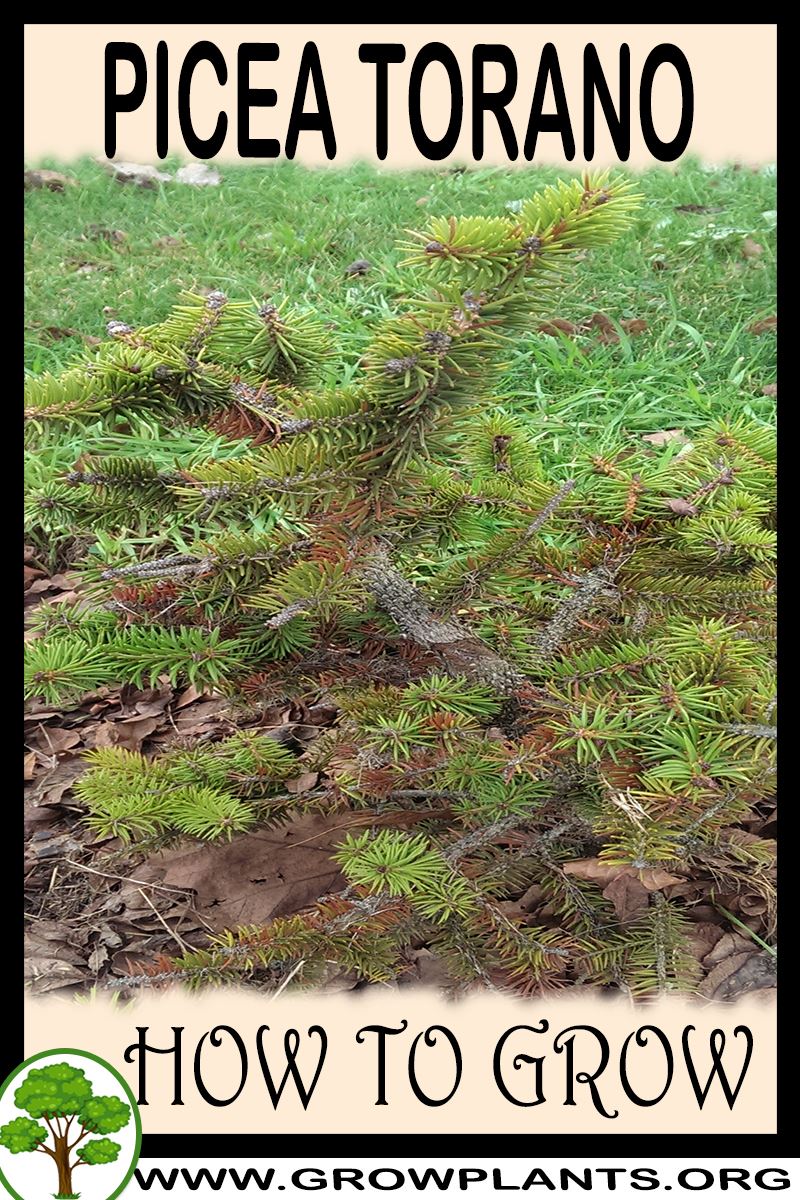
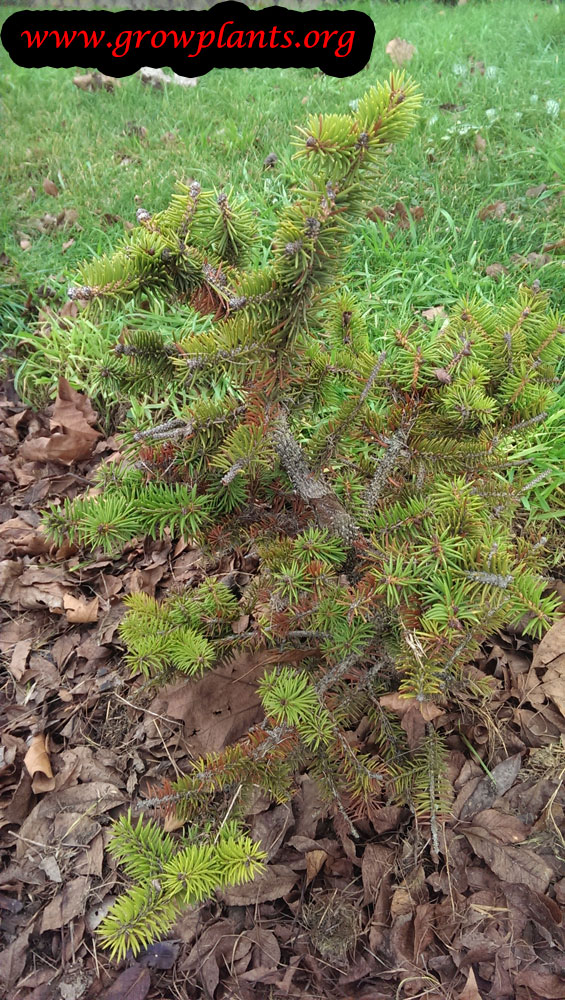
Overview: Tigertail spruce (Picea torano) is an evergreen coniferous tree reaching 10–30 m (30–100 ft), with a conical habit and unusually stiff, sharp needles. It is grown as an ornamental and shade tree and is also trained as bonsai.
Quick Specifications
| Specification | Attribute |
|---|---|
| Plant Type / Life Cycle | Perennial evergreen conifer (tree or shrub) |
| Foliage Type | Evergreen (needle-leaved) |
| Mature Size | 10–30 m (30–100 ft) tall |
| Growth Rate | Moderate |
| Root System | Shallow, spreading root system |
| Toxicity | Non-toxic — spruce tips are edible |
| Hardiness | USDA zones 2–8 |
Growth Form & Structure
- Height & Spread: A large tree of 10–30 m (30–100 ft); unsuited to pots or indoor growing, though young plants are dwarfed for bonsai.
- Growth Habit & Form: Upright, single-trunked conifer with a broadly conical crown of stiff, spreading branches.
- Lifespan & Maturity: Long-lived, reaching full size over many decades with steady, moderate growth.
Anatomy & Physical Features
- Leaves & Foliage: Rigid green needles, sharp-tipped and joined at a raised base along the shoot.
- Flower Characteristics: Small yellow wind-pollinated cones, male and female borne separately.
Primary Uses & Landscape Value
- Functional & Ornamental Roles: Ornamental and shade tree with striking cones that ripen from green to blue-purple with yellow stripes; also grown as bonsai.
Care Guide: Planting, Soil & Watering
Overview: Spruce is a cool-climate conifer that grows best in full sun to part shade in moist, well-drained soil with some humidity. It prefers cooler temperatures and steady moisture, and dislikes both drought and waterlogged ground.
Quick Care Requirements
| Requirement | Ideal Condition |
|---|---|
| Planting Season | Spring or autumn |
| Growth Rate | Moderate |
| Soil Type | Moist, well-drained |
| Soil pH | Slightly acidic (spruce favour acidic soils) |
| Water Need | Moderate — keep evenly moist, never waterlogged or bone-dry |
Planting & Establishment
- Best Planting Season: Plant in spring or autumn during mild weather.
- How to Plant:
- Hole Preparation: Dig a hole as deep as and about twice as wide as the root ball to loosen soil for the spreading roots.
- Soil Amendments: Improve the backfill with organic matter such as compost or leaf mould, and mulch to keep the roots cool and moist.
- Planting Depth: Set the root collar at soil level with the root ball top flush to the surface; do not bury the trunk, which harms conifers.
- Growth Speed & Expectations: Expect steady, moderate growth over many years to a large tree 10–30 m tall.
Soil, Watering & Drainage Care
- Soil Mix & Drainage Needs: Moist but well-drained soil is ideal; it resents both drought and standing water. It is a forest tree and not suited to long-term container growing.
- Watering Schedule & Technique:
- Young / Newly Planted: Water young trees regularly to keep the root zone evenly moist while they establish, and mulch to conserve moisture.
- Established: Water deeply during dry spells to keep the soil from drying out; established trees still dislike prolonged drought.
- Seasonal Adjustments: Water more in summer heat and dry weather; reduce it in cool, wet conditions.
Climate, Light & Hardiness
Tigertail spruce is a very cold-hardy conifer suited to temperate climates, growing well in full sun to half shade. It does best where cool temperatures, consistently moist soil, and reasonable humidity are available.
Quick Climate Specifications
| Climate Zones | Temperate climates |
|---|---|
| USDA Hardiness Zones | 2–8 |
| Frost Tolerance | High |
| Light Conditions | Full sun or half shade |
Sunlight & Light Exposure
Optimal Light Setup
Grows well in full sun to half shade; often used as a shade tree or bonsai subject.
Temperature Extremes & Hardiness
USDA Hardiness & Regional Limits
Reliably hardy across zone 2–8, reflecting its origin in cold temperate mountain climates (native to Japan); it is not suited to hot subtropical or tropical conditions.
Cold Damage & Winter Protection
Extremely cold-hardy; site guidance specifically favors cold temperatures for this species, and established plants need no winter protection within their hardiness range.
Frost Sensitivity
Very frost tolerant.
Wind, Humidity & Microclimate
Humidity Preferences
Prefers reasonable ambient humidity, consistent with its native cool, moist mountain forest habitat.
Rainfall & Seasonal Moisture
Needs consistently moist soil through the growing season; site guidance calls for average to generous watering, and it does not tolerate prolonged drought well.
Microclimate Recommendations
A cool site with reliable soil moisture and good humidity best matches this spruce's natural habitat.
Growing in Pots, Balconies & Indoors
Tiger-tail spruce (Picea torano) is a large landscape conifer, reaching 10-30 m (30-100 ft). The grower marks it as neither a houseplant nor a container plant – it is a forest tree for open ground in full sun to part shade. Pots can only ever suit a very young specimen for a few years before it needs to be planted out.
Quick Details
- Container Size: Not recommended long-term; only a large tub for a young specimen, then plant out
- Indoor Suitability: Not a houseplant – a hardy outdoor forest tree
- Best Spot: Outdoors in full sun to part shade, in the open ground
- Soil & Drainage: Deep, free-draining loam-based soil; strong drainage holes if potted young
- Watering in Pots: Keep evenly moist while young; pots dry faster than open ground
Indoors & On the Windowsill
- Not a houseplant: The grower marks it as unsuitable indoors – it needs cool seasons, strong light and room to grow into a large tree, and will not tolerate warm, dry indoor air.
- Cold-hardy: Being hardy, it needs no indoor overwintering – it prefers to stay outside year-round.
On a Balcony or Patio
- Only while young: A young plant can spend a few years in a large tub on a patio, but it will soon outgrow any container and need open ground.
- Practicalities: Keep any large tub heavy and stable against wind, water well as pots dry faster than open soil, and plan to plant it out before the roots become cramped.
Choosing the Pot, Soil & Long-Term Care
- A landscape tree, not a long-term pot plant: The grower’s guidance is that this conifer is grown in open ground; a container only holds a young specimen temporarily.
- If potting a young tree: Use a large tub with strong drainage holes and a loam-based mix with added grit; feed through the growing season, as pot nutrients leach faster, then move it to the ground.
Fertilizing & Feeding
Like other spruces, tigertail spruce prefers consistently moist, humid conditions over heavy feeding; light nutrition is sufficient whether it’s grown as a landscape specimen or trained as bonsai.
Quick Fertilizing Specs
| Feeding Level | Light |
|---|---|
| young_feeding | Light, balanced feeding to support root establishment while the young tree develops |
| mature_feeding | Established trees usually coast on soil nutrition alone in consistently moist, humid sites |
| Main Nutrient Priority | Balanced, complete nutrition rather than any single nutrient push |
| Best Feeding Period | Spring into early summer, during the active growth flush |
| Soil pH | Adaptable to a range of garden soil pH, provided moisture and humidity needs are met |
| Reduce/Stop Feeding | Taper off by late summer so growth can harden before cold weather |
Feeding by Growth Stage
Establishment After Planting
Support root recovery and settling-in after transplanting, with attention to keeping the root zone consistently moist.
| Nutrient direction | Light, balanced nutrition favoring root development over top growth |
|---|---|
| Timing | The first couple of growing seasons after planting, whether in spring or autumn |
| Frequency | A few light feedings spread through the active growing season |
| Fertilizer types | A balanced, complete tree-and-shrub fertilizer, Compost or well-rotted organic matter worked lightly into the planting area |
| Precautions | Avoid feeding a stressed or drought-affected root zone; this species is sensitive to dry conditions and also shows allelopathic tendencies, so give new plantings room. |
Active Canopy Development
Support steady needle and branch development while the tree fills out its mature specimen or bonsai form.
| Nutrient direction | Balanced feeding with a modest nitrogen lean to support foliage development |
|---|---|
| Timing | Spring into early summer, during the flush of new growth |
| Frequency | Light feeding through the active growing season |
| Fertilizer types | A balanced, complete tree-and-shrub fertilizer formulated for conifers or evergreens |
| Routine trace nutrients | iron, manganese |
| Precautions | Keep soil consistently moist during feeding periods; dry spells combined with fertilizer salts can stress this moisture-loving species. |
Established Tree Maintenance
Keep a mature, well-sited specimen healthy without unnecessary inputs once it is settled into the landscape.
| Nutrient direction | Minimal, balanced feeding only where soil or growth signals call for it |
|---|---|
| Timing | Spring, if feeding is warranted at all |
| Frequency | Feed sparingly, and only in years when the tree shows a real need |
| Fertilizer types | A balanced, complete tree-and-shrub fertilizer applied lightly around the drip line |
| Precautions | Resist routine feeding of an established, healthy tree; check soil moisture and humidity first if the tree looks stressed. |
Cold-Season Dormancy
Let the tree harden off its new growth and rest through the cold season without tender growth exposed to frost.
| Nutrient direction | None – withhold fertilizer |
|---|---|
| Timing | Late summer through winter, once seasonal growth has slowed |
| Frequency | No feeding at this stage |
| Fertilizer types | No feeding – allow the tree to rest through the cold season |
| Precautions | Do not fertilize late in the season; new growth pushed too close to cold weather is prone to winter injury. |
Nutrient Deficiency Signs & Corrections
Yellowing of new needles while older foliage stays green
| Possible causes | Iron unavailability in alkaline or heavily limed soil, Poor drainage or compacted soil limiting root uptake, Root stress from recent transplanting or inconsistent moisture |
|---|---|
| Appears first on | Newest needle growth at branch tips |
| What to check | Soil drainage and compaction around the root zone, Recent soil pH amendments such as lime, Whether symptoms are isolated to new growth |
| Possible correction | Improve drainage and correct any recent pH imbalance; a chelated iron product applied per its label can help in a confirmed case. |
Needle browning, drop, or dull color that can be mistaken for a nutrient problem
| Possible causes | Insufficient soil moisture or low humidity, to which this species is particularly sensitive, Root stress from compacted or poorly draining soil, Underlying nutrient deficiency compounding drought stress |
|---|---|
| Appears first on | Interior or lower needles first, or uniformly across the canopy |
| What to check | Soil moisture consistency and recent watering history, Ambient humidity, especially for trees away from their preferred moist sites, Whether symptoms improve after consistent watering |
| Possible correction | Correct soil moisture and humidity conditions first; fertilizing a drought-stressed tree without addressing water needs will not resolve the issue. |
Overall pale or yellow-green needle color and noticeably slow seasonal growth
| Possible causes | Low soil nitrogen, Compacted or nutrient-poor soil, Root stress from drought limiting nutrient uptake |
|---|---|
| Appears first on | Older, interior needles first, then spreading outward |
| What to check | Overall growth rate compared to prior seasons, Soil quality and compaction, Recent drought or watering stress |
| Possible correction | Improve soil conditions and apply a light, balanced feeding during active growth if the tree is otherwise healthy. |
Pruning, Training & Seasonal Maintenance
Tigertail spruce is a single-leader pyramidal conifer capable of reaching 10–30 m in the open ground, though it is slow-growing and, per its own facts, frequently trained as bonsai — a specialized, container-based exception to its general landscape habit. Pruning tolerance is low-to-moderate: the priority is protecting a single leader and removing only dead or damaged growth, since like other spruces it does not reliably rebud from cuts into bare older wood. Flowering is inconspicuous and wind-pollinated, so pruning timing has no meaningful effect on it.
Quick Pruning & Maintenance Specs
| Pruning Tolerance | Low–Moderate |
| Primary Pruning Window | Dormant / late winter for structural cuts |
| Secondary Maintenance Window | Spring candle-pinching, bonsai/trained specimens only |
| Typical Frequency | As needed on landscape specimens; ongoing light work if trained as bonsai |
| Main Objective | Single-leader structure; deadwood removal; density work only if trained |
| Young Plant Priority | Select and protect one central leader |
| Mature Plant Priority | Deadwood removal; accept natural interior branch loss |
| Best Tool Type | Bypass secateurs for candle/twig work; pruning saw for leader correction |
| Avoid Heavy Pruning During | Soft spring candle-growth stage; drought stress |
Pruning by Plant Age & Size
Newly Established
Remove only damaged growth; do not top.
Young / Formative
Protect a single leader, removing any competing codominant stem at its base while still thin. If being trained as bonsai or for an ornamental weeping/pendulous branch character (a trait noted in this species), light soft-tie guidance of young, pliable branchlets can direct their form — this is a training technique specific to specimens being deliberately shaped, not routine landscape care.
Mature / Established
Deadwood and storm-damage removal only; do not attempt interior thinning, which is not beneficial to a naturally self-shading spruce canopy.
Seasonal Pruning Schedule
| Stage | Objective | Remove | Do Not Remove | Expected Response |
| Dormant / Winter | Structural correction, deadwood removal | Damaged or codominant wood | Sound leader and laterals | Slow regrowth — no rebudding from bare wood |
| Pre-Growth / Early Spring | Density on trained/bonsai specimens only | Half of the elongating candle (pinched) | Candles on untrained specimens | Denser, more compact growth at the pinch point |
Structural Pruning & Training
Single-leader form is the main structural objective on landscape specimens. On trained/bonsai specimens, soft ties can guide young pliable branchlets into the species’ characteristic pendulous form; this should only be done on flexible new growth, not forced on older stiff wood.
Container & Small-Space Pruning
General container growing is not indicated for this species, but bonsai culture is the recognized exception: in that context, root pruning at repotting, frequent light candle-pinching, and soft-tie branch training all apply, and hard structural pruning should still be avoided given this genus’ poor rebudding from bare wood.
Tools
- Bypass secateurs for candle and twig work.
- Pruning saw for leader correction and deadwood on a mature trunk.
- Pole pruner for reaching upper deadwood on a mature, tall specimen.
- Soft ties/stakes for guiding young pliable branchlets on trained/bonsai specimens.
Tool Hygiene & Disease Risk
Routine for ordinary cuts. As with other spruces, Cytospora-type canker dieback is a known genus-level risk; disinfect blades if cutting into canker-suspect wood. The species’ own pest fact (pine sawfly) is a defoliator and not tool-spread.
Cut Placement & Technique
Cut to a lateral or the trunk, never leaving stubs; keep all cuts within live, needled wood.
Heavy Pruning & Rejuvenation
Not tolerated on landscape specimens — no rebudding from bare wood means hard cutback leaves permanent gaps. On bonsai, structural change is instead made gradually over seasons through selective leader/branch removal while wood is still young, not by rejuvenation cutback.
Post-Pruning Care
Watch cut sites for resin bleeding or canker entry; no feeding needed after routine sanitary or candle work.
Common Pruning Mistakes
- Topping the leader on a landscape specimen.
- Trying to force the pendulous branch character on stiff older wood instead of young pliable growth.
- Leaving a competing leader uncorrected while young.
When NOT to Prune
Avoid heavy cuts during the soft spring candle stage and during prolonged wet weather when canker pathogens enter fresh wounds most easily.
Recommended Tools (by task)
- bypass_secateurs — candle and twig work.
- pruning_saw — leader correction and deadwood.
- soft_ties_stakes — training young pliable branchlets into the species’ pendulous character on bonsai/specimen plants.
Pruning Troubleshooting
| Problem | Possible Cause | What to Check | Corrective Action |
| Bare/dead lower branches | Natural shading, or canker dieback | Resin bleeding or sunken bark | Remove affected limbs at the trunk; disinfect tools |
| Multiple competing leaders | Early codominant growth left uncorrected | Y-fork near the top | Select strongest leader, remove the other while small |
| Branch training not holding shape | Ties applied to older, stiffer wood | Age/flexibility of the branch being trained | Retrain only young, pliable current-season growth |
Propagation Guide
Tigertail spruce (Picea torano) is grown from seed, which is true-to-type for the species; vegetative methods are not required for typical garden specimens. Seed propagation needs a period of cold stratification and patience with slow conifer growth, giving overall Moderate difficulty.
Quick Propagation Specs
| Best Propagation Method | Seed |
| Alternative Methods | Semi-hardwood cuttings (slow, lower success than seed) |
| Propagation Difficulty | Moderate |
| Seed True-to-Type | Usually true-to-type |
| Best Propagation Season | Sow stratified seed in spring; site notes spring/autumn as the general planting season for young plants |
| Seed Germination Time | A few weeks, can be uneven |
| Germination Temperature | 15–21°C (59–70°F) |
| Seed Sowing Depth | Shallow, just covered |
Growing from Seed
Seed Handling & Viability
Seed is orthodox; clean it from mature cones and dry it for storage in a cool, dry place.
Dormancy & Pre-Sowing Treatment
As with most Picea, a period of cold, moist stratification typically improves and evens out germination.
Sowing Season
Sow in spring after stratification; the site lists spring and autumn as the general planting season for establishing young plants.
Sowing Depth & Orientation
Shallow, just covered.
Germination Conditions
Cool and evenly moist conditions suit germination, consistent with the species’ preference for moist soil and humidity noted on the site.
Germination Time
A few weeks, sometimes uneven.
Seedling Care
Shade young seedlings and keep moisture and humidity consistent – matching this species’ noted preference for moist soil and humid conditions – and protect from drought stress while establishing.
Stem Cuttings
Semi-hardwood cuttings are possible but root slowly and less reliably than seed; rooting hormone helps, and rooting can take several months. This is mainly used for propagating particular dwarf or named forms rather than as a routine home method.
Bloom & Flower Guide
Quick Details
- Bloom Season: Spring to summer
- Flower Appearance: Small yellow male (pollen) cones with separate female cones on the same tree; young female cones are often reddish before ripening
- Edibility: Ornamental / none – grown for its stiff, spiny “tigertail” foliage
Detailed Blooming Overview
Tigertail spruce is a conifer, so it produces cones rather than true flowers. In spring, small yellow pollen cones shed their pollen while separate female cones – often reddish when young – sit on the same tree and ripen over the season to hanging brown cones.
Flower Characteristics
- Male pollen cones are small and yellow.
- Female cones are often reddish when young, ripening to pendent brown cones.
- Male and female cones are borne separately on the same tree.
Bloom Care & Thinning
- Nothing to deadhead: The cones need no thinning.
- Pollination: Wind carries the pollen; no insects are involved.
- Placement: Give this slow, sculptural spruce full sun and space to develop naturally.
Pests, Diseases & Troubleshooting
Overview: Spruces are troubled mainly by a predictable set of conifer pests — spruce spider mite, gall adelgids, sawflies, aphids and, on the leader, white pine weevil — together with needle-cast and canker fungi that take hold on stressed, crowded or poorly sited trees. Tigertail spruce (syn. Picea polita) is a stiff-needled, generally tough species but still shares the standard spruce vulnerabilities. The single best defense is keeping the tree unstressed: good spacing, airflow, and steady moisture, with targeted controls only where a specific pest or disease is confirmed.
Quick Troubleshooting Overview
| Issue / Pest | Main Symptom | Primary Solution |
|---|---|---|
| Spruce spider mite | Needles stippled, bronzed and shed; fine webbing | Rinse foliage; horticultural oil; preserve predatory mites (cool-season pest) |
| Spruce gall adelgids | Pineapple- or cone-shaped galls at shoot tips | Prune out galls; dormant horticultural oil before bud-break |
| Yellowheaded spruce sawfly | New needles chewed, shoots defoliated | Hand-pick or knock off larvae; Bt is ineffective (not a caterpillar) |
| White pine weevil | Leader wilts into a ‘shepherd’s crook’ and dies | Cut and destroy infested leaders below damage; train a new leader |
| Rhizosphaera needle cast | Inner/older needles brown and drop, tiny black dots in rows | Improve airflow; copper fungicide on new growth over two seasons |
| Cytospora canker | Lower branches die, resin bleeding on bark | Prune dead wood in dry weather; reduce stress — no cure once cankered |
Common Pests & Management
- Spruce spider mite (Oligonychus ununguis):
- Symptoms: A cool-season mite that finely stipples and bronzes needles, especially on inner and lower branches, with delicate webbing; heavy attack causes needle drop. Confirm by tapping a branch over white paper.
- Prevention & Control: Reduce drought and dust stress and rinse foliage with water. This mite peaks in cool weather, so time any horticultural-oil or insecticidal-soap sprays to spring and autumn, and protect the predatory mites that usually keep it in check — avoid broad insecticides that flare mite numbers.
- Spruce gall adelgids (Adelges abietis, Adelges cooleyi):
- Symptoms: Small aphid-like insects whose feeding forms pineapple- or cone-shaped galls at the base of new shoots (Cooley adelgid alternates onto Douglas-fir); galled tips brown and die.
- Prevention & Control: Prune out and destroy green galls before they open and release adelgids. A dormant-season horticultural oil, and a second application just before bud-break, smother overwintering stages; damage is mostly cosmetic on established trees.
- Sawflies (Neodiprion / Pikonema spp.):
- Symptoms: Green, caterpillar-like larvae in groups that strip new needles; the yellowheaded spruce sawfly can defoliate young trees. (The source name ‘pine sawfly’ is a mistranslation of the true spruce sawflies.)
- Prevention & Control: Knock larvae off with a strong water jet or hand-pick while colonies are small. Bacillus thuringiensis does NOT work on sawflies (they are not caterpillars); spinosad or insecticidal soap is effective if numbers are high, ideally sparing bees by spraying in the evening.
- Spruce aphids / Cinara aphids (Elatobium abietinum, Cinara spp.):
- Symptoms: Green spruce aphid causes older needles to yellow-mottle and drop in cool weather; large brown Cinara aphids cluster on twigs with heavy honeydew and sooty mold.
- Prevention & Control: Tolerate ant-tended colonies where possible and encourage ladybirds and lacewings. Wash off honeydew, and use insecticidal soap or horticultural oil for damaging cool-season green-aphid outbreaks before major needle loss occurs.
- White pine weevil (Pissodes strobi):
- Symptoms: The topmost leader wilts and curves into a ‘shepherd’s crook’ and dies back a season’s growth as larvae tunnel inside; repeated attacks deform the crown.
- Prevention & Control: Cut out and burn the infested leader well below the damage in early summer before adults emerge, then train a single new side-shoot as a replacement leader. Avoid open, sunny sites that favor egg-laying.
- Bark beetles (Ips, Dendroctonus spp.):
- Symptoms: Fading, reddening foliage, pitch tubes and fine boring dust on the trunk of drought- or wind-stressed trees; galleries under the bark.
- Prevention & Control: Keep trees vigorous and well watered, promptly remove dead or dying trees and fresh slash that breed beetles, and avoid wounding bark. Preventive trunk sprays are a last resort for high-value trees under active local attack.
Diseases & Fungal Issues
- Rhizosphaera needle cast (Rhizosphaera kalkhoffii):
- Symptoms: Older, inner needles turn purple-brown and drop from the inside out, leaving bare inner branches; look for tiny black fruiting bodies emerging in neat rows from the stomata (visible with a hand lens).
- Treatment & Management: Space and prune for airflow, avoid overhead irrigation, and keep the tree unstressed. Where established, protect emerging new needles with a copper- or chlorothalonil-type fungicide, repeated per label, over two consecutive seasons.
- Cytospora / Leucostoma canker (Leucostoma kunzei):
- Symptoms: Lower branches brown and die one at a time, often with bluish-white resin bleeding on the bark; common on older, stressed Colorado and Norway spruce.
- Treatment & Management: There is no fungicide cure. Prune dead branches back to healthy wood in dry weather, sanitizing tools between cuts, and focus on relieving drought and root stress; more resistant species (such as Serbian spruce) are a better long-term choice on tough sites.
- Needle rusts (Chrysomyxa spp.):
- Symptoms: Current-year needles yellow and bear orange, powdery pustules, then drop; often alternates onto Labrador tea or other hosts.
- Treatment & Management: Usually minor and self-limiting — rake and remove fallen needles and reduce nearby alternate hosts. Fungicides are rarely warranted except on high-value nursery stock.
- Root and butt rot (Armillaria, Heterobasidion, Phytophthora spp.):
- Symptoms: General decline, thinning crown and windthrow; mushrooms or white fungal fans at the base, or dark rotted roots in wet soils.
- Treatment & Management: Plant on well-drained sites, avoid soil compaction and waterlogging, and remove infected stumps. There is no practical cure once major roots are rotted, so drainage and siting are everything.
Growing Difficulties & Abiotic Problems
- Winter desiccation / needle browning:
- Cause & Symptoms: Frozen ground plus wind and sun dry out evergreen needles faster than roots can replace water, browning them on the exposed side.
- Correction Strategy: Water deeply before the ground freezes, mulch the root zone, and shelter young trees from harsh winter wind and reflected sun; damaged needles are shed and replaced in spring.
- Drought and heat stress:
- Cause & Symptoms: Poorly watered spruce thin, brown from the interior, and become far more prone to mites, borers and canker.
- Correction Strategy: Provide deep, infrequent watering in dry spells, mulch to keep roots cool and moist, and avoid hot, reflected-heat sites — spruce prefer cool, evenly moist conditions.
- Salt and site injury:
- Cause & Symptoms: De-icing salt spray or salty runoff scorches needles brown; compacted or alkaline soils cause yellowing (chlorosis).
- Correction Strategy: Site away from salted roads and driveways, flush salty soils with water, and correct alkalinity/iron chlorosis with soil amendment; choose salt-tolerant species where exposure is unavoidable.
What Helps — Products & Tools
Practical tools for spruce are horticultural oil and insecticidal soap for mites and adelgids, spinosad or soap for sawflies, a copper- or chlorothalonil-type fungicide for needle cast, sharp sanitized pruners for weevil leaders and cankers, and steady mulching and watering to prevent stress. Spray oils in the cool of the evening to protect pollinators.