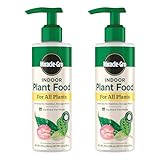
Houseplants are fed differently from garden plants: they grow more slowly indoors, live in a small volume of mix, and rest in winter’s low light. Feed with that in mind and they thrive; feed like a garden and you get salt build-up and burnt leaf tips. This guide is specifically about indoor container feeding — for the underlying principles, see the general how and when to fertilize.
Indoor plants grow slower — feed less
Lower indoor light means slower growth and lower nutrient demand than the same plant outdoors. The commonest mistake is over-feeding. When unsure, under-feed: most houseplants need only modest, regular feeding during active growth.
Feed with the seasons
- Spring & summer (active growth) — feed regularly but lightly.
- Autumn & winter (low light, rest) — cut right back or stop for most plants; feeding a resting plant just leaves salts in the pot. (Plants under strong grow lights year-round are the exception.)
Light and fertilizer go together
Fertilizer can’t substitute for light — a plant in low light can’t use extra nutrients and is stressed by them. Sort out light first; feed to support the growth that good light actually drives.
Liquid vs slow-release
- Liquid/water-soluble — easy to control and to dilute; the usual choice indoors. Feed during active growth and skip it in winter.
- Slow/controlled-release — coated granules that feed gradually for months; convenient but less precise, and harder to “switch off” for winter.
Browse options in the houseplant fertilizer guide.
Dilute — and feed onto moist mix
Many growers feed indoor plants at half the labelled strength more often, rather than full strength — gentler and easier on the roots. Always feed onto moist mix, never bone-dry, or you risk burning the roots.
Salt build-up and flushing
Fertilizer salts accumulate in pots, showing as a white crust on the soil or pot rim and brown, crispy leaf tips. Every so often, flush the pot: run plenty of plain water through until it drains freely, several times, to leach the salts out. Do this if you see crust or tip-burn, and periodically as maintenance.
Newly bought and repotted plants
- Just repotted? Fresh mix usually contains nutrients — wait several weeks before feeding.
- Newly bought? Nursery plants are often loaded with fertilizer; don’t add more immediately — let it settle, then feed lightly in the growing season.
Over-fertilizing: the warning signs
Brown, crispy leaf tips and margins, a white crust on soil/pot, wilting despite moist soil, or sudden leaf drop can all signal too much fertilizer. If you suspect it, stop feeding, flush the pot thoroughly, and resume lightly.
Quick questions
How often should I fertilize houseplants? Lightly during spring and summer growth (e.g. dilute liquid feed every few weeks), and little or none in winter for most plants.
Why are my houseplant’s leaf tips going brown? Often fertilizer-salt build-up — flush the pot with plenty of plain water and feed more sparingly.
Should I fertilize a newly bought houseplant? Not straight away — it’s usually already fed; wait and then feed lightly in the growing season.
Related guides
- How & when to fertilize (general) · light requirements · repotting · watering houseplants
- Houseplant fertilizer · fertilizers hub
If you are choosing a product, see our guide to the best fertilizer for indoor houseplants.
For help choosing the right soil, see our guide to choosing soil for plants.