
Potting soil is the foundation every container plant grows in, and the wrong bag causes more houseplant deaths than any pest. Good potting mix holds moisture and nutrients while still draining freely and letting air reach the roots – which is exactly why garden soil (heavy, compacting) fails in pots. This guide covers the main potting-mix types, what’s actually in them, and how to match a mix to your plants.
As an Amazon Associate GrowPlants earns from qualifying purchases. We recommend product types that genuinely suit the plant; prices and availability are set by Amazon.
Quick recommendations
- Best all-round: a quality general-purpose potting mix
- Best for houseplants: an airy indoor/houseplant mix
- Best for seed starting: a fine, low-nutrient seed-starting mix
- Best amendments: perlite (aeration) and coco coir (moisture)
How we chose
We judged mixes on drainage and aeration, moisture and nutrient holding, consistency, and freedom from the heavy, compacting texture of garden soil. The best mix depends on the plant – succulents, seedlings and orchids each want something different.
What’s in a good mix
Most quality mixes blend an organic base (coir or composted bark/peat) for moisture and nutrients with mineral aggregates (perlite, pumice) for drainage and air. Adjusting that ratio is how you tailor a mix to a plant.
General-purpose potting mix
The everyday choice for most container plants and outdoor pots – a balanced blend that holds moisture yet drains.

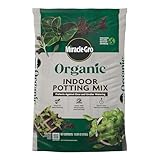
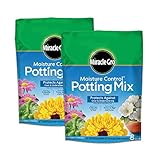
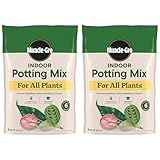
Houseplant / indoor mix
Lighter and airier for indoor foliage plants that hate sitting wet; often with added bark or perlite.

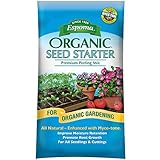
Seed-starting mix
Fine-textured and low in nutrients so delicate seedlings root easily without being burned.


Amendments: perlite & coir
Add perlite or pumice to boost drainage, or coco coir to boost moisture holding – the two levers for fixing any mix.
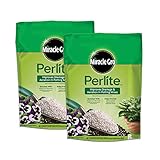


Match the mix to the plant
| Plant | Mix |
|---|---|
| Most container plants | General-purpose potting mix |
| Houseplants | Airy indoor mix (extra perlite/bark) |
| Cacti & succulents | Gritty cactus mix (see our guide) |
| Orchids | Bark-based orchid mix, not soil |
| Seedlings | Fine seed-starting mix |
How to choose
- Never use garden soil in pots – it compacts, drains poorly and can carry pests.
- Drainage-lovers (succulents, most houseplants) want more perlite/grit; moisture-lovers want more coir/compost.
- Refresh mix when it stays wet, smells sour or shrinks away from the pot.
Common mistakes
- Using garden soil or heavy compost in containers.
- One mix for everything – succulents and orchids need special media.
- Reusing old, broken-down mix that no longer drains.
- Pots without drainage holes, which no mix can save.
FAQ
Can I use garden soil in pots? No – it compacts and drains poorly in containers. Use a potting mix designed for pots.
What’s the difference between potting soil and seed-starting mix? Seed-starting mix is finer and low in nutrients so seedlings root gently; potting mix is coarser and richer for growing on.
How do I make a mix drain better? Blend in perlite or pumice; for more moisture holding, add coco coir.
How often should I replace potting mix? Refresh at repotting, or once it compacts, stays soggy or smells sour.
Final recommendation
Start with a quality general-purpose potting mix, keep an airy indoor mix for houseplants and a seed-starting mix for propagation, and keep perlite and coir on hand to fine-tune drainage or moisture. Never reach for garden soil in a container.
As an Amazon Associate GrowPlants earns from qualifying purchases. GrowPlants does not sell these products.
See also: cactus & succulent soil · orchid potting mix & bark · bonsai soil · all soil & growing media.
Related guides
Related: a well-draining mix helps prevent root rot.