
Orchids are almost never potted in soil. Most cultivated orchids are epiphytes that grow on tree bark in the wild, so their roots need a chunky, airy, fast-draining medium that dries between waterings. Choose the wrong mix and even a perfect pot won’t save the roots. This guide covers the main orchid media, which orchids each one suits, and how often to replace them.
As an Amazon Associate GrowPlants earns from qualifying purchases. We recommend product types that genuinely suit the plant; prices and availability are set by Amazon.
Quick recommendations
- Best all-rounder (most orchids): graded fir/pine bark mix
- Best moisture retention (young plants, dry homes): sphagnum moss
- Best for semi-hydroponics: LECA (clay pebbles)
- Best very-airy / mounting alternative: coconut husk chunks
- Best grab-and-go: a quality ready-made orchid mix
How we chose
We judged media on air porosity, drainage, how well they balance moisture without staying soggy, how long they last before breaking down (broken-down mix suffocates roots and causes rot), and suitability for different orchid types. Recommendations are based on orchid horticulture, not lab testing.
Recommended media by type
Fir / pine bark
The default for most epiphytes. Chunky, airy, drains fast; comes in fine/medium/coarse grades — medium suits Phalaenopsis, coarse suits cattleyas and vandas. Soak before first use so it absorbs water.


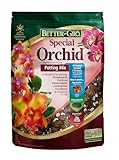
Sphagnum moss
Holds more moisture than bark — good for seedlings, plants with damaged roots, or dry homes. Must be loosely packed and allowed to approach dryness, or it stays too wet.


Coconut husk chips
Retain a little more water than bark and break down more slowly. A good middle ground in warm, fast-drying conditions.


LECA (clay pebbles) for semi-hydro
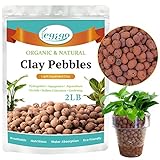
Inert, reusable clay balls for semi-hydroponic setups; they wick water up to the roots and never break down. A learning curve, but very low-rot once dialled in.


Ready-made orchid mix
Pre-blended bark, charcoal and perlite — the simplest option for beginners who want to repot without mixing their own.
Orchid media at a glance
| Medium | Moisture held | Airflow | Lasts | Best for |
|---|---|---|---|---|
| Fir/pine bark | Low–medium | High | 1–2 yrs | Most epiphytes |
| Sphagnum moss | High | Medium | 1 yr | Seedlings, dry homes |
| Coconut husk | Medium | High | 2–3 yrs | Warm, fast-drying spots |
| LECA | Wicks (steady) | High | Reusable | Semi-hydro growers |
How to choose
- Match the orchid: medium bark for Phalaenopsis; coarse bark for cattleyas/vandas; moss for seedlings or moisture-lovers.
- Match your home: dry/hot rooms lean to moss or coco; humid rooms lean to bark.
- Match your habits: if you tend to over-water, use faster-drying bark, not moss.
Common mistakes
- Using regular potting soil or compost — it suffocates orchid roots.
- Leaving old, broken-down mix in place — once it turns to fine, water-holding crumbs, roots rot. Repot every 1–2 years.
- Keeping sphagnum moss constantly wet.
- Not soaking bark before use, so it repels water at first.
FAQ
Can I use regular potting soil for orchids? No. Standard soil holds too much water and starves epiphyte roots of air. Use bark, moss or a dedicated orchid mix.
How often should I replace orchid mix? Every 1–2 years, or sooner once the medium breaks down and stays wet.
Is bark or moss better for Phalaenopsis? Medium-grade bark suits most Phalaenopsis; moss works but needs more careful watering to avoid staying soggy.
Do I need to soak bark before potting? Yes — dry bark is water-repellent at first; soaking helps it hold and release moisture evenly.
Final recommendation
For most growers, a graded fir-bark mix (medium for Phalaenopsis, coarse for cattleyas) is the reliable default. Reach for sphagnum moss for seedlings or dry homes, and consider LECA if you want a low-rot, reusable semi-hydro system. Whatever you choose, refresh it before it breaks down.
As an Amazon Associate GrowPlants earns from qualifying purchases. GrowPlants does not sell these products.
See also: best orchid pots · all orchid supplies.