
You can start a bonsai with a handful of tools and add more as your skills grow. The essentials do three jobs: trimming foliage, cutting branches cleanly so wounds heal, and wiring to shape. Good bonsai tools make clean cuts that heal faster and reduce disease – and kept sharp and sterile, they last for years. This guide covers the tools worth owning first and what to add later.
As an Amazon Associate GrowPlants earns from qualifying purchases. We recommend product types that genuinely suit the plant; prices and availability are set by Amazon.
Quick recommendations
- Best first buy: a beginner bonsai tool kit
- Best for clean branch cuts: a concave branch cutter
- Best for foliage: bonsai trimming shears
- Best for shaping: training wire + wire cutters
- Best upgrade: a knob cutter and jin pliers
How we chose
We focused on the tools that actually change results – clean cuts and safe wiring – plus durability (stainless vs carbon steel), comfort, and value. A beginner doesn’t need a full professional set; a few good tools go a long way. Based on bonsai practice, not lab testing.
Recommended tools
Beginner tool kits
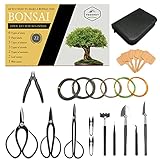
The easiest start: a case with shears, a concave cutter, wire cutter and a few extras. Good value and covers the core jobs from day one.


Concave branch cutters
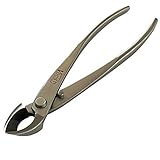
The signature bonsai tool: it removes branches leaving a slightly hollow cut that heals flush, without the ugly stub a straight pruner leaves.

Bonsai shears
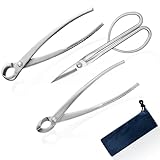
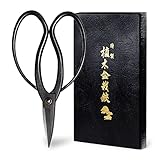
For trimming shoots, leaves and fine roots. Long-handled trimming shears give control; a smaller pair suits detailed work.


Training wire & wire cutters
Aluminium wire suits most deciduous trees and beginners; copper holds conifers more firmly. Proper wire cutters remove it without gouging the bark.


Which tools to buy first
| Tool | Job | Priority |
|---|---|---|
| Trimming shears | Foliage & shoots | Essential |
| Concave cutter | Branch removal that heals flush | Essential |
| Wire + wire cutter | Shaping branches | Essential |
| Knob cutter / jin pliers | Hollowing knobs, deadwood | Later upgrade |
How to choose
- Start with a kit if you’re new – it’s the cheapest way to get the essentials together.
- Material: stainless steel resists rust and is low-maintenance; carbon steel takes a keener edge but must be dried and oiled.
- Wire: aluminium for deciduous and practice; copper for conifers and stronger holds.
- Size the tool to your trees – smaller shoots need finer shears.
Common mistakes
- Using household scissors or secateurs – they crush stems and leave stubs that heal badly.
- Cutting wire off by unwinding it and tearing bark, instead of using wire cutters.
- Letting tools go dull or rusty, or not sterilising between trees (spreads disease).
- Buying a huge professional set before you need it.
FAQ
What tools does a beginner bonsai need? Trimming shears, a concave branch cutter, and wire with wire cutters cover almost everything at first – a starter kit bundles these.
What is a concave cutter for? It removes branches leaving a slightly hollow wound that heals flush to the trunk, avoiding an ugly stub.
Aluminium or copper bonsai wire? Aluminium is easier and suits deciduous trees and beginners; copper holds more strongly and suits conifers.
Stainless or carbon steel tools? Stainless is low-maintenance and rust-resistant; carbon steel holds a sharper edge but needs drying and oiling.
Final recommendation
Begin with a beginner tool kit (or buy shears + a concave cutter + wire and wire cutters separately), choose aluminium wire to start, and keep everything sharp and clean. Add a knob cutter and jin pliers later as your trees and ambitions grow.
As an Amazon Associate GrowPlants earns from qualifying purchases. GrowPlants does not sell these products.
See also: best bonsai pots · best bonsai soil · all bonsai supplies.