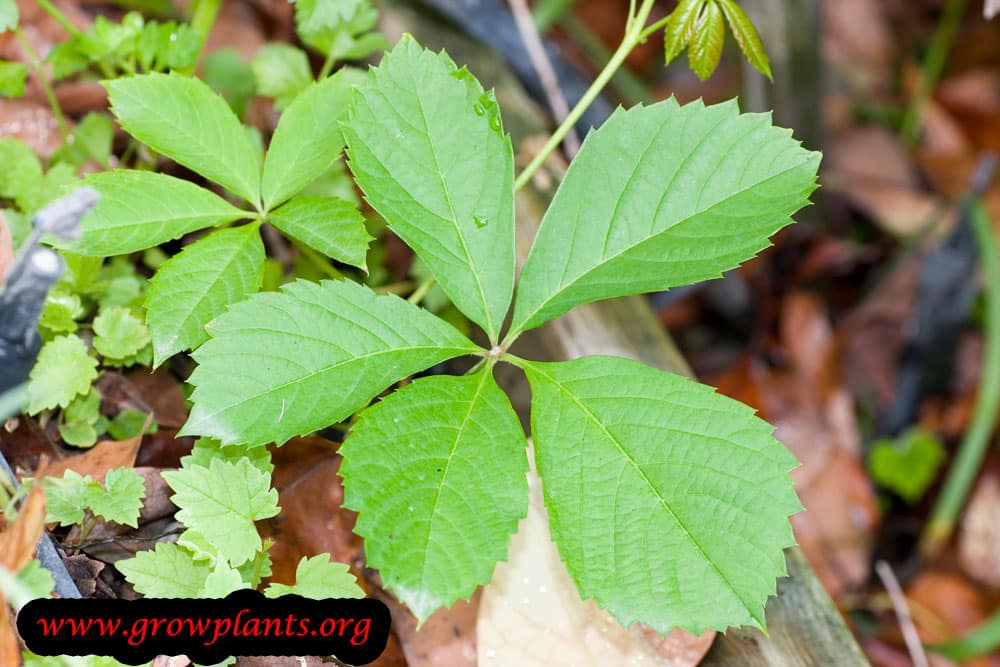


Plant Profile & Key Characteristics
Overview: A vigorous deciduous woody vine of the genus Parthenocissus (Virginia creeper) climbing 10-20 m, grown for its five-fingered leaves that turn brilliant red in autumn. It is a fast ornamental groundcover and wall/screen cover.
Quick Specifications
| Specification | Attribute |
|---|---|
| Plant Type / Life Cycle | Perennial (deciduous vine) |
| Foliage Type | Deciduous |
| Mature Size | 10-20 m (30-60 ft) climbing |
| Growth Rate | Fast |
| Toxicity | Toxic – berries and foliage are poisonous if eaten |
| Hardiness | USDA zones 3-10 |
Growth Form & Structure
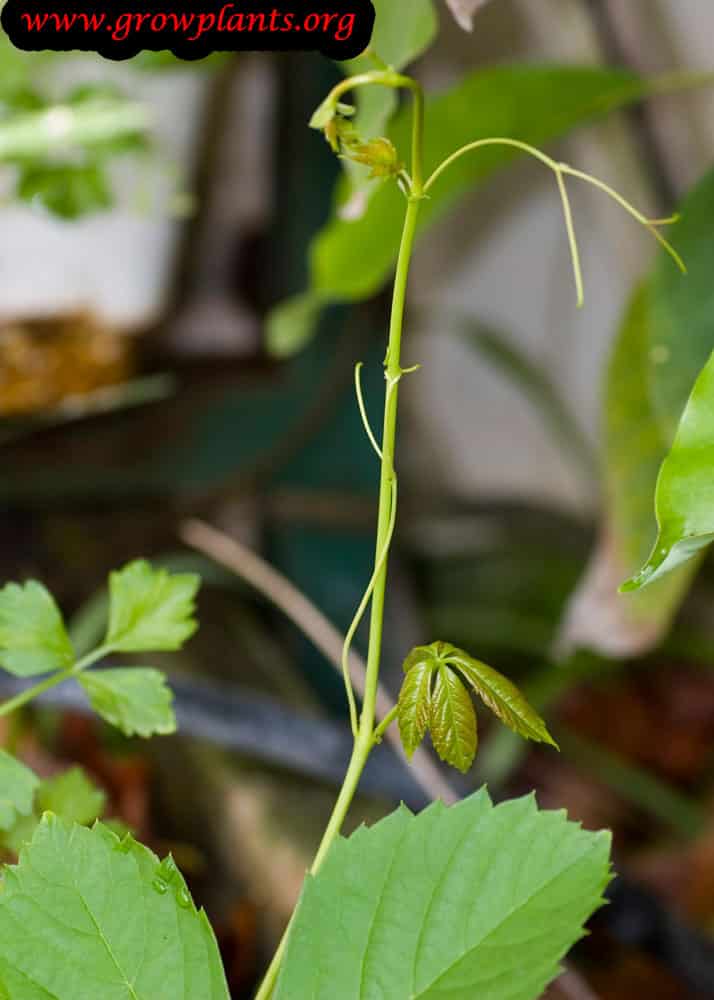
- Height & Spread: Climbs or trails 10-20 m (30-60 ft); clings to walls with adhesive tendril pads.
- Growth Habit & Form: Fast, self-clinging vine that also works as a sprawling groundcover; aggressive and can be invasive.
- Lifespan & Maturity: Long-lived, vigorous perennial that needs regular containment.
Anatomy & Physical Features
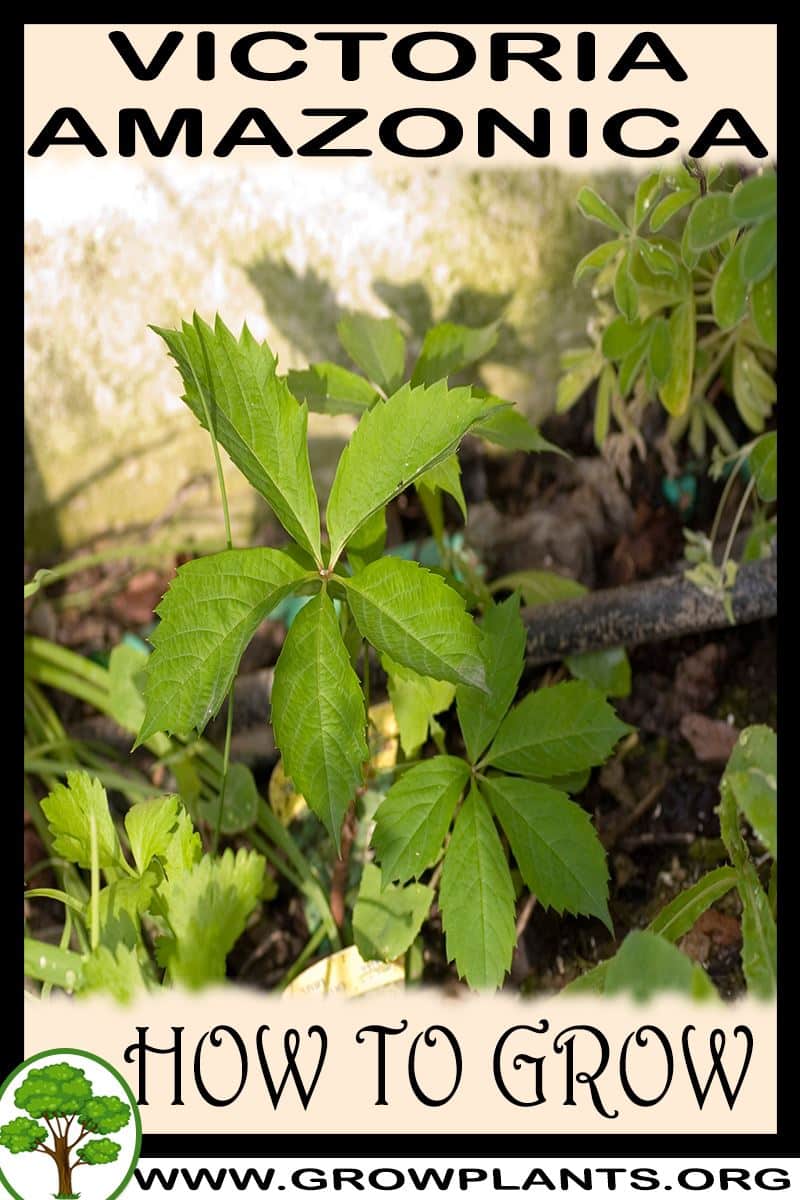
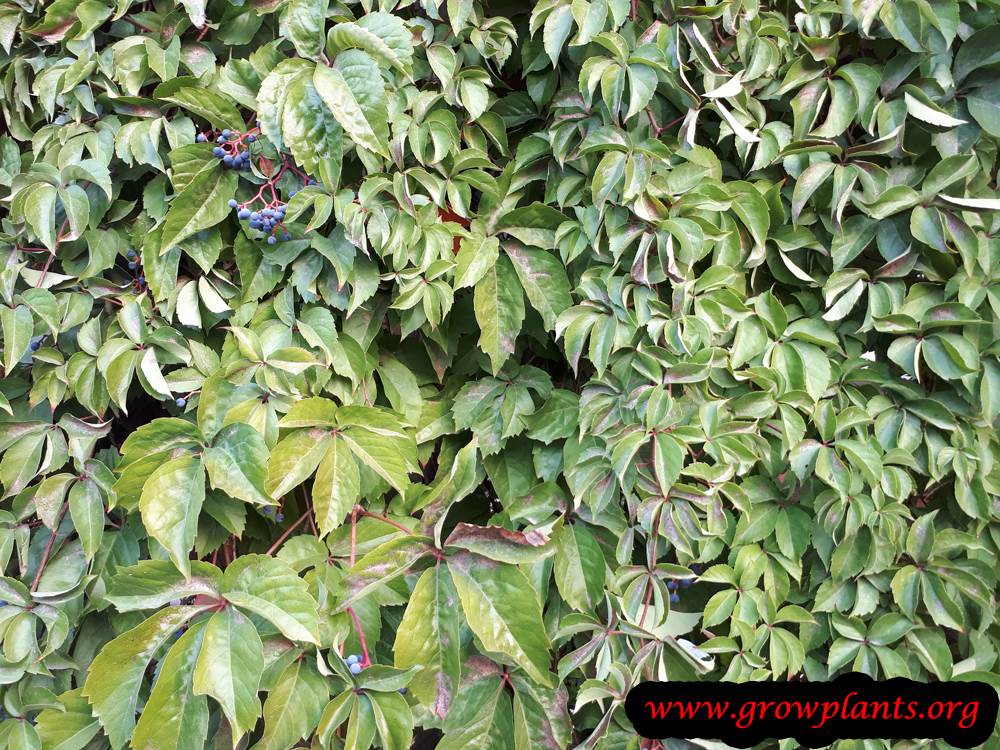
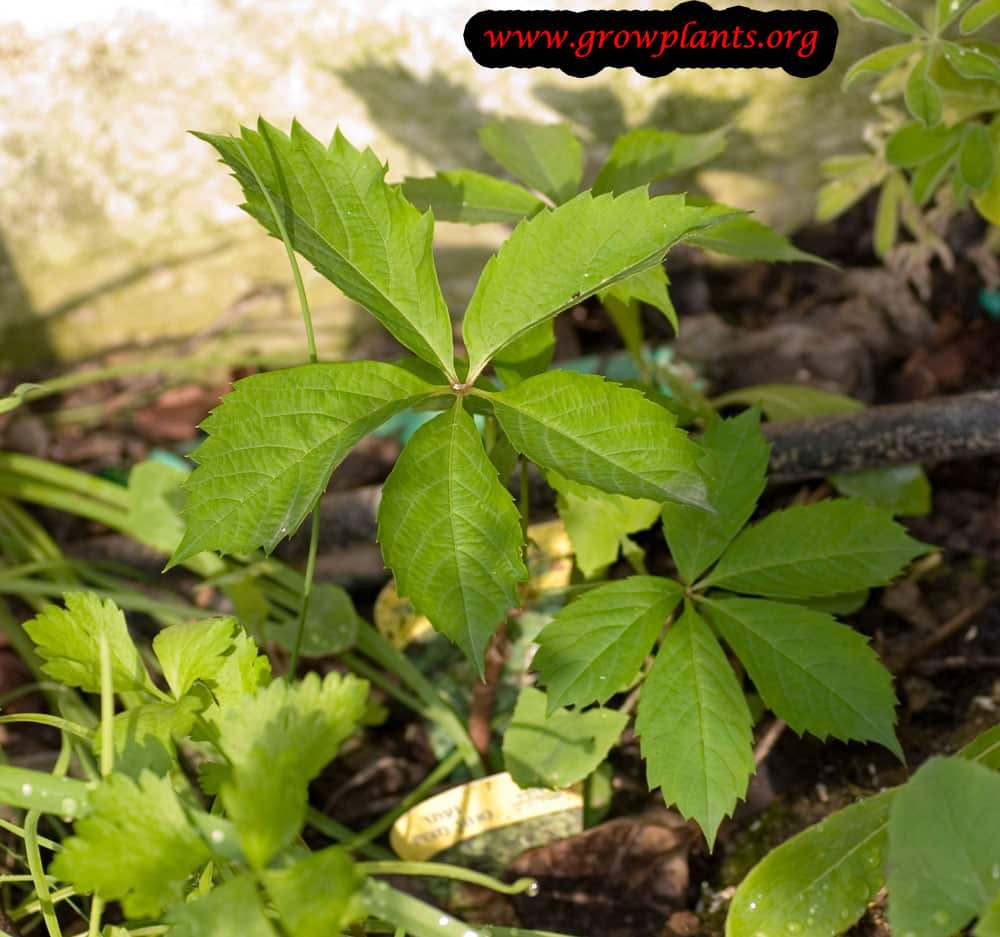
- Leaves & Foliage: Palmately compound leaves of five wedge-shaped, serrated leaflets, green in summer turning red, orange or yellow in autumn.
- Flower Characteristics: Small yellow-white flowers in clusters, followed by dark berries.
Primary Uses & Landscape Value
- Functional & Ornamental Roles: Ornamental groundcover and wall, fence or pergola cover, valued for its autumn colour.
Care Guide: Planting, Soil & Watering
Overview: Virginia creeper is an extremely vigorous, hardy deciduous vine that grows in full sun to full shade and tolerates a wide range of soils. It is very adaptable and drought tolerant once established, needing only low to moderate water.
Quick Care Requirements
| Requirement | Ideal Condition |
|---|---|
| Planting Season | In the dormant or cool season, autumn to spring |
| Growth Rate | Fast |
| Soil Type | Adaptable; well-draining |
| Water Need | Low to moderate |
Planting & Establishment
- Best Planting Season: Plant while cool, autumn through spring, so the roots establish before summer. It is aggressive and invasive, so give it a sturdy structure and room, and site it where you can contain it.
- How to Plant:
- Hole Preparation: Dig a hole a little wider than the root ball near a wall, fence or support it can cling to.
- Soil Amendments: Little enrichment is needed as it tolerates poor soils, but a little compost helps young plants establish.
- Planting Depth: Set the root ball level with the surrounding soil and firm gently.
- Growth Speed & Expectations: A very fast, self-clinging climber reaching 10-20 m; prune in spring to contain it.
Soil, Watering & Drainage Care
- Soil Mix & Drainage Needs: Adaptable to most free-draining soils; in containers use standard potting mix with drainage holes.
- Watering Schedule & Technique:
- Young / Newly Planted: Water regularly to establish through the first season.
- Established: Very drought tolerant; water only occasionally in prolonged dry spells.
- Seasonal Adjustments: More in the first summer; little needed once established, and none in winter dormancy.
Climate, Light & Hardiness
Virginia creeper is a very cold-hardy deciduous vine suited to temperate, subtropical, and Mediterranean climates, growing well from full sun to full shade. It thrives with a proper cold winter and is hardy across a wide zone range.
Quick Climate Specifications
| Climate Zones | Temperate, Subtropics, Mediterranean |
|---|---|
| USDA Hardiness Zones | 3–10 |
| Frost Tolerance | High |
| Light Conditions | Full Sun / Half Shade / Full Shade |
Sunlight & Light Exposure
Optimal Light Setup
Highly adaptable to light, growing well from full sun to full shade; fall color is typically most vivid with more sun.
Temperature Extremes & Hardiness
USDA Hardiness & Regional Limits
Hardy across a very broad range, zones 3–10, and the source data specifically favors a cold winter climate for this vine.
Cold Damage & Winter Protection
Being deciduous and adapted to cold climates, normal winter leaf drop and dormancy within its zone range causes no harm.
Frost Sensitivity
Very frost tolerant once established, consistent with its preference for cold-winter climates.
Wind, Humidity & Microclimate
Wind Tolerance
Generally tolerant of open, exposed sites typical of a vigorous climbing groundcover/hedge vine.
Growing in Pots, Balconies & Indoors
Virginia creeper (Parthenocissus quinquefolia) is a fast, self-clinging climber with brilliant red autumn colour. The grower lists it as both a houseplant and container plant, and it does tolerate deep shade, but be realistic: in the ground it reaches 10-20 m and is aggressive, so indoors or in a pot it must be pruned hard and given something to climb. Its berries and sap are toxic.
Quick Details
- Container Size: A large, sturdy pot with a support or trellis
- Indoor Suitability: Grower lists it as a houseplant, but it is very vigorous (see notes)
- Best Spot: Full sun to full shade – very adaptable, tolerates low light
- Soil & Drainage: Free-draining potting mix
- Watering in Pots: Small to average amount – drought-tolerant once established
Indoors & On the Windowsill
- Grower’s note: He lists it as a houseplant, and its tolerance of shade to full light does suit indoor conditions.
- Keep it in check: It is naturally a huge, self-clinging climber, so indoors give it a trellis or moss pole and prune regularly – it will not stay small on its own.
- Safety: The berries and sap contain irritant oxalate crystals and are toxic if eaten – keep it away from children and pets.
On a Balcony or Patio
- Light, wind & heat: Give it the brightest spot it will tolerate; walls and railings reflect heat and dry pots quickly, so check moisture often and shelter or stake exposed growth.
- Screen or cover: On a balcony it can clothe a wall or railing fast; give it support, but keep its clinging stems off surfaces you do not want covered, and prune to control it.
Choosing the Pot, Soil & Long-Term Care
- Pot & drainage: A large, sturdy pot with a support; expect vigorous growth. Use strong drainage holes and skip a standing-water saucer to avoid root rot. Terracotta breathes and dries faster; glazed or plastic holds moisture longer.
- Potting mix: A well-aerated, organic-rich mix – potting soil or peat/coir with perlite or vermiculite for free drainage.
- Feeding: Potted plants use up their soil faster as nutrients leach out with watering – feed lightly and regularly through the growing season.
- Repotting & pruning: Refresh the mix every couple of years and prune hard each dormant season to keep it manageable.
- Safety: Berries and sap are toxic – site it away from children and pets, and wear gloves if the sap irritates your skin.
Fertilizing & Feeding
A vigorous, largely self-sufficient vine that rarely needs supplemental feeding once established; a light feeding at planting is usually enough, since rich feeding only fuels its already fast, spreading growth.
Quick Fertilizing Specs
| Feeding Level | Light feeder |
|---|---|
| Main Nutrient Priority | Balanced feeding to help new plantings establish |
| Best Feeding Period | Spring at planting and while young vines are establishing |
| Organic Options | Compost worked into the planting hole |
| Reduce/Stop Feeding | Established vines are usually left unfed as growth slows toward autumn |
| Micronutrients | Rarely an issue; correct only a diagnosed deficiency |
| Soil pH | Tolerates a wide range of soil pH |
Feeding by Growth Stage
Establishment after planting
Help newly planted vines root in and begin climbing or spreading.
| Nutrient direction | A balanced fertilizer with adequate nitrogen supports root and vine establishment. |
|---|---|
| Timing | At planting and through the first growing season. |
| Frequency | A light feeding at planting is usually enough to get vines going. |
| Fertilizer types | A balanced complete fertilizer, Compost worked into the planting area |
| Precautions | Avoid heavy feeding; this vine grows fast on its own and rich soil only accelerates its spread. |
Established vigorous growth
Support the vine’s naturally fast climbing or ground-covering growth once established.
| Nutrient direction | Minimal feeding is usually enough; this is a naturally vigorous grower that thrives in average garden soil. |
|---|---|
| Timing | Through the growing season once the vine is established. |
| Frequency | Feed sparingly, if at all, beyond the establishment year. |
| Fertilizer types | A light balanced feeding only if growth looks weak or pale, Established plantings often need no additional fertilizer |
| Precautions | Extra feeding is rarely helpful and can worsen this vine’s tendency to become aggressive and hard to contain. |
Leafless winter dormancy
Let the vine rest through its leafless winter dormancy.
| Nutrient direction | None – withhold fertilizer while the vine is dormant. |
|---|---|
| Timing | During autumn leaf drop and winter dormancy. |
| Frequency | No feeding at this stage. |
| Fertilizer types | No feeding at this stage; hold off fertilizing until spring growth resumes. |
| Precautions | Do not fertilize dormant vines; wait for new spring growth before considering any feeding. |
Nutrient Deficiency Signs & Corrections
Older leaves fade to pale green or yellow and overall vigor slows.
| Possible causes | low available soil nitrogen, nutrient leaching from heavy rain, very poor, compacted, or infertile soil |
|---|---|
| Appears first on | older, lower leaves |
| What to check | recent feeding history, soil condition and drainage, root competition from nearby trees |
| Possible correction | Apply a balanced fertilizer with available nitrogen; usually only needed on very poor soils. |
New leaves turn yellow between the veins while the veins themselves stay green.
| Possible causes | high soil pH limiting iron availability, poorly drained or compacted soil, root stress from transplanting or drought |
|---|---|
| Appears first on | newest growth |
| What to check | soil pH, drainage and root health, recent transplant or drought stress |
| Possible correction | Correct soil pH where practical or apply a chelated iron product per its label. |
Interveinal yellowing appears on older leaves while the veins stay green.
| Possible causes | low soil magnesium, leaching in light, sandy soils, high potassium feeding competing with magnesium uptake |
|---|---|
| Appears first on | older, lower leaves |
| What to check | soil magnesium status, soil texture and leaching, how potassium-heavy any recent feeding has been |
| Possible correction | Apply a labeled magnesium source such as Epsom salt or a dolomitic amendment. |
Pruning, Training & Seasonal Maintenance
Virginia creeper is a vigorous, self-clinging deciduous vine (climbing by adhesive tendril pads rather than twining) that tolerates hard, frequent cutting back extremely well – the main objective is containment, not shaping for flowers, since it is grown for its foliage and fiery autumn color. Because it is fast-growing and noted as aggressive/invasive, pruning is really an ongoing control task rather than a once-a-year event. Spring, once new growth is visible and any winter-damaged stems are obvious, is the safest and most effective time for the main cutback, before the vine puts on its main season of rampant growth.
Quick Pruning & Maintenance Specs
| Pruning Tolerance | High |
| Primary Pruning Window | Spring (after winter dieback is visible, before main growth flush) |
| Secondary Maintenance Window | Summer containment trims as needed |
| Typical Frequency | 1–3 times per growing season on vigorous specimens |
| Main Objective | Containment/size control, keep off gutters, windows, roof lines and neighboring plants |
| Young Plant Priority | Direct/tie young growth onto the intended support; remove growth heading the wrong way |
| Mature Plant Priority | Repeated containment cuts; thin dense old growth off structures periodically |
| Best Tool Type | Loppers / hedge shears for surface trims, pruning saw for old woody stems |
| Avoid Heavy Pruning During | Not strongly season-limited, but avoid cutting live wood back hard in late autumn right before hard frost |
Pruning by Plant Age & Size
Newly Established
Remove only dead or damaged growth in the first year; guide young shoots onto the support (wall, fence, trellis or ground) they are meant to cover.
Young / Formative
No formal leader/vase training – this is a self-clinging climber, so formative work is about directing early growth onto the correct surface and away from windows, vents, siding gaps, gutters or neighboring shrubs/trees it could smother.
Mature / Established
Priority shifts to repeated containment: cutting back the current season’s long reaching shoots, thinning old woody growth where it has become a dense mat, and keeping it off roofing, downpipes and structures where adhesive pads can cause damage.
Seasonal Pruning Schedule
- Pre-Growth/Early-Spring: objective is to remove winter-killed or damaged stems and cut back any growth that overran its bounds the previous year; safe to cut hard since the vine is extremely vigorous; response is a strong flush of new self-attaching shoots; no meaningful flowering impact (flowers are inconspicuous and not the ornamental feature).
- Summer Canopy Management: objective is ongoing containment – shear or cut back long new growth reaching over gutters, windows, or into neighboring plantings before it attaches and thickens; response is quick regrowth, so expect to repeat.
Structural Pruning & Training
Control height and spread aggressively and regularly – this vine will otherwise climb well beyond its support onto roofs, trees, and structures. Thin out where growth has built up into a thick mat against a wall, both for appearance and to reduce weight/moisture retention against building surfaces.
Special Growth to Remove
- Runners/rooting stems – this species also spreads as an aggressive ground cover and can root where stems touch soil; remove runners straying beyond the intended area.
- Stems attaching to unwanted surfaces (siding, window frames, roof edges, gutters, other plants) – cut and pull back before adhesive pads fully bond and cause staining or damage.
Container & Small-Space Pruning
In a container or confined bed, expect to cut back much more frequently than an in-ground specimen against a large wall, since the vine’s vigor is not reduced by root restriction as much as its top growth would suggest; hard, repeated trims keep it in scale.
Tools
- Hedge shears/loppers – for routine shearing back of surface growth and long new shoots.
- Pruning saw – for removing old, thick woody stems built up at the base or on structures.
- Bypass secateurs – for precise removal of individual misdirected shoots.
Tool Hygiene & Disease Risk
Routine care is sufficient – clean sharp tools between jobs. No major transmissible disease is noted for this species (aphids are the reported pest); tool hygiene is about general cleanliness rather than a specific pathogen risk.
Cut Placement & Technique
For containment shearing, cut back to just above a leaf node or existing branch junction; when removing whole stems from a wall, cut at the base rather than trying to peel off adhesive pads, which can damage surfaces or bark.
Heavy Pruning & Rejuvenation
Tolerates being cut back hard, even close to the base, if it has overgrown its space; expect vigorous, fast regrowth within one season, so a hard renovation cut is a realistic option rather than a last resort.
Post-Pruning Care
No special aftercare needed beyond normal watering; after a hard renovation cut, monitor regrowth direction and redirect/tie in shoots before they attach where unwanted.
Common Pruning Mistakes
- Under-pruning and letting the vine reach rooflines, gutters or tree canopies where it becomes very difficult to remove.
- Pulling attached stems off walls/siding by hand instead of cutting at the base, which can strip paint or damage surfaces.
When NOT to Prune
Avoid hard cutting back very late in autumn right before a hard frost, since fresh cuts and any late regrowth are more exposed to cold damage; otherwise this species has few pruning-timing restrictions given its vigor.
Recommended Tools (by task)
- hedge_shears – fast surface containment trims on walls, fences and ground-cover growth.
- loppers – cutting back thicker reaching shoots and vine ropes.
- pruning_saw – removing old woody stem bases when renovating an overgrown specimen.
Propagation Guide
Virginia creeper is easiest and fastest from stem cuttings or by rooting trailing stems where they touch soil, matching the site’s note that vegetative propagation, while not necessary, is easy; seed also works but is slower and needs a cold treatment first. Given how readily this fast-growing, aggressive vine roots by any method, propagation is Easy overall.
Quick Propagation Specs
| Best Propagation Method | Stem cuttings or natural layering at rooted nodes |
| Alternative Methods | Seed (with cold stratification) |
| Propagation Difficulty | Easy |
| Seed True-to-Type | Yes |
| Vegetative True-to-Type | Yes |
| Best Propagation Season | Cuttings: late spring to summer (softwood) or dormant season (hardwood); seed: sow after cold treatment, in line with the plant’s winter/spring/summer planting season |
| Seed Germination Time | Can be slow and uneven without pre-treatment; more consistent after cold stratification, still often several weeks to a few months |
| Cutting Rooting Time | Typically roots within a few weeks under warm, humid conditions |
Growing from Seed
Dormancy & Pre-Sowing Treatment
Seed of this species generally has a hard coat and dormancy typical of Parthenocissus; a period of cold, moist stratification is commonly recommended to improve and even out germination.
Sowing Season
Sow after cold treatment, timed to the plant’s winter/spring/summer planting window.
Germination Conditions
Keep the sowing medium moist; germination can still be somewhat irregular even after stratification, so allow time.
Stem Cuttings
Cutting Type
Softwood or semi-hardwood cuttings in the growing season; hardwood cuttings during dormancy also work for this vine.
Cutting Preparation
Take sections with at least a couple of nodes; the tendrils with adhesive pads are not required for rooting.
Rooting Setup
A moist, well-drained cutting mix with good humidity; this vigorous vine roots readily.
Rooting Hormone
Optional – generally unnecessary given how easily this species roots, though it can speed things along.
Rooting Time
Typically a few weeks under warm, humid conditions.
Air & Ground Layering
Where trailing or climbing stems come into contact with moist soil, Virginia creeper commonly roots on its own at the leaf nodes. A stem can be pinned down or simply left in contact with soil; once roots have formed at a node, the rooted section can be severed from the parent and transplanted as an independent plant. This natural layering is one reason the species spreads so readily as a groundcover.
Bloom & Flower Guide
Quick Details
- Bloom Season: Summer
- Time to First Bloom: On established vines
- Flower Appearance: Small, inconspicuous greenish-white to yellowish flowers in clusters, mostly hidden among the foliage
- Edibility: Not edible – the flowers are followed by dark berries that are toxic to people, and the sap can irritate skin
Detailed Blooming Overview
Virginia creeper is grown for its foliage and brilliant autumn color rather than its flowers, which are small and easily overlooked. Bees visit the modest blooms, which are followed by blue-black berries.
Flower Characteristics
- Small greenish-white to yellowish flowers.
- Borne in clusters and largely hidden by the leaves.
Bloom Care & Thinning
- Care: Little bloom care is needed – the flowers look after themselves.
- Safety: The berries that follow are toxic if eaten and the sap can irritate skin, so wear gloves when pruning and keep berries away from children.
Pests, Diseases & Troubleshooting
Overview: Virginia creeper is a rampant, largely trouble-free vine in the grape family; its pests are mostly leaf-feeders – Japanese beetles, leafhoppers, aphids, scale, and various caterpillars – and its diseases the grape-family fungi, chiefly powdery and downy mildew and leaf spot. Its biggest real ‘problem’ is its own aggressive, structure-damaging vigour rather than any pest.
Quick Troubleshooting Overview
| Issue / Pest | Main Symptom | Primary Solution |
|---|---|---|
| Japanese beetles | Skeletonised, lacy leaves in summer | Handpick into soapy water; neem; tolerate on vigorous vines |
| Leafhoppers | Pale stippling, yellow-flecked leaves | Insecticidal soap; encourage predators |
| Aphids | Sticky, curled shoot tips | Rinse off; insecticidal soap |
| Scale insects | Brown bumps on stems; honeydew; sooty mould | Scrape off; horticultural oil |
| Powdery / downy mildew | White or grey-purple mould on leaves | Improve airflow; sulfur/copper |
| Aggressive growth | Vine smothering walls, trees, gutters | Prune hard; site away from structures |
Common Pests & Management
- Japanese beetles (Popillia japonica):
- Symptoms: Metallic green-and-copper beetles feeding in groups in summer, skeletonising leaves between the veins into a lacy network; Virginia creeper is a favoured host where the beetle occurs.
- Prevention & Control: Handpick beetles into soapy water in the cool of morning, when they are sluggish, and avoid pheromone traps that draw more in. Neem deters feeding; on a vigorous, established vine light damage is usually tolerable and needs no spraying.
- Leafhoppers (Erythroneura / Empoasca spp.):
- Symptoms: Small wedge-shaped insects that hop and fly when disturbed, rasping the leaves and causing pale stippling, yellow-white flecking, and a generally bleached look, with cast skins on undersides.
- Prevention & Control: Encourage predators and keep plants healthy; hose off and use insecticidal soap on heavy infestations, targeting undersides. Damage is largely cosmetic on this tough vine.
- Aphids & scale (Aphis spp. / Coccus spp.):
- Symptoms: Aphids cluster on soft shoot tips leaving stickiness and curling; scale forms immobile brown bumps on stems, both producing honeydew and sooty mould.
- Prevention & Control: Blast aphids off with water and use insecticidal soap; scrape or prune out scale and apply horticultural oil. Encourage natural predators, which usually keep both in check on an outdoor vine.
- Caterpillars (leaf-rollers, sphinx & forester moths) (Alsophila / Eumorpha / Alypia spp.):
- Symptoms: Chewed, holed, or rolled leaves and defoliated shoots from various caterpillars, including the eight-spotted forester and grapevine sphinx larvae that specialise on this genus.
- Prevention & Control: Handpick larvae and remove rolled leaves, encourage birds and parasitic wasps, and use Bacillus thuringiensis (Bt) on young caterpillars if defoliation is heavy. A vigorous vine usually shrugs off the damage.
Diseases & Fungal Issues
- Powdery mildew (Erysiphe / Uncinula spp.):
- Symptoms: A white to greyish powdery film on the upper leaf surfaces and shoots in warm days with humid nights, disfiguring foliage and sometimes causing early leaf drop.
- Treatment & Management: Improve air movement, thin crowded growth, and avoid overhead watering. Remove the worst leaves; sulfur or potassium bicarbonate checks it at first sign, though a robust vine tolerates a fair amount.
- Downy mildew (Plasmopara spp.):
- Symptoms: Yellow-green blotches (oil spots) on the upper leaf surface with greyish-purple downy mould beneath in cool, wet weather, causing leaf browning and drop.
- Treatment & Management: Space and prune for airflow, water at the base, and clear fallen leaves. A copper-based fungicide protects in persistently wet spells; sanitation and airflow are the primary controls.
- Leaf spot & anthracnose (Guignardia / Cercospora / Colletotrichum):
- Symptoms: Brown, black, or reddish spots and blotches, sometimes with pale centres, on leaves in wet, humid conditions; spots may merge and cause leaf drop but rarely threaten the vine.
- Treatment & Management: Remove affected leaves, rake up and destroy fallen foliage, and improve airflow. Copper fungicides help where spotting is severe, but the vine’s vigour usually outpaces the disease.
- Canker & root/collar rot (Botryosphaeria / Phytophthora):
- Symptoms: Sunken cankers and dieback on stems, or wilting and decline from root and collar rot in waterlogged soil.
- Treatment & Management: Prune out cankered wood to healthy tissue with sterile tools, avoid wounding, and ensure good drainage. Remove and destroy badly affected growth; correct wet, poorly drained sites to prevent root rot.
Growing Difficulties & Abiotic Problems
- Aggressive, invasive growth (its real ‘problem’)
- Cause & Symptoms: The vine grows with enormous vigour, climbing by adhesive tendril pads, smothering shrubs and small trees, and prising into gutters, siding, and mortar, and it self-seeds and suckers widely (the source flags it as aggressive and invasive).
- Correction Strategy: Site it well away from buildings and other plants, on a strong dedicated support, and prune hard and regularly to keep it in bounds. Remove seedlings and suckers, and never let it establish on walls or roofs you want to protect.
- Wall & surface damage
- Cause & Symptoms: The sticky adhesive pads and the sheer weight of growth can damage paintwork, render, and mortar and leave marks when removed.
- Correction Strategy: Grow it on trellis or wires held off the wall rather than directly on masonry, and keep it clear of soft mortar and painted surfaces. Cut back well before it reaches vulnerable structures.
- Leaf scorch & drought stress
- Cause & Symptoms: Browning leaf margins and early colour/leaf drop in hot, dry, exposed positions or in poor, dry soil.
- Correction Strategy: Mulch to conserve moisture and water during prolonged drought while establishing; once established it is tough. Some early autumn colouring and leaf drop is normal, not a fault.
- Berry toxicity (safety)
- Cause & Symptoms: The blue-black berries contain oxalates and are toxic if eaten, and the sap can irritate skin in some people.
- Correction Strategy: Site away from where children might eat the berries, and wear gloves when handling or pruning. A safety note rather than a disease.
What Helps – Products & Tools
For pests, hand-picking plus insecticidal soap, neem, horticultural oil (for scale), and Bt (for caterpillars) cover almost everything, and a healthy vine tolerates a lot. Against the grape-family mildews and leaf spots use sulfur / potassium bicarbonate and copper fungicides with good airflow. The most important ‘tools’ are sharp secateurs / loppers and correct siting to manage its formidable vigour.