Plant Profile & Key Characteristics
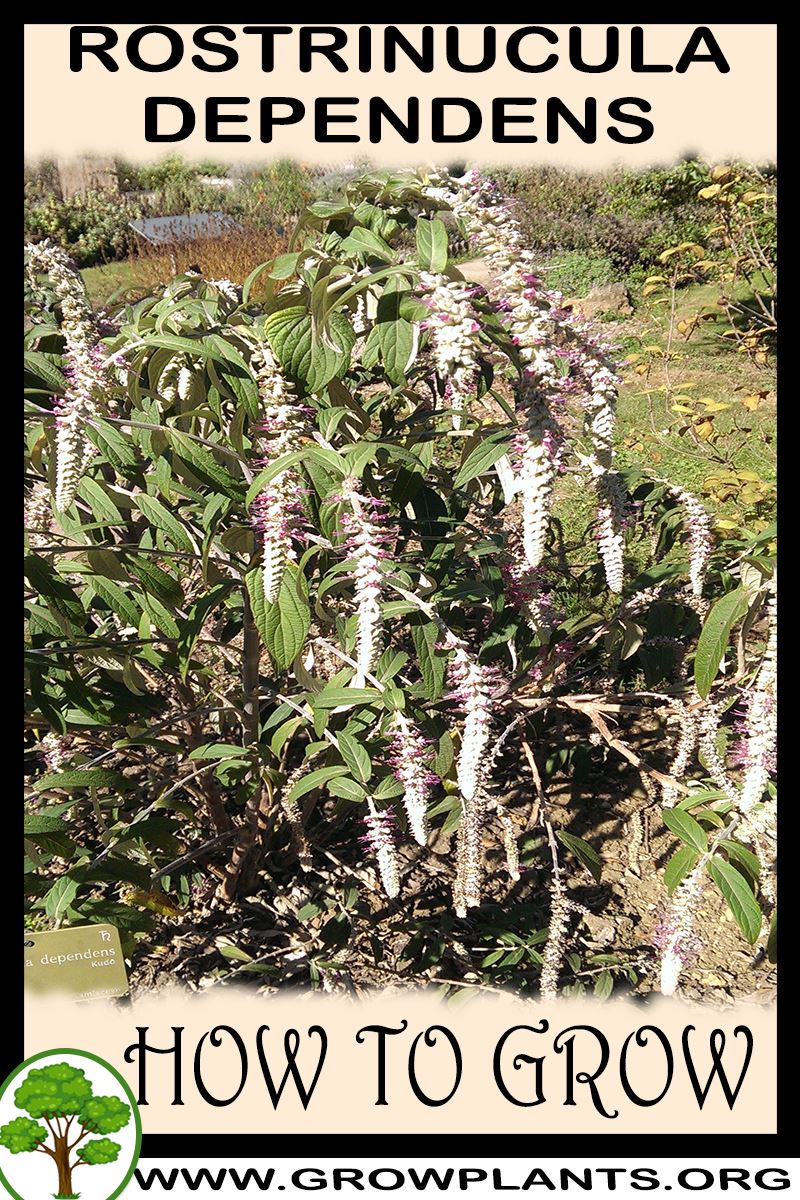
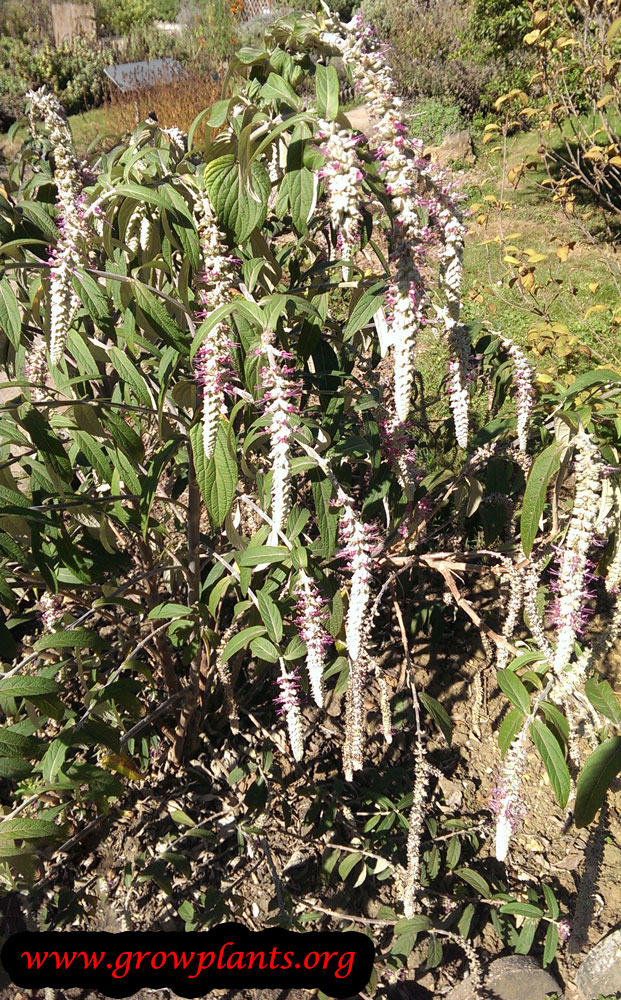
Overview: A deciduous shrub about 0.5-1.5 m (20-60 in) tall with arching, weeping stems, grown as a fragrant ornamental and pollinator hedge. It carries slender, buddleja-like flower spikes that draw bees and butterflies.
Quick Specifications
| Specification | Attribute |
|---|---|
| Plant Type / Life Cycle | Perennial (woody shrub) |
| Foliage Type | Deciduous |
| Mature Size | 0.5-1.5 m (20-60 in) tall |
| Growth Rate | Fast to moderate |
| Hardiness | USDA zones 7-10 |
Growth Form & Structure
- Height & Spread: A shrub of 0.5-1.5 m (20-60 in) in the ground with a spreading, weeping outline; also container-friendly.
- Growth Habit & Form: A vigorous, sometimes aggressive shrub with long, arching stems that give a weeping habit; pruned in winter mainly for shape.
- Lifespan & Maturity: A fast-establishing perennial shrub that fills its space quickly and flowers on the season’s growth.
Anatomy & Physical Features
- Leaves & Foliage: Green, linear leaves, some cultivars with serrated edges.
- Flower Characteristics: Small, fragrant flowers in pink, white or purple, borne along weeping, tail-like inflorescences.
Primary Uses & Landscape Value
- Functional & Ornamental Roles: Grown as a fragrant ornamental and informal flowering hedge, and especially as a pollinator plant that attracts bees and butterflies.
Care Guide: Planting, Soil & Watering
Overview: Rostrinucula dependens is a deciduous shrub that grows best in full sun to part shade in well-drained soil, and it benefits from a cool winter. It takes moderate to generous watering in the growing season while still needing free drainage to keep its roots healthy.
Quick Care Requirements
| Requirement | Ideal Condition |
|---|---|
| Planting Season | In the warm season, in spring or summer, once the soil has warmed |
| Growth Rate | Moderate to Fast (vigorous) |
| Soil Type | Well-drained soil |
| Water Need | Moderate to High — keep evenly moist, letting the surface dry between waterings |
Planting & Establishment
- Best Planting Season: Plant in the warm season, in spring or summer, once the soil has warmed.
- How to Plant:
- Hole Preparation: Dig a hole wider than the root ball on a well-drained site and loosen the surrounding soil.
- Soil Amendments: Mix compost or organic matter into the backfill to improve fertility and drainage.
- Planting Depth: Set the plant at the same depth it grew in its pot, keeping the root collar at soil level.
- Growth Speed & Expectations: A moderate to fast, vigorous grower — it can be aggressive, so allow space or prune to shape.
Soil, Watering & Drainage Care
- Soil Mix & Drainage Needs: Provide well-aerated, freely draining soil; in containers use a free-draining mix and let excess water escape to avoid waterlogged roots.
- Watering Schedule & Technique:
- Young / Newly Planted: Water regularly after planting to keep the soil evenly moist while the shrub establishes.
- Established: Water deeply and moderately through the growing season, letting the surface dry slightly between waterings.
- Seasonal Adjustments: Water more in summer heat and cut back over the cool winter, which this shrub needs for a proper rest.
Climate, Light & Hardiness
Rostrinucula dependens (weeping buddleja) is a cold-hardy deciduous shrub suited to temperate, Mediterranean, and subtropical climates, thriving in full sun to half shade. It prefers a distinct cool winter and is hardy across a fairly broad zone range.
Quick Climate Specifications
| Climate Zones | Temperate, Mediterranean, Subtropics |
|---|---|
| USDA Hardiness Zones | 7–10 |
| Frost Tolerance | Moderate |
| Light Conditions | Full Sun / Half Shade |
Sunlight & Light Exposure
Optimal Light Setup
Grows well in full sun to half shade.
Temperature Extremes & Hardiness
USDA Hardiness & Regional Limits
Hardy through zones 7–10, and as a deciduous shrub it actually benefits from a defined cool winter period rather than year-round warmth.
Cold Damage & Winter Protection
Being deciduous, it naturally sheds leaves and goes dormant for winter within its hardiness range; this is normal seasonal behavior, not cold damage.
Frost Sensitivity
Tolerates the typical frosts of zone 7–8 winters once dormant; young unestablished plants benefit from some protection in their first winter.
Wind, Humidity & Microclimate
Wind Tolerance
Generally tolerant of open garden sites typical of hedge and border plantings.
Growing in Pots, Balconies & Indoors
Rostrinucula dependens is a graceful, arching deciduous shrub (0.5-1.5 m) with weeping tassels of pink flowers. The grower says it is not a houseplant but can be grown in a container – a lovely patio or balcony shrub outdoors.
Quick Details
- Container Size: A medium-to-large pot for its arching habit
- Indoor Suitability: Not a houseplant – an outdoor flowering shrub
- Best Spot: Full sun to half shade, outdoors
- Soil & Drainage: Rich, free-draining mix
- Watering in Pots: Average to big amount – keep evenly moist in growth
Indoors & On the Windowsill
- Not a houseplant: The grower confirms it will not grow indoors; it is an outdoor shrub.
- Windowsill: Not a sill plant – it wants open-air light and room for its arching stems.
On a Balcony or Patio
- Light, wind & heat: Give it the brightest spot it will tolerate; walls and railings reflect heat and dry pots quickly, so check moisture often and shelter or stake exposed growth.
- Show it off: Its weeping stems look best where they can arch over a pot edge; give it sun and steady moisture, and shelter from strong wind.
Choosing the Pot, Soil & Long-Term Care
- Pot & drainage: A medium-to-large pot with strong drainage holes. Use strong drainage holes and skip a standing-water saucer to avoid root rot. Terracotta breathes and dries faster; glazed or plastic holds moisture longer.
- Potting mix: A well-aerated, organic-rich mix – potting soil or peat/coir with perlite or vermiculite for free drainage.
- Feeding: Potted plants use up their soil faster as nutrients leach out with watering – feed lightly and regularly through the growing season.
- Repotting: Refresh the mix and pot up about every two years; for perennials, lightly root- and top-prune the plant when you do.
Fertilizing & Feeding
A moderate feeder: this fast-growing, aggressive hedge shrub benefits from balanced feeding through its spring growth flush and its fragrant summer-into-autumn bloom, then a full rest through winter dormancy.
Quick Fertilizing Specs
| Feeding Level | Moderate feeder |
|---|---|
| Main Nutrient Priority | Balanced feeding with adequate nitrogen to fuel hedge growth and fragrant bloom |
| Best Feeding Period | Spring growth through the summer-into-autumn bloom period |
| Organic Options | Compost or other organic matter worked into the root zone |
| Reduce/Stop Feeding | Ease off and stop as the plant enters its cool winter dormancy |
| Micronutrients | Usually supplied by a complete fertilizer; correct only a diagnosed deficiency |
| Soil pH | Prefers well-drained soil; tolerant of typical garden conditions |
Feeding by Growth Stage
Spring growth flush after winter dormancy
Fuel the vigorous new stem and leaf growth this fast-growing hedge shrub puts on as it breaks winter dormancy.
| Nutrient direction | A balanced, nitrogen-forward feeding supports strong new hedge growth. |
|---|---|
| Timing | As new growth begins after the cool winter dormant period. |
| Frequency | A light feeding as growth resumes, tapering off once new shoots harden. |
| Fertilizer types | A balanced complete fertilizer with available nitrogen, Compost or other organic matter worked into the root zone |
| Precautions | This is a vigorous, aggressive grower, so avoid pushing extra nitrogen beyond what the hedge needs to fill in. |
Fragrant summer-into-autumn bloom
Support the fragrant pink, white, or purple flower clusters that attract pollinators through summer and into autumn.
| Nutrient direction | Balanced feeding with adequate nitrogen keeps bloom production going without diverting all the plant’s energy into pure leafy growth. |
|---|---|
| Timing | Through the summer and into the autumn bloom period. |
| Frequency | Continue light, balanced feeding while flowering is underway. |
| Fertilizer types | A balanced complete fertilizer, A bloom-supportive organic feed such as compost tea |
| Precautions | Do not switch to a high-phosphorus formula chasing more bloom; balanced feeding with adequate nitrogen is what actually drives flowering. |
Winter dormancy
Let the shrub rest through its cool winter dormant period without pushing tender new growth.
| Nutrient direction | None – withhold fertilizer while the plant is dormant. |
|---|---|
| Timing | During the cool winter dormant season. |
| Frequency | No feeding at this stage; resume only as spring growth begins. |
| Fertilizer types | No feeding at this stage; hold off fertilizing until the plant breaks dormancy in spring. |
| Precautions | Do not fertilize a dormant plant; unused nutrients can leach away or encourage frost-tender growth right before cold weather. |
Nutrient Deficiency Signs & Corrections
Older leaves fade to pale green or yellow and new hedge growth slows.
| Possible causes | low available soil nitrogen, nitrogen leached by heavy rain or watering, thin, low-organic-matter soil |
|---|---|
| Appears first on | older, lower leaves |
| What to check | recent feeding history, soil organic matter, watering and drainage |
| Possible correction | Apply a nitrogen-containing complete fertilizer and build soil organic matter, then water evenly. |
New leaves turn yellow while their veins stay green.
| Possible causes | high soil pH limiting iron availability, waterlogged or compacted soil restricting root uptake, naturally low soil iron |
|---|---|
| Appears first on | newest growth at the shoot tips |
| What to check | soil pH and drainage, root health and compaction, recent fertilizer history |
| Possible correction | Correct pH toward the plant’s preferred range and apply a chelated iron product per its label. |
Leaf margins scorch or brown and flowering weakens.
| Possible causes | low soil potassium, competing high-nitrogen feeding, leaching in light, sandy soils |
|---|---|
| Appears first on | older leaf margins |
| What to check | soil potassium status, recent fertilizer balance, soil texture and leaching |
| Possible correction | Apply a balanced or potassium-supportive fertilizer per its label and adjust the feeding mix. |
Pruning, Training & Seasonal Maintenance
This weeping, fast-to-medium growing shrub flowers on the current season’s new growth in summer and autumn, so pruning timing directly controls next season’s bloom quantity rather than removing it. The safest and most effective window is late winter dormancy, cutting back hard to a low framework before spring growth begins – this forces the vigorous new shoots that carry the summer/autumn flower spikes and also keeps its naturally spreading, somewhat aggressive habit in check.
Quick Pruning & Maintenance Specs
| Pruning Tolerance | High – flowers on new wood, so tolerates (and benefits from) hard annual cutback |
| Primary Pruning Window | Late winter, before spring growth (dormant hard cutback) |
| Secondary Maintenance Window | Light deadheading/shaping after the summer–autumn bloom |
| Typical Frequency | One hard annual cutback, plus occasional in-season tidying |
| Main Objective | Force vigorous new flowering wood; contain spreading habit |
| Young Plant Priority | Let establish one season, then begin annual framework cutback |
| Mature Plant Priority | Annual renewal cutback to a low framework of woody stubs |
| Best Tool Type | Bypass secateurs (framework) and loppers (thicker old stems) |
| Avoid Heavy Pruning During | Active summer–autumn bloom period |
Pruning by Plant Age & Size
Newly Established
In the first year remove only damaged growth and let the plant build a root system; avoid a hard cutback until it is well established.
Young / Formative
No formal training system is needed – select 3–5 strong shoots as a low permanent framework from which annual renewal growth will arise, similar to a buddleja.
Mature / Established
Cut the whole plant back hard each late winter to that low woody framework (roughly a hand’s width to knee height depending on desired size) to renew flowering wood and prevent the shrub from becoming leggy or over-spreading.
Seasonal Pruning Schedule
| Dormant/Winter | Hard renewal cutback of the whole plant to a low framework; removes all of last year’s spent flowering wood; strong regrowth follows; sets up this year’s summer–autumn bloom. |
| Post-Flowering | Optional light deadheading of spent inflorescences once autumn bloom fades, mainly for tidiness ahead of winter. |
| Ongoing Sanitary | Remove any dead or winter-damaged stems as noticed. |
Flowering & Fruiting Wood
Flowers form on the current season’s new growth, not on older wood, so a hard dormant-season cutback does not sacrifice bloom – on the contrary, it produces more vigorous new shoots and a fuller summer–autumn flower display than an unpruned or lightly pruned plant.
Structural Pruning & Training
Renewal pruning is the whole strategy here: cut back to the same low framework annually rather than letting stems accumulate into an unmanageable, sprawling mass. This also keeps its noted aggressive/spreading tendency contained.
Special Growth to Remove
Watch for and remove basal shoots or rooted layers spreading beyond the intended planting area, since the plant is noted as aggressive in habit; spent flower spikes can be left through autumn for a weeping seed-head effect or trimmed off for tidiness.
Container & Small-Space Pruning
Suits a large container where its spread can be physically limited; keep the annual hard cutback slightly lower than an in-ground plant to hold a compact size, and check for roots filling the pot given its vigorous habit.
Tools
- Bypass secateurs – the main tool for the annual framework cutback
- Loppers – any thicker old stems on a mature, larger specimen
Tool Hygiene & Disease Risk
Routine care is sufficient – keep blades clean and sharp; no elevated disease-transmission risk is noted for this species.
Cut Placement & Technique
Make the dormant cutback just above a healthy bud pair on the retained framework stems; avoid flush cuts that leave no bud to regrow from.
Heavy Pruning & Rejuvenation
Tolerates severe annual cutback as standard practice, not just occasional rejuvenation – this is the normal maintenance regime for the species, and regrowth to full flowering size within the same season is typical.
Post-Pruning Care
Water in after the hard cutback to support the flush of new growth; avoid feeding immediately, since the cutback itself already stimulates vigorous regrowth.
Common Pruning Mistakes
- Skipping the annual hard cutback, which leads to a sprawling, sparsely flowering, woody mass
- Cutting back hard mid-summer, which removes the current flowering display without time to reflush before autumn
- Ignoring its spreading habit and leaving basal shoots unchecked
When NOT to Prune
Avoid the hard structural cutback during the summer–autumn bloom period, since it removes the current flower display; wait for late winter dormancy instead.
Recommended Tools (by task)
- bypass_secateurs – the annual dormant-season framework cutback
- loppers – thicker old stems on a larger, established plant
Pruning Troubleshooting
| Problem | Possible Cause | What to Check | Corrective Action |
| Few or no flowers in summer–autumn | No hard cutback was done that winter | Height/age of the current season’s stems | Resume the annual late-winter hard cutback to a low framework |
| Sparse, leggy growth with bare lower stems | Cutback skipped for multiple years | Age and thickness of old wood | Cut hard back to the framework the next dormant season to renew from the base |
| Unwanted spread beyond the planting area | Basal shoots or layered stems left unchecked | Base of the plant and surrounding soil | Remove basal/spreading shoots as part of the annual cutback |
Propagation Guide
Rostrinucula dependens can be grown from either seed or cuttings, and the site notes vegetative propagation is not required – softwood or semi-hardwood cuttings are simply a fast, reliable way to bulk up plants of a known form. As a vigorous, fast-to-medium growing shrub, it is generally an easy plant to propagate.
Quick Propagation Specs
| Best Propagation Method | Softwood or semi-hardwood stem cuttings |
| Alternative Methods | Seed |
| Propagation Difficulty | Easy |
| Seed True-to-Type | Usually true-to-type for the species |
| Vegetative True-to-Type | Yes |
| Best Propagation Season | Spring to summer |
| Seed Germination Time | Typically a few weeks, timing can vary |
| Cutting Rooting Time | Often a few weeks under warm, humid conditions |
| Germination Temperature | Around 18–24°C (64–75°F) |
| Seed Sowing Depth | Shallow – just covered |
Growing from Seed
Sowing Season
Spring, once temperatures are reliably mild.
Sowing Depth & Orientation
Sow shallowly in a free-draining seed mix, as these are small seeds.
Germination Conditions
Keep consistently and lightly moist in a bright, warm spot.
Germination Time
Generally a few weeks; timing can vary with warmth and seed freshness.
Seedling Care
Pot on once seedlings have established true leaves and grow in full sun to half shade.
Stem Cuttings
Cutting Type
Softwood cuttings in spring or semi-hardwood cuttings in summer.
Best Timing
Spring through summer, during active growth.
Cutting Preparation
Take cuttings a few nodes long, remove lower leaves, and trim just below a node.
Rooting Setup
Insert into a free-draining, gritty propagation mix; keep humidity moderate to high.
Rooting Hormone
Optional – may speed rooting but is not essential.
Rooting Time
Typically roots within a few weeks under warm, humid conditions.
Bloom & Flower Guide
Quick Details
- Bloom Season: Late summer into autumn
- Time to First Bloom: On established plants, usually within a couple of years
- Flower Appearance: Small fragrant flowers in pink, white or purple, packed along slender, arching-to-weeping flower spikes
- Edibility: Not eaten – grown as a fragrant ornamental
Detailed Blooming Overview
This weeping shrub carries long, drooping tails of small fragrant flowers late in the season, just as many other shrubs are finishing – a welcome magnet for late bees and butterflies.
Flower Characteristics
- Small fragrant flowers in pink, white or purple.
- Borne along pendulous, arching flower spikes (inflorescences).
Bloom Care & Thinning
- Pruning: It blooms on the current season’s growth, so prune in late winter or early spring to build a strong flowering framework.
- Tidying: Deadhead spent spikes to keep it neat.
Pests, Diseases & Troubleshooting
Overview: Rostrinucula dependens is an uncommon Chinese shrub in the mint family (Lamiaceae), grown for its weeping, buddleja-like flower spikes; specific pest literature is scarce, so this profile is family-based. Like most aromatic Lamiaceae it is fairly pest-resistant, with only aphids, whiteflies and spider mites likely and powdery mildew or root rot its main disease risks. Its biggest real limitation is borderline frost hardiness. Sun, sharp drainage and shelter keep it healthy.
Quick Troubleshooting Overview
| Issue / Pest | Main Symptom | Primary Solution |
|---|---|---|
| Aphids | Sticky, distorted shoots and spikes | Predators, water jet, insecticidal soap |
| Whiteflies | White flies and honeydew, under glass | Sticky traps, oil/soap on undersides |
| Spider mites | Stippled, bronzed leaves in heat | Hose foliage, horticultural oil |
| Powdery mildew | White film on leaves in humidity | Sun, airflow, sulfur if needed |
| Root rot | Wilt and dieback in wet soil | Free-draining soil, no overwatering |
| Frost dieback | Stems killed by hard frost | Warm sheltered site; mulch; cut back in spring |
Common Pests & Management
- Aphids (Aphididae):
- Symptoms: Clusters of soft insects on the soft new shoots and the long weeping flower spikes, causing distortion and sticky honeydew with sooty mould.
- Prevention & Control: Protect predators such as ladybirds and lacewings, and knock colonies off with a water jet. Insecticidal soap or light horticultural oil on the undersides controls heavier infestations, sprayed in the evening to protect the bees this nectar-rich shrub attracts.
- Whiteflies (Aleyrodidae):
- Symptoms: Tiny white flies rise from disturbed foliage; leaves yellow and are coated with honeydew and sooty mould, mostly a problem under glass or in warm, sheltered spots.
- Prevention & Control: Use yellow sticky traps to monitor and reduce adults and encourage parasitic wasps. Wash off honeydew and treat undersides with insecticidal soap or neem/horticultural oil, repeating to catch new crawlers.
- Spider mites (Tetranychus urticae):
- Symptoms: Fine stippling, bronzing and webbing on leaves in hot, dry conditions, worst on plants against warm walls.
- Prevention & Control: Avoid drought and dust stress and hose foliage in heat; encourage predatory mites. Horticultural oil or insecticidal soap controls outbreaks on leaf undersides.
Diseases & Fungal Issues
- Powdery mildew (Erysiphales):
- Symptoms: A white powdery film on leaves in humid, crowded or shaded conditions, common on soft-leaved Lamiaceae, sometimes distorting new growth.
- Treatment & Management: Grow in full sun with good airflow and space plants well; avoid overhead watering and soft, over-fed growth. Sulfur or potassium bicarbonate controls it if it becomes troublesome; do not apply sulfur in high heat.
- Root rot (Phytophthora / Pythium spp.):
- Symptoms: Wilting, yellowing and dieback in heavy, wet or poorly drained soil, as this shrub prefers well-drained ground.
- Treatment & Management: Plant in free-draining soil in a warm, sunny spot and avoid overwatering or wet feet. Improve drainage where needed; there is no cure once rotted, so remove badly affected plants.
- Leaf spot (various fungi):
- Symptoms: Brown or dark spots on foliage in prolonged wet weather, usually cosmetic on a vigorous plant.
- Treatment & Management: Remove affected leaves and debris, improve airflow, and avoid wetting foliage; fungicide is rarely warranted.
Growing Difficulties & Abiotic Problems
- Frost / winter dieback:
- Cause & Symptoms: Stems die back or the plant is killed by hard frost, as this Chinese Lamiaceae shrub is only borderline hardy in cool-temperate gardens.
- Correction Strategy: Grow in a warm, sheltered, sunny spot with good drainage, and mulch the base over winter. In cold areas treat it as dying back and cut out dead wood in spring, or grow where it can be protected.
- Poor flowering in shade or rich soil:
- Cause & Symptoms: Weak, leggy growth and few of the arching flower spikes when grown in shade or overly rich, moist soil.
- Correction Strategy: Give full sun and lean, free-draining soil, and prune to encourage the current-season wood on which it flowers; avoid over-feeding.
What Helps — Products & Tools
As an aromatic Lamiaceae shrub this needs little intervention: insecticidal soap and light horticultural oil cover aphids, whiteflies and mites, yellow sticky traps monitor whitefly, and sulfur or potassium bicarbonate handles any powdery mildew. Cultural care — full sun, sharp drainage, airflow and winter shelter — does most of the work. Treat only when needed, follow the label, and protect the many bees its flowers draw.