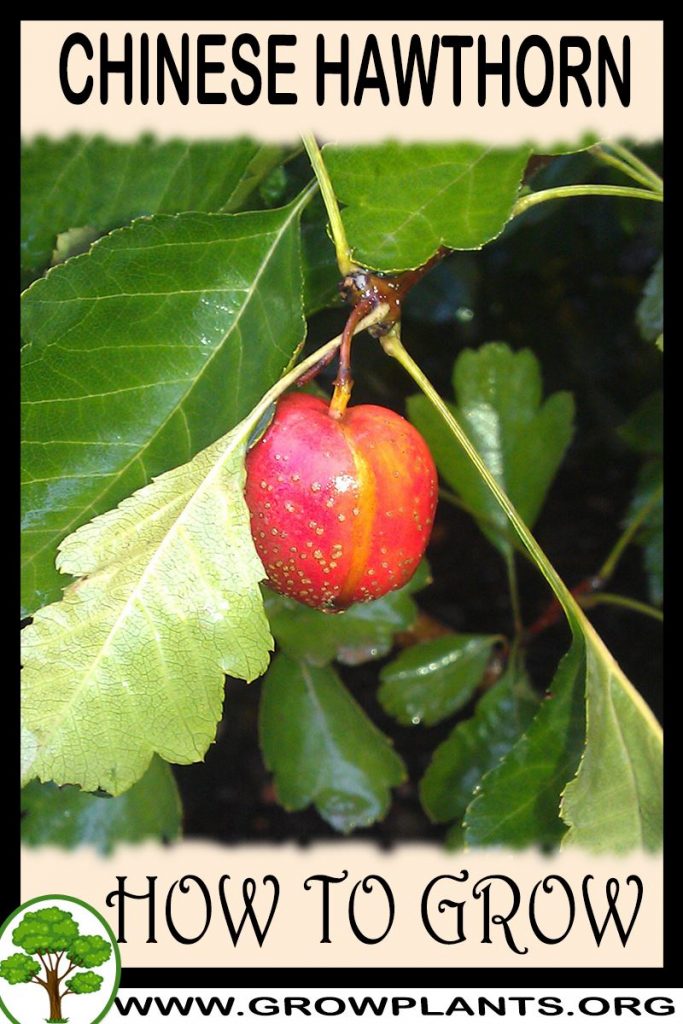
Plant Profile & Key Characteristics
Overview: Chinese hawthorn (Crataegus pinnatifida) is a deciduous tree growing 3–6 m (10–20 ft) tall, with lobed, serrated leaves. It is grown for its small, edible red fruits and also as an ornamental and bonsai subject.
Quick Specifications
| Specification | Attribute |
|---|---|
| Plant Type / Life Cycle | Perennial deciduous tree |
| Foliage Type | Deciduous |
| Mature Size | 3–6 m (10–20 ft) tall |
| Growth Rate | Moderate |
| Root System | Deep taproot |
| Toxicity | Non-toxic – fruit flesh is edible (the seeds contain cyanogenic compounds and are not eaten) |
| Hardiness | USDA zones 5–10 |
Growth Form & Structure
- Height & Spread: 3–6 m (10–20 ft) tall as a tree; can be kept smaller by pruning and grown in a container or trained as a bonsai.
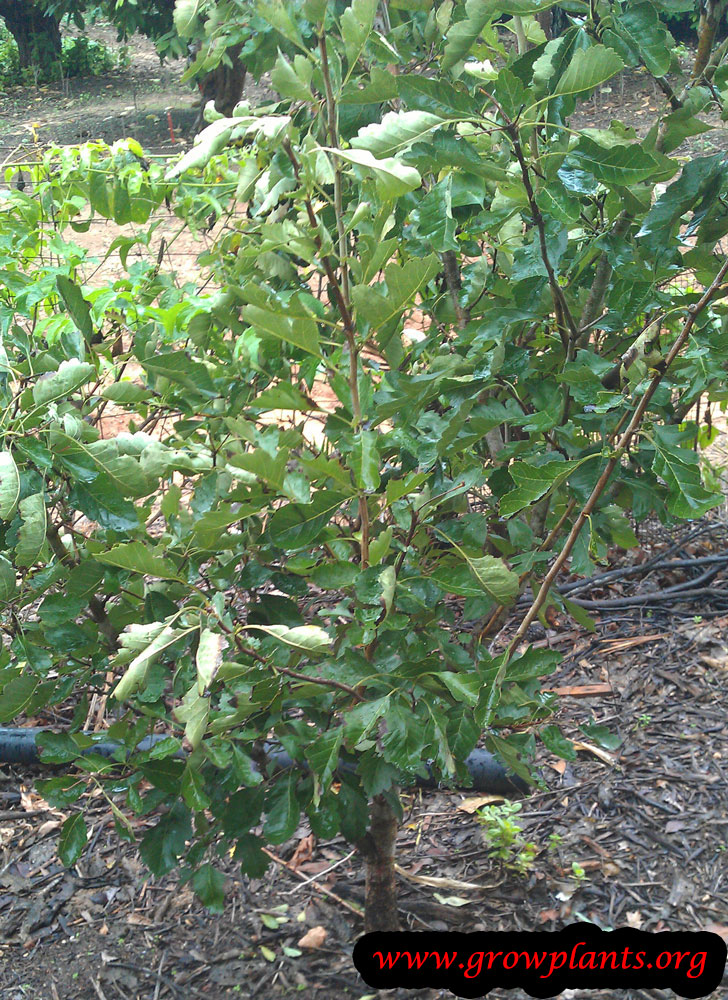
- Growth Habit & Form: Small, thorny, deciduous tree with a rounded, spreading crown.
- Lifespan & Maturity: Long-lived tree; grafted plants typically begin bearing fruit about 2–3 years after planting.
Anatomy & Physical Features
- Trunk & Bark: Short trunk with thorny branches.
- Leaves & Foliage: Green leaves, lobed to deeply lobed with serrated margins.
- Flower Characteristics: White flowers with a yellow centre and red stamens, borne in clusters in spring to summer.
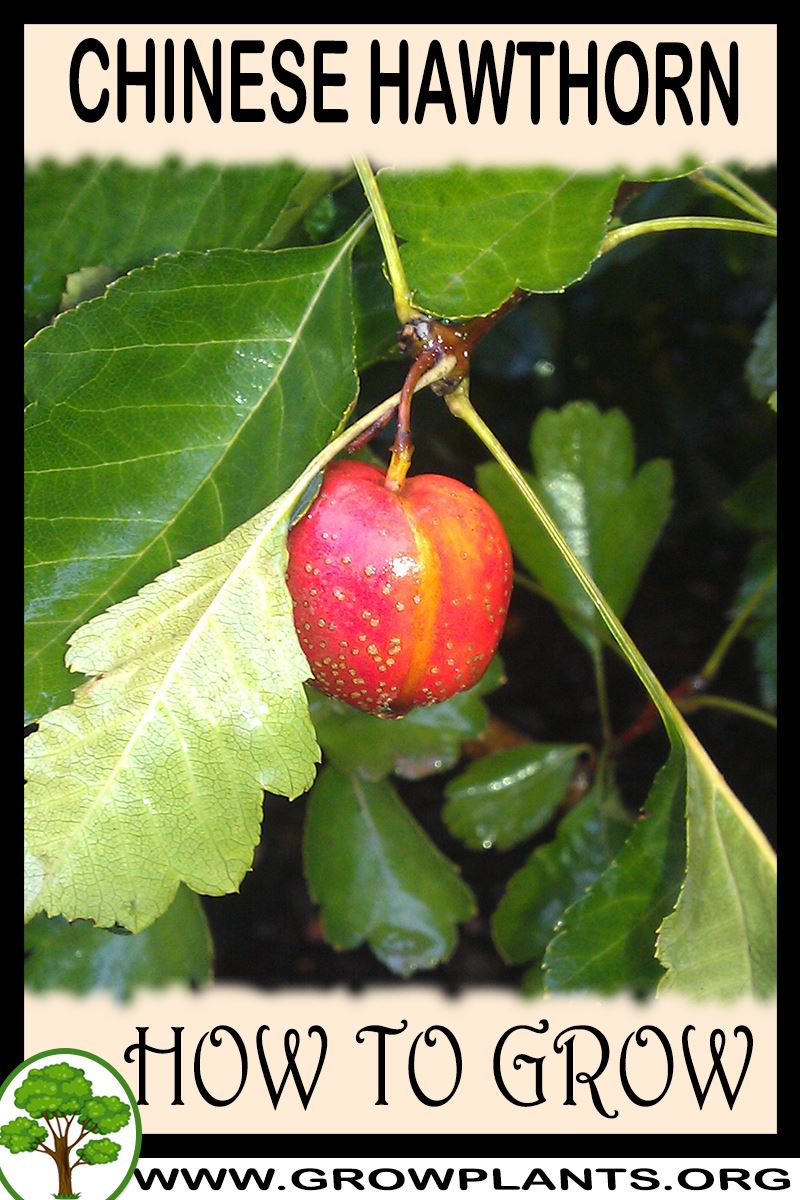
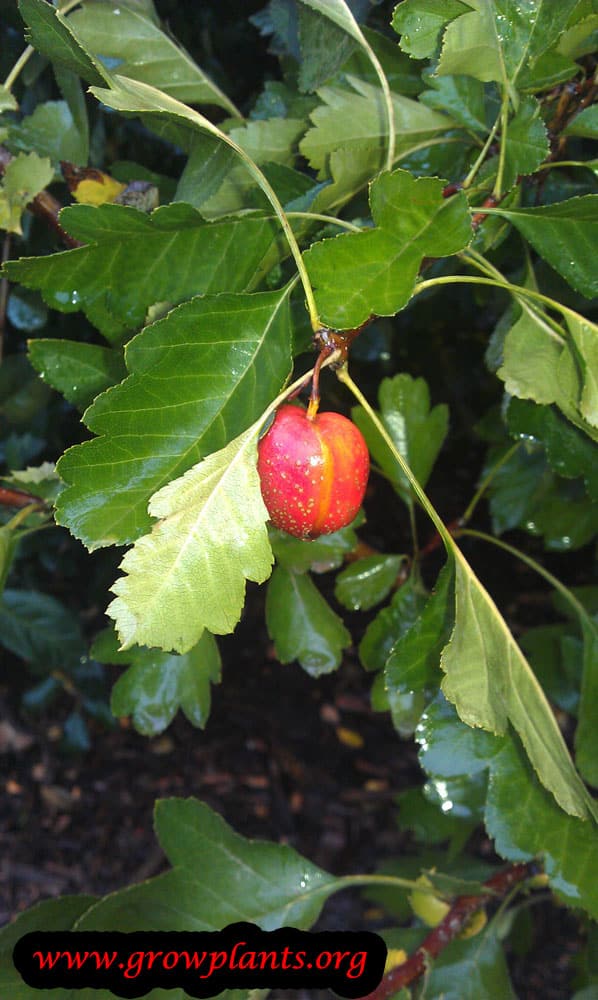
- Fruit Profile: Small red fruit like a miniature crowned apple, sometimes white-dotted, with white flesh; harvested in summer to autumn.
Primary Uses & Landscape Value
- Edible Uses: Fruits eaten raw, dried or cooked, and used for snacks and preserves (haw products).
- Functional & Ornamental Roles: Ornamental flowering and fruiting tree, also grown as bonsai.
Care Guide: Planting, Soil & Watering
Overview: Chinese hawthorn (Crataegus pinnatifida) is a deciduous fruiting tree that needs winter chill hours and grows best in full sun in deep, moist, well-drained soil. It appreciates steady moisture through the growing season but must not sit in waterlogged ground.
Quick Care Requirements
| Requirement | Ideal Condition |
|---|---|
| Planting Season | From late winter through summer while dormant or in growth |
| Growth Rate | Moderate |
| Soil Type | Deep, moist but well-drained soil; adaptable to most garden soils |
| Water Need | Moderate to high — keep the soil evenly moist, especially while fruiting |
Planting & Establishment
- Best Planting Season: Plant while the tree is dormant or in active growth as described above; set out bare-root stock in late winter to early spring, as it establishes poorly if planted late. Choose an open, sunny position.
- How to Plant:
- Hole Preparation: Dig a hole about twice the width of the root ball and no deeper than it, loosening the sides so the roots spread easily.
- Soil Amendments: Mix compost or organic matter into the backfill to hold moisture while keeping drainage open; on heavy soils improve drainage before planting.
- Planting Depth: Set the tree at the same depth it grew in the nursery, keeping any graft union clearly above the soil line and never burying the trunk base.
- Growth Speed & Expectations: Growth is moderate; keeping the tree compact makes harvest easier and helps light reach all the fruit.
Soil, Watering & Drainage Care
- Soil Mix & Drainage Needs: Wants deep, fertile, moisture-retentive soil that still drains freely; it tolerates a range of garden soils but resents waterlogging. In containers use a peat-based mix with some grit and drainage holes, and empty any saucer the same day so the roots do not stand in water.
- Watering Schedule & Technique:
- Young / Newly Planted: Water regularly and keep the soil consistently moist through the first seasons so the young tree roots in well.
- Established: Water deeply but less often once established, letting the surface dry slightly between soakings; give extra water while flowers and fruit are developing.
- Seasonal Adjustments: Increase watering through summer heat and the fruiting period, and reduce it in cool, wet or dormant winter months.
Climate, Light & Hardiness
Chinese hawthorn is a deciduous temperate-to-subtropical fruit and ornamental tree that needs winter chilling to grow and fruit well. It grows in full sun to half shade and is hardy through cold winters.
Quick Climate Specifications
| Climate Zones | Temperate, Mediterranean, subtropical |
|---|---|
| USDA Hardiness Zones | 5–10 |
| Frost Tolerance | High |
| Light Conditions | Full Sun to Half Shade |
Sunlight & Light Exposure
Optimal Light Setup
Full sun to half shade suits this deciduous tree.
Temperature Extremes & Hardiness
USDA Hardiness & Regional Limits
Hardy across USDA zones 5–10, tolerating cold temperate winters through to milder subtropical conditions.
Chilling Requirement
Site data notes a chill-hours requirement typical of deciduous temperate fruit trees; insufficient winter chill in mild-winter zones can reduce bud break, flowering, and fruit set.
Growing in Pots, Balconies & Indoors
Chinese hawthorn is a hardy tree of 3-6 m (10-20 ft). The grower says it isn’t a houseplant but grows well in a container – a good patio tree, and a classic subject for pot or bonsai culture.
Quick Details
- Container Size: A large, deep container (grower didn’t state a size)
- Indoor Suitability: Not a houseplant; a hardy patio container tree
- Best Spot: Full sun to light shade
- Soil & Drainage: Aerated, organic-rich mix that drains freely
- Watering in Pots: Keep the mix consistently moist and water freely in warm weather – pots dry fast; make sure drainage is sharp so roots never sit wet.
Indoors & On the Windowsill
- Houseplant limits: Not a houseplant – it is a temperate, sun-loving tree that needs a winter chill.
- Windowsill growing: Too large for a sill; grow it outdoors in a pot.
- Overwintering: Being hardy it is happy to stand outside through winter and benefits from the cold season.
On a Balcony or Patio
- Light & wind: Give it the sunniest spot on the balcony or patio. Walls and paving reflect heat and pots dry quickly, so check moisture often; shelter and stake exposed plants against wind.
Choosing the Pot, Soil & Long-Term Care
- Pot & drainage: A deep pot with strong drainage holes; skip a standing-water saucer to avoid root rot. Terracotta breathes and dries faster, while glazed or plastic hold moisture longer.
- Potting mix: Well-aerated, organic-rich mix – peat or coir with perlite and a little organic matter; it must drain freely.
- Feeding: Potted plants use up their food faster because nutrients leach out with each watering, so feed a little more often than plants in open ground.
- Repotting: Refresh part of the mix and pot up every couple of years; for established plants, lightly prune the root ball and top growth when you repot.
Fertilizing & Feeding
Chinese hawthorn is a deciduous fruit tree that needs a period of winter chill to grow and fruit well; steady balanced feeding through the growing season supports its framework while young, tapering to lighter, potassium-leaning feeding as it matures and bears fruit.
Quick Fertilizing Specs
| Feeding Level | Moderate |
|---|---|
| young_feeding | Steady, balanced feeding through each growing season while the framework develops. |
| mature_feeding | Lighter feeding, leaning to potassium as fruit develops. |
| Main Nutrient Priority | Balanced nutrition while young; potassium emphasis as the tree matures and fruits. |
| Best Feeding Period | From spring growth through the main growing season. |
| Organic Options | Compost, aged manure and mulch worked around the root zone. |
| Reduce/Stop Feeding | Stop feeding as leaves color and drop in autumn, ahead of winter dormancy. |
Feeding by Growth Stage
Newly planted
Help a newly planted Chinese hawthorn establish roots after planting.
| Nutrient direction | Go easy at planting; rely on organic matter and a light balanced feed once new growth begins. |
|---|---|
| Timing | At planting and as growth begins. |
| Frequency | Minimal feeding at first; let the roots establish before feeding more. |
| Fertilizer types | Organic matter or compost mixed into the planting area, A light balanced complete fertilizer once new growth begins |
| Precautions | Avoid strong fertilizer against fresh roots, which can scorch them. |
Young, pre-bearing tree
Build a strong trunk and branch framework on the young grafted tree.
| Nutrient direction | Balanced feeding with a nitrogen lean to support steady leafy growth while the framework develops. |
|---|---|
| Timing | Through each growing season from spring growth to the point growth naturally slows in autumn. |
| Frequency | Light, regular feeding across the growing season. |
| Fertilizer types | A balanced fruit-tree fertilizer with a nitrogen lean, Compost or other organic matter |
| Precautions | Avoid feeding late in the season, since soft new growth pushed too late can be damaged by early cold. |
Established tree approaching bearing
Keep the maturing tree in steady health as it approaches fruit production.
| Nutrient direction | A balanced complete fruit-tree fertilizer with the minor nutrients such a blend usually supplies. |
|---|---|
| Timing | During each growing season, from spring growth onward. |
| Frequency | Steady, moderate feeding through the growing season. |
| Fertilizer types | A balanced complete fruit-tree fertilizer, Compost or other organic matter |
| Routine trace nutrients | iron, manganese, zinc |
| Precautions | Watch for pale new leaves, which can signal a micronutrient shortage such as iron. |
Mature, fruit-bearing tree
Support flowering and fruit development on the mature, bearing tree.
| Nutrient direction | A balanced fertilizer leaning toward potassium as fruit develops; a settled mature tree needs only light feeding. |
|---|---|
| Timing | From spring flowering through fruit development in summer and autumn. |
| Frequency | Light, well-timed feeding in spring, easing off as the growing season winds down. |
| Fertilizer types | A balanced complete fertilizer with adequate potassium, Compost or other organic matter |
| Routine trace nutrients | iron, manganese, zinc |
| Precautions | Stop feeding as leaves color and drop in autumn, ahead of the tree’s winter dormancy and chilling period. |
Nutrient Deficiency Signs & Corrections
New leaves are pale or yellow between green veins while the veins themselves stay green.
| Possible causes | High (alkaline) soil pH locking up iron, Waterlogged or cold soil reducing root uptake, A genuine iron shortage in the soil |
|---|---|
| Appears first on | Youngest leaves at the shoot tips. |
| What to check | Soil pH and whether the soil is alkaline or chalky, How well the soil drains and whether symptoms follow wet spells, Whether only new growth is affected |
| Possible correction | Correct soil pH where possible, improve drainage, and apply a chelated iron product per its label. |
Growth stays thin and weak rather than the tree’s typical steady pace.
| Possible causes | General nutrient shortage in poor soil, Waterlogged or compacted roots limiting uptake, Insufficient sun |
|---|---|
| Appears first on | New shoots across the tree. |
| What to check | Feeding history, Soil drainage, Sun exposure |
| Possible correction | Improve drainage and sun exposure, then apply a balanced fruit-tree fertilizer at a moderate rate. |
Little fruit sets, or developing fruit drops before ripening.
| Possible causes | Insufficient winter chill for good flowering, a known requirement for this species, Excess nitrogen favoring leafy growth over fruit, Poor pollinator activity during bloom |
|---|---|
| Appears first on | Fruit set across the canopy. |
| What to check | Whether the local climate provides enough winter chill for this species, Recent nitrogen-heavy feeding, Pollinator activity during bloom |
| Possible correction | Confirm the site suits this tree’s chill requirement, ease back on nitrogen, and support pollinators during bloom. |
Pruning, Training & Seasonal Maintenance
Chinese hawthorn tolerates moderate structural pruning well and, like its pome-fruit relatives, carries most of its flowers on short spurs and lateral shoots built up over two or more years – so the goal is an open, sunlit framework rather than heavy annual renewal. The safest window is the dormant season (autumn into winter) after leaf fall and before the chill-hour requirement is satisfied and spring growth begins; pruning at this time shapes the tree without sacrificing the coming bloom, since flower buds are already set on existing spur wood.
Quick Pruning & Maintenance Specs
| Pruning Tolerance | Moderate |
| Primary Pruning Window | Autumn–Winter dormancy |
| Secondary Maintenance Window | Any season for dead, diseased or borer-damaged wood |
| Typical Frequency | Annual dormant structural pass |
| Main Objective | Open the canopy for light and air, and keep bearing spurs productive |
| Young Plant Priority | Establish a strong, open scaffold framework; graft-union check |
| Mature Plant Priority | Canopy thinning, spur renewal, removal of crowded or shaded interior wood |
| Best Tool Type | Bypass secateurs for spurs and twigs, loppers and a pruning saw for scaffold limbs |
| Avoid Heavy Pruning During | Bloom and fruit set in spring/summer, and humid weather when fire blight risk is elevated |
Pruning by Plant Age & Size
Newly Established
Remove only damaged growth and confirm the graft union is clean; avoid heading the leader while the tree is settling in.
Young / Formative
Train to a modified-leader or open, vase-like framework with three to five well-spaced scaffold branches – this suits both the tree’s fruiting habit and its use as an ornamental or bonsai subject, where an open branch structure is equally valued for form.
Mature / Established
Thin crowded interior growth to let light reach the fruiting spurs (matching the grower guidance to simply “open the tree”), and renew a portion of the oldest, least productive spur wood every few years to keep fruit size and quality up.
Seasonal Pruning Schedule
Dormant/Winter
Objective: structural shaping and canopy opening. Remove: dead wood, crossing/rubbing branches, overly dense interior growth, and any borer-damaged sections. Do not remove: healthy spurs on two-plus-year-old wood, which carry the coming bloom. Expected response: stronger spring flush and better light to the fruiting zone. Flowering/fruiting impact: neutral to positive, since flower buds on retained spurs are undisturbed.
Ongoing Sanitary
Objective: manage borer entry points and fire-blight-prone wood as they appear. Remove: dead, cankered or clearly infested wood promptly, cutting well back into clean tissue. Do not remove: living, symptom-free spurs. Expected response: reduced spread of blight and fewer borer entry sites on stressed wood.
Flowering & Fruiting Wood
Like other Crataegus and their apple/pear relatives, fruit forms on short spurs and lateral shoots that build up over two or more years, not on the current season’s new shoots. Heavy heading cuts or hard renewal pruning remove this accumulated spur wood and set fruiting back for several seasons, so dormant pruning should favour thinning cuts that open the canopy while leaving spur systems largely intact.
Structural Pruning & Training
Prioritise removing crossing, rubbing and inward-growing branches to open the canopy as the source guidance directs; keep a well-spaced scaffold to support fruit weight and reduce the dense growth that favours pest build-up (aphids, mealybug, mites, borer are all noted issues).
Special Growth to Remove
Rootstock suckers below the graft union, since grafting is standard for this species – remove at the base as soon as seen. Watersprouts arising from heavy thinning cuts should also be thinned rather than left to crowd the canopy again.
Container & Small-Space Pruning
Chinese hawthorn is also grown as bonsai, which calls for a different balance than orchard-style spur management: more frequent light pinching and wiring through the growing season to build fine ramification and a compact silhouette, alongside root pruning tied to repotting, rather than the annual dormant-only structural pass used for a garden or fruiting specimen.
Tools
Bypass secateurs for spur and twig work; loppers for pencil-to-finger scaffold branches; a pruning saw for larger structural limbs; bonsai-scale precision snips if trained as bonsai.
Tool Hygiene & Disease Risk
Increased – as a Rosaceae tree it is a documented fire blight host and also carries a borer risk, so any cankered, blighted or clearly infested wood should be cut back into clean tissue and tools wiped down between cuts on diseased material; routine sanitary cuts on healthy wood don’t need disinfection between every snip.
Cut Placement & Technique
Use thinning cuts back to a lateral or the branch collar rather than indiscriminate heading; cut just outside the branch collar to avoid flush cuts or long stubs, both of which slow healing and invite borers.
Heavy Pruning & Rejuvenation
Tolerated in moderation – an overgrown or neglected tree can be renewed over two to three dormant seasons rather than in one hard cut, to avoid triggering a flush of watersprouts and a multi-year gap in fruiting.
Post-Pruning Care
Monitor cut surfaces for borer entry and canker development, especially after removing infested wood; water and mulch as normal but avoid heavy feeding right after a structural prune, since it pushes soft growth that is more attractive to aphids and borers.
Common Pruning Mistakes
Pruning in humid, wet weather when fire blight is most transmissible; leaving flush cuts or stubs that invite borers; over-thinning in one season instead of spreading rejuvenation of an overgrown tree across a few winters.
When NOT to Prune
Avoid pruning during active bloom or fruit set; avoid cutting in warm, humid, wet weather when fire blight spreads most readily; hold off major structural work in the first year after transplanting.
Recommended Tools (by task)
- Spur and twig maintenance – bypass_secateurs: precise cuts that protect adjacent fruiting spurs
- Scaffold branch thinning – loppers: reach and leverage for pencil-to-finger wood when opening the canopy
- Removing larger dead, cankered or borer-damaged limbs – pruning_saw: clean cuts back into healthy wood
- Disease/borer management on cut wood – blade_disinfectant: wipe down after cutting cankered or clearly infested material
Pruning Troubleshooting
| Problem | Possible Cause | What to Check | Corrective Action |
| Poor flowering despite regular pruning | Spur wood removed by heading cuts instead of thinning | Whether cuts favoured heading over thinning on 2+ year wood | Switch to thinning cuts that open the canopy while keeping spur systems intact |
| Blackened, wilted shoot tips after pruning | Fire blight entering through fresh cuts in warm, wet weather | Weather at time of pruning and presence of canker/ooze | Cut well back into clean wood, disinfect tools between cuts, and avoid pruning in humid conditions |
| Dense, shaded interior canopy | Insufficient thinning of crossing and inward branches | Light penetration to interior spurs | Increase thinning-cut frequency to open the canopy as recommended |
| Small entry holes and dieback on branches | Borer activity, often on stressed or wounded wood | Branches near recent large or poorly placed cuts | Remove affected wood promptly, keep the tree vigorous, and avoid flush cuts that stress the tree |
Propagation Guide
Chinese hawthorn is most reliably propagated by grafting or budding onto seedling rootstock, which the site states is necessary to reproduce a good fruiting tree true-to-type and brings it into bearing sooner; growing from seed is possible for rootstock or species plants but Crataegus seed is well known for slow, erratic germination. Propagation is Moderate by grafting and Difficult by seed, mainly because of the seed’s dormancy.
Quick Propagation Specs
| Best Propagation Method | Grafting or budding onto seedling rootstock (required for named fruiting selections) |
| Alternative Methods | Seed (for rootstock or species plants) |
| Propagation Difficulty | Moderate (grafting) – Difficult (seed, due to complex dormancy) |
| Seed True-to-Type | Variable – seedling fruit size and quality vary |
| Vegetative True-to-Type | Yes |
| Best Propagation Season | Grafting/budding during the plant’s active growing period (site planting season: winter, spring, summer); stratified seed typically sown in late winter or early spring |
| Seed Germination Time | Often slow and irregular, sometimes not until the following year |
Growing from Seed
Seed Handling & Viability
Clean the fruit pulp from the seed before treating it, as with other hawthorn (Crataegus) species – the flesh is not needed for propagation and can encourage mold.
Dormancy & Pre-Sowing Treatment
Crataegus seed is notorious among temperate fruit growers for a hard seed coat combined with an additional embryo dormancy; growers commonly use an extended period of warm stratification followed by a further period of cold stratification (moist sand or peat, several months each) to improve germination, and lightly nicking or abrading the hard coat can also help. This is general genus-level practice, not specific data from the site.
Sowing Season
Sow treated seed in late winter or early spring once stratification is complete, within the site’s winter-spring-summer planting window.
Germination Conditions
Ordinary moist, well-drained propagation conditions are used once dormancy has been addressed; exact temperature figures are not well documented for this species so none are given here to avoid false precision.
Germination Time
Often slow and uneven even after stratification, and can take well over a year for some seed to emerge.
Grafting & Budding
Why Grafting Is Used
The site states grafting is necessary to keep a good fruiting selection true-to-type and to bring it into production sooner than a seedling would.
Preferred Grafting Methods
Not detailed by the site; whip-and-tongue or cleft grafting while the rootstock is dormant, or chip/T-budding during the growing season, are the standard techniques used on hawthorns and other Rosaceae fruit trees.
Rootstock
Seedling Chinese hawthorn (or a compatible Crataegus rootstock) is the typical choice.
Scion Selection
Healthy, dormant wood taken from a tree with known good fruit.
Best Grafting Season
Late winter to early spring for bench/whip grafting while dormant; summer for budding – both within the site’s winter-spring-summer planting season.
Graft Aftercare
Protect the union from drying (wax or wrap it), support it until it has knit, and remove any rootstock suckers that appear below the graft.
Bloom & Flower Guide
Quick Details
- Bloom Season: Spring
- Flower Appearance: White five-petalled flowers with a yellow eye and red-tipped stamens, in flat clusters
- Edibility: The flowers are ornamental and not eaten
Detailed Blooming Overview
Chinese hawthorn greets spring with clusters of pretty white blossom, each flower set off by a yellow centre and a ring of red-tipped stamens. It is a charming display in its own right and, on this fruiting hawthorn, the start of the little apple-like fruits to come.
Flower Characteristics
- White petals surrounding a yellow inner eye, with the stamens tipped in red.
- Borne in flattened clusters along the branches.
Bloom Care & Thinning
- Pruning for bloom: Prune in autumn or winter to open up the canopy; spring flowering follows on the established wood.
- Pollination: The flowers are pollinated by bees.
- Light: Full sun to half shade gives the best bloom.
Fruit & Uses
Chinese hawthorn is grown for its small, apple–like fruit, which is eaten fresh, dried, or cooked into a range of traditional sweets, sauces, and preserves. The tart, tangy flesh is popular both as a fresh snack and as a cooking ingredient.
Quick Edible Specs
| Edible Parts | Fruit |
|---|---|
| Main Use(s) | Culinary – fresh eating, drying, cooking (sauces, candied snacks, preserves); traditionally used medicinally |
| Eaten Raw or Cooked | Both – eaten fresh out of hand, or dried and cooked |
| Preparation Required | Deseed if cooking into sauce or paste; the small hard seeds are not eaten |
| Harvest Season | Summer to autumn |
| Time to First Harvest | Bears relatively young for a tree, but faster and more reliably when grafted (see Propagation) |
| Storage | Fresh fruit keeps reasonably well; it also dries well for longer storage |
| Safety/Toxicity Caveat | None significant for the flesh; as with other pome fruit, the small seeds are not eaten |
Fruit
The fruit is small and apple–shaped with a crown at the top, red skin sometimes flecked with white dots, and white flesh inside. It is picked once fully red and firm–ripe in summer to autumn. Fresh fruit has a tart, tangy flavour and can be eaten out of hand, but it is just as often dried whole or in slices, or cooked down into sauces, jams, and the candied fruit snacks the species is well known for. It also has a long history of traditional medicinal use, particularly as a digestive aid.
Harvesting
Hand–pick once the fruit has coloured fully red and reached its mature size; fruit flies and birds can both take a share of the crop, so protecting the tree around ripening time helps secure the harvest.
Preparation, Uses & Safety
Fruit can be eaten fresh, but for sauces, pastes, or candied snacks it is usually deseeded first. No significant toxicity is associated with the flesh; the small seeds are simply not eaten, as with other pome fruits. Any medicinal use should be considered traditional rather than a health claim.
Pests, Diseases & Troubleshooting
Overview: Hawthorns are hardy rosaceous trees whose most serious threats are diseases rather than insects – above all fire blight and the rust and leaf-spot fungi that the whole apple/pear family shares. Insect pests (aphids, lace bug, leaf miners and caterpillars) are usually cosmetic on an established tree. Good management is about airflow, sanitation of fallen leaves, pruning out infected wood, and not over-feeding soft growth.
Quick Troubleshooting Overview
| Issue / Pest | Main Symptom | Primary Solution |
|---|---|---|
| Fire blight | Shoots blacken, wilt and hook over as if scorched; oozing cankers | Prune out well below infection in dry weather; sterilise tools |
| Cedar-hawthorn rust | Orange-yellow leaf spots, later horns on leaves/fruit | Remove nearby junipers; rake leaves; preventive fungicide |
| Leaf blight / spot | Small red-brown leaf spots, early leaf drop (Entomosporium) | Rake and destroy fallen leaves; improve airflow |
| Woolly / leaf aphids | Curled leaves, white woolly clusters, honeydew | Blast with water; encourage predators; oil/soap if severe |
| Hawthorn lace bug | Fine pale stippling on upper leaves; dark specks beneath | Tolerate on healthy trees; soap/oil to undersides if needed |
| Caterpillars / leaf miner | Chewed or webbed foliage; pale mines/blotches in leaves | Hand-pick, remove webs; Bt for caterpillars; usually cosmetic |
Common Pests & Management
- Woolly and leaf-curling aphids (Eriosoma lanigerum & Aphididae):
- Symptoms: Colonies of soft green, grey or woolly-white aphids on new shoots and leaf undersides, often tucked into curled, distorted leaves. They produce sticky honeydew that blackens with sooty mould and attracts ants. Woolly aphid appears as white cottony blobs on twigs and old pruning wounds.
- Prevention & Control: Established trees tolerate a lot – start by hosing off colonies with a jet of water and encouraging natural enemies (ladybirds, lacewings, hoverfly and parasitic wasps) by avoiding broad-spectrum sprays. For heavy attacks on young trees, use insecticidal soap or horticultural oil aimed into the curled leaves. Avoid heavy nitrogen feeding, which drives the soft growth aphids love.
- Hawthorn lace bug (Corythucha cydoniae):
- Symptoms: Fine, bleached stippling that mottles the upper leaf surface (looks like mite or leafhopper damage), while the undersides carry the small lacy-winged adults, dark cast skins and shiny black tar-spots of excrement. Heavy feeding browns and prematurely drops leaves in late season.
- Prevention & Control: Damage is largely cosmetic on a vigorous tree, so tolerance is the first tactic. Where control is wanted, treat the leaf undersides with insecticidal soap or horticultural oil while nymphs are present; encourage predatory bugs and lacewings. Keep the tree well-watered so it shrugs off the stress.
- Leaf miners (Lepidoptera/Diptera larvae):
- Symptoms: Pale winding tunnels or blotchy dead patches inside the leaf, where larvae feed between the surfaces. Unsightly but rarely harmful to the tree overall.
- Prevention & Control: Pick off and destroy mined leaves to reduce the next generation, and rake up fallen leaves in autumn. Encourage parasitic wasps by avoiding routine spraying; chemical control is seldom justified.
- Caterpillars (e.g. Yponomeuta, winter moth, lackey moth):
- Symptoms: Chewed, ragged foliage; some species (ermine moth, lackey moth) spin conspicuous silk webs enclosing shoots or whole branch tips, inside which colonies of caterpillars feed and can defoliate patches.
- Prevention & Control: Cut out and destroy webbed nests by hand while small. Sticky bands on the trunk catch wingless female winter moths in autumn. A biological Bacillus thuringiensis (Bt) spray targets young caterpillars without harming beneficial insects. Healthy trees re-leaf readily after moderate defoliation.
- Scale insects (Coccidae/Diaspididae):
- Symptoms: Brown or greyish limpet-like bumps clinging to bark and twigs; heavy infestations weaken shoots and, on soft scales, coat foliage with honeydew and sooty mould.
- Prevention & Control: Brush off light infestations. Apply horticultural oil to smother scale on dormant or newly-hatched crawler stages, and prune out badly-encrusted twigs. Parasitic wasps and ladybirds keep numbers down where sprays are avoided.
Diseases & Fungal Issues
- Fire blight (Erwinia amylovora):
- Symptoms: The most dangerous hawthorn disease. In warm, wet spring weather blossoms and shoot tips suddenly wilt, blacken and die, with the shoot ends bending into a ‘shepherd’s crook’. Sunken cankers on branches ooze a sticky bacterial slime in humid conditions; the blight runs back into larger wood.
- Treatment & Management: There is no cure once inside the wood, so act mechanically: in dry weather prune out affected shoots 20–30 cm below any visible discolouration, sterilising the saw or secateurs between every cut. Burn or bin the prunings. Avoid heavy nitrogen and heavy summer pruning that push soft, susceptible growth. Choose resistant species/cultivars where the disease is common.
- Cedar-hawthorn & cedar-quince rust (Gymnosporangium spp.):
- Symptoms: Bright orange-yellow spots on the upper leaf surface in spring, developing tube-like or hairy horns on the undersides of leaves, on fruit and on young twigs later in the season. The fungus needs a nearby juniper/cedar to complete its life-cycle, so damage is worst near those hosts.
- Treatment & Management: Where practical, remove or avoid planting susceptible junipers within the vicinity – this breaks the alternating cycle. Rake and destroy fallen infected leaves. On highly-valued trees, preventive fungicide applied as leaves emerge (while juniper galls are releasing spores) reduces infection; choose resistant hawthorn selections for new planting.
- Hawthorn leaf blight / leaf spot (Entomosporium mespili (Diplocarpon mespili)):
- Symptoms: Numerous small reddish-brown to purple spots that merge across the leaf, often with a paler centre and a tiny dark fruiting speck; badly-spotted leaves yellow and drop early, and repeated defoliation weakens the tree over years.
- Treatment & Management: Rake up and destroy all fallen leaves to remove the overwintering source, and prune for an open, airy canopy that dries quickly. Avoid overhead watering. Protective fungicide from bud-break through wet spring weather protects new foliage on trees with a history of the disease.
- Powdery mildew (Podosphaera / Erysiphaceae):
- Symptoms: White powdery coating on young leaves and shoots, sometimes distorting new growth, in warm days with cool humid nights and poor airflow.
- Treatment & Management: Prune to open the canopy, avoid excess nitrogen, and remove badly-affected shoots. Sulphur or potassium-bicarbonate fungicides control it on valued trees; established hawthorns usually tolerate it.
Growing Difficulties & Abiotic Problems
- Waterlogging & root stress:
- Cause & Symptoms: Hawthorns are tough but dislike permanently saturated soil; roots suffocate and the crown thins, with sparse pale foliage and dieback.
- Correction Strategy: Plant on free-draining ground or improve drainage; avoid compacting the root zone. Mulch to buffer moisture without keeping the crown wet.
- Drought scorch:
- Cause & Symptoms: In hot, dry spells young or newly-planted trees show browning leaf margins and early leaf drop as they lose water faster than the roots supply it.
- Correction Strategy: Water deeply and infrequently during establishment and prolonged drought, and mulch the root zone to conserve moisture. Established trees are very drought-tolerant once rooted in.
- Transplant / establishment stress:
- Cause & Symptoms: Bare-root or moved trees may leaf out weakly or die back at the tips in their first season while the root system re-grows.
- Correction Strategy: Plant in the dormant season, keep well-watered through the first summer, stake only if needed, and be patient – recovery is usual once roots take hold.
What Helps – Products & Tools
Management here leans on tools and sanitation more than sprays: sharp, sterilised secateurs and a saw for cutting out fire-blight and cankered wood, a rake to clear fallen infected leaves, and sticky trunk bands for winter-moth females. Where products help, use horticultural oil and insecticidal soap for aphids, lace bug and scale; a Bacillus thuringiensis (Bt) spray for caterpillars; and protective fungicides – copper or a suitable general fungicide – timed to bud-break for rust and Entomosporium leaf blight on trees with a history of them. Disinfect pruning tools between cuts. Spray oils in the evening to protect pollinators.