Plant Profile & Key Characteristics
Also known as: Breynia nivosa, Hawaiian snowbush, Snow bush plant, Breynia plant, Dwarf snowbush, Breynia snow bush
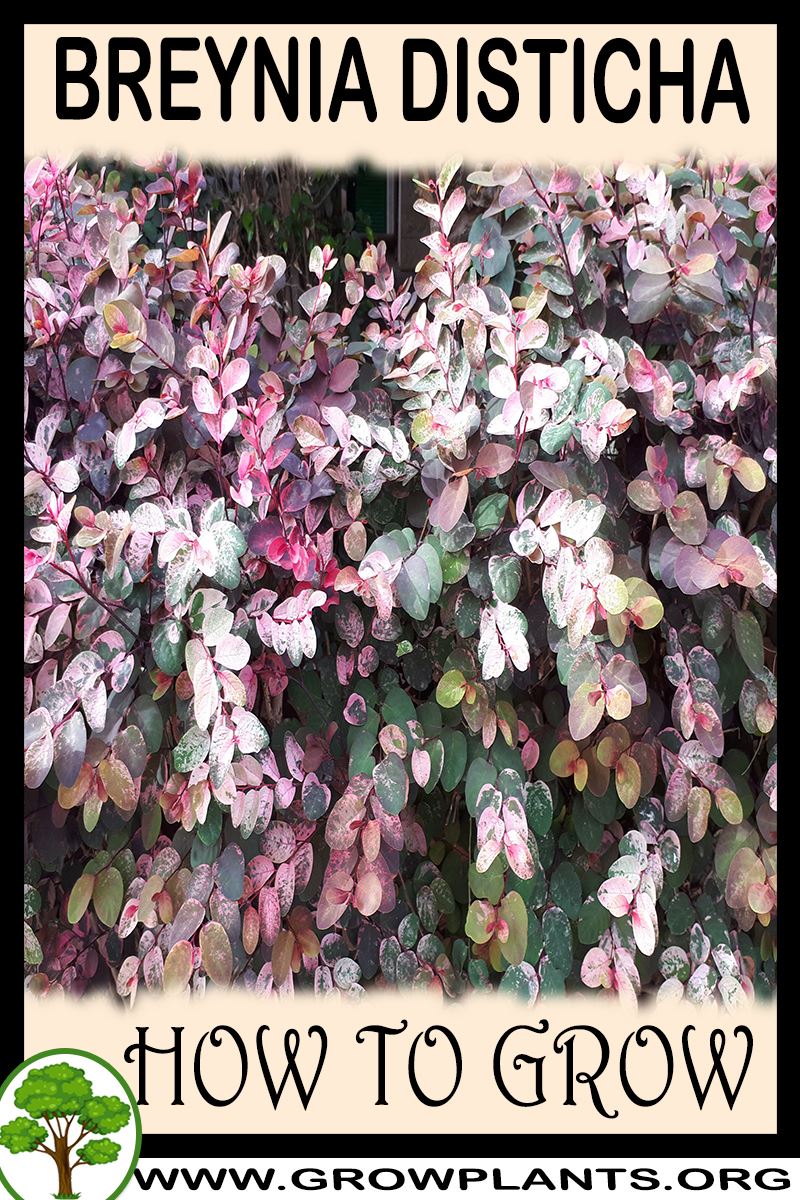
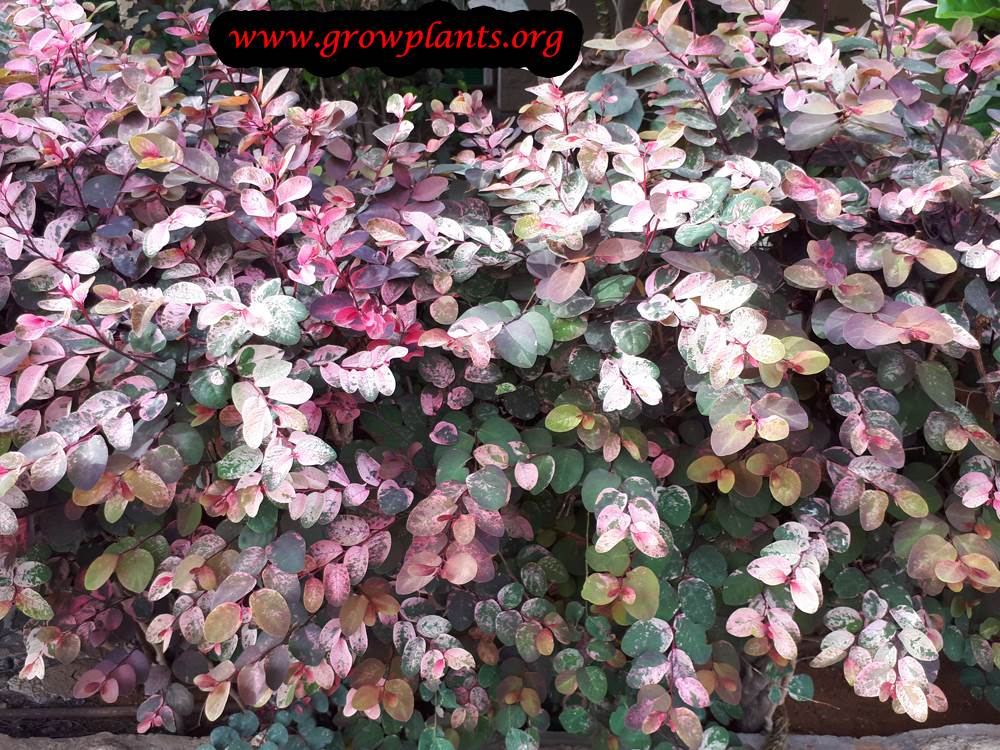
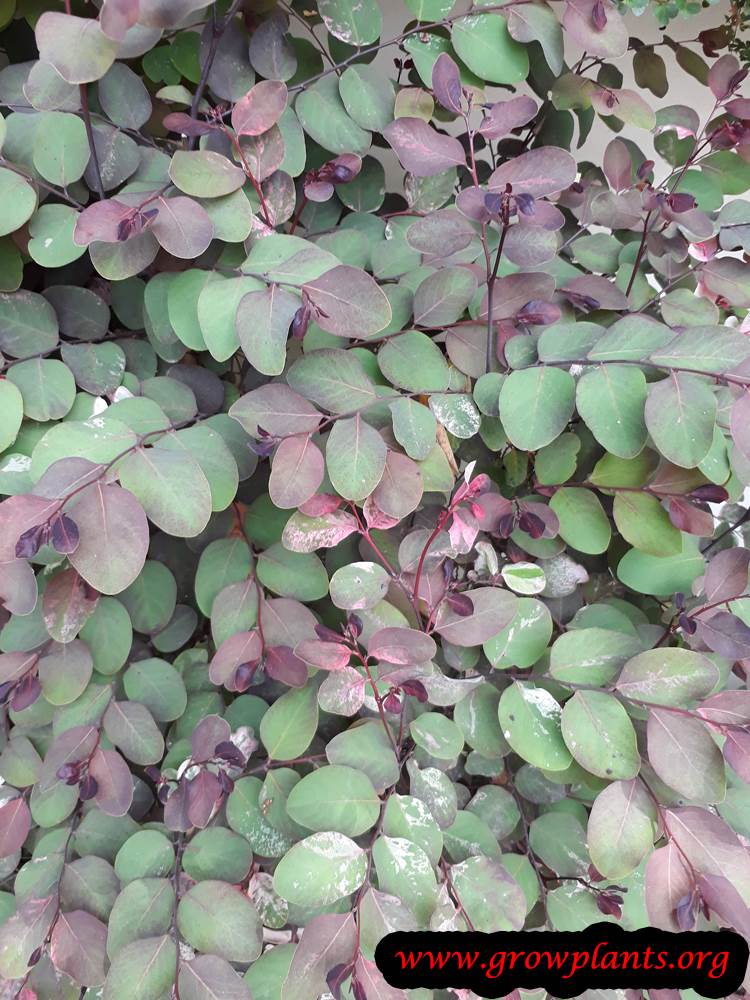
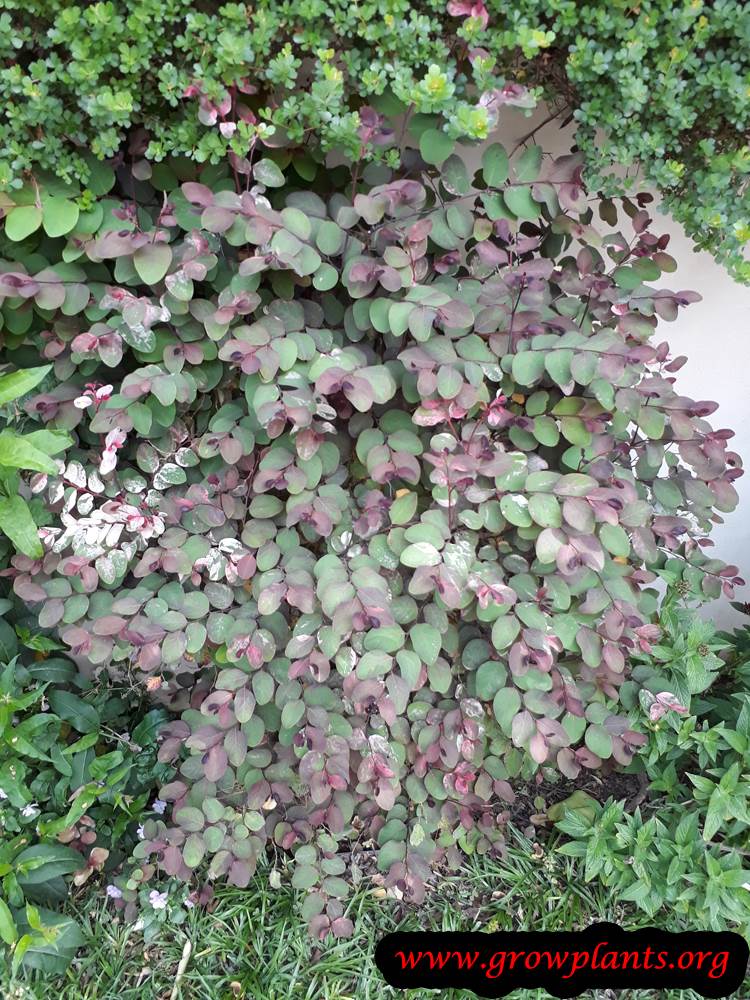
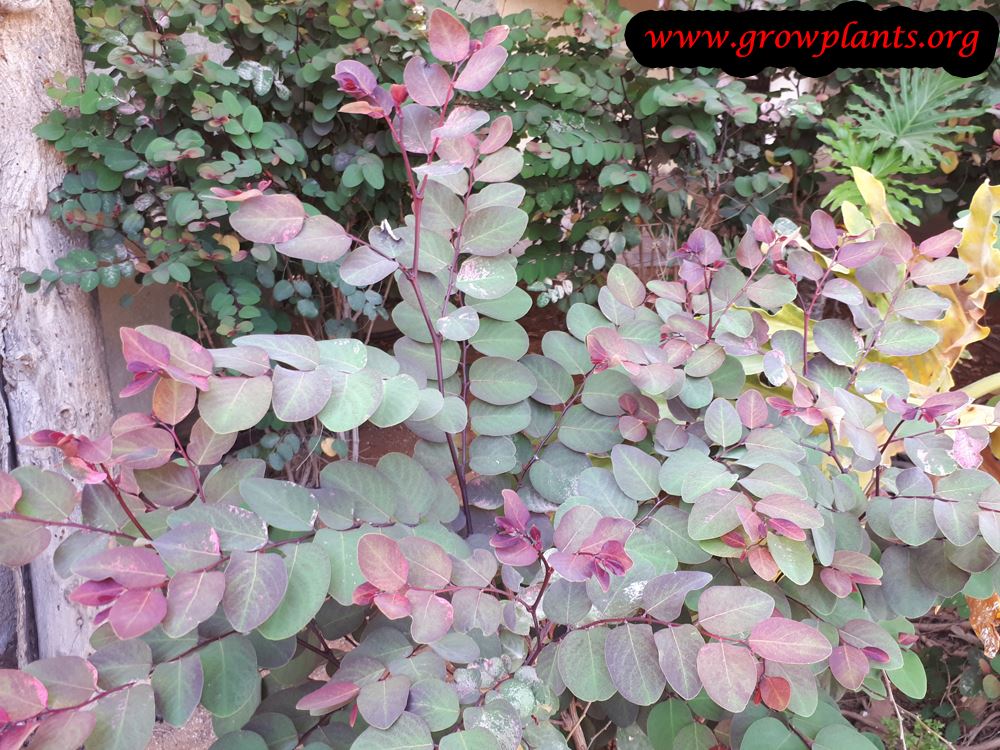
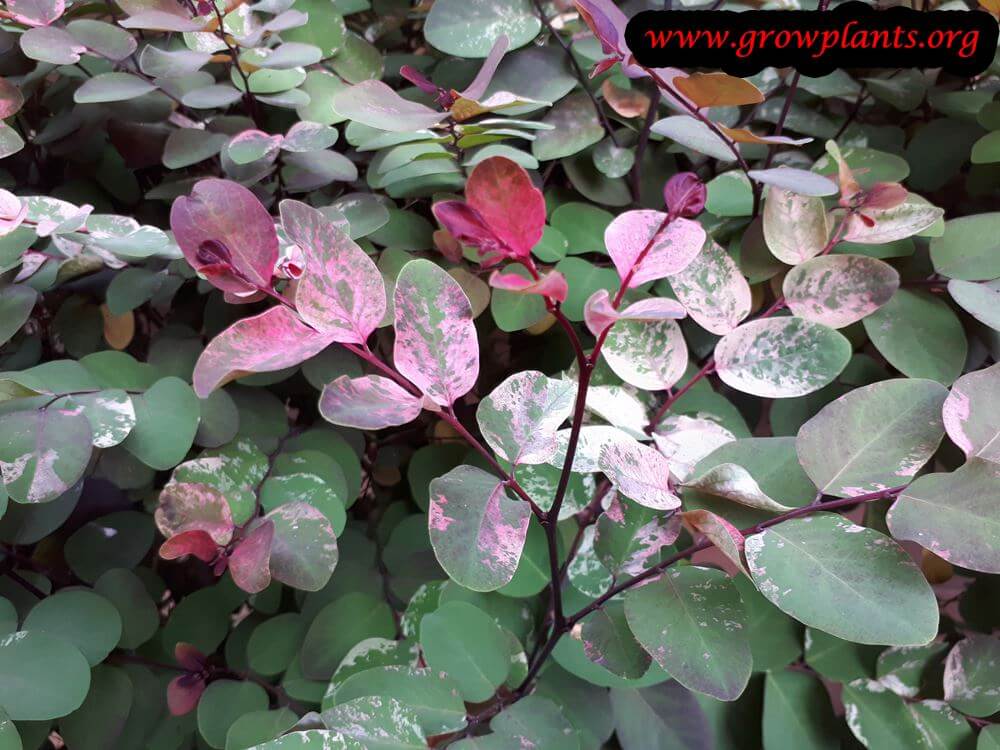
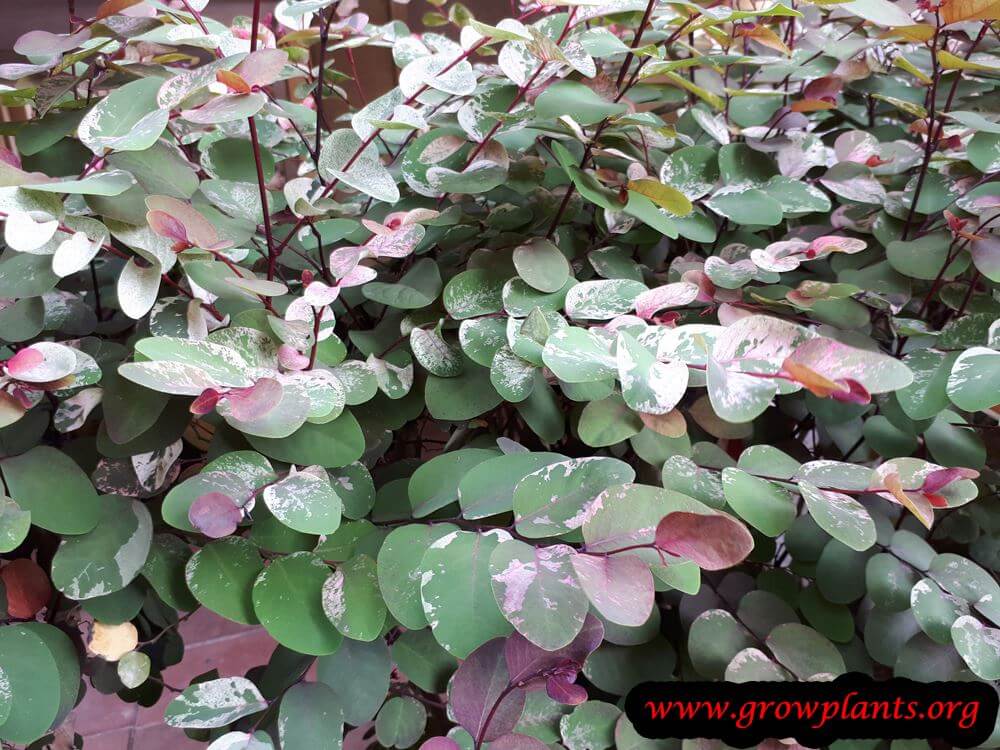
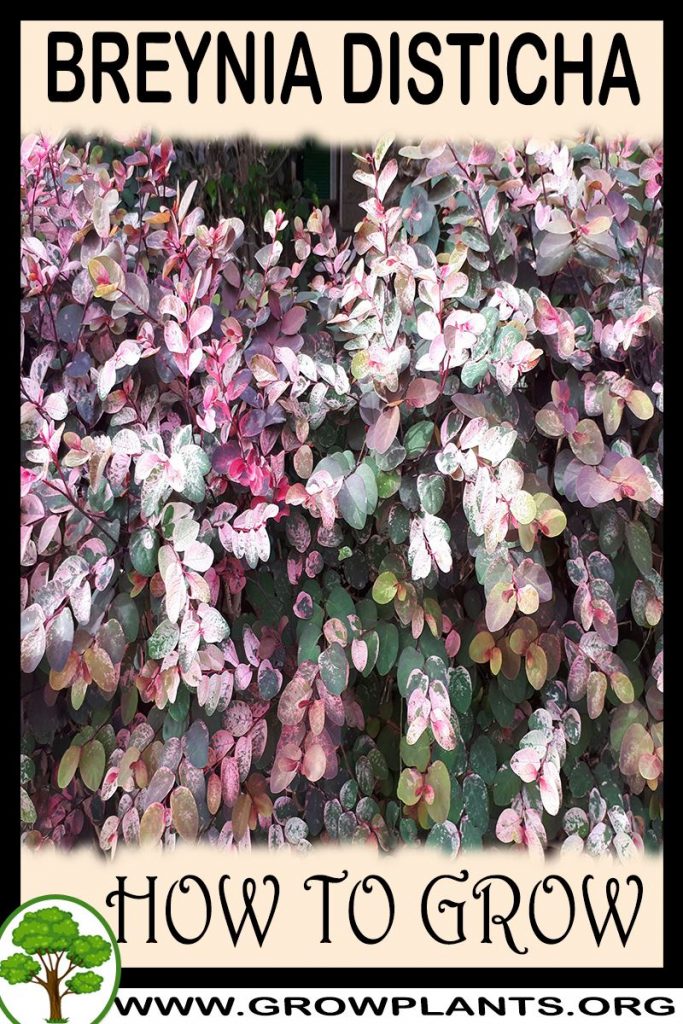
Overview: Breynia disticha (snow bush) is a densely branched evergreen shrub reaching 0.5-2 m, grown for its variegated pink, red and white mottled foliage. This perennial is used as a colourful ornamental and as an informal hedge.
Quick Specifications
| Specification | Attribute |
|---|---|
| Plant Type / Life Cycle | Perennial |
| Foliage Type | Evergreen |
| Mature Size | 0.5-2 m (2-7 ft) tall |
| Growth Rate | Fast to Moderate |
| Hardiness | USDA zone 10b+ (10a with winter protection) |
Growth Form & Structure
- Height & Spread: 0.5-2 m (2-7 ft) in the ground; in a 5-15 L (1.7-4 gal) container it stays smaller and can even be trained as bonsai.
- Growth Habit & Form: Densely branched evergreen shrub with slender, arching wiry stems and mottled foliage.
- Lifespan & Maturity: Perennial; fast to reach hedging size given warmth and sun.
Anatomy & Physical Features
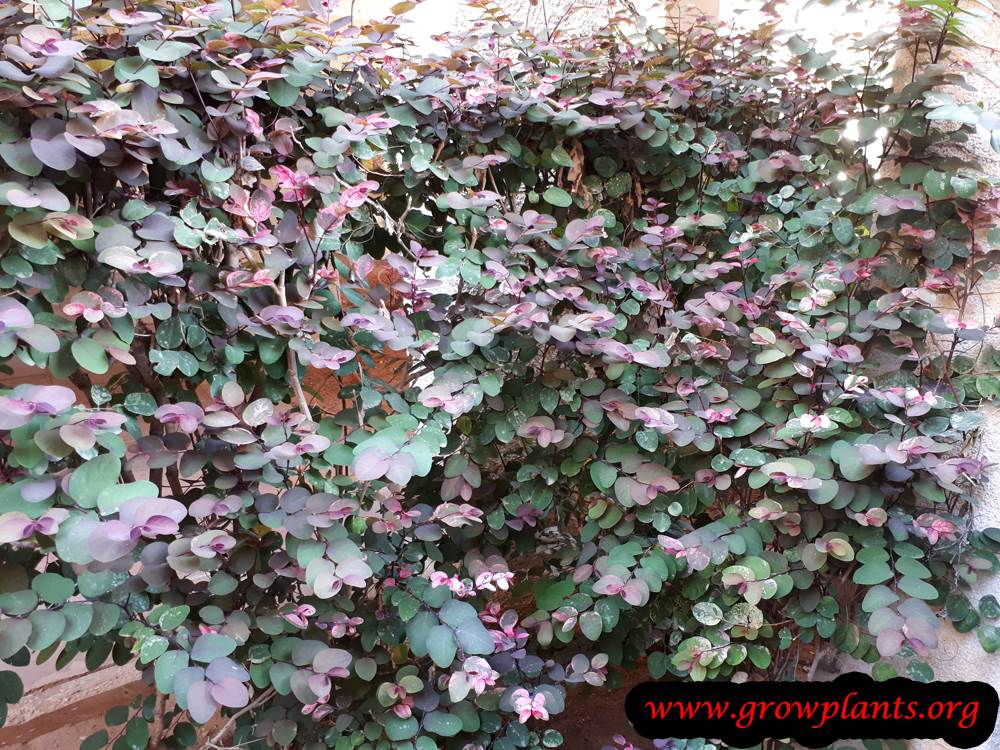
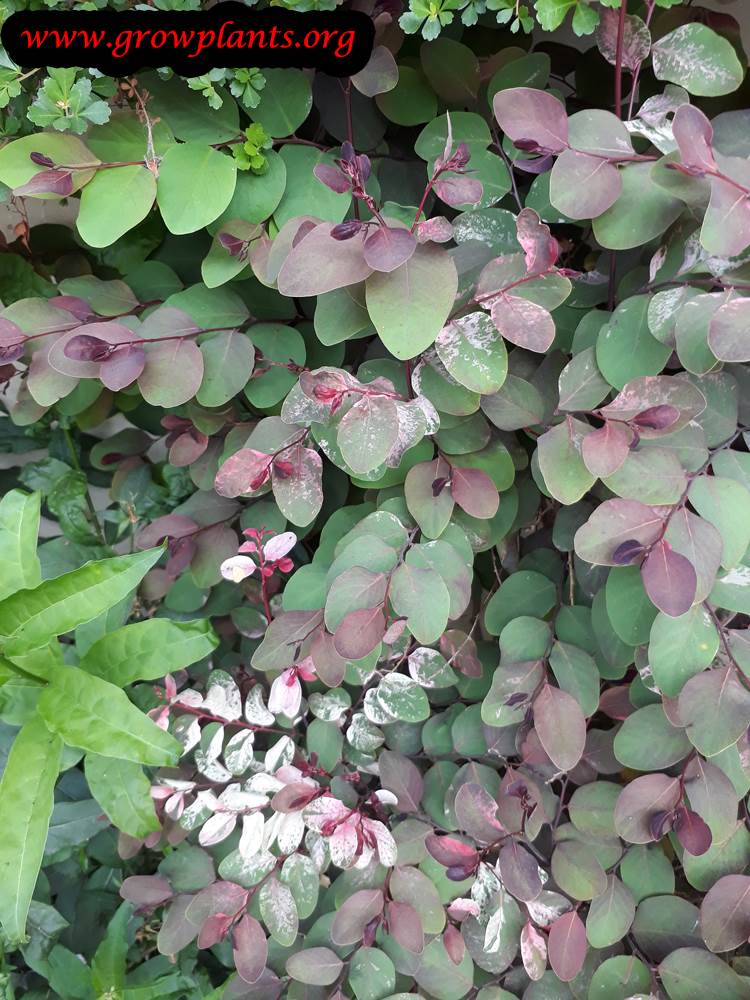
- Leaves & Foliage: Elliptic leaves variegated green with pink, red and white; full sun is needed for strong colour.
- Flower Characteristics: Tiny green flowers, inconspicuous and hidden among the leaves.
Primary Uses & Landscape Value
- Functional & Ornamental Roles: Ornamental foliage plant, informal colourful hedge, container specimen and bonsai subject.
Care Guide: Planting, Soil & Watering
Overview: Snow bush (Breynia disticha) is a colourful, frost-tender shrub that grows best in full sun to half shade in moist, well-drained soil, needing strong light to bring out its pink, white and red leaf tones. It likes steady moisture and a mulch to keep its roots cool and damp.
Quick Care Requirements
| Requirement | Ideal Condition |
|---|---|
| Planting Season | Spring in cooler zones; spring to autumn or year-round in warm, frost-free zones |
| Growth Rate | Moderate to fast |
| Soil Type | Moist, well-draining |
| Water Need | Moderate; keep evenly moist |
Planting & Establishment
- Best Planting Season: Plant in spring in cooler (zone 10a) areas, spring to summer in zone 10b, spring to autumn in zone 11 and year-round in zone 12+; keep it above about 5C.
- How to Plant:
- Hole Preparation: Dig a hole as deep as the root ball plus an extra 50-90 percent, giving the roots loose ground to grow into.
- Soil Amendments: Mix organic matter, humus and dried leaves into some of the excavated soil before backfilling.
- Planting Depth: Gently loosen the outer root ball, set the plant so its collar sits at soil level, firm the soil moderately (neither packed hard nor too loose), then mulch to hold moisture.
- Growth Speed & Expectations: A moderate to fast grower reaching 0.5-2 m, forming a dense, colourful shrub or hedge.
Soil, Watering & Drainage Care
- Soil Mix & Drainage Needs: Wants moist but well-drained soil; in pots use a potting or peat mix with perlite for drainage, and mulch young plants to conserve moisture.
- Watering Schedule & Technique:
- Young / Newly Planted: Water in at planting, then water every day (ideally in the morning) for the first two weeks while the shrub settles.
- Established: Water regularly to keep the soil evenly moist, letting the surface dry only slightly between waterings.
- Seasonal Adjustments: More water in summer heat; reduce in winter while growth slows.
Climate, Light & Hardiness
Breynia disticha thrives in warm, frost-free conditions typical of tropical, subtropical, and mild Mediterranean gardens. It prefers full sun to keep its variegated pink, red, and white leaf colors vivid, and it has essentially no cold hardiness once temperatures approach freezing.
Quick Climate Specifications
| Climate Zones | Tropical, subtropical, mild Mediterranean |
|---|---|
| USDA Hardiness Zones | 10b and warmer; root-hardy into 10a with attentive winter protection |
| Optimal Temp Range | Warm year-round, approximately 18–29°C (64–84°F) |
| Cold Damage Begins | Approximately 5°C (41°F) |
| Approx. Survival Minimum | An established plant may briefly tolerate light chill near 0°C (32°F), but foliage is typically damaged or lost |
| Frost Tolerance | None |
| Light Conditions | Full Sun (best leaf color) to Half Shade |
Sunlight & Light Exposure
Optimal Light Setup
Give this plant as much direct sun as the climate allows - strong light is what produces the vivid pink, red, and white leaf variegation it is grown for.
Direct Sun Requirement
Full sun is genuinely beneficial rather than merely tolerated; without enough direct light the colorful patterning fades and leaves revert to plain green.
Shade & Heat Management
Half shade is tolerated and the plant still grows well, but expect duller, greener foliage than in a full-sun position.
Temperature Extremes & Hardiness
USDA Hardiness & Regional Limits
Reliable outdoors year-round only in zone 10b and warmer; gardeners in 10a can keep it going with attentive overwinter protection such as mulch and wind shelter. Below that it is best treated as a container plant moved under cover for winter.
Cold Damage & Winter Protection
Cold injury begins around 5°C (41°F); mulching young plants and choosing a sheltered, frost-free site is important going into winter.
Frost Sensitivity
Frost sensitive with essentially no frost tolerance - even a light frost is likely to scorch or kill foliage.
Extreme Heat Tolerance
As a tropical/subtropical shrub it handles sustained heat well provided moisture is adequate.
Wind, Humidity & Microclimate
Humidity Preferences
Native to humid tropical regions, it grows best with moderate to high humidity and consistently moist, well-drained soil.
Microclimate Recommendations
In marginal zone 10a locations, a warm, sheltered microclimate - against a sun-facing wall or beneath high canopy - meaningfully improves winter survival odds.
Growing in Pots, Balconies & Indoors
Snowbush (Breynia disticha) is grown for its pink-and-white variegated foliage. The grower does not rate it as a houseplant, and his record gives no specific container note – but as a tender shrub (0.5-2 m, hardy only in warm zones) it takes well to a pot that can be moved to shelter for winter, and it is best enjoyed outdoors in the warm season.
Quick Details
- Container Size: A medium pot, potting up as the shrub grows
- Indoor Suitability: The grower does not list it as a houseplant; at most a very bright, warm, humid spot
- Best Spot: Full sun for the strongest leaf colour; part shade keeps growth but leaves stay greener
- Soil & Drainage: Moist but well-drained potting mix
- Watering in Pots: Average – keep evenly moist; do not let it dry out or sit wet
Indoors & On the Windowsill
- Grower’s view: He does not treat it as a houseplant. If you try it inside, use the brightest, warmest, most humid spot – a conservatory or sunroom – as poor light dulls the variegation and dry air causes leaf drop.
- Overwintering: Its real value in a pot is portability: move it to a bright, frost-free place before cold arrives, since it is not hardy.
On a Balcony or Patio
- Light & wind: On a warm patio it colours best in good light with shelter from cold wind; pots dry fast in heat, so check moisture often.
- Practicalities: Position the pot before filling and allow for drainage runoff.
Choosing the Pot, Soil & Long-Term Care
- Pot & drainage: Use a medium pot with strong drainage holes; skip a standing-water saucer to avoid root rot. Terracotta breathes and dries faster, while glazed or plastic pots hold moisture longer – a plus for this moisture-loving plant.
- Potting mix: A rich, well-aerated organic mix – peat or coir with plenty of compost or organic matter, lightened with perlite or vermiculite for drainage.
- Feeding: Potted plants exhaust their soil quickly as nutrients leach out – feed lightly but regularly through the growing season.
- Repotting: Refresh the mix or pot up about every two years; for clumping perennials, lift and divide, trimming the roots and old top growth as you go.
Growing this plant in a greenhouse
A greenhouse can give breynia disticha frost protection, cold protection, humidity control and extra warmth. In the right climate it may also be kept growing through winter, depending on how much warmth and light are provided.
Greenhouse at a glance
| Greenhouse suitability | Conditional - depends on your climate |
|---|---|
| Main benefits | frost protection, cold protection, humidity control, extra warmth |
| Season extension | earlier spring & later autumn |
| Outdoor protection advisable below | about 5°C |
| Maintain greenhouse minimum | around 5°C for active growth |
| Suitable types | unheated greenhouse, polycarbonate greenhouse, lean-to |
| Heating | Heating is optional - useful mainly for winter growing in cold areas. |
Related greenhouse guides
- Greenhouses: How to Choose the Right Greenhouse
- Best Lean-To Greenhouses
- Polycarbonate Greenhouses: What to Look for Before Buying
Fertilizing & Feeding
A moderate feeder during its warm-season growth flush, when steady balanced nutrition keeps the colorful variegated foliage that makes this shrub valued as a hedge and specimen plant.
Quick Fertilizing Specs
| Feeding Level | Moderate feeder |
|---|---|
| Main Nutrient Priority | Balanced feeding with adequate nitrogen for dense, colorful foliage |
| Best Feeding Period | Spring through the warm active growing season |
| Organic Options | Compost or mulch worked into the root zone, especially while the plant is young |
| Reduce/Stop Feeding | Ease off feeding as growth slows in cooler weather |
| Micronutrients | Usually adequate from a complete fertilizer |
| Soil pH | Tolerates a range of moist, well-drained soils |
Feeding by Growth Stage
Newly planted establishment
Help a newly planted shrub root in and put on its first flush of colorful foliage.
| Nutrient direction | A light, balanced complete fertilizer supports steady rooting and new leaf growth. |
|---|---|
| Timing | Through the first growing season after planting, once new growth shows the plant has rooted in. |
| Frequency | A light feeding as new growth appears, without frequent repeat applications. |
| Fertilizer types | A balanced complete fertilizer at a light rate, Mulch or compost around the root zone to hold moisture |
| Precautions | Hold off feeding immediately at planting; wait until new growth confirms the roots have taken hold. |
Warm-season foliage growth
Sustain the dense, colorful leaf growth that makes this shrub a striking hedge or specimen plant.
| Nutrient direction | A balanced complete fertilizer with adequate nitrogen supports vigorous, well-colored foliage, especially in full sun where leaf color is strongest. |
|---|---|
| Timing | Through the warm active growing season. |
| Frequency | An occasional light feeding sustains dense growth without forcing weak stems. |
| Fertilizer types | A balanced complete fertilizer, A light compost top-dressing |
| Precautions | Avoid excess nitrogen, which can push soft growth more prone to aphids and mealybugs. |
Cool-season rest
Let the shrub coast through cooler weather without pushing new growth that is vulnerable to cold.
| Nutrient direction | None – withhold fertilizer while the plant is not in active growth. |
|---|---|
| Timing | During cooler weather, particularly outside its frost-free comfort zone. |
| Frequency | No feeding at this stage. |
| Fertilizer types | No feeding at this stage; do not fertilize until active growth resumes in warm weather. |
| Precautions | Withhold fertilizer during the cool-season rest; new growth forced now is more susceptible to cold injury. |
Nutrient Deficiency Signs & Corrections
Older leaves fade toward plain green or pale, with reduced variegation and slower growth.
| Possible causes | low available soil nitrogen, nutrient leaching from frequent watering, low light reducing the plant’s ability to use available nutrients |
|---|---|
| Appears first on | older, lower leaves |
| What to check | recent feeding history, light exposure, soil organic matter |
| Possible correction | Apply a balanced complete fertilizer and ensure adequate sun for best leaf color. |
New leaves show interveinal yellowing while veins remain green.
| Possible causes | high soil pH tying up iron, waterlogged or compacted soil, root stress limiting uptake |
|---|---|
| Appears first on | newest leaves |
| What to check | soil drainage, recent watering habits, overall root health |
| Possible correction | Improve drainage and apply a chelated iron product per its label if the pattern persists. |
Leaf margins brown or scorch and growth stalls despite regular watering, especially in containers.
| Possible causes | fertilizer salt buildup in container soil, under-watering that concentrates salts, excessive or too-frequent feeding |
|---|---|
| Appears first on | leaf margins and tips |
| What to check | recent fertilizer amounts, watering consistency, container drainage |
| Possible correction | Ease off feeding and water thoroughly to flush accumulated salts, then return to lighter feeding. |
Pruning, Training & Seasonal Maintenance
Breynia disticha (snow bush) is grown for its variegated pink/white/purple foliage and is used both as an informal flowering-foliage shrub and as a clipped hedge, so its pruning approach depends on which role it’s filling. It tolerates pruning well and takes it in autumn/winter, mainly to remove dead leaves and to keep its shape – whether that shape is a loose natural form or a tight hedge line.
Quick Pruning & Maintenance Specs
| Pruning Tolerance | Moderate to High |
| Primary Pruning Window | Autumn/Winter |
| Typical Frequency | 1–2 shaping sessions a year for hedges; occasional tidy-up for informal specimens |
| Main Objective | Maintain shape (hedge line or informal form) and remove dead leaves |
| Young Plant Priority | Light pinching/tipping to build a bushy, well-branched framework |
| Mature Plant Priority | Shape maintenance; opening the canopy where shade is dulling leaf color |
| Best Tool Type | Hedge shears if grown as a hedge; bypass secateurs for informal specimens |
| Avoid Heavy Pruning During | Just before cold snaps – it is frost-tender (wants above 5°C) and fresh growth is more cold-sensitive than hardened growth |
Pruning by Plant Age & Size
Newly Established
Pinch or lightly tip young plants to encourage branching from the base rather than a single leggy stem.
Young / Formative
For hedge use, begin light shearing once plants have filled in somewhat, to build density from early on. For specimen/informal use, selectively trim to encourage a bushy, multi-stemmed shape.
Mature / Established
Maintain the hedge line with regular shearing, or, for informal plantings, thin and tip to keep the leaf color showy – this plant colors up best in full sun, so opening a canopy that has shaded itself out helps restore foliage color.
Structural Pruning & Training
As a hedge plant it takes structured, repeated shearing well. As an informal specimen it instead benefits from selective thinning that lets light into the interior, since leaf coloration fades toward plain green without enough sun.
Container & Small-Space Pruning
Breynia disticha is also grown in containers and, at a smaller scale, trained as bonsai. In pots, size is managed jointly through top-pruning and root work: when the root ball fills the container (typically switching to fresh soil every few years), prune both roots and top growth together at repotting, ideally in winter, rather than relying on top-pruning alone to keep it compact.
Tools
- hedge_shears – for plants grown and maintained as a clipped hedge
- bypass_secateurs – for informal specimens, selective thinning, and bonsai-scale work
Tool Hygiene & Disease Risk
Routine: clean, sharp tools are enough. Its recorded pests are aphids and mealybugs rather than cut-transmitted pathogens, so routine hygiene (not disinfection between every cut) is appropriate.
Cut Placement & Technique
For hedges, keep the shear line slightly narrower at the top than the base so lower growth still gets light. For informal shaping, cut back to just above a leaf node or side shoot rather than mid-internode stubs.
Heavy Pruning & Rejuvenation
Tolerates a hard cutback well when leggy or overgrown, ideally timed for late winter/early spring so the resulting flush of soft growth isn’t exposed to an immediate cold snap.
Post-Pruning Care
Water in normally after pruning; protect from frost if a cold night is forecast shortly after a hard prune, since new growth is more tender than hardened wood. No extra feeding is required.
Common Pruning Mistakes
- Shearing a heavily shaded specimen without also thinning for light, so leaves regrow green instead of colorful.
- Hard-pruning right before a cold snap and losing the resulting soft flush to frost.
When NOT to Prune
Avoid pruning immediately ahead of a frost or cold spell (below about 5°C), since this species is frost-tender and freshly cut/regrowing tissue is the most vulnerable part of the plant.
Recommended Tools (by task)
- Hedge shaping – hedge_shears: purpose-built for the repeated, even shearing this plant’s hedge use calls for.
- Informal shrub shaping/deadleafing – bypass_secateurs: precise selective cuts for a plant grown for its individual leaf color.
- Container/bonsai root-and-top pruning at repot – bypass_secateurs, paired with routine root work at soil change.
Pruning Troubleshooting
| Problem | Possible Cause | What to Check | Corrective Action |
| Foliage color fading to plain green | Insufficient light reaching the leaves | Canopy density and surrounding shade | Thin the canopy or relocate/increase sun exposure; color intensifies with more direct sun |
| Sparse, leggy growth | No formative pinching when young, or infrequent shearing | Branching structure near the base | Tip/pinch new growth and resume a regular shearing schedule |
| Dieback after a hard prune in cold weather | Frost damage to tender post-pruning regrowth | Timing of the prune relative to recent cold snaps | Shift hard pruning to a point safely ahead of any frost risk |
Propagation Guide
Breynia disticha (Snow bush) is best propagated from stem cuttings, since the site notes that named leaf-colour forms should be started from cuttings to keep their pink/white/red variegation – seed-grown plants may vary. Cuttings root readily, making this an easy shrub to propagate, while seed is a slower, less colour-reliable alternative.
Quick Propagation Specs
| Best Propagation Method | Stem Cuttings |
| Alternative Methods | Seed |
| Propagation Difficulty | Easy |
| Seed True-to-Type | Variable – site notes cuttings are needed for specific leaf colours |
| Vegetative True-to-Type | Yes |
| Best Propagation Season | Spring to summer, matching the site’s planting-season window for this species’ hardiness zone |
| Cutting Rooting Time | Typically a few weeks under warm, humid conditions |
| Germination Temperature | Warm, roughly 21–27°C (70–80°F) |
Growing from Seed
Seed is a workable but secondary option; leaf-colour intensity and pattern are not guaranteed to match the parent, so it’s mainly useful when a specific colour form isn’t required. Sow in warm conditions and expect variable results in seedling leaf colouring.
Stem Cuttings
Cutting Type
Semi-hardwood tip or stem-section cuttings.
Best Timing
Spring through summer, during active growth.
Cutting Preparation
Take a cutting a few nodes long, removing lower leaves to reduce water loss.
Rooting Setup
Insert into a moist, well-draining mix under warm, humid conditions (light misting or a covered tray helps).
Rooting Hormone
Optional – not required, but can speed and even out rooting.
Rooting Time
Typically a few weeks.
Bloom & Flower Guide
Quick Details
- Bloom Season: Spring and summer
- Flower Appearance: Tiny green flowers, half-hidden among the leaves
- Edibility: Ornamental only – grown for its pink-and-white variegated foliage, not for the flowers
Detailed Blooming Overview
Snow bush is grown for its splashed pink, white and green foliage, and the flowers are very much an afterthought. Through spring and summer it produces tiny green flowers tucked in among the leaves, so small and quiet that they are easily missed. The display, as ever with this shrub, is all in the colourful leaves.
Flower Characteristics
- Very small green flowers.
- Held close to the stems and hidden between the leaves.
Bloom Care & Thinning
- Managing the bloom: No special care is needed for the flowers; prune for shape and foliage, and give it good light to keep the leaf colour strong.
Pests, Diseases & Troubleshooting
Overview: Snow bush (Breynia disticha) is a tender ornamental grown for its mottled pink-and-white foliage; it is not especially pest-prone but, like many soft-leaved shrubs, attracts sap-suckers under glass or in dry indoor air. Steady warmth, humidity and even moisture keep it dense and colourful, while sudden cold, drafts or dryness cause the leaf drop that is its most common complaint.
Quick Troubleshooting Overview
| Issue / Pest | Main Symptom | Primary Solution |
|---|---|---|
| Aphids | Sticky, curled new shoots with clustered soft insects | Rinse off; insecticidal soap; conserve predators |
| Mealybugs | White cottony tufts in leaf axils; honeydew and sooty mould | Alcohol swab; soap/light oil; isolate new plants |
| Whitefly | Clouds of tiny white flies rise when foliage is disturbed | Yellow sticky traps; soap on leaf undersides |
| Spider mites | Fine speckling, bronzing and webbing in dry heat | Raise humidity; rinse foliage; light oil if severe |
| Leaf drop | Sudden loss of leaves after cold, draft or dry-out | Keep warm, humid, evenly moist; avoid draughts |
| Faded variegation | Pink/white colour fades to plain green in low light | Give bright filtered light |
Common Pests & Management
- Aphids (Aphidoidea):
- Symptoms: Soft green, pink or black aphids cluster on the tender new shoot tips and leaf undersides, distorting growth and leaving sticky honeydew that supports black sooty mould.
- Prevention & Control: Rinse colonies off with a jet of water and conserve ladybirds and lacewings outdoors. Insecticidal soap or a light horticultural oil on leaf undersides clears heavier infestations; avoid excess nitrogen that drives soft, aphid-prone growth.
- Mealybugs (Pseudococcus / Planococcus spp.):
- Symptoms: White cottony blobs tuck into leaf axils, stem junctions and the undersides of leaves, secreting honeydew; heavy colonies yellow the foliage and weaken the plant, and root mealybug can infest the root ball.
- Prevention & Control: Dab visible colonies with an alcohol-tipped swab and follow with insecticidal soap or light oil weekly until clear. Inspect roots at repotting, isolate new plants, and keep humidity up to discourage them.
- Whitefly (Trialeurodes vaporariorum):
- Symptoms: Tiny white moth-like flies rise in a cloud when the plant is disturbed; their scale-like nymphs on leaf undersides excrete honeydew and cause mottling and weak, dull foliage.
- Prevention & Control: Hang yellow sticky traps to catch adults and monitor, and spray insecticidal soap or light oil to the leaf undersides where nymphs feed, repeating to catch new hatches. Encarsia parasitic wasps help under glass.
- Two-spotted spider mite (Tetranychus urticae):
- Symptoms: In warm, dry indoor air the leaf undersides show fine pale stippling, the foliage takes on a dull bronzed tone and fine webbing appears in bad cases; leaves may drop.
- Prevention & Control: Raise humidity and rinse or mist the foliage regularly – mites detest moist air. Conserve or introduce predatory mites and use a light oil or soap only if the stippling spreads.
- Scale insects (Coccidae / Diaspididae):
- Symptoms: Brown or grey limpet-like bumps on stems and leaf undersides, immobile and sticky (soft scale) with honeydew and sooty mould, sapping vigour.
- Prevention & Control: Rub or scrape off light infestations and dab with alcohol. A horticultural oil smothers the crawler stage; repeat and prune out heavily encrusted shoots. Isolate affected plants to prevent spread.
- Root-knot nematode (Meloidogyne spp.):
- Symptoms: In warm garden soils affected plants are stunted and prone to wilting in heat, with knotty galls swelling the roots and reducing water uptake.
- Prevention & Control: Grow in clean or container mix, keep plants well-mulched and watered to mask light damage, and rotate planting sites. Solarising infested soil and adding organic matter to boost antagonistic microbes helps reduce populations.
Diseases & Fungal Issues
- Fungal leaf spot (Cercospora / Colletotrichum spp.):
- Symptoms: Brown or dark spots, sometimes with yellow haloes, appear on leaves in warm humid conditions with poor airflow and can merge, causing some leaf drop.
- Treatment & Management: Improve air circulation, avoid overhead watering late in the day and remove spotted leaves and debris. A copper fungicide checks persistent outbreaks; good spacing and dry foliage usually prevent it.
- Root & stem rot (Pythium / Phytophthora / Rhizoctonia):
- Symptoms: In soggy, poorly drained soil or overwatered pots the roots and stem base blacken and rot, the plant wilts despite wet soil and foliage yellows and collapses.
- Treatment & Management: Use a free-draining medium, let the surface dry between waterings and ensure pots drain freely. Remove rotted tissue, avoid deep planting, and re-establish cuttings if the parent is lost.
Growing Difficulties & Abiotic Problems
- Leaf drop:
- Cause & Symptoms: Sudden temperature drops, cold draughts, dry air or letting the root ball dry out trigger rapid shedding of leaves – the plant’s classic stress response.
- Correction Strategy: Keep it consistently warm (frost-free, no cold draughts), maintain humidity and even soil moisture, and avoid moving it between very different environments.
- Loss of variegation:
- Cause & Symptoms: In low light the pink-and-white mottling fades toward plain green as the plant makes more chlorophyll to compensate.
- Correction Strategy: Give bright, filtered light (some gentle direct sun) to restore and intensify the colourful new growth.
- Leaf-tip / margin scorch:
- Cause & Symptoms: Hot direct sun, low humidity or salt build-up from hard water burns leaf edges and tips brown and crisp.
- Correction Strategy: Shade from harsh midday sun, raise humidity, flush pots occasionally to leach salts and water with softer water where possible.
What Helps – Products & Tools
Snow bush needs only gentle remedies: insecticidal soap and a light horticultural oil for aphids, mealybug, whitefly, scale and mites (on leaf undersides), rubbing alcohol for spot-treating mealybug and scale, yellow sticky traps for whitefly monitoring, and a copper fungicide for leaf spot. Good humidity, even watering and bright filtered light do more for its looks than any spray.
Varieties & Cultivars
- Roseo Picta — Learn more about Roseo Picta · Shop Roseo Picta on Amazon