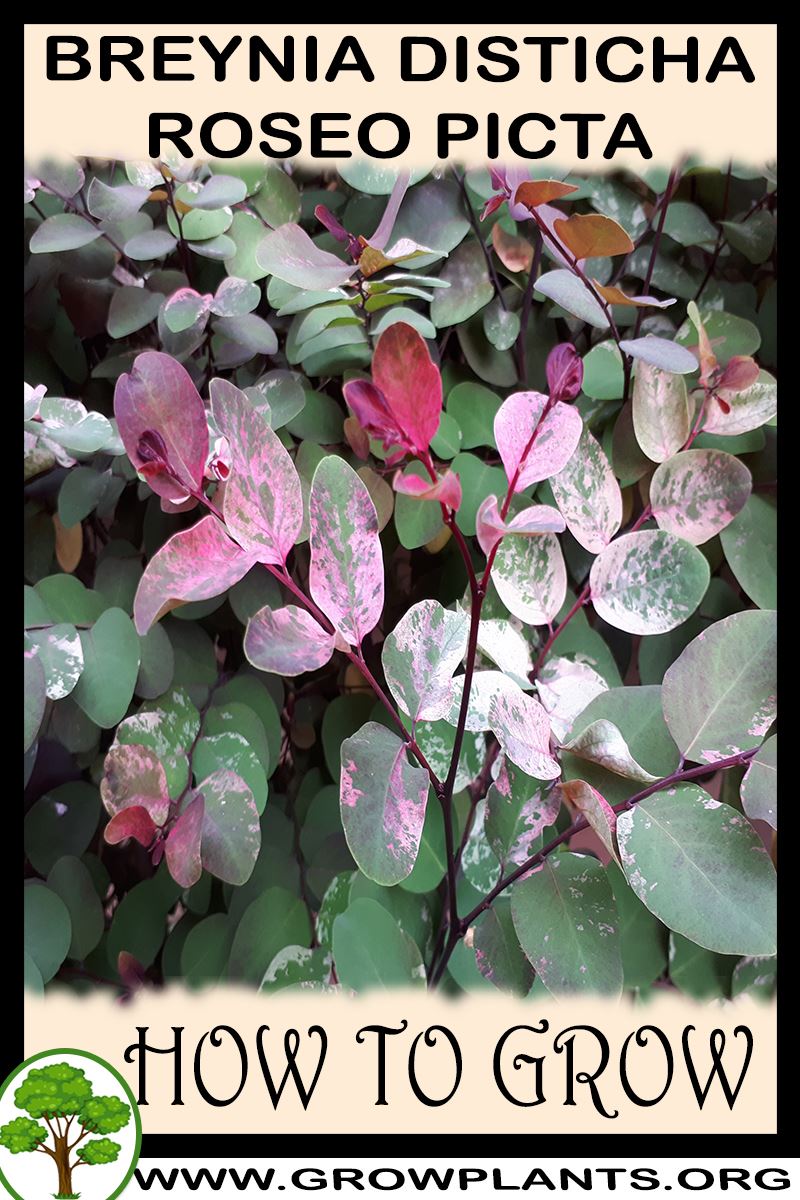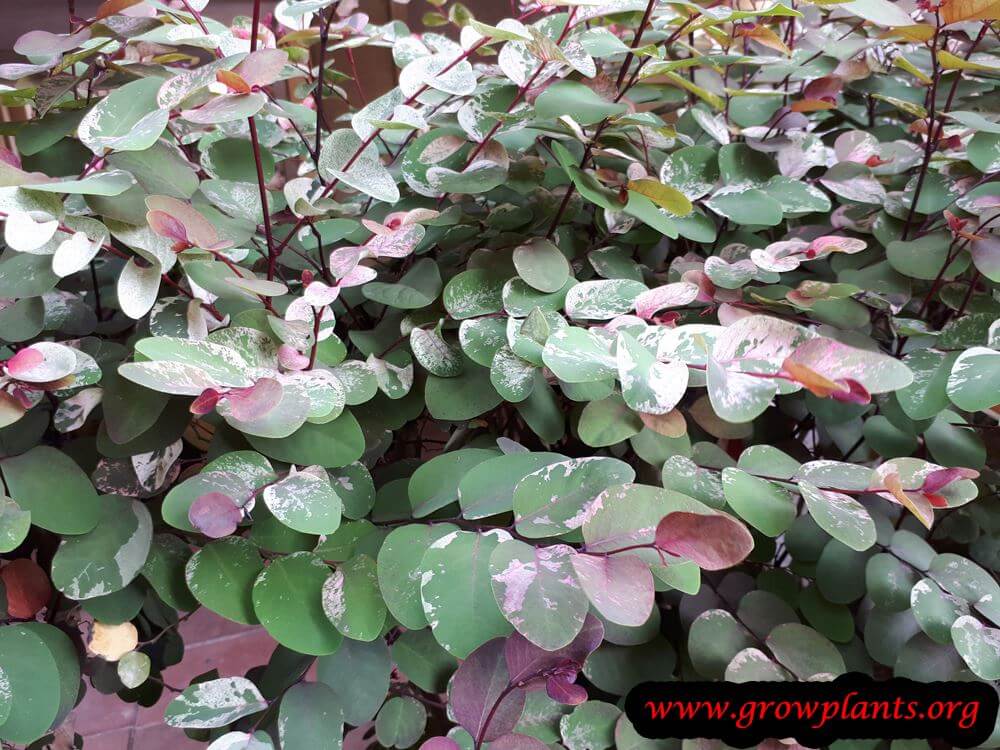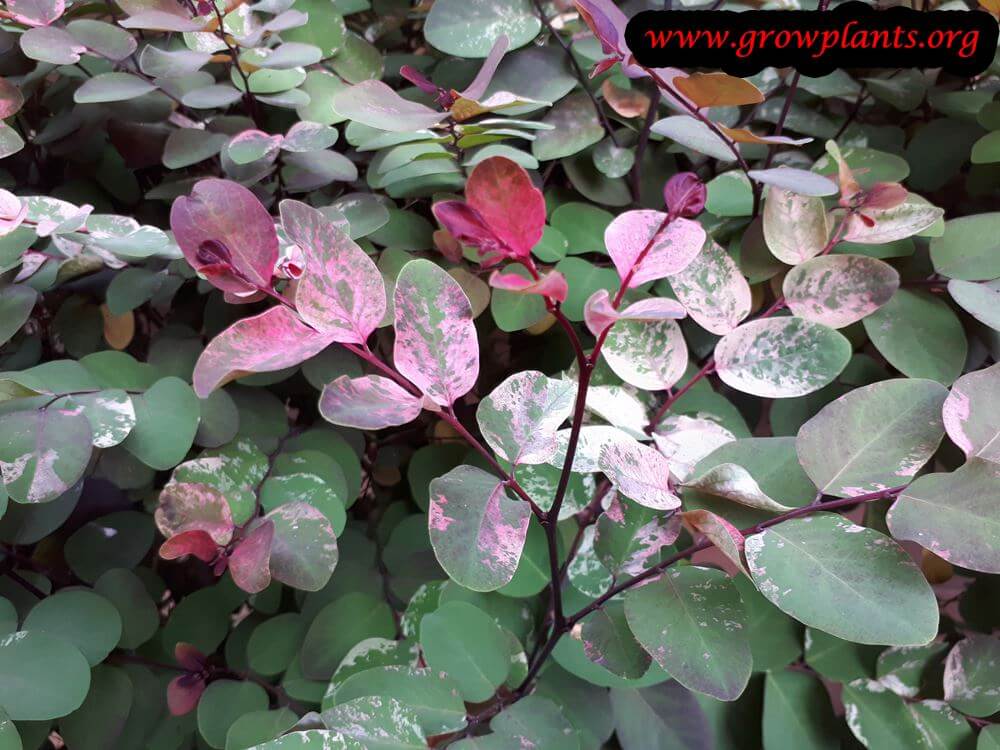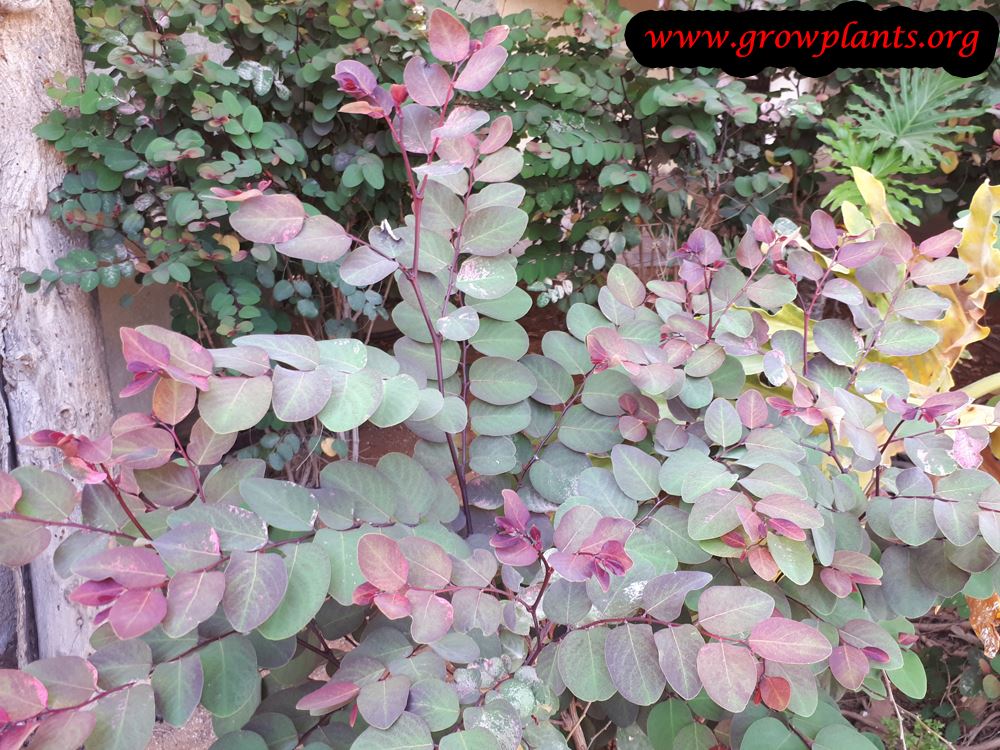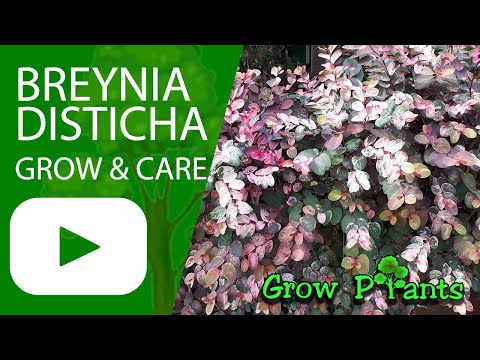

Plant Profile & Key Characteristics
Overview: Breynia disticha ‘Roseo picta’ is an evergreen shrub reaching 0.5-2 m, grown for its green, white and pink variegated foliage. This perennial cultivar is used as a colourful ornamental and hedge plant.
Quick Specifications
| Specification | Attribute |
|---|---|
| Plant Type / Life Cycle | Perennial |
| Foliage Type | Evergreen |
| Mature Size | 0.5-2 m (2-7 ft) tall |
| Growth Rate | Fast to Moderate |
| Hardiness | USDA zone 10+ |
Growth Form & Structure
- Height & Spread: 0.5-2 m (2-7 ft) in the ground; stays more compact in a container.
- Growth Habit & Form: Densely branched evergreen shrub with slender arching stems and variegated foliage.
- Lifespan & Maturity: Perennial; fast to reach hedging size in warm conditions.
Anatomy & Physical Features
- Leaves & Foliage: Elliptic leaves variegated green with white and pink; full sun is needed for strong colour.
- Flower Characteristics: Tiny green flowers, inconspicuous and hidden among the leaves.
Primary Uses & Landscape Value
- Functional & Ornamental Roles: Ornamental foliage plant, colourful informal hedge and container specimen.
Care Guide: Planting, Soil & Watering
Overview: Snow bush is a tender evergreen shrub that grows best in warm, frost-free conditions (above about 5°C) in full sun to half shade, where good light keeps its pink-and-white variegation vivid. Give it moist, well-drained soil and mulch young plants to keep the roots cool and evenly moist.
Quick Care Requirements
| Requirement | Ideal Condition |
|---|---|
| Planting Season | In the warm, frost-free season — spring, summer or autumn |
| Growth Rate | Moderate to Fast |
| Soil Type | Moist but well-draining soil enriched with organic matter |
| Water Need | Moderate — keep evenly moist, not waterlogged |
Planting & Establishment
- Best Planting Season: Plant in spring, summer or autumn while it is warm and frost-free (above about 5°C) so it establishes before any cold.
- How to Plant:
- Hole Preparation: Dig a hole about twice the width of the root ball to loosen the surrounding soil for the roots.
- Soil Amendments: Blend compost or organic matter into the backfill for moisture retention and fertility, and mulch young plants.
- Planting Depth: Set the shrub at its original growing depth, root collar level with the soil; firm and water in.
- Growth Speed & Expectations: Moderate to fast, forming a dense 0.5–2 m shrub that responds well to pruning for hedging or shape.
Soil, Watering & Drainage Care
- Soil Mix & Drainage Needs: Keep the soil moist but well-drained; a mulch layer conserves moisture and steadies temperature, while free drainage prevents root rot.
- Watering Schedule & Technique:
- Young / Newly Planted: Water regularly and mulch to keep the soil consistently moist as it establishes.
- Established: Water moderately to keep the soil evenly moist, letting only the surface dry between waterings.
- Seasonal Adjustments: Water more in summer heat; reduce in cool weather and protect from frost.
Climate, Light & Hardiness
Breynia disticha Roseo picta (snow bush) grows in tropical, subtropical, and Mediterranean climates and is hardy outdoors in USDA zone 10 and above. It needs full sun to half shade for good leaf variegation and must be kept frost-free.
Quick Climate Specifications
| Climate Zones | Tropical, subtropical, Mediterranean |
|---|---|
| USDA Hardiness Zones | 10+ |
| Approx. Survival Minimum | Approximately 5°C (41°F) |
| Frost Tolerance | None |
| Light Conditions | Full Sun to Half Shade |
Sunlight & Light Exposure
Optimal Light Setup
Grow in full sun to half shade. Sun exposure matters for this plant's ornamental value - without enough light, the pink-and-white leaf variegation fades and the foliage reverts to plain green.
Shade & Heat Management
Some afternoon shade in very hot climates can protect the foliage from scorch while still keeping the variegation vivid.
Temperature Extremes & Hardiness
USDA Hardiness & Regional Limits
Hardy outdoors in USDA zone 10 and warmer; needs container culture or winter protection in colder climates.
Cold Damage & Winter Protection
Needs to stay above roughly 5°C (41°F); when young, mulch around the base for extra winter insulation.
Frost Sensitivity
Frost-sensitive; avoid any exposure to freezing temperatures.
Wind, Humidity & Microclimate
Rainfall & Seasonal Moisture
Prefers consistently moist conditions rather than a pronounced dry season.
Growing in Pots, Balconies & Indoors
The snow bush (Breynia disticha ‘Roseo Picta’) is a tender tropical shrub grown for its pink-and-white marbled foliage. The grower does not class it as a room houseplant, but its love of warmth makes it a fine pot plant for a bright windowsill, a summer patio, or overwintering under cover in cold climates.
Quick Details
- Container Size: A medium pot for a young plant, potting up as it grows (general guidance)
- Indoor Suitability: Not rated a full houseplant; happiest on a warm, bright, draught-free windowsill
- Best Spot: Full sun to half shade; bright light keeps the leaf colour strong
- Soil & Drainage: Aerated, organic-rich mix that drains freely
- Watering in Pots: An average amount – keep lightly moist; pots dry faster than open ground
Indoors & On the Windowsill
- Houseplant limits: The grower does not recommend it as a deep-room plant; away from a window the light is too weak to hold its variegation.
- Windowsill growing: A warm, bright, humid spot near a window suits it well – avoid cold draughts.
- Overwintering: It is frost-tender, so in cold climates the main reason to pot it is to bring it indoors over winter and return it outside once warmth returns.
On a Balcony or Patio
- Light & wind: Give it a warm, sheltered spot in sun or light shade; shelter from strong wind, and check moisture often as pots near warm walls dry quickly.
Choosing the Pot, Soil & Long-Term Care
- Pot & drainage: A container with strong drainage holes; skip a standing saucer to avoid root rot. Glazed or plastic pots hold moisture a little longer, which suits its taste for steady moisture.
- Potting mix: Use a well-aerated, organic-rich mix – potting compost with perlite or vermiculite (or peat/coir blended with grit) so water drains freely.
- Feeding: Potted plants are fed more often than those in the ground because nutrients wash out with each watering – a balanced liquid feed through the growing season keeps them going.
- Repotting: Refresh the mix or pot up about every two years; for perennials, lightly prune the root ball and top growth when you do.
Fertilizing & Feeding
A light feeder: this evergreen hedge shrub is grown mainly for its pink-and-white variegated foliage, so a light, balanced feeding through the frost-free growing season keeps color and density up without pushing coarse, plain-green growth.
Quick Fertilizing Specs
| Feeding Level | Light feeder |
|---|---|
| Main Nutrient Priority | A balanced complete fertilizer with adequate nitrogen for leafy hedge growth |
| Best Feeding Period | Spring through autumn while the plant is actively growing |
| Organic Options | Mulch and organic matter, especially useful while the plant is young |
| Reduce/Stop Feeding | Hold off feeding through frost protection and cool-weather rest |
| Micronutrients | Usually met by a complete fertilizer and organic matter; correct only a diagnosed issue |
Feeding by Growth Stage
Spring flush of new growth
Support the fresh flush of colorful, variegated leaves as growth resumes.
| Nutrient direction | A balanced complete fertilizer with adequate nitrogen fuels new leafy growth and hedge density. |
|---|---|
| Timing | As growth resumes in spring, or when planting in spring through autumn. |
| Frequency | A light feeding at the start of active growth. |
| Fertilizer types | A balanced complete fertilizer, Mulch and organic matter worked in, particularly for young plants |
| Precautions | Keep feeding light; overfeeding tends to produce coarse, plain-green growth that loses the pink-and-white variegation. |
Warm-season active growth
Maintain dense, well-colored hedge growth through the frost-free growing season.
| Nutrient direction | Occasional light balanced feeding sustains foliage color and hedge fullness without forcing soft growth. |
|---|---|
| Timing | Through spring, summer, and into autumn while the plant is actively growing. |
| Frequency | An occasional light feeding is enough for this modest feeder. |
| Fertilizer types | A balanced complete fertilizer, Mulch or compost as a top-dressing |
| Precautions | Avoid heavy feeding, which can push soft growth that is more prone to frost damage and pest problems such as aphids. |
Cool-season and frost-protection rest
Let the plant coast through cool weather or frost protection without pushing tender new growth.
| Nutrient direction | None – withhold fertilizer while the plant is not in active growth. |
|---|---|
| Timing | During cool weather or whenever the plant needs frost protection. |
| Frequency | No feeding during this rest; resume only when active growth returns. |
| Fertilizer types | No feeding at this stage; do not fertilize until active growth resumes in spring. |
| Precautions | Withhold fertilizer now; feeding tender new growth ahead of frost increases the risk of cold damage. |
Nutrient Deficiency Signs & Corrections
Older leaves turn pale green or uniformly yellow and the hedge’s growth rate slows.
| Possible causes | low available soil nitrogen, nutrient competition in a dense, closely spaced hedge planting, nitrogen leaching from watering or rain in fast-draining soil |
|---|---|
| Appears first on | older, lower leaves |
| What to check | recent feeding history, planting density and root competition, soil drainage and watering |
| Possible correction | Apply a balanced complete fertilizer and refresh mulch or organic matter around the root zone. |
New leaves emerge pale yellow to whitish with the veins staying green, and the pink-and-white variegated pattern looks washed out.
| Possible causes | high soil pH tying up available iron, waterlogged or compacted roots limiting uptake, heavy, poorly draining soil |
|---|---|
| Appears first on | new growth |
| What to check | soil pH and drainage, root health and soil compaction, recent overwatering |
| Possible correction | Improve drainage first, then apply a chelated iron product per its label if the chlorosis persists. |
Leaf margins brown and scorch, especially on plants grown in containers or planters.
| Possible causes | fertilizer salt buildup in a container with limited drainage, under-watering that concentrates salts in the root zone, excessive or too-frequent feeding for this light feeder |
|---|---|
| Appears first on | leaf margins and tips |
| What to check | recent fertilizer amounts and frequency, container drainage and watering consistency, any visible salt crust on the soil surface |
| Possible correction | Ease off feeding, water thoroughly to flush accumulated salts, then return to lighter feeding. |
Pruning, Training & Seasonal Maintenance
Breynia disticha ‘Roseo Picta’ (snow bush) is a fast- to medium-growing evergreen shrub grown almost entirely for its pink-and-white variegated foliage, so pruning is driven by shape and leaf color rather than by flowering – its flowers are tiny, green and hidden among the leaves and have no bearing on cut timing. The shrub tolerates moderate to fairly hard cutting back and reshoots readily from older wood. The safest and most effective period is autumn into winter, once the fastest summer growth has slowed and before the spring flush begins, always within the frost-free (above 5°C) conditions this tropical/subtropical shrub needs.
Quick Pruning & Maintenance Specs
| Pruning Tolerance | Moderate to High |
| Primary Pruning Window | Autumn – Winter |
| Secondary Maintenance Window | Spring – Summer (light tipping, reversion removal) |
| Typical Frequency | 1–2 shaping passes a year, plus spot-checks for reverted shoots |
| Main Objective | Density, shape/hedge line and variegation quality |
| Young Plant Priority | Build a branching framework |
| Mature Plant Priority | Hold shape/size and remove reverted (plain green) growth |
| Best Tool Type | Bypass secateurs for specimens; hedge shears only where clipped as a formal hedge |
| Avoid Heavy Pruning During | Cold spells near/below 5°C, and the hottest part of summer |
Pruning by Plant Age & Size
Newly Established
Remove only dead or damaged growth; let the plant root in before any shaping cuts.
Young / Formative
No fixed single-leader training is needed – this is a naturally multi-stemmed, bushy shrub. Pinch or lightly tip young shoots to encourage low branching, since plants left uncut tend to grow leggy.
Mature / Established
Routine shaping cuts hold the hedge line or rounded form, combined with selective removal of any shoots that have reverted to plain green – on a color cultivar like ‘Roseo Picta’, reverted growth is typically more vigorous than variegated growth and will gradually take over the plant if not cut out.
Seasonal Pruning Schedule
Dormant/Winter (Autumn–Winter cut)
Objective: the year’s main structural/shaping cut. Remove: dead or damaged wood, crossing growth, reverted green shoots, and any growth outside the desired hedge/form line. Do not remove: all of the older wood in one pass. Expected response: a flush of new, well-colored growth as the plant resumes active growth. Flowering impact: none – the flowers are ornamentally insignificant.
Summer Canopy Management
Objective: keep fast summer growth in check between the main cuts. Remove: over-long shoots and any newly reverted green growth. Do not remove: large amounts of canopy during the hottest stretch of summer, which risks stressing a frost-tender shrub and exposing interior bark to sunburn. Expected response: light, controlled regrowth.
Ongoing Sanitary
Remove dead leaves and any aphid-damaged growth as noticed.
Structural Pruning & Training
Maintain the hedge line or specimen shape with regular shaping cuts; thin occasional crossing or congested interior growth to admit light and stop interior wood going bare, since this is a dense-foliage shrub; height and spread (naturally 0.5–2 m) are easily held smaller with regular tipping.
Special Growth to Remove
Dead leaves, and – specifically for this variegated cultivar – any reverted, solid-green shoots, which should be cut out at their point of origin as soon as seen to protect the pink-and-white coloring the plant is grown for.
Container & Small-Space Pruning
This shrub is grown in planters as well as in the ground (though not as an indoor houseplant). Container specimens benefit from slightly more frequent, lighter tipping to stay compact and in proportion to the pot, plus the mulching recommended for young plants; avoid heavy pruning of container plants during heat stress, since a restricted root volume recovers more slowly than an in-ground plant.
Tools
Bypass secateurs for selective shaping and removing reverted shoots; hedge shears only where the plant is genuinely kept as a clipped formal hedge line, which its use as an ornamental hedge plant supports.
Tool Hygiene & Disease Risk
Routine. Aphids are the only pest flagged for this plant and no transmissible disease is noted; clean, sharp tools are sufficient.
Cut Placement & Technique
Use thinning cuts to open congested interior growth and heading cuts to hold the hedge/shape line; cut just above a leaf node facing the direction new growth should take, and avoid flush cuts or long stubs.
Heavy Pruning & Rejuvenation
Tolerated: being a fast- to medium-growing shrub, an overgrown or leggy plant can be cut back moderately hard in late winter once the frost-free period is assured, with vigorous regrowth expected. Avoid removing more than around a third to half of the canopy in a single pass; spread a harder rejuvenation over two seasons if the plant is very overgrown.
Post-Pruning Care
Water normally afterward; watch newly exposed interior stems for sunburn once the canopy has been opened up; keep young plants mulched as recommended; monitor the tender new flush pruning stimulates for aphids.
Common Pruning Mistakes
- Shearing to a fixed shape without cutting out reverted green shoots, letting the reversion spread.
- Pruning during a cold snap on a shrub that needs frost-free, above-5°C conditions.
- Removing too much canopy in peak summer heat and exposing interior bark to sunburn.
When NOT to Prune
Avoid pruning during cold weather or whenever temperatures near or below 5°C are possible; avoid heavy cutting in the hottest part of summer; hold off on newly transplanted specimens until they are established.
Recommended Tools (by task)
- bypass_secateurs – selective shaping cuts and removing reverted green shoots on this multi-stemmed shrub.
- hedge_shears – only if the plant is kept as a clipped, formal hedge line, consistent with its use as an ornamental hedge plant.
- blade_disinfectant – light use after cutting aphid-infested growth, to avoid carrying pests to the next plant.
Pruning Troubleshooting
| Problem | Possible Cause | What to Check | Corrective Action |
| Loss of pink/white variegation | Reverted green shoots left on the plant, or insufficient sun | Look for solid-green shoots; check the plant gets full sun to half shade | Cut reverted shoots out at their base; move to a brighter spot if in half shade |
| Bare, leggy lower growth | No formative pinching when young, or overshading | Review pruning history and light levels | Tip-prune from a young age; thin nearby growth to let in light |
| Weak regrowth after a hard cut | Pruned during cold or marginal temperatures | Check cut timing against the frost-free requirement | Only hard-prune within the frost-free window and keep the plant above 5°C afterward |
Propagation Guide
The most practical way to propagate Breynia disticha ‘Roseo Picta’ is from stem cuttings, and the site specifically notes this is necessary to keep the pink-and-white leaf variegation, since seed-grown plants do not reliably reproduce it. Seed germination is possible but is not the recommended route for maintaining this cultivar’s color pattern. Propagation from cuttings is easy for this fast-rooting shrub.
Quick Propagation Specs
| Best Propagation Method | Stem cuttings |
| Alternative Methods | Seed (not recommended for preserving the variegated coloring) |
| Propagation Difficulty | Easy |
| Seed True-to-Type | Variable – seedlings often do not reproduce the pink/white leaf variegation reliably |
| Vegetative True-to-Type | Yes – cuttings preserve the variegated coloring |
| Best Propagation Season | Spring through autumn, during active growth |
Growing from Seed
Seed can produce new plants, but because color expression is inconsistent from seed, it is mainly useful for producing the plain green form rather than reproducing the ‘Roseo Picta’ variegation.
Stem Cuttings
Cutting Type
Semi-hardwood tip cuttings, taken specifically to preserve the cultivar’s variegated coloring.
Best Timing
Spring through autumn, while the plant is actively growing.
Cutting Preparation
Take a firm, non-flowering tip cutting a few nodes long, strip the lower leaves, and insert into a free-draining cutting mix.
Rooting Setup
Keep the medium evenly moist and humidity high (e.g. under a propagator lid or with misting) in bright, indirect light until roots form.
Rooting Hormone
Not essential, but a rooting hormone can improve speed and consistency for semi-hardwood cuttings.
Rooting Time
Typically a few weeks under warm, humid conditions.
Bloom & Flower Guide
Quick Details
- Bloom Season: Spring to summer
- Flower Appearance: Tiny greenish flowers tucked in among the leaves, easily overlooked
- Edibility: Ornamental only – grown as a variegated foliage hedge, not for its flowers
Detailed Blooming Overview
The snow bush is grown for its pink, white and green variegated foliage, and its flowers are almost an afterthought. In spring and summer it produces very small, greenish flowers that are largely hidden among the leaves, so the plant’s display comes from the leaves rather than the blooms. In the wild, Breynia relies on a close partnership with tiny leaf-flower moths to pollinate these inconspicuous flowers.
Flower Characteristics
- Small, greenish flowers without showy petals, borne along the stems beneath the foliage.
- Separate male and female flowers are carried on the same plant.
- So small and leaf-coloured that they are easy to miss altogether.
Bloom Care & Thinning
- Managing the bloom: no special care is needed for the flowers; this shrub is clipped and shaped for its foliage, and regular trimming as a hedge simply keeps it dense and colourful.
- Pollination: pollinated by small insects in cultivation; the flowers set tiny fruit but are of no ornamental note.
Pests, Diseases & Troubleshooting
Overview: Snow bush (Breynia disticha) is a tender ornamental grown for its mottled pink-and-white foliage; it is not especially pest-prone but, like many soft-leaved shrubs, attracts sap-suckers under glass or in dry indoor air. Steady warmth, humidity and even moisture keep it dense and colourful, while sudden cold, drafts or dryness cause the leaf drop that is its most common complaint.
Quick Troubleshooting Overview
| Issue / Pest | Main Symptom | Primary Solution |
|---|---|---|
| Aphids | Sticky, curled new shoots with clustered soft insects | Rinse off; insecticidal soap; conserve predators |
| Mealybugs | White cottony tufts in leaf axils; honeydew and sooty mould | Alcohol swab; soap/light oil; isolate new plants |
| Whitefly | Clouds of tiny white flies rise when foliage is disturbed | Yellow sticky traps; soap on leaf undersides |
| Spider mites | Fine speckling, bronzing and webbing in dry heat | Raise humidity; rinse foliage; light oil if severe |
| Leaf drop | Sudden loss of leaves after cold, draft or dry-out | Keep warm, humid, evenly moist; avoid draughts |
| Faded variegation | Pink/white colour fades to plain green in low light | Give bright filtered light |
Common Pests & Management
- Aphids (Aphidoidea):
- Symptoms: Soft green, pink or black aphids cluster on the tender new shoot tips and leaf undersides, distorting growth and leaving sticky honeydew that supports black sooty mould.
- Prevention & Control: Rinse colonies off with a jet of water and conserve ladybirds and lacewings outdoors. Insecticidal soap or a light horticultural oil on leaf undersides clears heavier infestations; avoid excess nitrogen that drives soft, aphid-prone growth.
- Mealybugs (Pseudococcus / Planococcus spp.):
- Symptoms: White cottony blobs tuck into leaf axils, stem junctions and the undersides of leaves, secreting honeydew; heavy colonies yellow the foliage and weaken the plant, and root mealybug can infest the root ball.
- Prevention & Control: Dab visible colonies with an alcohol-tipped swab and follow with insecticidal soap or light oil weekly until clear. Inspect roots at repotting, isolate new plants, and keep humidity up to discourage them.
- Whitefly (Trialeurodes vaporariorum):
- Symptoms: Tiny white moth-like flies rise in a cloud when the plant is disturbed; their scale-like nymphs on leaf undersides excrete honeydew and cause mottling and weak, dull foliage.
- Prevention & Control: Hang yellow sticky traps to catch adults and monitor, and spray insecticidal soap or light oil to the leaf undersides where nymphs feed, repeating to catch new hatches. Encarsia parasitic wasps help under glass.
- Two-spotted spider mite (Tetranychus urticae):
- Symptoms: In warm, dry indoor air the leaf undersides show fine pale stippling, the foliage takes on a dull bronzed tone and fine webbing appears in bad cases; leaves may drop.
- Prevention & Control: Raise humidity and rinse or mist the foliage regularly – mites detest moist air. Conserve or introduce predatory mites and use a light oil or soap only if the stippling spreads.
- Scale insects (Coccidae / Diaspididae):
- Symptoms: Brown or grey limpet-like bumps on stems and leaf undersides, immobile and sticky (soft scale) with honeydew and sooty mould, sapping vigour.
- Prevention & Control: Rub or scrape off light infestations and dab with alcohol. A horticultural oil smothers the crawler stage; repeat and prune out heavily encrusted shoots. Isolate affected plants to prevent spread.
- Root-knot nematode (Meloidogyne spp.):
- Symptoms: In warm garden soils affected plants are stunted and prone to wilting in heat, with knotty galls swelling the roots and reducing water uptake.
- Prevention & Control: Grow in clean or container mix, keep plants well-mulched and watered to mask light damage, and rotate planting sites. Solarising infested soil and adding organic matter to boost antagonistic microbes helps reduce populations.
Diseases & Fungal Issues
- Fungal leaf spot (Cercospora / Colletotrichum spp.):
- Symptoms: Brown or dark spots, sometimes with yellow haloes, appear on leaves in warm humid conditions with poor airflow and can merge, causing some leaf drop.
- Treatment & Management: Improve air circulation, avoid overhead watering late in the day and remove spotted leaves and debris. A copper fungicide checks persistent outbreaks; good spacing and dry foliage usually prevent it.
- Root & stem rot (Pythium / Phytophthora / Rhizoctonia):
- Symptoms: In soggy, poorly drained soil or overwatered pots the roots and stem base blacken and rot, the plant wilts despite wet soil and foliage yellows and collapses.
- Treatment & Management: Use a free-draining medium, let the surface dry between waterings and ensure pots drain freely. Remove rotted tissue, avoid deep planting, and re-establish cuttings if the parent is lost.
Growing Difficulties & Abiotic Problems
- Leaf drop:
- Cause & Symptoms: Sudden temperature drops, cold draughts, dry air or letting the root ball dry out trigger rapid shedding of leaves – the plant’s classic stress response.
- Correction Strategy: Keep it consistently warm (frost-free, no cold draughts), maintain humidity and even soil moisture, and avoid moving it between very different environments.
- Loss of variegation:
- Cause & Symptoms: In low light the pink-and-white mottling fades toward plain green as the plant makes more chlorophyll to compensate.
- Correction Strategy: Give bright, filtered light (some gentle direct sun) to restore and intensify the colourful new growth.
- Leaf-tip / margin scorch:
- Cause & Symptoms: Hot direct sun, low humidity or salt build-up from hard water burns leaf edges and tips brown and crisp.
- Correction Strategy: Shade from harsh midday sun, raise humidity, flush pots occasionally to leach salts and water with softer water where possible.
What Helps – Products & Tools
Snow bush needs only gentle remedies: insecticidal soap and a light horticultural oil for aphids, mealybug, whitefly, scale and mites (on leaf undersides), rubbing alcohol for spot-treating mealybug and scale, yellow sticky traps for whitefly monitoring, and a copper fungicide for leaf spot. Good humidity, even watering and bright filtered light do more for its looks than any spray.
Varieties & Cultivars
- Breynia disticha — Learn more about Breynia disticha · Shop Breynia disticha on Amazon