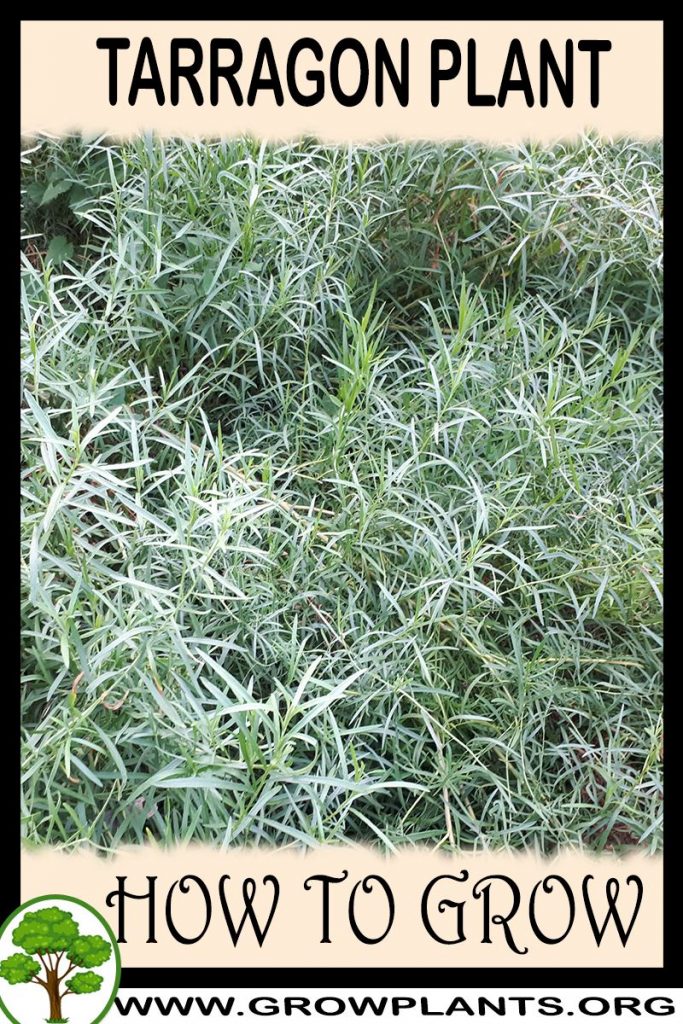
Care Guide: Planting, Soil & Watering
Overview: Artemisia is an aromatic Mediterranean sub-shrub that thrives in full sun and light, sharply drained soil, and is markedly drought-tolerant once established. It prefers lean, dry ground to rich or wet soil, which can rot the roots.
Quick Care Requirements
| Requirement | Ideal Condition |
|---|---|
| Planting Season | Warm season — spring through autumn, once frost has passed |
| Growth Rate | Moderate |
| Soil Type | Light, well-draining, average-to-poor soil; dislikes wet, heavy ground |
| Water Need | Low to Moderate — drought-tolerant once established; let the soil dry between waterings |
Planting & Establishment
- Best Planting Season: Plant in the warm season, from spring through autumn once frost has passed. Give it room away from other plants — its foliage and roots are allelopathic and can inhibit close neighbours.
- How to Plant:
- Hole Preparation: Dig a hole slightly larger than the root ball in a sunny, open, free-draining spot.
- Soil Amendments: Little enrichment is needed — on heavy soil work in grit or coarse sand to sharpen drainage rather than adding rich compost.
- Planting Depth: Set the plant with its root collar at soil level; do not bury the stem.
- Growth Speed & Expectations: Moderate — it forms an aromatic, bushy clump about 1-1.5 m, 40-60 inches, with silvery foliage that fills out over the season.
Soil, Watering & Drainage Care
- Soil Mix & Drainage Needs: Give it light, sharply drained soil and avoid heavy, wet ground, which invites root rot. In containers use a free-draining, gritty mix with ample drainage holes.
- Watering Schedule & Technique:
- Young / Newly Planted: Water to settle it in and keep the soil lightly moist while roots establish.
- Established: Water sparingly and deeply, letting the soil dry out between waterings; established plants tolerate drought well.
- Seasonal Adjustments: Water very little in winter and wet spells; give a little extra only in prolonged heat, always avoiding soggy soil.
Climate, Light & Hardiness
Tarragon grows in Mediterranean, subtropical, and temperate climates, adapting to full sun, half shade, or even full shade, and it also does well as a houseplant. It is a cold-hardy perennial herb across a fairly broad range of winter climates.
Quick Climate Specifications
| Climate Zones | Mediterranean, Subtropical, Temperate |
|---|---|
| USDA Hardiness Zones | 4–10 |
| Frost Tolerance | Moderate to High |
| Light Conditions | Full Sun / Half Shade / Full Shade |
Sunlight & Light Exposure
Optimal Light Setup
Adapts to a wide range of light, from full sun to full shade, though the strongest leaf flavor generally develops with more sun.
Direct Sun Requirement
Tolerates direct sun well but does not strictly require it, since the plant also grows in shade.
Temperature Extremes & Hardiness
USDA Hardiness & Regional Limits
Hardy from zone 4 through zone 10, a fairly wide range that includes genuinely cold winter climates.
Cold Damage & Winter Protection
As a herbaceous perennial, top growth typically dies back with winter cold and regrows from the roots in spring within its hardiness range.
Frost Sensitivity
Tolerates frost well within its hardiness range; where grown as a houseplant it can be kept year-round regardless of outdoor winter conditions.
Extreme Heat Tolerance
Handles warm Mediterranean and subtropical summers well with modest watering.
Growing in Pots, Balconies & Indoors
Tarragon is a classic culinary herb the grower also keeps indoors – on a bright windowsill it gives fresh leaves for the kitchen, and it thrives in a balcony or patio pot.
Quick Details
- Container Size: 5-10 L (about 1-3 gal)
- Indoor Suitability: A good kitchen-windowsill herb – give it the brightest spot
- Best Spot: Full sun to part shade (tolerates shade, best flavour in sun)
- Soil & Drainage: Light, free-draining mix; dislikes wet, heavy soil
- Watering in Pots: Light to moderate – let the surface dry; it prefers drier feet
Indoors & On the Windowsill
- A good indoor herb: The grower keeps tarragon indoors – a bright, sunny windowsill keeps it productive for kitchen use. It tolerates some shade, but growth and flavour are best in good light.
- Overwintering: French tarragon is perennial and wants a cool winter rest; in cold regions a pot lets you shelter it while it dies back, then it reshoots in the warm season.
On a Balcony or Patio
- Light & wind: Give it a sunny, open spot; the aromatic silvery foliage takes heat and wind well. Pots dry fast against warm walls, so check moisture, though it prefers drier feet.
- Practicalities: Make sure water drains away freely rather than pooling; a stable pot keeps taller plants from blowing over.
Choosing the Pot, Soil & Long-Term Care
- Pot & drainage: A pot with strong drainage holes; skip a standing-water saucer to avoid root rot. Terracotta breathes and dries faster, which suits these drought-tolerant plants.
- Potting mix: A light, free-draining potting mix with some grit or perlite; they dislike heavy, wet soil.
- Feeding: Feed lightly through the growing season – a dilute general feed now and then, as nutrients leach from pots faster than open ground.
- Repotting: Refresh the mix and pot up every year or two; divide or root-prune to keep clumps vigorous.
Fertilizing & Feeding
A light feeder: tarragon is a classic culinary herb that develops its best anise-like flavor on lean feeding, so establish it gently and then hold back rather than push lush growth.
Quick Fertilizing Specs
| Feeding Level | Light feeder |
|---|---|
| Main Nutrient Priority | Balanced feeding with nitrogen kept low, since rich feeding softens growth and dilutes the leaf flavor prized in cooking |
| Best Feeding Period | Spring through summer active growth, ahead of autumn pruning |
| Organic Options | Compost or well-rotted organic matter worked into the planting area |
| Reduce/Stop Feeding | Stop feeding well before the plant dies back for winter |
| Micronutrients | Rarely an issue for this undemanding herb; correct only a diagnosed deficiency |
| Soil pH | Tolerates a range but prefers near-neutral, well-drained soil |
Feeding by Growth Stage
Establishment after planting or division
Root newly planted tarragon, grown from a division or cutting rather than seed, into its own space without forcing soft growth.
| Nutrient direction | A light, balanced feeding supports root establishment; avoid pushing rapid top growth this early. |
|---|---|
| Timing | At planting, whether in spring, summer, or autumn. |
| Frequency | A single light feeding at planting is usually enough while roots establish. |
| Fertilizer types | A balanced, complete fertilizer used at a light rate, Compost or organic matter mixed into the planting site |
| Precautions | Plant tarragon well away from other plants, since it can suppress neighbors; keep feeding light rather than compensating with extra fertilizer. |
Active growth before harvest
Support steady leaf production for year-round harvest without diluting the essential-oil flavor tarragon is grown for.
| Nutrient direction | Keep nitrogen low; a lean, balanced approach favors concentrated flavor over soft, rapid growth. |
|---|---|
| Timing | Through spring and summer active growth, leading up to the autumn pruning. |
| Frequency | This herb rarely needs feeding once established; a light feeding during the growing season is enough for container-grown plants. |
| Fertilizer types | A balanced, complete fertilizer used sparingly, Compost top-dressed instead of frequent feeding |
| Precautions | Overfeeding produces soft, watery leaves with weaker flavor; this is a herb that thrives on neglect rather than pampering. |
Winter dormancy after autumn pruning
Let the plant rest through winter after its autumn cutback, when top growth largely dies back.
| Nutrient direction | None – withhold fertilizer while the plant is dormant over winter. |
|---|---|
| Timing | Winter, following the autumn pruning of inner branches. |
| Frequency | No feeding during this dormant period. |
| Fertilizer types | No feeding at this stage; do not fertilize dormant winter growth. |
| Precautions | Do not fertilize until new shoots appear in spring; feeding dormant roots wastes nutrients and can encourage rot. |
Nutrient Deficiency Signs & Corrections
Older leaves fade to a pale, uniform green or yellow and shoot growth slows.
| Possible causes | low available soil nitrogen, nutrient leaching after heavy rain or watering, thin, low-organic-matter soil |
|---|---|
| Appears first on | older, lower leaves |
| What to check | recent feeding history, soil organic matter level, drainage and watering pattern |
| Possible correction | Work in compost or apply a balanced complete fertilizer at a light rate, then watch new growth for improvement. |
Wilting or yellowing despite moist soil, with roots appearing dark or soft when checked.
| Possible causes | poorly drained soil holding excess water around the roots, overwatering relative to this herb’s preference for average-to-low moisture, compacted soil restricting oxygen at the roots |
|---|---|
| Appears first on | whole-plant wilting with lower leaf yellowing |
| What to check | soil drainage and recent watering frequency, root color and firmness just below the soil line, whether the site or container drains freely |
| Possible correction | Improve drainage, cut back watering, and avoid fertilizing until the plant shows active new growth again. |
New leaves at the shoot tips turn yellow between veins that stay green.
| Possible causes | high soil pH tying up available iron, waterlogged or compacted soil limiting root uptake, naturally alkaline garden soil |
|---|---|
| Appears first on | newest growth at the shoot tips |
| What to check | soil pH and drainage, recent overwatering or compaction, whether the same pattern shows on nearby plants |
| Possible correction | Improve drainage, avoid overwatering, and apply a chelated iron product per its label if the pattern persists. |
Pruning, Training & Seasonal Maintenance
Tarragon is a larger, semi-woody-based herb (1–1.5m) grown almost entirely for its leaves, and pruning here mostly overlaps with harvest. It tolerates being cut back hard, and the main annual event is a fall cutback once frost has knocked back the top growth – standard practice for this species and consistent with how it dies back over winter in the colder parts of its zone 4–10 range. Because its small yellow flowers are sterile and contribute nothing to seed production, the recommended practice when growing tarragon for leaf is to thin or remove flower stalks as they form, redirecting the plant’s energy into foliage rather than a bloom that serves no reproductive purpose here.
Quick Pruning & Maintenance Specs
| Pruning Tolerance | High – regrows readily from a fall or spring cutback |
| Primary Pruning Window | Autumn, after frost has killed the top growth |
| Secondary Maintenance Window | Spring, thinning inner stems as new growth resumes |
| Typical Frequency | One seasonal cutback plus frequent light harvest through the growing season |
| Main Objective | Encourage leafy new growth and improve airflow through the clump |
| Young Plant Priority | Pinch tips to build a bushy base; avoid hard cutback in the first season |
| Mature Plant Priority | Autumn cutback plus inner-branch thinning to keep the clump open |
| Best Tool Type | Precision snips for harvest; bypass secateurs for the seasonal cutback |
| Avoid Heavy Pruning During | Active summer growth if it would remove leaf intended for harvest |
Pruning by Plant Age & Size
Newly Established
Pinch growing tips to encourage bushy branching from the base; avoid a hard cutback until the plant is well established, typically not in its first year.
Young / Formative
No formal leader or framework training applies; formative pruning is simply repeated tip-pinching to build multiple leafy stems rather than a few tall, sparse ones.
Mature / Established
Cut back to near ground level in autumn once frost has killed the top growth. In spring, thin out crowded inner stems as new growth resumes to keep the clump open – useful given tarragon’s tendency toward dense, humid growth that can favor rust and powdery mildew.
Seasonal Pruning Schedule
| Stage | Objective | Remove | Do Not Remove | Response / Bloom Impact |
| Dormant / Autumn | Seasonal cutback | Frost-killed top growth, cut back to near the crown | The crown/root system, which resprouts in spring | Tidies the bed for winter; the plant regrows fresh from the base the following spring |
| Pre-Growth / Early Spring | Open the clump | Crowded inner branches | Well-spaced outer stems | Improves airflow, reducing conditions that favor fungal disease on dense growth |
| Ongoing Sanitary (growing season) | Redirect energy to leaf | Flower stalks as they form, if grown for leaf harvest | Healthy leafy stems | Since the flowers are sterile and set no seed, removing them channels growth into foliage instead |
Special Growth to Remove
- Flower stalks – thin or remove when the plant is grown for culinary leaf, since the bloom is sterile and produces no seed of value.
- Frost-killed stems – cut back at the autumn cutback.
- Crowded inner branches – thin in spring for airflow, per this species’ known preference for well-drained, less humid growing conditions.
Container & Small-Space Pruning
Because tarragon is allelopathic and best grown apart from other plants, a container is a practical way to isolate it; in a pot, keep the same autumn cutback and spring thinning, but pinch more frequently through the season to keep growth compact, since 1–1.5m of open-ground growth is usually too large for most containers without regular tip control.
Tools
- Precision snips – ongoing tip-pinching and leaf harvest, and removing sterile flower stalks.
- Bypass secateurs – the autumn cutback and spring thinning of inner branches, where stems are thicker at the base than at the tips.
Tool Hygiene & Disease Risk
Increased – tarragon is prone to rust and powdery mildew in dense, humid growth; if either is present, clean tools between cuts and between plants to avoid spreading infected material, and prioritize the airflow-improving inner-branch thinning described above.
Cut Placement & Technique
Cut stems back to just above a healthy bud or the crown at the autumn cutback. When thinning, remove whole inner stems at their base rather than heading them partway, which does more to open the clump than shortening stems in place.
Heavy Pruning & Rejuvenation
Tolerates a hard cutback to near ground level well – this is the normal autumn routine here, not a rare measure – and resprouts fully from the crown the following spring.
Post-Pruning Care
Water lightly after the autumn cutback if conditions are dry; avoid feeding, as this can push soft late-season growth vulnerable to frost. Watch spring regrowth for aphids, the pest listed for this species.
Common Pruning Mistakes
- Leaving spent flower stalks in place when growing for leaf, wasting energy on a bloom that sets no useful seed.
- Letting the clump grow dense without spring thinning, increasing the risk of rust or powdery mildew.
- Planting or pruning tarragon close among other herbs without accounting for its allelopathic effect on neighboring plants.
When NOT to Prune
Avoid a hard cutback in the middle of active summer growth if leaf harvest is the goal – take leaf gradually through the season instead, saving the full cutback for autumn after frost.
Recommended Tools (by task)
- precision_snips – the bulk of ongoing leaf harvest and flower-stalk removal.
- bypass_secateurs – the autumn ground-level cutback and spring inner-branch thinning, where stems are heavier at the base.
Propagation Guide
True French tarragon is propagated almost entirely by cuttings or division rather than seed, since its flowers are functionally sterile and rarely set viable seed; vegetative propagation is therefore necessary to keep the plant’s characteristic flavor. Rooting is easy and reasonably quick.
Quick Propagation Specs
| Best Propagation Method | Stem cuttings |
| Alternative Methods | Division of the clump |
| Propagation Difficulty | Easy |
| Seed True-to-Type | Not practical – flowers are sterile, so viable seed is rarely produced; seed sold as “tarragon” is usually the milder Russian tarragon, not the true culinary form |
| Vegetative True-to-Type | Yes – necessary to maintain true French tarragon flavor and character |
| Best Propagation Season | Spring or autumn |
| Cutting Rooting Time | 2–4 weeks |
Growing from Seed
Seed Handling & Viability
Because its flowers are sterile, true French tarragon rarely produces viable seed of its own; plants grown from purchased "tarragon seed" are typically Russian tarragon, a related but less aromatic plant, so seed is not a reliable route to the true culinary variety.
Stem Cuttings
Cutting Type
Non-flowering stem cuttings.
Best Timing
Spring or autumn.
Cutting Preparation
Take a cutting and strip the leaves from the portion that will be inserted into water or soil.
Rooting Setup
Stand the prepared cutting in water, or insert it into moist soil.
Rooting Hormone
Not stated as necessary; optional.
Rooting Time
2–4 weeks.
Division, Offsets, Pups & Suckers
The clump’s rhizomatous rootstock can also be lifted and divided in spring or autumn; each division should keep roots and healthy shoots or buds attached. Replant promptly and keep moist until re-established, and site the plant away from other species given its noted allelopathic tendency.
Bloom & Flower Guide
Quick Details
- Bloom Season: Summer
- Flower Appearance: Tiny white flowers at the branch tips, usually sterile and inconspicuous
- Edibility: Grown for its aromatic leaves; the flowers are not the harvest
Detailed Blooming Overview
Tarragon is grown for its finely flavoured leaves rather than its bloom. In summer it may carry tiny white flowers at the tips of the branches, but in true French tarragon these are usually sterile and easy to miss. Because flowering can dull the leaf flavour, many growers pinch the flower buds off.
Flower Characteristics
- Tiny white flowers borne at the ends of the branches
- Usually sterile, so French tarragon rarely sets viable seed
Bloom Care & Thinning
- Managing the bloom: If you are growing it for the leaves, pinch off the flower buds to keep the plant’s energy and flavour in the foliage.
- Pollination: By bees where the flowers are fertile.
Fruit & Uses
Tarragon (Artemisia dracunculus) is grown for its aromatic, anise-like leaves, which are the part eaten. Leaves are used fresh or dried as a culinary herb, in beverages, and in traditional herbal preparations, rather than eaten as a vegetable.
Quick Edible Specs
| Edible Parts | Leaves |
|---|---|
| Main Use(s) | Culinary herb/spice; also used for beverages, fragrance and, traditionally, as a medicinal herb |
| Eaten Raw or Cooked | Used fresh (raw, chopped into dishes) or dried; also cooked into sauces and dishes |
| Preparation Required | None beyond rinsing; can be dried for storage |
| Harvest Season | All year |
| Storage | Best used fresh, or dried and kept in an airtight container |
Leaves & Greens
The narrow, elongated, green-grey leaves are harvested year-round by cutting whole branches from the plant. Because the flowers are sterile and add little value, growers raising tarragon mainly for the kitchen often thin out the blooms to keep the plant’s energy in leaf production (see Pruning).
Preparation, Uses & Safety
Leaves are used fresh or dried as a classic culinary herb (in sauces, vinegars and savoury dishes), for flavouring beverages, and traditionally as a medicinal herb – noted here only as a traditional use, not a health claim. No preparation beyond washing is required, and no specific food-safety concern is documented for tarragon used in normal culinary quantities.
Pests, Diseases & Troubleshooting
Overview: Artemisias are aromatic, often silver-leaved plants (Asteraceae) whose essential oils make them naturally resistant to most pests and grazing animals. Their true enemy is not an insect but wet, heavy soil – crown and root rot rapidly kills them in winter wet or humid heat. Aphids (especially on soft tarragon growth), leafminers and, in hot dry spells, spider mites are about the only pests of note, with rust and powdery or downy mildew appearing in crowded, damp conditions. French tarragon is the softest, most tender-leaved member of the genus, so it is the most aphid-prone and by far the most sensitive to wet feet – the usual cause of losing a plant.
Quick Troubleshooting Overview
| Issue / Pest | Main Symptom | Primary Solution |
|---|---|---|
| Crown / root rot | Plant blackens and collapses at the base in wet soil | Sharp drainage; grow lean and dry |
| Aphids | Clustered, sticky, distorted tender tips | Water blast; insecticidal soap |
| Spider mites | Fine stippling and webbing in hot dry spells | Hose foliage; horticultural oil |
| Leafminers | Pale winding trails inside the leaves | Remove mined leaves; encourage wasps |
| Rust | Orange or white powdery pustules under leaves | Remove affected foliage; airflow |
| Powdery mildew | White coating in humid, crowded growth | Thin for airflow; full sun |
Common Pests & Management
- Aphids (Macrosiphoniella artemisiae / Aphis spp.):
- Symptoms: Green, grey or dark soft-bodied insects massing on the softest new shoots and tips – most noticeable on tender, well-fed growth – distorting them and leaving sticky honeydew and sooty mould. The main insect pest of the genus. Tarragon’s soft culinary growth is the most aphid-prone of any artemisia.
- Prevention & Control: Knock colonies off with a jet of water and encourage ladybirds, lacewings and hoverflies, which flourish among artemisias. Avoid soft, over-fed growth; treat persistent infestations with insecticidal soap or neem oil sprayed in the cool of evening.
- Leafminers (Agromyzidae (leaf-mining flies)):
- Symptoms: Pale, winding or blotchy tunnels etched inside the leaves where fly larvae feed between the surfaces; largely cosmetic on a vigorous plant but disfiguring in bad years.
- Prevention & Control: Pick off and destroy mined leaves as they appear to break the cycle, and encourage the parasitic wasps that are their main natural control. Row cover excludes the egg-laying flies on prized culinary plants; chemicals are seldom warranted.
- Two-spotted spider mite (Tetranychus urticae):
- Symptoms: Fine pale stippling and a dull, bronzed, dusty appearance to the foliage with faint webbing underneath, appearing in hot, dry, stagnant conditions and on drought-stressed or indoor plants.
- Prevention & Control: Hose the foliage and raise humidity, and relieve drought stress. Introduce predatory mites under cover; use insecticidal soap or horticultural oil for heavy infestations, covering the leaf undersides well.
Diseases & Fungal Issues
- Crown and root rot (Rhizoctonia / Phytophthora / Sclerotinia spp.):
- Symptoms: The classic killer of artemisias: the base of the plant blackens and softens, stems wilt and collapse, and the roots rot – triggered almost entirely by wet, heavy, poorly drained soil, humidity and overwatering.
- Treatment & Management: This is cultural, not chemical. Plant in sharp, gritty, lean, free-draining soil in full sun, space for airflow, and avoid winter wet and overwatering. Remove and destroy collapsed plants and do not replant into the same soggy spot; raised or gravelly beds are ideal.
- Rust (Puccinia spp.):
- Symptoms: Orange, yellow or brown (sometimes whitish) powdery pustules, chiefly on the undersides of leaves, with yellow blotching above and general weakening; favoured by damp, crowded conditions.
- Treatment & Management: Remove and destroy affected leaves, thin and divide crowded clumps for airflow, and avoid overhead watering. Grow in full sun with lean soil; a sulphur fungicide can check severe outbreaks if needed.
- Powdery & downy mildew (Golovinomyces / Peronospora spp.):
- Symptoms: Powdery mildew shows as a white powdery film over leaves and stems in humid crowding; downy mildew appears as yellow blotches above with greyish mould beneath in cool, damp weather.
- Treatment & Management: Improve airflow by thinning, dividing and siting in full sun, water at the base early in the day, and avoid soft over-fed growth. Remove affected foliage; sulphur (powdery) or copper (downy) fungicide handles stubborn cases.
Growing Difficulties & Abiotic Problems
- Root rot from overwatering & winter wet:
- Cause & Symptoms: By far the commonest cause of loss. These drought-adapted plants rot in rich, wet or heavy soil, collapsing over a wet winter or in humid heat.
- Correction Strategy: Grow lean and hard in gritty, sharply drained soil in full sun; add grit, plant high, and water only sparingly once established. Mimic their dry, sunny wild habitat. French tarragon is especially unforgiving of wet soil and is often best lifted or replaced every few years; propagate it by division, as it rarely sets viable seed.
- Floppy, leggy, sparse growth:
- Cause & Symptoms: In rich soil or shade, artemisias grow soft, lax and open, flop apart in the middle, lose their silver colour and become more disease-prone.
- Correction Strategy: Grow in poor soil and full sun with no feeding, and cut back hard in spring (and again after flowering) to keep growth dense, silver and compact.
- Loss of aroma and flavour:
- Cause & Symptoms: Over-feeding, shade and rich soil dilute the essential oils that give the aromatic and culinary species (like tarragon and wormwood) their strength.
- Correction Strategy: Grow hard in sun and lean soil, avoid heavy nitrogen, and harvest in the warm part of the day when oils are highest for the best flavour and scent.
What Helps – Products & Tools
Very little is usually needed. For the rare pest, use a water jet, insecticidal soap or neem/horticultural oil for aphids and spider mites, and hand-removal for leafminers. Disease is best prevented culturally – grit, drainage, full sun and airflow – with sulphur fungicide for rust and powdery mildew and copper for downy mildew held in reserve. The real “tools” are horticultural grit, a free-draining bed and sharp secateurs for hard spring pruning.