Plant Profile & Key Characteristics
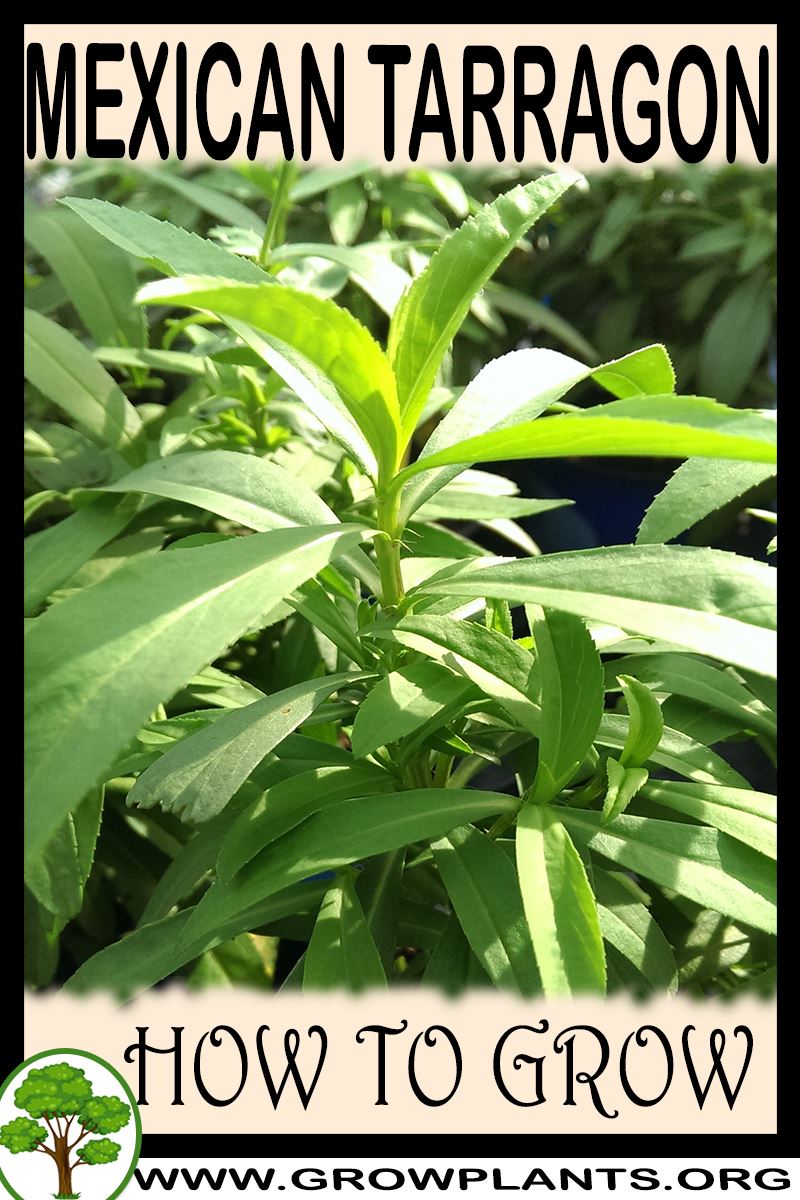
Overview: An aromatic evergreen perennial marigold reaching 30-80 cm (12-32 in), grown as a fragrant ornamental and culinary herb. Its anise-scented leaves are used as a tarragon substitute.
Quick Specifications
| Specification | Attribute |
|---|---|
| Plant Type / Life Cycle | Evergreen perennial (aromatic sub-shrub) |
| Foliage Type | Evergreen |
| Mature Size | 30-80 cm (12-32 in) tall |
| Growth Rate | Fast to moderate |
| Root System | Fibrous and shallow |
| Toxicity | Non-toxic (leaves used in cooking) |
| Hardiness | USDA zone 8+ |
Growth Form & Structure
- Height & Spread: In the ground 30-80 cm (12-32 in) tall, forming a leafy clump; well suited to containers.
- Growth Habit & Form: Upright, bushy perennial that can be trimmed to stay compact.
- Lifespan & Maturity: Perennial that reaches usable size quickly and can be harvested through the year.
Anatomy & Physical Features
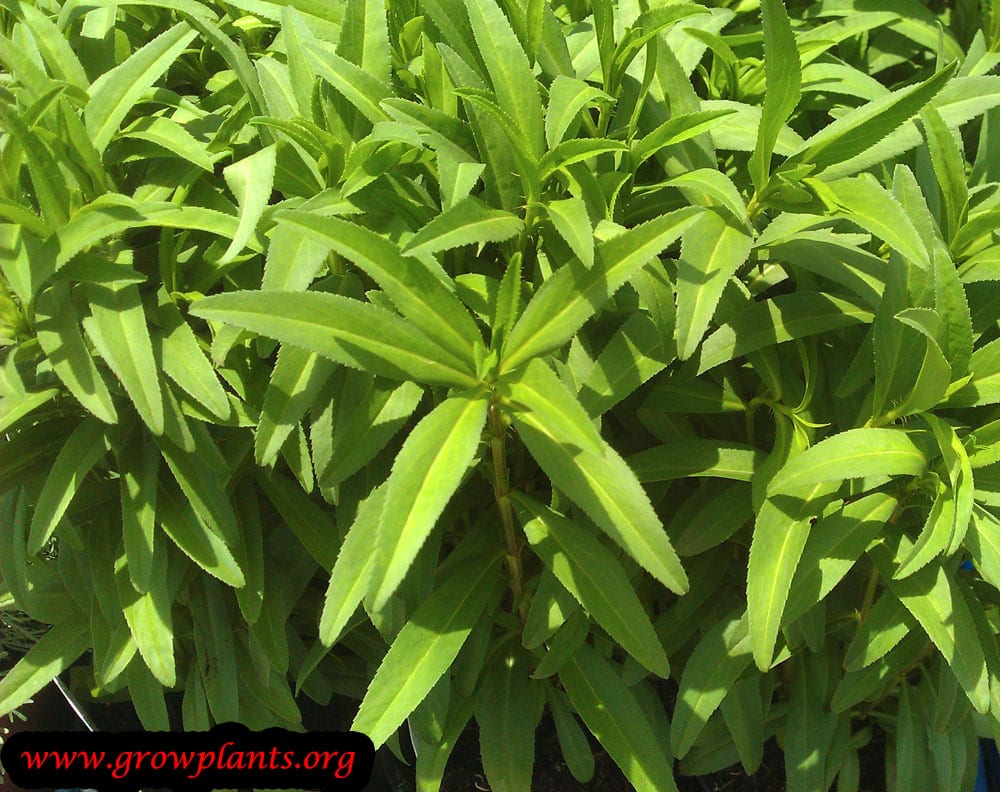
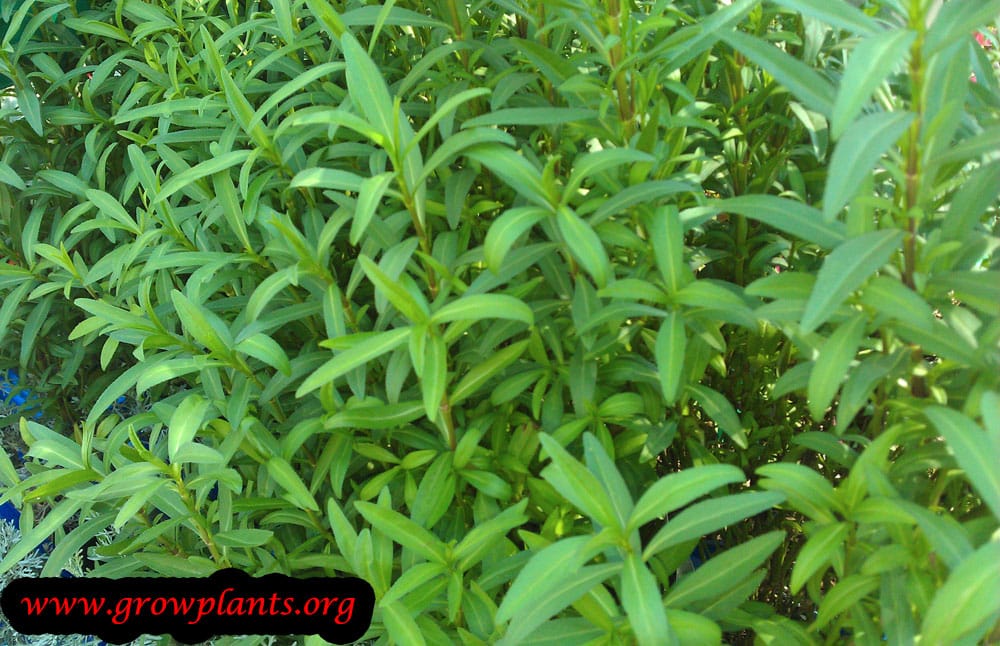
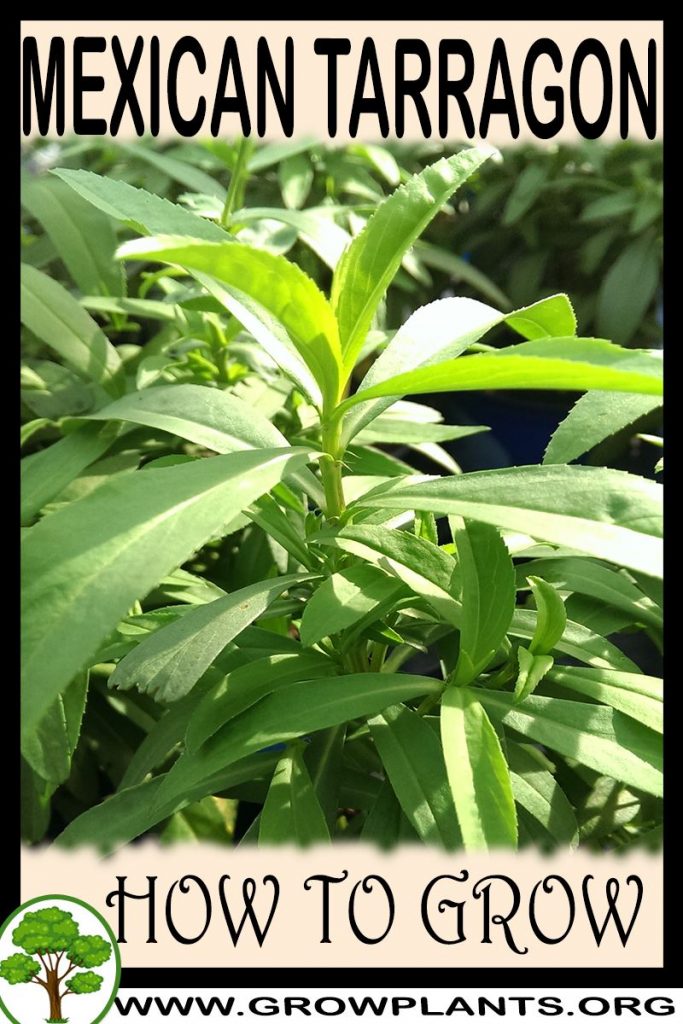
- Leaves & Foliage: Green, linear, fragrant leaves with a sweet anise / tarragon aroma.
- Flower Characteristics: Small yellow flowers that attract pollinators.
Primary Uses & Landscape Value
- Edible Uses: Anise-flavoured leaves used as a herb and spice, and as a substitute for French tarragon.
- Functional & Ornamental Roles: Fragrant flowering herb for borders and containers that attracts pollinators.
Care Guide: Planting, Soil & Watering
Overview: Mexican tarragon (Tagetes lucida) is a sun-loving, fast-growing perennial marigold that thrives in well-drained soil (hardiness zone 8+). Give it full sun to part shade and it needs little fuss beyond good drainage and appropriate water.
Quick Care Requirements
| Requirement | Ideal Condition |
|---|---|
| Planting Season | In frost-free areas most of the year; in colder zones in spring after frost |
| Growth Rate | Moderate to Fast |
| Soil Type | Light, well-drained soil |
| Water Need | Low to Moderate — water when the top few cm dry; fairly drought-tolerant once established |
Planting & Establishment
- Best Planting Season: In frost-free areas you can plant almost any time; in colder zones plant in spring once frost has passed.
- How to Plant:
- Hole Preparation: For transplants, make a hole a little wider than the root ball in loosened, free-draining soil; for direct sowing, prepare a fine, weed-free bed.
- Soil Amendments: Marigolds are not hungry feeders — a little compost worked into light, well-drained soil is plenty; avoid rich, soggy ground.
- Planting Depth: Set seedlings at the same depth they were in their pot, with the root collar at soil level; sow seed only shallowly.
- Growth Speed & Expectations: Moderate to fast growth — it establishes and flowers quickly in warm, sunny conditions.
Soil, Watering & Drainage Care
- Soil Mix & Drainage Needs: The key is sharp drainage — light soil that never stays wet. In containers use a free-draining potting mix and pots with good drainage holes.
- Watering Schedule & Technique:
- Young / Newly Planted: Keep the soil evenly moist while seedlings and young plants establish; do not let them dry out at this stage.
- Established: Once established it is fairly drought-tolerant — water when the top few centimetres dry rather than on a fixed schedule.
- Seasonal Adjustments: Water more in summer heat; reduce in cool or wet weather to avoid soggy roots.
Climate, Light & Hardiness
Mexican tarragon is a fragrant, evergreen perennial shrub that grows best in full sun to half shade across a wide range of warm climates. It is hardy to about USDA Zone 8 and, once established, tolerates a light to average amount of water rather than needing consistently moist soil.
Quick Climate Specifications
| Climate Zones | Tropical, desert, temperate, Mediterranean, subtropical |
|---|---|
| USDA Hardiness Zones | 8+ |
| Optimal Temp Range | approximately 15–30°C (59–86°F) |
| Cold Damage Begins | approximately 0°C (32°F); frost typically damages or kills soft top growth |
| Approx. Survival Minimum | reliable outdoor survival is rated to USDA Zone 8, corresponding to briefly tolerating winter lows of roughly −12 to −7°C (10 to 20°F) |
| Frost Tolerance | Low–Moderate |
| Light Conditions | Full Sun / Half Shade |
| Wind Tolerance | Moderate–High |
| Salt / Coastal Tolerance | Moderate |
Sunlight & Light Exposure
Optimal Light Setup
Full sun to half shade both work per the site data; full sun typically gives the most compact growth and best flowering.
Direct Sun Requirement
Direct sun for most of the day is ideal, though it tolerates half shade without trouble.
Shade & Heat Management
No special heat management is needed; it copes well with hot, sunny conditions, aided by its modest water needs.
Best Exposure / Orientation
An open, sunny to lightly shaded spot suits it well.
Temperature Extremes & Hardiness
USDA Hardiness & Regional Limits
Rated hardy to USDA Zone 8 and warmer in the site data; below this range, freezing temperatures are likely to damage or kill the plant.
Cold Damage & Winter Protection
Frost damages or kills soft top growth; in marginal zones, mulching the root zone before winter can help protect the crown.
Frost Sensitivity
Moderately frost-sensitive; light frost may cause some dieback while harder freezes can kill the plant back significantly or outright.
Extreme Heat Tolerance
High - well suited to hot, dry-to-moderate climates typical of its native range.
Wind, Humidity & Microclimate
Humidity Preferences
Prefers moderate, generally dry-to-average conditions; good air movement helps keep foliage healthy.
Dry-Air Tolerance
Moderate to High, consistent with its light-to-average watering needs once established.
Wind Tolerance
Moderate to High; a sturdy, sun-loving shrub that generally copes well with open, breezy sites.
Coastal / Salt Tolerance
Moderate - commonly used in dry, sunny landscape plantings.
Rainfall & Seasonal Moisture
Adapted to a dry-to-moderate rainfall pattern; the site data's light-to-average water requirement points to reasonable drought tolerance once established.
Microclimate Recommendations
An open, sunny, well-drained site suits it best; in the coldest parts of its range, a sheltered spot or south-facing wall can help it through occasional hard frosts.
Growing in Pots, Balconies & Indoors
Mexican tarragon (Tagetes lucida) is a fragrant, tarragon-flavoured culinary herb on a compact, shrubby plant. The grower does not rate it as a houseplant, but its modest size makes it easy in a pot on a bright, sunny windowsill, balcony or patio.
Quick Details
- Container Size: A free-draining pot sized to the plant (general guidance – the grower confirms containers suit it, with no set volume)
- Indoor Suitability: Not a deep-indoor houseplant, but fine on a very bright, sunny windowsill
- Best Spot: Full sun to part shade
- Soil & Drainage: Well-drained mix
- Watering in Pots: Water moderately; let the top of the mix dry between waterings
Indoors & On the Windowsill
- Houseplant limits: The grower marks it as not a houseplant – indoors it needs direct light, so keep it to the sunniest sill rather than a dim room.
- Windowsill growing: A useful anise-scented substitute for French tarragon on a bright kitchen sill; pinch for bushy growth and harvest the leaves.
- Overwintering: Tender to hard frost (grower’s zone 8+), so in cold climates a pot can be sheltered on a bright sill through winter.
On a Balcony or Patio
- Light, wind & heat: It is happy on a balcony or patio in good light. Pots dry quickly because walls and paving reflect heat, so check them often in warm spells; shelter tall stems from wind and mind the pot weight and drainage runoff.
- Practicalities: Give it a sunny spot; it also carries yellow flowers that attract pollinators.
Choosing the Pot, Soil & Long-Term Care
- Pot & drainage: Use a pot with strong drainage holes and empty any standing saucer so the roots never sit in water and rot.
- Pot material: Terracotta breathes and dries quickly (handy for sun-loving Mediterranean plants); glazed or plastic pots hold moisture longer.
- Potting mix: Well-aerated, free-draining mix – a good potting mix, or peat/coir blended with perlite or vermiculite and some organic matter.
- Feeding: Potted plants use up nutrients faster because watering leaches them out, so feed a little more often than plants in open ground – lightly.
- Repotting: Refresh the mix or pot up every couple of years, lightly trimming the roots and top growth of perennials once the pot fills with roots.
Fertilizing & Feeding
An aromatic, fragrant-leaved perennial herb that thrives on lean feeding; overfeeding pushes soft growth at the expense of the fragrance it is grown for.
Quick Fertilizing Specs
| Feeding Level | light |
|---|---|
| young_feeding | Give a young plant only a light feeding at planting so it can focus on rooting in. |
| mature_feeding | Established plants rarely need more than an occasional light feeding through the warm growing season. |
| Main Nutrient Priority | A lean, low-nitrogen approach keeps growth compact and the foliage aromatic. |
| Best Feeding Period | The warm active growing season, tapering off as growth slows going into cooler weather. |
| Organic Options | A light top-dressing of compost is usually all this herb needs. |
| Soil pH | Tolerant of a wide range of soil pH; extremes are best avoided. |
| Reduce/Stop Feeding | Reduce feeding as the weather cools and growth naturally slows. |
Feeding by Growth Stage
Establishment after planting
Get a newly planted Mexican tarragon rooted in without pushing soft, floppy growth.
| Nutrient direction | Very light, balanced feeding at most; this herb roots in well without heavy input. |
|---|---|
| Timing | At planting or shortly after, before active new growth begins. |
| Frequency | One light feeding is generally enough to start; further feeding can wait for clear signs of active growth. |
| Fertilizer types | A light, balanced fertilizer or a modest amount of compost worked into the planting area |
| Precautions | Avoid concentrated fertilizer at planting, which can stress young roots and delay establishment. |
Active growth
Support steady, compact growth and good leaf fragrance through the warm season.
| Nutrient direction | Keep nitrogen low; this aromatic herb performs best on lean feeding that favors fragrance and sturdiness over lush, soft foliage. |
|---|---|
| Timing | Through the main warm-season growth period. |
| Frequency | This herb rarely needs feeding beyond an occasional light application; minimal feeding is usually enough. |
| Fertilizer types | An occasional light, balanced fertilizer application, or a modest compost top-dressing |
| Precautions | Avoid frequent or nitrogen-heavy feeding, which softens growth and can dilute the leaf fragrance this herb is grown for. |
Nutrient Deficiency Signs & Corrections
Pale, yellow-green older leaves and noticeably slower new growth.
| Possible causes | Nitrogen deficiency in poor or heavily leached soil, Compacted or waterlogged soil limiting root uptake, Normal seasonal slowdown |
|---|---|
| Appears first on | Older, lower leaves first |
| What to check | Soil drainage and texture, Recent feeding history, Whether new growth at the tips still looks vigorous |
| Possible correction | A single light, balanced feeding during active growth is usually enough to correct a true deficiency. |
New growth at the tips turning pale to yellow while the veins stay green.
| Possible causes | High or alkaline soil pH tying up iron, Poor drainage limiting root function, Recent transplant stress |
|---|---|
| Appears first on | Newest leaves at the growing tips |
| What to check | Soil pH and drainage, Recent root disturbance, Whether older leaves remain a normal green |
| Possible correction | Address the underlying soil pH or drainage issue; a chelated iron product applied per its label can help if color does not recover on its own. |
Interveinal yellowing on older leaves while the veins remain green.
| Possible causes | Magnesium deficiency in light, sandy, or heavily leached soil, Excess potassium competing with magnesium uptake, Normal leaf aging |
|---|---|
| Appears first on | Older, lower leaves |
| What to check | Whether yellowing is between the veins rather than whole-leaf, Soil type and watering/leaching pattern, General vigor of new growth |
| Possible correction | Rule out watering and soil issues first; a chelated or soluble magnesium product used per its label can correct a genuine deficiency. |
Pruning, Training & Seasonal Maintenance
Mexican tarragon is a woody-based evergreen subshrub grown mainly for its anise-flavored leaves, so most of its “pruning” is really routine harvest – snipping stem tips for the kitchen doubles as tip-pinching that keeps the plant bushy. It tolerates frequent cutting and even a hard renewal cutback well; the main goals are steady leaf production, compact form, and preventing the base from becoming woody and sparse.
Quick Pruning & Maintenance Specs
| Pruning Tolerance | High |
| Primary Pruning Window | Light harvest-pinching year-round in zone 8+; hardest cutback in early spring |
| Secondary Maintenance Window | After the autumn bloom flush, to tidy spent flower stems |
| Typical Frequency | Ongoing light harvest cuts; one annual rejuvenation cutback |
| Main Objective | Continuous leaf harvest plus a dense, non-leggy habit |
| Young Plant Priority | Pinch tips early to build multiple branching stems before harvesting in earnest |
| Mature Plant Priority | Regular harvest-pinching; annual hard cutback to renew woody growth |
| Best Tool Type | Precision snips for both harvest and shaping |
| Avoid Heavy Pruning During | Just before an unseasonal cold snap near the zone 8 limit |
Pruning by Plant Age & Size
Newly Established
Let the plant root in before harvesting; then pinch tips to build a multi-stemmed base rather than taking large cuts from a single stem.
Young / Formative
Formative pruning and harvest are the same action here – regular tip pinches encourage the branching habit that maximizes future leaf yield.
Mature / Established
Continue harvesting from across the whole plant to keep growth even, and give it one annual hard cutback to prevent the base from turning bare and woody.
Seasonal Pruning Schedule
Pre-Growth/Early-Spring
Objective: rejuvenate before the main growth flush. Remove: up to a third to half of the previous season’s growth and any winter dieback. Do not remove: stems down into completely bare old wood at the base. Response: vigorous new leafy shoots, which are also the best for harvest. Flowering impact: minimal – flowers form on new growth later in the season.
Ongoing Sanitary
Trim out dead or winter-damaged stems whenever seen, and remove spent flower stems after a bloom flush to redirect energy back into leaf production.
Special Growth to Remove
No grafting involved. Remove spent flowering stems once bloom fades if leaf production (rather than flowers) is the priority; clear dead tips after any cold spell.
Container & Small-Space Pruning
In a pot, harvest a little more frequently and lightly rather than taking large amounts at once, since a containerized plant has less root reserve to regrow from than one in open ground.
Tools
Precision snips for both everyday harvest and light shaping; bypass secateurs for the annual hard cutback through thicker semi-woody stems.
Tool Hygiene & Disease Risk
Routine risk – ordinary clean, sharp tools are enough. Mites are the main pest noted and are not tool-transmitted, so no special disinfection is required, though it is good general practice on a plant that is cut this frequently.
Cut Placement & Technique
Harvest and pinch just above a leaf node or side shoot so the stem branches again rather than dying back to a bare tip.
Heavy Pruning & Rejuvenation
Well tolerated. Cut an overgrown or woody plant back by up to half in early spring; it will resprout readily and produce a flush of fresh, more tender leaves for harvest.
Post-Pruning Care
Water at the plant’s normal rate; no extra fertilizing is needed after a hard cutback since regrowth is already vigorous on its own.
Common Pruning Mistakes
Always harvesting from the same few stems and letting the rest go woody and bare; skipping the annual renewal cutback until the plant is mostly leggy old wood with little new leaf growth.
When NOT to Prune
Hold off on a hard cutback right before an unseasonal cold snap near the cold edge of its zone 8+ range, since fresh regrowth is more cold-tender than mature stems.
Recommended Tools (by task)
- Everyday harvest & tip pinching – precision_snips: quick, clean cuts on soft leafy stems.
- Annual rejuvenation cutback – bypass_secateurs: clean cuts through thicker semi-woody growth at the base.
Propagation Guide
Mexican tarragon (Tagetes lucida) can be propagated from seed, stem cuttings or by dividing established plants. Vegetative methods are useful when you want to reproduce the characteristics of an existing plant, while seed is suitable for raising new plants of the species.
Quick Propagation Specs
| Propagation Methods | Seed, stem cuttings and division |
| Propagation Difficulty | Easy to moderate |
| Best Cutting Material | Healthy young or basal shoots |
| Division | Suitable for established clumps |
Growing from Seed
Sow seed shallowly in a fine, well-drained propagation medium. Keep the medium lightly moist and provide warmth and good light while seedlings establish.
Stem Cuttings
Take healthy young stem or basal shoot cuttings during active growth. Remove lower leaves and place the cuttings into a moist, well-aerated rooting medium under bright filtered light until roots develop.
Division
Established clumps can be separated into rooted sections. Replant each division promptly and keep it evenly moist while new growth resumes.
Aftercare
Move established seedlings, rooted cuttings or divisions into a sunny growing position with well-drained soil once the root system is strong enough to support active growth.
Bloom & Edible Flower Guide
Quick Details
- Bloom Season: Spring and summer, often at its best in late summer
- Time to First Bloom: In its first season once the plant is established
- Flower Appearance: Small, single golden-yellow marigold flowers
- Edibility: The anise-scented flowers are edible and can be brewed into a sweet herbal tea
Detailed Blooming Overview
Mexican tarragon carries small, cheerful golden flowers that are as useful as they are pretty. The blooms and foliage share a warm anise-tarragon scent, and the flowers are both a good pollinator draw and edible – traditionally steeped into a sweet, fragrant tea. Established plants flower reliably through the warm season.
Flower Characteristics
- Small, single golden-yellow flower heads, marigold-like in form.
- Sweetly anise-scented, echoing the flavor of the leaves.
- Edible; the flowers are used to make a mild, sweet herbal tea.
Bloom Care & Thinning
- Managing the bloom: Little is needed – trimming spent flowers keeps the plant tidy and encourages fresh blooms.
- Pollination: Pollinated by bees, and the flowers are a strong draw for pollinators generally.
Fruit & Uses
Mexican tarragon is grown for its fragrant, anise/tarragon-flavored green leaves, the plant’s edible part, used fresh or dried as a culinary herb and spice. It is eaten as a seasoning rather than a standalone vegetable, much like French tarragon.
Quick Edible Specs
| Edible Parts | Leaves |
|---|---|
| Main Use(s) | Culinary (herb, spice) |
| Eaten Raw or Cooked | Raw (fresh) or dried, used as a seasoning |
| Preparation Required | None beyond rinsing |
| Harvest Season | All year, once established |
| Time to First Harvest | After the plant is established |
| Storage | Best fresh; can be air-dried for later use |
| Safety/Toxicity Caveat | None documented – a traditional tarragon-substitute herb |
Leaves & Greens
The linear, fragrant green leaves are the harvested part, cut with their stems once the plant is established. They carry an anise/tarragon-like flavor and are used fresh or dried as a spice and herb, commonly as a substitute where French tarragon does not grow well.
Harvesting
Leaves can be trimmed with their stems throughout the year once the plant is established; regular light harvesting encourages continued fresh growth.
Preparation, Uses & Safety
No preparation beyond rinsing is required. Leaves are used fresh or dried as a culinary seasoning herb. No toxicity or safety concerns are documented for this plant.
Pests, Diseases & Troubleshooting
Marigolds are famously easy and even repel some soil pests, but their soft foliage and dense flowers attract a predictable few troubles: spider mites in hot dry spells, aphids and thrips on new growth, and grey mould (Botrytis) rotting the flowerheads in damp, crowded conditions. Slugs and snails shear young seedlings. The philosophy is good spacing, airflow and moisture control, with cultural and biological fixes ahead of any spray.
Quick Troubleshooting Overview
| Issue / Pest | Main Symptom | Primary Solution |
|---|---|---|
| Spider mites | Fine stippling and webbing in hot dry weather | Hose foliage, raise humidity, encourage predatory mites |
| Aphids | Curled shoots, honeydew, ants | Water jet, insecticidal soap, ladybirds |
| Thrips | Silvered, distorted petals and leaves | Sticky traps, remove spent flowers, spinosad if severe |
| Slugs & snails | Seedlings chewed to the ground overnight | Traps, barriers, iron-phosphate bait, hand-pick |
| Grey mould (Botrytis) | Fuzzy grey rot on dead petals/heads | Deadhead, improve airflow, avoid wet foliage |
Common Pests & Management
- Two-spotted spider mite (Tetranychus urticae):
- Symptoms: The single most common marigold pest: in hot, dry weather leaves become finely stippled, dull, yellow-bronzed and eventually dry, with fine webbing on the undersides. Tiny moving dots confirm them.
- Prevention & Control: Keep plants watered and never drought-stressed; hose the foliage, especially undersides, to knock mites off and raise humidity. Encourage predatory mites, ladybirds and lacewings; a horticultural-oil or insecticidal-soap miticide clears heavy outbreaks.
- Aphids (Aphis / Myzus spp.):
- Symptoms: Clusters of green or black soft insects crowd the new shoots and buds, curling growth and leaving sticky honeydew; they can also spread viruses.
- Prevention & Control: Blast off with a water jet and squash early colonies. Encourage ladybirds, hoverflies and lacewings; use insecticidal soap on stubborn groups. Avoid excess nitrogen, which drives soft, aphid-prone growth.
- Thrips (Frankliniella occidentalis):
- Symptoms: Rasping feeders silver and streak the petals and leaves and deform opening buds; flowers may be flecked or fail to open cleanly. They also transmit tospoviruses.
- Prevention & Control: Set blue or yellow sticky traps to monitor, remove spent and infested flowers, and clear weeds that harbour them. Encourage predatory mites and minute pirate bugs; reserve spinosad for severe cases, applied in the evening to spare bees.
- Slugs & snails (Deroceras / Cornu spp.):
- Symptoms: Soft young seedlings and transplants are sheared off or riddled with holes overnight, with tell-tale slime trails; a major cause of failure at the seedling stage.
- Prevention & Control: Clear hiding places, water in the morning so soil dries by night, and set beer traps or copper barriers. Hand-pick after dark and use iron-phosphate bait, which is safe around pets and wildlife.
Diseases & Fungal Issues
- Grey mould (Botrytis cinerea):
- Symptoms: A fuzzy grey-brown mould rots spent petals, buds and flowerheads in damp, humid, crowded conditions, spreading into stems; dense double-flowered types are worst hit.
- Treatment & Management: Deadhead regularly and remove faded flowers before they rot, space plants for airflow, and avoid wetting the foliage in the evening. Clear debris; a protectant fungicide helps only in prolonged wet spells.
- Powdery mildew (Golovinomyces / Podosphaera spp.):
- Symptoms: A white powdery coating develops on leaves in crowded, shaded or humid conditions, dulling and yellowing foliage.
- Treatment & Management: Site in full sun with airflow and avoid crowding. Remove affected leaves; sulfur or potassium-bicarbonate spray checks it at the first sign.
- Damping-off & root rot / Alternaria leaf spot (Pythium, Rhizoctonia / Alternaria tagetica):
- Symptoms: Seedlings collapse at soil level (damping-off); older plants in wet soil rot at the roots and yellow; dark target-like leaf spots and stem cankers signal Alternaria.
- Treatment & Management: Sow in clean, free-draining mix, avoid overwatering and over-crowded seedlings, and provide airflow. Remove spotted leaves and rotted plants; avoid overhead watering. A copper spray checks leaf spot in wet weather.
- Aster yellows (phytoplasma (leafhopper-vectored)):
- Symptoms: Growth turns yellow-green and distorted with stunted, deformed flowers and abnormal shoots; incurable and spread by leafhoppers.
- Treatment & Management: There is no cure – remove and destroy affected plants promptly and control leafhoppers and nearby weed hosts to limit spread.
Growing Difficulties & Abiotic Problems
- Poor flowering / leggy growth:
- Cause & Symptoms: Too-rich, high-nitrogen soil or shade produces lush leaves but few flowers, and plants stretch and flop.
- Correction Strategy: Grow in full sun in lean-to-moderate soil, avoid heavy feeding, and deadhead regularly to keep bloom coming; pinch young plants to bush out.
- Overwatering / poor drainage:
- Cause & Symptoms: Waterlogged soil yellows the lower leaves and rots roots and stem bases.
- Correction Strategy: Water at the base, let the surface dry between waterings, and grow in free-draining soil or raised beds.
What Helps – Products & Tools
Handy tools are insecticidal soap and horticultural / neem oil (mites, aphids), blue/yellow sticky traps (thrips, leafminer), iron-phosphate slug bait, sulfur or potassium-bicarbonate fungicide (mildew), and a copper or protectant fungicide for grey mould and leaf spot in wet spells. Rely on spacing, airflow and beneficial insects first.