Plant Profile & Key Characteristics
Overview: A large evergreen conifer that can reach 10-50 m (30-150 ft), grown as an ornamental hedge, screen or specimen and even as bonsai. It is a long-lived perennial for temperate and cool subtropical climates.
Quick Specifications
| Specification | Attribute |
|---|---|
| Plant Type / Life Cycle | Perennial (evergreen conifer) |
| Foliage Type | Evergreen |
| Mature Size | 10-50 m (30-150 ft) tall |
| Growth Rate | Fast to moderate |
| Hardiness | USDA zone 5-10 |
Growth Form & Structure
- Height & Spread: 10-50 m (30-150 ft) tall in the ground; kept far smaller when clipped as hedging or bonsai.
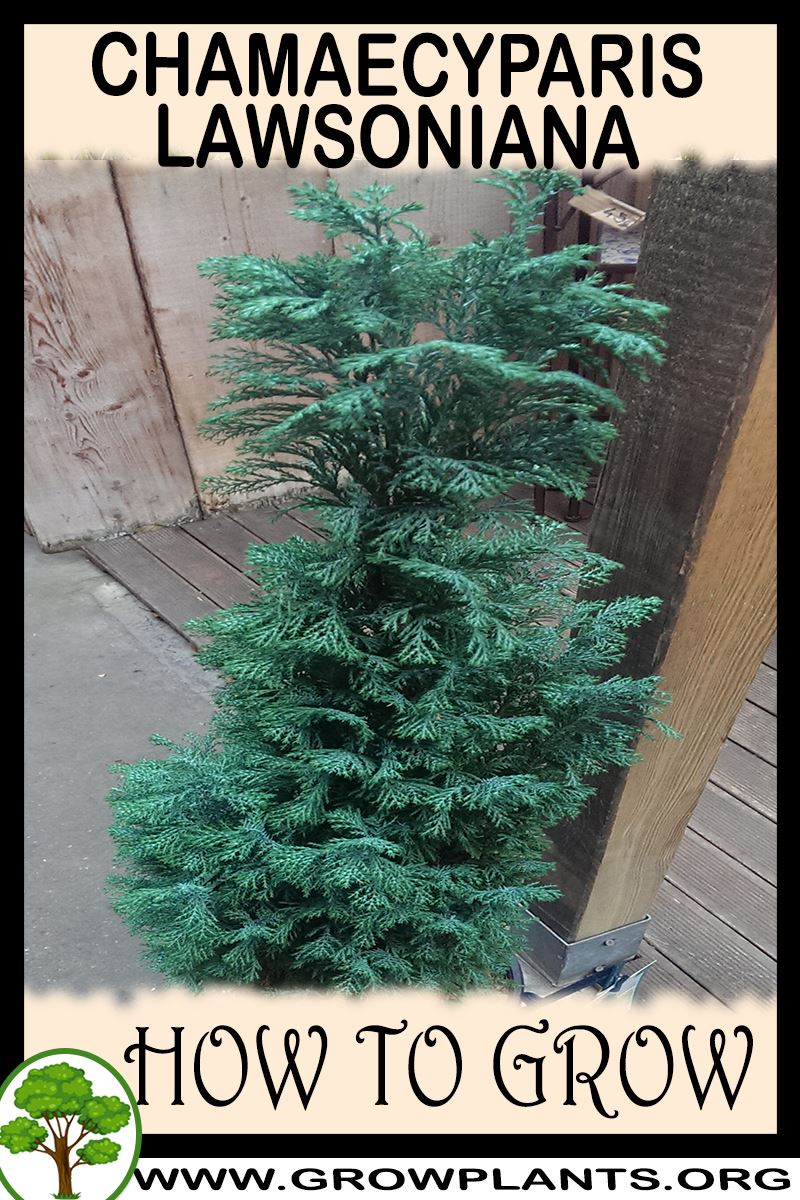
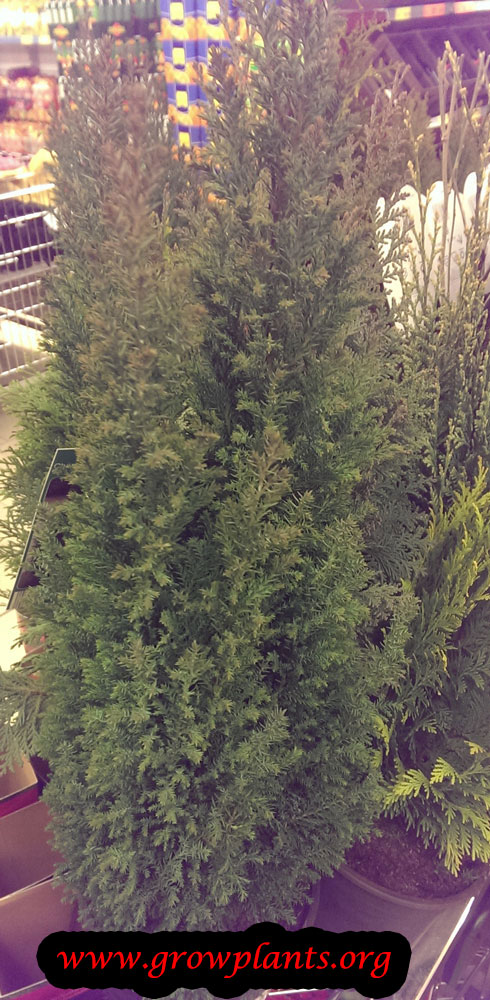
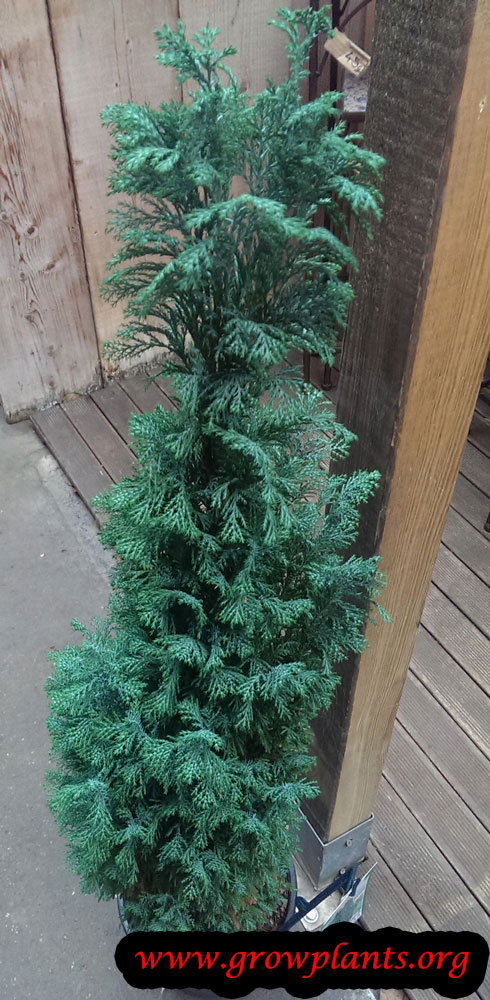
- Growth Habit & Form: Tall, conical evergreen conifer with dense sprays of foliage.
- Lifespan & Maturity: Long-lived perennial; fast-to-moderate growth.
Anatomy & Physical Features
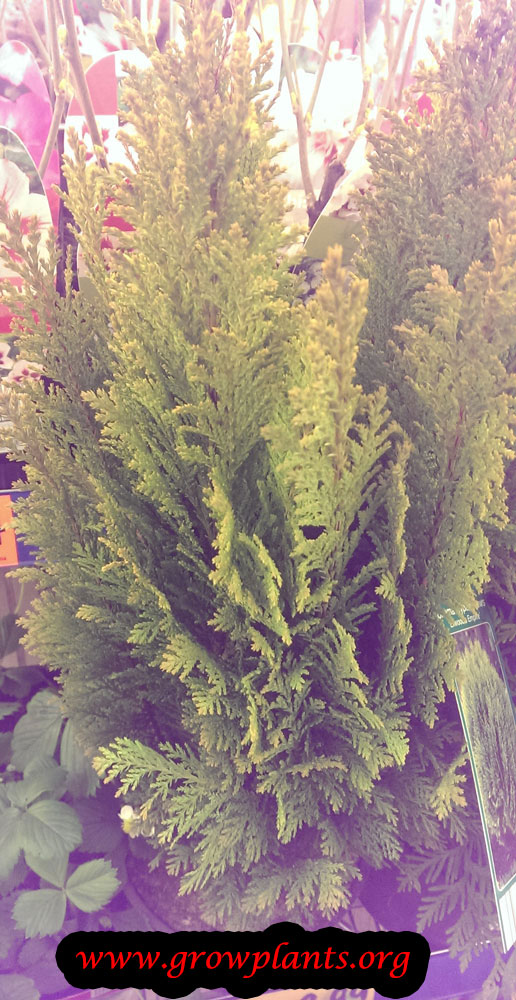
- Leaves & Foliage: Scale-like foliage in flattened sprays, in shades of green, grey, blue-green or green-yellow; aromatic when crushed.
- Flower Characteristics: Small cones rather than true flowers – reddish male and brown female (full detail in the Bloom section).
Primary Uses & Landscape Value
- Functional & Ornamental Roles: Ornamental hedge, screen and specimen conifer; also grown as bonsai and valued for timber.
Care Guide: Planting, Soil & Watering
Overview: This tall evergreen conifer thrives in cool, temperate conditions in moist, slightly acidic soil. It needs a moderate, steady supply of water and dislikes hot, dry sites.
Quick Care Requirements
| Requirement | Ideal Condition |
|---|---|
| Planting Season | Spring to summer |
| Growth Rate | Moderate to fast |
| Soil Type | Moist, slightly acidic, well-draining |
| Soil pH | Slightly acidic |
| Water Need | Moderate – keep evenly moist, avoiding both drought and waterlogging |
Planting & Establishment
- Best Planting Season: From spring to summer while the soil is warm and moist.
- How to Plant:
- Hole Preparation: Dig a hole about twice the width of the root ball and just as deep, loosening the sides so young roots spread easily.
- Soil Amendments: Mix in leaf mould or compost to hold moisture and gently acidify the soil; avoid lime.
- Planting Depth: Set the plant so the root collar sits level with the surrounding soil; never bury the stem or trunk base.
- Growth Speed & Expectations: A moderate to fast grower that in time becomes a large tree of 10-50 m, useful as a tall hedge or specimen.
Soil, Watering & Drainage Care
- Soil Mix & Drainage Needs: Give it moist, slightly acidic soil that still drains freely; it will not tolerate drying out or standing water. It is best grown in the open ground rather than containers or indoors.
- Watering Schedule & Technique:
- Young / Newly Planted: Keep the soil evenly moist for the first several weeks, watering whenever the surface begins to dry.
- Established: Water deeply and let the top few centimetres dry before watering again, rather than giving frequent shallow sips.
- Seasonal Adjustments: Water more often through summer heat and reduce it in winter as growth slows.
Climate, Light & Hardiness
Lawson cypress (Port Orford cedar) is a cold-hardy conifer suited to temperate and cool subtropical climates, needing full sun. It grows best where cool temperatures and consistently moist, slightly acidic soil are available.
Quick Climate Specifications
| Climate Zones | Temperate or cool subtropical climates |
|---|---|
| USDA Hardiness Zones | 5–10 |
| Frost Tolerance | High |
| Light Conditions | Full sun |
Sunlight & Light Exposure
Optimal Light Setup
Needs full sun for its best dense, hedge-quality growth.
Direct Sun Requirement
Requires strong direct sun; shaded plantings tend to thin out.
Temperature Extremes & Hardiness
USDA Hardiness & Regional Limits
Reliably hardy across zone 5–10, spanning cold temperate through cool subtropical conditions.
Cold Damage & Winter Protection
Site guidance highlights a preference for cold temperatures; well-established plants need no winter protection within their hardiness range.
Frost Sensitivity
Very frost tolerant.
Wind, Humidity & Microclimate
Rainfall & Seasonal Moisture
Needs consistently moist soil through the growing season; site guidance calls for average watering and slightly acidic soil, and this species does not tolerate prolonged drought well.
Microclimate Recommendations
A cool, sun-exposed site with reliable soil moisture best matches this species' natural preference for cool, humid temperate climates.
Growing in Pots, Balconies & Indoors
The grower does not treat Lawson cypress (Chamaecyparis lawsoniana) as a houseplant, and it is not suited to long-term pots – it is a very large forest conifer at maturity. A young plant will sit happily in a large tub on a patio for a few years, but it eventually needs the open ground.
Quick Details
- Container Size: Large tub while young only – not a long-term pot plant
- Indoor Suitability: Not an indoor plant – it needs full outdoor light and grows too large
- Best Spot: Full sun, outdoors
- Soil & Drainage: Well-aerated, free-draining mix
- Watering in Pots: Average – keep evenly moist, never waterlogged
Indoors & On the Windowsill
- Houseplant reality: Not a houseplant – it wants full outdoor light and open air, and simply grows too big.
- Windowsill: A young plant or dwarf form belongs outdoors in its pot; indoors it stretches and weakens for lack of light.
- Overwintering: Hardy where it is grown outdoors; a potted young specimen only needs winter shelter in climates colder than it tolerates.
On a Balcony or Patio
- Light & wind: Give it the sunniest, airiest spot. Pots on a balcony or patio dry fast – walls, railings and paving reflect heat – so check moisture often and water more in warm, windy spells. Remember a full pot is heavy and sheds run-off when watered.
- While young only: A large tub works for the first few years; move it into the ground before it becomes root-bound and top-heavy.
Choosing the Pot, Soil & Long-Term Care
- Pot & drainage: A large, stable, deep container. Use a pot with strong drainage holes and skip a standing-water saucer so the roots never sit wet – that is the fastest route to root rot. Terracotta breathes and dries faster, while glazed or plastic pots hold moisture longer.
- Potting mix: Fill with a well-aerated, organic mix – a quality potting mix, or peat/coir loosened with perlite or vermiculite.
- Watering in pots: Average – keep evenly moist, never waterlogged; pots dry faster than open ground.
- Feeding: Potted plants need feeding a little more often than those in the ground, as regular watering steadily leaches nutrients away – feed lightly through the growing season.
- Repotting: Refresh the mix and pot up about every couple of years, lightly trimming roots and top growth to keep it in balance.
Fertilizing & Feeding
A light feeder that prefers soil on the acidic side and consistent moisture: modest balanced feeding supports establishment, with good drainage mattering more than feeding rate afterward.
Quick Fertilizing Specs
| Feeding Level | Light feeder |
|---|---|
| Main Nutrient Priority | Balanced feeding suited to acid-loving trees |
| Best Feeding Period | Spring as new growth resumes |
| Organic Options | Compost or leaf mold worked into the planting area |
| Reduce/Stop Feeding | Taper off once the tree is established and canopy fills in |
| Micronutrients | Usually unnecessary in well-drained, suitably acidic soil; correct only a diagnosed issue |
| Soil pH | Prefers slightly acidic soil |
Feeding by Growth Stage
Establishment after planting
Support root and canopy establishment on a young Lawson cypress planted in moist, humus-rich soil.
| Nutrient direction | A balanced fertilizer supports steady establishment; this species prefers soil on the acidic side, so a product formulated for acid-loving plants suits it better than a strongly alkaline one. |
|---|---|
| Timing | During the first growing seasons after planting. |
| Frequency | A light feeding as growth resumes in spring, repeated later in the season only if growth still looks weak. |
| Fertilizer types | A balanced fertilizer formulated for acid-loving trees and shrubs, Compost or leaf mold worked into the planting area |
| Precautions | Good drainage matters as much as feeding: this species is notably prone to root rot in soggy soil, so avoid combining rich feeding with poor drainage. |
Established maintenance
Keep an established hedge or specimen tree dense and well colored with minimal routine feeding.
| Nutrient direction | Light, balanced feeding maintains color and density; heavy feeding is rarely needed once the tree is settled in. |
|---|---|
| Timing | In spring, mainly if foliage color has faded or growth has clearly slowed. |
| Frequency | An occasional light feeding is generally sufficient for an established planting in reasonable soil. |
| Fertilizer types | A balanced fertilizer for acid-loving trees, used sparingly, A topdressing of leaf mold or compost |
| Precautions | Keep the root zone from staying constantly wet; overwatering combined with feeding increases the risk of root and crown rot in this species. |
Nutrient Deficiency Signs & Corrections
New growth yellows between the veins while older foliage stays green, most noticeable on the newest shoots.
| Possible causes | soil pH too high for this acid-preferring species, limiting iron and manganese uptake, waterlogged roots reducing nutrient uptake, heavy, poorly drained clay soil |
|---|---|
| Appears first on | newest growth at shoot tips |
| What to check | soil pH, drainage and recent watering, soil texture near the root zone |
| Possible correction | Correct pH toward the acidic side and improve drainage; apply a chelated iron or manganese product per its label if yellowing continues. |
Foliage browns and branches die back, often starting near the base or in low, poorly drained spots, and the problem worsens with continued watering.
| Possible causes | Phytophthora root rot, a disease this species is known to be susceptible to in wet soil, waterlogged or compacted soil suffocating roots, root damage from planting too deep or poor drainage |
|---|---|
| Appears first on | lower branches or the base of the plant, spreading upward |
| What to check | soil drainage and how often the site stays wet, planting depth, whether roots look discolored or soft when checked |
| Possible correction | This is primarily a drainage and disease issue, not a nutrient one: improve drainage and reduce watering; fertilizer will not correct root rot and may add stress if roots are already compromised. |
Overall foliage looks thin and pale green to yellow-green, with reduced new growth.
| Possible causes | low soil nitrogen, competition from nearby turf or dense planting, thin or eroded topsoil |
|---|---|
| Appears first on | older, interior foliage |
| What to check | feeding history, soil organic matter, competition from nearby plants |
| Possible correction | Apply a balanced fertilizer suited to acid-loving trees and build soil organic matter. |
Pruning, Training & Seasonal Maintenance
Lawson cypress is a large evergreen conifer (10–50 m) commonly grown as a specimen tree or clipped hedge. Pruning tolerance is moderate on green growth, done mainly for hedge shaping, deadwooding, and single-leader structure; this species’ own facts place the safest structural window in autumn–winter dormancy. It is notably susceptible to Phytophthora lateralis root rot, so tool and equipment hygiene — including footwear, not just blades — matters more here than for most conifers, to avoid moving infested soil or debris between specimens or sites.
Quick Pruning & Maintenance Specs
| Pruning Tolerance | Moderate |
| Primary Pruning Window | Autumn–winter dormancy, for structural cuts |
| Secondary Maintenance Window | Light hedge trims during the growing season |
| Typical Frequency | 1–2x/year if hedged; otherwise as needed |
| Main Objective | Single-leader structure or hedge shape; Phytophthora sanitation awareness |
| Young Plant Priority | Protect a single leader |
| Mature Plant Priority | Maintain hedge form or specimen shape; remove deadwood; avoid root-zone disturbance |
| Best Tool Type | Hedge shears if hedged; pruning saw and pole pruner for a large specimen tree |
| Avoid Heavy Pruning During | Wet, saturated soil conditions (Phytophthora spreads readily) |
Pruning by Plant Age & Size
Newly Established
Minimal pruning; avoid disturbing the root zone.
Young / Formative
If grown as a specimen tree, select a single leader. If grown as a hedge, begin light shearing early to build density from the base up.
Mature / Established
Maintain the chosen form (specimen or hedge), remove deadwood, and watch for Phytophthora symptoms — off-colour, thinning foliage starting at the base — rather than assuming any dieback is pruning-related.
Structural Pruning & Training
Single-leader form for a specimen tree. For hedges, maintain a slightly tapered profile (wider at the base) so lower growth still receives light and doesn’t thin out over time.
Tools
- Hedge shears, widely used given this species’ documented hedge use.
- Pruning saw for large limb or leader work on a potentially very large tree.
- Pole pruner for reaching upper deadwood on a mature, tall specimen.
Tool Hygiene & Disease Risk
High-risk — not primarily from the cut itself, but because Phytophthora lateralis, a serious and often fatal root pathogen of this species, spreads via contaminated soil and water. Clean and disinfect tools, and ideally footwear, between specimens or planting sites, and avoid working around this species when soil is wet or saturated.
Cut Placement & Technique
Cut to a lateral within green foliage; never cut into bare interior wood. Hedge shearing should maintain the tapered profile described above.
Heavy Pruning & Rejuvenation
Not tolerated as rejuvenation — hard cutback into old wood does not regenerate. An overgrown hedge is better kept ahead of with regular light shearing, or replaced, than hard-cut-back.
Post-Pruning Care
Avoid working wet soil around the root zone after pruning. No fertilizing is needed after light shearing. Watch for the earliest signs of Phytophthora (foliage discoloration/dieback starting at the base) as distinct from ordinary pruning wounds.
Common Pruning Mistakes
- Pruning or working around the tree during wet soil conditions, raising Phytophthora risk.
- Shearing a hedge straight-sided rather than tapered, causing the base to thin from shade.
- Cutting into bare wood expecting regrowth.
When NOT to Prune
Avoid working the plant when soil is saturated (root pathogen spread risk), and avoid heavy structural cuts outside the autumn–winter dormant window noted in its own facts.
Recommended Tools (by task)
- hedge_shears — ongoing shaping where grown and clipped as a hedge.
- pruning_saw — large limb or leader work on a potentially very large tree.
- pole_pruner — upper deadwood on a mature specimen reaching 50 m without climbing.
- blade_disinfectant — critical here to avoid moving Phytophthora lateralis-infested soil/debris between specimens or sites, a documented extension concern for this species.
Pruning Troubleshooting
| Problem | Possible Cause | What to Check | Corrective Action |
| Hedge base looking bare/thin | Straight-sided shearing shading out lower growth | Hedge profile — wider at top than base? | Reshape to a tapered profile, allowing light to reach lower foliage |
| Sudden foliage browning/dieback from the base up | Possible Phytophthora lateralis root rot — not a pruning issue | Root-collar discoloration, resin bleeding at the base | Don’t prune to ‘fix’ it; remove severely affected plants, avoid moving soil/tools to unaffected specimens, consult an arborist |
| Bare patches after shearing | Cut into leafless interior wood | Cut location relative to green growth | No reliable fix; avoid this cut going forward |
Propagation Guide
Port Orford cedar (Lawson cypress) can be grown from seed for straight species plantings, but the many named foliage and habit cultivars in this species are propagated by semi-hardwood cuttings to keep them true-to-type, matching the site’s own note that both seed and vegetative propagation are used. Because the species is notably susceptible to Phytophthora root rot, using clean, well-drained propagation media is especially important; overall difficulty is Moderate.
Quick Propagation Specs
| Best Propagation Method | Seed (species) or semi-hardwood cuttings (named cultivars) |
| Alternative Methods | Cuttings are also usable for straight species |
| Propagation Difficulty | Moderate |
| Seed True-to-Type | Usually true-to-type for species; cultivar-dependent for named selections (cuttings needed for cultivar trueness) |
| Vegetative True-to-Type | Yes |
| Best Propagation Season | Sow seed in spring; take cuttings in autumn to winter |
| Cutting Rooting Time | About a couple of months |
| Seed Germination Time | A few weeks, can be uneven |
| Germination Temperature | 15–20°C (59–68°F) |
| Seed Sowing Depth | Shallow, just covered |
Growing from Seed
Seed Handling & Viability
Seed is orthodox; store clean, dry seed in a cool place until sowing.
Dormancy & Pre-Sowing Treatment
A period of cold, moist stratification generally improves germination uniformity.
Sowing Season
Spring.
Sowing Depth & Orientation
Shallow, just covered.
Germination Conditions
Use a sterile, free-draining medium in cool, consistently moist (not waterlogged) conditions matching this species’ preference for moist, slightly acidic soil. Avoid waterlogging – Lawson cypress is notably prone to Phytophthora root rot (listed among its site-noted problems), and damp, poorly drained propagation trays are a common infection route.
Germination Time
A few weeks, sometimes uneven.
Seedling Care
Keep the medium moist but never waterlogged, provide good airflow, and use clean pots and media to minimize root-rot risk.
Stem Cuttings
Cutting Type
Semi-hardwood tip cuttings; this is the standard method for reproducing named Lawson cypress cultivars true-to-type.
Best Timing
Autumn to winter.
Cutting Preparation
Take cuttings with a heel where possible, and strip the lower foliage.
Rooting Setup
Sterile, free-draining propagation mix; avoid overly wet conditions given this species’ Phytophthora susceptibility.
Rooting Hormone
Beneficial for improving rooting consistency.
Rooting Time
Typically about a couple of months.
Bloom & Flower Guide
Quick Details
- Bloom Season: Spring
- Flower Appearance: Tiny male (pollen) cones flushed red and small brownish female cones at the branch tips, looking like fish scales among the foliage
- Edibility: Ornamental / none – grown for foliage colour and hedging
Detailed Blooming Overview
Lawson cypress is a conifer and carries cones rather than true flowers. Its spring display is quietly striking: the tips of the sprays are dotted with tiny male cones flushed red, giving the whole tree a warm haze at close range, while the small female cones are brownish. The grower nicely describes them as looking like fish scales set among the foliage.
Flower Characteristics
- Male pollen cones are tiny and red, tinting the branch tips.
- Female cones are small and brownish, ripening to rounded woody cones.
- Both sit at the ends of the flat foliage sprays like fish scales.
Bloom Care & Thinning
- Nothing to deadhead: The cones need no thinning.
- Pollination: Wind carries the pollen; no insects are involved.
- Placement: Full sun to light shade and moist, well-drained soil bring out the best foliage and coning.
Pests, Diseases & Troubleshooting
Overview: Despite the ‘Chamae-‘ prefix this is a false-cypress conifer, not a palm, and its overriding threat is Phytophthora root rot (especially Phytophthora lateralis, which is lethal to Lawson cypress); cypress aphid and canker are the other serious problems. Get the drainage right and keep the plant unstressed, because most damage here is not something you spray away.
Quick Troubleshooting Overview
| Issue / Pest | Main Symptom | Primary Solution |
|---|---|---|
| Phytophthora root rot | Foliage fades bronze then dies, often whole plant | Sharp drainage; remove & destroy; resistant stock |
| Cypress aphid | Brown, dying patches from inside/base outward | Monitor; soap/oil in spring; tolerate light |
| Coryneum/Seiridium canker | Sunken twig cankers, resin, flagging branches | Prune out; sterilise tools; reduce stress |
| Scale | Bumps on scale-foliage, sooty mould | Horticultural oil |
| Spider mites | Stippled, dull, bronzing foliage in heat | Hose; oil/soap |
| Bagworms | Spindle-shaped bags of foliage; defoliation | Handpick bags; Bt on young larvae |
Common Pests & Management
- Cypress aphid (Cinara cupressi):
- Symptoms: Large brown aphids feeding on older inner shoots, causing brown, dying patches that spread from the inside and base of the plant outward – the browning often appears well after the aphids have gone.
- Prevention & Control: Inspect from mid-spring, when damage is done early and quietly; dislodge with water and encourage ladybirds and lacewings. Treat active colonies with insecticidal soap or horticultural oil; avoid clipping into bare brown wood, which will not regreen.
- Scale insects (Coccidae / Diaspididae):
- Symptoms: Immobile brown, tan or white bumps on stems and leaf undersides; sticky honeydew and blackish sooty mould on soft scale. Growth slows and leaves yellow.
- Prevention & Control: Scrape off light infestations by hand and prune heavily-encrusted stems. Smother the rest with horticultural or neem oil, covering undersides; repeat to catch mobile crawlers. Conserve parasitic wasps and ladybirds.
- Spider mites (Tetranychus urticae):
- Symptoms: Fine pale stippling on leaves, a dull bronzed look, and fine webbing on undersides in hot, dry conditions. Leaves dry and drop as numbers build.
- Prevention & Control: Raise humidity and hose down foliage to break the cycle; mites thrive on dry, dusty plants. Release predatory mites where practical, and treat with insecticidal soap or horticultural oil, coating leaf undersides over repeat applications.
- Bagworms (Psychidae):
- Symptoms: Small spindle-shaped ‘bags’ covered in bits of foliage hanging from branches; heavy numbers defoliate and can kill conifers.
- Prevention & Control: Hand-pick and destroy the bags in the dormant season to remove overwintering eggs. Spray Bacillus thuringiensis (Bt) on young larvae early in the season if infestations recur.
- Juniper/cypress webworm & mites (various):
- Symptoms: Webbed, browning shoot tips and fine mite webbing in hot dry weather.
- Prevention & Control: Prune out webbed tips, hose foliage, and use horticultural oil for mites; keep plants watered in drought to reduce stress.
Diseases & Fungal Issues
- Phytophthora root rot (Phytophthora lateralis / cinnamomi):
- Symptoms: Foliage dulls, yellows then bronzes and dies, often taking a whole plant or a run of a hedge; the inner bark at the base is discoloured cinnamon-brown. Lawson cypress is exceptionally susceptible to P. lateralis, a lethal water-borne root disease.
- Treatment & Management: There is no cure once established: remove and destroy affected plants, improve drainage decisively, avoid moving contaminated soil or water, and do not replant Lawson cypress in infected ground. Where the disease is known, plant Phytophthora-resistant cultivars or alternative conifers.
- Coryneum / Seiridium canker (Seiridium cardinale):
- Symptoms: Sunken, resin-oozing cankers on twigs and branches that girdle and kill them, leaving scattered brown ‘flagged’ branches through the canopy.
- Treatment & Management: Prune out cankered wood well below the lesion in dry weather and sterilise tools between cuts; dispose of prunings. Keep trees vigorous with adequate water, since drought-stressed plants are far more prone.
- Needle/foliage blight (Fungal (various)):
- Symptoms: Browning and dieback of scale-foliage, sometimes confused with aphid or canker damage.
- Treatment & Management: Improve airflow, avoid overhead watering, and prune out affected foliage; healthy trees generally recover.
Growing Difficulties & Abiotic Problems
- Root rot from wet / heavy soil:
- Cause & Symptoms: Bronzing, thinning and death of plants on poorly drained or waterlogged sites, which also invites Phytophthora.
- Correction Strategy: Plant only in well-drained soil, never in wet hollows; avoid overwatering established plants and improve heavy ground before planting.
- Brown patches that won’t regrow:
- Cause & Symptoms: Dead brown zones inside the canopy from aphid, drought or shading – false cypress will not resprout from bare old wood.
- Correction Strategy: Never clip back into leafless brown wood; keep hedges lightly and regularly trimmed within green growth, and address the underlying cause early.
- Drought & wind scorch:
- Cause & Symptoms: Foliage browning after dry spells, cold winds or transplant stress.
- Correction Strategy: Water deeply during establishment and drought, mulch the root zone, and shelter new plants from desiccating wind.
What Helps – Products & Tools
The most important ‘tools’ are free-draining soil and clean, sterilised pruning gear – there is no spray for Phytophthora. For pests, keep horticultural oil and insecticidal soap (cypress aphid, scale, mites) and Bt for bagworms; choose resistant cultivars where root rot is known.
Varieties & Cultivars
- Ellwoodii — Learn more about Ellwoodii