Plant Profile & Key Characteristics
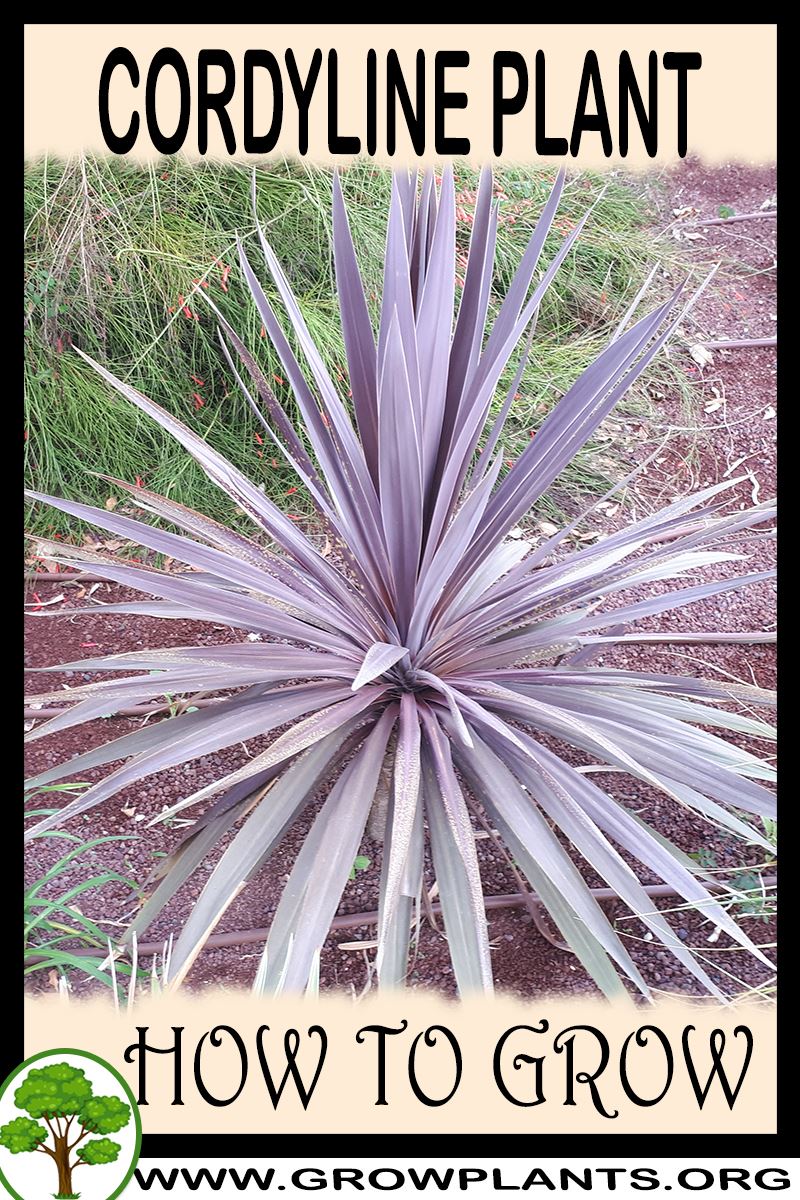
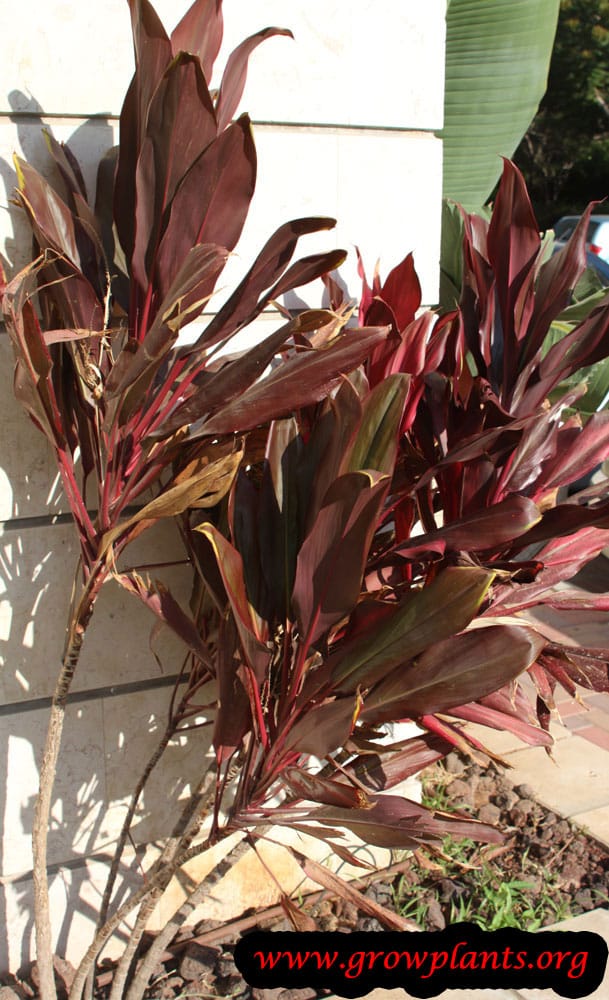
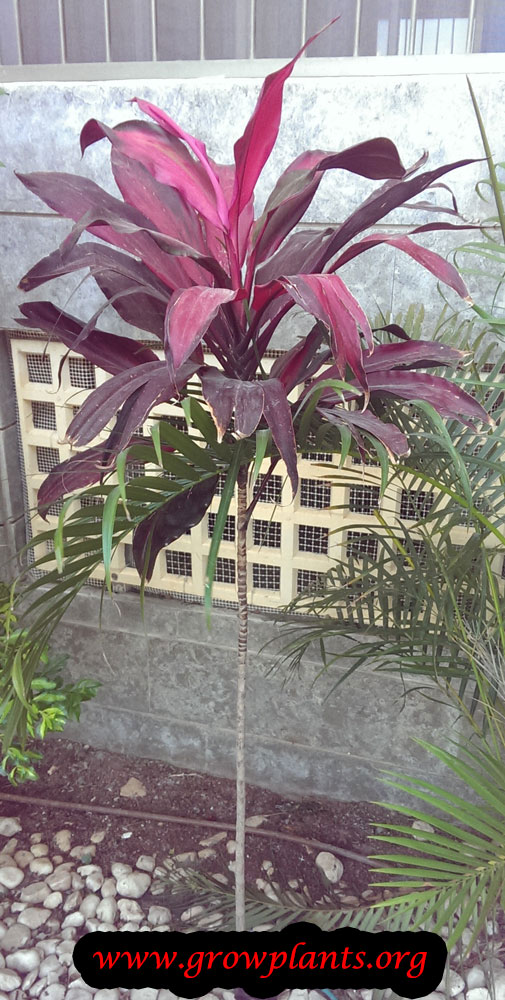
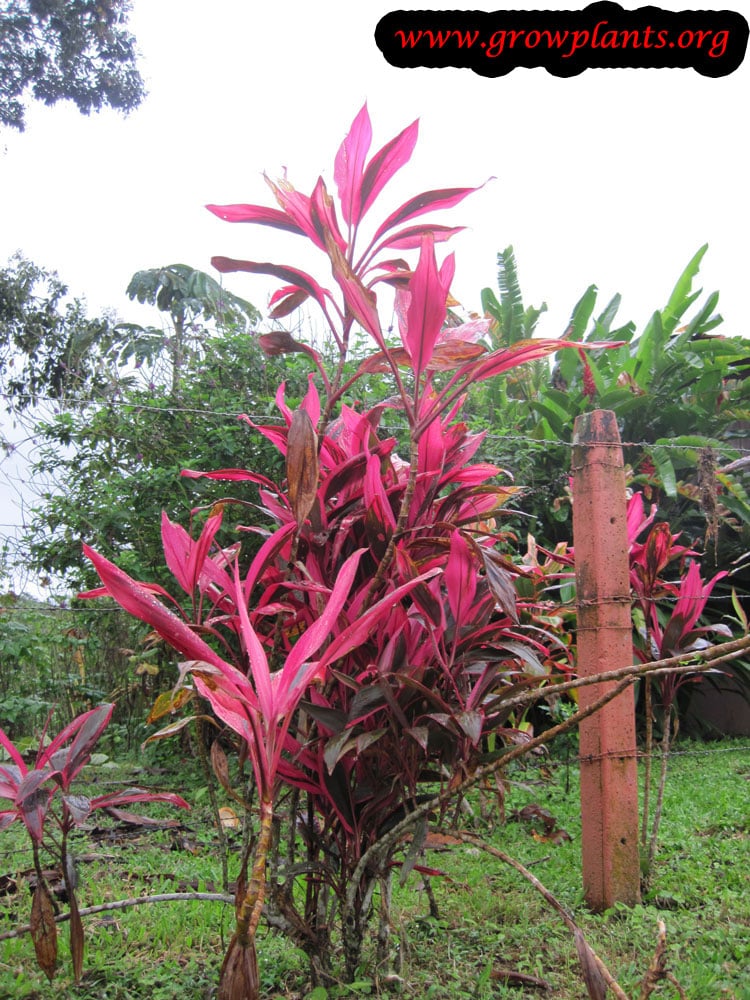
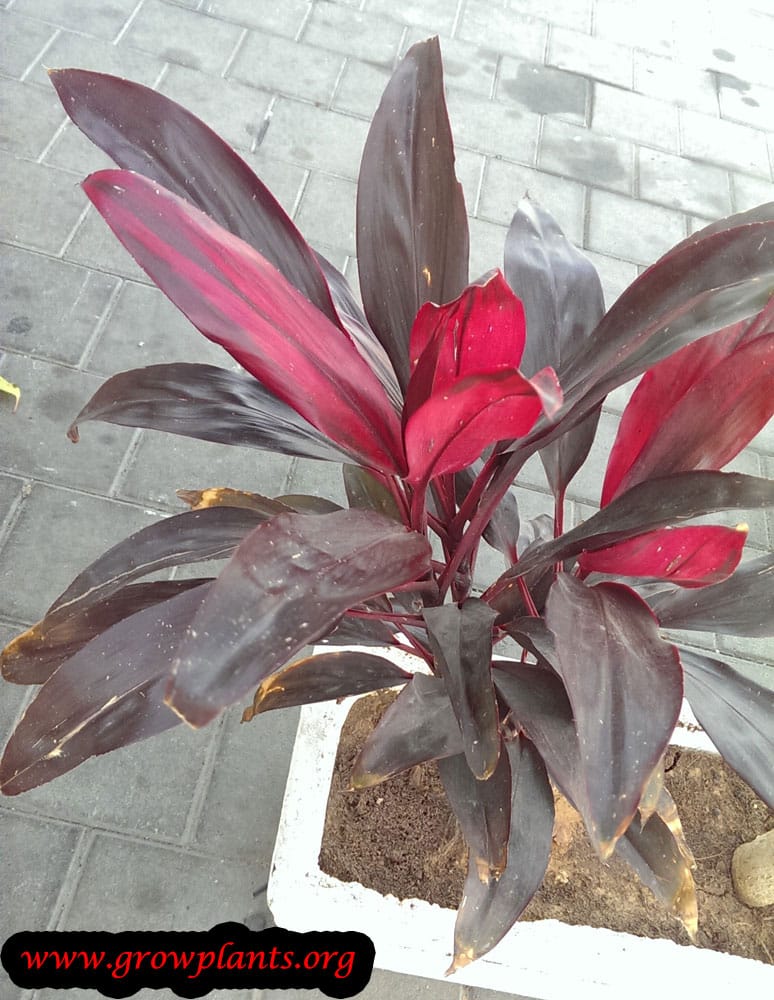
Overview: Cordyline (Ti plant) is an evergreen, palm-like shrub grown mainly for its bold, colourful rosettes of foliage, reaching 0.5-4 m (2-12 ft). It is a perennial used as an architectural ornamental outdoors in mild climates and as a houseplant.
Quick Specifications
| Specification | Attribute |
|---|---|
| Plant Type / Life Cycle | Perennial |
| Foliage Type | Evergreen |
| Mature Size | 0.5-4 m (2-12 ft) |
| Growth Rate | Moderate |
| Toxicity | Toxic to cats and dogs (contains saponins) |
| Hardiness | USDA zones 9+ |
Growth Form & Structure
- Height & Spread: Upright at 0.5-4 m (2-12 ft); well suited to large containers and indoor culture.
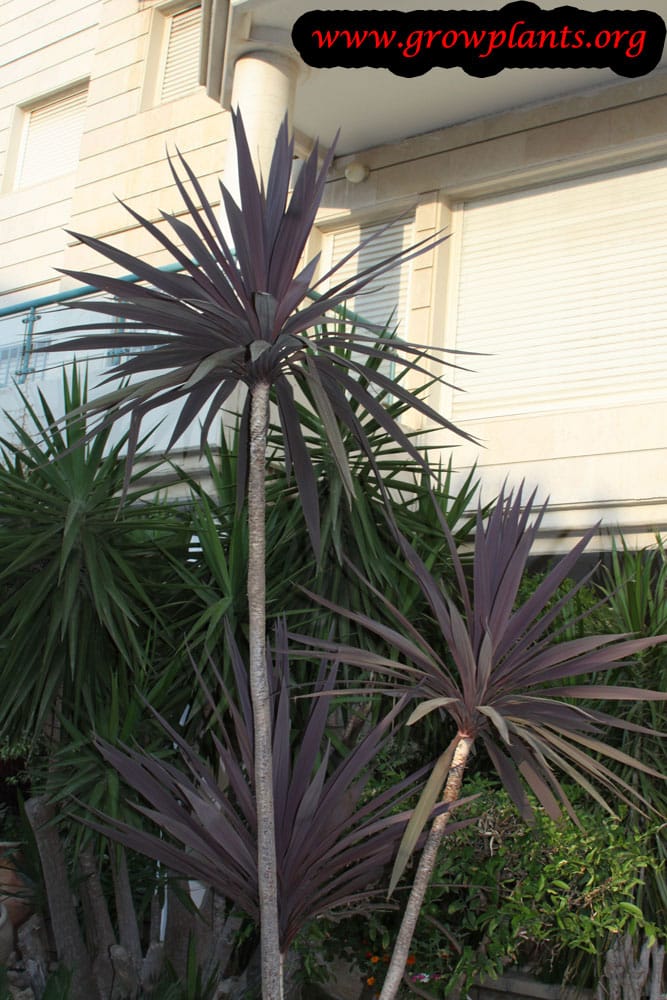
- Growth Habit & Form: Woody-stemmed, palm-like shrub carrying leaves in terminal rosettes atop slender trunks.
- Lifespan & Maturity: Moderate-growing and long-lived, developing bare stems topped with foliage crowns as it matures.
Anatomy & Physical Features
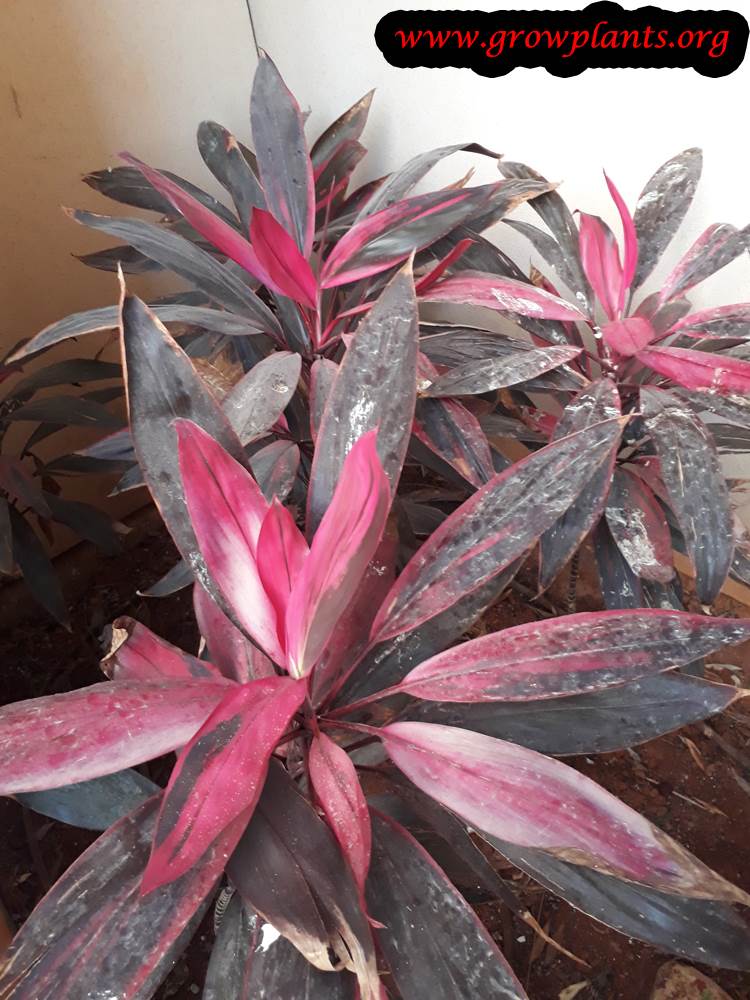
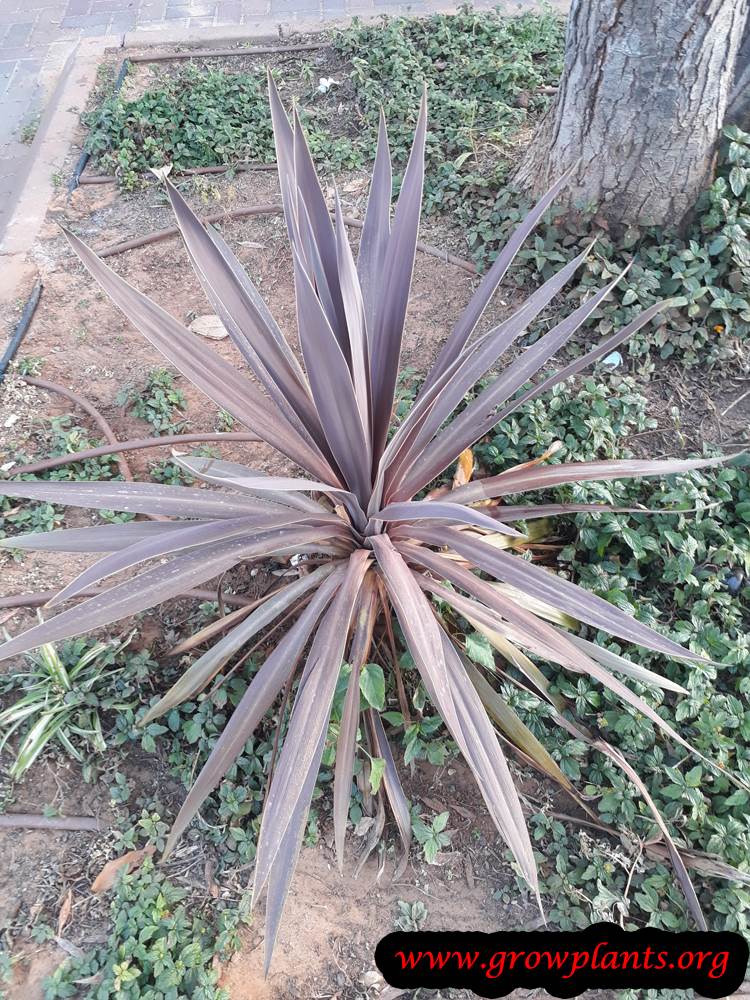
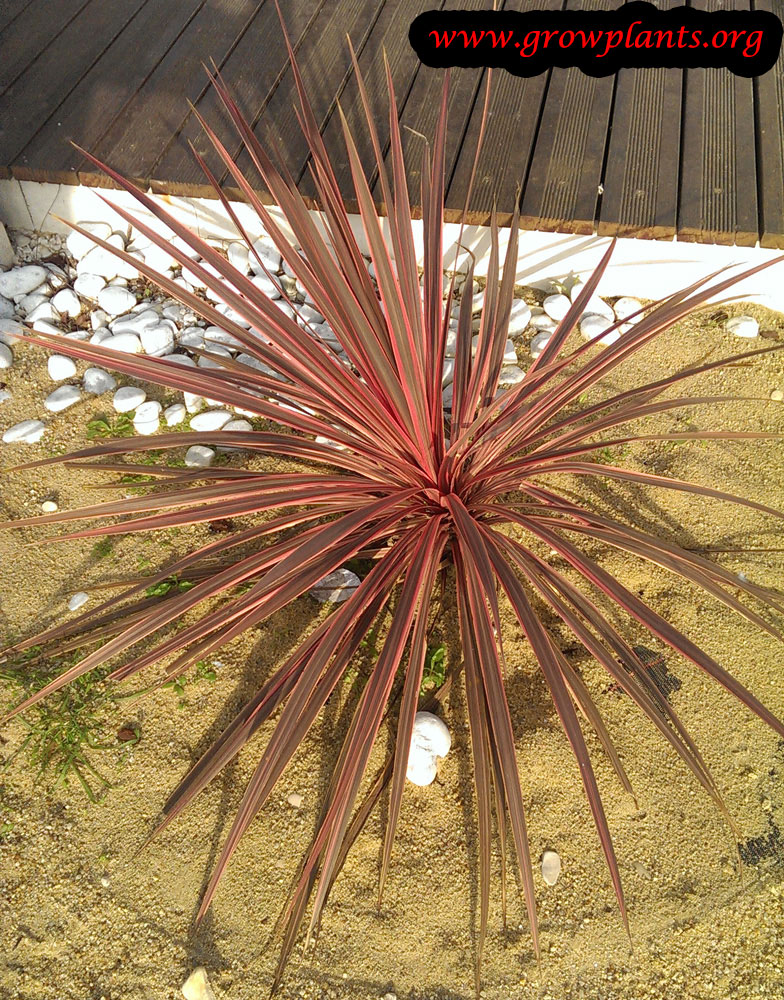
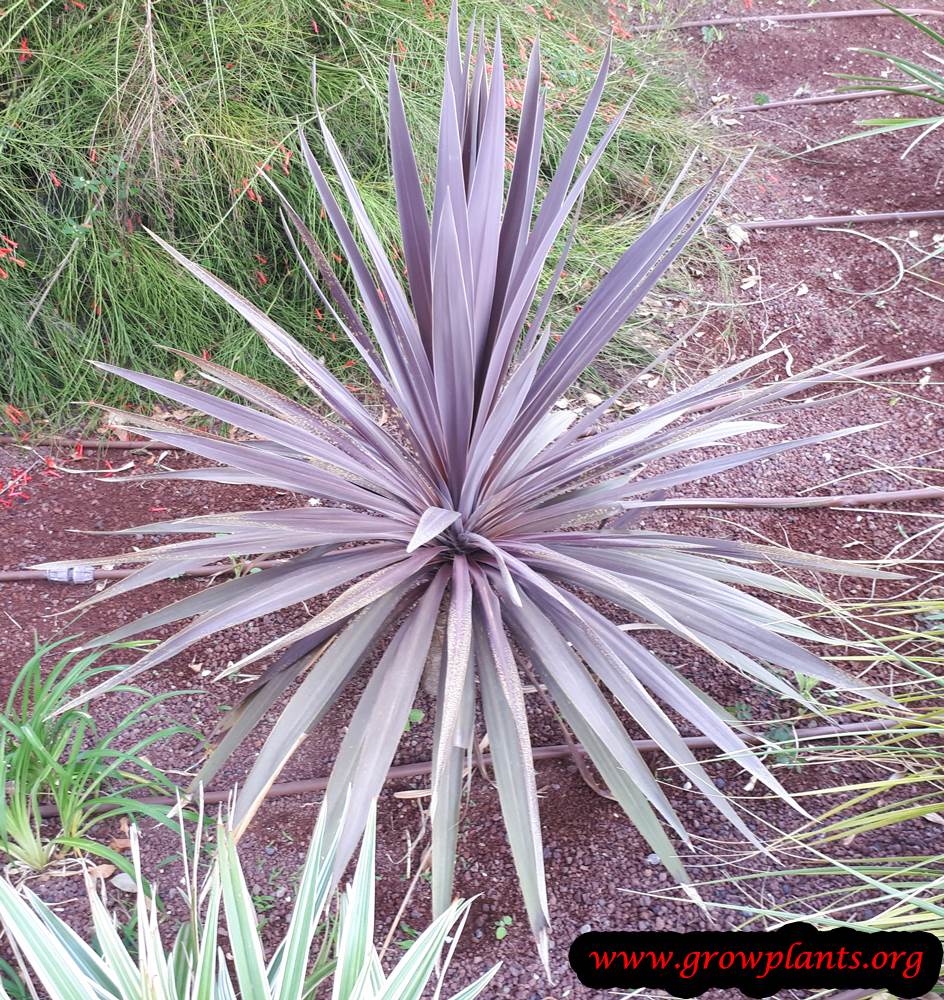
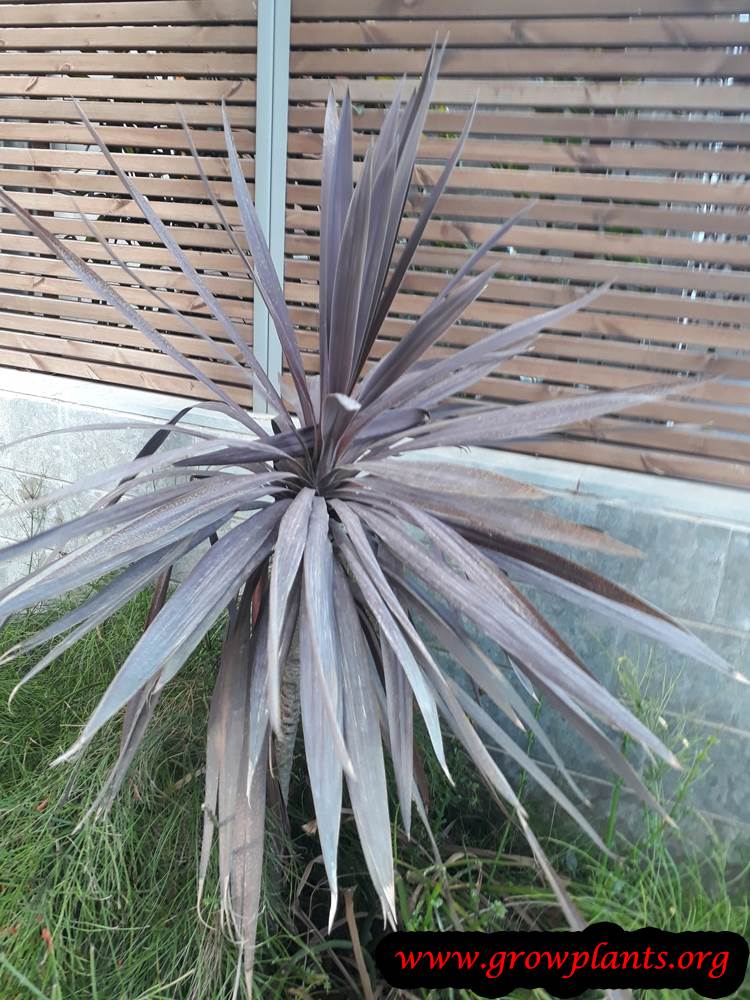
- Leaves & Foliage: Sword-shaped to elliptic leaves in rosettes, coloured green, pink, purple, yellow, brown, red or variegated.
- Flower Characteristics: Small white or pink flowers borne on branched inflorescence spikes.
Primary Uses & Landscape Value
- Functional & Ornamental Roles: Ornamental foliage plant for beds, tropical-style borders, containers and indoor display.
Care Guide: Planting, Soil & Watering
Overview: An evergreen foliage shrub grown for colorful leaves. It needs frost-free conditions and well-drained soil, with steady moderate moisture in sun to shade.
Quick Care Requirements
| Requirement | Ideal Condition |
|---|---|
| Planting Season | In the warm season – spring through autumn, frost-free |
| Growth Rate | Moderate |
| Soil Type | Well-draining, fertile |
| Water Need | Moderate – keep lightly moist, not soggy |
Planting & Establishment
- Best Planting Season: Plant from spring through autumn once frost has passed.
- How to Plant:
- Hole Preparation: Dig a hole twice the width of the root ball and equally deep.
- Soil Amendments: Mix in compost for fertility and improved drainage.
- Planting Depth: Set the root collar at soil level and do not bury the stem.
- Growth Speed & Expectations: Moderate, with steady and even growth.
Soil, Watering & Drainage Care
- Soil Mix & Drainage Needs: Free-draining soil; it makes an excellent container or indoor plant in a well-drained potting mix.
- Watering Schedule & Technique:
- Young / Newly Planted: Keep evenly moist to help it establish.
- Established: Water when the top few cm dry out; avoid waterlogging.
- Seasonal Adjustments: Water less in winter and more in warm, dry periods.
Climate, Light & Hardiness
Cordyline is a warm-climate foliage shrub suited to tropical, Mediterranean, and subtropical conditions or growing as a houseplant, valued for its colorful leaves rather than flowers. It tolerates a range of light levels from full sun to full shade depending on species, but the site is explicit that it needs frost-free conditions.
Quick Climate Specifications
| Factor | Detail |
|---|---|
| Climate Zones | Tropical, Mediterranean, or subtropical; also grown as a houseplant |
| USDA Hardiness Zones | 9+ |
| Frost Tolerance | Very low |
| Light Conditions | Full sun to full shade, depending on species |
Sunlight & Light Exposure
Optimal Light Setup
Light tolerance is broad and species-dependent, ranging from full sun to full shade; brighter light generally produces the strongest, most vivid leaf coloring.
Shade & Heat Management
In hot climates, some afternoon shade helps prevent leaf scorch, particularly on more colorful or variegated cultivars.
Best Exposure/Orientation
A bright spot indoors or a sunny to partly shaded outdoor position both work, depending on the species and local climate intensity.
Temperature Extremes & Hardiness
USDA Hardiness & Regional Limits
Site data places Cordyline in hardiness zone 9 and warmer, and the growing notes explicitly call for frost-free conditions, so it is best treated as having little to no cold tolerance outdoors below that range.
Cold Damage & Winter Protection
No specific numeric cold-damage or survival-minimum temperature is given in the source data, but the frost-free requirement means any frost exposure should be treated as a serious risk; move container plants indoors or under cover well before frost.
Frost Sensitivity
Frost sensitive; the site's own care guidance is explicit that this plant needs frost-free conditions.
Wind, Humidity & Microclimate
Wind Tolerance
Moderate once established outdoors, though newly planted or container specimens benefit from a sheltered position.
Microclimate Recommendations
A warm, frost-free spot with well-drained soil suits Cordyline best; where winters bring any frost risk, grow it in a container that can be moved indoors or into a greenhouse for the cold season.
Growing in Pots, Balconies & Indoors
Cordyline is an excellent foliage houseplant – the grower confirms it grows well indoors and in pots. It can eventually reach several metres, so it makes a fine long-term container plant, grown indoors or on a patio while young and potted on as it grows.
Quick Details
- Container Size: 0.5-4 m (2-12 ft) – a classic houseplant while young, potting on as it grows
- Indoor Suitability: A good foliage houseplant, especially while young
- Best Spot: Full sun to full shade depending on species – bright, indirect light indoors
- Soil & Drainage: Free-draining, organic-rich potting mix (coir/peat with perlite)
- Watering in Pots: Average water – keep lightly moist; let the top dry between waterings and never waterlog
Indoors & On the Windowsill
- A real houseplant: Cordyline is a popular indoor foliage plant. Give it bright, indirect light to keep the leaf colour strong; it tolerates some shade but growth and colour fade in gloom.
- Windowsill & room: Happy near a bright window; as it grows taller it becomes a fine floor-standing feature plant. Average room warmth and humidity suit it – mist in dry heated rooms.
- Overwintering: The tender types are not frost-hardy – keep them indoors over winter in cold climates; even hardier forms benefit from shelter in a cold snap.
On a Balcony or Patio
- Light & wind: A container on a patio or balcony suits it in the warm season; the strappy leaves catch wind, so use a heavy, stable pot and shelter exposed spots. Pots dry fast against warm walls – check moisture regularly.
- Bring tender types in: Move frost-tender cordylines back indoors before cold nights.
Choosing the Pot, Soil & Long-Term Care
- Pot & drainage: A pot sized to the plant, potting on as it grows with strong drainage holes; skip a standing-water saucer to avoid root rot. Terracotta breathes and dries faster, glazed or plastic holds moisture longer.
- Potting mix: A well-aerated, organic-rich mix – peat or coir with perlite or vermiculite for free drainage.
- Feeding: Potted plants need feeding more often than those in the ground because nutrients wash out – a balanced feed through the growing season.
- Repotting: Pot on or refresh the top of the mix every couple of years as it fills its pot; it copes well with being fairly snug.
Fertilizing & Feeding
Cordyline is grown mainly for its colorful foliage rather than flowers, so it responds well to steady, light feeding through active growth – heavy feeding tends to push fast, pale growth that dulls the leaf coloring this plant is prized for.
Quick Fertilizing Specs
| Feeding Level | Light |
|---|---|
| Main Nutrient Priority | Balanced to nitrogen-leaning feeding that supports leaf growth without washing out leaf color |
| Best Feeding Period | Through active growth in the warmer months |
| Organic Options | A well-drained, organically enriched potting mix for containers, or compost worked into garden soil |
| Soil pH | Tolerant of a wide range of well-drained soils |
Feeding by Growth Stage
Establishment after planting or repotting
Let new roots settle into fresh soil or potting mix before asking the plant to take up added nutrients
| Nutrient direction | None – hold off on fertilizer while the plant settles into fresh soil |
|---|---|
| Timing | Immediately after planting or repotting, through the first stretch of root establishment |
| Frequency | No feeding at this stage |
| Fertilizer types | No feeding at this stage – fresh potting mix or garden soil generally supplies enough nutrition early on |
| Precautions | Do not fertilize freshly disturbed roots; wait until new growth confirms the plant has settled in |
Active growth
Support steady production of the colorful new foliage this plant is grown for
| Nutrient direction | Light, balanced to nitrogen-leaning feeding to support healthy leaf growth without diluting leaf color |
|---|---|
| Timing | Through the warmer months when the plant is actively producing new leaves |
| Frequency | Feed lightly through this period rather than heavily |
| Fertilizer types | A balanced complete fertilizer suited to foliage houseplants, applied at a light rate, A controlled-release fertilizer worked into container mix at the start of the growing season as an alternative |
| Routine trace nutrients | iron, manganese |
| Precautions | Avoid heavy or overly frequent feeding, which tends to push fast, pale growth and dull the leaf coloring |
Low-light or cool-season slowdown
Let the plant coast through its slowest growth period without pushing new growth it cannot support
| Nutrient direction | None – withhold fertilizer while growth is minimal |
|---|---|
| Timing | During the cooler, lower-light part of the year, especially for plants grown indoors |
| Frequency | No feeding at this stage |
| Fertilizer types | No feeding at this stage – resume once active growth returns |
| Precautions | Do not fertilize a plant that is not actively growing; unused nutrients can build up as salts in the potting mix |
Nutrient Deficiency Signs & Corrections
General pale or yellowish older leaves and slowed new growth
| Possible causes | Nitrogen deficiency from infrequent feeding, Depleted potting mix that has not been refreshed, Insufficient light limiting overall vigor |
|---|---|
| Appears first on | Older, lower leaves |
| What to check | Recent feeding history, Age and condition of the potting mix, Light levels the plant is receiving |
| Possible correction | Resume light, balanced feeding through the active growing season and refresh the potting mix if it is old |
Yellowing between the veins of new leaves while the veins stay green
| Possible causes | Iron or manganese deficiency, Overly alkaline soil or potting mix reducing micronutrient availability, Waterlogged roots limiting uptake |
|---|---|
| Appears first on | Newest leaves |
| What to check | Soil or potting mix pH, Drainage and watering routine, Whether only new growth is affected |
| Possible correction | Improve drainage, correct pH if confirmed by testing, and apply a chelated iron or manganese product per its label if the issue persists |
New leaves emerging with duller, less saturated color than expected for the cultivar
| Possible causes | Excess nitrogen or overly heavy feeding pushing fast, pale growth, Insufficient light for the cultivar’s coloring, Natural variation as the plant matures |
|---|---|
| Appears first on | Newest leaves |
| What to check | Recent feeding rate and frequency, Light exposure compared with the plant’s needs, Whether color has changed gradually with age |
| Possible correction | Reduce feeding rate and confirm light levels are adequate for the cultivar |
Pruning, Training & Seasonal Maintenance
Cordyline is grown almost entirely for its rosette of colorful foliage, so pruning is mostly cosmetic: removing aging lower leaves to keep the cane tidy, and periodically cutting back a bare or overgrown cane to control height and force fresh branching. Because most garden Cordyline live in frost-free-to-subtropical conditions without a strict dormancy, both kinds of cut can be made across the year rather than in one tight window – the main timing caution is not to make a hard cane cut right before a cold snap in marginal (zone 9) plantings, which would push tender new growth into frost.
Quick Pruning & Maintenance Specs
| Pruning Tolerance | Moderate-High |
| Primary Pruning Window | Year-round (frost-free climates) |
| Typical Frequency | Ongoing light leaf sanitation; cane reduction only every few years as needed |
| Main Objective | Foliage tidiness and control of height/legginess |
| Young Plant Priority | Leave the single growing tip alone; remove only damaged leaves |
| Mature Plant Priority | Rejuvenate a bare or leggy cane by cutting it back |
| Best Tool Type | Precision snips for leaves; loppers or a saw for a woody cane |
| Avoid Heavy Pruning During | Just before an expected cold snap in zone-9 margins |
Pruning by Plant Age & Size
Newly Established
Minimal – remove only damaged or browned leaf tips; never cut the single growing tip, since a young plant usually has only one point of active growth.
Young / Formative
No structural training system applies; the plant is left to develop its natural rosette-on-cane form. New growth only emerges from the apical bud, so there is nothing to pinch or train in the way a branching shrub would need.
Mature / Established
The main mature-plant task is managing height and legginess: an overly tall or bare cane can be cut back partway, or close to its base, which forces one or more new shoots from dormant buds below the cut and converts a single-cane plant into a fuller, multi-caned clump over time.
Structural Pruning & Training
Cane topping/cutting-back is the only real structural technique – used to control height and to force branching on a leggy, single-stemmed plant.
Special Growth to Remove
- Old, yellowed or browned lower leaves – natural leaf drop as the cane extends; remove at the base for tidiness.
- Spent flower spikes – cosmetic only; leaving or removing them does not affect future flowering.
- Basal offsets/suckers – many Cordyline sucker from the base; a design choice to retain them (multi-stemmed clump) or remove them (single-trunk look).
Container & Small-Space Pruning
Potted Cordyline are usually wanted compact, so cane-reduction cuts are made more often than on an in-ground specimen. A hard cane cut can be paired with repotting/root-pruning to rebalance a plant that has become rootbound.
Tools
- Precision snips – for removing individual leaves.
- Loppers or a pruning saw – for cutting through a woody cane.
Tool Hygiene & Disease Risk
Routine – clean, sharp tools are sufficient; no elevated transmissible-pathogen risk is documented for this genus.
Cut Placement & Technique
Cut spent leaves close to the cane without slicing into the cane tissue itself. When topping a cane, cut cleanly just above a set of dormant buds or leaf scars so regrowth breaks evenly rather than from a single lopsided shoot.
Heavy Pruning & Rejuvenation
Well tolerated – an old, bare or storm-damaged cane can be cut back hard, even close to the base, and typically resprouts multiple new shoots within weeks in warm weather. Expect a temporarily bare stub before regrowth appears.
Post-Pruning Care
After a hard cane cut, maintain normal watering and keep the cut stub from sitting in prolonged wet/cold conditions, which can invite rot. No extra feeding is needed to force recovery – new shoots draw on energy already stored in the cane.
Common Pruning Mistakes
- Cutting the single growing tip of a young, still-single-caned plant "for shape," removing its only point of active growth.
- Stripping lower leaves before they have actually yellowed, discarding still-functional foliage.
When NOT to Prune
Avoid hard cane cuts immediately before an expected cold snap in zone-9 margins, which would force tender regrowth into frost.
Recommended Tools (by task)
- precision_snips – clean single cuts on soft leaf tissue for routine sanitation.
- loppers – for cutting through a mature cane cleanly without crushing it.
Propagation Guide
Cordyline is most easily and reliably increased from stem or cane cuttings and by dividing rooted basal suckers, which keep leaf colour identical to the parent — the site notes vegetative propagation is needed whenever more than one cultivar grows in the same area, since seedlings vary. Seed is viable and used mainly for species types or breeding; propagation overall is Easy to Moderate.
Quick Propagation Specs
| Best Propagation Method | Stem/cane cuttings |
| Alternative Methods | Division of basal suckers; air layering of thick canes; seed (species/non-variegated types) |
| Propagation Difficulty | Easy (cuttings, division) / Moderate (air layering) |
| Seed True-to-Type | Variable — cultivar-dependent, especially for coloured/variegated forms |
| Vegetative True-to-Type | Yes |
| Best Propagation Season | Spring to Autumn, the plant’s own recommended planting season |
| Cutting Rooting Time | Typically several weeks to a couple of months in warm conditions |
Stem Cuttings
Cutting Type
Leafless cane (log) sections cut from mature stems, or shorter tip cuttings that retain a few leaves.
Best Timing
Spring through autumn, in line with the plant’s active growing/planting season.
Cutting Preparation
Cut firm, healthy cane into sections and lay them horizontally just under the surface of a free-draining mix, or insert tip cuttings upright after removing the lower leaves.
Rooting Setup
Warm, humid conditions in bright indirect light with a consistently moist (not waterlogged), well-drained medium encourage new shoots and roots to form from the dormant buds along the cane.
Rooting Hormone
Not required, but a rooting hormone can speed and improve consistency of shoot/root formation on cane sections.
Rooting Time
New shoots and roots typically appear within a few weeks to a couple of months, depending on warmth.
Division, Offsets, Pups & Suckers
Mature clumps produce basal suckers at the base of the trunk; the site’s own pruning notes confirm the trunk is cut back at ground level specifically to encourage this kind of division when a clump needs to be multiplied or controlled. Suckers with their own roots can be separated from the parent and replanted directly; wait until a sucker has a reasonable root system before detaching it, and reduce its top growth slightly to help it establish.
Air & Ground Layering
Thick, leggy canes that have lost their lower leaves can be air layered: wound or notch the stem below a node, wrap with moist sphagnum moss and plastic, and keep it consistently damp. Roots generally take a couple of months or more to form before the layered top can be cut away and potted as a new plant.
Bloom & Flower Guide
Quick Details
- Bloom Season: Summer into autumn
- Flower Appearance: Small white or pink flowers massed on branching, spike-like plumes
- Edibility: Ornamental only — the plant is toxic to cats and dogs, so not for eating
Detailed Blooming Overview
Cordyline is grown above all for its brilliantly coloured leaves, so the flowers come as a bonus. When a mature plant blooms it sends out branching, plumed sprays of many small flowers in white to pink, often lightly fragrant and popular with bees. It is a graceful addition to a plant whose real headline is the foliage.
Flower Characteristics
- Numerous small flowers, white to soft pink.
- Carried on branching, spike-like inflorescences.
- Often lightly scented, and attractive to pollinators.
Bloom Care & Thinning
- After flowering: trim spent flower plumes once they fade to keep the plant looking crisp.
- Keep it steady: good light and warmth suit both the colourful leaves and the summer-to-autumn bloom.
Pests, Diseases & Troubleshooting
Overview: Cordyline (ti plants and cabbage trees) are bold-foliage plants grown for their colorful or arching strappy leaves, and their problems are mostly indoor/greenhouse sap feeders plus foliage diseases. The regular pests are scale, mealybugs and spider mites (thrips and aphids too), while the diseases include bacterial and fungal leaf spot and Fusarium; a great deal of Cordyline “disease” is actually abiotic leaf-tip browning from fluoride, salts or cold. Good light, clean water and airflow prevent most issues.
Quick Troubleshooting Overview
| Issue / Pest | Main Symptom | Primary Solution |
|---|---|---|
| Spider mites | Stippling, bronzing and webbing indoors | Raise humidity, hose, horticultural oil |
| Mealybugs | Cottony tufts in leaf bases; honeydew | Alcohol swab, horticultural oil |
| Scale | Brown/waxy bumps on leaves and stems | Scrape, horticultural oil |
| Thrips | Silvery scarring, distorted new leaves | Blue sticky traps, insecticidal soap |
| Leaf spot (bacterial/fungal) | Water-soaked or brown spots with halos | Airflow, dry foliage, copper; remove leaves |
| Tip browning (fluoride/salt/cold) | Brown, dead leaf tips and margins | Use pure water, flush salts, avoid cold drafts |
Common Pests & Management
- Spider mites (Tetranychus urticae):
- Symptoms: Fine pale stippling that bronzes leaves, with delicate webbing on undersides and in leaf bases; worst in warm, dry indoor air and dusty conditions.
- Prevention & Control: Raise humidity, wipe or hose the foliage (especially undersides and leaf bases), and introduce predatory mites; apply horticultural oil or insecticidal soap for active infestations.
- Mealybugs (Planococcus/Pseudococcus spp.):
- Symptoms: Cottony white tufts tucked into leaf bases, sheaths and stem joints, with sticky honeydew and sooty mold; a very common Cordyline pest indoors.
- Prevention & Control: Dab colonies with an alcohol swab, wash off with soapy water, and treat with horticultural oil or insecticidal soap, repeating; check the hidden leaf bases where they hide.
- Scale insects (soft & armored scales):
- Symptoms: Immobile brown, tan or waxy bumps along the midrib, leaf undersides and stems; soft scales add honeydew and sooty mold, causing yellowing and thin growth.
- Prevention & Control: Scrape off small numbers, smother crawlers with horticultural oil, and repeat every couple of weeks; prune heavily infested leaves.
- Thrips (Frankliniella/Heliothrips spp.):
- Symptoms: Silvery-grey scarring, stippling and distortion of new leaves, with tiny black frass specks; slender fast-moving insects.
- Prevention & Control: Use blue sticky traps to monitor, encourage predatory mites and minute pirate bugs, and spray insecticidal soap, neem or spinosad for heavy infestations.
- Aphids (Aphis/Myzus spp.):
- Symptoms: Clusters on soft new growth causing curling, yellowing and honeydew, mainly on juvenile or outdoor plants.
- Prevention & Control: Hose off and rely on beneficials; insecticidal soap clears heavy colonies, and lean feeding limits soft growth.
Diseases & Fungal Issues
- Bacterial leaf spot & blight (Erwinia/Xanthomonas spp.):
- Symptoms: Water-soaked spots that turn brown with yellow halos, sometimes with soft, slimy rot of leaf bases or stem in warm, wet, crowded conditions.
- Treatment & Management: Keep foliage dry, improve airflow, avoid overhead watering, remove and destroy infected leaves, and disinfect tools; copper sprays help protect healthy foliage but sanitation is primary.
- Fungal leaf spot (Fusarium, Phyllosticta, Colletotrichum):
- Symptoms: Brown or reddish spots, sometimes with darker margins or concentric rings, on leaves in humid conditions; heavy spotting disfigures foliage.
- Treatment & Management: Space plants, water at the base, remove spotted leaves, and use a copper or broad-spectrum fungicide if spotting is severe; buy clean stock.
- Fusarium stem/root rot (Fusarium spp.):
- Symptoms: Wilting, basal stem discoloration and root decay, often with dieback of canes, in overwatered or contaminated media.
- Treatment & Management: Use clean, well-drained media, avoid overwatering, discard badly affected plants, and take cuttings only from healthy stock; there is no cure for advanced rot.
- Root rot (Pythium/Phytophthora):
- Symptoms: Yellowing, wilting and collapse with dark, decayed roots in soggy soil.
- Treatment & Management: Plant in free-draining mix, let the surface dry between waterings, and avoid waterlogged saucers.
Growing Difficulties & Abiotic Problems
- Leaf-tip & margin browning (fluoride/salt/cold) — very common
- Cause & Symptoms: Brown, dead leaf tips and edges are usually not disease but sensitivity to fluoride or chlorine in tap water, salt/fertilizer buildup, low humidity, or cold drafts.
- Correction Strategy: Water with rain, distilled or filtered water, flush the pot periodically to leach salts, feed lightly, raise humidity, and keep plants away from cold drafts and heat vents.
- Cold damage
- Cause & Symptoms: Chilling below their comfort range browns, blackens or drops leaves; many are frost-tender.
- Correction Strategy: Keep above their minimum temperature, avoid cold windowsills and doorways, and protect outdoor plants from frost.
- Faded / poor leaf color
- Cause & Symptoms: Colorful ti-plant foliage dulls or turns greenish in too little light.
- Correction Strategy: Give bright, indirect to filtered light (some sun for the brightest colors) to keep pigments strong.
- Sunburn
- Cause & Symptoms: Bleached or scorched patches when a shade-grown plant is moved abruptly into strong direct sun.
- Correction Strategy: Acclimatize gradually to brighter light over one to two weeks.
What Helps – Products & Tools
Start with clean culture: pure water, good light, airflow and dry foliage prevent both tip-burn and leaf spot. Insecticidal soap, neem and horticultural oil handle mites, mealybugs, scale, thrips and aphids; blue sticky traps monitor thrips. For disease, keep leaves dry and use a copper fungicide against bacterial and fungal leaf spot, and clean, well-drained media against Fusarium and root rot. Follow the label and protect pollinators.