Plant Profile & Key Characteristics
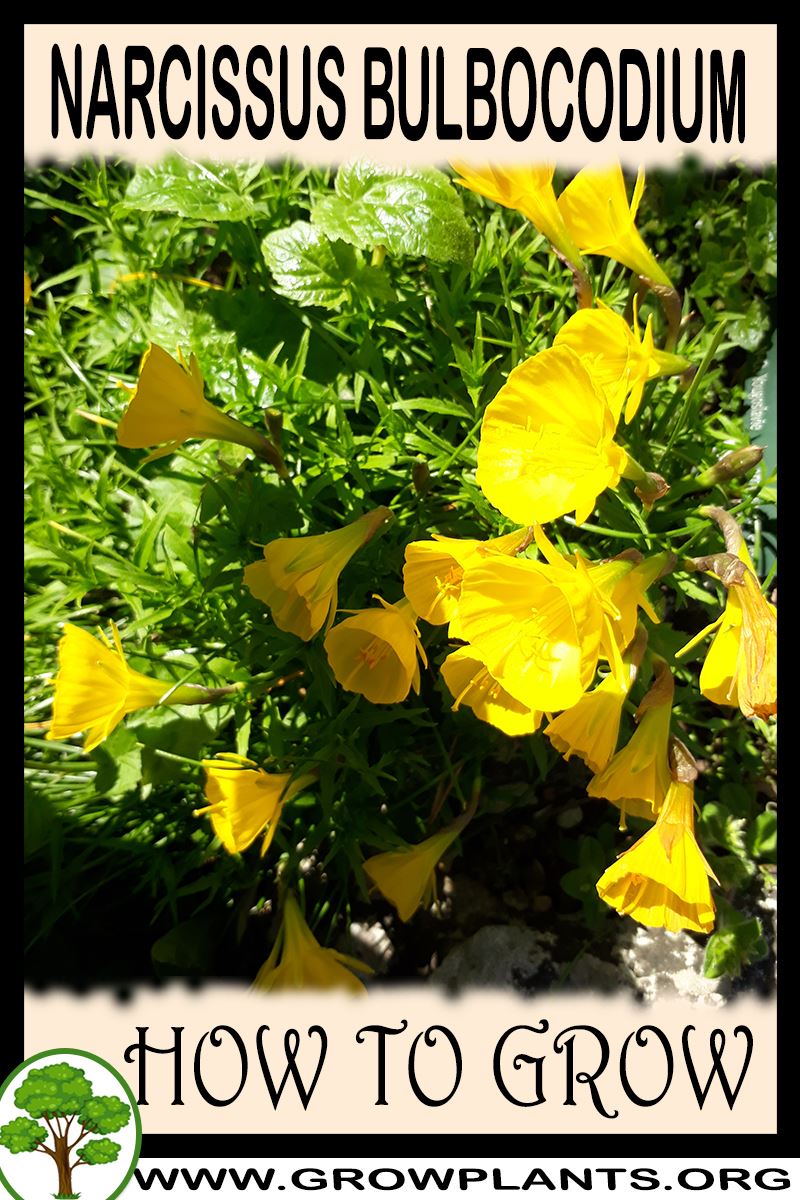
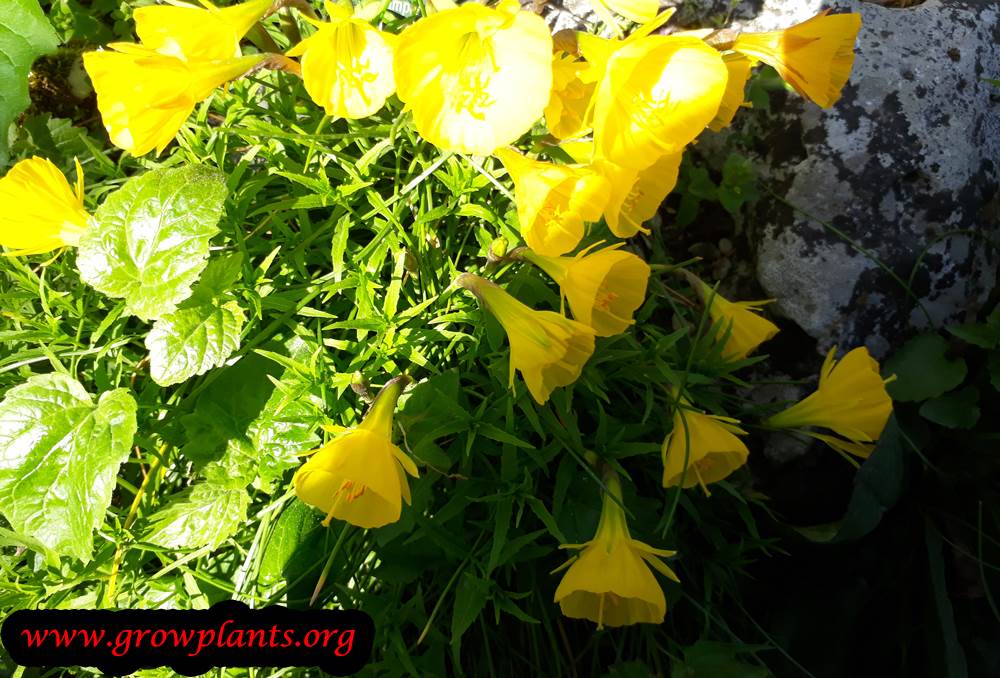
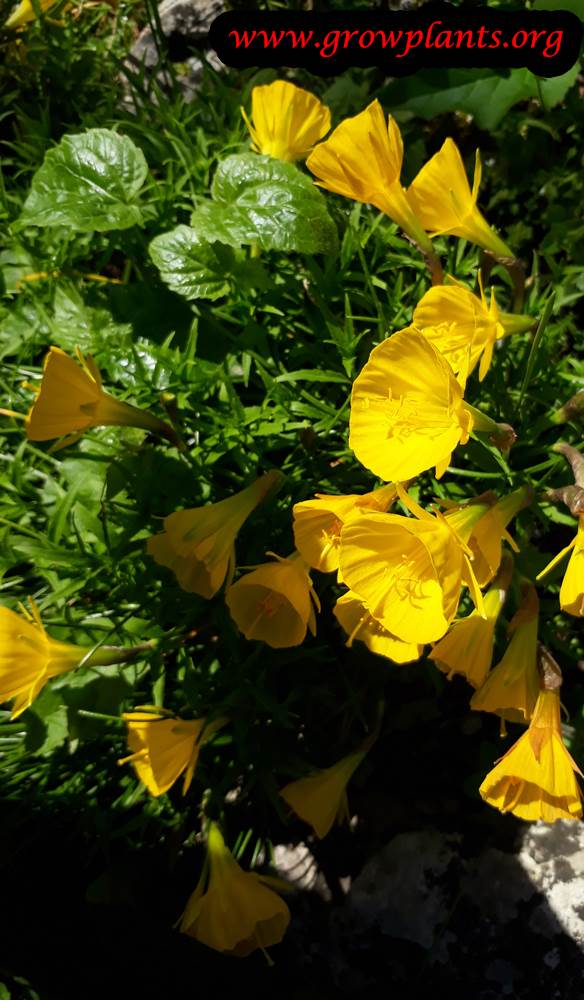
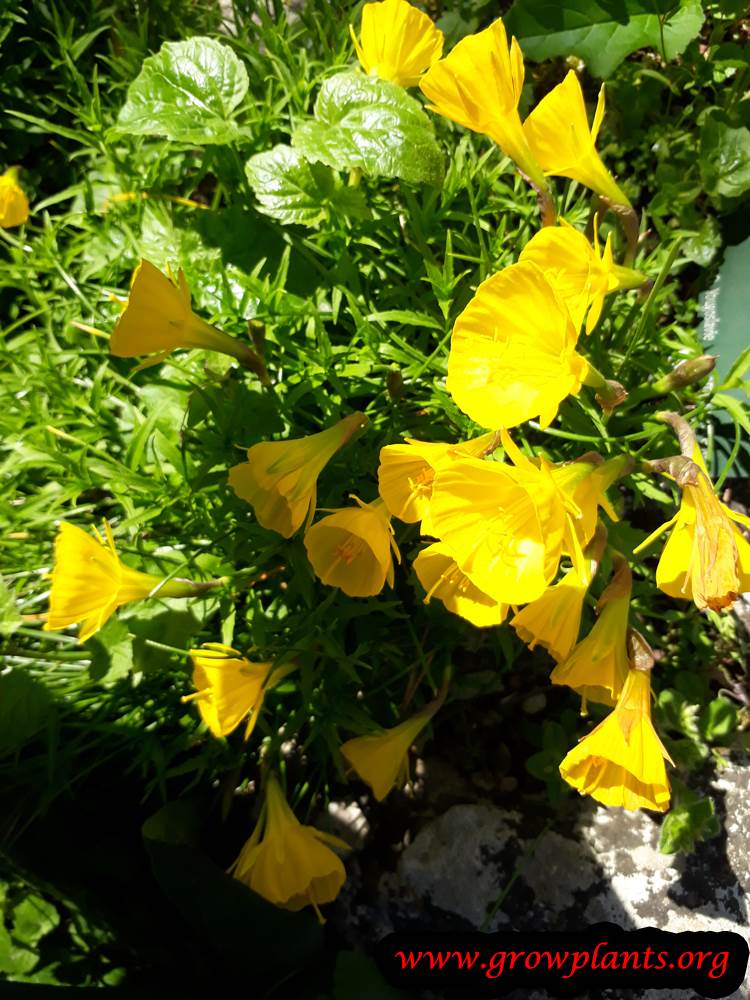
Overview: Narcissus bulbocodium (hoop petticoat daffodil) is a dainty deciduous bulb perennial just 10-20 cm (4-8 in) tall, grown as an ornamental and cut flower for its funnel-shaped blooms. It suits Mediterranean, subtropical and temperate climates.
Quick Specifications
| Specification | Attribute |
|---|---|
| Plant Type / Life Cycle | Perennial geophyte (bulb) |
| Foliage Type | Deciduous |
| Mature Size | 10-20 cm (4-8 in) tall |
| Growth Rate | Slow to Moderate |
| Root System | Bulb with fibrous contractile roots |
| Toxicity | Toxic – all parts contain poisonous lycorine alkaloids |
| Hardiness | USDA zones 4-10a (keep bulbs cool over winter) |
Growth Form & Structure
- Height & Spread: A compact 10-20 cm (4-8 in) tall; ideal for rockeries, troughs and small pots (about 1-2.5 L / 0.2-0.5 gal per bulb).
- Growth Habit & Form: Fine grassy leaves in a basal rosette with solitary flowers on slender stems.
- Lifespan & Maturity: Perennial from the bulb; seedlings take several years to reach flowering size.
Anatomy & Physical Features
- Leaves & Foliage: Narrow, green, linear leaves in a rosette.
- Flower Characteristics: Wide funnel- or hoop-shaped cup in white, yellow or orange, with a prominent or wavy rim and small narrow petals.
Primary Uses & Landscape Value
- Functional & Ornamental Roles: Ornamental bulb for rock gardens, alpine troughs, containers and naturalising; also cut.
Care Guide: Planting, Soil & Watering
Overview: Hoop petticoat daffodil is a hardy bulb that grows through a cool, moist season and rests dry through summer. It wants full sun for good flowering and free-draining soil that never becomes waterlogged around the dormant bulbs.
Quick Care Requirements
| Requirement | Ideal Condition |
|---|---|
| Planting Season | In spring in cooler zones (4–10a) |
| Growth Rate | Slow to moderate – slowest while the bulbs are young |
| Soil Type | Free-draining soil enriched with organic matter |
| Water Need | Moderate – moist in active growth, dry during summer dormancy |
Planting & Establishment
- Best Planting Season: Plant bulbs in spring in cooler zones (4–10a), at the start of the growing season, so they root before flowering.
- How to Plant:
- Hole Preparation: Dig a hole several times larger than the bulb and loosen the base so roots run down freely.
- Soil Amendments: Mix humus and organic matter through the backfill to enrich and lighten the soil; a chopped mulch on top helps hold moisture during growth.
- Planting Depth: Set the bulb pointed end up and cover it with about 2 cm of soil over its top; firm gently.
- Growth Speed & Expectations: Growth is slow to moderate, especially in young bulbs – clumps bulk up and flower more freely over several seasons.
Soil, Watering & Drainage Care
- Soil Mix & Drainage Needs: Sharp drainage is essential to stop the bulbs rotting; in pots use a well-drained potting mix (a single bulb is happy in 1–2.5 L) and always provide drainage holes.
- Watering Schedule & Technique:
- Young / Newly Planted: Keep the soil evenly moist once shoots appear and through rooting and flowering.
- Established: Water regularly while in leaf and flower, letting the surface dry slightly between waterings.
- Seasonal Adjustments: Reduce water as the foliage yellows and stop once the bulbs go dormant for a dry summer rest.
Climate, Light & Hardiness
Narcissus bulbocodium (hoop petticoat daffodil) is hardy roughly zone 4–10a, needing a dry summer and a distinctly cool growing season, approximately 5–20°C (41–68°F); in the coldest part of its range it genuinely requires full sun to bloom at all.
Quick Climate Specifications
| Climate Zones | Mediterranean, subtropics, temperate |
|---|---|
| USDA Hardiness Zones | Approximately 4–10a; indoor winter storage of the bulb is recommended in the colder part of that range (zones 3–5) |
| Optimal Temp Range | Approximately 5–20°C (41–68°F) growing/planting conditions |
| Light Conditions | Full sun (needed for blooming); half shade may impair flowering; full shade tolerated only after blooming has started |
Sunlight & Light Exposure
Direct Sun Requirement
Genuinely required, not just preferred - without adequate sun the plant will not bloom.
Shade & Heat Management
Half shade risks poor flowering; full shade is only workable after the plant has already started to bloom, for example when moving a flowering pot indoors.
Temperature Extremes & Hardiness
USDA Hardiness & Regional Limits
Hardy roughly zone 4–10a; in the coldest part of that range (zones 3–5) the bulb is often lifted and stored indoors over winter for reliability.
Wind, Humidity & Microclimate
Rainfall & Seasonal Moisture
Needs a dry summer alongside its cool growing season; avoid summer moisture that could rot the dormant bulb.
Growing in Pots, Balconies & Indoors
Narcissus bulbocodium are not classic houseplants, but the grower explains they can be brought indoors: give them sun on a windowsill before flowering, then move them inside to enjoy the blooms, even in shade, and stop watering as they go dormant. They also grow very well in pots for a patio, balcony or a bright sill.
Quick Details
- Container Size: About 1 L (0.2 gal) per bulb, and ideally 2.5 L (0.5 gal); well-drained potting mix
- Indoor Suitability: Not a permanent houseplant, but easily grown on a bright sill and moved indoors for the flowering display
- Best Spot: Full sun before and during bud; it can then flower on in half or even full shade indoors
- Soil & Drainage: Well-drained potting mix; refresh it when it tires
- Watering in Pots: Water steadily in growth; stop once the plant heads into dormancy
Indoors & On the Windowsill
- Grower’s indoor method: Because it is not a classic houseplant, first expose it to sun on the window so it can build to flower; once it starts to bloom, bring it indoors and enjoy it until it goes dormant, then stop watering.
- Windowsill growing: A bright, cool sill is ideal for building strong flower buds; cool nights make the blooms last longer.
- Overwintering / forcing: These hardy bulbs need a cold, dark chill to set flower; give potted bulbs that cool rest, then bring them into light and warmth to force them into bloom.
- Safety: All parts, especially the bulbs, are poisonous – keep pots away from children and pets, and never confuse the bulbs with edible ones.
On a Balcony or Patio
- Light & wind: A sunny, sheltered balcony is perfect for spring pots; reflected heat and wind dry containers quickly, so keep the mix evenly moist while in growth.
- Practicalities: Allow for the weight of a filled pot and for drainage runoff onto the balcony below – stand pots on feet or a tray you can empty.
Choosing the Pot, Soil & Long-Term Care
- Pot & drainage: Size the pot by the grower’s rule – about 1 L per bulb, better 2.5 L – with strong drainage and no standing saucer. Use strong drainage holes and skip a standing water saucer, which invites root rot; terracotta breathes and dries fast, while glazed or plastic pots hold moisture longer.
- Potting mix: A light, aerated mix – potting compost, or peat/coir with added perlite or vermiculite for drainage.
- Feeding: A light feed as leaves grow helps next year’s flowers; let the foliage die down naturally to recharge the bulb.
- Repotting: Every few years check the mix is still good, washing out and replacing tired soil; if the roots have filled the pot, thin the bulbs or move up to a larger container so it keeps flowering.
Grower’s Container Tip
- Keep the soil alive and un-crowded: Check the potting mix every so often; if it has broken down, wash the old soil off and replace it with fresh. To keep getting flowers year after year, make sure the root system has not filled the whole planter – if it has, reduce the number of bulbs or move up to a bigger container.
Fertilizing & Feeding
A light feeder given its small, dwarf habit; a modest feeding at growth and again while the leaves stay green after flowering is enough to keep it coming back.
Quick Fertilizing Specs
| Feeding Level | Light feeder |
|---|---|
| Main Nutrient Priority | Balanced feeding with adequate nitrogen to support the hoop-petticoat blooms and rebuild the small bulb afterward |
| Best Feeding Period | From when growth begins through the period the leaves stay green after flowering |
| Organic Options | Humus and organic matter mixed into the planting hole |
| Reduce/Stop Feeding | Stop once the leaves begin to yellow and collapse toward dormancy |
| Micronutrients | Usually supplied by a complete fertilizer; correct only a diagnosed deficiency |
| Soil pH | Tolerates a range of well-drained soils; drainage matters more than exact pH |
Feeding by Growth Stage
Growth through hoop-petticoat bloom and green-leaf recovery
Fuel the narrow rosette leaves and distinctive trumpet-shaped flowers, then help this small bulb rebuild while its foliage stays green after bloom.
| Nutrient direction | A light, balanced fertilizer as growth begins, continued sparingly through the green-leaf period after bloom. |
|---|---|
| Timing | From when growth begins through flowering, and while the leaves remain green afterward. |
| Frequency | A light feeding as growth resumes, with a lighter follow-up feeding once flowering finishes and the leaves are still green. |
| Fertilizer types | A balanced complete fertilizer used at a modest rate, Humus and organic matter worked into the soil at planting |
| Precautions | Never cut back the leaves after flowering – this small bulb depends on them to store enough energy to bloom again. |
Foliage yellowing and dormancy
Let the bulb complete its rest without new growth being pushed.
| Nutrient direction | None – withhold fertilizer once the leaves begin to yellow and collapse. |
|---|---|
| Timing | Once the leaves yellow and die back toward dormancy. |
| Frequency | No feeding at this stage. |
| Fertilizer types | No feeding at this stage; allow the foliage to finish dying back naturally before the bulb’s dormant rest. |
| Precautions | Do not fertilize once the leaves are yellowing; the small bulb is shutting down and cannot use additional nutrients. |
Nutrient Deficiency Signs & Corrections
Leaves are pale and thin and flowering is sparse for an established clump of this dwarf species.
| Possible causes | low available soil nitrogen, depleted soil after years without feeding, nutrient leaching after watering or rain |
|---|---|
| Appears first on | older, lower leaves |
| What to check | recent feeding history, how many years since the bed was last fed, soil organic matter content |
| Possible correction | Apply a light balanced fertilizer as growth resumes and again while the leaves are still green after flowering. |
Flower stems are weak and the small trumpet blooms are undersized or fewer than expected.
| Possible causes | low soil potassium, an unbalanced, nitrogen-heavy feeding routine, leaching in well-drained soil |
|---|---|
| Appears first on | flower stems and older leaf margins |
| What to check | balance of the fertilizer used, clump crowding and division history, recent flowering performance |
| Possible correction | Switch to a balanced fertilizer and avoid nitrogen-only products. |
Leaf tips brown or scorch, particularly on plants grown in shallow containers.
| Possible causes | fertilizer salt buildup from over-feeding this small bulb, poor flushing in container-grown plants, under-watering that concentrates salts near the roots |
|---|---|
| Appears first on | leaf tips and margins |
| What to check | recent feeding amounts, whether the plant is container-grown, watering consistency |
| Possible correction | Ease off feeding, water thoroughly to flush salts if container-grown, then resume only light feeding. |
Pruning, Training & Seasonal Maintenance
Narcissus bulbocodium (hoop petticoat daffodil) is a small bulb geophyte, only 10-20cm tall, most often grown massed in rock gardens, troughs or pots rather than as a cut flower. As with other daffodils there is no woody growth to prune: care is limited to deadheading the spent flower and, later, removing foliage once it has fully yellowed – the leaf cycle for a bulb this small is short but still essential to recharge it for next year.
Quick Pruning & Maintenance Specs
| Pruning Tolerance | Low on green tissue / High once foliage is dead |
| Primary Pruning Window | End of summer into autumn (its stated hardiness range, zone 4-10a) |
| Secondary Maintenance Window | Immediately after each flower fades |
| Typical Frequency | Twice per growing cycle |
| Main Objective | Stop seed-set drain after bloom, then clear dead foliage once the small bulb has finished recharging |
| Young Plant Priority | None – first-season foliage left fully intact on a young, still-small bulb |
| Mature Plant Priority | Deadhead promptly; delay foliage removal until fully yellow |
| Best Tool Type | Precision snips (fine, delicate stems) |
| Avoid Heavy Pruning During | While foliage is still green |
Pruning by Plant Age & Size
Newly Established
Leave all foliage on newly planted bulbs untouched through the first full cycle; a bulb this small has limited reserves and needs every leaf to establish.
Young / Formative
No structural training applies – there is no cane or woody framework on a bulb this size.
Mature / Established
Pinch or snip off the spent bloom near its base once it fades; leave the narrow, linear foliage in place until it yellows, then remove at the base.
Seasonal Pruning Schedule
| Post-Flowering | Objective: stop energy loss to seed production. Remove: the individual spent flower only. Do not remove: any green leaf. Response: bulb keeps recharging through the foliage. Flowering impact: none this season; protects next year’s (usually naturalizing) display. |
| Foliage die-back (end of summer–autumn) | Objective: clear dead material as the bulb finishes storing reserves. Remove: fully yellowed foliage at the base. Do not remove: leaves still green. Response: confirms dormancy. Flowering impact: early removal reduces or skips next year’s bloom. |
Special Growth to Remove
- Individual spent flowers, snipped off before seed forms
- Fully dead, yellowed foliage once die-back is complete
Container & Small-Space Pruning
Well suited to pots and troughs given its dwarf size. Apply the same deadhead-then-wait rule; because container bulbs dry out and warm faster than in-ground plantings, check foliage colour regularly rather than assuming it follows the in-ground schedule exactly, and taper watering only once it has genuinely yellowed.
Tools
- Precision snips for deadheading the small, delicate flower stems
Tool Hygiene & Disease Risk
Routine – clean tools are sufficient. This species is toxic like other narcissus, so wear gloves when handling cut material; wipe blades if bulb mites or bulb flies (its known pests) are present before working on unaffected clumps.
Cut Placement & Technique
Snip the spent flower close to its base without disturbing the surrounding narrow leaves. Remove dead foliage at soil level only once fully browned.
Heavy Pruning & Rejuvenation
Not applicable – no woody structure exists to rejuvenate. Because this species naturalizes and clumps up over time, the relevant long-term task is lifting and dividing overcrowded clumps once flowering thins out, not pruning.
Post-Pruning Care
Water normally while foliage is green; taper off as it yellows to support dormancy. Avoid extra feeding once die-back has started, since the bulb is winding down rather than growing.
Common Pruning Mistakes
- Mowing or strimming over naturalized drifts before the foliage has yellowed, which is easy to do with a plant this low-growing
- Leaving spent flowers to set seed, diverting energy from the small bulb
- Handling the toxic sap without gloves
When NOT to Prune
Do not cut or mow over green foliage, even once flowering is finished – this dwarf species has less leaf area than standard daffodils to begin with, so premature removal has an outsized effect on next year’s bloom.
Recommended Tools (by task)
- precision_snips – the only tool needed given the plant’s small, delicate scale, for both deadheading and eventual foliage cleanup
Propagation Guide
Narcissus bulbocodium (hoop petticoat daffodil) is easiest to increase by dividing the offset bulbs a mature bulb produces, which is fast and keeps the distinctive hoop-shaped trumpet true. Seed is possible – as a true species it tends to come reasonably close to the parent – but germination is slow and uneven and seedlings need several years to reach flowering size, so division is the more practical route for a home grower.
Quick Propagation Specs
| Best Propagation Method | Bulb (offset) division |
| Alternative Methods | Seed |
| Propagation Difficulty | Easy (bulb division); Moderate, slow (seed) |
| Seed True-to-Type | Usually similar to the parent, as a species type |
| Vegetative True-to-Type | Yes |
| Best Propagation Season | Divide bulbs during summer dormancy after foliage dies back (end of summer to autumn) |
Growing from Seed
Sow ripe seed in a well-drained, gritty mix. Germination is typically slow and can be uneven, sometimes taking many weeks to appear, and seedling bulbs generally need a few years of growing-on before they are large enough to flower.
Rhizomes, Tubers, Bulbs & Corms
Bulb Division
Divide once the foliage has died back, from the end of summer into autumn. Lift the clump and separate the small offset bulbs from the mother bulb by hand.
When replanting, dig a hole roughly five times the bulb’s size, work humus and organic matter into the soil, and set the bulb so about 2cm (1in) of soil covers its top. If not replanting immediately, store bulbs somewhere cool and dry, with a layer of dry mulch (paper, dead leaves, or wood shavings) to buffer humidity.
Bloom & Flower Guide
Quick Details
- Bloom Season: Winter in warm climates (rarely late autumn); late winter into spring in cold climates
- Time to First Bloom: The first season after the bulbs are planted
- Flower Appearance: Wide, trumpet-shaped “hoop-petticoat” flowers in white, yellow or orange, the trumpet rim prominent or wavy
- Edibility: Not edible – daffodils are poisonous in all parts
Detailed Blooming Overview
Narcissus bulbocodium, the hoop-petticoat daffodil, is a charming dwarf bulb whose flower is almost all flaring trumpet, with the narrow petals reduced to little more than a frill behind it. It blooms in winter in mild areas and from late winter into spring where it is colder. As with all daffodils, every part of the plant is toxic if eaten, so grow it purely for its cheerful show.
Flower Characteristics
- Large, funnel- (trumpet-) shaped cup that dominates the flower.
- Colours white, yellow or orange.
- The rim of the trumpet may be prominent or gently wavy.
Bloom Care & Thinning
- After flowering: Deadhead spent blooms but let the leaves die down naturally so the bulb can recharge for next year.
- Handling safely: Wash hands after handling bulbs and keep them away from children and pets, as they are poisonous.
Pests, Diseases & Troubleshooting
Overview: Daffodils (Narcissus) are among the most pest-resistant bulbs – their alkaloids deter deer, rodents and most chewing insects. Their real threats are soil-borne: bulb flies, mites and stem nematode, plus basal rot and Botrytis smoulder in wet ground. The hoop-petticoat (N. bulbocodium) is a small alpine daffodil that resents wet, so bulb basal rot is the main risk if drainage is poor. Buy firm, healthy bulbs and give sharp drainage.
Quick Troubleshooting Overview
| Issue / Pest | Main Symptom | Primary Solution |
|---|---|---|
| Narcissus bulb fly | Soft, hollow bulbs; few or blind leaves | Firm/mound necks after leaf-die; discard soft bulbs |
| Stem & bulb nematode | Swollen streaks on leaves; brown rings in bulb | Destroy infested bulbs; long rotation; hot-water treat |
| Bulb scale mite | Distorted, scarred leaves and flowers | Discard affected stock; hot-water treatment |
| Basal rot | Chocolate-brown rot from base; bulbs soft | Lift & discard; well-drained cool soil; clean stock |
| Narcissus smoulder (Botrytis) | Rotting shoots, gray mold in cool wet spring | Remove debris; space bulbs; avoid overhead wet |
| Yellow stripe virus | Yellow streaking; stunting | Rogue infected plants; control aphids |
Common Pests & Management
- Large narcissus bulb fly (Merodon equestris):
- Symptoms: A single fat grub hollows out the bulb; it produces few, thin, grassy leaves and no flower, and the bulb is soft when squeezed.
- Prevention & Control: After foliage dies down, firm or mound soil over the leaf-die holes so the fly cannot lay in the necks. Lift and destroy soft bulbs; hot-water treatment (about 44°C/111°F for a few hours) of dormant bulbs kills larvae.
- Small narcissus bulb flies (Eumerus spp.):
- Symptoms: Several small maggots in already-damaged or rotting bulbs, usually a secondary invader.
- Prevention & Control: Grow healthy, undamaged bulbs, discard any that are soft, and follow the same neck-firming and hot-water measures as for the large fly.
- Stem & bulb nematode (Ditylenchus dipsaci):
- Symptoms: Yellowish swellings (‘spickels’) along leaves, stunted twisted growth, and telltale brown concentric rings when a bulb is cut across.
- Prevention & Control: There is no home cure – dig and destroy infested bulbs and nearby stock, avoid replanting Narcissus in that ground for several years, and start again with certified clean, hot-water-treated bulbs.
- Bulb scale mite (Steneotarsonemus laticeps):
- Symptoms: Microscopic mites scar and distort emerging leaves and flowers, leaving saw-toothed reddish streaks, mainly in warm forced or stored bulbs.
- Prevention & Control: Discard visibly affected stock, keep storage cool and airy, and hot-water treat dormant bulbs; there is no practical spray.
- Aphids (Myzus persicae):
- Symptoms: Colonies on foliage and buds that distort growth and, more importantly, spread viruses between plants.
- Prevention & Control: Monitor and hose off small numbers, encourage ladybirds and hoverflies, and use insecticidal soap where virus spread is a concern.
- Slugs & snails (Gastropoda):
- Symptoms: Ragged holes in leaves and grazed flower buds, worst in damp shady beds.
- Prevention & Control: Handpick at night, clear damp hiding places, and use iron-phosphate bait around emerging shoots.
Diseases & Fungal Issues
- Basal rot (Fusarium oxysporum f.sp. narcissi):
- Symptoms: A chocolate-brown, dry rot spreading up from the base plate; bulbs soften and are often chalky inside, worst in warm, wet soils.
- Treatment & Management: Plant only firm, unblemished bulbs in cool, well-drained soil, avoid mechanical damage and hot wet conditions, and lift and destroy any rotting bulbs. Discard, don’t replant, affected stock.
- Narcissus smoulder (Botrytis narcissicola):
- Symptoms: Emerging shoots rot and are coated in gray mold in cool, wet springs; small black resting bodies form on decayed tissue.
- Treatment & Management: Remove and destroy rotted shoots and old debris, space bulbs for airflow, avoid overhead watering, and lift and inspect stored bulbs.
- Narcissus yellow stripe virus (Narcissus yellow stripe virus):
- Symptoms: Yellow streaking and mottling along the leaves, with stunting and poorer flowering over time.
- Treatment & Management: There is no cure – rogue out infected plants, control aphid vectors, and replant with virus-free stock.
- White mould / leaf scorch (Botrytis / Stagonospora curtisii):
- Symptoms: Reddish-brown scorched leaf tips and spotting, especially in tazetta types in wet warm weather.
- Treatment & Management: Cut off and destroy affected leaves after flowering, improve airflow, and apply a protectant fungicide only where it recurs badly.
Growing Difficulties & Abiotic Problems
- Blindness (no flowers):
- Cause & Symptoms: Bulbs that are overcrowded, too shallow, dry, poorly fed, or had leaves cut early store too little energy to form flowers.
- Correction Strategy: Let foliage die down naturally, feed after flowering, plant at the right depth, and lift and divide crowded clumps.
- Bulb rot from wet soil:
- Cause & Symptoms: Waterlogged ground rots dormant bulbs and invites basal rot.
- Correction Strategy: Choose free-draining sites or raised beds, and never leave bulbs sitting in saturated soil.
- Frost/weather flop:
- Cause & Symptoms: Heavy rain, wind or late frost can flatten or scorch open flowers.
- Correction Strategy: Site in some shelter and support tall types; damage is cosmetic and passes with the season.
What Helps – Products & Tools
Daffodils need little spraying: rely on clean firm bulbs, hot-water treatment for mites and nematodes, iron-phosphate slug bait, insecticidal soap for aphids, and a protectant fungicide only for persistent Botrytis smoulder. Being alpine, it does best in gritty, sharply drained soil or a raised alpine bed to avoid rot.
Varieties & Cultivars
- Oxford Gold: Flowers are light yellow.
- Spoirot: Flowers are white with a little cream, and yellow stamens.
- White Petticoat: Flowers are white, with yellow stamens.
- Conspicuous: Flowers are yellow.
- Golden Bells: Flowers are light yellow.