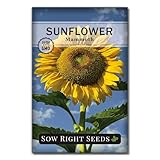


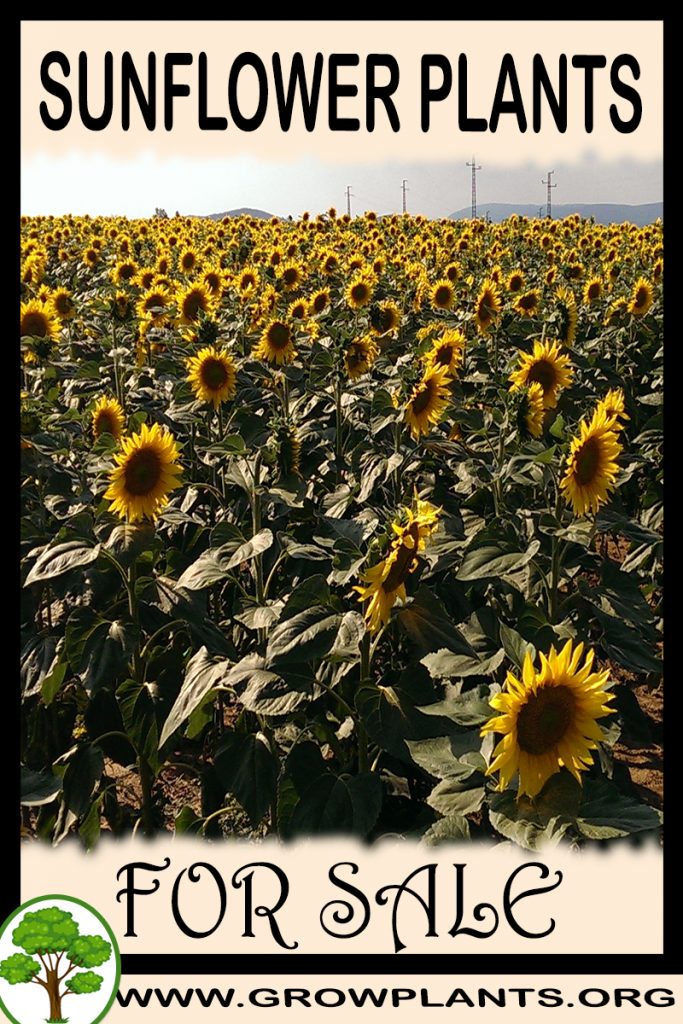
Plant Profile & Key Characteristics
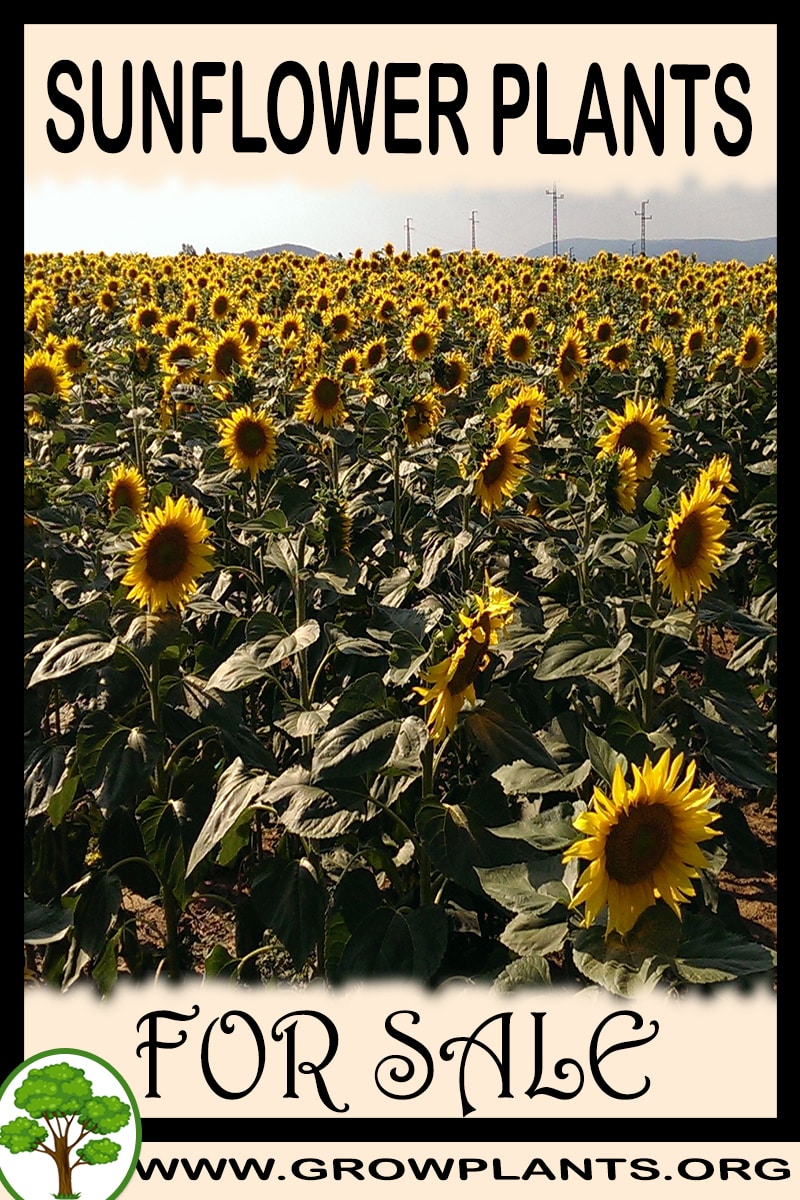
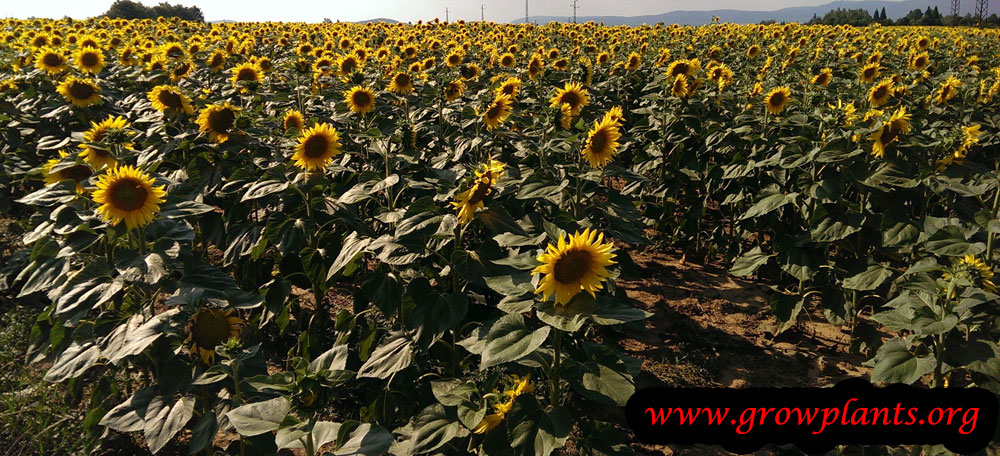
Overview: A fast-growing annual 1-5 m (40-200 in) tall grown as an ornamental and for its edible seeds. Its large sun-tracking flower head attracts bees and other pollinators before setting a crop of seeds.
Quick Specifications
| Specification | Attribute |
|---|---|
| Plant Type / Life Cycle | Annual |
| Foliage Type | Herbaceous annual (dies after seeding) |
| Mature Size | 1-5 m (40-200 in) |
| Growth Rate | Fast |
| Root System | Taproot with fibrous laterals |
| Toxicity | Non-toxic / edible seeds |
| Hardiness | USDA zone 5+ |
Growth Form & Structure
- Height & Spread: Single stout stem 1-5 m (40-200 in) tall; dwarf forms suit containers.
- Growth Habit & Form: Erect annual with a stout, rough, hairy stem topped by one large flower head.
- Lifespan & Maturity: Annual; flowers and sets seed within one season, taking about 4-7 months to bear seeds.
Anatomy & Physical Features
- Leaves & Foliage: Large, broad, rough-textured green leaves.
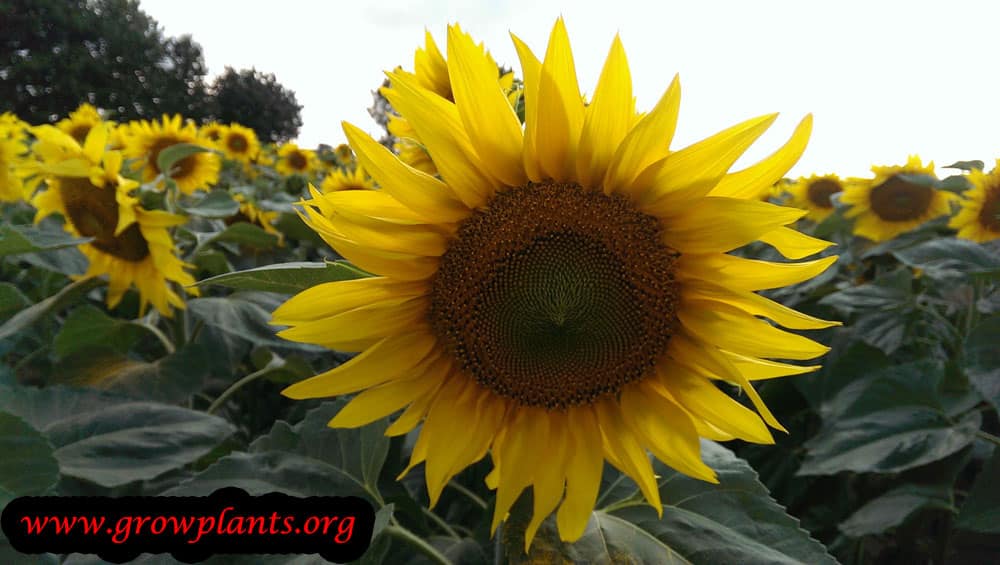
- Flower Characteristics: Large heliotropic flower head (tracks the sun) in yellow, orange or red that attracts bees.
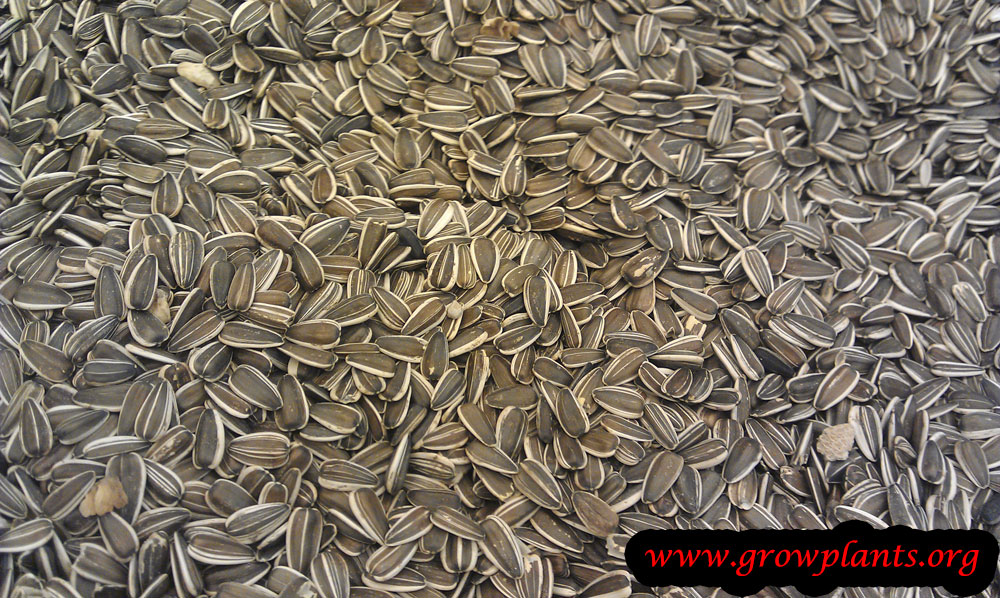
- Fruit Profile: Edible grey seeds held in black-and-white striped hulls in the ripened head.
Primary Uses & Landscape Value
- Edible Uses: Seeds eaten raw or roasted and pressed for sunflower oil.
- Functional & Ornamental Roles: Ornamental cut flower, pollinator plant and seed crop that also feeds birds.
Care Guide: Planting, Soil & Watering
Overview: The common sunflower (Helianthus annuus) is a fast-growing annual that needs full sun and a warm summer to reach its full height. It grows in most soils but does best in fertile, well-drained ground with steady moisture.
Quick Care Requirements
| Requirement | Ideal Condition |
|---|---|
| Planting Season | In spring after the last frost, for a warm summer |
| Growth Rate | Fast |
| Soil Type | Fertile, well-draining |
| Water Need | Moderate to High |
Planting & Establishment
- Best Planting Season: Sow or plant in spring after the last frost so it grows on through the warm summer it needs.
- How to Plant:
- Hole Preparation: Plant into loosened, well-drained soil in a hole a little wider than the root ball; sunflowers form a strong taproot and prefer not to be disturbed.
- Soil Amendments: Enrich with compost for a fertile, free-draining bed.
- Planting Depth: Set a transplant’s root ball level with the soil surface, or sow seed about 2-3 cm (1 in) deep.
- Growth Speed & Expectations: A fast grower that can reach 1-5 m (40-200 in) in a single season, depending on variety.
Soil, Watering & Drainage Care
- Soil Mix & Drainage Needs: Provide fertile, well-drained soil; good drainage prevents rot while steady moisture supports rapid growth.
- Watering Schedule & Technique:
- Young / Newly Planted: Keep the soil evenly moist while seedlings establish and put on height.
- Established: Water regularly and deeply, giving more as the large flower heads form.
- Seasonal Adjustments: Water generously through summer heat; being an annual, it finishes its cycle by autumn.
Climate, Light & Hardiness
Sunflower is a heat-loving, full-sun annual grown across a very wide range of climates from desert to tropical, provided it gets a warm growing season; it is not grown for winter hardiness, since it completes its whole life cycle from seed to flower within a single warm season.
Quick Climate Specifications
| Climate Zones | Mediterranean, desert, subtropical, temperate, tropic |
|---|---|
| USDA Hardiness Zones | Approximately 5+ - grown as a warm-season annual, so this describes the length/warmth of season needed rather than winter survival |
| Frost Tolerance | Low; seedlings and foliage are frost-sensitive and frost typically ends the plant's cycle |
| Light Conditions | Full sun |
Sunlight & Light Exposure
Optimal Light Setup
Full sun is essential for strong stems and full-size flower heads.
Direct Sun Requirement
Direct sun is genuinely required - this is a heliotropic species, and young flower heads visibly track the sun through the day.
Temperature Extremes & Hardiness
USDA Hardiness & Regional Limits
Rated for roughly zone 5 and warmer as a warm-season annual; the plant completes its cycle and dies after seed set regardless of zone, so this rating reflects the length of warm season needed rather than a perennial cold limit.
Frost Sensitivity
Seedlings and foliage are killed by frost; sow after the last expected frost date.
Extreme Heat Tolerance
Good - thrives in desert and subtropical heat given adequate water.
Growing in Pots, Balconies & Indoors
Sunflowers range from knee-high dwarfs to giants of several metres; the grower confirms they grow in containers but are not houseplants – they demand full outdoor sun. Choose a dwarf cultivar for pots and balconies.
Quick Details
- Container Size: Dwarf cultivars in 10-20 L (2.5-5 gal); tall types need a large, heavy, staked tub
- Indoor Suitability: Not an indoor plant – needs full, direct outdoor sun
- Best Spot: Full sun, outdoors – the sunniest, most sheltered spot you have
- Soil & Drainage: Well-aerated, organic-rich mix (potting mix or peat/coir with perlite or vermiculite); must drain freely
- Watering in Pots: Water generously and keep the mix consistently moist – pots dry fast; ensure excess drains away and never leave it standing in water
Indoors & On the Windowsill
- Not a houseplant: The grower marks it No – sunflowers need strong, direct sun that a room cannot provide.
- For pots & balconies: Pick a compact or dwarf cultivar; tall types get top-heavy and need a wide, heavy pot and staking against wind.
On a Balcony or Patio
- Light, wind & heat: Give it the sunniest spot you have. Walls and paving reflect heat so pots dry quickly – check moisture often in warm weather. On an exposed balcony, stake tall stems and shelter from strong wind.
- Practicalities: A full pot is heavy once watered – make sure the balcony can take the load and that drainage runoff has somewhere to go.
Choosing the Pot, Soil & Long-Term Care
- Pot & drainage: Use a pot with strong drainage holes and skip a standing-water saucer to avoid root rot. Terracotta breathes and dries faster; glazed or plastic pots hold moisture longer.
- Potting mix: A well-aerated, organic-rich mix – potting mix or peat/coir blended with perlite or vermiculite for free drainage.
- Feeding: Potted plants need feeding more often than those in open ground, as nutrients leach out with each watering – feed regularly through the growing season.
- Season to season: As a short-lived plant there is no long-term repotting – empty and refill the pot with fresh, clean mix each cycle so pests and disease are not carried over.
Fertilizing & Feeding
A moderate feeder: nitrogen-leaning feeding fuels this fast-growing annual’s rapid stem and leaf growth, then a balanced, potassium-adequate feed supports the large flower head and edible seeds.
Quick Fertilizing Specs
| Feeding Level | Moderate feeder |
|---|---|
| Main Nutrient Priority | Nitrogen for rapid vegetative growth, then balanced feeding with adequate potassium for flowering and seed fill |
| Best Feeding Period | From establishment through flowering and seed development |
| Organic Options | Compost worked into the bed at planting |
| Soil pH | Tolerates a range of well-drained garden soils |
Feeding by Growth Stage
Establishment after sowing or transplanting
Help direct-sown seedlings or transplants root in before the plant’s rapid growth spurt.
| Nutrient direction | A balanced complete fertilizer at a light rate, or rely on compost worked into the bed. |
|---|---|
| Timing | At sowing or transplanting in spring. |
| Frequency | A light feeding as seedlings establish, if the soil isn’t already fertile. |
| Fertilizer types | Balanced complete garden fertilizer, Compost worked into the bed at planting |
| Precautions | Avoid overly rich, heavily fertilized soil at this stage; overly lush young growth can lead to weak stems on tall varieties. |
Rapid vegetative growth
Fuel the rapid stem and leaf growth that builds a sturdy plant ahead of flowering.
| Nutrient direction | A nitrogen-forward complete fertilizer supports this plant’s typically fast vegetative growth. |
|---|---|
| Timing | During the main period of rapid stem and leaf growth. |
| Frequency | Feed moderately while the plant is actively bulking up. |
| Fertilizer types | Complete fertilizer with a nitrogen emphasis |
| Precautions | Excess nitrogen can produce tall, weak stems that are prone to toppling in wind. |
Flowering and seed fill
Support the large flower head and the edible seeds that follow as it tracks the sun.
| Nutrient direction | Shift toward a balanced feeding with adequate potassium as the flower head forms and seeds fill. |
|---|---|
| Timing | As the flower bud forms, through bloom and into seed development. |
| Frequency | Light, steady feeding through flowering and seed fill is usually enough. |
| Fertilizer types | Balanced complete fertilizer with adequate potassium |
| Precautions | Protect the developing seed head from birds as seeds mature; avoid heavy late nitrogen, which favors leaves over seed fill. |
Nutrient Deficiency Signs & Corrections
Overall pale, yellow-green foliage with slowed growth.
| Possible causes | Low available nitrogen in the soil, Nitrogen leached away after heavy rain or watering, Cold or waterlogged soil limiting root uptake |
|---|---|
| Appears first on | Older, lower leaves. |
| What to check | Recent feeding history, Soil moisture and drainage, Soil fertility at planting |
| Possible correction | Feed with a nitrogen-forward complete fertilizer during active vegetative growth. |
Weak stems and older leaves showing yellowing or scorch along the margins.
| Possible causes | Low available potassium in the soil, Sandy soils that hold few nutrients, Drought stress limiting uptake during flowering |
|---|---|
| Appears first on | Older, lower leaves, starting at the margins. |
| What to check | Leaf margins on older leaves, Soil type and organic matter, Watering consistency during flowering and seed fill |
| Possible correction | Apply a complete fertilizer that also supplies potassium and keep watering consistent. |
Distorted or stunted growing tips and poor seed set in the flower head.
| Possible causes | Low soil boron, more common in sandy or heavily leached soil, Drought stress limiting boron uptake, High soil pH reducing boron availability |
|---|---|
| Appears first on | Growing tips and the developing flower head. |
| What to check | Soil type and drainage, Recent drought stress, Soil pH |
| Possible correction | Have soil tested before adding boron, since it has a narrow margin between deficiency and toxicity, and apply only a labeled boron product per its instructions if confirmed. |
Pruning, Training & Seasonal Maintenance
Sunflower is a fast-growing annual that completes its whole life cycle—germination to seed—in a single season, and it tolerates almost no formal pruning. The plant’s own care data is blunt about this: pruning is simply “No need.” The only real maintenance is sanitary tidying through the growing season, plus, on branching/multi-head cultivars only, an optional early pinch to encourage more (smaller) blooms. Because it is monocarpic, cutting never renews or reshapes the plant for a following year—there is no following year for that individual.
Quick Pruning & Maintenance Specs
| Pruning Tolerance | Low – structural cuts are not needed and give no benefit |
| Primary Pruning Window | None fixed – sanitary care as needed through spring–autumn growth |
| Typical Frequency | Occasional spot-check only |
| Main Objective | Sanitary tidiness; optional branching on multi-head types |
| Young Plant Priority | Pinch the growing tip only on branching, multi-flowered cultivars |
| Mature Plant Priority | Remove damaged/yellowing leaves; remove the spent head after bloom or seed harvest |
| Best Tool Type | Precision snips, or simply pinch by hand |
| Avoid Heavy Pruning During | Any time – there is no crown to rejuvenate on an annual |
Pruning by Plant Age & Size
Newly Established
No pruning. Do not pinch single-stem, giant-headed varieties at any stage—this removes the plant’s only flower.
Young / Formative
Applies only to branching, multi-headed cultivars: pinch the growing tip once the seedling reaches roughly 30–45 cm to force lateral branching and a greater number of smaller blooms. Skip this entirely on single-giant-head types, where the terminal bud is the crop.
Mature / Established
Remove lower leaves as they yellow and die back with self-shading; support tall stems (over ~2 m, per the plant’s own size range) with a stake rather than trying to control height by cutting.
Seasonal Pruning Schedule
Ongoing Sanitary
Objective: tidiness and disease prevention through the active growing season, matching the plant’s own “All season” pruning-window data. Remove: dead, storm-damaged, or disease-spotted leaves. Do not remove: healthy foliage—the large flower head depends on maximum leaf area to fill out. Expected response: none beyond tidiness. Bloom impact: none.
Post-Bloom
Objective: close out the season cleanly. Remove: the spent flower head and stalk once flowering (and seed harvest, if applicable) is finished; cut at the base. Do not remove: the head before seeds mature if harvesting, or before birds have used it if left deliberately. Bloom impact: none—this is end-of-season, not a renewal cut.
Special Growth to Remove
- Spent flower head and stalk, once bloom (and any seed harvest) has finished.
- Damaged or dead leaves at any point in the season.
Container & Small-Space Pruning
Sunflowers are not grown indoors but do well in large containers. Dwarf and pot-bred cultivars benefit from the same young-plant tip-pinch described above, applied a little earlier, to keep the plant compact and well-branched for its restricted root space.
Tools
- Precision snips or simply fingers for pinching young tips and removing the spent head.
- Soft ties/stakes for support on tall stems—this is a staking task, not a cut.
Tool Hygiene & Disease Risk
Routine. No transmissible disease risk is flagged for this plant; standard clean tools are sufficient.
Cut Placement & Technique
Pinch branching types just above a leaf node to force the two buds below into growth. Cut the spent head/stalk cleanly near the base once finished.
Heavy Pruning & Rejuvenation
Not applicable. As a monocarpic annual, a hard cut to the stem does not regenerate a new flowering crown—there is no rejuvenation response to rely on.
Post-Pruning Care
Minimal. A young tip-pinch typically produces visible branching within one to two weeks; no extra feeding is needed for either a pinch or the end-of-season head removal.
Common Pruning Mistakes
- Pinching the growing tip of a single-stem giant variety—this destroys the plant’s only bloom.
- Treating the plant like a shrub and shaping it with repeated cuts through the season.
- Removing healthy green leaves, which reduces the leaf area feeding the seed head.
When NOT to Prune
- Never pinch single-stem giant-headed cultivars.
- Don’t cut the main head before seeds have matured if harvesting for seed.
Recommended Tools (by task)
- Task: Pinching young tips on branching cultivars – soft green growth → precision_snips (or hand-pinch) – clean, small cut on a soft stem, no heavier tool needed.
- Task: Staking tall mature stems → soft_ties_stakes – controls lodging in wind without any need to shorten the stem.
Propagation Guide
Sunflowers are propagated from seed, by far the easiest and most practical method for this fast-growing annual; named types are seed strains rather than clones, so no grafting or vegetative propagation is needed. Overall difficulty is easy, and seed sown directly in the garden usually outperforms transplants because sunflowers resent root disturbance.
Quick Propagation Specs
| Best Propagation Method | Direct-sown seed |
| Alternative Methods | Nursery-grown seedlings/transplants |
| Propagation Difficulty | Easy |
| Seed True-to-Type | Open-pollinated types generally come true; named F1 hybrid cultivars will not breed true from saved seed |
| Best Propagation Season | Spring, after risk of frost has passed |
| Seed Germination Time | Typically about 1–2 weeks in warm soil |
| Germination Temperature | Roughly 18–25°C (64–77°F) |
| Seed Sowing Depth | Approximately 1–2.5 cm (0.4–1 in) |
Growing from Seed
Seed Handling & Viability
If saving seed from the plant’s own gray seed, hulled black-and-white, collect it before it falls or is taken by birds – the site lists birds as a seed-stage pest – and keep saved seed cool and dry until sowing.
Sowing Season
Sow in spring once the soil has warmed and frost danger has passed.
Sowing Depth & Orientation
Sow seed roughly 1–2.5 cm (0.4–1 in) deep, directly where the plant is to grow.
Germination Conditions
Full sun and warm soil favor quick, even germination; keep the seed bed evenly moist but not waterlogged until seedlings emerge.
Germination Time
Seedlings typically emerge within about 1–2 weeks under warm conditions.
Seedling Care
Thin seedlings to give each plant room, since sunflowers develop a taproot and transplant poorly once established; if starting in containers for later transplant, use deep, root-disturbance-minimizing pots and move seedlings out while still small.
Bloom & Edible Flower Guide
Quick Details
- Bloom Season: Summer into autumn (and winter in warm climates)
- Time to First Bloom: An annual – it flowers within a couple of months of sowing, in the same season
- Flower Appearance: One large head, with orange, red or yellow rays around a broad central disc; young heads track the sun
- Edibility: Yes – the petals are edible as a garnish, and unopened flower buds can be steamed and eaten like artichokes
Detailed Blooming Overview
The sunflower head is not one flower but a crowd of many tiny florets packed onto a broad disc, ringed by showy rays. While young, the developing heads are heliotropic, turning to follow the sun across the sky before settling to face east as they mature. Beyond its looks, the bloom is edible: the petals brighten a salad and the tight young buds can be cooked much like a small artichoke.
Flower Characteristics
- A single large composite head with orange, red or yellow rays around a dense disc of florets.
- Young heads follow the sun; mature heads generally settle facing one direction.
- A powerful draw for pollinators while in bloom.
Bloom Care & Thinning
- One bloom or many: Left alone, most types give one great head per stem; pinching early encourages branching, multi-headed plants.
- Support: Stake tall or large-headed varieties so the heavy blooms do not snap the stem.
- Harvesting flowers: Pick petals from freshly opened, unsprayed heads, or cut tight buds for cooking.
- Pollination: Bees are the main pollinators and work the disc florets heavily.
Fruit & Uses
Sunflower plants are grown mainly for their edible seeds, which develop in the large central flower head and are eaten raw, roasted, or pressed for oil. The gray seeds are enclosed in a black-and-white hull that is removed before eating or processing.
Quick Edible Specs
| Edible Parts | Seeds |
|---|---|
| Main Use(s) | Culinary – snack seed, oil, roasted seed |
| Eaten Raw or Cooked | Raw or roasted |
| Preparation Required | Remove hull before eating; press for oil |
| Harvest Season | Summer to autumn |
| Time to First Harvest | Seeds ripen over the course of the growing season after flowering (see Propagation/Sowing for planting-to-bloom timing) |
| Storage | Dry seed, hulled or unhulled, stores well in a cool, dry container |
| Safety/Toxicity Caveat | None known |
Seeds, Pods & Nuts
The edible seeds are gray, enclosed in a black-and-white hull, and form across the large central flower head after pollination. They are ready to collect once the flower head has dried and the seeds have filled out; birds are a common pest of ripening heads, so seeds are best taken from the hull before they fall or are eaten.
Harvesting
Harvest in summer to autumn once the flower head has dried and the seeds are plump. Cutting the head and finishing the drying indoors, away from birds, is a common approach before threshing the seeds free of the hull.
Preparation, Uses & Safety
Sunflower seeds are eaten raw, roasted, or pressed for oil; the hull is removed before eating or pressing. No toxicity is associated with the seed.
Pests, Diseases & Troubleshooting
Overview: Sunflowers are big, fast, resilient annuals, but their size and seed-rich heads attract a specific cast of pests – from aphids and cutworms on young plants to the sunflower moth and head-clipping weevil at flowering, plus birds after the seed. Their key diseases are downy mildew, rust and the destructive Sclerotinia head and stalk rot. Rotation, sanitation and resistant varieties are the backbone of control.
Quick Troubleshooting Overview
| Issue / Pest | Main Symptom | Primary Solution |
|---|---|---|
| Aphids | Curled leaves, honeydew, sooty mould | Water jet, beneficials, insecticidal soap |
| Cutworms | Young seedlings cut off at soil line | Collars, cultivation, evening hand-pick |
| Sunflower moth | Larvae tunnelling in the flower head/seeds | Sanitation, till residue, time sowing; Bt on heads |
| Rust | Orange-brown pustules on leaf undersides | Resistant varieties, sanitation, fungicide if severe |
| Downy mildew | Stunting, pale mottling, white mould beneath | Resistant seed, rotation, avoid wet soil |
| Sclerotinia rot | Wilting, bleached stalk/head rot, white mould | Rotate, avoid dense stands, remove debris |
Common Pests & Management
- Aphids (Aphis helianthi & other species):
- Symptoms: Colonies of green, grey or dark soft-bodied insects on leaf undersides, stems and buds, causing curling, honeydew and sooty mould; can transmit viruses.
- Prevention & Control: Tolerate light numbers – sunflowers host beneficial predators. Blast off heavy clusters with water, encourage ladybirds and lacewings, and use insecticidal soap only if populations explode on young plants.
- Cutworms (Agrotis / Peridroma spp.):
- Symptoms: Grey-brown caterpillars that hide in the soil by day and sever young seedlings at or just below the soil line at night, felling whole plants.
- Prevention & Control: Protect seedlings with cardboard/foil collars, cultivate soil before sowing to expose larvae, keep the area weed-free, and hand-pick at night. Bt or a targeted treatment for heavy pressure.
- Sunflower moth (Homoeosoma electellum):
- Symptoms: The classic head pest: moths lay eggs on the open flower and larvae tunnel through the developing seeds and head, leaving frass, webbing and destroyed, mouldy seed.
- Prevention & Control: Sanitation is key – destroy or deep-till crop residue where larvae overwinter, and stagger/adjust sowing so flowering avoids peak moth flights. Encourage parasitic wasps; Bt or a labelled treatment applied at early bloom where damage is severe (respecting pollinators – never spray open flowers with bees present).
- Sunflower head-clipping weevil (Haplorhynchites aeneus):
- Symptoms: A metallic black weevil that girdles the stem just below the flower head, causing the head to droop, dangle and drop.
- Prevention & Control: Hand-pick weevils in the cool early morning, remove and destroy clipped heads (they contain larvae), and till residue after harvest to break the cycle. Rarely needs chemical control in gardens.
- Birds (seed predators):
- Symptoms: Birds strip ripening seeds directly from the maturing heads, sometimes destroying the whole crop.
- Prevention & Control: Bag maturing heads in mesh or paper, use netting or reflective deterrents, and harvest heads early to finish drying under cover – often the most practical solution.
Diseases & Fungal Issues
- Downy mildew (Plasmopara halstedii):
- Symptoms: Stunted, bushy plants with pale-yellow mottling or chlorosis on the upper leaf surface and a white, downy mould beneath, especially in cool, wet soils; severely affected seedlings die.
- Treatment & Management: Use resistant/treated seed, rotate out of sunflowers for several seasons, ensure good drainage, and rogue out infected plants. Seed treatments are the main line of defence.
- Rust (Puccinia helianthi):
- Symptoms: Powdery orange-brown pustules mainly on leaf undersides, later darkening; heavy infection yellows and kills leaves and saps vigour and yield.
- Treatment & Management: Grow resistant varieties, remove volunteer sunflowers and crop debris that carry the fungus over, space for airflow, and apply a suitable fungicide only if infection is early and severe.
- Sclerotinia head & stalk rot (white mould) (Sclerotinia sclerotiorum):
- Symptoms: Bleaching and soft rot of the stalk (base or mid-stem) or of the back of the flower head, with fluffy white mould and hard black sclerotia in and on the tissue; the head can rot off entirely.
- Treatment & Management: Rotate widely (the sclerotia persist in soil for years), avoid dense stands and excess nitrogen, ensure airflow and drainage, and remove and destroy infected debris. There is no rescue for infected heads – focus on prevention and rotation.
- Phoma black stem & Verticillium wilt (Phoma macdonaldii / Verticillium dahliae):
- Symptoms: Phoma causes large black lesions on the stem; Verticillium causes mottled leaf yellowing/necrosis between the veins with wilting and internal stem discolouration.
- Treatment & Management: Rotate, use resistant varieties where available, manage residue, and avoid stressing plants. These are managed by cultural means and variety choice rather than sprays.
- Powdery mildew & Alternaria leaf spot (Golovinomyces cichoracearum / Alternaria helianthi):
- Symptoms: White powdery coating (mildew) or brown target-like spots (Alternaria) on leaves, usually late in the season, reducing green leaf area.
- Treatment & Management: Space for airflow, remove debris, avoid overhead watering; usually cosmetic late in the season. Sulfur checks powdery mildew if warranted.
Growing Difficulties & Abiotic Problems
- Lodging (falling over):
- Cause & Symptoms: Tall heavy-headed plants topple in wind or on shallow/rich soil with weak roots.
- Correction Strategy: Choose sturdy or dwarf varieties in exposed sites, stake tall plants, don’t over-feed nitrogen, and space for strong stems.
- Poor seed set / empty heads:
- Cause & Symptoms: Few or empty seeds from lack of pollination, heat/drought stress at flowering, or boron deficiency.
- Correction Strategy: Encourage pollinators (avoid spraying open flowers), water steadily through flowering, and correct boron only if a soil test confirms deficiency.
- Drought & heat stress:
- Cause & Symptoms: Wilting, leaf scorch and stalled growth in dry heat, especially during rapid growth and bloom.
- Correction Strategy: Water deeply and consistently during establishment, budding and flowering; mulch to conserve moisture. Established plants are fairly drought-tolerant thanks to deep roots.
- Allelopathy note:
- Cause & Symptoms: Sunflower residues and seed hulls release compounds that can suppress nearby plants.
- Correction Strategy: Rotate beds and don’t mulch other crops with sunflower hulls; site aware of the shading and rooting of large plants.
What Helps – Products & Tools
Rely on rotation, sanitation and resistant varieties first. Where treatment is warranted: insecticidal soap for aphids, Bt for caterpillars/sunflower moth (never on open flowers with bees present), mesh bags/netting for birds, and – only if severe and early – a labelled fungicide for rust or leaf spots. Copper/sulfur have limited roles; prevention dominates disease control.