



Plant Profile & Key Characteristics
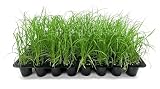
Overview: Pennisetum orientale (oriental fountain grass) is a clump-forming ornamental grass reaching 30–40 cm (12–16 in), grown mainly for its feathery, hair-like flower plumes. It is an evergreen herbaceous perennial (dying back in cold-winter regions), valued as a drought-tolerant ornamental accent (USDA zone 6–10).
Quick Specifications
| Specification | Attribute |
|---|---|
| Plant Type / Life Cycle | Herbaceous perennial |
| Foliage Type | Evergreen in mild climates; dies back in cold winters |
| Mature Size | 30–40 cm (12–16 in) |
| Growth Rate | Moderate to fast |
| Root System | Fibrous (clump-forming) |
| Toxicity | Non-toxic (ornamental grass; genus includes forage/food species) |
| Hardiness | USDA zone 6–10 |
Growth Form & Structure
- Height & Spread: Forms a dense clump reaching 30–40 cm (12–16 in), with flower stems rising above the foliage. Grows well in containers of at least 15–20 L (4–5 gal) for a full, blooming specimen, with division every few years.
- Growth Habit & Form: Clump-forming perennial grass with arching, linear leaves and upright, hair-like flower spikes (raceme inflorescences).
- Lifespan & Maturity: Long-lived perennial that reaches full size within a season or two; benefits from division every few years.
Anatomy & Physical Features
- Leaves & Foliage: Linear, strap-shaped leaves, green.
- Flower Characteristics: Feathery, bottlebrush-like plumes, white or pink, borne in raceme inflorescences (full detail in the Bloom guide).
Primary Uses & Landscape Value
- Functional & Ornamental Roles: Ornamental specimen and border grass; drought-tolerant once established; plumes useful for cut/dried arrangements.
Care Guide: Planting, Soil & Watering
Overview: Pennisetum orientale is a tough, sun-loving ornamental grass that grows best in full sun in well-draining soil enriched with organic matter. It is drought tolerant once established, needing only a small amount of water, though it responds to a little extra moisture around flowering as long as drainage stays sharp.
Quick Care Requirements
| Requirement | Ideal Condition |
|---|---|
| Planting Season | The warm season, timed to your hardiness zone (see below) |
| Growth Rate | Fast to Moderate |
| Soil Type | Well-draining, enriched with organic matter |
| Water Need | Low – drought tolerant; let the soil dry between waterings |
Planting & Establishment
- Best Planting Season: Plant in the warm season: Spring in hardiness zone 6-7, spring to summer in hardiness zone 8-9, spring to autumn in hardiness zone 10a, and all year in hardiness zone 10b.
- How to Plant:
- Hole Preparation: Dig a hole about twice the width of the root ball and the same depth, and loosen the surrounding soil so the clump can root out easily.
- Soil Amendments: Mix plenty of compost or well-rotted organic matter into the planting soil, and add coarse material if drainage is poor.
- Planting Depth: Set the crown level with the soil surface – planting too deep can rot the base of the clump.
- Growth Speed & Expectations: Fast to moderate in warm weather; young clumps fill out quickly, and it helps to protect late-planted or young plants over their first winter.
Soil, Watering & Drainage Care
- Soil Mix & Drainage Needs: Light, free-draining soil is essential; in containers use a quality potting mix. Good drainage prevents root rot, especially when the grass is watered more heavily around flowering.
- Watering Schedule & Technique:
- Young / Newly Planted: Water regularly for the first couple of weeks after planting to help roots establish, keeping the soil lightly moist.
- Established: Once established it needs very little water – water deeply but infrequently, letting the soil dry between waterings.
- Seasonal Adjustments: A little extra water around the flowering season improves the display; cut watering right back in cool weather and winter.
Climate, Light & Hardiness
Pennisetum orientale thrives in warm, sun-drenched climates such as mediterranean, desert, subtropical, and warm-temperate regions, and performs best with as much direct sun as the site allows. Cold hardiness is moderate at best: established clumps tolerate the winters of USDA Zones 6–10, but hard frost browns the foliage and colder zones require treating it as an annual or protecting the crown.
Quick Climate Specifications
| Climate Zones | mediterranean, desert, subtropics, temperate, and tropics |
| USDA Hardiness Zones | Zones 6–10 |
| Optimal Temp Range | Approximately 18–32°C (64–90°F) |
| Cold Damage Begins | Approximately 0–2°C (32–36°F) – foliage browns with frost |
| Approx. Survival Minimum | Roughly −23 to −18°C (−10 to 0°F) for the crown, in line with USDA Zones 6–10 |
| Frost Tolerance | Low to Moderate |
| Light Conditions | Full Sun (tolerates Half Shade with reduced flowering) |
| Wind Tolerance | Moderate to High |
| Salt / Coastal Tolerance | Moderate |
Sunlight & Light Exposure
Optimal Light Setup
Full sun gives the densest clumps and the most flower spikes.
Direct Sun Requirement
Direct sun for most of the day is important for strong, upright growth and reliable blooming.
Shade & Heat Management
It grows in less than half shade, but flowering drops off noticeably; it otherwise handles strong summer heat typical of its native mediterranean, desert, and subtropical range without difficulty.
Best Exposure / Orientation
Open, unobstructed borders, beds, or containers with good air movement suit it best.
Temperature Extremes & Hardiness
USDA Hardiness & Regional Limits
Reliably perennial through USDA Zones 6–10; outside that range winter cold becomes the limiting factor for year-round outdoor growth.
Cold Damage & Winter Protection
Frost browns and collapses the foliage first; in the coldest part of its range, leave the dried top growth in place over winter as insulation for the crown and cut it back in early spring once new growth resumes.
Frost Sensitivity
Low to Moderate – light frost typically damages foliage only, while harder or prolonged freezes can kill the crown outside the plant's hardy zones.
Extreme Heat Tolerance
Excellent; it is native to hot mediterranean, desert, and subtropical climates and holds up well through long, hot summers.
Wind, Humidity & Microclimate
Humidity Preferences
Adaptable to both dry desert air and more humid subtropical conditions.
Dry-Air Tolerance
High; it is well suited to arid and semi-arid atmospheres.
Wind Tolerance
Moderate to high – the narrow, arching foliage flexes in open, breezy sites rather than breaking.
Coastal / Salt Tolerance
Moderate; fountain grasses are commonly used in dry coastal and xeriscape plantings.
Rainfall & Seasonal Moisture
Native to climates with long dry spells and irregular seasonal rainfall, so it is naturally adapted to periods with little precipitation, especially outside its bloom season.
Microclimate Recommendations
An open, sunny spot with good airflow suits it best; near the cold edge of its hardy zones, a warm wall or sheltered microclimate helps the foliage persist further into winter.
Growing in Pots, Balconies & Indoors
Pennisetum orientale is a sun-loving ornamental fountain grass (reaching about 30-40 cm (12-20 in)), not a houseplant, but it makes a superb container specimen for a patio or balcony. Indoors the light is far too weak for a full-sun grass; give it open air and full sun and it rewards you with arching foliage and plume-like flower spikes.
Quick Details
- Container Size: Start at about 5 L (1.5 gal) for a small clump; for a full, free-flowering plant use at least 15-20 L (4-5 gal).
- Indoor Suitability: Not a houseplant – it needs full sun and open air, so grow it on a bright balcony or patio.
- Best Spot: Full sun; it tolerates light or half shade but then flowers less.
- Soil & Drainage: Good-quality, well-aerated potting mix that drains freely.
- Watering in Pots: Drought-tolerant once established; water more through the flowering season, but the pot must always drain freely.
Indoors & On the Windowsill
- Houseplant limits: The grower is clear this is not an indoor plant – a room’s light is too weak for a full-sun grass, and it needs air movement to look its best.
- Windowsill note: A very bright, sunny sill can hold a young plant briefly, but it will soon want to be outside; treat it as a patio or balcony grass.
- Overwintering: In cold-winter climates a potted plant can be moved to a sheltered, frost-free spot (an unheated porch or garage) for winter and returned outdoors in spring – one of the main reasons to grow tender fountain grasses in pots.
On a Balcony or Patio
- Light & wind: Give it the sunniest position. The plumes sway beautifully, but an exposed, windy balcony can flatten or dry them fast – shelter tall clumps from strong wind. Walls and railings reflect heat, so pots dry quickly; check moisture often in warm weather.
- Practicalities: A large, well-filled pot is heavy – set it in place before filling, and make sure drainage water can escape without staining the balcony.
Choosing the Pot, Soil & Long-Term Care
- Pot & drainage: A 15-20 L pot with strong drainage holes; skip a standing water saucer to avoid root rot. Terracotta breathes and dries faster, while glazed or plastic holds moisture longer.
- Potting mix: A well-aerated potting mix (for example coir or peat with added perlite), as the grower advises.
- Feeding: Potted grasses exhaust their mix faster than plants in the ground, so feed lightly through the growing season.
- Repotting & division: Every few years check the root ball; when roots fill the pot, lift and divide the clump, cut back old roots, remove spent sections and let fresh roots grow, refreshing or replacing tired soil.
Grower’s Container Tip
- Keep it flowering: The grower notes that a fountain grass stops flowering once its roots completely fill the container. Every few years, before it becomes pot-bound, divide the clump – reduce the number of shoots, trim the roots and pot up fresh divisions (or move to a larger container), and if the old soil is tired wash it off and replace it, so new roots and new flowers keep coming.
Fertilizing & Feeding
A light feeder: this is one of the more cold-hardy fountain grasses and typically dies back to the crown for winter, so it needs only a single light feeding to rebuild its compact mound each spring rather than steady feeding all season.
Quick Fertilizing Specs
| Feeding Level | Light feeder |
|---|---|
| Main Nutrient Priority | A balanced feeding as the crown resprouts in spring to rebuild the mound of blades before the white or pink plumes appear |
| Best Feeding Period | Early spring, right as new shoots push up from the crown |
| Organic Options | Compost or well-rotted organic matter worked into the border at planting, or as a spring top-dressing |
| Reduce/Stop Feeding | Taper off once the plumes are showing, and stop entirely once the foliage begins dying back for winter |
| Micronutrients | Rarely needed in typical garden soil; act only on a diagnosed problem |
| Soil pH | Adaptable to a wide range of soil pH; good drainage matters more than the exact pH |
Feeding by Growth Stage
Spring resprouting from the crown
Rebuild the mounded clump of narrow blades as new shoots push up from the crown after winter die-back.
| Nutrient direction | A balanced feeding gives the resprouting crown the nutrients to fill the mound back in quickly. |
|---|---|
| Timing | As soon as new shoots are visible pushing up from the crown in spring. |
| Frequency | One light feeding as the crown resprouts is generally all this grass needs to fill back in. |
| Fertilizer types | A balanced, general-purpose granular or liquid feed, Compost or aged organic matter worked into the soil around the crown |
| Precautions | Do not over-feed the resprouting crown; excess nitrogen produces soft, floppy blades that flop over well before the plumes appear. |
White or pink plume display
Sustain the hair-like white or pink flower plumes through their display period.
| Nutrient direction | Feeding needs are minimal once the plumes emerge; the clump is drawing on growth already built up in spring. |
|---|---|
| Timing | From when the plumes first emerge through the length of their display. |
| Frequency | Feeding is rarely needed while the plumes are on display. |
| Fertilizer types | A light, balanced feeding only if the clump looks pale or thin heading into its plume display |
| Precautions | Skip high-phosphorus ‘bloom booster’ products – a balanced spring feeding already supports the plume display, and late nitrogen mostly just softens the stems. |
Winter die-back and rest
Let the crown rest without feeding pressure once cold weather ends the growing season.
| Nutrient direction | None – withhold fertilizer once the foliage begins dying back for winter. |
|---|---|
| Timing | From the point the foliage browns and dies back for winter until new shoots appear from the crown in spring. |
| Frequency | No feeding at this stage. |
| Fertilizer types | No feeding at this stage; do not fertilize a dormant crown until spring resprouting begins. |
| Precautions | Do not fertilize the dormant crown over winter; there is no active growth to use the nutrients. |
Nutrient Deficiency Signs & Corrections
Resprouting blades come in noticeably thin and pale rather than filling out the mound.
| Possible causes | depleted or poor soil around the crown, nutrients leached out by spring rain before roots are fully active, root competition from nearby perennials, a crown that has not been divided in many years and has outgrown its soil |
|---|---|
| Appears first on | the oldest blades in the resprouting mound |
| What to check | soil fertility near the crown, how long since the clump was divided, drainage after spring rains |
| Possible correction | Give a light balanced feeding as growth resumes, and consider dividing an old, crowded clump. |
Blade margins on older growth develop a scorched, dry-looking edge.
| Possible causes | low potassium relative to nitrogen in recent feeding, uneven watering or drought stress during the growing season, sandy or fast-draining soil that holds few nutrients |
|---|---|
| Appears first on | margins of older blades |
| What to check | watering consistency, fertilizer balance used, soil texture |
| Possible correction | Keep watering consistent and use a balanced rather than nitrogen-heavy feed. |
New blades emerge pale yellow with the veins staying distinctly green.
| Possible causes | alkaline or compacted soil tying up available iron, waterlogged soil around the crown after heavy rain, recent division stressing the root system |
|---|---|
| Appears first on | the newest resprouting blades |
| What to check | soil pH and drainage, recent division or transplanting, irrigation practices |
| Possible correction | Improve drainage first; apply a chelated iron product per its label only if the pale new growth persists. |
Pruning, Training & Seasonal Maintenance
Pennisetum orientale is the most compact clump in this group, maturing at only 30-40cm, and its small stature makes its annual maintenance genuinely light. It tolerates a full cutback to the crown, best done in late winter to very early spring before new blades emerge, since the white-to-pink plumes form on current-season growth; but given its diminutive size, this is a quick tidy rather than a major clearing job.
Quick Pruning & Maintenance Specs
| Pruning Tolerance | High – tolerates an annual cut to a low stub |
| Primary Pruning Window | Late winter to very early spring, before new blades emerge |
| Secondary Maintenance Window | Bloom season – deadhead white/pink plumes to limit self-seeding |
| Typical Frequency | One light annual cutback, plus occasional deadheading |
| Main Objective | Tidy weathered foliage on a naturally compact 30-40cm clump; curb self-seeding |
| Young Plant Priority | Root/crown establishment before the first cutback |
| Mature Plant Priority | Light annual cutback; divide every 2-3 years if vigor declines |
| Best Tool Type | Precision snips – the whole clump is small enough not to need shears at all |
| Avoid Heavy Pruning During | Autumn/early winter, and mid-bloom if the plumes are wanted for display |
Pruning by Plant Age & Size
Newly Established
Remove only damaged blades from planting; a young plant of this dwarf species should be left to establish fully before any cutback.
Young / Formative
No structural training applies. Given its naturally compact habit, this species rarely needs anything beyond spacing for good airflow.
Mature / Established
A light annual cutback is enough – there is little bulk to clear compared with the genus’s larger species; divide the crown every 2-3 years only if flowering visibly declines.
Seasonal Pruning Schedule
Dormant / Winter
Leave the dead foliage and plumes standing – even at this small size they insulate the crown and add winter interest, useful in a border or rock garden setting.
Pre-Growth / Early-Spring
Cut the whole clump back to about 8-10cm above the crown before new blades emerge – proportionally shorter than for the taller genus-mates, given its 30-40cm mature size.
Ongoing Sanitary
Deadhead spent plumes through the bloom season before they shatter and seed, given this species’ recorded invasive/aggressive tendency.
Special Growth to Remove
- Dead leaf blades and spent flower stems at the annual cutback
- Spent plumes before seed drop
- Volunteer self-sown seedlings, which can crowd this small species’ compact footprint
Container & Small-Space Pruning
Its compact 30-40cm habit makes this the best-suited species in the group for containers and small spaces – it can start in a modest pot and stay proportionate; root-prune and divide when pot-bound.
Tools
Precision snips handle the entire plant – both the dormant cutback and in-season deadheading – given how compact this species is. Hand shears are optional for a slightly faster cutback; hedge shears, loppers, and saws are unnecessary overkill here.
Tool Hygiene & Disease Risk
Routine – clean, sharp tools; no transmissible disease risk noted (recorded pests are snails/slugs). Sharpen blades periodically, since grass foliage dulls edges faster than woody stems.
Cut Placement & Technique
Shear the clump to a uniform stub just above the crown; on a plant this small, precision matters more than on larger genus-mates – avoid nicking the crown itself. Wear gloves for the bristly plumes.
Heavy Pruning & Rejuvenation
The annual cutback is well tolerated but is a light event on this compact species. Division every 2-3 years is only needed if the clump’s center visibly declines, since a plant this small often stays vigorous longer without splitting.
Post-Pruning Care
Water moderately as new growth resumes; the plant needs only small water amounts outside bloom. Skip fertilizing right after cutback.
Common Pruning Mistakes
- Using oversized tools (hedge shears/loppers) on a clump this small, damaging surrounding plantings
- Cutting back in autumn instead of late winter, losing the crown’s winter insulation
- Letting spent plumes shatter and self-seed in a border or rock garden setting
When NOT to Prune
- During active bloom if the plumes are wanted for display
- In autumn/early winter – leave foliage for crown protection
- Right after transplanting or dividing
Recommended Tools (by task)
| Annual cutback and in-season deadheading (30-40cm clump) | precision_snips – sufficient for this genus’s smallest, most compact species |
| Occasional division if the center thins | garden_spade – for lifting and splitting the small root mass |
Propagation Guide
Pennisetum orientale (Oriental fountain grass) is most reliably propagated by dividing an established clump into rooted daughter plants, which is quicker than seed and, importantly, keeps named ornamental selections true to their parent. Division is Easy; growing the plain species from seed is also workable but slower and unsuitable for reproducing a specific named form.
Quick Propagation Specs
| Best Propagation Method | Division of rooted daughter plants (clump division) |
| Alternative Methods | Seed (species only, not named selections) |
| Propagation Difficulty | Easy |
| Seed True-to-Type | Usually true-to-type for the plain species; named selections do not come true from seed |
| Vegetative True-to-Type | Yes |
| Best Propagation Season | Spring, as new growth begins |
| Germination Temperature | Not specified on site; warm-season ornamental grasses in this genus typically germinate best around 20–25°C (68–77°F) |
Growing from Seed
Sowing Season
Spring, once the local hardiness zone has warmed.
Germination Conditions & Time
Keep the medium warm and consistently moist. The site does not give an exact germination window for this species; related Pennisetum typically take several weeks and can germinate unevenly.
Seedling Care
Young plants are more cold-sensitive than mature clumps and benefit from winter protection until well established.
Division, Offsets, Pups & Suckers
Timing & Method
Divide a fully grown clump into daughter plants, watering the soil thoroughly first so it separates more easily and so each division keeps as much root as possible – the surest way to reproduce a named selection.
Aftercare
Water divisions generously for at least two weeks after separation – longer is better – until the first new leaf appears, confirming the division has rooted.
Bloom & Flower Guide
Quick Details
- Bloom Season: Year-round in frost-free climates; where winters are cold, mainly summer into autumn with a winter pause
- Time to First Bloom: Usually within the first growing season, once the clump is established
- Flower Appearance: Soft, hair-like white or pink flowers carried in dense, brush-like (raceme) spikes above the foliage
- Edibility: Ornamental only – fountain grasses are grown for their feathery plumes, not for eating
Detailed Blooming Overview
Like other fountain grasses, Pennisetum orientale earns its place with its flowering plumes. Fine, hair-like flowers open in soft white or pink tones and are held in slender, brush-like spikes that catch the light and sway in the slightest breeze. In frost-free gardens it can flower almost year-round, easing off only where winters turn cold.
Flower Characteristics
- Fine, hair-like flowers in white or pink, gathered into a bottlebrush-like (raceme) spike.
- The airy plumes are the plant’s main ornamental feature and hold well as fresh or dried stems.
- Wind-pollinated, as grasses are – there are no showy petals or nectar, just feathery stigmas that catch pollen on the breeze.
Bloom Care & Thinning
- Encouraging plumes: Grow in full sun – the more sun it gets, the more freely it flowers.
- Tidying: Leave the plumes standing for winter interest, then cut the whole clump back close to the ground in late winter, before new growth appears.
- Self-seeding: Some fountain grasses seed around freely – if that could be a nuisance, remove the plumes before the seed ripens.
Pests, Diseases & Troubleshooting
Overview: Fountain grasses are ornamental (or forage) grasses that are genuinely among the most trouble-free plants in the garden – insect pests are few and usually minor, and the real risks are fungal rusts and leaf spots in humid, crowded conditions and crown/root rot in wet, poorly drained or over-watered soil. Management is almost entirely cultural: full sun, sharp drainage, airflow, and an annual clean-up of old foliage. Reach for products only in the rare event of rust or a grub outbreak.
Quick Troubleshooting Overview
| Issue / Pest | Main Symptom | Primary Solution |
|---|---|---|
| Rust | Orange-brown powdery pustules on blades | Airflow, avoid wet foliage, remove infected leaves |
| Leaf spot / blight | Brown/purple spots or streaks on blades | Improve drainage & airflow, reduce nitrogen |
| Crown / root rot | Rotted, mushy base; clump collapses | Sharp drainage, avoid overwatering, don’t bury crown |
| Aphids / mealybugs | Honeydew, sticky blades, insects at base | Water jet, conserve predators, oil/soap if heavy |
| White grubs (root feeders) | Patches yellow and pull up easily | Encourage predators; beneficial nematodes if severe |
| Self-seeding / spread | Seedlings or runners colonising beds | Cut seedheads before shed; contain or remove volunteers |
Common Pests & Management
- Aphids (Aphididae (e.g. Rhopalosiphum spp.)):
- Symptoms: Occasional colonies on soft blades and flowering stems, with sticky honeydew and sooty mould; rarely more than a nuisance on grasses.
- Prevention & Control: Dislodge with a water jet; conserve ladybirds, lacewings and hoverflies; avoid excess nitrogen. Insecticidal soap only in the rare case of a heavy build-up.
- Mealybugs / scale (Pseudococcidae / Coccidae):
- Symptoms: Cottony masses or small scales hidden low among the leaf sheaths at the crown, with honeydew; uncommon and usually mild.
- Prevention & Control: Part the clump and hose out infestations; conserve natural enemies; a horticultural oil drench of the crown for persistent cases.
- Two-spotted spider mite (Tetranychus urticae):
- Symptoms: Fine stippling and dull, bronzed blades with faint webbing in prolonged hot, dry, dusty conditions.
- Prevention & Control: Keep the plant unstressed and hose foliage in dry spells; conserve predatory mites; horticultural oil rarely needed.
- White grubs / root-feeding larvae (Scarabaeidae larvae):
- Symptoms: Patches of the clump or turf that yellow, thin and lift easily because roots have been chewed below the surface; more relevant in lawn/pasture settings.
- Prevention & Control: Maintain vigorous roots with sound watering and feeding; encourage birds and predatory insects; apply entomopathogenic (beneficial) nematodes to moist soil for damaging populations.
- Armyworm / cutworm caterpillars (Noctuidae larvae):
- Symptoms: Sudden chewing and ragged, notched blades from night-feeding caterpillars during periodic outbreaks, mainly in warm regions and turf.
- Prevention & Control: Encourage birds and parasitic wasps; hand-pick where practical; apply Bacillus thuringiensis (Bt) to young larvae for heavy outbreaks.
Diseases & Fungal Issues
- Rust (Puccinia spp.):
- Symptoms: Raised orange to reddish-brown powdery pustules scattered along the leaf blades and sheaths, sometimes with yellowing; worst in humid, crowded, shaded or overhead-watered plantings. The most likely disease of fountain grasses.
- Treatment & Management: Grow in full sun with good spacing and air movement; avoid overhead watering and keep foliage dry; remove and destroy badly rusted foliage and the annual old growth; divide congested clumps. A sulfur or suitable fungicide is only warranted where rust is severe and recurrent.
- Leaf spot & blight (Bipolaris / Drechslera / Curvularia spp.):
- Symptoms: Brown, purple or tan spots, streaks and blotches on blades that may coalesce and blight leaves in warm, wet, humid weather or with excess nitrogen.
- Treatment & Management: Improve drainage and airflow; avoid overhead irrigation and high-nitrogen feeding; clear debris and old foliage; a fungicide is rarely needed for these mostly cosmetic spots.
- Crown & root rot (Fusarium / Rhizoctonia / Pythium spp.):
- Symptoms: Rotting, browning and softening at the base of the clump, with collapse and death, in wet, cold, compacted or over-watered soil – the main way fountain grasses are lost.
- Treatment & Management: Plant in free-draining soil in full sun and never bury the crown; avoid waterlogging and winter wet; divide and replant congested crowns; discard rotted plants and improve drainage before replanting.
- Head smut (Ustilago / Sporisorium spp.):
- Symptoms: Flower heads or blades replaced by masses of dark, sooty spores in affected plants; sporadic and mostly cosmetic in ornamentals.
- Treatment & Management: Remove and destroy smutted heads and plants; avoid saving seed from infected stands; sound sanitation is usually enough.
Growing Difficulties & Abiotic Problems
- Crown rot from overwatering / winter wet:
- Cause & Symptoms: Fountain grasses hate ‘wet feet’; saturated or poorly drained soil, especially over a cold dormant season, rots the crown and kills the clump.
- Correction Strategy: Plant in sharply drained soil in full sun; water established plants sparingly; avoid heavy mulch piled against the crown; in wet-winter climates ensure drainage or grow in raised beds/containers.
- Flopping / lodging:
- Cause & Symptoms: Too much shade, over-rich soil or excess nitrogen produces weak, leggy growth that splays open, and clumps go bare in the centre with age.
- Correction Strategy: Grow in full sun and lean-to-moderate fertility; avoid high nitrogen; divide and replant every few years to rejuvenate tired, hollow clumps.
- Self-seeding & invasiveness:
- Cause & Symptoms: Several fountain grasses (notably P. setaceum) seed prolifically and can escape to become weedy or invasive in warm climates.
- Correction Strategy: Cut and remove seedheads before they shed; choose sterile or non-invasive cultivars; remove volunteer seedlings; check local regulations before planting where the species is restricted.
- Leaf yellowing / chlorosis:
- Cause & Symptoms: Nutrient shortage on poor soils or waterlogging yellows blades; grasses generally need little feeding.
- Correction Strategy: Give a light balanced feed if genuinely deficient; correct drainage; avoid over-fertilising, which weakens the plant and invites disease.
- Frost & dormancy browning:
- Cause & Symptoms: Warm-season fountain grasses brown off and go dormant in cold weather; tender types can be killed by hard frost.
- Correction Strategy: Leave the dormant foliage for winter interest and cut back to the base before new spring growth; grow tender species as annuals or lift/protect them in cold climates.
What Helps – Products & Tools
Fountain grasses need very little: cultural care – full sun, sharp drainage, airflow and an annual cut-back – prevents almost everything. On the rare occasion, use a water jet or insecticidal soap for aphids, horticultural (neem) oil for mealybugs, beneficial nematodes for root grubs, and Bacillus thuringiensis (Bt) for caterpillar outbreaks. A sulfur or suitable fungicide is reserved for stubborn rust. The best ‘tool’ of all is good drainage, which prevents the crown rot that actually kills these grasses.