Plant Profile & Key Characteristics
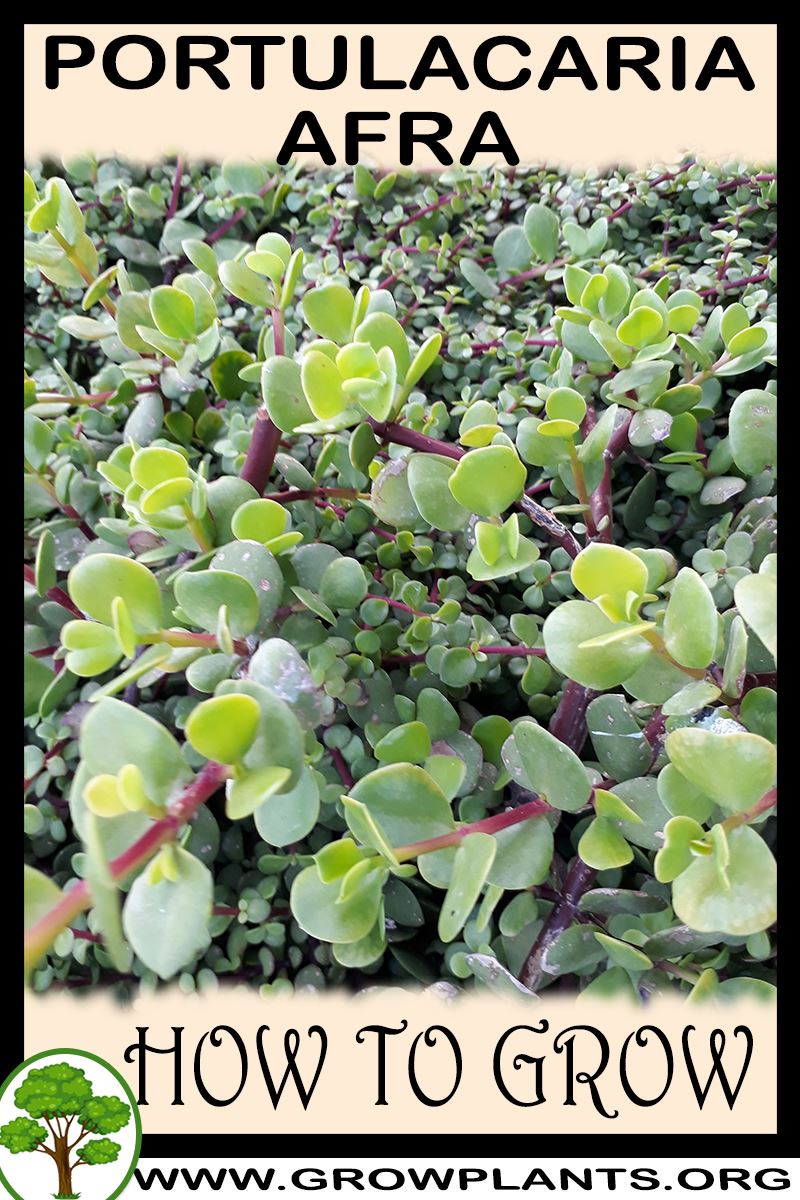
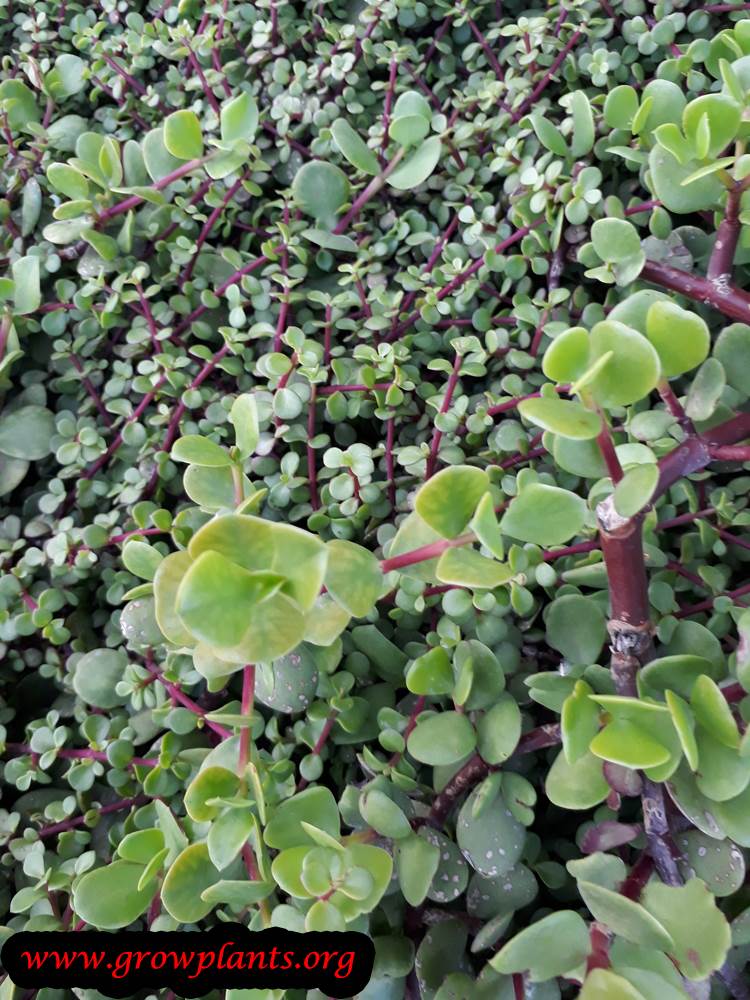
Overview: An evergreen (to semi-deciduous) succulent shrub or small tree of the genus Portulacaria, reaching 0.5-5 m (2-15 ft) with thick reddish stems and small round green leaves. Elephant bush is grown as a hardy, drought-tolerant ornamental, a popular container and bonsai subject, and its leaves are edible.
Quick Specifications
| Specification | Attribute |
|---|---|
| Plant Type / Life Cycle | Evergreen to semi-deciduous succulent shrub / small tree (perennial) |
| Foliage Type | Evergreen succulent (may drop leaves in drought or cold) |
| Mature Size | 0.5-5 m (2-15 ft) tall |
| Growth Rate | Slow to moderate |
| Toxicity | Non-toxic — the tart, fleshy leaves are edible and it is a well-known browse plant |
| Hardiness | USDA zones 9-12 |
Growth Form & Structure
- Height & Spread: In the ground a rounded shrub to small tree of 0.5-5 m (2-15 ft); stays far more compact in a pot and is often kept small as a container or bonsai specimen.
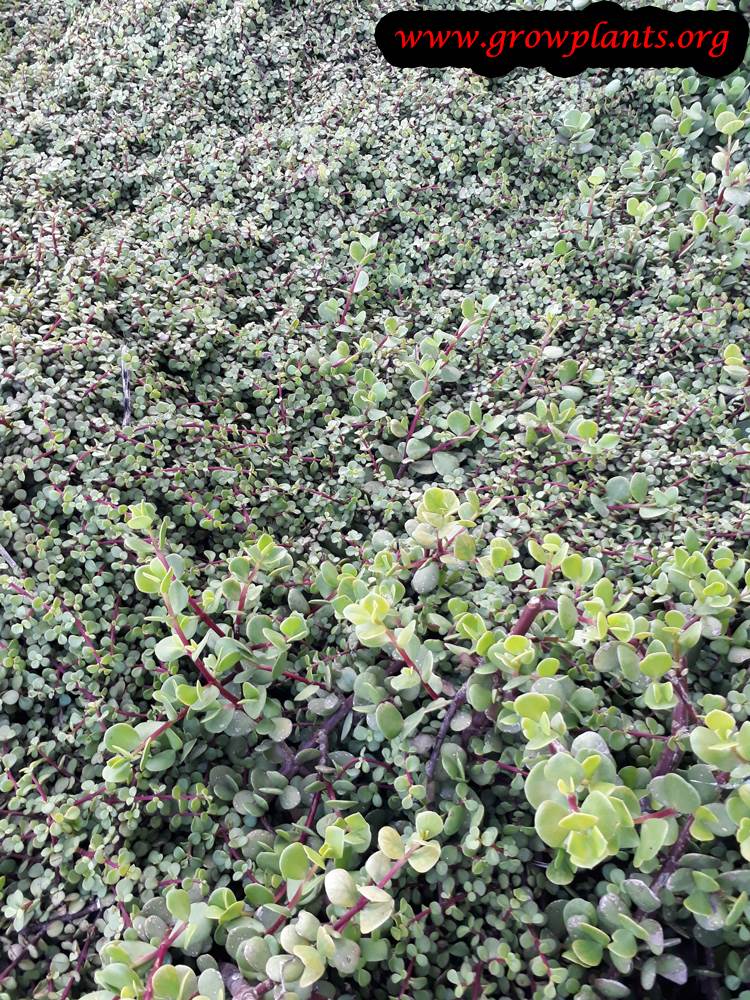
- Growth Habit & Form: Succulent shrub with thick, reddish-brown water-storing stems and a dense, bushy, spreading crown.
- Lifespan & Maturity: A long-lived perennial succulent; growth is slow to moderate and it responds well to shaping and pruning.
Anatomy & Physical Features
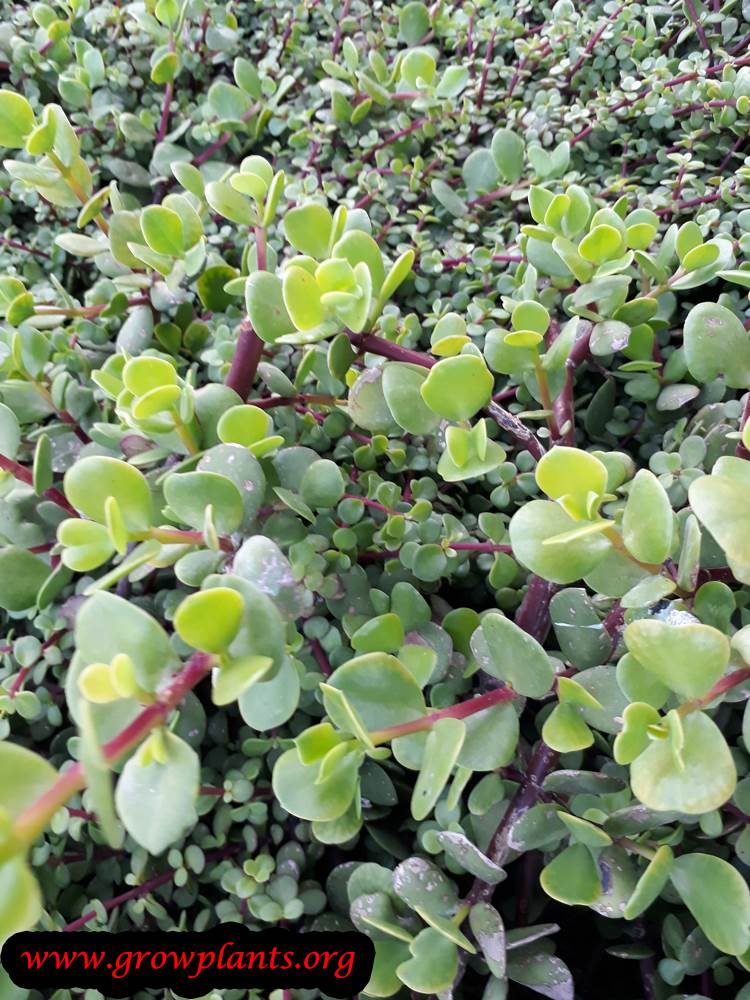
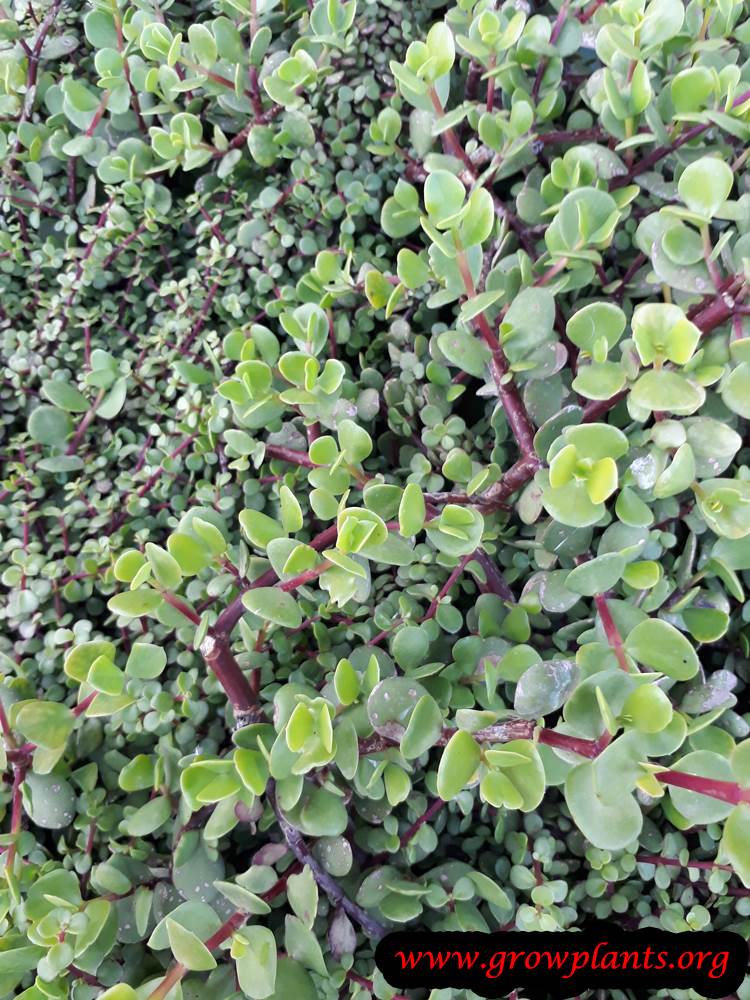
- Leaves & Foliage: Small, round, fleshy green leaves densely set along the reddish succulent stems.
- Flower Characteristics: Tiny white to pink star-shaped flowers borne in clusters, mainly in summer to autumn.
Primary Uses & Landscape Value
- Edible Uses: The tart, juicy leaves are edible raw and are used as a sharp addition to salads.
- Functional & Ornamental Roles: A drought-tolerant ornamental for xeriscapes and rockeries, an easy houseplant-style container succulent, and a favourite bonsai subject.
Care Guide: Planting, Soil & Watering
Overview: Elephant bush is an easy succulent shrub that thrives in full sun to light shade in gritty, sharply drained soil and is very drought tolerant. Its fleshy leaves and stems store water, so it needs only light, occasional watering and rots in soggy soil.
Quick Care Requirements
| Requirement | Ideal Condition |
|---|---|
| Planting Season | Spring through autumn in warm, frost-free conditions |
| Growth Rate | Slow to moderate |
| Soil Type | Gritty, sharply drained soil |
| Water Need | Low — succulent; let the soil dry out completely between waterings |
Planting & Establishment
- Best Planting Season: Plant in the warm season from spring through autumn, once frost has passed, so the succulent stems root in warm, dryish soil.
- How to Plant:
- Hole Preparation: Dig a hole about the width of the root ball in fast-draining soil; on heavy ground, plant on a mound or in a raised bed to shed water.
- Soil Amendments: Mix plenty of coarse sand, grit or perlite into the soil to guarantee sharp drainage; it needs little in the way of nutrients.
- Planting Depth: Set the plant at its original soil level, keeping the base of the stem at the surface and never burying it.
- Growth Speed & Expectations: A slow to moderate grower that builds a fleshy, branching shrub over time and takes readily to shaping, including as a bonsai.
Soil, Watering & Drainage Care
- Soil Mix & Drainage Needs: Use a gritty, fast-draining cactus or succulent mix; ensure containers drain freely, as standing water quickly rots the roots and stems.
- Watering Schedule & Technique:
- Young / Newly Planted: Water lightly after planting and let the soil dry before watering again while the cuttings or roots establish.
- Established: Water deeply but infrequently, letting the soil dry out fully between drinks — it stores water and shrugs off drought.
- Seasonal Adjustments: Water occasionally in hot weather and very sparingly in cool or wet conditions, keeping it nearly dry in winter.
Climate, Light & Hardiness
Elephant bush (Portulacaria afra) is a drought-tolerant succulent shrub for desert, Mediterranean, subtropical, and warm temperate climates. It prefers full sun to half shade and, while not reliably hardy to hard freezes, tolerates a wider climate range than many soft succulents.
Quick Climate Specifications
| Climate Zones | Desert, Mediterranean, Subtropics, Temperate |
|---|---|
| USDA Hardiness Zones | 9–12 |
| Optimal Temp Range | Typically 18–29°C (64–84°F) during active growth |
| Cold Damage Begins | Fleshy stems and leaves are damaged by freezing temperatures; approaching 0°C (32°F) puts new growth at risk |
| Approx. Survival Minimum | Established plants are generally frost-tender; consistent with its USDA zone 9 cold edge, brief light frost may be survived but hard freezes are likely to cause significant dieback |
| Frost Tolerance | Low |
| Light Conditions | Full Sun / Half Shade |
| Wind Tolerance | Moderate |
| Salt / Coastal Tolerance | Moderate |
Sunlight & Light Exposure
Optimal Light Setup
Full sun to half shade suits it well; more sun generally produces denser, more compact growth.
Direct Sun Requirement
Tolerates full desert and Mediterranean sun; in the hottest, most intense climates a little midday shade can prevent stress.
Shade & Heat Management
Handles heat well overall; light shade in peak summer helps in the hottest desert locations.
Best Exposure / Orientation
An open, sunny site with good air movement suits its shrubby, branching growth habit.
Temperature Extremes & Hardiness
USDA Hardiness & Regional Limits
Hardy from USDA zones 9–12, suited to frost-free or nearly frost-free desert, Mediterranean, subtropical, and warm temperate gardens; in colder zones it is grown in containers and moved to protection for winter.
Cold Damage & Winter Protection
Protect from frost in gardens at the cold edge of its range; container specimens should be brought under cover before freezing weather.
Frost Sensitivity
Frost-sensitive; freezing temperatures can blacken and kill stem tips and leaves.
Extreme Heat Tolerance
Very good heat tolerance, well suited to hot desert and Mediterranean summers.
Wind, Humidity & Microclimate
Humidity Preferences
Adapts to both dry desert air and more humid subtropical conditions.
Dry-Air Tolerance
Very tolerant of dry air, consistent with its succulent, drought-adapted nature.
Wind Tolerance
Handles moderate wind well once its branching structure is established.
Coastal / Salt Tolerance
Generally moderate tolerance of coastal conditions.
Microclimate Recommendations
In marginal zone 9 areas, a warm, sheltered microclimate - such as near a south-facing wall - helps reduce frost risk.
Growing in Pots, Balconies & Indoors
Portulacaria afra (elephant bush or spekboom) is a fleshy, easy succulent shrub. The grower lists it as an outdoor container plant rather than a houseplant, and it does grow biggest and best in full outdoor sun – but it is also one of the most popular indoor succulents and bonsai subjects, thriving on a bright, sunny windowsill.
Quick Details
- Container Size: Flexible – from a small bonsai pan up to a 10-20 L tub for a large shrub; it takes very happily to pots and pruning
- Indoor Suitability: Grows indoors on a very bright, sunny windowsill (a favourite succulent/bonsai); for full, dense growth it prefers outdoor sun
- Best Spot: Full sun to half shade outdoors; the brightest possible sill indoors
- Soil & Drainage: Gritty, free-draining succulent/cactus mix
- Watering in Pots: Little to moderate – let it dry between waterings; drought-tolerant and easy
Indoors & On the Windowsill
- Two ways to see it: The grower keeps it as an outdoor container plant, where full sun gives the strongest growth. That said, elephant bush is widely and successfully grown indoors as a succulent houseplant and bonsai – the key is the brightest, sunniest window you have.
- Windowsill growing: On a hot, sunny sill it stays compact and colours up; in weak light it grows soft and leggy. It is easy to prune and shape, which is why it is such a popular indoor bonsai.
- Overwintering: Frost-tender, so in cold climates keep it in a pot and bring it to a bright indoor spot for winter.
- Note: It is non-toxic – the leaves are in fact edible and it is considered safe around pets, a bonus for an indoor succulent.
On a Balcony or Patio
- Light & heat: Loves a hot, sunny balcony and reflected wall heat; very drought- and wind-tolerant, and a superb low-water container plant.
- Practicalities: Lightweight for its size and forgiving of missed waterings; just ensure pots drain freely.
Choosing the Pot, Soil & Long-Term Care
- Pot & drainage: Any pot with strong drainage holes and no standing saucer; terracotta is ideal for a succulent.
- Potting mix: Gritty cactus/succulent mix with extra perlite, grit or pumice.
- Feeding: Feed sparingly in the growing season; too much gives soft growth.
- Repotting & pruning: Pot up or root-prune every couple of years; it responds very well to pruning, making it easy to keep at any size – ideal for bonsai.
Growing this plant in a greenhouse
A greenhouse can give portulacaria afra frost protection, cold protection, humidity control and extra warmth.
Greenhouse at a glance
| Greenhouse suitability | Conditional - depends on your climate |
|---|---|
| Main benefits | frost protection, cold protection, humidity control, extra warmth |
| Outdoor protection advisable below | about 2°C |
| Maintain greenhouse minimum | around 2°C for active growth |
| Suitable types | unheated greenhouse, polycarbonate greenhouse |
| Heating | Heating is optional - useful mainly for winter growing in cold areas. |
Related greenhouse guides
- Greenhouses: How to Choose the Right Greenhouse
- Polycarbonate Greenhouses: What to Look for Before Buying
- Greenhouse Climate Control: Temperature, Ventilation and Humidity
Fertilizing & Feeding
A light feeder: this shrubby jade relative wants only a weak, occasional feeding to support steady branching growth in the warm season, with no feeding needed once growth slows.
Quick Fertilizing Specs
| Feeding Level | Light feeder |
|---|---|
| Main Nutrient Priority | A dilute, low-nitrogen or balanced feed to support steady branching without weak, leggy stems |
| Best Feeding Period | During the warm active growing season |
| Organic Options | A little compost worked into a well-drained mix |
| Reduce/Stop Feeding | Pause feeding as growth slows in cooler weather |
| Micronutrients | Usually met by a complete fertilizer; correct only a diagnosed issue |
| Soil pH | Tolerates a wide range in well-drained soil |
Feeding by Growth Stage
Warm-season branching growth
Support steady branching growth of this shrubby jade relative, popular as a hedge, bonsai subject, or container succulent for its small round leaves.
| Nutrient direction | A weak, well-diluted low-nitrogen or balanced feed supports steady branching without producing weak, leggy stems. |
|---|---|
| Timing | Through the warm growing season, especially spring into autumn. |
| Frequency | Light, infrequent feeding is enough for this easygoing succulent shrub. |
| Fertilizer types | A dilute low-nitrogen or balanced liquid fertilizer, A little compost worked into a well-drained mix |
| Precautions | Avoid overfeeding, which produces soft, brittle growth that is prone to breaking; keep the mix well-drained so roots don’t sit wet. |
Cooler-season rest
Let this shrub rest through cooler weather without pushing tender new growth.
| Nutrient direction | None – withhold fertilizer while growth is slow. |
|---|---|
| Timing | During cooler weather, when growth naturally slows. |
| Frequency | No feeding at this stage; resume only when active growth returns. |
| Fertilizer types | No feeding at this stage; do not fertilize until active growth resumes. |
| Precautions | Withhold fertilizer now; feeding a plant that is not actively growing wastes nutrients and risks salt buildup. |
Nutrient Deficiency Signs & Corrections
Round leaves fade to pale green and branching growth slows noticeably.
| Possible causes | low available nitrogen in a long-unfed mix, nutrients leached from frequent watering, spent, exhausted potting or garden soil |
|---|---|
| Appears first on | older, lower leaves |
| What to check | how long since the last feeding, age and condition of the soil or mix, overall branching vigor compared with previous seasons |
| Possible correction | Apply a dilute, low-nitrogen or balanced fertilizer during active growth and refresh a long-unamended mix. |
Leaf tips brown or drop and stems look stressed despite reasonable watering.
| Possible causes | fertilizer salt buildup, especially in a container-grown or bonsai-trained plant, overfeeding or feeding too concentrated a solution, poor drainage concentrating salts near the roots |
|---|---|
| Appears first on | leaf tips and margins |
| What to check | recent fertilizer strength and amount, drainage and pot condition, any visible salt crust on the soil surface |
| Possible correction | Ease off feeding, water thoroughly to flush accumulated salts, then return to lighter feeding. |
Interveinal yellowing appears on older leaves while the leaves nearer new growth stay green.
| Possible causes | magnesium deficiency, more common on sandy or heavily leached soil, potassium excess from over-fertilizing interfering with magnesium uptake, general root stress in a container that hasn’t been repotted in years |
|---|---|
| Appears first on | older leaves lower on the plant |
| What to check | whether yellowing is concentrated on older leaves, recent fertilizer history, especially high-potassium products, soil texture, drainage, and how long since the last repotting |
| Possible correction | Correct with a chelated or soluble magnesium product applied per its label, and review recent feeding for excess potassium. |
Pruning, Training & Seasonal Maintenance
Portulacaria afra (elephant bush/spekboom) is an unusually pruning-tolerant succulent shrub – it is a popular bonsai, topiary and hedging subject precisely because it responds to hard cutting with vigorous, dense regrowth. Facts note pruning is done in autumn/winter, for design purposes, meaning cuts are driven by the shape the grower wants rather than by any health requirement. Because its small star-shaped flowers are a minor feature rather than the plant’s main draw, pruning timing has little effect on bloom.
Quick Pruning & Maintenance Specs
| Pruning Tolerance | High – tolerates hard cutting back well |
| Primary Pruning Window | Autumn/Winter for structural shaping |
| Secondary Maintenance Window | Light pinching through the growing season to hold a shape |
| Typical Frequency | Occasional light trims (young plant) to periodic hard cutbacks (mature hedge/bonsai) |
| Main Objective | Ornamental form – hedge, topiary or bonsai shaping, not fruiting or health |
| Young Plant Priority | Pinch tips early to set branching structure or desired trunk form |
| Mature Plant Priority | Maintain shape by clipping; periodically rejuvenate leggy growth |
| Best Tool Type | Bypass secateurs (shaping), hedge shears (if kept as a hedge) |
| Avoid Heavy Pruning During | Peak summer heat or ahead of an expected cold snap (frost-tender new growth) |
Pruning by Plant Age & Size
Newly Established
Remove only damaged growth; let the plant root in before any shaping cuts.
Young / Formative
For hedge use, begin formative shearing early to build density; for bonsai, select and wire the trunk/branch structure while stems are still supple; for an informal shrub, pinch tips to encourage branching. The size range this species covers – a small container plant up to a 5 m small tree – means training choices should match the intended end use.
Mature / Established
Hedges: regular shearing to hold the outline. Bonsai: selective pruning and pinching to refine ramification and expose trunk character. Informal shrub/small tree form: periodic thinning and height reduction, purely by design choice.
Seasonal Pruning Schedule
Dormant/Winter
Objective: main structural/shaping cuts. Remove: stems to reshape or reduce size, old leggy growth. Do not remove: more than the plant can recover from in the season ahead if reshaping a very overgrown specimen – spread severe cutbacks over 1–2 seasons. Expected response: vigorous fresh flush from the cut points. Flowering impact: minimal – flowering is not the plant’s ornamental focus.
Ongoing Sanitary
Objective: remove frost- or drought-stressed growth. Remove: damaged or blackened stems after a cold snap (the species can be deciduous under stress – wait to confirm dieback before cutting, as it often releafs). Do not remove: stems that have simply dropped leaves from stress but are still alive underneath.
Structural Pruning & Training
Trunk and branch selection for bonsai or tree-form specimens; removal of crossing/rubbing stems where a clean tree form is wanted; height and spread control (very responsive, given the 0.5–5 m size range in facts); canopy thinning to reveal trunk character on tree-form/bonsai specimens (not needed for a clipped hedge).
Special Growth to Remove
- Leggy, stretched stems from low light – cut back to encourage compact regrowth.
- Frost- or drought-damaged tips – wait to confirm they are truly dead before removing, since the species can shed leaves under stress and releaf.
- Broken stems – the succulent stems are brittle and snap easily; clean up tears promptly.
Container & Small-Space Pruning
One of the most container- and bonsai-friendly succulents: it tolerates hard cutback in a pot better than most plants, responding with dense compact regrowth – exactly the trait that makes it a favored bonsai subject. Root-prune at repotting to keep container specimens in scale with their canopy.
Tools
Bypass secateurs for general shaping cuts on the succulent stems; precision snips for fine bonsai/detail pinching; hedge shears only if the plant is being maintained as a clipped hedge or screen.
Tool Hygiene & Disease Risk
Routine, with one caveat: the soft succulent stems can rot at a fresh wound in humid conditions, so use clean, sharp tools (a clean slice rather than a crushing cut) and let large cuts callus briefly before heavy watering.
Cut Placement & Technique
Heading cuts are appropriate for hedge/topiary shaping (the plant is literally shaped this way); pinch tips just above a leaf node to force branching; use sharp tools to avoid crushing the brittle, water-filled stems.
Heavy Pruning & Rejuvenation
Well tolerated – Portulacaria afra can be cut back hard, even to a bare framework, and regrows vigorously; this is exactly why it is used for hedges, bonsai and even propagated by cutting for restoration planting. Best done in autumn/winter; expect a strong flush the following growing season. For a very overgrown specimen, spread the hardest cuts over more than one season for a less abrupt look.
Post-Pruning Care
Let thick cut surfaces dry/callus for a few days before resuming full watering, to reduce rot risk. Hold off on fertilizing right after a hard cutback – the plant is already primed to regrow vigorously. Watch fresh soft regrowth for slugs and snails, a documented pest for this species. Protect a freshly opened canopy from an unexpected cold snap.
Common Pruning Mistakes
- Overwatering immediately after a hard cutback, when the reduced canopy needs less water.
- Using dull tools that crush rather than cleanly slice the soft succulent stems.
- Pruning right before a cold snap and exposing frost-tender fresh growth.
- Treating it as a no-prune succulent – unlike most cacti and aloes, it is one of the most pruning-tolerant succulents grown.
When NOT to Prune
Avoid heavy pruning right before an expected frost, during peak summer heat stress, or immediately after transplanting before the plant has re-established.
Recommended Tools (by task)
- bypass_secateurs – the main tool for shaping and thinning cuts on the succulent stems.
- precision_snips – fine pinching and bonsai detail work.
- hedge_shears – only when the plant is maintained as a clipped hedge or screen.
Pruning Troubleshooting
| Problem | Possible Cause | What to Check | Corrective Action |
| Leggy, sparse growth | Insufficient light | Light levels and pinching frequency | Increase light exposure and pinch tips regularly |
| Poor branching after a cut | Cut made mid-internode instead of at a node | Position of recent cuts | Recut just above a leaf node |
| Stem dieback after pruning | Pruned right before/during a cold snap, or cut with a dull/crushing tool | Timing of the cut and tool sharpness | Prune only in the autumn/winter window away from frost risk, using sharp tools |
| Rot at the cut surface | Heavy watering resumed before the wound callused | Watering timing after a large cut | Let thick cuts dry a few days before full watering |
Propagation Guide
Portulacaria afra (elephant bush) is propagated almost exclusively from stem cuttings, which root very readily and keep the plant’s exact growth habit and leaf colour. Seed is a possible but much slower alternative rarely used by growers, so overall difficulty is Easy.
Quick Propagation Specs
| Best Propagation Method | Stem cuttings |
| Alternative Methods | Leaf cuttings (slower, less reliable); seed |
| Propagation Difficulty | Easy |
| Vegetative True-to-Type | Yes |
| Best Propagation Season | Spring through autumn |
Stem Cuttings
Cutting Type
Take a stem section a few centimetres/a couple of inches long, ideally with several leaf nodes.
Cutting Preparation
Let the cut end callus (dry) for a day or two before planting — this reduces the risk of rot in this water-storing succulent stem.
Rooting Setup
Insert the callused end into a well-drained, gritty succulent or cactus mix, and water sparingly until roots form, since an over-wet cutting can rot.
Rooting Hormone
Not necessary — Portulacaria afra cuttings root readily on their own.
Rooting Time
Roots typically form within a few weeks under warm conditions.
Leaf & Root Cuttings
Individual leaves can also be rooted in the same well-drained mix, as with other fleshy-leaved succulents, though this is slower and less reliable than a stem cutting and is mainly used to bulk up extra material.
Bloom & Flower Guide
Quick Details
- Bloom Season: Summer to autumn
- Time to First Bloom: Only well-established, mature plants bloom, and flowering is uncommon in cultivation
- Flower Appearance: Clusters of tiny white to pink star-shaped flowers
- Edibility: The plant itself is non-toxic and pet-safe (its tart leaves are eaten in its native South Africa), but the flowers are grown for show rather than for the kitchen
Detailed Blooming Overview
Portulacaria afra – elephant bush – rarely flowers as a potted houseplant. Given age, strong light and a dry-then-watered cycle, a mature plant can produce a haze of small star-shaped white-to-pink flowers in summer and autumn, set in clusters along the reddish stems.
Flower Characteristics
- Tiny, star-shaped flowers in white or pink.
- Carried in small clusters along the branches.
- Nectar-rich and attractive to bees.
Bloom Care & Thinning
- Coaxing bloom: Maturity, plenty of bright light and a lean, dry-then-watered routine are the main triggers; avoid heavy feeding.
- Let it be: No thinning is needed – simply enjoy the flush and tidy spent flowers afterwards.
- Pollination: Bees visit the small nectar-rich flowers.
Fruit & Uses
The edible part of Portulacaria afra (elephant bush, spekboom) is its small, plump green leaves, which have a pleasantly tart, lemony flavour from natural acidity built up in the leaf tissue. They are eaten raw in salads as a crunchy, sour garnish, or lightly cooked (steamed, boiled, stir-fried) and used like a leafy green in soups and stews.
Quick Edible Specs
| Edible Parts | Leaves (green forms only) |
|---|---|
| Main Use(s) | Culinary – raw salad garnish or cooked leafy green |
| Eaten Raw or Cooked | Both; raw for a tart, crunchy garnish, or lightly cooked as a vegetable |
| Preparation Required | None for raw use beyond rinsing; no special processing needed for cooking |
| Harvest Season | Year-round from an established plant, following the plant’s spring/summer/autumn active growth |
| Time to First Harvest | Leaves can be picked lightly once the plant is established and actively growing; heavier picking best once the plant has filled out |
| Storage | Best used fresh; leaves do not store well once picked |
| Safety/Toxicity Caveat | Only eat the plain green-leaved form – variegated leaves are noticeably more bitter and less palatable; harvest only from plants known to be untreated with pesticides |
Leaves & Greens
Pick young, plump green leaves (and tender stem tips) at any time from an actively growing plant – there is no ripeness stage to wait for, just size and firmness. The sour, slightly citrusy taste comes through best raw, where the leaves are used whole as a nibble, tossed into salads, or added to mixed pickles and chutneys in the style long used in southern Africa. Cooking (steaming, boiling or a quick stir-fry) softens the tartness and lets the leaves be used more like a conventional leafy vegetable. Picking leaves regularly is compatible with the plant’s fast regrowth and does not conflict with its ornamental or hedging use, though heavy repeated picking will slow shaping/pruning-driven density – see Pruning.
Preparation, Uses & Safety
No cooking or detoxification is required – the leaves are simply rinsed and eaten raw or added to a dish. Stick to plain green-leaved plants grown without pesticide treatment, since the variegated (cream/pink-edged) ornamental forms are described as distinctly more bitter and are better left as garden plants rather than food.
Pests, Diseases & Troubleshooting
Overview: Elephant bush is a resilient, drought-hardy succulent shrub with very few natural enemies; almost all its troubles trace back to overwatering and poor drainage. Grow it lean and bright and it stays clean, treating the occasional sap-sucking insect promptly before it spreads.
Quick Troubleshooting Overview
| Issue / Pest | Main Symptom | Primary Solution |
|---|---|---|
| Overwatering / root rot | Yellowing, soft, dropping leaves; mushy base | Cut watering; gritty, fast-draining mix; more light |
| Mealybugs | White cottony tufts in leaf joints and roots | Alcohol swab; neem or insecticidal soap |
| Scale insects | Brown/tan bumps on stems and leaves | Scrape off; horticultural oil |
| Spider mites | Fine stippling and webbing in hot, dry air | Rinse foliage; insecticidal soap on undersides |
| Leaf drop | Sudden shedding of leaves | Usually water or light stress; steady conditions |
Common Pests & Management
- Mealybugs (Pseudococcidae):
- Symptoms: White, cottony, waxy tufts in leaf axils, along veins and around the root crown. They suck sap, weaken the plant and leave honeydew and sooty mould; growth becomes stunted and distorted.
- Prevention & Control: Dab visible clusters with a cotton bud soaked in rubbing alcohol and isolate infested plants. Wash foliage and avoid over-feeding with nitrogen, which fuels them. Repeat sprays of insecticidal soap or neem oil at 7–10 day intervals break the cycle; check root crowns and pot rims where they hide.
- Scale insects (Coccidae & Diaspididae):
- Symptoms: Small, immobile brown, tan or white bumps hugging stems, twigs and leaf veins; soft scales excrete honeydew that fuels sooty mould, while armoured scales cause yellow spotting and dieback. Heavy infestations weaken shoots and reduce vigour.
- Prevention & Control: Scrub light infestations off with a soft brush or a cotton pad dipped in diluted alcohol, and prune out badly encrusted wood. Conserve parasitic wasps and predatory beetles. For persistent populations apply horticultural oil to smother the crawler stage, timing it to the emergence of the mobile young and repeating as the label directs.
- Spider mites (Tetranychus urticae):
- Symptoms: Fine pale stippling or bronzing on leaves, worst in hot, dry, dusty conditions; on close inspection you see tiny moving specks and delicate webbing on leaf undersides and shoot tips. Heavy attacks cause leaves to yellow and drop.
- Prevention & Control: Raise humidity and hose foliage regularly, as mites thrive in dry air. Avoid drought stress and dusty leaves. Release or encourage predatory mites. If they persist, spray insecticidal soap or horticultural oil onto leaf undersides and repeat every few days to catch newly hatched mites; rotate products to avoid resistance.
- Aphids (Aphidoidea):
- Symptoms: Occasional clusters on the softest new tips, with slightly distorted growth and sticky honeydew; less common on this waxy succulent but seen on fresh spring flushes.
- Prevention & Control: Wipe or rinse them off, encourage predators, and spray insecticidal soap only if a colony builds. Avoid heavy nitrogen feeding, which pushes soft, aphid-prone growth.
Diseases & Fungal Issues
- Root & stem rot (Pythium / Phytophthora / Fusarium):
- Symptoms: Leaves yellow, soften and drop, and the base or lower stem turns brown, mushy and foul; the plant loosens in its pot. Driven by soggy, airless soil and over-frequent watering, especially in cool weather.
- Treatment & Management: Cure is unlikely once the stem is rotten — take firm, healthy cuttings, let them callus and re-root in dry, gritty mix. Prevent by using a sharp cactus/succulent medium, unglazed or well-drained pots, watering only when dry, and giving strong light and airflow.
Growing Difficulties & Abiotic Problems
- Overwatering:
- Cause & Symptoms: Excess water is the number-one killer — roots suffocate and rot, leaves go soft and yellow and shed en masse.
- Correction Strategy: Water only when the mix is thoroughly dry, use a gritty free-draining medium and a pot with good drainage, and reduce watering sharply in cool or dormant periods.
- Insufficient light / etiolation:
- Cause & Symptoms: In low light the stems stretch, internodes lengthen, leaves shrink and the plant grows weak and floppy.
- Correction Strategy: Provide bright light to full sun; acclimatise gradually to strong sun to avoid scorch. Good light also keeps growth compact and pest-resistant.
- Sunburn:
- Cause & Symptoms: Plants moved abruptly from shade into fierce sun develop bleached or brown scorched patches on exposed leaves.
- Correction Strategy: Harden off over a week or two, increasing exposure gradually, and provide light shade during the most intense midday sun in hot climates.
What Helps — Products & Tools
Culture does most of the work here: sharp drainage, strong light and sparing water keep elephant bush healthy. For pests, use rubbing-alcohol swabs and insecticidal soap or neem oil against mealybugs and aphids, and horticultural oil to smother scale and mites. Fungicides rarely help; the fix for rot is dry, gritty soil and restraint with the watering can.