



Plant Profile & Key Characteristics
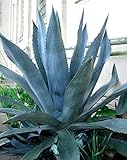
Overview: Agave pelona is a distinctive evergreen succulent perennial from northwestern Mexico. It forms a symmetrical rosette of narrow, smooth-edged, glossy dark green leaves and is especially valued for its unusual red to reddish-purple flowers on a tall mature inflorescence.
Quick Specifications
| Plant Type | Evergreen succulent perennial |
| Growth Habit | Compact solitary to slowly clustering rosette |
| Growth Rate | Slow |
| Light | Full sun to part shade |
| Water Need | Low |
| Native Range | Sonora, Mexico |
| Flowering | Tall mature flower spike with red-toned flowers |
| Primary Uses | Desert gardens, rock gardens and containers |
Growth Form & Structure
Unlike many strongly toothed agaves, Agave pelona is notable for its relatively smooth leaf margins and neat rosette form. It requires excellent drainage and is best treated as a dry-climate ornamental succulent.
Care Guide: Planting, Soil & Watering
Overview: This agave thrives in full sun to light shade, in warm, frost-free conditions and fast-draining sandy or gritty soil. It is a low-water, drought-tolerant succulent that stores moisture in its leaves, so it needs far less water than most garden plants and resents soggy ground.
Quick Care Requirements
| Requirement | Ideal Condition |
|---|---|
| Planting Season | Spring, once the soil warms and frost has passed; year-round in frost-free zones (11+) |
| Growth Rate | Slow |
| Soil Type | Well-draining, sandy or gritty; poor to average fertility |
| Water Need | Low; let the soil dry out fully between waterings |
Planting & Establishment
- Best Planting Season: Spring in cold hardiness zone 8, spring to summer in hardiness zone 9-10a, spring to autumn in hardiness zone 10b, all year in hardiness zone 11+. Plant when the soil is warm and there is no risk of frost, so the roots establish before cold weather returns.
- How to Plant:
- Hole Preparation: Dig a hole slightly wider than the root ball and no deeper, choosing a spot with excellent drainage. In rainy locations, plant on a mound or in a raised bed so the plant never sits in a puddle, which can rot and kill it.
- Soil Amendments: This agave does not need rich soil; instead work in coarse sand, grit or pumice to sharpen drainage. Skip heavy compost, which holds too much moisture.
- Planting Depth: Set the plant so the crown sits right at soil level. Do not bury the base of the rosette or backfill over the leaves, as buried tissue rots easily.
- Growth Speed & Expectations: Expect slow, steady growth. In cooler areas than its native range the leaves develop more slowly and it may take several extra years to reach blooming size, so give it time and do not overfeed to force growth.
Soil, Watering & Drainage Care
- Soil Mix & Drainage Needs: Sharp drainage is the single most important factor. Use an open, sandy or gritty soil that lets water pass through freely so the roots never stay wet, which prevents root rot. In containers, use a free-draining cactus or succulent mix and a pot with drainage holes.
- Watering Schedule & Technique:
- Young / Newly Planted: Water lightly every few days after planting to help the roots settle in, but keep the soil only just moist and never waterlogged.
- Established: Water deeply but infrequently, then let the soil dry out completely before watering again. When in doubt, water less rather than more.
- Seasonal Adjustments: Cut watering right back in winter when the plant is resting, and water a little more often only during prolonged summer heat. A light mulch helps protect young plants through cold winters.
Climate, Light & Hardiness
Agave pelona (century plant) is a heat-loving, drought-adapted succulent suited to hot, sunny desert, Mediterranean and subtropical climates, where it grows best in full sun to light shade with sharp drainage. It is only lightly cold-hardy: it prefers dry warmth and near frost-free winters, and its response to cold depends on plant age, exposure duration and how wet the soil stays.
Quick Climate Specifications
| Climate Zones | Desert, subtropical, Mediterranean, tropical and temperate (frost-free to mild-winter regions) |
|---|---|
| USDA Hardiness Zones | Hardy to about zone 9; with attentive overwinter care it can be held in zone 8 |
| Optimal Temp Range | Generally 20–30 °C (68–86 °F) for active growth |
| Cold Damage Begins | Around 0 °C (32 °F); light frost can mark the foliage, and young plants are markedly more sensitive than established ones |
| Approx. Survival Minimum | Roughly −7 to −1 °C (20 to 30 °F) for established plants, briefly |
| Frost Tolerance | Low |
| Light Conditions | Full sun to partial (half) shade |
| Wind Tolerance | Moderate to high |
Sunlight & Light Exposure
Optimal Light Setup
Grow in full sun to light half shade. Strong light keeps the rosette compact and well coloured; in the hottest, driest desert sites a little afternoon shade helps prevent stress on the leaf faces.
Direct Sun Requirement
This is a sun-loving plant that needs several hours of direct sun daily. In too much shade the rosette stretches, loosens and loses its tight form and colour.
Shade & Heat Management
Half shade is tolerated and can be useful in extreme heat. Note that variegated and pale-leaved forms carry less chlorophyll and sunburn more readily than plain green agaves - move plants into strong sun gradually so the tissue can acclimatise, and give light midday shade in the fiercest sun.
Best Exposure / Orientation
An open, sunny, south- or west-facing position is ideal. In cooler or marginal areas, a warm, sheltered spot - against a sun-facing wall or on a raised, freely draining bed - captures extra warmth and keeps the crown dry.
Temperature Extremes & Hardiness
USDA Hardiness & Regional Limits
The site data places it at roughly USDA zone 9, extending to zone 8 with the right overwinter care. That zone reflects winter cold survival, not ideal conditions - it grows most freely in warm, dry-summer climates. In cooler regions than its native range, growth slows and flowering can take several extra years.
Cold Damage & Winter Protection
Cold hardiness varies with plant age, exposure duration and conditions; young plants are more tender than established rosettes. Sharp drainage is the single most important protection - a plant kept dry survives cold far better than one sitting in cold, wet soil. Mulching the base of young plants through cold winters helps, and container specimens freeze faster and need more shelter than plants in the ground.
Frost Sensitivity
Best treated as frost-sensitive. Short, dry frosts near freezing may only blemish leaf tips, while hard or lingering freezes cause serious damage - wet cold is worse than dry cold.
Extreme Heat Tolerance
Heat tolerance is excellent: this agave thrives in high summer temperatures and intense sun that would stress many plants, and it copes well with hot, dry air. Its heat tolerance is separate from its low-water habit - even a heat-loving succulent still needs good drainage and protection from the combination of heat and waterlogging.
Wind, Humidity & Microclimate
Humidity Preferences
Prefers low to moderate humidity with good airflow. Consistently humid, stagnant air raises the risk of rot on the fleshy leaves and crown, especially where nights are cool.
Dry-Air Tolerance
Excellent. As a desert succulent it is well adapted to very dry air and does not need misting or added humidity - dry conditions actually suit it.
Wind Tolerance
The rigid, fleshy rosette handles moderate to strong wind well. The main caution is the tall flower stalk, which can be top-heavy - and container plants, which are easier to blow over and need a stable, weighted pot.
Coastal / Salt Tolerance
Salt and coastal tolerance are not specified for this species in the source data, so treat it cautiously in exposed seaside sites; many agaves take some coastal exposure, but confirm for this plant before relying on it in salt-spray positions.
Rainfall & Seasonal Moisture
Adapted to low-rainfall, dry climates with sharp drainage. Wet winters are the main climatic hazard: cold combined with heavy seasonal rain, or standing water around the crown, is far more damaging than the cold alone. In rainy areas, plant on raised, freely draining ground so water never pools at the base.
Microclimate Recommendations
In marginal-cold or wetter regions, use warm microclimates: a sunny, sheltered south-facing aspect, a raised or gritty bed, reflected heat from a wall or paving, and avoidance of frost pockets and low, wet spots where cold air and water collect.
Growing in Pots, Balconies & Indoors
Agave pelona is a sun-loving succulent rather than a true houseplant – the grower does not recommend it as an indoor plant. It does, however, make an excellent container specimen for a hot, bright patio or balcony, and a compact young rosette can sit on a very sunny windowsill. Away from a bright window the light is simply too weak for it to stay tight and healthy.
Safety: Agave sap can irritate skin and eyes and is toxic if chewed, and the leaves are sharply spined – keep it away from children and pets, especially in a home or on a windowsill.
Quick Details
- Container Size: A pot about 30-50% larger than the root ball; pot up a size each time it fills out and offsets (the grower’s rule)
- Indoor Suitability: Not a true houseplant; a small rosette tolerates a very sunny, direct-sun windowsill
- Best Spot: Full sun to light shade – the hottest, sunniest place you have
- Soil & Drainage: Gritty, very free-draining succulent/cactus mix; strong drainage is essential
- Watering in Pots: Water sparingly and let the mix dry out between waterings – never leave it wet
Indoors & On the Windowsill
- Houseplant limits: The grower marks this as not suitable as an indoor houseplant – like most agaves it needs strong, direct light that a room interior cannot provide, and in low light it stretches and softens.
- Windowsill growing: A small or young rosette can be grown on a very sunny, ideally south-facing sill with several hours of direct sun; keep it in a gritty mix and water sparingly.
- Overwintering: Agaves are frost-tender in cold climates, and this is a key reason to keep one in a pot – move it to a bright, cool, frost-free spot indoors over winter and keep it nearly dry until warmth returns.
On a Balcony or Patio
- Light & heat: Give it the hottest, sunniest position; agaves thrive on reflected heat from walls and paving. Pots dry fast in these spots, though these plants prefer to run on the dry side.
- Wind & weight: When the tall flowering stalk eventually appears it is heavy and top-heavy – the grower advises weighting the base of the container so it cannot topple. Site the pot clear of walkways, as the leaves are sharply spined.
- Drainage runoff: Stand the pot on feet for free drainage and to keep runoff off the balcony floor; a full pot of gritty mix is heavy, so check the balcony can take the load.
Choosing the Pot, Soil & Long-Term Care
- Pot & drainage: Choose a pot roughly 30-50% larger than the root ball with plenty of drainage holes; skip a standing water saucer to avoid root rot. Terracotta is ideal – it breathes and dries the mix faster than glazed or plastic.
- Potting mix: A gritty, very free-draining succulent/cactus mix – a loam or coir base with plenty of coarse sand, perlite or pumice.
- Feeding: Feed only lightly in the warm season; potted plants lose nutrients as water leaches through, but agaves are lean, slow growers and too much feed makes them soft.
- Repotting: Pot up to the next size as the plant fills out and produces daughter plants (offsets). The grower notes that after a few years the mix breaks down and drains poorly – refresh it with new gritty soil at that point.
Grower’s Container Tip
- Sizing up for offsets: Start in a container about 30-50% larger than the root ball and move up a size each time it fills out; a mature plant needs the extra room for its daughter plants (offsets).
- Stability at flowering: The bloom stalk can be very tall and heavy – place weight such as stones or bricks in the base of the container so it stays stable.
- Refresh the soil: After a few years the drainage declines – replace the old mix with fresh, free-draining soil.
Growing this plant in a greenhouse
A greenhouse can give agave pelona frost protection, cold protection, humidity control and extra warmth.
Greenhouse at a glance
| Greenhouse suitability | Conditional - depends on your climate |
|---|---|
| Main benefits | frost protection, cold protection, humidity control, extra warmth |
| Outdoor protection advisable below | about 2°C |
| Maintain greenhouse minimum | around 2°C for active growth |
| Suitable types | unheated greenhouse, polycarbonate greenhouse |
| Heating | Heating is optional - useful mainly for winter growing in cold areas. |
Related greenhouse guides
- Greenhouses: How to Choose the Right Greenhouse
- Polycarbonate Greenhouses: What to Look for Before Buying
- Greenhouse Climate Control: Temperature, Ventilation and Humidity
Fertilizing & Feeding
Agave is a light feeder adapted to lean desert soils. It benefits from only minimal, dilute fertilizer during the warm active growing season and needs nothing while it rests in cool conditions.
Quick Fertilizing Specs
| Feeding Level | Light – a low-demand desert succulent |
|---|---|
| Main Nutrient Priority | A balanced, low-nitrogen approach that avoids soft, forced growth |
| Best Feeding Period | The warm, active growing season |
| Organic Options | A little well-rotted compost worked into gritty, sharply drained soil |
| Micronutrients | Not routinely needed in a suitable mineral soil |
| Soil pH | Tolerates a wide range; prefers slightly acidic to near-neutral, well-drained soil |
| Reduce/Stop Feeding | Ease off and stop feeding as temperatures cool and the plant rests |
Feeding by Growth Stage
Active growth (warm season)
Support slow, firm rosette growth without forcing soft, weak tissue
| Nutrient direction | Lean, low-nitrogen complete feeding; keep it light and dilute |
|---|---|
| Timing | During the warm, active growing season |
| Frequency | Feed sparingly through the active growing season; light feeding is usually enough |
| Fertilizer types | A dilute, low-nitrogen complete fertilizer, or a specialty cactus and succulent product |
| Precautions | Avoid heavy or high-nitrogen feeding, which pushes soft, etiolated growth and raises rot risk; keep the soil sharply drained |
Dormant rest (cool season)
Let the plant rest quietly through cool, low-light conditions
| Nutrient direction | None – withhold fertilizer while the plant is dormant |
|---|---|
| Timing | Cool season and any period of dormancy |
| Frequency | No feeding at this stage |
| Fertilizer types | No feeding at this stage – do not fertilize until warm, active growth resumes |
| Precautions | Do not fertilize until active growth resumes; keep the plant dry and unfed |
Nutrient Deficiency Signs & Corrections
Overall pale colour with slow, weak growth
| Possible causes | Low nitrogen availability in very lean soil, High soil pH limiting nutrient uptake, Cold or waterlogged roots reducing uptake |
|---|---|
| Appears first on | Older, lower leaves |
| What to check | Recent feeding history, Soil drainage and root health, Soil pH |
| Possible correction | Confirm drainage and root health, correct pH if it is off, then apply a dilute complete fertilizer during active growth |
Yellowing between the veins on newer leaves while the veins stay green
| Possible causes | High soil pH reducing iron and manganese availability, Cold or overly wet soil impairing root uptake, Genuinely low micronutrient supply in an inert mineral mix |
|---|---|
| Appears first on | Newest leaves |
| What to check | Soil pH, Soil moisture and drainage, Root health |
| Possible correction | Correct pH and drainage first; if it persists, apply a chelated iron or manganese product per its label |
Brown, scorched leaf tips and margins
| Possible causes | Fertilizer salt buildup in the soil, Under-watering that concentrates salts, Excess fertilizer applied to a light-feeding succulent |
|---|---|
| Appears first on | Leaf tips and margins |
| What to check | Feeding rate and frequency, Salt crust on the soil surface or pot, Watering and leaching practice |
| Possible correction | Reduce feeding, leach the soil with clear water, and improve drainage |
Pruning, Training & Seasonal Maintenance
Agave pelona tolerates only light, cosmetic pruning – dead-leaf and eventual bloom-stalk removal, never structural cutting. There is no fixed dormant pruning season since spent tissue can be removed whenever it appears, but in the cooler part of its USDA zone 8–9 range, marginally frost-bronzed leaves are better left in place through winter and reassessed in spring, since they help insulate the crown. As a monocarpic agave it flowers once at full maturity and then declines while offsets take over, so most of its long-term maintenance is about managing that senescence and succession rather than shaping ongoing growth.
Quick Pruning & Maintenance Specs
| Pruning Tolerance | Low |
| Primary Pruning Window | Year-round, as needed (no true dormant season) |
| Secondary Maintenance Window | Early spring, once winter cold has passed, to reassess frost-marked leaves |
| Typical Frequency | A few spot-checks a year |
| Main Objective | Remove dead/dying leaves and the spent flower stalk; keep the crown clean |
| Young Plant Priority | Leave essentially untouched; remove only clearly dead or damaged leaf tissue |
| Mature Plant Priority | Routine dead-leaf removal; manage offsets; remove spent bloom stalk and dying mother rosette after flowering |
| Best Tool Type | Hands or precision snips for leaf tips; loppers for tougher leaf bases and the dried bloom stalk |
| Avoid Heavy Pruning During | At any time – true structural or hard pruning is not tolerated |
Pruning by Plant Age & Size
Newly Established
Minimal – remove only leaves damaged or desiccated by transplant stress; do not touch the crown.
Young / Formative
No structural training – it is a single unbranched rosette. The only real decision at this stage is whether to keep the base clear of trapped leaf debris.
Mature / Established
Ongoing removal of the lowest ring of spent leaves as they naturally brown and dry from the base up, plus eventual bloom-stalk removal and offset (pup) management once flowering occurs.
Seasonal Pruning Schedule
Dormant/Winter
Objective: protect the crown through winter cold. Remove: only fully collapsed, mushy, or rotting leaf tissue. Do not remove: leaves that are merely frost-bronzed or spotted but still firm – they buffer the crown and can be reassessed in spring. Response: better cold survival with foliage intact. Flowering impact: none.
Ongoing Sanitary
Objective: tidy appearance and plant health. Remove: fully dry, brown, or pest-damaged leaves at the base. Do not remove: any leaf still green for more than half its length – it is still feeding the plant. Response: cleaner rosette silhouette. Flowering impact: none until the rosette reaches flowering maturity.
Post-Flowering
Objective: remove the spent flower structure and the dying mother rosette once bloom has fully finished. Remove: the dried bloom stalk, cut near its base, and collapsing mother-rosette leaves as they die back. Do not remove: healthy offsets developing around the base – they are the plant’s continuation. Response: none for the mother plant, which is finishing its lifecycle; removing the spent stalk frees space and light for the offsets. Flowering impact: irreversible – once bloom is initiated, pruning cannot redirect the plant back to vegetative growth.
Structural Pruning & Training
No branching structure to train – it is a single unbranched rosette. The only structural choice is how many basal offsets to allow before they crowd each other; thin excess pups for a solitary look, or leave several to naturalize as a colony.
Special Growth to Remove
- Offsets/pups: retain 1–3 well-spaced ones to carry the clump on after the mother blooms and dies, or remove/transplant excess pups close to the base for a single-specimen look.
- Spent bloom stalk: remove once fully dried, cutting near its base.
- Dead mother rosette: remove once fully collapsed post-bloom to make room for offsets and reduce rot/pest harborage.
Container & Small-Space Pruning
Not typically grown as an indoor houseplant, but a good outdoor container succulent. Size in a container is governed by root space, not by canopy pruning – pot up roughly 30–50% larger as the rootball fills, and expect to need a wider or weighted-base pot once a bloom stalk starts, since it can become top-heavy. Trim only dead leaves as in-ground; cutting living leaf tissue to keep the rosette small will scar rather than reduce size.
Tools
Precision snips or bypass secateurs for individual dry leaf tips and thin dead leaves near the base. Loppers for the tougher fibrous base of a dead leaf or for the dried bloom stalk.
Tool Hygiene & Disease Risk
Routine – clean, sharp tools are enough for ordinary dead-leaf and stalk removal. Increased caution applies when cutting leaf tissue that is dying from infection rather than simple age-related senescence; disinfect the blade after cutting infected or rotting tissue before it touches healthy leaves.
Cut Placement & Technique
Cut dead leaves close to their base without slicing into the crown – the central growing point is the plant’s only meristem and does not regrow if damaged. Angle cuts to shed water away from the crown rather than channel it in. Handle the rosette by the leaf body, not the spine tip, and wear thick gloves – the leaves are noted as sharp.
Heavy Pruning & Rejuvenation
Not tolerated. Agave pelona has a single growing point and cannot be cut back hard and re-sprout the way a shrub can; any attempt at rejuvenation pruning would damage or kill the rosette. Its real renewal is biological rather than pruning-driven: after it blooms and the mother rosette dies, its offsets carry the plant forward.
Post-Pruning Care
No feeding is needed after routine leaf or stalk removal. Since the species prefers to dry out between waterings and dislikes sitting wet, avoid heavy watering right after a cut and keep water from pooling in the crown, where it can encourage rot at the fresh wound.
Common Pruning Mistakes
- Cutting into the crown while removing a stubborn dead leaf.
- Removing leaves that are still mostly green to tidy the rosette, wasting nutrients the plant would otherwise reabsorb from natural senescence.
- Handling the plant without gloves, given its sharp leaf tips.
- Leaving a fully dry spent bloom stalk in place indefinitely, inviting rot or pest harborage near the new offsets.
When NOT to Prune
Never cut into the crown. In the cooler part of its hardiness range, avoid stripping frost-marked leaves before it is clear winter’s cold has passed – wait until spring growth confirms which leaves are truly dead. Avoid heavy handling or leaf removal immediately after transplanting, while roots are re-establishing.
Recommended Tools (by task)
- Dead leaf-tip removal (any age): precision_snips – clean small cuts on dry leaf tissue without disturbing the crown.
- Spent bloom stalk removal (mature, post-bloom): loppers – the dried stalk base is tougher and more fibrous than snips handle comfortably.
- Removing infected or rotting leaf tissue: blade_disinfectant – prevents spreading rot organisms to healthy leaves or nearby plants.
Propagation Guide
Agave pelona can be propagated from seed and, when the plant naturally produces them, by separating basal offsets or pups. Individual leaf cuttings are not recommended as a routine Agave propagation method.
Quick Propagation Specs
| Best Vegetative Method | Basal offsets or pups, when naturally produced |
| Alternative Method | Seed |
| Leaf Cuttings | Not recommended |
| Seed True-to-Type | Generally suitable for raising the species; seedlings may still vary naturally |
| Vegetative True-to-Type | Yes, from offsets/pups |
Offsets and Pups
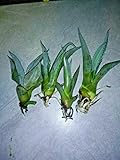
When a rooted or rootable basal offset is present, separate it carefully from the parent plant while retaining as much of its own root tissue as possible. Allow damaged surfaces to dry briefly if needed, then pot the offset into a very well-drained Agave or succulent growing medium.
Growing from Seed
Sow fresh, mature seed in a clean, well-drained propagation medium. Keep the medium lightly moist rather than wet and provide warm, bright conditions while seedlings establish. A sandy, well-ventilated growing medium in a bright, sunny spot works well for germination, alongside good drainage.
Aftercare
Keep newly established offsets and seedlings in excellent drainage and increase light gradually. Avoid prolonged wet conditions around the developing roots.
Bloom & Flower Guide
Quick Details
- Bloom Season: Spring to summer
- Time to First Bloom: Many years — most agaves take a decade or more to reach flowering size, then bloom only once
- Flower Appearance: red flowers carried in clusters along a tall flower stalk
- Edibility: Ornamental — grown for its striking rosette and dramatic bloom, not for eating. The sap is a skin and eye irritant and the leaf tips are sharp, so the flowers are best treated as look-only.
Detailed Blooming Overview
Agave pelona (Century Plant (Mescal Pelon)) is a monocarpic agave: it spends many years — usually a decade or more — slowly building a rosette of thick, fleshy leaves, then flowers just once. At maturity it sends up a tall flower stalk crowded with red blooms in spring to summer. After that grand finale the main rosette gradually dies back, but it leaves behind offsets (pups) at its base — and on some plants small plantlets along the stalk — to carry the plant on. Despite the “century plant” nickname, it rarely takes anything like a hundred years to reach this point.
Flower Characteristics
- Red flowers, held in dense clusters along a tall flower stalk (an unbranched spike or a branched, candelabra-like panicle, depending on the species).
- The individual blooms are tubular and rich in nectar, opening in succession over several weeks.
- Flowering is a natural once-in-a-lifetime event for the rosette — a sign of maturity, not of ill health.
Bloom Care & Thinning
- Let it bloom in its own time: Agaves flower only once they are fully mature and cannot be rushed — extra feeding or watering will not bring on a stalk any sooner.
- After flowering: Once the bloom fades and the rosette begins to decline, cut down the spent stalk and lift or pot up the offsets to grow on in its place.
- Pollination: Its unusual red flowers are pollinated largely by hummingbirds and other nectar-feeding birds, with bats and night-flying moths also visiting.
- Handle with care: The plant’s sap contains irritating saponins and calcium-oxalate crystals that can inflame skin and eyes, and the leaf tips are sharply spined — wear gloves when working around the bloom stalk, and keep the flowers off the menu.
Bloom Health & Protection
- Agave snout weevil: Mature, flowering-age agaves can attract the agave snout weevil, whose grubs bore into the core and can collapse the rosette. Removing and destroying badly infested plants and keeping specimens unstressed helps; a soil-applied systemic insecticide can protect prized plants.
- Crown and stalk rot: In cold, wet, poorly drained conditions the base and emerging flower stalk can rot. Sharp drainage, careful watering, and a copper- or sulfur-based fungicide where needed keep the bloom stalk sound.
Fruit & Uses
Agave pelona is not a fruiting crop, but its common name “Mezcal pelón” points to a real history of local food and drink use: the relatively mild, low-sapogenin heart and leaf bases were traditionally baked and eaten, and the species was also distilled locally into mezcal. Every edible part needs long, slow cooking – nothing on the plant is eaten raw.
Quick Edible Specs
| Edible Parts | Stem/heart, leaf bases; flowers and young flowering stem presumed edible by extension from related agaves |
|---|---|
| Main Use(s) | Historical local food; source plant for mezcal |
| Eaten Raw or Cooked | Cooked only – never raw |
| Preparation Required | Slow-baking in an earth oven (traditionally on the order of a day or two) to convert starches to sugar before eating, drying, or juicing |
| Harvest Season | Rosette is cut for its heart before it sends up a flowering stalk |
| Time to First Harvest | Only once the rosette reaches full maturity, just before it would otherwise bloom – a single, plant-ending harvest, not a repeat crop |
| Storage | Baked heart can be sliced and eaten fresh, dried for later use, or juiced into a syrup that is fermented or distilled |
| Safety/Toxicity Caveat | Raw tissue is unsafe/irritant; even properly baked, this food can have a noticeably laxative effect the first few times it is eaten |
Shoots & Stems
The heart and thickened leaf bases are harvested before the rosette flowers, then slow-baked in an earth oven for roughly a day or two until the fibers soften and the starches convert to sugar. The baked heart can be sliced and eaten as-is, dried for storage, or juiced and reduced into a syrup that is fermented or distilled into mezcal. As with other agaves, cutting the heart ends that rosette since the plant is monocarpic.
Flowers & Flower Buds
Traditional accounts note the flowers and young flowering stem were presumably eaten as well, following the same pattern as other food-use agaves, though this is less well documented than the heart harvest.
Preparation, Uses & Safety
Nothing on this plant is safe or palatable raw – the extended earth-oven baking is what neutralizes irritant compounds and converts starch to sugar. Even correctly prepared, first-time eaters commonly notice a laxative effect, so this is a food to try cautiously and in small amounts rather than an everyday crop. Handle the sharp-tipped leaves carefully when harvesting (see Pruning).
Pests, Diseases & Troubleshooting
Overview: Mescal Pelon (Agave pelona) is a smooth, spineless-margined agave with a strong terminal spine and reddish tones and, like all agaves, is built for lean, fast-draining conditions; its worst enemies are moisture and the pests that exploit soft tissue rather than any single fungal foe. The two defining threats across the genus are the agave snout weevil, whose grubs hollow the core and open the door to bacterial soft rot, and crown and root rot from overwatering or poor drainage. Management is overwhelmingly cultural and preventive: gritty soil, careful watering, good airflow, sun-hardening, and early hand-removal of scale and mealybugs keep chemicals to a rare last resort.
Quick Troubleshooting Overview
| Issue / Pest | Main Symptom | Primary Solution |
|---|---|---|
| Agave snout weevil | Rosette suddenly collapses, base soft and foul-smelling | Prevent with vigor & soil drenches; remove & destroy infested plants and grubs |
| Scale & mealybugs | White cottony tufts or brown bumps in leaf axils; sticky residue | Wipe/pick off; horticultural oil or insecticidal soap; treat roots for root mealybug |
| Agave (eriophyid) mite | Corky, distorted scarring emerging from the crown | Remove affected leaves; miticide/sulfur; isolate new plants |
| Crown & root rot | Basal or central leaves mushy, brown, easily pulled | Cut to clean tissue, dry, repot in gritty mix; reduce watering |
| Bacterial soft rot | Slimy, collapsing wet rot with odor, often after weevil or injury | Excise infected tissue; improve drainage; avoid overhead water |
| Sunburn / frost | Bleached tan patches or translucent mushy leaf tips | Harden gradually to sun; protect from hard frost and wet cold |
Common Pests & Management
- Agave Snout Weevil (Scyphophorus acupunctatus):
- Symptoms: The classic sign is a mature rosette that abruptly wilts and collapses inward, with the whole plant loosening at the base; lift it and you find a soft, blackened, foul core riddled with fat, legless cream-colored grubs. The dark-snouted adult beetle chews into the crown to lay eggs, and the larval tunneling – plus the bacteria they introduce – is what actually kills the plant. Firmer, more fibrous leaves make it a somewhat less-preferred weevil host than the soft blue-leaved species, but a stressed or flowering plant can still be attacked, so stay watchful.
- Prevention & Control: Prevention is everything, because by the time a plant collapses it cannot be saved. Keep plants vigorous but not lush and overwatered (soft, sappy tissue attracts egg-laying); inspect the crown of large specimens, especially as they approach flowering age, which the beetles target. Promptly dig out and destroy any collapsed plant together with the grubs and surrounding soil so they cannot pupate and spread. Where the weevil is established, a preventive soil drench of an appropriate systemic insecticide in the warm growing season, applied to healthy plants, is the only reliable chemical tool; there is no cure once the core is eaten.
- Armored & Soft Scale (Hemiberlesia, Coccus spp.):
- Symptoms: Small, immobile brown, grey, or tan bumps clustered along leaves and tucked into the tight leaf axils near the center. Soft scale excretes sticky honeydew that leads to black sooty mold; armored scale leaves dry, limpet-like shells and yellow feeding spots. Heavy infestations cause overall stalling and pale, pitted leaves. Look-alikes: fixed scale can be mistaken for natural leaf markings, so scrape one with a fingernail to confirm it lifts off.
- Prevention & Control: Inspect new arrivals and the hidden inner leaf bases, where scale hides. For light cases, wipe or scrape insects off with a cloth or a cotton swab dipped in diluted alcohol. For more, spray thoroughly with horticultural oil or insecticidal soap to smother them, repeating to catch crawlers; encourage natural predators (ladybirds, parasitic wasps) outdoors. Oils are best applied in the evening or on cool overcast days to avoid leaf burn.
- Mealybugs & Root Mealybugs (Pseudococcus & Rhizoecus spp.):
- Symptoms: White, cottony, waxy tufts nestled deep in the leaf axils and crown, plus sticky honeydew and sooty mold. A distinct and easily missed form is the root mealybug: unpot a stalling, unexplainably weak plant and you find white waxy ‘mold-like’ deposits and insects on the roots and inner pot wall. Both suck sap and slowly debilitate the plant.
- Prevention & Control: Dab visible colonies with an alcohol-dipped swab and rinse the crown; treat foliage with horticultural oil or insecticidal soap, repeating every week or two. For root mealybug, remove the plant from its pot, wash all old soil off the roots, trim badly infested roots, and repot into fresh gritty mix and a clean container; a soil drench of insecticidal soap or a systemic can help. Quarantine new plants, as this pest travels in nursery soil.
- Agave Mite (eriophyid) (Aceria sp.):
- Symptoms: These microscopic mites live protected in the still-folded central leaves. As those leaves expand you see permanent corky, warty, distorted scarring and puckering, often in bands, mainly toward the base and center of the rosette. The damage is cosmetic-to-deforming and, once on a leaf, permanent – it does not wash off or heal. It is a chronic disfiguring problem on collector agaves rather than a quick killer.
- Prevention & Control: Isolate new plants, since this is how it spreads through collections. Cut off and destroy the most affected leaves to reduce the population reservoir. Sulfur or a labeled miticide directed into the crown, repeated, can suppress it; because the mites hide inside folded tissue, thorough coverage and repeat treatments are essential. Badly, chronically scarred plants are best culled to protect the rest.
- Spider Mites (Tetranychus spp.):
- Symptoms: Fine pale stippling and a dull, faded, bronzed cast to the leaves, with fine webbing in the axils in heavy cases; worst on plants grown warm, dry, dusty, and with poor airflow (typical of indoor or greenhouse agaves). Tap a leaf over white paper to see tiny moving specks.
- Prevention & Control: Raise humidity and airflow and hose or wipe dust off leaves, which alone discourages them. Spray horticultural oil or insecticidal soap, covering leaf undersides and axils, and repeat to break the life cycle; predatory mites work well in greenhouses. Avoid drought-stressing the plant, which favors mite outbreaks.
- Thrips (Frankliniella / Heliothrips spp.):
- Symptoms: Silvery or greyish streaks and stippling with tiny black fecal specks, and slender fast-moving insects tucked into the crown and leaf bases. Damage is usually cosmetic scarring on otherwise vigorous plants, though heavy pressure distorts new growth.
- Prevention & Control: Blue or yellow sticky traps monitor and reduce adults; keep the area weed-free, since thrips migrate in from surrounding plants. Insecticidal soap, horticultural oil, or spinosad, directed into the crown and repeated, controls outbreaks; conserve natural predators such as predatory mites and lacewings.
Diseases & Fungal Issues
- Crown & Root Rot (Phytophthora & Pythium spp.):
- Symptoms: The central or basal leaves turn brown-black, soft, and mushy and pull away easily; roots are dark and rotten. It follows overwatering, heavy soil, or water sitting in the crown – the number-one killer of agaves in cultivation after the weevil.
- Treatment & Management: Prevention through fast-draining gritty soil, careful watering (dry between soaks), and keeping water out of the crown is far more effective than any cure. On an affected plant, cut away all soft, discolored tissue back to firm clean flesh, dust with sulfur, let it callus dry, and repot into fresh dry mineral mix; withhold water until it re-roots. A soil-drench fungicide can protect remaining healthy tissue.
- Bacterial Soft Rot (Pectobacterium / Erwinia spp.):
- Symptoms: A fast, slimy, foul-smelling wet collapse of tissue, frequently in the crown or wherever the plant was wounded – very often the aftermath of snout-weevil tunneling, frost injury, or a cracked leaf base staying wet.
- Treatment & Management: Cut out all infected slimy tissue with a clean blade well into healthy flesh, disinfecting the tool between cuts, and let the wound dry hard; keep the plant dry and airy. Improve drainage, avoid overhead watering, and prevent the injuries (weevil, frost, careless handling) that let bacteria in. A copper spray can help protect surrounding tissue.
- Anthracnose (Colletotrichum agaves):
- Symptoms: Sunken, dark, often reddish-bordered lesions on the leaves, sometimes with pinkish-orange spore masses in the centers in humid weather; it spreads by splashing water and is worst in warm, wet, crowded conditions.
- Treatment & Management: Remove and destroy affected leaves, improve air circulation and spacing, and keep the foliage dry – avoid overhead watering. Where pressure is high, a copper or other labeled fungicide applied preventively protects new growth; disinfect cutting tools.
- Fungal Leaf Spots (Cercospora, Alternaria and others):
- Symptoms: Scattered grey, brown, or black spots and blotches, sometimes ringed or with yellow halos, mostly a cosmetic issue on stressed or over-humid plants rather than a fatal one.
- Treatment & Management: Improve airflow and light, keep water off the leaves, and remove badly spotted leaves. Rarely needs spraying; a copper fungicide handles stubborn cases. Good culture (dry foliage, sun, spacing) prevents recurrence.
Growing Difficulties & Abiotic Problems
- Overwatering & Poor Drainage:
- Cause & Symptoms: By far the commonest way to lose an agave. Soggy soil starves the roots of air and invites rot fungi and bacteria; leaves go soft, yellow, translucent, or the plant simply loosens and topples. Container plants in dense potting soil are especially at risk.
- Correction Strategy: Use a very gritty, free-draining mineral mix, pots with generous drainage, and water only when the soil has dried; err toward drought. Never let water pool in the crown. If caught early, dry the plant out and it may recover; if the base is already rotting, treat as crown rot above.
- Sunburn:
- Cause & Symptoms: A plant moved abruptly from shade or indoors into full desert sun develops permanent bleached tan or white scorched patches on the exposed leaf faces.
- Correction Strategy: Harden plants to sun gradually over a couple of weeks, and provide light shade during the most intense midday heat where needed. Scorch scars are permanent but harmless; new growth comes in clean once acclimated.
- Frost & Cold, Wet Damage:
- Cause & Symptoms: Hard freezes turn leaf tips and tissue translucent, water-soaked, then brown and mushy; cold combined with wet soil is especially deadly and often triggers rot. Species vary widely in hardiness, so match the plant to your climate.
- Correction Strategy: Keep plants dry going into cold, improve drainage, and shelter or bring tender specimens under cover before hard frost. After a freeze, leave damage in place until warmth returns, then trim dead tissue and watch for secondary soft rot in the crown.
- Etiolation & Edema:
- Cause & Symptoms: Too little light produces a pale, stretched, loose rosette with weak, elongated leaves that lose the tight symmetric form. Erratic watering swings can cause edema – corky, blister-like bumps on the leaf underside from cells bursting when the plant takes up water faster than it transpires.
- Correction Strategy: Give full, bright light for a compact rosette, and water evenly and sparingly rather than in feast-or-famine cycles. Existing distortion won’t reverse, but corrected culture brings in normal tight new growth.
What Helps – Products & Tools
For this agave the everyday toolkit is simple and mostly preventive: horticultural / neem oil and insecticidal soap for scale, mealybugs, mites, and thrips; rubbing alcohol and cotton swabs for spot-cleaning crown pests; sulfur or a labeled miticide for the eriophyid agave mite; copper fungicide for anthracnose, leaf spots, and bacterial protection; a bag of sharp gritty/mineral potting mix plus clean pots for rot recovery and root-mealybug repotting; and blue/yellow sticky traps for monitoring thrips. Where the snout weevil is established, a systemic soil-drench insecticide used preventively on healthy plants is the one chemical worth keeping on hand. Follow all labels and protect pollinators – apply oils and soaps in the evening.