Plant Profile & Key Characteristics
Overview: A tufted, evergreen ornamental grass 30-50 cm (12-20 in) tall with fine green foliage and slender spikes of small white flowerheads. Grown as a drought-tolerant ornamental grass and groundcover.
Quick Specifications
| Specification | Attribute |
|---|---|
| Plant Type / Life Cycle | Evergreen perennial grass (Poaceae) |
| Foliage Type | Evergreen |
| Mature Size | 30-50 cm (12-20 in) tall and about as wide |
| Growth Rate | Moderate to fast |
| Root System | Fibrous (typical of grasses) |
| Toxicity | Non-toxic (an ornamental grass) |
| Hardiness | USDA zones 4-10 |
Growth Form & Structure
- Height & Spread: Forms a clump about 30-50 cm (12-20 in) tall and wide; also grows well in containers.
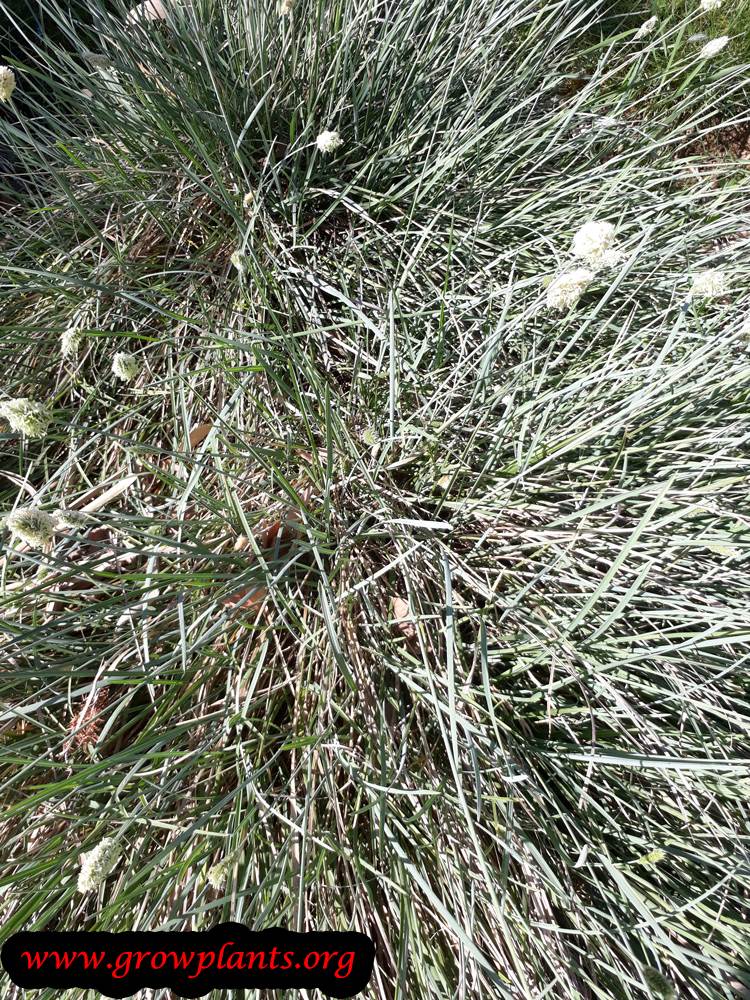
- Growth Habit & Form: Tufted, clump-forming grass with arching linear leaves and upright flowering stems; can spread aggressively.
- Lifespan & Maturity: Perennial that bulks up quickly into dense, weed-suppressing tufts.
Anatomy & Physical Features
- Leaves & Foliage: Narrow, linear, glossy green leaves.
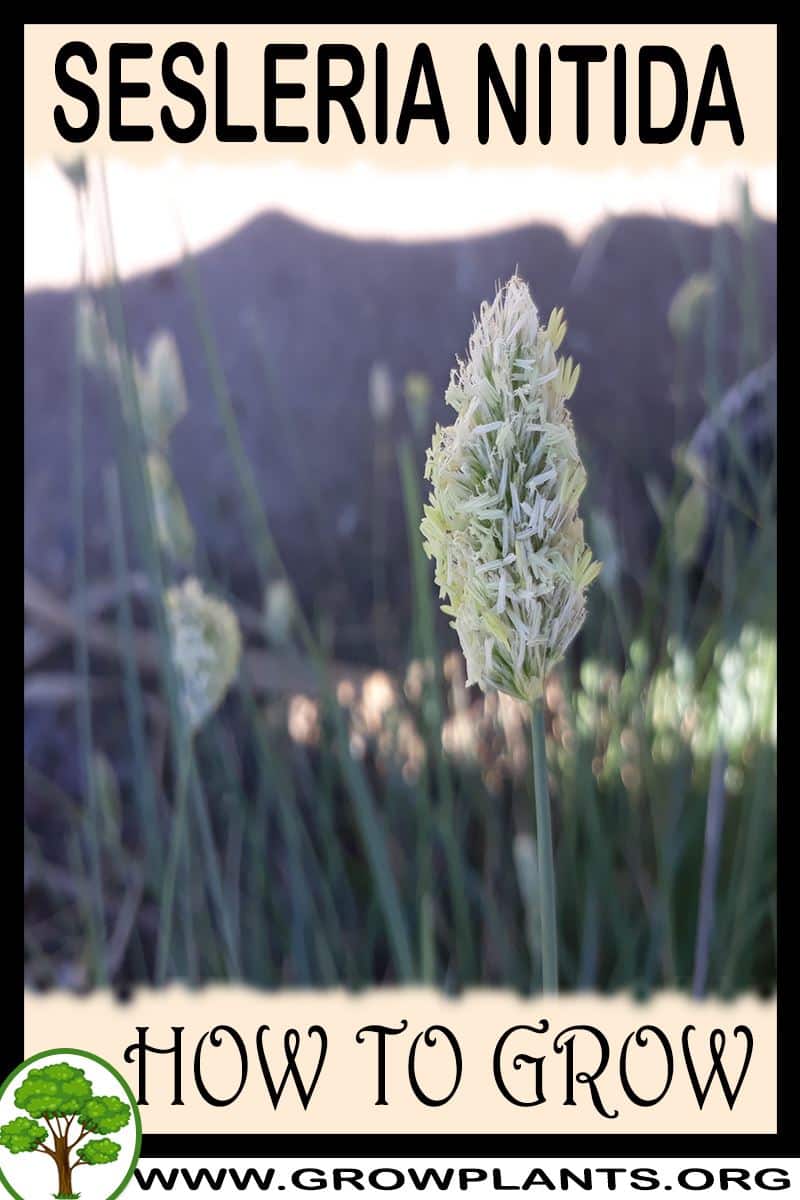
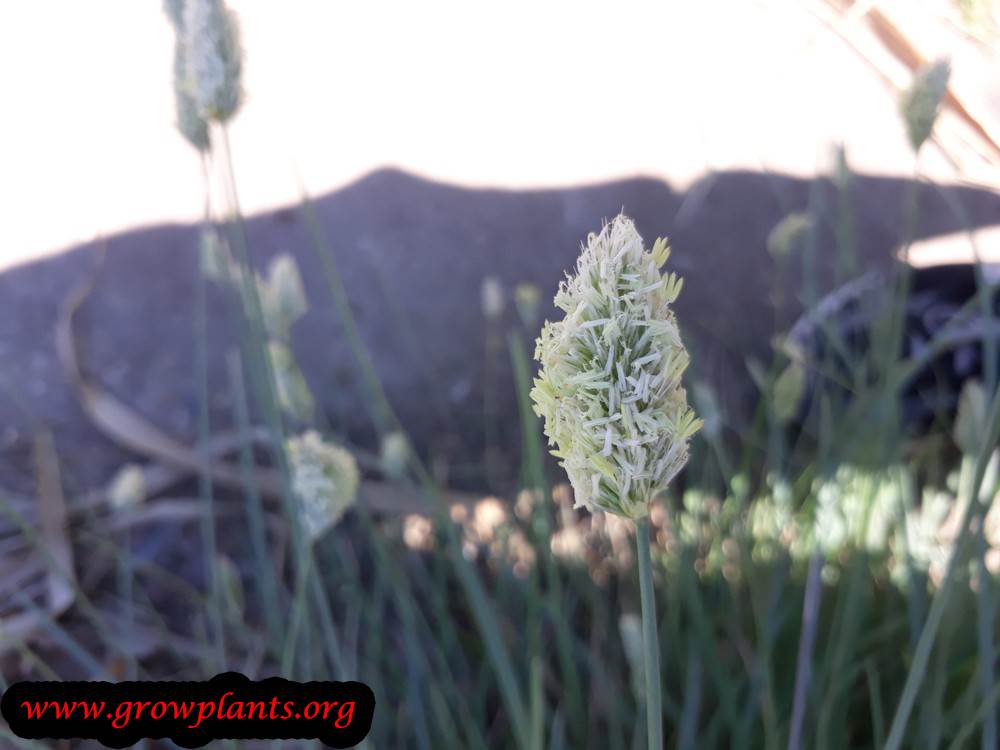
- Flower Characteristics: Small white, capsule-like flowers joined into slender racemes on upright stems.
Primary Uses & Landscape Value
- Functional & Ornamental Roles: Ornamental grass for borders, mass plantings and edging; a drought-tolerant groundcover and texture plant.
Care Guide: Planting, Soil & Watering
Overview: Sesleria nitida (Moor grass) is a tough, adaptable ornamental grass that grows best in full sun to part shade with well-drained soil. It is drought-tolerant once established yet accepts regular moisture, making it a reliable groundcover.
Quick Care Requirements
| Requirement | Ideal Condition |
|---|---|
| Planting Season | In spring, summer or autumn during the growing season |
| Growth Rate | Moderate to fast |
| Soil Type | Well-drained soil; adaptable and drought-tolerant |
| Water Need | Moderate to high — tolerates regular moisture but also copes with dry spells |
Planting & Establishment
- Best Planting Season: Plant during the growing season (spring through autumn); it is hardy across zones 4–10, so it can go in almost any time the ground is workable and not frozen.
- How to Plant:
- Hole Preparation: Dig a hole as deep as the root ball and a little wider, loosening the surrounding soil so the clump can root out.
- Soil Amendments: Work in a little compost to improve structure; this grass is not fussy and adapts to most soils.
- Planting Depth: Set the clump at the same depth it grew in its pot, with the crown right at the soil surface — do not bury the base of the tuft.
- Growth Speed & Expectations: Moderate to fast growth into a dense evergreen tuft; it spreads readily and can be aggressive, so divide or edge it to keep it in bounds.
Soil, Watering & Drainage Care
- Soil Mix & Drainage Needs: Provide well-drained soil; in containers use a free-draining mix and ensure water escapes so the crown does not stay waterlogged.
- Watering Schedule & Technique:
- Young / Newly Planted: Water regularly after planting to establish the clump and encourage strong root growth.
- Established: Once established it is drought-tolerant — water deeply during dry spells but let the soil surface dry between waterings.
- Seasonal Adjustments: Water more in summer heat; reduce over autumn and winter as growth slows.
Climate, Light & Hardiness
Moor grass is a drought-tolerant ornamental grass suited to temperate, subtropical, and Mediterranean climates. It grows best in full sun to half shade and is a reliably cold-hardy groundcover across a wide range of winters.
Quick Climate Specifications
| Climate Zones | Temperate, subtropical, Mediterranean |
|---|---|
| USDA Hardiness Zones | 4–10 |
| Optimal Temp Range | Approximately 10–27°C (50–80°F) |
| Approx. Survival Minimum | Established plants in zone 4 typically endure winter minimums around −29°C to −34°C (−20°F to −30°F) |
| Frost Tolerance | High |
| Light Conditions | Full Sun / Half Shade |
| Wind Tolerance | High |
Sunlight & Light Exposure
Optimal Light Setup
Full sun keeps the clumping foliage densest; half shade is tolerated with a slightly looser habit.
Shade & Heat Management
Handles Mediterranean and subtropical summer heat well once established.
Best Exposure / Orientation
Open borders, slopes, or mass groundcover plantings in full sun to light shade suit its clumping habit.
Temperature Extremes & Hardiness
USDA Hardiness & Regional Limits
Hardy across zones 4–10, comfortably spanning cold continental winters through mild Mediterranean ones.
Cold Damage & Winter Protection
As an evergreen grass it generally holds its foliage through winter in milder zones; in the coldest part of its range some leaf browning can occur without indicating plant loss.
Frost Sensitivity
Very frost tolerant once established.
Extreme Heat Tolerance
Good heat tolerance, being drought tolerant and well suited to Mediterranean-type summers.
Wind, Humidity & Microclimate
Wind Tolerance
As an ornamental grass with a fine, flexible leaf structure, it handles open, windy sites well.
Rainfall & Seasonal Moisture
Being drought tolerant, it adapts to climates with a distinct dry season, though it also grows well where rainfall is more consistent.
Microclimate Recommendations
Suits open, sunny slopes or banks where good air movement and drainage reduce winter foliage problems.
Growing in Pots, Balconies & Indoors
Sesleria nitida (Balkan moor grass) is an evergreen ornamental grass, 30-50 cm, forming neat tufts. It is not a houseplant, but the grower confirms it grows well in containers, where it makes an easy, architectural patio or balcony plant.
Quick Details
- Container Size: A medium pot, 10-20 L, for a well-established tuft
- Indoor Suitability: Not an indoor plant – it is an outdoor ornamental grass
- Best Spot: Full sun to part shade, outdoors
- Soil & Drainage: Free-draining but moisture-retentive mix
- Watering in Pots: Average to generous – keep it from drying out completely, but never waterlogged
Indoors & On the Windowsill
- Not a houseplant: The grower marks it ‘No’ – grasses like this need open-air light and air movement, not a room interior.
- Windowsill: Not suited to a sill; it is best enjoyed outdoors in a container.
- Overwintering: Hardy and evergreen – it stays outside year-round, giving winter structure.
On a Balcony or Patio
- Light & movement: Site it in sun or light shade where its foliage can catch the breeze; it is tough and wind-tolerant.
- Watering & drainage: Pots dry faster than borders – keep the mix lightly moist and let run-off drain freely.
Choosing the Pot, Soil & Long-Term Care
- Pot & drainage: A medium pot with good holes; skip a standing water saucer to avoid root rot. Glazed or plastic keeps the mix from drying too fast.
- Potting mix: A loam-based potting mix that holds some moisture yet drains freely.
- Feeding: Potted plants exhaust their food faster because watering leaches nutrients, so feed lightly through the growing season – more often than plants in open ground.
- Repotting: Divide and refresh congested clumps every couple of years to keep them vigorous.
Fertilizing & Feeding
A light feeder: as a vigorous, spreading ornamental grass, Sesleria nitida holds its tight, upright form best with only modest feeding, and can look floppy or overly lush if fed too richly.
Quick Fertilizing Specs
| Feeding Level | Light feeder |
|---|---|
| Main Nutrient Priority | Balanced feeding with modest nitrogen to green up blades without softening the clump |
| Best Feeding Period | As new growth begins in spring through the main growing season |
| Organic Options | A light compost topdressing worked around the clump |
| Reduce/Stop Feeding | Taper off feeding into autumn as growth slows ahead of winter |
| Micronutrients | Rarely needed in typical garden soil |
| Soil pH | Adapts to a range of well-drained garden soils |
Feeding by Growth Stage
Spring flush of new blades
Support fresh new foliage as growth resumes without encouraging this grass’s already aggressive spreading habit any further.
| Nutrient direction | A modest, low-nitrogen balanced feeding is enough to green up new blades while keeping the clump tight. |
|---|---|
| Timing | As new growth resumes in spring. |
| Frequency | A single light feeding at the start of the growing season usually covers this stage. |
| Fertilizer types | A diluted, low-nitrogen balanced fertilizer, A light compost topdressing around the base |
| Precautions | This grass already spreads aggressively – avoid rich or frequent feeding, which encourages floppy growth and more unwanted spread. |
Summer growth and flowering
Maintain steady color and support the raceme-like flower spikes through the main growing season.
| Nutrient direction | Continue light, balanced feeding only if growth looks thin; established clumps often need none at all. |
|---|---|
| Timing | Through summer as the plant grows and flowers. |
| Frequency | Feeding is rarely needed here beyond what was applied in spring. |
| Fertilizer types | A light balanced fertilizer only if growth is visibly thin or pale |
| Precautions | Resist the urge to feed a healthy-looking clump; overfeeding is a more common problem with this grass than underfeeding. |
Autumn cutback and winter rest
Let the clump rest through its slow season, coinciding with cutting back dead leaves and spent bloom stems.
| Nutrient direction | None – withhold fertilizer while growth slows and the clump is cut back for winter. |
|---|---|
| Timing | Autumn into winter, alongside the seasonal cutback of dead leaves and bloom stems. |
| Frequency | No feeding at this stage. |
| Fertilizer types | No feeding at this stage; do not fertilize until spring growth resumes. |
| Precautions | Do not fertilize during the dormant, cutback period; wait for active spring growth before feeding again. |
Nutrient Deficiency Signs & Corrections
Blades look pale green to yellowish and the clump grows more slowly than expected.
| Possible causes | low available soil nitrogen, dense root competition from the clump’s own aggressive spread, compacted soil limiting root growth |
|---|---|
| Appears first on | older blades |
| What to check | recent feeding history, soil compaction around the clump, clump density and whether division is overdue |
| Possible correction | Apply a light, balanced fertilizer during active growth and divide overcrowded clumps. |
Blades grow unusually lush and lax, and the normally upright clump flops open or sprawls.
| Possible causes | excess nitrogen feeding softening growth, too much shade reducing blade rigidity, overwatering encouraging soft tissue |
|---|---|
| Appears first on | whole-clump growth habit |
| What to check | recent fertilizer type and amount, light exposure, watering frequency |
| Possible correction | Cut back on feeding, especially nitrogen, and confirm the planting gets adequate sun. |
Blade tips brown or die back from the ends despite regular watering.
| Possible causes | fertilizer salt buildup from overfeeding, underwatering concentrating salts in the root zone, poor drainage trapping salts near the roots |
|---|---|
| Appears first on | blade tips |
| What to check | recent fertilizer strength and frequency, watering consistency, soil drainage |
| Possible correction | Ease off feeding, water thoroughly to flush salts, and resume only light feeding. |
Pruning, Training & Seasonal Maintenance
Sesleria nitida is an evergreen ornamental grass, so its “pruning” is really a seasonal cutback and grooming rather than shaping cuts on individual stems. It tolerates a fairly hard once-a-year cutback well, timed for autumn to winter, when old foliage and spent flower stems can be sheared away before the next spring flush. Because the species is noted as aggressive and spreading, cutback time is also the natural point to divide and control clump size.
Quick Pruning & Maintenance Specs
| Pruning Tolerance | Moderate–High (as a bulk foliage cutback, not selective cuts) |
| Primary Pruning Window | Autumn to winter |
| Typical Frequency | Once a year |
| Main Objective | Remove dead leaves and spent bloom stems; control clump spread |
| Young Plant Priority | Leave undisturbed to establish; remove only clearly dead blades |
| Mature Plant Priority | Annual cutback of old foliage; divide congested clumps |
| Best Tool Type | Hedge shears or hand shears, for a bulk foliage cutback |
| Avoid Heavy Pruning During | Active spring/summer growth, when it holds most of its display value |
Pruning by Plant Age & Size
Newly Established
Do not cut back a newly planted clump; let it establish a full root system before any bulk trimming.
Young / Formative
No structural training applies to a clumping grass; growth is simply left to fill out naturally.
Mature / Established
On established clumps, the priority is the annual autumn-to-winter cutback of old foliage and spent bloom stems, along with division every few years to keep the clump’s vigorous, spreading growth in check.
Seasonal Pruning Schedule
| Stage | Objective | Remove | Do Not Remove | Response / Impact |
| Dormant / Winter (source notes Autumn/Winter) | Clear old foliage and spent bloom stems before spring regrowth | Dead, browned, or tattered leaf blades and dried flower stems | Fresh green blades still present in the clump | Opens the clump for a clean spring flush; does not affect the following spring/summer bloom, which forms on new growth |
Special Growth to Remove
- Dead or browned leaf blades accumulated through the year
- Spent flowering stems once the raceme has dried
- Portions of the clump that have spread beyond the intended area, given its aggressive habit
Container & Small-Space Pruning
In containers, the same annual foliage cutback applies but division is needed sooner than in open ground, since a spreading root system fills a pot’s limited volume faster and can crowd itself out.
Tools
- Hedge shears or hand shears — for the bulk annual cutback of foliage and bloom stems, cutting the whole clump down together rather than blade by blade
Tool Hygiene & Disease Risk
Routine care is sufficient; use clean, reasonably sharp shears. No notable transmissible disease risk in this species.
Cut Placement & Technique
Cut the whole clump back to a few centimeters above the crown, leaving the base intact so new blades can emerge from it; avoid cutting into the crown itself.
Heavy Pruning & Rejuvenation
The annual cutback described above already functions as this species’ rejuvenation — it regrows fully from the crown each spring. If a clump becomes bare or thin in the center, lift and divide it rather than cutting harder, since old grass crowns can die out in the middle over time regardless of pruning.
Post-Pruning Care
Water normally after the cutback; no feeding is needed. Watch for the fresh spring flush to fill in evenly, and divide any clump that regrows unevenly or thin in the middle.
Common Pruning Mistakes
- Cutting back during active spring or summer growth instead of the autumn-to-winter dormant window, losing display value unnecessarily
- Cutting into the crown rather than leaving a short stub, which can damage next season’s regrowth point
- Letting the clump go too many years without division, allowing it to spread further than intended or die out in the center
When NOT to Prune
- During active spring-to-summer growth and bloom, when the foliage and flower stems are the main ornamental display
Recommended Tools (by task)
- hedge_shears — the standard, correct tool for the once-a-year bulk cutback of this clumping grass’s foliage and bloom stems
- garden_spade — for lifting and dividing congested or spreading clumps to control the species’ aggressive habit
Propagation Guide
Per the site, Sesleria nitida is grown from seed and does not need grafting or vegetative propagation to come true; in practice, established clumps of this evergreen ornamental grass can also be lifted and divided, which is the standard shortcut used for most clump-forming grasses to get a flowering-size plant faster than seed. This is an easy plant to propagate by either method.
Quick Propagation Specs
| Best Propagation Method | Seed sowing |
| Alternative Methods | Clump division (a standard technique for grasses of this clump-forming type) |
| Propagation Difficulty | Easy |
| Seed True-to-Type | Usually true-to-type (species) |
| Vegetative True-to-Type | Yes |
| Best Propagation Season | Spring through autumn |
Growing from Seed
Sow in spring in free-draining soil in sun to part shade; the site gives no specific depth or germination-time figures for this species, so expect germination to take a variable number of weeks depending on warmth and seed freshness. This species self-seeds readily enough that the site flags it as “aggressive,” so unwanted seedlings may appear nearby if spent bloom stems are left in place — removing them after flowering (part of the site’s own pruning advice) helps limit unplanned self-sowing.
Division, Offsets, Pups & Suckers
Divide established clumps in spring as new growth begins (or in early autumn in milder climates). Each division should include several healthy shoots with their own roots to establish well; keep divisions consistently moist and out of harsh sun until they root back in, matching this species’ preference for average to ample water.
Bloom & Flower Guide
Quick Details
- Bloom Season: Spring to summer
- Flower Appearance: Small whitish flower spikes made of many little florets held above the foliage
- Edibility: Ornamental grass, not eaten
Detailed Blooming Overview
Moor grass sends up its flower spikes from spring into summer, lifting them clear of the neat tuft of glossy green leaves. The bloom is subtle rather than showy – the appeal is the fine, upright flower stems catching the light above a tidy mound.
Flower Characteristics
- Many tiny whitish florets packed into a slender spike-like head (a raceme).
- Held on upright stems above the leaf tuft.
- Quietly ornamental, adding movement and texture rather than bright colour.
Bloom Care & Thinning
- Pollination: Like other grasses, it is wind-pollinated – the light pollen is carried on the breeze rather than by insects.
- Managing the bloom: The dried flower stems can be left for winter interest and cut back before new growth begins.
Pests, Diseases & Troubleshooting
Overview: Moor grasses are tough, clump-forming ornamental grasses that are almost entirely trouble-free; like most ornamental grasses they shrug off insects and get only occasional fungal leaf issues. The main risk is rot from wet, heavy soil rather than any pest.
Quick Troubleshooting Overview
| Issue / Pest | Main Symptom | Primary Solution |
|---|---|---|
| Aphids | Small colonies on leaves in spring flushes; honeydew | Usually self-correcting; hose off if heavy |
| Rust | Orange-brown powdery pustules on blades | Improve airflow; remove affected foliage |
| Leaf spot | Small brown/purple spots or blotches on blades | Sanitation; usually cosmetic |
| Crown & root rot | Centre of clump browns, collapses, mushy base | Sharp drainage; divide; avoid wet feet |
| Rodents / cutworms | Chewed bases; clumps loosened | Rarely serious; tidy debris |
| Foliage tiredness | Old clump looks brown, matted, congested | Comb out or cut back; divide periodically |
Common Pests & Management
- Aphids (various Aphididae):
- Symptoms: Small green or grey colonies on the leaf blades and flower spikes during soft spring growth, leaving a little honeydew; rarely more than a minor, passing nuisance on ornamental grasses.
- Prevention & Control: Usually self-correcting as predators arrive; hose off heavier colonies or use insecticidal soap in the rare event they persist. No routine control is needed.
- Cutworms & leaf-feeding larvae (Noctuidae):
- Symptoms: Occasional chewing of the leaf bases or blades by moth caterpillars, and loosening of young clumps; damage is sporadic and seldom significant on an established grass.
- Prevention & Control: Keep the crown area free of debris where larvae shelter, hand-pick if found, and encourage ground beetles and birds. Treatment is rarely warranted.
Diseases & Fungal Issues
- Rust (Puccinia spp.):
- Symptoms: Orange, yellow or brown powdery pustules on the leaf blades, most likely in humid, crowded, or overcast conditions; heavy infection yellows and weakens foliage but is seldom fatal.
- Treatment & Management: Improve airflow by spacing and dividing congested clumps, avoid overhead watering, and remove badly affected foliage. Cut back and clear old growth annually; fungicide is rarely justified on an ornamental grass.
- Leaf spot / blight (Cercospora / Drechslera spp.):
- Symptoms: Small brown, purple or tan spots and blotches on the blades in wet weather, sometimes coalescing; usually cosmetic on a vigorous clump.
- Treatment & Management: Sanitation is the main tool: remove affected foliage, clear old debris, and improve airflow and drainage. The grass typically grows through it without intervention.
Growing Difficulties & Abiotic Problems
- Crown & root rot in wet soil:
- Cause & Symptoms: The centre of the clump browns and collapses and the base turns mushy in heavy, waterlogged, or poorly drained ground, especially over a wet winter.
- Correction Strategy: Grow in free-draining soil in sun to light shade, avoid overwatering, and improve heavy ground with grit. Lift and divide tired or rotting clumps and replant the healthy outer portions in fresh, well-drained soil.
- Tired, congested clumps:
- Cause & Symptoms: Older clumps become brown-centred, matted and less vigorous, with a build-up of dead thatch.
- Correction Strategy: Comb out or cut back the old foliage at the start of the growing season, and divide the clump every few years to rejuvenate it and keep it dense and fresh.
- Leaf scorch:
- Cause & Symptoms: Blade tips brown in prolonged drought, salty winds, or reflected heat, though these grasses are generally very tolerant.
- Correction Strategy: Water during extended dry spells while establishing, and site away from the harshest salt-laden wind if tip-burn is a concern. Trim scorched tips for appearance.
What Helps – Products & Tools
This grass needs virtually no products. Insecticidal soap covers the rare heavy aphid flush, and sanitation — removing affected foliage and old thatch — deals with occasional rust or leaf spot without fungicide. The only real ‘tools’ are secateurs or shears for the annual cut-back and a garden fork for periodic division; free-draining soil prevents the one genuine risk, crown rot.