Plant Profile & Key Characteristics
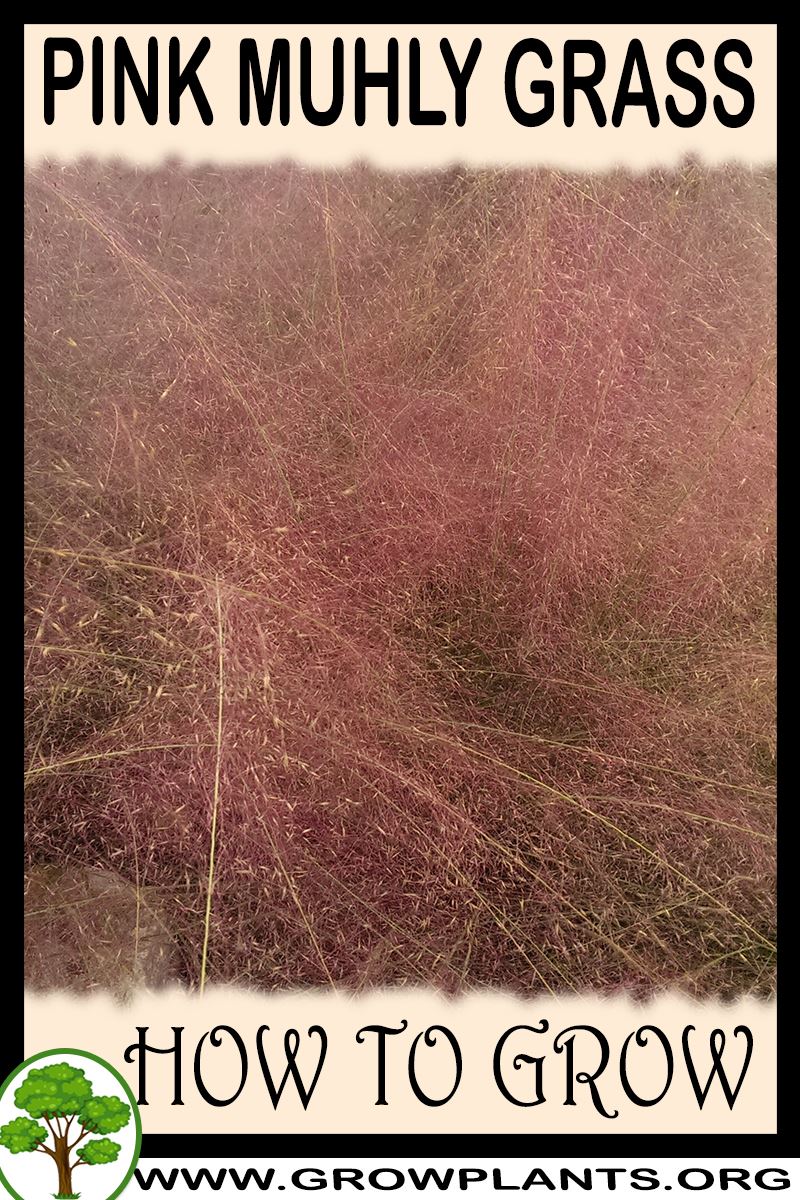
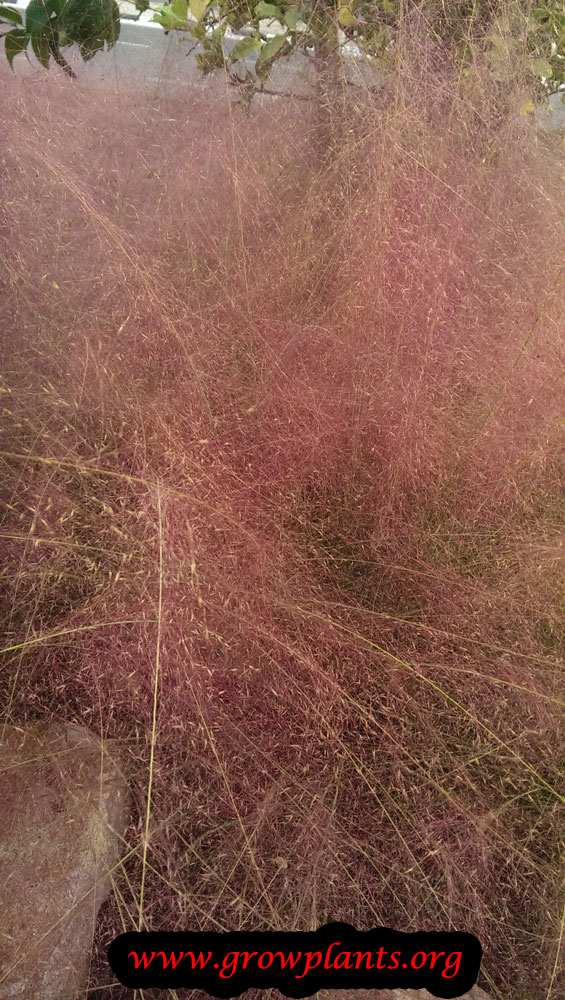
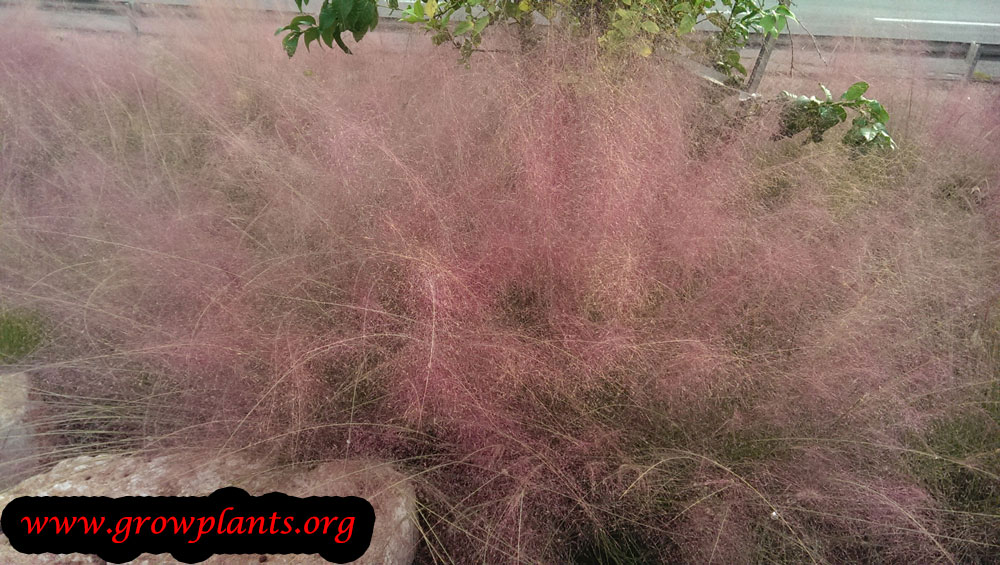
Overview: A clump-forming ornamental grass growing 0.5-1 m high, grown for its airy pink-to-purple feathery plumes in autumn. It is perennial and evergreen to semi-evergreen depending on climate.
Quick Specifications
| Specification | Attribute |
|---|---|
| Plant Type / Life Cycle | Perennial |
| Foliage Type | Semi-evergreen (deciduous in cold climates) |
| Mature Size | 0.5-1 m (20-40 in) |
| Growth Rate | Fast |
| Root System | Fibrous, clump-forming |
| Toxicity | Non-toxic |
| Hardiness | USDA zones 5-10 |
Growth Form & Structure
- Height & Spread: 0.5-1 m (20-40 in) mounded clumps; suited to containers and mass plantings.
- Growth Habit & Form: Clump-forming (bunch) ornamental grass with fine, needle-like blades.
- Lifespan & Maturity: Fast-growing perennial; cut back before spring.
Anatomy & Physical Features
- Leaves & Foliage: Fine green, needle-like blades.
- Flower Characteristics: Airy pink, purple or white feathery panicles in autumn.
Primary Uses & Landscape Value
- Functional & Ornamental Roles: Ornamental accent and mass-planting grass; attracts pollinators.
Care Guide: Planting, Soil & Watering
Overview: Pink muhly grass (Muhlenbergia capillaris) is a tough, drought-tolerant ornamental grass for full sun (hardiness zone 5–10). It grows in well-drained soil, tolerating sandy and poor ground, and prefers slightly acidic conditions with low water once established.
Quick Care Requirements
| Requirement | Ideal Condition |
|---|---|
| Planting Season | Spring; through the growing season into autumn |
| Growth Rate | Fast |
| Soil Type | Well-draining; tolerates sandy, poor soil |
| Soil pH | Slightly acidic |
| Water Need | Low – drought-tolerant once established |
Planting & Establishment
- Best Planting Season: Plant in spring so it establishes over the warm season, though planting can continue through summer and autumn.
- How to Plant:
- Hole Preparation: Dig a hole as wide as the root ball and the same depth.
- Soil Amendments: Little amendment is needed – it thrives in lean, well-drained, slightly acidic soil.
- Planting Depth: Set the crown at soil level, matching the depth it grew at previously.
- Growth Speed & Expectations: Fast – it forms airy clumps quickly and flowers in its season.
Soil, Watering & Drainage Care
- Soil Mix & Drainage Needs: Sharp drainage is essential; it thrives in sandy, poor soil and dislikes wet, heavy ground.
- Watering Schedule & Technique:
- Young / Newly Planted: Water regularly through the first season to establish the roots.
- Established: Drought-tolerant once established; water deeply but infrequently.
- Seasonal Adjustments: Water more in extreme heat; needs very little through winter.
Climate, Light & Hardiness
Pink Muhly Grass is an ornamental grass for subtropical, temperate, Mediterranean, and desert climates that needs full sun for its signature pink autumn plumes. It is notably cold-hardy for an ornamental grass, listed as evergreen in mild climates but cold-deciduous (dying back and regrowing) in colder parts of its zone 5–10 range.
Quick Climate Specifications
| Climate Zones | Subtropical, Temperate, Mediterranean, Desert |
| USDA Hardiness Zones | Approximately 5–10 |
| Optimal Temp Range | Approximately 18–29°C (65–85°F) during the growing season |
| Approx. Survival Minimum | In zone-5 locations, the dormant crown can survive typical zone-5 winter lows near −29°C to −23°C (−20°F to −10°F), even though top growth dies back in cold winters |
| Frost Tolerance | High (at the crown; foliage is cold-deciduous in colder zones) |
| Light Conditions | Full Sun |
Sunlight & Light Exposure
Optimal Light Setup
Full sun is required for the densest growth and best pink plume color; the site does not list shade tolerance for this species.
Direct Sun Requirement
Yes - this is a full-sun ornamental grass.
Shade & Heat Management
No shading is needed; it tolerates subtropical and desert heat well in full sun.
Best Exposure/Orientation
An open, unobstructed, sunny border or mass planting.
Temperature Extremes & Hardiness
USDA Hardiness & Regional Limits
The site places it in hardiness zone 5–10, a wide and cold-tolerant range; in the colder part of that range it behaves as cold-deciduous, dying back to the crown in winter and regrowing in spring, while in milder climates it stays evergreen.
Cold Damage & Winter Protection
Top growth naturally dies back with hard frost in colder zones - this is normal seasonal behavior, not damage. Cutting back old growth (per the site's pruning guidance) tidies the plant for spring regrowth.
Frost Sensitivity
Foliage is frost-sensitive and expected to die back seasonally in colder zones; the dormant crown itself is quite frost-hardy within its zone range.
Extreme Heat Tolerance
Good - it grows well in subtropical and desert summer heat.
Wind, Humidity & Microclimate
Humidity Preferences
Tolerates a range of humidity levels, from drier Mediterranean and desert air to more humid subtropical conditions.
Dry-Air Tolerance
Good - it adapts to drier climates once established.
Wind Tolerance
Good; ornamental grasses generally flex well in wind, and its airy plumes are part of its display.
Rainfall & Seasonal Moisture
Adapts to a range of rainfall patterns; the site's note on slightly acid soil suggests it favors soils common in higher-rainfall regions, though it also tolerates drier conditions once established.
Microclimate Recommendations
An open, sunny site suits it across its wide hardiness range; note its spreading, potentially invasive habit when siting it near natural areas.
Growing in Pots, Balconies & Indoors
Pink muhly grass (Muhlenbergia capillaris) is a full-sun ornamental grass grown for its haze of pink autumn flower plumes. It is an outdoor plant rather than a houseplant, but it grows beautifully in a large container on a sunny patio or balcony, where its plumes catch the light.
Quick Details
- Container Size: A roomy pot (around 10 L or more) to carry the clump and its plumes
- Indoor Suitability: Not a houseplant – a full-sun outdoor grass
- Best Spot: Full sun – essential for good flowering
- Soil & Drainage: Free-draining; it dislikes soggy ground
- Watering in Pots: Low once established; water potted plants in dry spells, never waterlogged
Indoors & On the Windowsill
- As a houseplant: No – it needs full sun and open air; indoors it grows weak and will not flower. Keep it outside.
- On a sill: Not a windowsill plant.
On a Balcony or Patio
- Light & wind: Give it the sunniest spot; a breeze actually shows off the airy plumes. The pot dries fast in sun, so water in hot, dry weather.
- Seasonal care: Cut back the old foliage before new growth appears in spring; hardiness varies, so shelter the pot in hard winters where needed.
Choosing the Pot, Soil & Long-Term Care
- Pot & drainage: A roomy pot with strong drainage holes and no standing saucer.
- Potting mix: Free-draining – a standard potting mix opened up with grit or sand.
- Feeding: Feed lightly; grasses need little and stay tidier when not overfed.
- Dividing: Lift and divide the clump every few years in the dormant season, and cut back old growth before spring.
Fertilizing & Feeding
A light feeder: this native ornamental grass is grown above all for its airy, pink autumn plumes, and keeping feeding light and balanced supports healthy blades without producing floppy growth that hides the flower display.
Quick Fertilizing Specs
| Feeding Level | Light feeder |
|---|---|
| Main Nutrient Priority | Balanced feeding kept light so the plant stays upright and the autumn plumes show well |
| Best Feeding Period | During active spring and summer growth, well ahead of the autumn bloom |
| Organic Options | Compost worked into the planting bed at planting time |
| Reduce/Stop Feeding | Ease off feeding as the plant heads into its autumn bloom and again as it goes dormant for winter |
| Micronutrients | Rarely needed in reasonable garden soil; treat only a diagnosed issue |
| Soil pH | Prefers slightly acidic soil but adapts to a range as long as drainage is decent |
Feeding by Growth Stage
Spring and early-summer growth
Build a full, upright clump of foliage ahead of the autumn bloom.
| Nutrient direction | A light, balanced feeding supports steady blade growth without overdoing it. |
|---|---|
| Timing | As new blades emerge in spring and through early summer. |
| Frequency | Light, occasional feeding is enough for this naturally undemanding grass. |
| Fertilizer types | A diluted balanced fertilizer applied during active spring growth, Compost worked into the bed at planting |
| Precautions | Avoid heavy or nitrogen-rich feeding; it produces floppy, oversized clumps that lodge and show the plumes poorly. |
Autumn bloom
Support the airy pink-to-purple flower plumes without pushing extra foliage that competes with the display.
| Nutrient direction | Feeding needs are minimal once the plumes begin to show; the plant is drawing on growth built up over spring and summer. |
|---|---|
| Timing | As the flower plumes emerge and open in autumn. |
| Frequency | Feeding is rarely needed once the bloom display is underway. |
| Fertilizer types | A very diluted balanced fertilizer only if growth still looks thin heading into bloom |
| Precautions | Avoid adding feeding once plumes appear; it does little for the current display and can encourage floppy foliage that hides it. |
Winter dormancy
Let the clump rest through winter dormancy without pushing new growth.
| Nutrient direction | None – withhold fertilizer while the plant is dormant or semi-dormant for winter. |
|---|---|
| Timing | Through the winter months after the bloom display fades, whether the foliage dies back or persists as evergreen. |
| Frequency | No feeding at this stage. |
| Fertilizer types | No feeding at this stage; do not fertilize until active spring growth resumes. |
| Precautions | Do not fertilize during winter dormancy; unused nutrients simply build up as salts in the soil. |
Nutrient Deficiency Signs & Corrections
Blades look pale or yellow-green overall and the clump fills in slowly in spring.
| Possible causes | low available nitrogen in lean or depleted soil, nutrients leaching away with routine watering, root stress limiting nutrient uptake |
|---|---|
| Appears first on | older, lower blades |
| What to check | feeding history, soil condition, root and base condition |
| Possible correction | Give a light, diluted balanced feeding during spring growth rather than a strong dose. |
New blades emerge pale yellow while older blades stay green.
| Possible causes | high soil pH tying up available iron, compacted or waterlogged soil limiting root uptake, alkaline irrigation water affecting nutrient availability |
|---|---|
| Appears first on | newest blades |
| What to check | soil or water pH, drainage and root health, recent soil amendments |
| Possible correction | Improve drainage and check pH first; apply a chelated iron product per its label only if the pattern persists. |
Blade tips and margins scorch or brown and clumps seem weaker or more prone to flopping.
| Possible causes | low potassium relative to nitrogen in recent feeding, an imbalanced or overly diluted feeding routine, lean soil supplying little potassium on its own |
|---|---|
| Appears first on | older blade margins |
| What to check | recent fertilizer balance, soil condition, overall plant vigor |
| Possible correction | Shift to a balanced feeding during spring growth rather than a nitrogen-heavy one. |
Pruning, Training & Seasonal Maintenance
Pink muhly grass is a warm-season, clump-forming ornamental grass grown for its pink–purple autumn plumes. It tolerates one hard annual cutback well, and the safest time is late winter, just before new blades emerge – cutting later risks shearing off fresh growth, and cutting too early sacrifices the fall/winter plume display the plant is grown for.
Quick Pruning & Maintenance Specs
| Pruning Tolerance | High, for the single annual whole-clump cutback |
| Primary Pruning Window | Late winter, before new blades emerge |
| Secondary Maintenance Window | None major; light grooming/dead-blade removal as needed |
| Typical Frequency | Once annually |
| Main Objective | Remove the prior season’s dried foliage while preserving the plume display as long as possible |
| Young Plant Priority | Skip the first cutback if planted late in the season – let the clump establish through its first full growth cycle |
| Mature Plant Priority | Annual hard cutback; divide overgrown or dead-centered clumps every few years |
| Best Tool Type | Hedge shears (whole-clump cutback) / garden spade (division) |
| Avoid Heavy Pruning During | Once new spring blades have started emerging from the crown |
Pruning by Plant Age & Size
Newly Established
No cutback the first dormant season if planted late; remove only damaged blades and let the clump root in.
Young / Formative
No structural training – the plant simply builds clump size until it reaches its mature spread.
Mature / Established
Established clumps get the full annual late-winter cutback. If a clump’s center thins or dies out over the years, lift and divide it in spring to rejuvenate.
Seasonal Pruning Schedule
Dormant/Winter
Objective: remove the prior year’s dried foliage before spring regrowth begins.
Remove: the entire clump of old blades, sheared down to about 10–15cm (4–6in) above the crown.
Do not remove: the crown itself – cutting into it can kill growing points.
Expected response: fresh green blades emerge cleanly from the crown through spring.
Flowering impact: none – the autumn plumes come from that season’s new growth, produced after this cutback.
Ongoing Sanitary
The pink–purple plumes can be left standing through autumn and winter for visual interest and wildlife value, then removed along with the rest of the dried foliage at the late-winter cutback.
Structural Pruning & Training
No branch structure to manage; the only structural concern is canopy density over time – dividing an overgrown or hollow-centered clump restores even growth.
Special Growth to Remove
- The entire prior season’s dried foliage, at the late-winter cutback.
- Spent flower plumes, once winter interest has passed.
Container & Small-Space Pruning
Can be grown in a container; give the same annual cutback. Watch for the clump becoming root-bound over a few years, and divide or move up a pot size if growth slows or the center thins.
Tools
Hedge shears (or hand shears) for the uniform whole-clump cutback – the shearing action suits cutting many thin blades at once, unlike a selective structural cut. Garden spade for lifting and dividing an overgrown clump.
Tool Hygiene & Disease Risk
Routine: a clean, sharp blade is enough; no significant transmissible disease is documented for this species.
Cut Placement & Technique
Shear the whole clump evenly to about 10–15cm (4–6in) above the crown in one pass; avoid cutting into the crown itself.
Heavy Pruning & Rejuvenation
The annual hard cutback is itself the expected rejuvenation and is well tolerated. If a mature clump thins or dies out in the center after several years, lift and divide it in spring rather than continuing to cut back a declining clump.
Post-Pruning Care
Water normally after cutback; no fertilizer push is typically needed for this drought-tolerant native grass. Watch that new shoots emerge cleanly from the crown.
Common Pruning Mistakes
- Cutting back too early and losing the fall/winter pink plume display.
- Cutting too late, after new spring blades have emerged, shearing off and disfiguring the season’s fresh growth.
- Shearing while the foliage is wet, which mats cut blades into the crown and can promote rot.
- Cutting into the crown itself rather than stopping a few inches above it.
When NOT to Prune
Do not cut back once new spring growth has started emerging from the crown – this damages the fresh blades and disfigures the season’s growth. Avoid removing the pink plumes too early if winter interest or wildlife value is wanted.
Recommended Tools (by task)
- hedge_shears – for the uniform annual whole-clump cutback in late winter.
- garden_spade – for lifting and dividing an overgrown or hollow-centered clump.
Propagation Guide
Pink muhly grass (Muhlenbergia capillaris) grows readily from seed for the plain species, but named color selections (pink-, white- or purple-flowered forms) are best propagated by clump division to keep their color true, since division also establishes faster than seed. This is an easy plant to propagate overall, and it self-seeds freely, consistent with the site’s note that it can be invasive.
Quick Propagation Specs
| Best Propagation Method | Clump division |
| Alternative Methods | Seed (species type) |
| Propagation Difficulty | Easy |
| Seed True-to-Type | Usually true-to-type for the species; named color selections may vary from seed |
| Vegetative True-to-Type | Yes |
| Best Propagation Season | Spring, before strong new growth begins (site lists spring through autumn as the general planting window) |
| Seed Germination Time | Can be slow and uneven, as is typical for many warm-season grasses |
Growing from Seed
Seed Handling & Viability
Collect seed from mature, dry panicles in autumn.
Sowing Season
Direct-sow in autumn or start in spring.
Sowing Depth & Orientation
Surface-sow or barely cover; the seed is small.
Germination Conditions
Warm soil and even moisture favor germination, though timing can be irregular.
Division, Offsets, Pups & Suckers
Divide established clumps in early spring before vigorous new growth starts. Section the clump with a spade or saw so each division keeps a good portion of roots and several shoots, then keep divisions consistently moist until new growth confirms they have established. This is the standard way to propagate named color selections true-to-type.
Bloom & Flower Guide
Quick Details
- Bloom Season: Autumn
- Flower Appearance: Airy, cloud-like plumes in pink, purple or white held above the foliage
- Edibility: Ornamental – grown for its plumes; the flowers are not eaten
Detailed Blooming Overview
Pink muhly grass is grown for one spectacular moment: in autumn it throws up a haze of fine flowering stems that turn the whole plant into a pink-to-purple cloud when backlit by low sun. The tiny individual flowers are carried in loose, feathery panicles. Like all ornamental grasses it is wind-pollinated, so the plumes are grown purely for their airy effect rather than to feed bees.
Flower Characteristics
- Tiny flowers massed into airy, feather-like plumes
- Colour ranges from pink to purple, sometimes white
- Most dramatic when lit from behind by low, angled light
Bloom Care & Thinning
- Enjoying the plumes: Leave the flowering stems standing through winter for continued texture and movement.
- Cutting back: Shear the whole clump close to the ground in late winter, before the new growth pushes up.
- Pollination & seed: Wind-pollinated; it can set seed and self-sow, so remove plumes earlier if you want to limit seedlings.
Pests, Diseases & Troubleshooting
Overview: Pink muhly grass is a tough, nearly pest-free warm-season native grass that is also deer-resistant; its real risks are rot and decline from wet, heavy or shaded soil rather than insects. Give it full sun and sharp drainage and it needs essentially no spraying, with only occasional aphids or rust in stressed plantings.
Quick Troubleshooting Overview
| Issue / Pest | Main Symptom | Primary Solution |
|---|---|---|
| Root / crown rot | Center dies out, base soft in wet clay soil | Improve drainage, plant high, ease watering |
| Aphids | Minor honeydew on stressed foliage | Rinse off, encourage beneficials |
| Rust / leaf spot | Orange pustules or spots in humid, crowded sites | Airflow, divide, remove foliage |
| Flopping / weak bloom | Clump splays open, few pink plumes | Full sun, lean soil, avoid over-feeding |
| Winter wet dieback | Crown rot after cold, wet spells | Sharp drainage, avoid mulch on crown |
Common Pests & Management
- Aphids ((various grass aphids)):
- Symptoms: Small soft insects with light honeydew on foliage, generally only on stressed or over-fed plants and rarely damaging.
- Prevention & Control: Tolerate light numbers, hose off colonies, and encourage predators; feeding and spraying are almost never needed on this tough grass.
- Spider mites (Tetranychus spp.):
- Symptoms: Fine stippling and bronzing on blades in hot, dry, sheltered conditions, uncommon in the open.
- Prevention & Control: Rinse foliage, avoid drought stress, and treat only rare bad cases with horticultural oil or insecticidal soap.
- Occasional slugs / snails on new growth (Deroceras / Cornu spp.):
- Symptoms: Minor grazing on tender spring growth with slime trails; seldom significant on established clumps.
- Prevention & Control: Clear debris, hand-pick, and use traps or iron-phosphate bait only if seedlings or divisions are being grazed.
Diseases & Fungal Issues
- Root and crown rot (Pythium / Rhizoctonia / Phytophthora):
- Symptoms: The clump dies out from the center or base, which turns soft and brown, with wilting and collapse; almost always caused by wet, heavy, poorly drained or overwatered soil, especially over winter.
- Treatment & Management: Plant in full sun on sharply drained soil, set the crown slightly high, avoid overwatering and heavy mulch on the crown, and divide congested clumps; there is no cure once rotted, so prevention through drainage is key.
- Rust (Puccinia spp.):
- Symptoms: Orange to brown pustules on leaf blades in humid, crowded or shaded plantings.
- Treatment & Management: Improve airflow by spacing and dividing, grow in full sun, and remove affected foliage; a sulfur fungicide is rarely needed.
- Leaf spot (Bipolaris / Curvularia spp.):
- Symptoms: Small brown spots or lesions on blades in wet, humid conditions, usually minor.
- Treatment & Management: Improve airflow and drainage and cut back old foliage in the dormant season; sanitation is enough.
Growing Difficulties & Abiotic Problems
- Flopping and poor flowering:
- Cause & Symptoms: Rich soil, too much water, shade or a congested clump give floppy growth and few of the signature pink plumes.
- Correction Strategy: Grow in full sun on lean, well-drained soil, avoid feeding, and divide every few years to keep clumps vigorous and upright.
- Winter wet dieback:
- Cause & Symptoms: Cold, waterlogged soil rots the crown over winter, the main way this grass is lost.
- Correction Strategy: Ensure sharp drainage, plant slightly proud of the soil, and keep heavy mulch off the crown in cold, wet climates.
- Slow spring green-up:
- Cause & Symptoms: As a warm-season grass it greens up late and looks dead in early spring.
- Correction Strategy: Cut back old foliage in late dormancy and be patient; growth resumes as soil warms.
What Helps — Products & Tools
This grass is essentially a no-spray plant. The key ‘tools’ are cultural: a spade for dividing, sharp drainage, and full sun. Keep insecticidal soap or horticultural oil only for the rare aphid or mite outbreak, and a sulfur fungicide as a backup for rust in crowded plantings; sanitation and airflow do the rest.