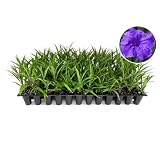


Plant Profile & Key Characteristics
Overview: A tender evergreen wild-petunia shrub 1-2 m (3-6 ft) tall, grown as a tropical ornamental for its vivid red bracted flower spikes. It needs frost-free conditions or a warm container.
Quick Specifications
| Specification | Attribute |
|---|---|
| Plant Type / Life Cycle | Evergreen perennial shrub |
| Foliage Type | Evergreen |
| Mature Size | 1-2 m (3-6 ft) tall |
| Growth Rate | Moderate |
| Hardiness | USDA zone 11 |
Growth Form & Structure
- Height & Spread: Upright shrub 1-2 m (3-6 ft) tall; suited to a large container in cooler areas.
- Growth Habit & Form: Soft-wooded evergreen shrub with upright, leafy stems carrying showy flower spikes.
- Lifespan & Maturity: Long-lived evergreen perennial reaching flowering size quickly in warmth.
Anatomy & Physical Features
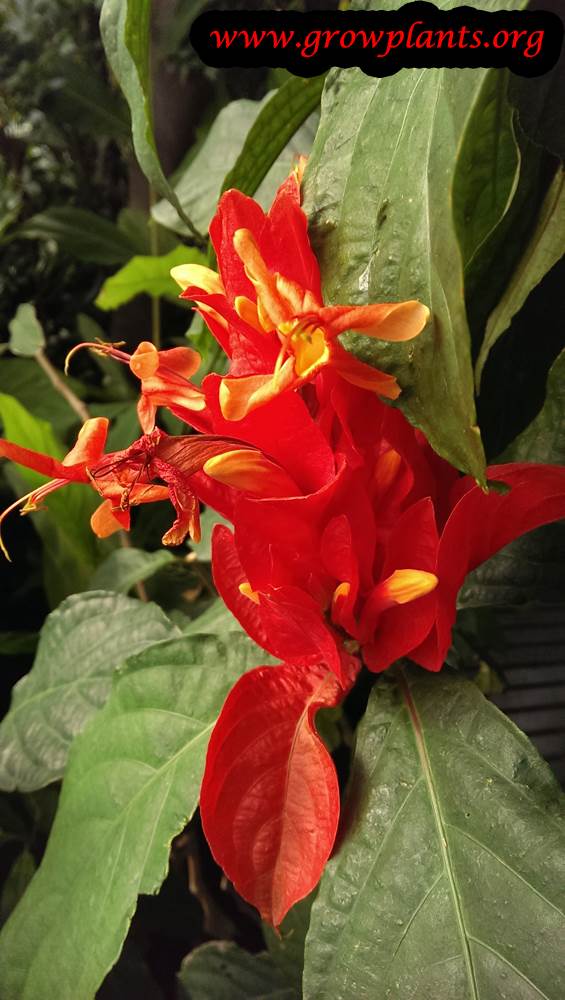
- Leaves & Foliage: Green, elliptic leaves, sometimes with a curled surface.
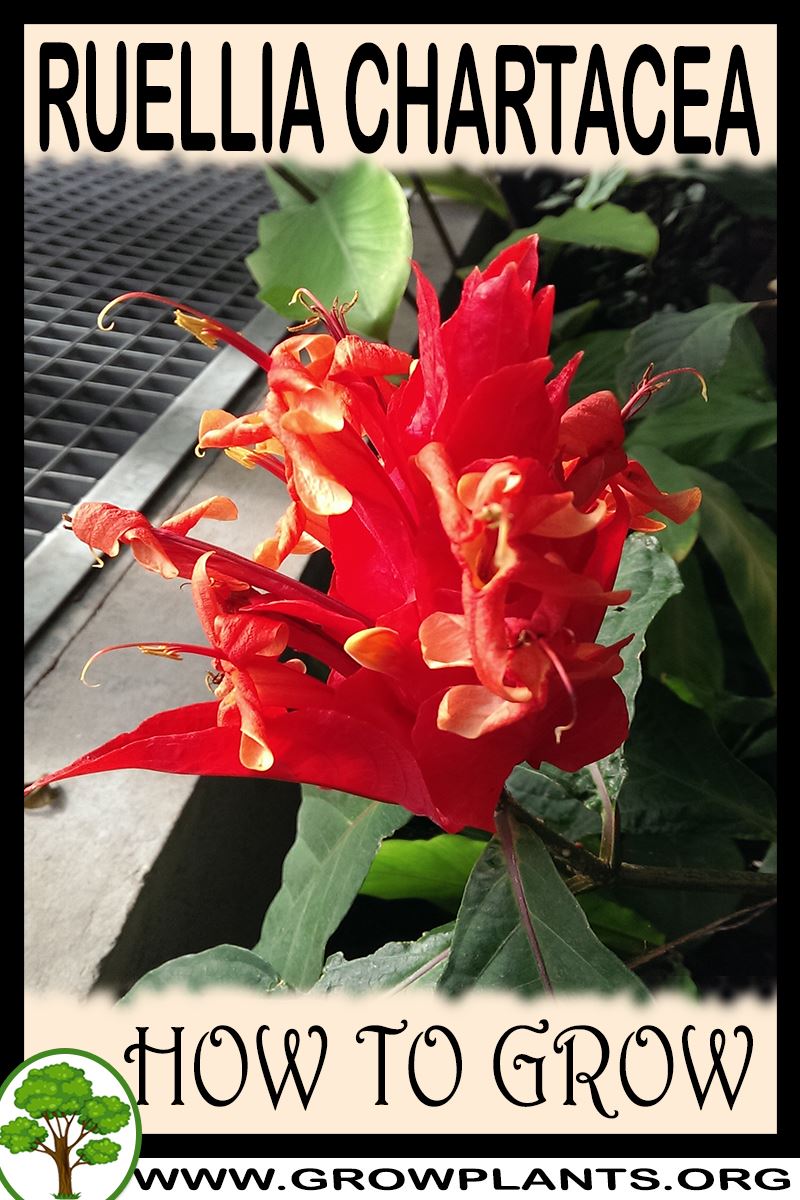
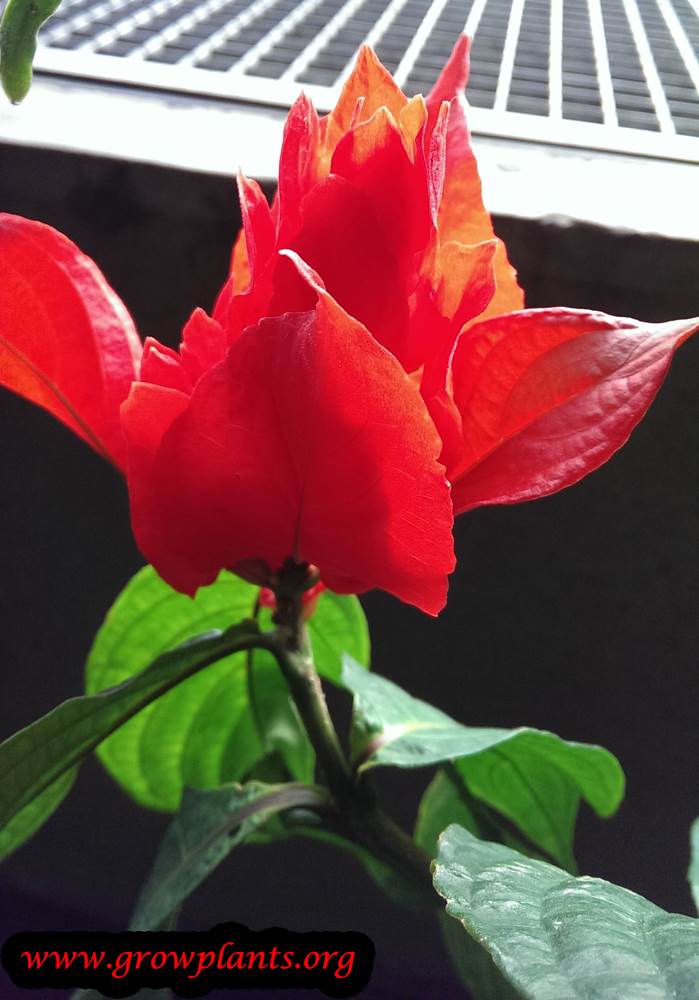
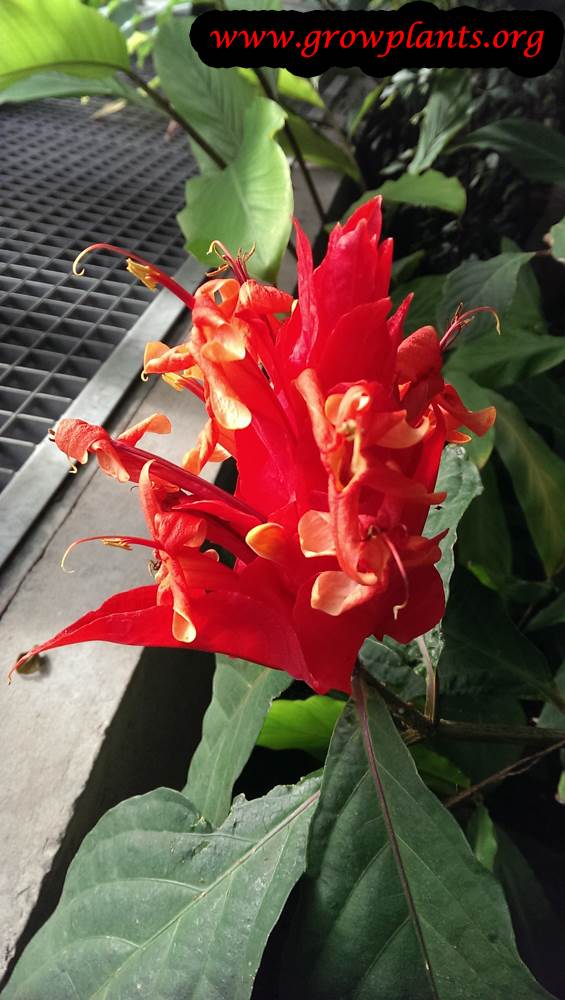
- Flower Characteristics: Red flowers whose overlapping bracts build a pyramid-shaped spike.
Primary Uses & Landscape Value
- Functional & Ornamental Roles: Tropical border and container ornamental grown for its striking red flower spikes.
Care Guide: Planting, Soil & Watering
Overview: Ruellia chartacea (Ruellia chartacea), a wild petunia / red shrimp plant, is an evergreen tropical shrub grown for its showy bracts and flowers, suited to warm, frost-free climates (hardiness zone 11). It grows in full sun to part shade in rich, consistently moist soil and dislikes drying out.
Quick Care Requirements
| Requirement | Ideal Condition |
|---|---|
| Planting Season | Year-round in warm, frost-free conditions |
| Growth Rate | Moderate |
| Soil Type | Rich, moisture-retentive; well-draining |
| Water Need | Moderate to high; keep the soil moist and do not let it dry out |
Planting & Establishment
- Best Planting Season: In its warm, frost-free range it can be planted year-round; establish new plants during the warm growing season for the fastest start.
- How to Plant:
- Hole Preparation: Dig a hole a little wider than the root ball and loosen the surrounding soil so the roots settle in easily.
- Soil Amendments: Enrich the backfill with compost and organic matter to build a moisture-retentive, fertile root zone, and mulch to conserve moisture.
- Planting Depth: Set the plant at the depth it grew in its pot, keeping the crown level with the soil surface.
- Growth Speed & Expectations: A moderate grower reaching about 1-2 m, forming an upright, leafy shrub that flowers over a long warm season.
Soil, Watering & Drainage Care
- Soil Mix & Drainage Needs: Give it rich soil that holds moisture yet still drains, so the roots stay damp without waterlogging; it grows well in containers with a good potting mix.
- Watering Schedule & Technique:
- Young / Newly Planted: Water frequently after planting to keep the soil consistently moist while the shrub establishes.
- Established: Keep the soil evenly moist year-round; this is a thirsty plant that should not be allowed to dry out between waterings.
- Seasonal Adjustments: Water generously through heat and active growth, and only slightly less in cooler weather – it still wants steady moisture.
Climate, Light & Hardiness
Wild Petunia is a tropical/subtropical evergreen shrub that grows year-round in mediterranean, subtropical, and tropical climates, thriving in full sun to half shade. It is a true warm-climate plant, hardy only in USDA zone 11.
Quick Climate Specifications
| Climate Zones | Mediterranean, Subtropical, Tropic |
|---|---|
| USDA Hardiness Zones | 11 |
| Frost Tolerance | None |
| Light Conditions | Full Sun / Half Shade |
Sunlight & Light Exposure
Optimal Light Setup
Full sun to half shade both suit this shrub, which grows and blooms all year in its warm-climate comfort zone.
Temperature Extremes & Hardiness
USDA Hardiness & Regional Limits
Hardy only in USDA zone 11 - among the narrowest, warmest hardiness ranges in this dataset, meaning it needs essentially frost-free conditions year-round.
Frost Sensitivity
Very frost-sensitive; even light frost is likely to damage or kill this plant, so outside zone 11 it is best grown as a container or greenhouse/houseplant specimen.
Wind, Humidity & Microclimate
Humidity Preferences
Prefers consistently moist, humid conditions typical of tropical and warm subtropical climates; the site's own watering guidance stresses not letting it dry out.
Growing in Pots, Balconies & Indoors
This ruellia is a tender tropical shrub grown for its showy red bracts. The grower does not rate it as a houseplant, but it grows well in a warm patio container in summer and can be moved under cover before cold weather.
Quick Details
- Container Size: A medium to large pot for this 1-2 m shrub; pot on as it grows
- Indoor Suitability: Not a houseplant; a tender tropical that dislikes a cold, dim room
- Best Spot: Full sun to part shade with warmth
- Soil & Drainage: Rich, organic, free-draining mix
- Watering in Pots: Average to generous – keep it moist and never let it dry out
Indoors & On the Windowsill
- Houseplant limits: The grower does not class it as an indoor plant; it wants strong outdoor warmth and light for good flowering.
- Overwintering: Frost-tender, so in cold climates keep it potted and bring it into a warm, bright, sheltered spot for winter – the main reason to grow it in a pot.
On a Balcony or Patio
- Light & warmth: A warm, sheltered, sunny to part-shaded balcony suits it in summer; keep the pot consistently moist, as this plant hates drying out, and move it under cover before it turns cold.
Choosing the Pot, Soil & Long-Term Care
- Pot & drainage: A pot with strong drainage holes; keep it moist but not waterlogged.
- Potting mix: A free-draining yet organic-rich mix – a quality potting mix or peat/coir blended with perlite or vermiculite for aeration.
- Feeding: Potted plants exhaust their soil faster than those in the ground – feed through the growing season, since nutrients leach out with every watering.
- Repotting: Refresh the top of the mix and pot on every couple of years; for perennials, lightly prune the root ball and top growth when you do.
Fertilizing & Feeding
A light feeder: modest, balanced feeding maintained through the growing season supports this shrub’s continuous growth and flowering in warm, frost-free conditions, with consistent soil moisture mattering more than heavy fertilizing.
Quick Fertilizing Specs
| Feeding Level | Light feeder |
|---|---|
| Main Nutrient Priority | Balanced, light feeding maintained through the growing season, since this plant grows and flowers with little true dormancy |
| Best Feeding Period | Year-round in frost-free climates, heaviest during the main warm-season growth flush |
| Organic Options | Compost or well-rotted organic matter worked into consistently moist soil |
| Micronutrients | Usually unnecessary; correct specific deficiencies only when diagnosed |
| Soil pH | Not documented as needing a specific pH range; prefers consistently moist soil |
| Reduce/Stop Feeding | Ease off feeding only if growth visibly slows, such as during cooler weather outside its tropical growing zone |
Feeding by Growth Stage
Establishment after planting
Help a newly planted Wild Petunia settle into consistently moist soil and establish a full root system.
| Nutrient direction | A light, balanced feeding to support root establishment. |
|---|---|
| Timing | The first weeks to months after planting, which can happen any time of year in this tropical shrub’s growing zone. |
| Frequency | A light feeding at planting, then minimal feeding while roots establish. |
| Fertilizer types | A balanced complete flowering-shrub fertilizer, Compost or well-rotted organic matter |
| Precautions | Keep soil consistently moist, since this plant is noted to prefer not being allowed to dry out; avoid heavy feeding on a newly disturbed root system. |
Year-round active growth and flowering
Support this shrub’s continuous growth and red, pyramid-shaped flowers, which it can produce throughout the year in warm, tropical conditions.
| Nutrient direction | A light, balanced feeding maintained through the growing season, since this plant grows and flowers with little true dormancy in its warm climate. |
|---|---|
| Timing | Ongoing through the year in frost-free, tropical to subtropical climates, with the main flush during the warmer months. |
| Frequency | Regular light feedings through the growing season, easing off only if growth visibly slows. |
| Fertilizer types | A balanced complete flowering-shrub fertilizer |
| Precautions | Keep feeding light; this shrub is not documented as a heavy feeder and consistent moisture matters more than heavy fertilizing. |
Nutrient Deficiency Signs & Corrections
Overall pale green foliage and reduced vigor compared to this shrub’s normally continuous growth.
| Possible causes | low soil nitrogen, poor soil organic matter, root-bound growth in a container |
|---|---|
| Appears first on | older leaves and overall plant vigor |
| What to check | recent feeding history, soil organic matter, whether a potted plant has outgrown its container |
| Possible correction | Apply a light, balanced fertilizer during active growth and improve soil organic matter. |
Leaf edges brown or crisp and the plant wilts between waterings.
| Possible causes | the soil drying out, to which this plant is noted as sensitive, root stress from poor drainage or compacted soil, salt buildup from over-fertilizing in containers |
|---|---|
| Appears first on | leaf margins and tips |
| What to check | soil moisture consistency, container drainage, recent fertilizing frequency in containers |
| Possible correction | Keep soil consistently moist, flush containers to clear excess salts, and resume light balanced feeding once the plant recovers. |
Yellowing between the veins on newer leaves while the veins themselves stay green.
| Possible causes | high soil pH limiting micronutrient availability, poorly drained or waterlogged soil, root stress from recent transplanting |
|---|---|
| Appears first on | the newest leaves |
| What to check | soil pH and drainage, recent root disturbance, overall plant vigor |
| Possible correction | Improve soil drainage and pH balance, and apply a chelated micronutrient product per its label if the issue persists. |
Pruning, Training & Seasonal Maintenance
Ruellia chartacea grows and flowers year-round in its tropical/subtropical range, so it tolerates light pruning at any time rather than needing a seasonal structural cut. The main objective is purely cosmetic and habit-related: removing spent flowers and controlling the legginess this genus is prone to under continuous growth. Because there is no dormancy, pruning does not need to be timed around a bloom or fruiting cycle – source lists both the pruning season and planting season simply as "all year".
Quick Pruning & Maintenance Specs
| Pruning Tolerance | Moderate |
| Primary Pruning Window | Year-round, as needed |
| Typical Frequency | Light, ongoing (pinching/deadheading) |
| Main Objective | Shape, control legginess, remove spent flowers |
| Young Plant Priority | Pinch tips early to build a bushier habit |
| Mature Plant Priority | Ongoing pinching/cutting back to prevent leggy, sparse growth |
| Best Tool Type | Precision snips / fingers (pinching) |
Pruning by Plant Age & Size
Newly Established
Pinch growing tips once the young plant is established to encourage branching from the base rather than a single tall stem.
Young / Formative
Pinching is the only training this species needs – no leader, cane, or espalier system applies to a soft-stemmed tropical subshrub grown for continuous bloom.
Mature / Established
Cut back leggy or overly long stems by a third to a half whenever growth becomes sparse or stretched, and deadhead spent flowers as they fade to keep the plant tidy (per source).
Special Growth to Remove
Spent flower stems: the main routine removal, taken off as flowers fade since this species blooms continuously rather than in a single flush.
Container & Small-Space Pruning
Suited to planters/containers per source; in a pot, pinch and cut back a little more often than an in-ground plant to keep growth compact and in scale with the container, since restricted roots make this species more prone to looking sparse if left unpinched.
Tools
Precision snips (or simply pinching by hand) for tip pruning and deadheading – no heavier tool is warranted for this soft-stemmed subshrub.
Tool Hygiene & Disease Risk
Routine: source notes only aphids as a pest, with no specific disease risk; clean, sharp tools are sufficient.
Cut Placement & Technique
Pinch or snip just above a leaf node to encourage branching at that point; deadhead by removing the spent flower down to the first healthy leaf pair below it.
Post-Pruning Care
Water normally; no special aftercare needed for this level of light, ongoing maintenance.
Common Pruning Mistakes
Letting the plant go too long without pinching, leading to the leggy, sparse growth this genus is prone to; leaving spent flowers on the plant, which looks untidy given its continuous bloom habit.
When Not to Prune
No strong restriction noted – light pruning is tolerated year-round given the lack of dormancy in this species’ climate range.
Recommended Tools (by task)
- precision_snips – the right scale for pinching tips and deadheading this soft-stemmed tropical subshrub.
Propagation Guide
Ruellia chartacea propagates easily either from seed or from simple stem cuttings, and the site confirms that neither grafting nor vegetative propagation is actually required – either route works well. This is generally an easy plant to increase, typical of the free-rooting habit common in the Ruellia genus.
Quick Propagation Specs
| Best Propagation Method | Stem cuttings |
| Alternative Methods | Seed |
| Propagation Difficulty | Easy |
| Seed True-to-Type | Mostly uniform (species, not a named cultivar) |
| Vegetative True-to-Type | Yes |
| Best Propagation Season | Year-round in warm climates, matching the site’s all-year planting and bloom pattern |
Growing from Seed
Sowing Season
Can be sown any time in warm, frost-free conditions, consistent with the site’s all-year planting season for this plant.
Germination Conditions
Warm, consistently moist conditions suit this tropical/subtropical species best, in keeping with its preference for reliably moist soil.
Stem Cuttings
Cutting Type
Softwood stem cuttings with a few leaf nodes.
Best Timing
Can be taken year-round in warm climates, matching the plant’s all-year growth cycle.
Rooting Setup
Root in consistently moist soil, keeping humidity around the cutting reasonably high while roots form, matching this plant’s general preference for moist conditions and never letting it dry out.
Rooting Hormone
Not necessary – Ruellia species are generally quick and easy to root without hormone treatment.
Rooting Time
Typically just a few weeks under warm, moist conditions.
Bloom & Flower Guide
Quick Details
- Bloom Season: Year-round in warm, tropical conditions
- Flower Appearance: Red tubular flowers emerging from showy red bracts stacked in a pyramid
- Edibility: Ornamental only
Detailed Blooming Overview
Much of the colour of Ruellia chartacea comes from stacked red bracts arranged in a pyramid, from which the tubular red flowers emerge — long-blooming wherever it is kept warm.
Flower Characteristics
- Red flowers whose petals and bracts build a pyramid-like spike.
- Almost continuous bloom in tropical warmth.
Bloom Care & Thinning
- Conditions: warmth, humidity, bright light and steady moisture keep it flowering.
- Shaping: a light trim maintains a full, tidy shape.
Pests, Diseases & Troubleshooting
Overview: Red shrimp plant / Ruellia (Ruellia chartacea) is a resilient Ruellia in the Acanthaceae, generally pest-tolerant and grown easily; its few real problems are sap-feeding insects – chiefly whiteflies, aphids, spider mites and mealybugs – and root rot in soggy soil, rather than serious disease. A tropical shrubby species valued for red bracts, sharing the genus’s pest-tolerant profile. Grow it in good light with steady but well-drained moisture, keep foliage open and clean, and rely on cultural methods and gentle sprays; it rarely needs strong chemicals.
Quick Troubleshooting Overview
| Issue / Pest | Main Symptom | Primary Solution |
|---|---|---|
| Whiteflies | Tiny white flies rising from disturbed leaves; sticky honeydew | Yellow sticky traps, insecticidal soap/oil undersides |
| Aphids | Curled tips, honeydew, sooty mould | Water jet, beneficials, insecticidal soap |
| Spider mites | Fine stippling, bronzing, webbing in dry heat | Raise humidity, hose foliage, horticultural oil |
| Mealybugs | White cottony tufts in leaf axils | Dab with alcohol, insecticidal soap/oil |
| Root rot | Wilting, yellowing, mushy base in wet soil | Improve drainage, ease off watering |
| Leaf spot | Brown/black spots in humid, crowded growth | Remove leaves, improve airflow, avoid wet foliage |
Common Pests & Management
- Whiteflies (Bemisia / Trialeurodes spp.):
- Symptoms: Clouds of tiny white moth-like insects fly up when foliage is disturbed; nymphs on leaf undersides suck sap, causing yellowing, weak growth, sticky honeydew and sooty mould, and can transmit viruses.
- Prevention & Control: Hang yellow sticky traps to monitor and catch adults, hose down foliage, and support whitefly parasitoids and lacewings. Spray insecticidal soap or light horticultural/neem oil on leaf undersides, repeating to catch newly hatched nymphs; avoid over-feeding with nitrogen.
- Aphids (Aphis / Myzus spp.):
- Symptoms: Small soft green, black or yellow insects cluster on tender shoots and buds, distorting new growth and coating leaves in honeydew and sooty mould.
- Prevention & Control: Knock them off with a water jet, encourage lady beetles and hoverflies, and pinch out badly infested tips. Insecticidal soap or a light oil clears persistent colonies; keep growth steady rather than lush and soft.
- Two-spotted spider mite (Tetranychus urticae):
- Symptoms: Fine pale stippling, dull bronzed leaves and delicate webbing on undersides in hot, dry conditions; heavy attacks cause leaf drop, most often on stressed or indoor plants.
- Prevention & Control: Raise humidity and rinse foliage regularly, keep plants well watered and unstressed, and conserve predatory mites by avoiding harsh insecticides. Treat hot-spots with insecticidal soap or horticultural oil, coating leaf undersides.
- Mealybugs (Planococcus / Pseudococcus spp.):
- Symptoms: White, cottony, waxy tufts gather in leaf axils, along stems and leaf undersides, sucking sap and leaving honeydew; growth becomes weak and sticky, especially on indoor and sheltered plants.
- Prevention & Control: Dab colonies with a cotton swab dipped in rubbing alcohol, wash plants and isolate new arrivals, and encourage or introduce natural enemies. Spray insecticidal soap or horticultural oil thoroughly and repeat, as the waxy coat resists single treatments.
- Scale insects (Coccus / Saissetia spp.):
- Symptoms: Small brown or tan limpet-like bumps fixed along stems and leaf veins, sucking sap and producing honeydew and sooty mould; heavy scale weakens the plant and yellows leaves.
- Prevention & Control: Scrape off light infestations or prune out badly encrusted stems, and encourage parasitic wasps and lady beetles. Treat crawlers with horticultural oil or insecticidal soap, repeating; the oil smothers both scale and their eggs.
Diseases & Fungal Issues
- Fungal / bacterial leaf spot (Cercospora / Xanthomonas spp.):
- Symptoms: Brown, black or water-soaked spots, sometimes with yellow halos, appear on leaves in warm, humid, crowded or overhead-watered conditions and may merge, causing leaves to yellow and drop.
- Treatment & Management: Remove and destroy spotted leaves, water at the base to keep foliage dry, and open up the planting for airflow; avoid working among wet plants. A copper-based product helps if spotting is severe and persistent.
- Root and stem rot (Pythium / Phytophthora / Rhizoctonia spp.):
- Symptoms: Lower stems and roots blacken and rot, plants wilt and yellow despite moist soil, and cuttings damp off – all driven by waterlogged, poorly drained soil or overwatering.
- Treatment & Management: Plant in free-draining soil or a gritty mix, water only when the surface has dried, and never leave pots standing in water. Remove and destroy rotted plants; there is no cure once the crown collapses, so prevention through drainage is essential.
- Powdery mildew (minor) (Erysiphales):
- Symptoms: A light white powdery film may appear on leaves in shade with poor airflow and damp nights, causing minor yellowing; uncommon and rarely serious on Ruellia.
- Treatment & Management: Improve light and airflow, avoid overhead watering, and remove affected leaves. Sulphur or potassium bicarbonate handles rare stubborn cases.
Growing Difficulties & Abiotic Problems
- Root rot from overwatering:
- Cause & Symptoms: Wilting, yellow lower leaves and a soft, blackened base develop in constantly wet or poorly drained soil.
- Correction Strategy: Let the soil surface dry between waterings, improve drainage, and lift the crown above standing water; in pots, use a free-draining mix and empty saucers.
- Leggy, sparse growth in low light:
- Cause & Symptoms: Stems stretch, leaves space out and flowering is poor when the plant is grown in too much shade.
- Correction Strategy: Move to brighter light or full sun for most Ruellia, and pinch or cut back leggy stems to encourage bushy, floriferous regrowth.
- Cold damage:
- Cause & Symptoms: Leaves blacken and stems die back after chilling or light frost, as these are warm-climate plants.
- Correction Strategy: Protect from frost, mulch the crown where marginally hardy, or grow tender species in containers to bring under cover; many resprout from the roots after mild cold.
What Helps – Products & Tools
Handy solutions for Ruellia are yellow sticky traps for whitefly monitoring; insecticidal soap and light horticultural or neem oil for whiteflies, aphids, mites, mealybugs and scale; rubbing alcohol on a swab for spot-treating mealybugs and scale; and, only if leaf spot is severe, a copper-based fungicide. Most trouble is prevented by good drainage and airflow. Apply oils in the evening to protect pollinators.