Plant Profile & Key Characteristics
Also known as: Hina, Henna tree, Mignonette tree, Egyptian privet, Mehandi plant
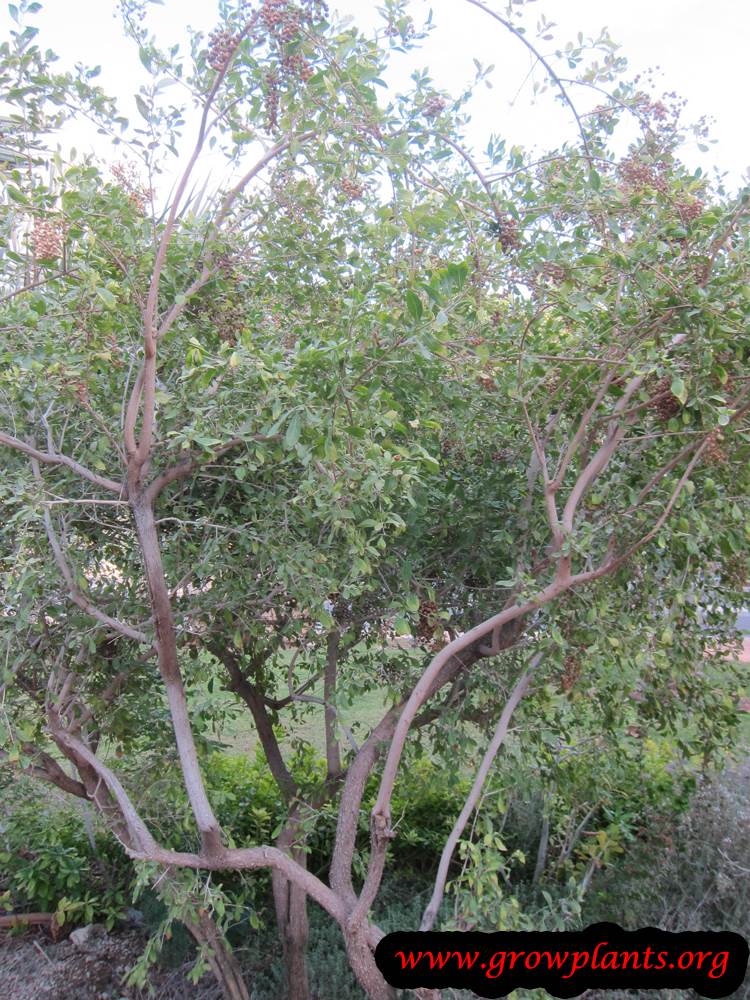
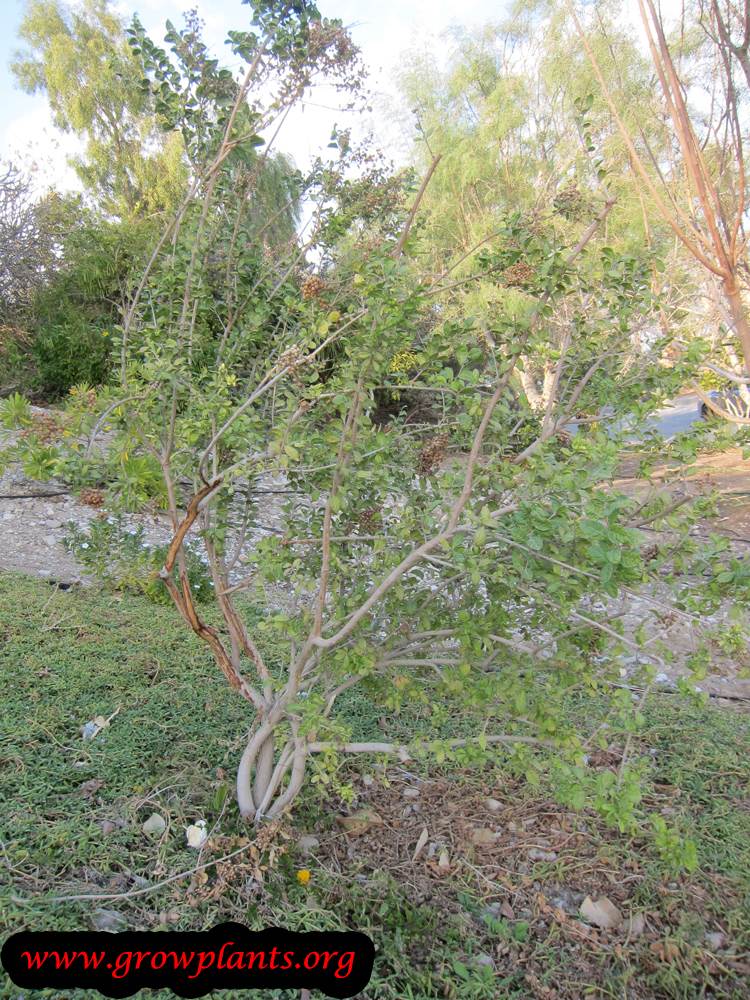
Overview: Lawsonia inermis (henna) is an evergreen shrub or small tree of 1-5 m, grown for the natural dye extracted from its leaves as well as for hedging and ornament. It is a moderate-growing tropical/desert perennial hardy to USDA zone 11 and above.
Quick Specifications
| Specification | Attribute |
|---|---|
| Plant Type / Life Cycle | Perennial (shrub / small tree) |
| Foliage Type | Evergreen (deciduous in cooler climates) |
| Mature Size | 1-5 m tall (3-15 ft) |
| Growth Rate | Moderate |
| Hardiness | USDA zone 11+ (10b with care) |
Growth Form & Structure
- Height & Spread: Reaches 1-5 m (3-15 ft) in the ground; kept much smaller as a shrub, bonsai or container plant in pots of about 30-50 L (8-13 gal).
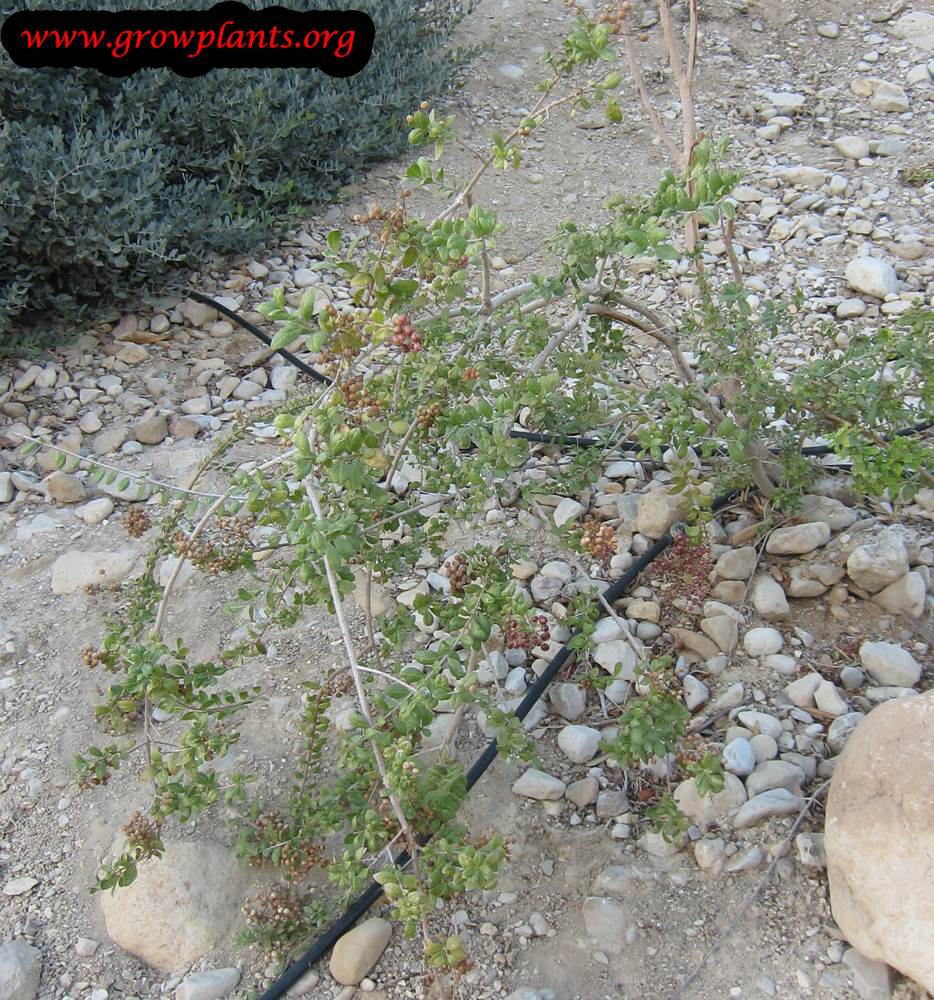
- Growth Habit & Form: Woody shrub or small multi-stemmed tree; responds well to pruning and can be trained.
- Lifespan & Maturity: Slow to moderate to reach tree size; long-lived once established.
Anatomy & Physical Features
- Leaves & Foliage: Green, elliptic leaves; these are dried and ground to make henna dye, developing the best colour when grown above about 32C (90F).
- Flower Characteristics: Small, fragrant yellow flowers in a cross shape, with stamens longer than the petals.
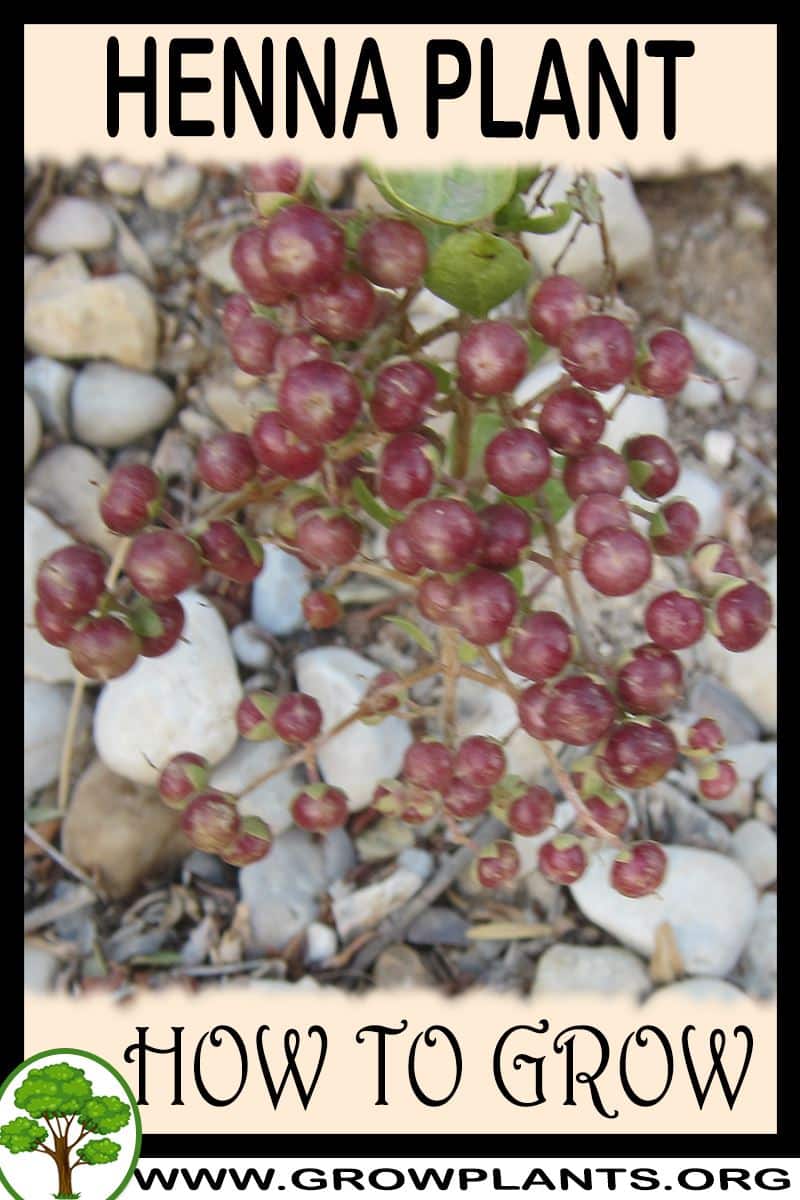
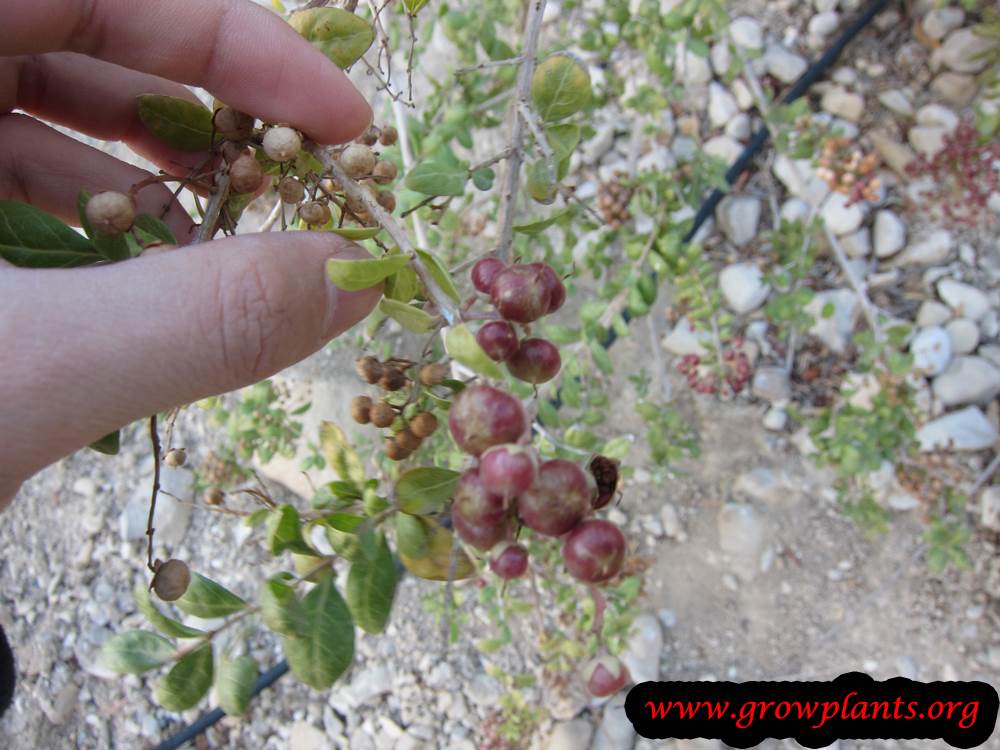
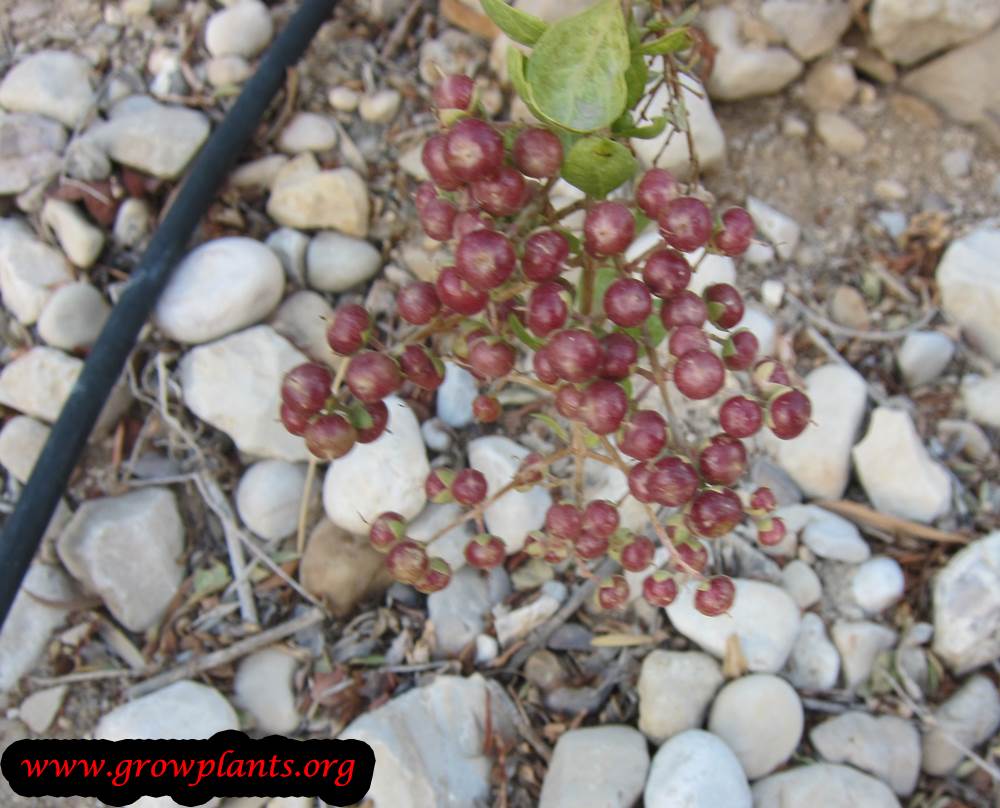
- Fruit Profile: Small, round brown fruits; not edible.
Primary Uses & Landscape Value
- Functional & Ornamental Roles: Grown for henna dye (skin and fabric) and traditional medicine; also used as an ornamental or hedge and is drought-tolerant.
Care Guide: Planting, Soil & Watering
Overview: Henna is a warm-climate evergreen shrub or small tree that thrives in full sun in desert, tropical, subtropical, or Mediterranean settings (hardiness zone 10b and up). It needs a well-drained, well-aerated soil enriched with organic matter and only low to moderate water once established.
Quick Care Requirements
| Requirement | Ideal Condition |
|---|---|
| Planting Season | Spring in zone 10b; spring to summer in zone 11; spring to autumn in zone 12; year-round in zone 12+ |
| Growth Rate | Moderate |
| Soil Type | Well-draining, well-aerated soil enriched with organic matter |
| Water Need | Low to moderate; let the soil dry between waterings |
Planting & Establishment
- Best Planting Season: Plant in the warm, frost-free part of the year – spring in zone 10b, spring to summer in zone 11, and year-round in the warmest zones.
- How to Plant:
- Hole Preparation: Dig the hole as deep as the current root ball plus an extra 20-40% for width, in soil that is well ventilated.
- Soil Amendments: Mix organic matter and dried leaves into the backfill soil; add mulch after planting to hold moisture.
- Planting Depth: Gently loosen the root ball, set the plant so the root collar sits at soil level, and firm the soil back without compacting it too hard.
- Growth Speed & Expectations: A moderate grower that reaches roughly 1-5 m (3-15 ft); may be kept smaller with pruning.
Soil, Watering & Drainage Care
- Soil Mix & Drainage Needs: Use a well-drained soil that lets water flow through rather than holding it, to prevent root rot.
- Watering Schedule & Technique:
- Young / Newly Planted: Water lightly at planting, then water every 2 days (preferably in the morning) for the first two weeks; stake if it is unstable.
- Established: Drought tolerant once settled – water deeply but infrequently, letting the soil dry between waterings.
- Seasonal Adjustments: Reduce watering in the cool season and take care never to overwater.
Climate, Light & Hardiness
Henna is a warmth-loving, frost-tender shrub for hot desert, tropical, Mediterranean, and subtropical climates, thriving in full sun and needing consistently warm conditions to grow and produce good dye color. It has essentially no cold hardiness.
Quick Climate Specifications
| Climate Zones | Desert, Tropical, Mediterranean, Subtropical |
|---|---|
| USDA Hardiness Zones | 11 and above; zone 10b+ possible with careful winter protection |
| Optimal Temp Range | Around 32°C (90°F) for best growth and leaf coloring |
| Cold Damage Begins | Below approximately 10°C (50°F) |
| Approx. Survival Minimum | Around 6°C (42°F) |
| Frost Tolerance | None |
| Light Conditions | Full Sun |
Sunlight & Light Exposure
Optimal Light Setup
Needs full sun; this is a hot-climate species that performs poorly in shade.
Temperature Extremes & Hardiness
USDA Hardiness & Regional Limits
Reliably grown outdoors only in USDA zone 11 and warmer; with a sheltered, warm microclimate it may be attempted in zone 10b, but this is marginal.
Cold Damage & Winter Protection
Growth stalls and damage begins below roughly 10°C (50°F); the plant may briefly survive down to about 6°C (42°F), but sustained cold at or below this level is likely fatal. Leaf color used for dye develops best when temperatures reach around 32°C (90°F), with cooler conditions producing weaker color.
Frost Sensitivity
Has essentially no frost tolerance; even light freezes are expected to kill or severely damage the plant.
Wind, Humidity & Microclimate
Microclimate Recommendations
A warm, sheltered, full-sun site well away from cold air pockets gives the best chance of success at the cooler edge of its range.
Growing in Pots, Balconies & Indoors
Henna is a tender, sun-loving shrub or small tree the grower says is not a houseplant – it wants full sun and real warmth (best colour above 32C/90F). In cold climates it is worth potting so it can be moved to the brightest, warmest indoor spot for winter, and it is best kept small as a shrub or bonsai.
Quick Details
- Container Size: At least 30-50 L (8-13 gal); start about 20% bigger than the root ball and pot up gradually
- Indoor Suitability: Not a deep-room houseplant; needs the sunniest, warmest window and frost-free winter
- Best Spot: Full sun and heat – the more warmth, the better the leaf colour it yields
- Soil & Drainage: Well-ventilated, free-draining mix, ideally sandy; it resents overwatering
- Watering in Pots: Modest water – keep lightly moist and never waterlogged; do not use a saucer under the pot
Indoors & On the Windowsill
- Houseplant limits: Too light-hungry and warmth-loving to thrive indoors as a room plant.
- Windowsill growing: Give it the brightest, warmest window; grown as a dwarf or bonsai it can be kept on a sunny sill.
- Overwintering: The main reason to pot it in cold regions (hardy only to about zone 10b-11): bring it somewhere bright and frost-free for winter, keeping it barely moist.
On a Balcony or Patio
- Light & heat: Reserve your hottest, sunniest corner; on a balcony the reflected wall heat suits it, but pots dry fast so check moisture.
- Keep it small: Prune to hold it as a compact shrub or bonsai – easier to move indoors for winter.
Choosing the Pot, Soil & Long-Term Care
- Pot & drainage: A 30-50 L pot with plenty of holes for good drainage and strong drainage holes and no standing-water saucer to avoid root rot; terracotta breathes and dries faster, glazed or plastic holds moisture longer; do not stand it in a water tray.
- Potting mix: Well-aerated and free-draining – a sandy blend suits it better than a heavy, water-holding mix.
- Feeding: Potted plants are fed more often than those in the ground, as watering steadily leaches nutrients from the mix – feed lightly in the warm growing season.
- Repotting: Every few years swap part of the soil for a slightly bigger pot and cut back some of the root ball, working from the side and top.
Grower’s Container Tip
- Grower’s potting method: Start with a pot about 20% bigger than the root ball and step up gradually until it reaches its final size – don’t drop a small tree straight into a huge container. Keep the tree small, grown as a shrub or bonsai. It reacts badly to overwatering, so make plenty of drainage holes, use a ventilated, sandy mix, and skip a saucer under the pot. Every few years refresh part of the soil and trim some roots from the side and top.
Growing this plant in a greenhouse
A greenhouse can give henna plant frost protection, cold protection, humidity control and extra warmth. In the right climate it may also be kept growing through winter, depending on how much warmth and light are provided.
Greenhouse at a glance
| Greenhouse suitability | Conditional - depends on your climate |
|---|---|
| Main benefits | frost protection, cold protection, humidity control, extra warmth |
| Season extension | earlier spring & later autumn |
| Outdoor protection advisable below | about 10°C |
| Maintain greenhouse minimum | around 10°C for active growth |
| Suitable types | heated greenhouse, polycarbonate greenhouse, lean-to |
| Heating | Heating is recommended in cold climates for continuous growth. |
Related greenhouse guides
- Greenhouses: How to Choose the Right Greenhouse
- Best Greenhouse Heaters
- Greenhouse Climate Control: Temperature, Ventilation and Humidity
- Best Lean-To Greenhouses
Fertilizing & Feeding
A moderate feeder during its warm-season active growth, tapering off completely whenever growth pauses in cooler weather.
Quick Fertilizing Specs
| Feeding Level | Moderate feeder |
|---|---|
| Main Nutrient Priority | Balanced nutrition with adequate nitrogen to support steady leaf growth |
| Best Feeding Period | Warm months while actively growing |
| Soil pH | Prefers well-drained soil; tolerant of a range of pH |
| Organic Options | Organic matter and mulch support steady growth and moisture retention |
| Reduce/Stop Feeding | Stop feeding as growth slows in cool weather |
Feeding by Growth Stage
Establishment After Planting
Support new root and shoot development while the shrub settles into its site or container
| Nutrient direction | A light, balanced feeding direction supports steady establishment |
|---|---|
| Timing | During the first growing season after planting, once new growth appears |
| Frequency | A light feeding once new growth is underway is usually enough while roots establish |
| Fertilizer types | A diluted, balanced, general-purpose fertilizer |
| Precautions | This heat-loving shrub is sensitive to cold and overwatering – avoid feeding during any cool-weather slowdown |
Active Growth and Leaf Production
Support vigorous leaf growth through the warm growing season, which benefits both plant vigor and leaf quality for those harvesting foliage for dye
| Nutrient direction | A balanced feeding direction with adequate nitrogen supports strong, healthy leaf growth |
|---|---|
| Timing | Through the warm months while the plant is actively growing |
| Frequency | Regular light feedings through the warm growing season support steady leaf production |
| Fertilizer types | A balanced, general-purpose fertilizer; organic matter and mulch also support steady growth |
| Precautions | Ease off feeding heading into cooler weather, when growth naturally slows or the plant may drop leaves in marginal climates |
Cool-Season Rest
Let the plant rest through cool weather, when it may slow down or drop leaves outside its favored hot climate
| Nutrient direction | None – withhold fertilizer while growth is paused |
|---|---|
| Timing | Cooler months, or whenever the plant is not actively producing new growth |
| Frequency | No feeding at this stage |
| Fertilizer types | No feeding at this stage – withhold fertilizer until warm-weather growth resumes |
| Precautions | Do not fertilize during a cool-weather rest period; this heat-loving plant will resume feeding once active growth returns |
Nutrient Deficiency Signs & Corrections
Older leaves turn pale green to yellow and overall growth slows
| Possible causes | Low nitrogen availability in the soil, Leaching from frequent watering, Depleted soil in a long-planted container |
|---|---|
| Appears first on | Older, lower leaves first |
| What to check | Feeding history, Watering frequency and drainage, Container soil condition if potted |
| Possible correction | Resume regular balanced feeding through the active warm-season growth period |
Leaves yellow, drop, or show dieback after a cold spell
| Possible causes | Cold temperature stress rather than a nutrient shortfall, Waterlogged soil compounding cold stress, Root damage from cold or wet conditions |
|---|---|
| Appears first on | Newest growth and stem tips first |
| What to check | Recent temperatures at the site, Soil drainage and moisture, Whether damage tracks with a cold event rather than feeding history |
| Possible correction | Protect from cold and improve drainage; avoid fertilizing until the plant resumes active warm-weather growth |
New leaves emerge pale yellow with veins staying green
| Possible causes | High soil pH limiting iron availability, Poorly drained or compacted soil restricting root function, Root stress from recent transplanting or repotting |
|---|---|
| Appears first on | Newest leaves first |
| What to check | Soil pH and drainage, Recent transplant or repotting stress, Whether yellowing is interveinal |
| Possible correction | Correct pH toward a more favorable range, improve drainage, or apply a chelated iron product per its label |
Pruning, Training & Seasonal Maintenance
Henna plant tolerates pruning well and responds to regular tipping and shaping with denser, leafier growth – useful since the leaves themselves (not the small, inedible fruit) are the whole point of growing it. Because it is frost-tender and grows best above roughly 32C (90F), shaping cuts can be made through most of the warm season, but the most useful structural decisions happen while the plant is young: extension growers of henna typically favour frequent light tipping over infrequent hard pruning, since more branch tips means more of the young, high-colour foliage the plant is grown for. It also flowers on new growth, so routine shaping does not sacrifice next season’s bloom the way it would on an old-wood bloomer.
Quick Pruning & Maintenance Specs
| Pruning Tolerance | Moderate–High |
| Primary Pruning Window | Warm season, whenever the plant is actively growing (frost-tender; avoid cool/cold periods) |
| Secondary Maintenance Window | Ongoing light tipping through the growing season |
| Typical Frequency | Frequent light tipping rather than one annual hard cut |
| Main Objective | Dense, leafy growth and a defined shrub, hedge, standard-tree or bonsai form |
| Young Plant Priority | Decide the intended form early (multi-stem shrub, single-trunk standard, or bonsai) and prune to establish it |
| Mature Plant Priority | Maintain density and size; renew older, sparser growth |
| Best Tool Type | Bypass secateurs for tipping and shaping; hedge shears if grown as a clipped hedge |
| Avoid Heavy Pruning During | Cool weather below the plant’s comfortable range, when regrowth will be slow and stressed |
Pruning by Plant Age & Size
Newly Established
Keep pruning minimal beyond removing damaged growth until the young plant is well rooted; light tip-pinching can begin once new growth is underway to start building branching.
Young / Formative
This is the key decision point: train as a multi-stem shrub or informal hedge by tipping several main shoots to encourage branching low down, or select and maintain a single leader if a small standard tree form is wanted. In containers, the same formative pinching is used to build a compact bonsai-style framework (the plant is explicitly noted as suitable for growing small in pots).
Mature / Established
Ongoing light tipping to keep the canopy dense and leafy; periodic renewal cuts to older, thinner branches to keep the plant productive and full rather than sparse and woody.
Seasonal Pruning Schedule
Summer Canopy Management
Objective: encourage the dense, young leafy growth the plant is grown for. Remove: overlong or straggly shoots; tip actively growing stems. Do not remove: so much foliage at once that the plant is left without enough leaf area to recover in its preferred hot conditions. Expected response: vigorous branching regrowth in warm weather. Flowering impact: minimal, since flowers form on new growth that regenerates quickly after tipping.
Ongoing Sanitary
Remove dead, frost- or cold-damaged branches as they appear, particularly after any cool spell near the lower end of its tolerance.
Structural Pruning & Training
Encourage branching low on the plant early if a bushy shrub or hedge form is wanted – henna’s natural habit ranges from shrub to small tree, so the desired shape has to be actively selected rather than left to develop on its own. On plants trained as a standard or bonsai, remove competing leaders and unwanted crossing shoots to keep a clear, defined structure.
Container & Small-Space Pruning
Henna is well suited to container and bonsai culture, but pot-grown plants need more deliberate size control than ground-grown ones: prune to keep the canopy in proportion to the root mass, and combine top pruning with the periodic partial root trimming typically done when refreshing the potting mix, rather than letting the canopy outgrow a fixed pot size.
Tools
- Bypass secateurs for routine tipping and shaping cuts.
- Hedge shears only if henna is being grown and maintained as a clipped hedge.
- Precision snips for fine bonsai-style pinching on container specimens.
Tool Hygiene & Disease Risk
Routine – clean, sharp tools are sufficient; no major transmissible pruning-borne disease is documented for this species in ordinary cultivation.
Cut Placement & Technique
Tip shoots just above a leaf node to trigger branching below the cut. When thinning for shape, remove whole shoots back to their point of origin rather than leaving stubs.
Post-Pruning Care
Water normally after tipping; avoid heavy pruning right before a cool spell, since the plant recovers slowly outside its preferred warm range. No extra feeding is needed simply because it was pruned.
Common Pruning Mistakes
- Leaving the plant to grow as an undefined tangle instead of choosing a shrub, hedge, standard or bonsai form early, which makes later shaping much harder.
- Hard pruning during cool weather, when the plant’s growth (and therefore recovery) slows sharply.
- Letting a container specimen’s canopy outgrow its pot without matching top growth to root space.
When NOT to Prune
Avoid significant pruning during cold spells near the lower end of its tolerance (it can be damaged below about 6C/42F), since stressed, cold-checked growth recovers poorly from fresh cuts.
Recommended Tools (by task)
- bypass_secateurs – the main tool for routine tipping and shaping on young and mature stems alike.
- hedge_shears – only for plants specifically maintained as a clipped hedge.
- precision_snips – fine pinching work on container or bonsai-trained specimens.
Propagation Guide
Henna plant is easiest and most commonly started from seed, with cuttings offering an easy vegetative alternative taken from late winter into early spring. Since this is the straight species rather than a named cultivar, seed reproduces it reliably true to type, and overall difficulty is easy.
Quick Propagation Specs
| Best Propagation Method | Seed |
| Alternative Methods | Stem Cuttings |
| Propagation Difficulty | Easy |
| Seed True-to-Type | Yes |
| Vegetative True-to-Type | Yes |
| Best Propagation Season | End of winter to spring (seed and cuttings both) |
| Seed Germination Time | 3–10 weeks |
| Germination Temperature | Best above 28°C (82°F), though germination is possible at lower temperatures, just slower |
| Seed Sowing Depth | 2cm (1 inch) |
Growing from Seed
Seed Handling & Viability
Store seed in a dry, dark location. Do not refrigerate the seed – henna dislikes low temperatures – and keep it around 18°C (64°F) in the period before sowing.
Sowing Season
End of winter through spring. If seed has been kept cool beforehand, summer sowing is also possible, and in tropical climates with hot autumns, autumn sowing can work too.
Sowing Depth & Orientation
2cm (1 inch) deep.
Germination Conditions
Full sun with lightly moist soil, ideally above 28°C (82°F); water sparingly and avoid overwatering.
Germination Time
3–10 weeks.
Seedling Care
Water seedlings and let the soil dry out between waterings; young plants are better started in individual pots rather than crowded together.
Stem Cuttings
Best Timing
End of winter to early spring.
Rooting Setup
Well-drained, well-ventilated soil, matching this plant’s general soil preference; avoid overwatering.
Rooting Hormone
Not specified on site; optional for semi-hardwood cuttings of this type.
Bloom & Flower Guide
Quick Details
- Bloom Season: Summer into autumn
- Time to First Bloom: Established shrubs flower in the warm season
- Flower Appearance: Small cream to yellow, crossed flowers with stamens longer than the petals, borne in fragrant clusters
- Edibility: Grown for dye and fragrance – the flowers are not a culinary flower
Detailed Blooming Overview
Henna is best known for the dye in its leaves, but in summer it also carries loose clusters of small cream-to-yellow flowers whose strong, sweet scent is prized for perfumery. The tiny crossed flowers push their stamens out beyond the petals, giving the clusters a soft, feathery look.
Flower Characteristics
- Small four-part flowers in cream to yellow, with stamens longer than the petals.
- Carried in fragrant clusters at the stem tips.
Bloom Care & Thinning
- Encouraging bloom: Full sun and warmth bring the best flowering and scent.
- Pollination: The fragrant flowers attract bees, moths and other pollinators.
Pests, Diseases & Troubleshooting
Overview: Henna is a tough, semi-arid shrub grown as a dye and hedge crop, and it is comparatively pest-hardy; its problems are mainly sap-suckers on soft growth and a few fungal leaf and wilt diseases in humid or waterlogged conditions. Grow it hot, sunny and well-drained and it needs little intervention beyond monitoring.
Quick Troubleshooting Overview
| Issue / Pest | Main Symptom | Primary Solution |
|---|---|---|
| Whitefly | Clouds of white flies, sticky honeydew, sooty mould | Sticky traps; neem oil; ventilation |
| Aphids | Curled soft tips, honeydew | Water jet; beneficials; soap |
| Spider mites | Fine stippling and webbing in heat | Hose; raise humidity; miticidal oil |
| Mealybugs / scale | White fluff or brown bumps on stems | Wipe with alcohol; horticultural oil |
| Powdery mildew | White powdery film on leaves | Improve airflow; sulphur fungicide |
| Wilt / root rot | Yellowing, wilting, plant collapse | Improve drainage; avoid over-watering |
Common Pests & Management
- Whitefly (Bemisia tabaci / Trialeurodes spp.):
- Symptoms: Tiny white flies that rise in clouds when the shrub is disturbed, sucking sap from leaf undersides and leaving honeydew that blackens with sooty mould; a common henna pest in warm regions where it can also transmit viruses.
- Prevention & Control: Ventilate and avoid crowding, hang yellow sticky traps to monitor and reduce adults, and encourage natural enemies. A neem or light horticultural oil, or insecticidal soap, controls heavy populations – spray in the evening.
- Aphids (Aphis spp.):
- Symptoms: Green or black soft-bodied insects massing on tender shoot tips, curling leaves and depositing sticky honeydew.
- Prevention & Control: Dislodge with a water jet and support ladybirds and lacewings. Avoid over-feeding with nitrogen. Insecticidal soap or neem oil for persistent colonies.
- Spider mites (Tetranychus spp.):
- Symptoms: Fine pale speckling of the foliage in hot, dry conditions with fine webbing on leaf undersides; heavy attacks bronze the leaves.
- Prevention & Control: Hose down foliage, raise humidity, and introduce predatory mites. A horticultural oil or insecticidal soap knocks down outbreaks.
- Mealybugs & scale (Pseudococcidae / Coccidae):
- Symptoms: White cottony tufts (mealybugs) in leaf axils or brown limpet-like bumps (scale) along stems, both sucking sap and excreting honeydew.
- Prevention & Control: Wipe off with an alcohol-dipped swab for light cases; smother larger populations with horticultural oil, and prune out badly encrusted stems.
Diseases & Fungal Issues
- Powdery mildew (Erysiphaceae):
- Symptoms: A white to greyish powdery coating on leaves and shoots in warm days with humid nights or crowded plantings, dulling and distorting foliage.
- Treatment & Management: Improve airflow by spacing and pruning, avoid overhead watering, and apply a sulphur- or potassium-bicarbonate-based fungicide if it spreads.
- Wilt (Fusarium / Verticillium spp.):
- Symptoms: Yellowing and wilting of foliage, often one side first, with browning of the internal stem tissue and eventual plant death; worse on waterlogged or infested soil.
- Treatment & Management: There is no cure for infected plants – remove and destroy them, improve drainage, rotate planting sites, and start with clean stock in fresh ground.
- Leaf spot (Cercospora / Alternaria spp.):
- Symptoms: Brown to grey spots on the leaves, sometimes with concentric rings or yellow halos, during humid, wet weather; heavy spotting causes leaf drop.
- Treatment & Management: Remove spotted leaves and debris, keep foliage dry, and use a copper-based fungicide in persistent wet conditions.
Growing Difficulties & Abiotic Problems
- Root rot from over-watering:
- Cause & Symptoms: Yellowing, wilting and collapse where soil stays wet – henna resents ‘wet feet’ despite its toughness.
- Correction Strategy: Plant in free-draining soil in full sun, let the soil dry between waterings, and never leave pots standing in water.
- Cold damage:
- Cause & Symptoms: Leaf drop and dieback below about 5°C, as henna is frost-tender.
- Correction Strategy: Grow in the warmest, most sheltered spot, protect or bring under cover in cold spells, and prune out frost-killed wood once growth resumes.
- Poor leaf dye quality / chlorosis:
- Cause & Symptoms: Pale, weak foliage from poor light, poor soil or overwatering reduces the prized leaf pigment.
- Correction Strategy: Grow in full hot sun on lean, well-drained soil with modest feeding; heat and light drive strong leaf colour.
What Helps – Products & Tools
Management is mostly cultural – sun, drainage and airflow. Keep neem or light horticultural oil and insecticidal soap for whitefly, aphids, mites, mealybugs and scale, plus yellow sticky traps to monitor whitefly. For disease, a sulphur or potassium-bicarbonate fungicide handles powdery mildew and a copper fungicide covers leaf spot; wilt is managed by sanitation and drainage, not sprays. Apply oils in the evening to protect pollinators.