
![Bumble Plants Large Monstera Adansonii Real Indoor Plants Live Houseplants [Winter Thermal Packaging Included] | Air Purifier Indoor Plants | Real Plants Decor for Living Room, Office, Desk & Bathroom](https://m.media-amazon.com/images/I/41nSDcW4dyL._SL160_.jpg)

Plant Profile & Key Characteristics
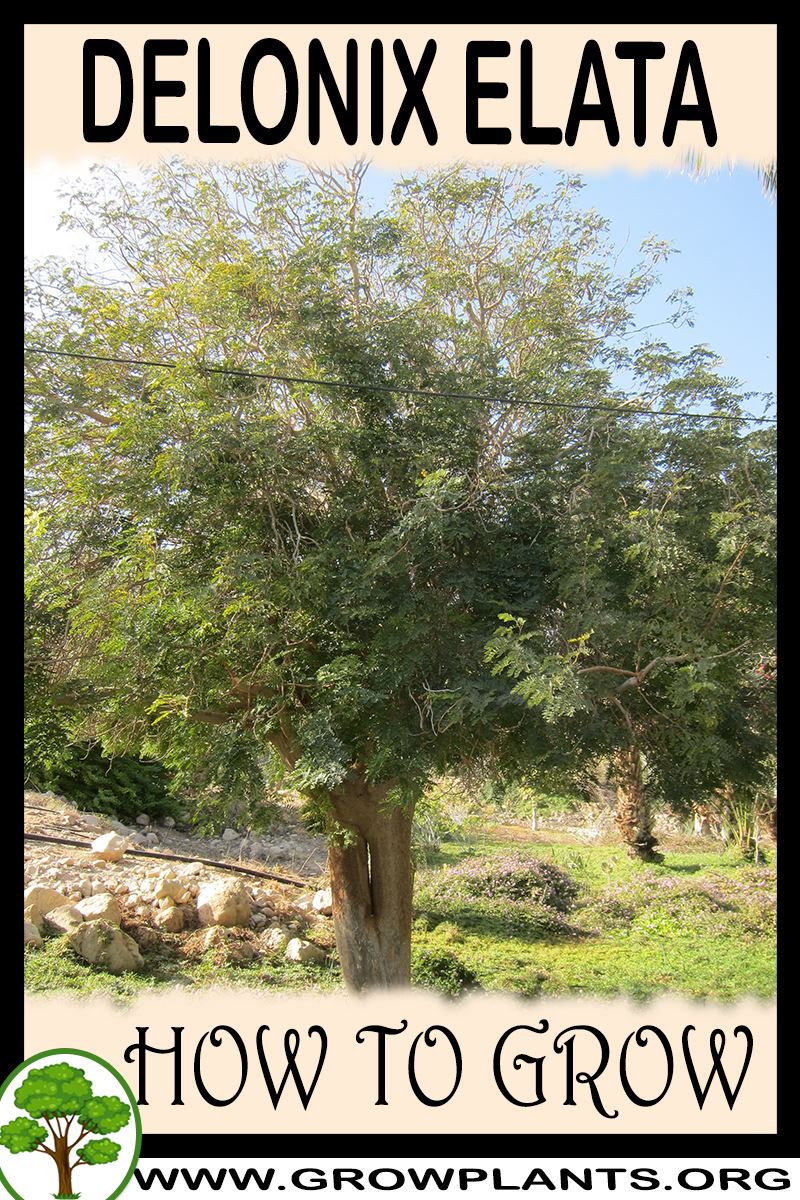
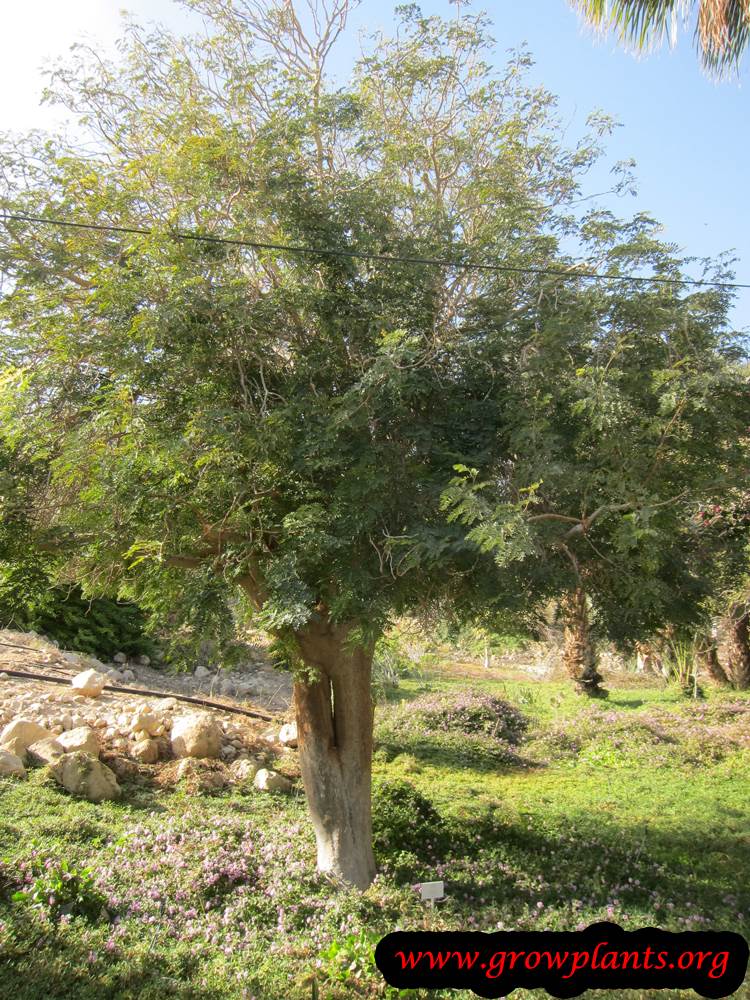
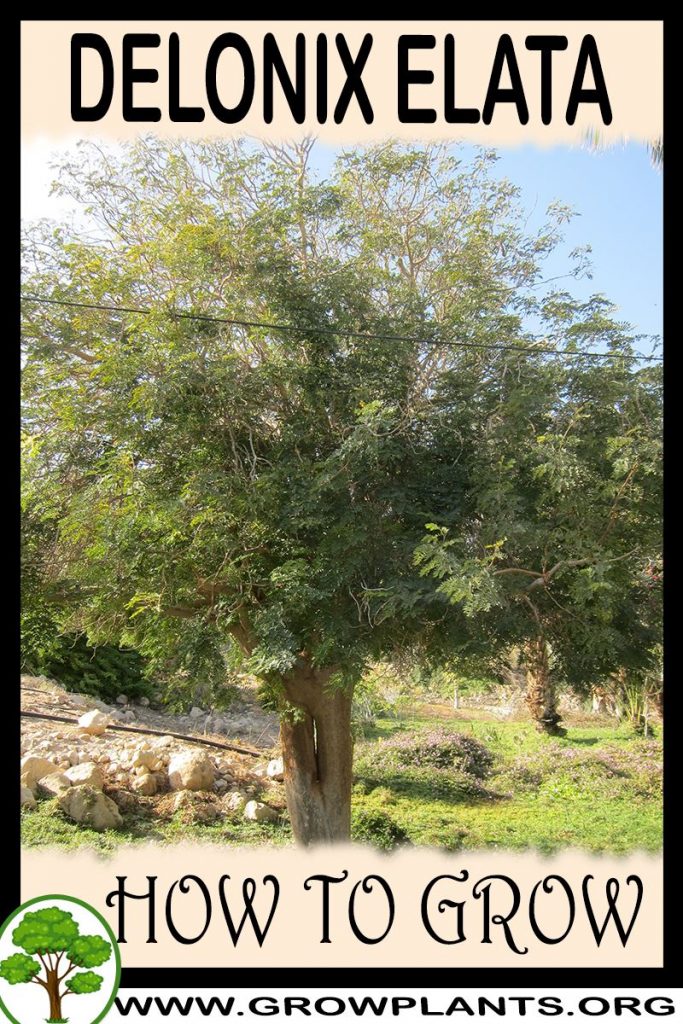
Overview: Delonix elata (white gulmohar) is a spreading legume tree reaching 4-10 m, grown for its fern-like foliage and white flowers with long red stamens. This perennial is used as an ornamental shade tree and as a bonsai subject.
Quick Specifications
| Specification | Attribute |
|---|---|
| Plant Type / Life Cycle | Perennial (tree) |
| Foliage Type | Deciduous (evergreen in warm climates) |
| Mature Size | 4-10 m (12-30 ft) tall |
| Growth Rate | Moderate |
| Root System | Deep taproot; nitrogen-fixing (legume) |
| Hardiness | USDA zone 9b+ |
Growth Form & Structure
- Height & Spread: 4-10 m (12-30 ft) as a spreading tree; not suited to containers except when trained as bonsai.
- Growth Habit & Form: Spreading deciduous legume tree with a broad canopy and fern-like bipinnate foliage.
- Lifespan & Maturity: Perennial tree of moderate growth.
Anatomy & Physical Features
- Leaves & Foliage: Green, bipinnate, fern-like foliage of small ovate leaflets.
- Flower Characteristics: White flowers with five spoon-shaped, wavy-edged petals (one yellow ageing orange-red) and prominent long red stamens.
Primary Uses & Landscape Value
- Functional & Ornamental Roles: Ornamental flowering shade and avenue tree, and bonsai subject.
Care Guide: Planting, Soil & Watering
Overview: Delonix elata is a tender flowering tree that grows best in full sun in well-drained soil. It is drought-tolerant once established, tolerating a wide range of climates from desert to tropics, and needs only moderate water.
Quick Care Requirements
| Requirement | Ideal Condition |
|---|---|
| Planting Season | Year-round in warm, frost-free conditions |
| Growth Rate | Moderate |
| Soil Type | Well-drained soil; adaptable, tolerates poor and dry ground |
| Water Need | Low to Moderate — drought-tolerant once established |
Planting & Establishment
- Best Planting Season: Plant year-round where warm and frost-free; the warm season gives the fastest establishment.
- How to Plant:
- Hole Preparation: Dig a hole about twice the width of the root ball and loosen the sides so roots spread easily.
- Soil Amendments: Mix a little compost into the backfill; the tree is not fussy but appreciates free-draining soil.
- Planting Depth: Set the tree at its original growing depth, root collar at soil level; firm, water in and stake young trees.
- Growth Speed & Expectations: Moderate, forming a 4–10 m spreading tree; it can be aggressive, so site it with room.
Soil, Watering & Drainage Care
- Soil Mix & Drainage Needs: Well-drained soil is the priority; the tree tolerates drought and poor soil but dislikes waterlogging.
- Watering Schedule & Technique:
- Young / Newly Planted: Water regularly during the first seasons to establish deep roots.
- Established: Water occasionally and deeply; established trees tolerate extended dry spells.
- Seasonal Adjustments: A little more in prolonged heat; minimal water in cool or wet weather.
Climate, Light & Hardiness
This flowering flame tree thrives across tropical, desert, subtropical, temperate, and Mediterranean climates in full sun, and is reliably hardy only in essentially frost-free zone 9b and warmer.
Quick Climate Specifications
| Climate Zones | Tropical, Desert, Subtropical, Mediterranean |
|---|---|
| USDA Hardiness Zones | 9b+ |
| Frost Tolerance | Low |
| Light Conditions | Full Sun |
Sunlight & Light Exposure
Optimal Light Setup
Needs full sun for healthy growth, flowering, and (when grown as bonsai) good form.
Direct Sun Requirement
Essential; a strongly sun-loving flowering tree.
Best Exposure / Orientation
Open, unobstructed sites in full sun.
Temperature Extremes & Hardiness
USDA Hardiness & Regional Limits
Hardy in zone 9b and warmer; a warm-climate tree not suited to regions with regular winter freezes.
Cold Damage & Winter Protection
Frost sensitive; protect young trees and, where marginal, choose the warmest, most sheltered site available.
Frost Sensitivity
Sensitive to frost, particularly when young.
Extreme Heat Tolerance
Excellent; well adapted to hot desert, tropical, and subtropical climates.
Wind, Humidity & Microclimate
Humidity Preferences
Adaptable across humid tropical and drier desert/Mediterranean climates.
Dry-Air Tolerance
Good, consistent with its light-to-moderate watering needs.
Rainfall & Seasonal Moisture
Tolerates a range of seasonal rainfall patterns once established, from arid to more humid regimes.
Growing in Pots, Balconies & Indoors
Delonix elata (white gulmohar) grows into a 4-10 m (12-30 ft) tree. The grower marks it as not a houseplant and not for containers – except as a bonsai – so ordinary pot culture is only a short, early-life stage.
Quick Details
- Container Size: Not suited to long-term pots – except trained as a bonsai
- Indoor Suitability: Not a houseplant
- Best Spot: Full sun, in the open ground
- Soil & Drainage: Deep, free-draining soil
- Watering in Pots: Small to average once established, drought-tolerant
Indoors & On the Windowsill
- Houseplant limits: Not an indoor plant – it becomes a spreading tree that needs full sun and open ground.
- While young / bonsai: A seedling can be grown in a pot briefly before planting out; the only lasting container option is to train it as a bonsai.
On a Balcony or Patio
- Reality check: Not a normal balcony plant – only a young specimen or a dedicated bonsai suits container life; give it full sun and expect to plant a normal tree out.
- Practicalities: For bonsai, use a shallow training pot and specialist technique; otherwise plan for open ground.
Choosing the Pot, Soil & Long-Term Care
- Pot & drainage: For a young plant, use a deep pot with strong drainage and plant it out as it establishes; for a permanent pot, only bonsai training keeps it in scale.
- Potting mix: A well-aerated, organic-rich mix – peat or coir blended with perlite or vermiculite so it drains freely.
- Feeding: Potted plants need feeding more often than those in open ground, since frequent watering leaches nutrients from the mix – feed regularly through the growing season.
- Repotting: Refresh the top of the mix each year and pot up about every two years; for perennials, lightly prune the root ball and top growth when you do.
Fertilizing & Feeding
A moderate feeder in the ground: balanced feeding during active growth supports this vigorous, fast-spreading tree’s long spring-through-autumn bloom of white and yellow flowers with striking red stamens.
Quick Fertilizing Specs
| Feeding Level | Moderate feeder |
|---|---|
| Main Nutrient Priority | Balanced feeding through active growth, with adequate potassium supporting flower quality through the extended bloom season |
| Best Feeding Period | From spring growth through the spring-to-autumn bloom period |
| Organic Options | Compost or well-rotted organic matter worked into well-drained soil |
| Micronutrients | Usually supplied by a complete fertilizer; correct specific issues only when diagnosed |
| Soil pH | Prefers well-drained soil; tolerates a range of pH |
| Reduce/Stop Feeding | Ease off feeding as growth slows heading into the cooler, less active months |
Feeding by Growth Stage
Establishment after planting
Support root and structural establishment of this fast-growing tree.
| Nutrient direction | A balanced complete fertilizer to encourage steady root and shoot establishment. |
|---|---|
| Timing | Through the first active growing season after planting. |
| Frequency | Regular light feeding through this establishment phase supports steady growth. |
| Fertilizer types | A balanced complete fertilizer, Compost or well-rotted organic matter |
| Precautions | This species grows fast and can become aggressive; avoid heavy feeding that pushes even faster, harder-to-manage growth. |
Active growth and extended flowering
Support the long spring-through-autumn display of red-stamened white and yellow flowers.
| Nutrient direction | A balanced fertilizer with adequate potassium to favor flower quality alongside ongoing growth. |
|---|---|
| Timing | Through the extended spring-to-autumn bloom period. |
| Frequency | Light, steady feeding through this long active season, easing off as bloom slows. |
| Fertilizer types | A balanced, potassium-adequate complete fertilizer |
| Precautions | Avoid heavy nitrogen feeding, which can favor foliage over flowers and add to this species’ already vigorous, spreading habit. |
Cooler-season growth slowdown
Let growth rest naturally as conditions cool and active growth slows.
| Nutrient direction | None – withhold fertilizer while growth is slow through the cooler months. |
|---|---|
| Timing | Through the cooler, least active part of the year. |
| Frequency | No feeding at this stage. |
| Fertilizer types | No feeding at this stage – allow the tree to rest undisturbed |
| Precautions | Do not fertilize during this slow-growth rest period, including bonsai specimens; unused nutrients can build up as salts in restricted soil volumes. |
Nutrient Deficiency Signs & Corrections
Vigorous leafy growth with sparse or weak flowering.
| Possible causes | excess nitrogen feeding favoring foliage over flowers, pruning at the wrong time removing developing flower wood, insufficient light |
|---|---|
| Appears first on | whole-tree flowering response |
| What to check | recent feeding balance, pruning timing and technique, light exposure |
| Possible correction | Shift toward a more balanced or potassium-adequate feed and confirm adequate sun and appropriate pruning timing. |
New leaves emerge pale yellow while the veins remain green.
| Possible causes | high soil pH limiting iron availability, poorly drained or waterlogged soil, low soil iron availability |
|---|---|
| Appears first on | newest growth |
| What to check | soil drainage and structure, soil pH conditions, recent watering pattern |
| Possible correction | Improve drainage and soil conditions; apply a chelated iron product per its label if chlorosis persists. |
Stippled, distorted, or webbed foliage alongside general decline.
| Possible causes | aphid infestation on tender new growth, spider mite activity, especially in hot, dry conditions, secondary stress from drought or overfeeding |
|---|---|
| Appears first on | young leaves and shoot tips |
| What to check | leaves and stems for aphids or spider mites, recent watering and feeding history, overall tree vigor |
| Possible correction | Address the pest issue directly and hold off on feeding a heavily stressed tree until it recovers. |
Pruning, Training & Seasonal Maintenance
Delonix elata (White Gul Mohur) is a small-to-medium leguminous tree grown both as a landscape ornamental and as bonsai material, which tells us it responds well to structural cutting and root work. Pruning tolerance is moderate-to-high; the objective is a well-spaced branch framework and manageable size (4–10m in the ground) rather than heavy annual cutting. With an extended spring-to-autumn bloom season and documented aphid/spider mite pressure, light structural work is lowest-risk in the cooler, slower-growth part of the year, while dead, damaged or pest-affected wood can be removed as needed.
Quick Pruning & Maintenance Specs
| Pruning Tolerance | Moderate–High (also used as bonsai stock) |
| Primary Pruning Window | Cooler season before the main growth flush, for structural work |
| Secondary Maintenance Window | Summer, for light shaping and sanitary removal |
| Typical Frequency | Annual structural check; sanitary removal as needed |
| Main Objective | Well-spaced branch framework and size control |
| Young Plant Priority | Establish a central leader or open multi-branch scaffold |
| Mature Plant Priority | Remove crossing/rubbing limbs; manage height and canopy spread |
| Best Tool Type | Bypass secateurs and loppers; pruning saw for larger limbs; pole pruner for tall mature specimens |
Pruning by Plant Age & Size
Newly Established
Remove only damaged growth from transplanting; select and keep a strong central leader or a small number of well-angled main branches for the tree’s future framework.
Young / Formative
Train as a central-leader or open-vase small tree depending on the desired form, removing competing leaders and low, weak branches early so cuts stay small. For bonsai stock, formative pruning and wiring can begin once the trunk has some caliper, pinching new growth to build ramification.
Mature / Established
Maintain the chosen framework: remove crossing or rubbing limbs, control height and spread by thinning back to lateral branches, and take out deadwood.
Structural Pruning & Training
- Remove crossing or inward-growing branches while young, when cuts are small.
- Control height and canopy spread on landscape specimens by thinning cuts back to a lateral, rather than topping.
- Thin an overly dense canopy lightly to maintain good light penetration and airflow, which also helps manage the documented aphid/spider mite pressure.
Special Growth to Remove
Remove dead or pest-damaged twigs promptly, and any weak, crossing growth identified during the annual structural check.
Container & Small-Space Pruning
This species is specifically used as bonsai, which is a distinct discipline from landscape pruning: growth is kept compact through regular tip-pinching rather than infrequent hard cuts, structural branches are selected and wired while young and flexible, and root pruning is done at repotting to keep the root mass in balance with the container – a full-size landscape approach of occasional heavy cuts is not appropriate for container/bonsai specimens.
Tools
- Bypass secateurs – young shoots and fine branch work, including bonsai pinching/shaping.
- Loppers – medium branches on a young or container tree.
- Pruning saw – larger structural limbs on a mature landscape specimen.
- Pole pruner – higher branches once the tree approaches its full 4–10m height.
Tool Hygiene & Disease Risk
Routine-to-increased – clean, sharp tools for general work; given documented aphid and spider mite pressure, inspect and clean tools after working on infested growth to avoid spreading pests between plants.
Cut Placement & Technique
Use thinning cuts back to a lateral branch or bud rather than topping, and cut just outside the branch collar on larger limbs to allow proper healing. For larger limbs, stage the cut (undercut first) to avoid bark tearing.
Heavy Pruning & Rejuvenation
Moderate rejuvenation is tolerated – an overgrown or leggy specimen can be cut back to a framework of main limbs, though this will delay flowering for a season while the tree regrows structural wood. Avoid removing a large fraction of the canopy at once on a mature tree.
Post-Pruning Care
Water normally; watch newly exposed bark for sunburn/scald if a significant amount of canopy shade cover is removed at once, and monitor for aphid/spider mite activity on the resulting flush of tender new growth.
Common Pruning Mistakes
- Topping instead of using thinning cuts, which spoils the natural form and encourages weak, crowded regrowth.
- Heavy canopy removal in one session on a mature tree, exposing bark to sunburn.
- Ignoring pest-damaged wood, which can become an entry point for further aphid/spider mite issues.
When NOT to Prune
Avoid heavy structural cuts while the tree is actively flowering, and avoid pruning a recently transplanted young tree until it is established.
Recommended Tools (by task)
- bypass_secateurs – fine shoot work and bonsai-style pinching/shaping.
- loppers – medium branches on young or container-grown trees.
- pruning_saw – larger structural limbs as the tree matures.
- pole_pruner – higher canopy work once the tree nears its full landscape size.
Propagation Guide
Like its well-known relative the Royal Poinciana, Delonix elata is propagated almost exclusively from seed, and as a legume its seed benefits from breaking the hard seed coat before sowing; vegetative propagation is not required, and woody legume trees of this kind are generally slow and unreliable to root from cuttings. Propagation is easy to moderate once seed dormancy is addressed.
Quick Propagation Specs
| Best Propagation Method | Seed |
| Propagation Difficulty | Easy to Moderate (once the hard seed coat is treated) |
| Seed True-to-Type | Yes (species) |
| Best Propagation Season | Year-round per the site’s planting window, though warm-season sowing gives the fastest results |
| Seed Germination Time | A few weeks after pretreatment; untreated seed can take much longer and germinate erratically |
| Germination Temperature | 24–30°C (75–86°F) |
| Seed Sowing Depth | About 1–2cm, lightly covered |
Growing from Seed
Seed Handling & Viability
Store seed dry; as with other Delonix species, hard-coated seed keeps well in storage.
Dormancy & Pre-Sowing Treatment
This is a legume with a hard seed coat – nicking the coat (scarification) or soaking seed in hot water and letting it cool overnight before sowing is the standard way to break dormancy and speed up germination, consistent with how other Delonix species are commonly started.
Sowing Season
The site notes this plant can be planted all year; warm conditions favor faster, more even germination.
Sowing Depth & Orientation
Sow about 1–2cm deep.
Germination Conditions
Warm temperatures and well-drained soil, matching this plant’s well-drained soil requirement.
Germination Time
Typically a few weeks once the seed coat has been treated; untreated seed can take much longer and germinate unevenly.
Seedling Care
Young seedlings are the usual starting material where this species is trained as bonsai, as the site notes it is otherwise not grown in containers.
Bloom & Flower Guide
Quick Details
- Bloom Season: Spring through summer and into autumn
- Time to First Bloom: As a tree, several years from seed before the first flush
- Flower Appearance: White, five spoon-shaped petals (one marked yellow), with wavy, sometimes curling edges and large red stamens
- Edibility: Grown as an ornamental – the flowers are not eaten
Detailed Blooming Overview
A relative of the flamboyant flame tree, Delonix elata carries airy sprays of pale flowers through the warm months. The blooms open near-white and commonly age to soft yellow or apricot, so a tree in full flush shows several tints at once, lit by long red stamens.
Flower Characteristics
- Five spoon-shaped petals, one splashed yellow, with wavy to slightly curling edges.
- Prominent red stamens arch well beyond the petals.
- Flowers age from white toward yellow or apricot as they mature.
Bloom Care & Thinning
- Encouraging bloom: Full sun, warmth and free drainage bring the heaviest flowering.
- Pollination: The showy, stamen-rich flowers attract bees and other insects.
Pests, Diseases & Troubleshooting
Overview: White gulmohar (Delonix elata) is a hardy, drought-tolerant tropical tree with no single devastating pest; its issues are the general ones of leguminous trees – defoliating caterpillars, sap-suckers such as aphids, scale and mealybugs with their sooty mould, and occasional borers – plus abiotic troubles from brittle wood, frost and poor soils. A healthy, well-sited tree tolerates most of these with minimal intervention.
Quick Troubleshooting Overview
| Issue / Pest | Main Symptom | Primary Solution |
|---|---|---|
| Defoliating caterpillars | Leaves chewed and stripped, sometimes heavily | Hand-pick/Bt; tolerate on large trees; conserve birds/wasps |
| Aphids/scale/mealybug | Honeydew, sooty mould, weak growth | Neem/soap; horticultural oil; conserve predators |
| Stem borers | Holes, frass and dieback of branches | Prune out infested wood; keep tree vigorous; seal large wounds |
| Leaf spot | Brown spots and some leaf drop in wet weather | Airflow; rake leaves; copper if severe |
| Chlorosis | Yellow leaves on poor/alkaline soils | Chelated iron; mulch; improve soil |
| Limb breakage | Branches snap in wind due to brittle wood | Formative pruning; avoid weak forks; shelter when young |
Common Pests & Management
- Aphids (Aphidoidea):
- Symptoms: Soft green or black aphids cluster on the soft new flush and flower clusters, leaving sticky honeydew that supports sooty mould and distorting young growth.
- Prevention & Control: Rinse colonies off and conserve ladybirds, lacewings and hoverflies. Neem or insecticidal soap on leaf undersides clears heavier colonies; on a large tree, natural enemies usually cope.
- Mealybugs (Pseudococcus / Planococcus spp.):
- Symptoms: White cottony masses lodge in leaf axils, shoot tips and flower stalks, with honeydew and sooty mould weakening growth; often tended by ants.
- Prevention & Control: Conserve natural enemies and disrupt ant trails; spot-treat accessible colonies with insecticidal soap or light oil. On mature trees, biological control and vigour keep them in check.
- Scale insects (Coccidae / Diaspididae):
- Symptoms: Brown, grey or white limpet-like scales encrust twigs, leaf undersides and sometimes pods, sapping vigour and (soft scales) producing honeydew and sooty mould.
- Prevention & Control: Prune out heavily encrusted wood, conserve parasitic wasps and ladybirds, and use a horticultural oil on the crawler stage on smaller or accessible trees.
- Defoliating caterpillars (Lepidoptera larvae):
- Symptoms: Various caterpillars and loopers chew and skeletonise the fine bipinnate leaves, and heavy outbreaks can partially defoliate the tree, though it usually refoliates readily.
- Prevention & Control: Hand-pick or use Bacillus thuringiensis on smaller trees, conserve birds and parasitic wasps, and tolerate moderate damage on large, established trees, which recover quickly.
- Stem & shoot borers (Cerambycidae / Buprestidae larvae):
- Symptoms: Larvae tunnel into stems and branches, leaving entry holes and frass and causing wilting, dieback and weakened, breakable limbs.
- Prevention & Control: Keep the tree vigorous and unstressed (borers favour weak trees), prune out and destroy infested wood, and seal large pruning wounds; remove and dispose of dead branches promptly.
- Whitefly (Aleyrodidae):
- Symptoms: Clouds of tiny white flies with honeydew-excreting nymphs on the leaf undersides, adding to sooty mould, mainly on soft or sheltered growth.
- Prevention & Control: Conserve natural enemies, and spot-treat with insecticidal soap or light oil where accessible; airflow and avoiding soft growth keep numbers low.
Diseases & Fungal Issues
- Leaf spot (Cercospora / Colletotrichum spp.):
- Symptoms: Brown to grey spots, sometimes ringed or haloed, develop on the leaflets in warm, wet weather and can cause premature leaf drop in bad cases.
- Treatment & Management: Improve airflow, rake up fallen leaves, and avoid overhead watering. A copper fungicide checks severe outbreaks, though a healthy tree usually tolerates leaf spot.
- Powdery mildew (Erysiphe spp.):
- Symptoms: A white powdery bloom on leaves and shoots in crowded, humid conditions, causing some yellowing and distortion of young growth.
- Treatment & Management: Improve air circulation and remove badly affected growth; sulphur is only occasionally warranted on this generally resistant tree.
- Dieback & canker (Botryosphaeria / Lasiodiplodia spp.):
- Symptoms: Sunken cankers and progressive dieback of twigs and branches, often entering through wounds or following borer attack or drought stress.
- Treatment & Management: Prune out dead and cankered wood well into healthy tissue in dry weather, disinfect tools, seal large cuts, and keep the tree vigorous and adequately watered to resist infection.
- Root rot (Phytophthora / Pythium):
- Symptoms: In poorly drained or overwatered soil the roots rot and the tree declines, wilts and shows thin, yellowing foliage.
- Treatment & Management: Plant in free-draining soil, never bury the collar, and avoid waterlogging; this drought-adapted tree strongly resents wet feet. Improve drainage rather than watering more.
- Sooty mould (Capnodium spp.):
- Symptoms: A superficial black film coats leaves wherever honeydew from aphids, scale, mealybug or whitefly has fallen, dulling the foliage.
- Treatment & Management: Control the honeydew-producing sap-suckers and the mould dries and flakes off; it is a symptom, not a primary disease.
Growing Difficulties & Abiotic Problems
- Chlorosis on poor / alkaline soils:
- Cause & Symptoms: Yellowing between the veins of leaves where iron and other nutrients are unavailable, common on very alkaline or degraded soils.
- Correction Strategy: Mulch with organic matter, feed appropriately, and correct with chelated iron; improve the soil over time, though this tough tree tolerates poor ground better than most.
- Frost sensitivity:
- Cause & Symptoms: As a tropical/subtropical tree it is damaged by frost, which scorches foliage and young wood and can kill young trees.
- Correction Strategy: Site in a warm, frost-free position, protect young trees on cold nights, and grow in containers to move under cover where winters are cold.
- Brittle wood & limb breakage:
- Cause & Symptoms: Fast, soft growth and weak branch forks make the wood liable to snap in strong wind, as with related flame trees.
- Correction Strategy: Train a strong framework with formative pruning, remove weak, narrow-angled forks early, shelter young trees from strong wind, and thin dense crowns to reduce wind resistance.
- Salt & drought stress:
- Cause & Symptoms: Leaf-margin browning and leaf drop from salty water or extreme drought, though the tree is relatively tolerant of both.
- Correction Strategy: Provide occasional deep watering in extreme drought, avoid salty irrigation water, and mulch to conserve soil moisture.
What Helps – Products & Tools
For white gulmohar keep neem and insecticidal soap for aphids, mealybug, whitefly and mites, a horticultural oil for scale crawlers, and Bacillus thuringiensis for defoliating caterpillars on smaller trees, with chelated iron for chlorosis. A copper fungicide covers leaf spot and canker in wet weather; on large established trees, though, vigour and formative pruning matter more than spraying.