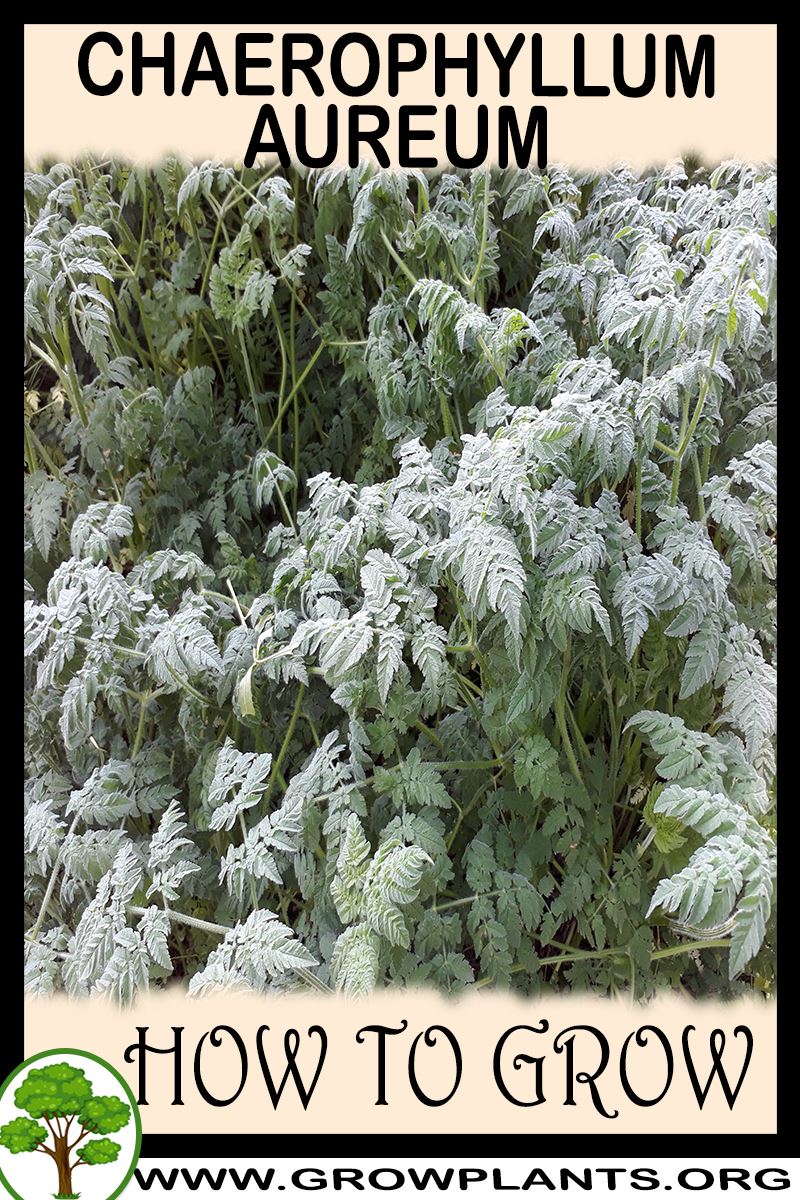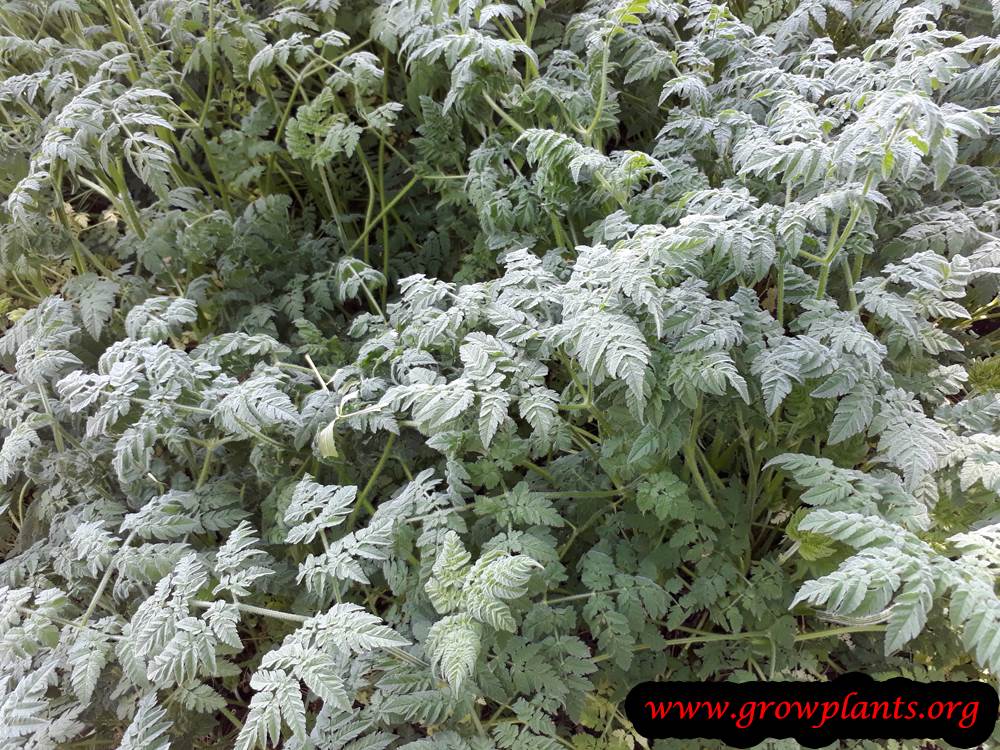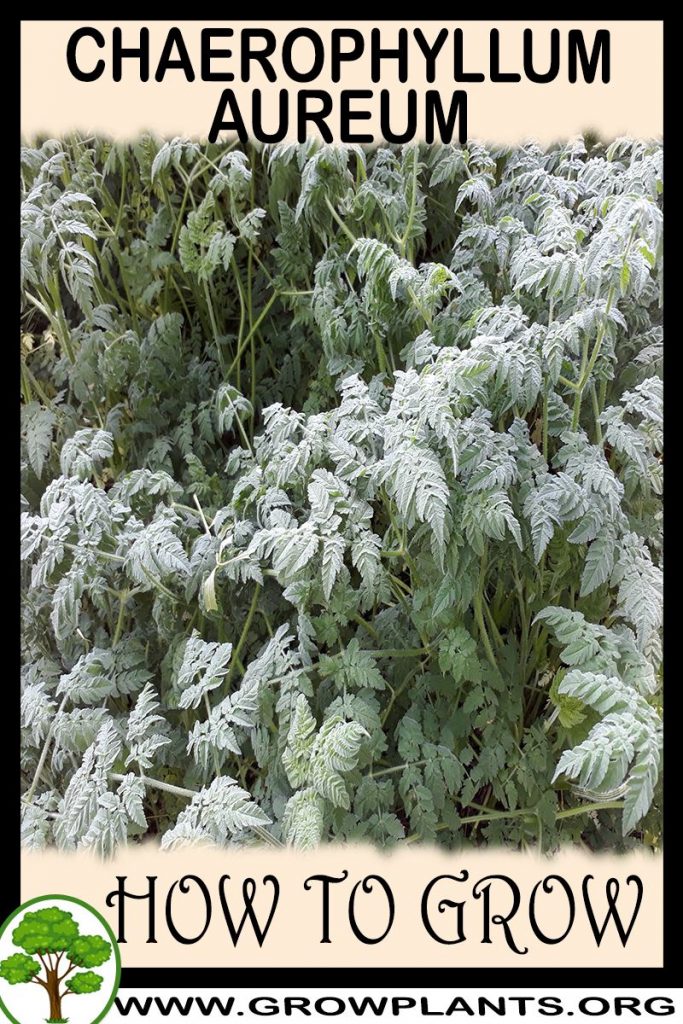
Plant Profile & Key Characteristics
Overview: A herbaceous perennial, 50-150 cm (20-60 in) tall, grown as an ornamental for its finely divided, ferny green foliage. It carries white umbels of flowers and suits subtropical, Mediterranean and temperate gardens.
Quick Specifications
| Specification | Attribute |
|---|---|
| Plant Type / Life Cycle | Perennial (herbaceous) |
| Foliage Type | Evergreen (where mild) |
| Mature Size | 50-150 cm (20-60 in) tall |
| Growth Rate | Fast to moderate |
| Hardiness | USDA zone 7-9 |
Growth Form & Structure
- Height & Spread: 50-150 cm (20-60 in) tall; also grown in containers and indoors.
- Growth Habit & Form: Upright herbaceous clump (umbellifer).
- Lifespan & Maturity: Fast-to-moderate perennial that can self-seed and spread.
Anatomy & Physical Features
- Leaves & Foliage: Green, finely divided (pinnate), ferny leaves – the main ornamental feature.
- Flower Characteristics: Small white flowers held in umbels (full detail in the Bloom section).
Primary Uses & Landscape Value
- Functional & Ornamental Roles: Ornamental foliage plant; note it can become invasive by self-seeding.
Care Guide: Planting, Soil & Watering
Overview: This leafy perennial chervil grows in sun to part shade in temperate and Mediterranean gardens and spreads quickly. It prefers moist soil and a moderate, steady supply of water.
Quick Care Requirements
| Requirement | Ideal Condition |
|---|---|
| Planting Season | Any time through the growing season; year-round in mild areas |
| Growth Rate | Moderate to fast |
| Soil Type | Moisture-retentive, fertile |
| Water Need | Moderate – keep the soil reliably moist |
Planting & Establishment
- Best Planting Season: At any point through the growing season, and effectively year-round in mild-winter areas.
- How to Plant:
- Hole Preparation: Dig a hole about twice the width of the root ball and just as deep, loosening the sides so young roots spread easily.
- Soil Amendments: Mix a few handfuls of compost or well-rotted organic matter into the backfill, adding grit or perlite if drainage is slow.
- Planting Depth: Set the plant so the root collar sits level with the surrounding soil; never bury the stem or trunk base.
- Growth Speed & Expectations: A moderate to fast grower reaching 50-150 cm, forming a leafy clump.
Soil, Watering & Drainage Care
- Soil Mix & Drainage Needs: Grow in moisture-retentive, fertile soil enriched with organic matter; it likes steady moisture but not waterlogging. It also grows in a roomy container of good potting mix and can be kept indoors in a bright spot.
- Watering Schedule & Technique:
- Young / Newly Planted: Keep the soil evenly moist for the first several weeks, watering whenever the surface begins to dry.
- Established: Water deeply and let the top few centimetres dry before watering again, rather than giving frequent shallow sips.
- Seasonal Adjustments: Water more often through summer heat and reduce it in winter as growth slows.
Climate, Light & Hardiness
Golden chervil is a shade-loving woodland herb from subtropical, Mediterranean, and temperate climates, preferring half to full shade, consistently moist soil, and moderate winter cold tolerance.
Quick Climate Specifications
| Climate Zones | Subtropical, Mediterranean, Temperate |
|---|---|
| USDA Hardiness Zones | 7–9 |
| Frost Tolerance | Moderate |
| Light Conditions | Half Shade to Full Shade |
Sunlight & Light Exposure
Optimal Light Setup
Prefers half to full shade, typical of a woodland-floor herb.
Shade & Heat Management
Shade is important for keeping this plant from drying out and stressing in warm climates.
Best Exposure / Orientation
A shaded, humus-rich woodland-edge bed suits it best.
Temperature Extremes & Hardiness
USDA Hardiness & Regional Limits
Hardy in zones 7–9.
Cold Damage & Winter Protection
Foliage likely dies back in freezing winters within its range, resprouting the following season; a woodland mulch offers extra protection.
Frost Sensitivity
Moderately frost tolerant; new growth is the most vulnerable to a late freeze.
Extreme Heat Tolerance
Limited; needs shade and consistent moisture to avoid heat stress in hot climates.
Wind, Humidity & Microclimate
Humidity Preferences
Prefers the humid, sheltered conditions of a woodland floor.
Dry-Air Tolerance
Poor; site data specifically calls for moist soil.
Wind Tolerance
Low; benefits from a sheltered position out of drying wind.
Rainfall & Seasonal Moisture
Needs consistently moist soil; not drought tolerant.
Microclimate Recommendations
A cool, shaded, humid woodland-edge microclimate suits it best.
Growing in Pots, Balconies & Indoors
Golden chervil is a shade-loving, leafy umbellifer. The grower lists it as suitable both as a houseplant and in containers – its tolerance of shade makes it one of the easier herbs to keep in a pot in a bright, cool room or a shady patio corner.
Quick Details
- Container Size: A medium pot for a 50-150 cm (20-60 in) plant
- Indoor Suitability: Yes – can be grown indoors, helped by its tolerance of shade
- Best Spot: Half shade to full shade; it dislikes hot, dry sun
- Soil & Drainage: Rich, moisture-retentive but free-draining mix
- Watering in Pots: Average – keep the mix evenly, lightly moist
Indoors & On the Windowsill
- Houseplant suitability: Being shade-tolerant, it adapts to indoor light better than most herbs: give it a bright, cool spot out of direct sun and keep the mix evenly moist.
- Windowsill growing: A north or east window suits it; avoid hot, sunny sills that scorch the soft foliage.
- Cool conditions: It prefers cool air, so keep it off hot radiators and out of stuffy, dry rooms.
On a Balcony or Patio
- Light & shade: Give it a shaded or dappled corner; strong sun and drying wind spoil the lush leaves. It is a good filler for a cool, shady balcony.
- Practicalities: Keep shaded pots evenly moist and cut back tired growth to refresh the clump.
Choosing the Pot, Soil & Long-Term Care
- Pot & drainage: A pot with good drainage holes and no saucer; keep the mix moist but not waterlogged.
- Potting mix: A well-aerated, organic-rich mix – peat or coir blended with perlite or vermiculite so it drains freely.
- Feeding: Potted plants need feeding more often than those in open ground, since frequent watering leaches nutrients from the mix – feed regularly through the growing season.
- Repotting: Refresh the mix and divide or pot up every year or two, as this leafy plant is hungry and thirsty.
Fertilizing & Feeding
A light feeder grown mainly for its foliage: modest, balanced feeding in moist, organically rich soil supports steady leaf growth without pushing this vigorous, self-seeding perennial to spread more aggressively.
Quick Fertilizing Specs
| Feeding Level | Light feeder |
|---|---|
| Main Nutrient Priority | Balanced feeding that favors steady foliage growth |
| Best Feeding Period | During active growth in the milder parts of the year |
| Organic Options | Compost or well-rotted organic matter worked into consistently moist soil |
| Micronutrients | Usually supplied by a complete fertilizer and organic matter; correct specific issues only when diagnosed |
| Soil pH | Prefers consistently moist, fertile soil; tolerates a range of pH |
| Reduce/Stop Feeding | Ease off feeding as growth slows in the coldest part of the year |
Feeding by Growth Stage
Establishment in shaded, moist ground
Support root establishment and early leaf growth after planting.
| Nutrient direction | A balanced complete fertilizer applied lightly to encourage steady establishment. |
|---|---|
| Timing | In the first season after planting or transplanting. |
| Frequency | Light, infrequent feeding is usually enough while roots establish. |
| Fertilizer types | A balanced complete fertilizer, applied sparingly, Compost or well-rotted organic matter |
| Precautions | Keep soil consistently moist rather than waterlogged; this shade-loving plant is already a vigorous, self-seeding spreader, so avoid overfeeding. |
Active foliage growth
Maintain lush, healthy pinnate foliage, the main ornamental feature of this plant.
| Nutrient direction | A balanced, light feed to support steady leaf growth without encouraging excess spread. |
|---|---|
| Timing | During the milder, actively growing parts of the year. |
| Frequency | Minimal feeding is usually enough to maintain healthy foliage. |
| Fertilizer types | A balanced complete fertilizer, applied lightly |
| Precautions | Avoid heavy feeding, which can encourage this already vigorous, self-seeding plant to spread further than wanted. |
Cold-season growth slowdown
Let growth rest naturally through the coldest, slowest part of the year.
| Nutrient direction | None – withhold fertilizer while growth is minimal in the coldest months. |
|---|---|
| Timing | Through the coldest, least active part of the year. |
| Frequency | No feeding at this stage. |
| Fertilizer types | No feeding at this stage – allow the plant to rest undisturbed |
| Precautions | Do not fertilize during this slow-growth period; unused nutrients can leach away or build up in consistently moist soil. |
Nutrient Deficiency Signs & Corrections
Older leaves turn pale green to yellow while overall growth appears stunted.
| Possible causes | low soil nitrogen, competition from this plant’s own dense, spreading growth, waterlogged soil limiting root function |
|---|---|
| Appears first on | older, lower leaves |
| What to check | recent feeding history, soil drainage and moisture, density of surrounding growth |
| Possible correction | Apply a balanced complete fertilizer lightly and confirm soil drainage is adequate. |
New leaves emerge pale yellow while the veins remain green.
| Possible causes | high soil pH limiting iron availability, waterlogged or poorly drained soil, low soil iron availability |
|---|---|
| Appears first on | newest growth |
| What to check | soil drainage and structure, soil pH conditions, recent watering pattern |
| Possible correction | Improve drainage and soil conditions; apply a chelated iron product per its label if chlorosis persists. |
Wilting or yellowing despite consistently moist soil, with soft or discolored roots.
| Possible causes | soil staying too wet rather than evenly moist, poor drainage in heavier soils, fungal root pathogens favored by soggy conditions |
|---|---|
| Appears first on | roots and lower stems |
| What to check | soil drainage, recent watering frequency, root condition below the soil line |
| Possible correction | Improve drainage while maintaining even moisture, and hold off on feeding until the plant recovers. |
Pruning, Training & Seasonal Maintenance
Chaerophyllum aureum is a soft-stemmed herbaceous perennial grown for its ferny foliage; it has no woody structure, so “pruning” here means light trimming and deadheading rather than structural cutting. Tolerance is high – it can be tidied at almost any time – and the main objective is keeping the clump neat and controlling self-seeding, since the plant is noted as invasive/spreading via seed.
Quick Pruning & Maintenance Specs
| Pruning Tolerance | High (soft herbaceous growth) |
| Primary Pruning Window | Any time for tidying; after bloom for seed-head removal |
| Typical Frequency | Ongoing light trims through the growing season |
| Main Objective | Tidy foliage and control self-seeding spread |
| Young Plant Priority | No formal training needed |
| Mature Plant Priority | Remove tired/yellowing foliage and spent flower stems |
| Best Tool Type | Precision snips |
Pruning by Plant Age & Size
Newly Established
No pruning needed beyond removing any damaged leaves from transplanting.
Young / Formative
No structural training applies to this herbaceous foliage plant.
Mature / Established
Trim off tired, yellowing or damaged foliage as it appears to keep the clump looking fresh, since it is evergreen rather than dying back completely.
Special Growth to Remove
Cut off the umbel flower/seed heads once flowering finishes (spring to early summer) – this is the single most useful cut for this species, since it is flagged as invasive and spreads readily by seed; deadheading before seed drop is the main way to keep it in check. Also remove any old, dead leaves at the base as the clump renews itself.
Container & Small-Space Pruning
Grows well in a container or as an indoor plant per its listing; in a confined space, regular tip and foliage trimming keeps growth compact, and deadheading is just as important in a pot to stop volunteer seedlings in nearby beds.
Tools
- Precision snips – the only tool needed, for foliage trims and seed-head removal on this soft-stemmed plant.
Tool Hygiene & Disease Risk
Routine – clean tools are sufficient; no specific disease risk is documented for this species.
Cut Placement & Technique
Snip individual flower/seed stems down to the foliage mound rather than shearing the whole plant; remove tired leaves at their base where they join the crown.
Post-Pruning Care
Keep the moist soil this species prefers consistently damp after trimming; no special aftercare beyond normal watering.
Common Pruning Mistakes
- Leaving spent umbels to set and drop seed, allowing the plant to spread further than intended.
- Shearing the whole clump hard when only tired outer leaves need removing.
When NOT to Prune
No strict restriction, though it makes sense to deadhead before, rather than after, seed has fully matured and started to drop.
Recommended Tools (by task)
- precision_snips – foliage tidying and, importantly, deadheading the seed heads to control this self-seeding, invasive-flagged plant.
Propagation Guide
Golden Chervil is grown from seed – the site lists no vegetative method and states vegetative propagation isn’t required – making seed sowing the straightforward, practical way to start this plant. As a member of the carrot/parsley family, its seed can be somewhat slow or uneven to germinate, so propagation is best rated Moderate rather than Easy.
Quick Propagation Specs
| Best Propagation Method | Seed |
| Propagation Difficulty | Moderate (germination can be slow or uneven) |
| Seed True-to-Type | Yes (species) |
| Best Propagation Season | Autumn or early spring |
| Seed Germination Time | Several weeks to a few months; can be irregular |
| Germination Temperature | 10–18°C (50–64°F), cooler than many garden seeds |
| Seed Sowing Depth | Shallow, just covering the seed |
Growing from Seed
Seed Handling & Viability
No specific handling data is given by the site; as with many members of the carrot/parsley family (Apiaceae), seed of this type often keeps its viability best when not stored too long or too warm.
Dormancy & Pre-Sowing Treatment
Many relatives of this plant in the carrot/parsley family have seed dormancy that responds to a cold period; sowing in autumn so seed experiences winter cold, or giving stored seed a period of cold stratification before spring sowing, can improve and even out germination. This is offered cautiously as general family-level guidance, since the site does not specify a treatment for this species.
Sowing Season
The site notes this plant can be planted year-round; for seed specifically, autumn sowing, or spring sowing of cold-stratified seed, is a common approach for cool-season umbellifers like this.
Sowing Depth & Orientation
Sow shallowly, just covering the seed.
Germination Conditions
Cool, consistently moist, and shaded to half-shaded conditions, matching this plant’s preference for half shade to full shade and average water.
Germination Time
Can take several weeks to a few months and may be uneven, which is typical for this plant family.
Seedling Care
Keep seedlings evenly moist as they establish; this plant tolerates and even prefers shaded conditions once growing.
Bloom & Flower Guide
Quick Details
- Bloom Season: Spring to early summer.
- Flower Appearance: Many tiny white flowers arranged in flat-topped umbels on branching stems.
- Edibility: Treat as ornamental – this umbellifer has toxic look-alikes, so the flowers should not be eaten unless the plant is positively identified.
Detailed Blooming Overview
Golden chervil produces the classic umbrella-shaped flower heads of the carrot family: airy, flat-topped clusters of small white flowers held above ferny foliage in spring and early summer. They are a fine nectar source for small pollinating insects.
Flower Characteristics
- Tiny white flowers in flat-topped umbels.
- Carried on slender, branching stems.
- Attractive to small pollinators.
Bloom Care & Thinning
- Managing the bloom: Removing spent umbels before seed sets helps limit self-seeding.
- Safety: Members of this family can be confused with toxic hemlocks – never eat any part unless you are certain of the identification.
Pests, Diseases & Troubleshooting
Overview: Golden chervil is an uncommon carrot-family (Apiaceae) herb rather than a mainstream ornamental, so its pest profile is drawn from the family as a whole – aphids, carrot fly, leaf miners and umbellifer mildews – and should be confirmed for local conditions. As a robust wild plant it is generally trouble-free and rarely needs intervention.
Quick Troubleshooting Overview
| Issue / Pest | Main Symptom | Primary Solution |
|---|---|---|
| Aphids | Colonies on umbels and shoot tips | Water jet; soap; beneficials |
| Carrot fly | Rusty tunnelling in roots, poor vigour | Barriers/fleece; crop rotation |
| Leaf miners | Pale tunnels/blotches in leaves | Remove leaves; tolerate |
| Slugs & snails | Grazed seedlings and soft growth | Handpick; barriers |
| Powdery mildew | White coating late season | Airflow; spacing |
| Sclerotinia | Watery stem rot, white mould | Remove plants; rotate; drainage |
Common Pests & Management
- Aphids (Aphidoidea):
- Symptoms: Clusters of small green, black or grey soft-bodied insects on new shoots, buds and leaf undersides; curled distorted growth, honeydew and sooty mould.
- Prevention & Control: Blast off with a strong jet of water and squash colonies early. Encourage ladybirds, lacewings and hoverflies; avoid excess nitrogen that fuels soft growth. Use insecticidal soap or neem for stubborn outbreaks, sprayed in the evening to spare pollinators.
- Carrot fly (Chamaepsila rosae):
- Symptoms: Larvae mine the roots of Apiaceae, leaving rusty-brown tunnels; foliage yellows and reddens and plants lose vigour. A general risk across the carrot family.
- Prevention & Control: Use insect-mesh or fleece barriers around susceptible plantings, rotate umbellifers year to year, and avoid bruising foliage (the scent attracts egg-laying females). No treatment is usually needed on a wild herb.
- Leaf miners (Agromyzidae larvae):
- Symptoms: Pale winding tunnels or blotches mined within the leaves; cosmetic.
- Prevention & Control: Pick off mined leaves and encourage parasitic wasps; sprays are unnecessary.
- Slugs & snails (Gastropoda):
- Symptoms: Seedlings and soft new growth grazed, with slime trails, in damp conditions.
- Prevention & Control: Hand-pick after dark, clear damp debris, and use grit or iron-phosphate bait around young plants.
Diseases & Fungal Issues
- Powdery mildew (Erysiphe heraclei):
- Symptoms: White powdery coating on leaves and stems, common on umbellifers late in the season or under stress.
- Treatment & Management: Space for airflow, keep roots evenly moist, and remove affected leaves; a sulfur spray is only needed in persistent cases.
- Sclerotinia rot (Sclerotinia sclerotiorum):
- Symptoms: Watery soft rot of stems with fluffy white mould and hard black resting bodies inside; a soil-borne disease of many Apiaceae.
- Treatment & Management: Remove and destroy affected plants, improve drainage and airflow, and rotate away from other umbellifers and susceptible crops; avoid dense wet plantings.
- Leaf blight / spot (Fungal (various)):
- Symptoms: Brown leaf spots and blotches in wet seasons.
- Treatment & Management: Sanitation and airflow; rarely warrants a fungicide on this herb.
Growing Difficulties & Abiotic Problems
- Wet, poorly drained soil:
- Cause & Symptoms: Root and crown rot where the soil stays waterlogged.
- Correction Strategy: Grow in moist but free-draining soil; avoid heavy waterlogged sites.
- Vigorous self-seeding / spread:
- Cause & Symptoms: The plant can naturalise and spread by seed, becoming weedy.
- Correction Strategy: Deadhead before seed set if you wish to contain it, as it seeds freely in the wild.
- Bolting & die-back:
- Cause & Symptoms: Fast flowering and die-back after the biennial/short-lived cycle completes.
- Correction Strategy: Treat as a short-lived plant, allowing some self-seeding to maintain a stand.
What Helps – Products & Tools
This wild herb rarely needs products; cultural care covers it. Keep insecticidal soap or neem for aphids, mesh/fleece barriers against carrot fly, iron-phosphate bait for slugs, and a sulfur spray only for stubborn powdery mildew.