

Plant Profile & Key Characteristics
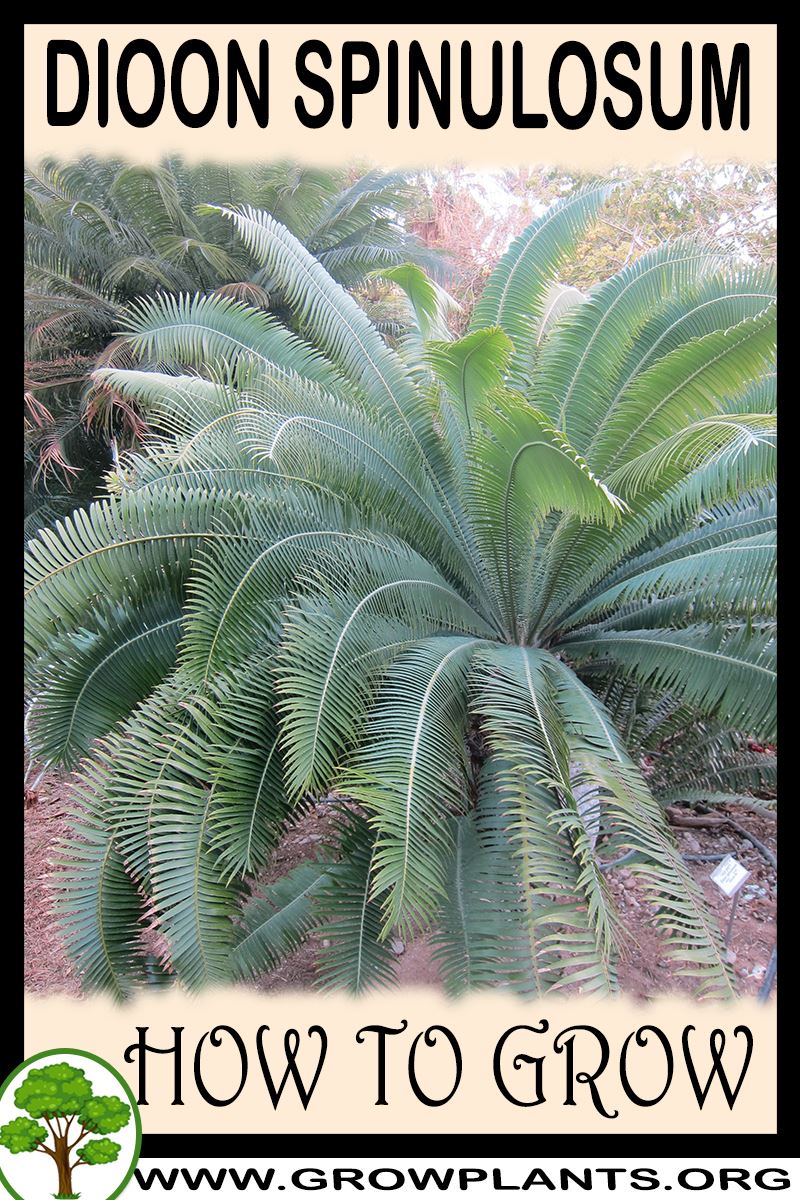
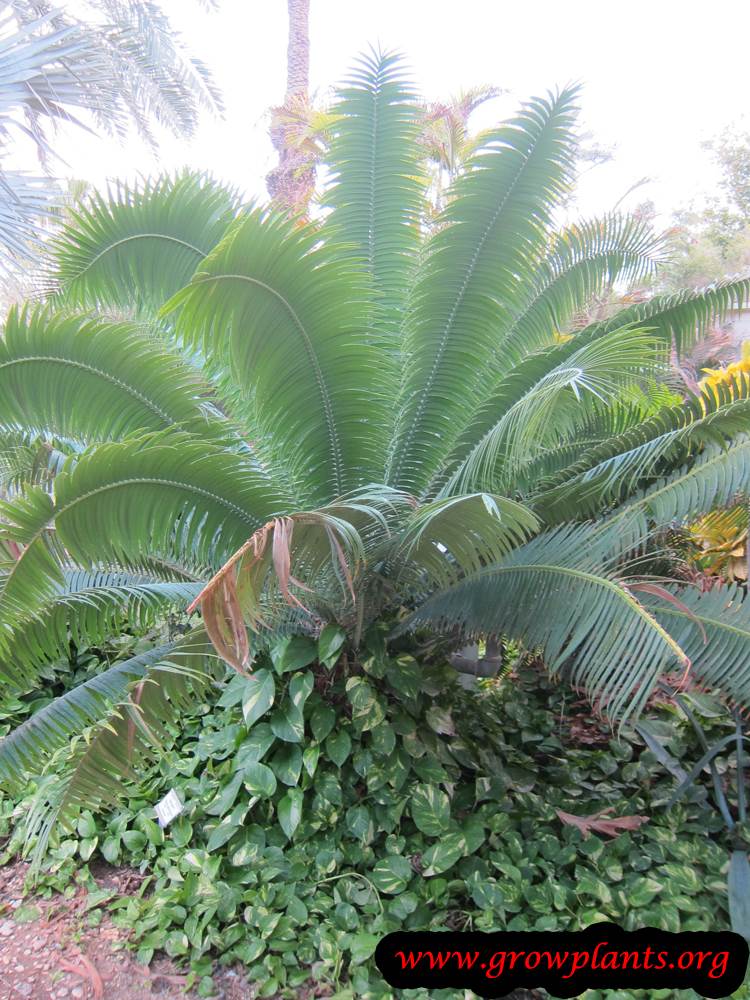
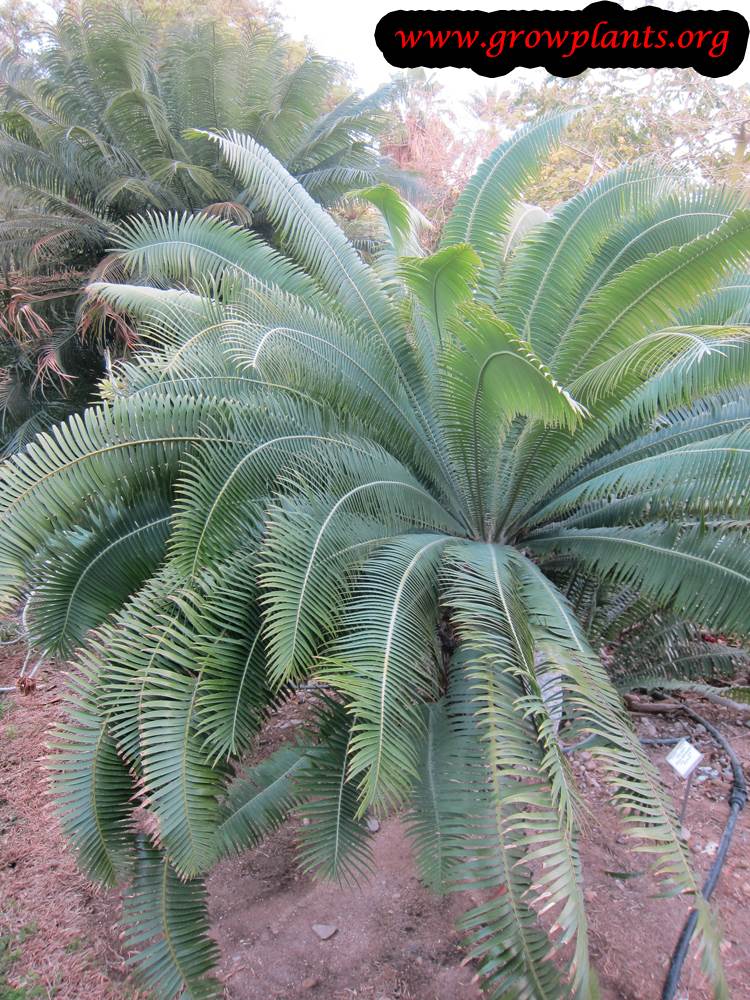
Overview: A slow-growing evergreen cycad forming a stout, palm-like trunk topped with a crown of stiff, pinnate leaves, reaching 4-12 m over many years. Grown as a striking architectural ornamental for warm, frost-free gardens.
Quick Specifications
| Specification | Attribute |
|---|---|
| Plant Type / Life Cycle | Perennial (evergreen cycad) |
| Foliage Type | Evergreen |
| Mature Size | 4-12 m tall (12-36 ft) |
| Growth Rate | Slow |
| Toxicity | Toxic – like all cycads, the seeds and foliage contain cycasin and are poisonous to people and pets |
| Hardiness | USDA zones 10-12 |
Growth Form & Structure
- Height & Spread: Eventually 4-12 m (12-36 ft) tall on a single columnar trunk; very slow to gain height.
- Growth Habit & Form: Tree-like cycad – a palm-like, largely unbranched trunk crowned with a rosette of arching leaves.
- Lifespan & Maturity: Extremely slow-growing and very long-lived, taking decades to reach full size.
Anatomy & Physical Features
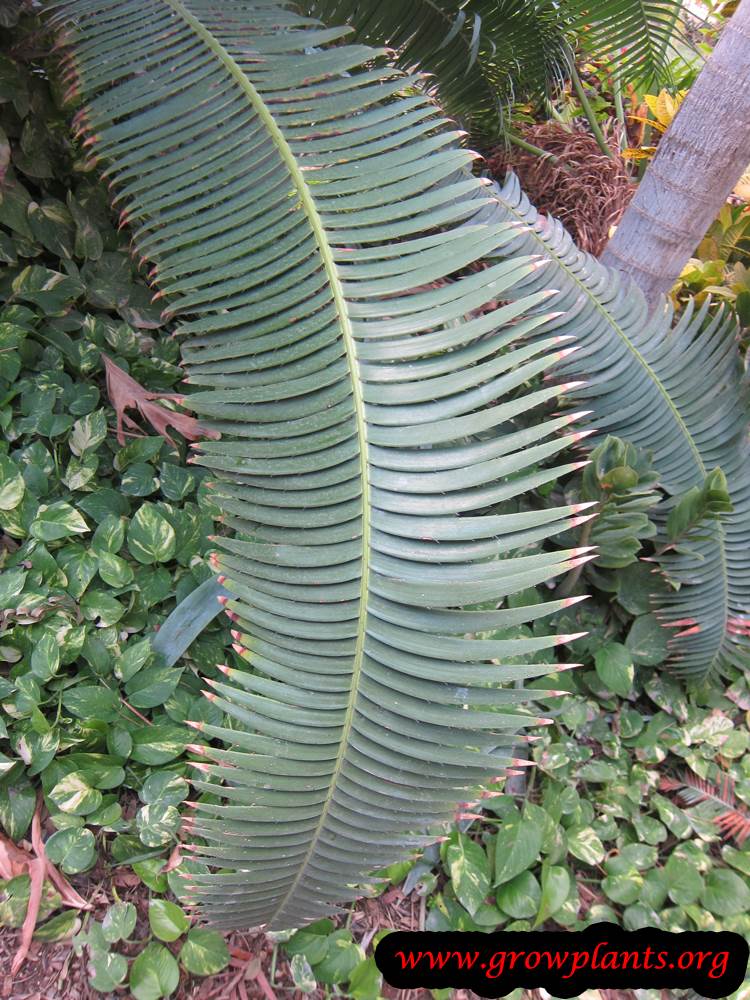
- Leaves & Foliage: Long, pinnate (feather-like) leaves of many narrow, slightly spiny green leaflets.
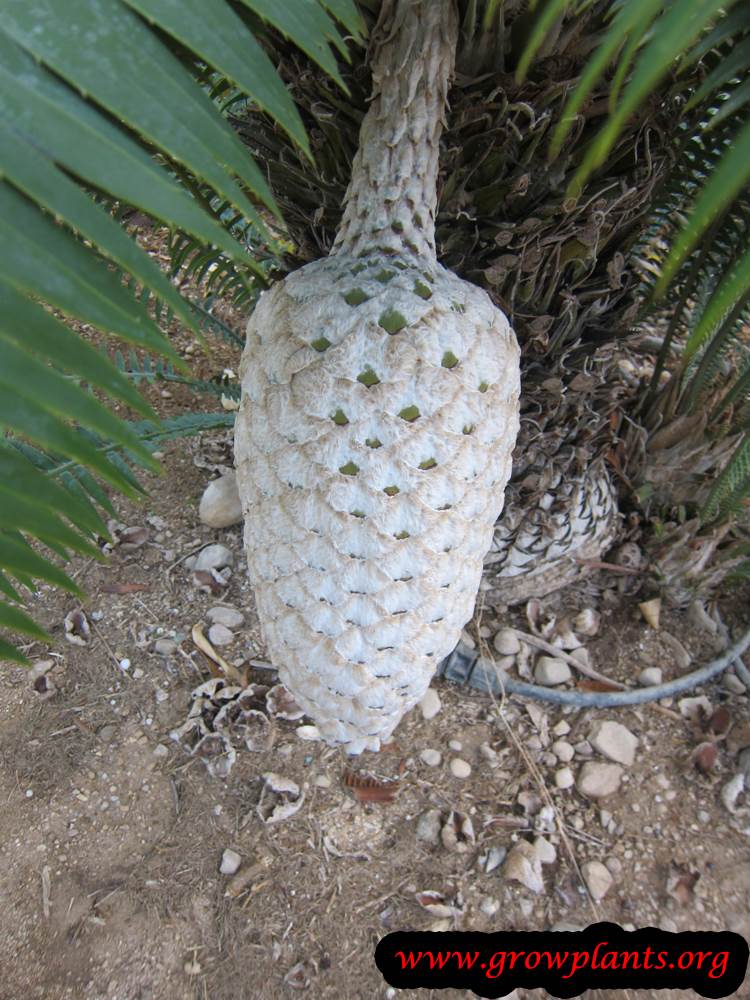
- Cones: Not a flowering plant – dioecious, with separate male and female plants bearing large brown cones (males narrow, females feather-like).
Primary Uses & Landscape Value
- Functional & Ornamental Roles: Architectural specimen ornamental for subtropical and Mediterranean gardens and large containers.
Care Guide: Planting, Soil & Watering
Overview: Dioon spinulosum (giant dioon) is a slow-growing cycad that grows best in rich, well-draining soil in full sun to partial shade. It is undemanding once established, needing only modest water and, above all, sharp drainage.
Quick Care Requirements
| Requirement | Ideal Condition |
|---|---|
| Planting Season | During the warm growing season, from spring through autumn |
| Growth Rate | Slow |
| Soil Type | Rich, well-draining soil |
| Water Need | Low to moderate — let the soil dry between waterings |
Planting & Establishment
- Best Planting Season: Plant during the warm growing season, any time from spring through autumn, in a spot with full sun to partial shade.
- How to Plant:
- Hole Preparation: Dig a hole about the size of the root ball so the plant sits level with the surrounding soil.
- Soil Amendments: Enrich the planting soil with organic matter, and add grit or coarse sand to heavy ground to guarantee free drainage.
- Planting Depth: Set the caudex (trunk base) so its top sits at or just above soil level — never bury the crown, which will rot if kept wet.
- Growth Speed & Expectations: Grows very slowly, taking many years to form its palm-like trunk, so start with the largest plant you can and be patient.
Soil, Watering & Drainage Care
- Soil Mix & Drainage Needs: Provide rich but sharply draining soil; in containers use a free-draining mix and a pot with generous drainage holes, as the plant will not tolerate wet feet.
- Watering Schedule & Technique:
- Young / Newly Planted: Water regularly to keep the soil lightly moist while the young plant establishes its roots.
- Established: Once established, water moderately and allow the soil to dry out between waterings; it tolerates short dry spells well.
- Seasonal Adjustments: Water a little more in hot weather and cut back in cool, wet conditions.
Climate, Light & Hardiness
This slow-growing cycad from subtropical and Mediterranean climates prefers half shade to full sun and is only reliably hardy in warm, essentially frost-free regions.
Quick Climate Specifications
| Climate Zones | Subtropical, Mediterranean |
|---|---|
| USDA Hardiness Zones | 10–12 |
| Frost Tolerance | Low |
| Light Conditions | Half Shade to Full Sun |
Sunlight & Light Exposure
Optimal Light Setup
Tolerates a range from half shade to full sun; young plants often prefer some shade, while mature plants handle full sun well.
Direct Sun Requirement
Full sun is fine for established plants, particularly in milder subtropical climates; in very hot, dry sun some afternoon shade prevents leaf bleaching.
Shade & Heat Management
Light shade in the hottest part of the day helps keep foliage color rich in intense-sun climates.
Temperature Extremes & Hardiness
USDA Hardiness & Regional Limits
Hardy only in essentially frost-free zones 10–12; this is a warm-climate cycad, not suited to regions with regular winter freezes.
Cold Damage & Winter Protection
Cold, wet conditions are particularly damaging; in marginal areas, plant in a sheltered, well-drained site and protect from frost.
Frost Sensitivity
Frost sensitive; even light freezes can damage foliage, and hard frost threatens the growing point.
Extreme Heat Tolerance
Good; well suited to hot subtropical and Mediterranean summers.
Wind, Humidity & Microclimate
Humidity Preferences
Adapts to both humid subtropical air and the drier air of Mediterranean climates.
Dry-Air Tolerance
Reasonable, given its Mediterranean-climate range.
Rainfall & Seasonal Moisture
Prefers a well-drained site; the site's light-to-moderate watering guidance suggests it dislikes prolonged waterlogging, consistent with subtropical wet/dry seasonality.
Growing in Pots, Balconies & Indoors
Dioon spinulosum is a large but very slow-growing cycad. The grower marks it as not a houseplant, yet it takes well to a container for many years, making a striking architectural patio plant before it eventually needs open ground.
Quick Details
- Container Size: A deep, sturdy pot; being slow, it stays potted for years
- Indoor Suitability: Not a houseplant – it needs bright light and can grow large
- Best Spot: Half shade to full sun
- Soil & Drainage: Very free-draining, gritty mix
- Watering in Pots: Small to average – let it dry between waterings; never keep it soggy
Indoors & On the Windowsill
- Houseplant limits: The grower marks it as not an indoor plant; while young cycads sometimes tolerate a very bright room, this species ultimately grows too large and prefers strong outdoor light.
- Overwintering: Being tender, a potted plant can be moved to a bright, frost-free spot for the cold season and returned outdoors in the warmth.
On a Balcony or Patio
- Light & form: A superb architectural container plant for a bright patio; give it good light and sharp drainage, and shelter the soft new flush of leaves from strong wind.
- Practicalities: It is heavy and slow, so choose a stable pot you can leave in place for years.
Choosing the Pot, Soil & Long-Term Care
- Pot & drainage: A deep, heavy pot with strong drainage holes and no saucer; it will live in the same pot for years.
- Potting mix: A gritty, sharp-draining mix – cactus/succulent compost, or sandy soil with perlite and a layer of gravel or lava grit; never anything that stays soggy.
- Feeding: Feed sparingly – a diluted low-strength feed once or twice in the growing season is plenty; too much causes soft, weak growth.
- Repotting: Pot up only every several years, as growth is very slow and it dislikes disturbance.
Safety: All parts of cycads are highly toxic if eaten (cycasin) and especially dangerous to pets – keep well away from children and animals.
Fertilizing & Feeding
A light feeder: this slow-growing, palm-like cycad needs only modest balanced feeding through its active season in rich, well-drained soil, with lighter feeding still while cool-season growth slows.
Quick Fertilizing Specs
| Feeding Level | Light – a lean feeder given its naturally slow growth |
|---|---|
| Main Nutrient Priority | Balanced feeding to support steady, if slow, leaf production |
| Best Feeding Period | The warm active growing season |
| Organic Options | Rich, well-drained soil with organic matter worked in supports this species well |
| Reduce/Stop Feeding | Reduce feeding during cooler months when growth naturally slows |
| Micronutrients | Usually adequate from a complete fertilizer in rich soil; correct only a diagnosed deficiency |
| Soil pH | Tolerates a range of soil pH provided the soil is rich and well-drained |
Feeding by Growth Stage
Establishment after planting
Support new root development as a young or newly planted cycad settles into rich, well-drained soil.
| Nutrient direction | A balanced fertilizer supports steady early root and leaf development without pushing growth beyond this naturally slow-growing plant’s pace. |
|---|---|
| Timing | The period after planting while the root system is developing. |
| Frequency | Light, occasional feeding through the growing season while roots establish. |
| Fertilizer types | A balanced complete fertilizer used at a light rate, Organic matter worked into rich, well-drained soil |
| Precautions | This plant is poisonous if ingested; keep it away from pets and children, and handle new leaf growth carefully during establishment. |
Established ongoing growth
Sustain slow, steady leaf production on an established plant, whether grown in the landscape or in a container.
| Nutrient direction | Continue light, balanced feeding, matched to this species’ naturally slow growth rate rather than pushed for faster results. |
|---|---|
| Timing | Through the active growing season for an established plant. |
| Frequency | An occasional light feeding through the growing season is usually enough. |
| Fertilizer types | A balanced complete fertilizer used lightly, Container-grown plants may follow a container-specific feeding routine |
| Precautions | Avoid overfeeding; this species grows slowly by nature, and heavy feeding will not speed it up but can build up excess salts in the soil. |
Cool-season growth slowdown
Let the plant coast through the part of the year when growth naturally slows.
| Nutrient direction | None – withhold fertilizer while growth is minimal during the cooler part of the year. |
|---|---|
| Timing | The cooler months when new leaf production largely pauses. |
| Frequency | No feeding during this slowdown period. |
| Fertilizer types | No feeding at this stage; resume light feeding once active growth returns in the warmer season. |
| Precautions | Feeding while growth has paused offers no benefit and risks salt buildup in the soil; wait for visible new leaf growth before resuming. |
Nutrient Deficiency Signs & Corrections
Overall pale green to yellow leaves and even slower than usual new leaf production.
| Possible causes | low soil nitrogen or thin, low-organic-matter soil, an extended period without any feeding, nitrogen leaching from heavy watering or rain |
|---|---|
| Appears first on | older leaves |
| What to check | recent feeding history, soil organic matter, overall leaf color compared to expectations |
| Possible correction | Apply a light, balanced fertilizer during the active growing season. |
New leaves emerge yellow while the veins stay green.
| Possible causes | high soil pH tying up available iron, poorly drained or waterlogged soil, root stress limiting nutrient uptake |
|---|---|
| Appears first on | newest leaves |
| What to check | soil pH and drainage, recent watering pattern, root health |
| Possible correction | Improve drainage and organic matter, and if chlorosis persists apply a chelated iron product per its label. |
Older leaves develop yellowing between the veins while the veins themselves stay green.
| Possible causes | low soil magnesium, more likely in sandy or heavily leached soil, an incomplete fertilizer used repeatedly without variation, root stress limiting nutrient uptake |
|---|---|
| Appears first on | older leaves first |
| What to check | soil type and leaching history, type of fertilizer used recently, overall root health |
| Possible correction | Switch to a complete fertilizer that includes magnesium, applied per its label. |
Pruning, Training & Seasonal Maintenance
Dioon spinulosum is a slow-growing cycad with a single crown of stiff, pinnate leaves and one growing point, so pruning is limited to removing fully dead, brown fronds – there is no structural training, thinning, or size-reduction pruning for this plant. It can be done at any time of year since it is tied to individual frond death rather than a seasonal cycle, and it has no effect on the plant’s cone production, which is a separate, unrelated reproductive process.
Quick Pruning & Maintenance Specs
| Pruning Tolerance | Very Low – dead-frond removal only |
| Primary Pruning Window | Any time, as individual fronds fully die |
| Typical Frequency | Infrequent, given this species’ slow growth rate |
| Main Objective | Remove fully dead fronds; never reduce the green crown |
| Best Tool Type | Bypass secateurs on young plants; pruning saw on the thicker frond bases of a mature specimen |
Pruning by Plant Age & Size
Newly Established
Leave all fronds in place while a young plant is establishing; even a slightly tired-looking frond is still contributing to this slow grower’s limited energy budget.
Young / Formative
No structural training applies to a cycad’s single crown; simply let it build its rosette of fronds undisturbed.
Mature / Established
Remove only fronds that have fully browned and died; a mature plant’s older, thicker frond bases may need a saw rather than secateurs.
Special Growth to Remove
- Fully dead, brown fronds – the only routine removal. Fronds that are merely partly brown-tipped but still mostly green should be left in place rather than trimmed for cosmetic tidiness, since the plant is still drawing on that leaf tissue.
Container & Small-Space Pruning
Dioon spinulosum can be grown in a large container while young or for many years given how slowly it grows; container specimens follow the same dead-frond-only rule, with no size-control pruning needed since the plant’s own slow growth naturally limits how quickly it outgrows a pot.
Tools
- Bypass secateurs – for the thinner fronds of a young plant.
- Pruning saw – for the thicker, more fibrous frond bases of a mature specimen.
Tool Hygiene & Disease Risk
Routine: no specific transmissible pathogen is noted for this species, so ordinary clean, sharp tools are sufficient. The plant is noted as poisonous, so gloves are worth wearing when handling cut fronds and sap, for the grower’s protection rather than the plant’s.
Cut Placement & Technique
Cut a dead frond at its base without disturbing neighboring healthy fronds or the crown’s growing point.
Heavy Pruning & Rejuvenation
Not tolerated. As with other cycads, removing green fronds weakens the single growing point and this species does not respond to any form of rejuvenation cutting.
Post-Pruning Care
No special aftercare is needed beyond normal watering; there is no benefit to feeding specifically after removing a dead frond.
Common Pruning Mistakes
- Trimming fronds that are only partly discolored instead of waiting until they are fully dead, which wastes still-usable leaf tissue on a slow-growing plant.
- Handling cut fronds without gloves, given this species’ toxicity.
When NOT to Prune
Never remove a frond that is still partly green; wait until it has fully browned.
Recommended Tools (by task)
- bypass_secateurs – for removing dead fronds on a young or smaller plant.
- pruning_saw – for the thicker, fibrous frond bases on a mature specimen.
Propagation Guide
Dioon spinulosum, like other cycads, is propagated almost entirely from seed, since seedlings of this slow-growing plant reliably resemble the parent species. Basal offsets are occasionally produced and can be removed and rooted, but they are far less common and less reliable in Dioon than in more freely offsetting cycads; overall difficulty is moderate to specialist, since seed needs prompt, careful handling and germinates slowly, in keeping with this species’ generally slow growth.
Quick Propagation Specs
| Best Propagation Method | Seed |
| Alternative Methods | Basal offsets (occasional, less reliable) |
| Propagation Difficulty | Moderate–Specialist |
| Seed True-to-Type | Yes |
| Vegetative True-to-Type | Yes |
| Best Propagation Season | Sow seed as soon as cleaned and available, generally in the warmer months, matching the site’s planting season |
| Seed Germination Time | Typically slow and can be erratic, often taking several months |
| Germination Temperature | Warm, roughly 24–29°C (75–85°F) |
| Seed Sowing Depth | Lay the seed on its side, mostly buried with the top just under the surface |
Growing from Seed
Seed Handling & Viability
Cycad seed like this is best cleaned of its fleshy outer coating (to reduce rot risk) and sown fresh rather than dried and stored, since viability tends to decline once the seed dries out.
Dormancy & Pre-Sowing Treatment
No specific dormancy-breaking treatment is typically required beyond cleaning off the fleshy coating; a brief warm soak before sowing can help.
Sowing Season
Sow as soon as fresh, cleaned seed is available, generally in the warmer months, matching the site’s stated planting season (spring/summer/autumn).
Sowing Depth & Orientation
Lay the seed on its side, mostly buried with the top just at or near the surface, in a well-drained medium matching this plant’s stated well-drained, rich soil preference.
Germination Conditions
Warm temperatures with consistent but not waterlogged moisture in a well-drained mix.
Germination Time
Slow and often erratic for cycads; allow several months and don’t assume ungerminated seed has failed too early.
Seedling Care
Grow seedlings in half shade to full sun (per the site’s stated light range) with small to average water, and be patient, since this species is naturally slow growing.
Division, Offsets, Pups & Suckers
Some Dioon spinulosum plants occasionally produce basal offsets, which can be removed and rooted similarly to other clumping cycads, though this is less common and less reliable in this species than in cycads such as Cycas revoluta that offset more freely. Only remove an offset once it has some root development of its own, and let any cut surface dry and callus briefly before potting it into a very well-drained mix.
Cone & Reproduction Guide
Quick Details
- Cone Season: Spring.
- Time to First Cone: Only mature plants cone, typically after many years.
- Cone Appearance: Yellow-to-brown reproductive cones – upright and firm on male plants, looser and more feather-like on female plants.
- Edibility: Toxic – do not eat any part; cycads contain cycasin and related toxins.
Detailed Overview
Dioon spinulosum is a cycad, an ancient cone-bearing group, so it does not truly flower – what looks like a “bloom” is a reproductive cone. The plants are dioecious: male and female cones form on separate individuals. Male cones are firm and columnar, while female cones are larger and more feathery in structure.
Cone Characteristics
- Yellow to brown cones rather than petalled flowers.
- Male cones upright and firm; female cones looser, feather-like.
- Carried at the crown of the trunk.
Care Notes
- Reproduction: Pollen passes from male to female cones; a nearby plant of the opposite sex is needed for viable seed.
- Safety: All parts, including the seeds, are poisonous – keep away from children and pets.
Pests, Diseases & Troubleshooting
Overview: Dioon spinulosum (giant dioon or gum-palm) is a slow-growing Mexican cycad whose single most dangerous pest is the Asian cycad scale, a devastating white armoured scale, alongside cycad mealybug, the cycad blue butterfly on new flush, and scale generally; its chief disorders are wet-soil root rot and manganese-deficiency ‘frizzle top’. Grown in free-draining soil with good light it is tough and long-lived; overwatering and nutrient lock-up cause most non-pest problems.
Quick Troubleshooting Overview
| Issue / Pest | Main Symptom | Primary Solution |
|---|---|---|
| Asian cycad scale | White crusty scale smothering fronds, stems and roots; dieback | Prune infested fronds, horticultural oil repeatedly; systemic if severe |
| Cycad mealybug | White cottony masses in crown and on roots, honeydew | Wash off, horticultural oil; treat root mealybug in soil |
| Cycad blue butterfly | New flush chewed and skeletonised by small caterpillars | Protect emerging flush; hand-pick, Bt or spinosad on flush |
| Root / crown rot | Yellowing, soft base, decline in wet or heavy soil | Free-draining mix, ease off water; remove rotted tissue |
| Frizzle top (Mn deficiency) | New fronds frizzled, chlorotic, necrotic and stunted | Apply manganese sulfate; correct drainage and pH |
| Sooty mould | Black coating on fronds over scale/mealybug honeydew | Control the sap-suckers; wash off the mould |
Common Pests & Management
- Asian cycad scale (Aulacaspis yasumatsui):
- Symptoms: A tiny white armoured scale that multiplies explosively, crusting the frond undersides, stems and even the roots in thick white encrustations, yellowing and killing fronds and, untreated, killing the whole plant; the most serious cycad pest worldwide.
- Prevention & Control: Act early and persistently: prune off and bag heavily infested fronds, wash down the plant, and treat thoroughly with horticultural or fine oil to smother scale on all surfaces, repeating every week or two. For severe or root infestations use a systemic insecticide, and introduce or conserve the specific predators (such as Cybocephalus and Rhyzobius) where available. Quarantine new cycads.
- Cycad mealybug (Pseudococcus / root mealybug spp.):
- Symptoms: White cottony masses tucked into the crown, at the frond bases and on the roots below soil, with honeydew and sooty mould, causing yellowing, stunting and decline; root mealybug is easily overlooked.
- Prevention & Control: Wash off and pick out crown colonies, and drench or treat the root zone where root mealybug is suspected, since surface sprays miss them. Horticultural oil, neem or a soil systemic clears infestations; repeat to catch the crawlers and inspect the roots when repotting.
- Cycad blue butterfly (Chilades pandava and related lycaenids):
- Symptoms: Small caterpillars that swarm the tender, emerging new flush, chewing and skeletonising the soft young leaflets so the whole new set of fronds is ragged or destroyed, while mature fronds are untouched.
- Prevention & Control: Watch the emerging flush closely, since damage happens fast, and hand-pick caterpillars or hose them off. A targeted Bacillus thuringiensis (Bt) or spinosad spray on the soft new flush protects it; mature hardened fronds need no treatment.
- Other scale insects (Coccus / Aspidiotus / Diaspis spp.):
- Symptoms: Brown, black or soft scale on the frond undersides and midribs, with honeydew (soft scales) and sooty mould, causing yellow spotting and weakening; less explosive than Asian cycad scale but still damaging.
- Prevention & Control: Prune out badly encrusted fronds, wash the plant, and control ants that farm soft scales. Horticultural or neem oil smothers scale on the fronds; conserve ladybirds and parasitic wasps, and repeat oil applications to catch successive generations.
- Two-spotted spider mite (Tetranychus urticae):
- Symptoms: Fine pale stippling and a dull bronzed cast to the leaflets, with fine webbing, worst in hot, dry, dusty conditions and on plants grown under cover or against hot walls.
- Prevention & Control: Hose the fronds and raise humidity, and keep the plant un-dusty and unstressed. Horticultural oil or a miticide controls heavy infestations; avoid broad-spectrum insecticides that trigger mite flare-ups by killing predators.
Diseases & Fungal Issues
- Root and crown rot (Phytophthora / Pythium / Fusarium spp.):
- Symptoms: Yellowing and wilting fronds, a soft, discoloured, rotting base and caudex, and general decline, in heavy, wet, poorly drained soil or from overwatering; cycads store water and rot readily if kept too wet.
- Treatment & Management: Grow in very free-draining, gritty soil, water thoroughly but let it dry well between waterings, and never leave the caudex sitting in wet soil. Cut out and treat rotted tissue with a fungicide, let it callus, and improve drainage; salvage badly rotted plants by cleaning to firm tissue and re-rooting.
- Fungal leaf spot and anthracnose (Colletotrichum / Cercospora spp.):
- Symptoms: Brown or black spots, blotches and dead patches on the leaflets, sometimes with yellow halos, that can blight fronds in warm, wet, humid conditions and on stressed or crowded plants.
- Treatment & Management: Improve air movement, avoid overhead watering, and remove and destroy badly spotted fronds. Keep plants vigorous and unstressed; a copper fungicide protects new flush under persistent damp pressure, but leaf spots are usually cosmetic on a healthy cycad.
- Sooty mould (secondary):
- Symptoms: A black, soot-like coating over the fronds growing on the honeydew excreted by scale and mealybugs, which blocks light and disfigures the plant but does not itself infect the tissue.
- Treatment & Management: Control the underlying sap-suckers (scale and mealybug) to stop the honeydew, then wash or wipe the mould off the fronds. Once the honeydew source is gone the mould weathers away and does not return.
Growing Difficulties & Abiotic Problems
- Manganese deficiency (frizzle top):
- Cause & Symptoms: The classic cycad disorder: new fronds emerge frizzled, weak, chlorotic and necrotic, with withered, curled or crinkled leaflets and stunted growth, from manganese deficiency, common on alkaline, wet or poorly drained soils that lock up the nutrient.
- Correction Strategy: Apply manganese sulfate to the soil or as a foliar feed, and correct the underlying cause by improving drainage and lowering excessively high soil pH. Frizzle-top fronds do not recover, but subsequent flushes come out normal once manganese is restored.
- Magnesium deficiency:
- Cause & Symptoms: Yellowing along the margins and tips of the older, lower fronds while the centres stay green, a common cycad nutrient disorder on leached, sandy or acidic soils.
- Correction Strategy: Apply magnesium sulfate (Epsom salts) to the soil or as a foliar feed, and use a balanced fertiliser with micronutrients suited to palms and cycads. Correct alongside manganese where both are short, and maintain even, moderate feeding.
- Cold and sunburn damage:
- Cause & Symptoms: Browned, scorched or blackened fronds from frost and cold (this is a subtropical cycad with limited hardiness), and pale, bleached, scorched patches on tender new flush suddenly exposed to intense sun.
- Correction Strategy: Site the plant in a warm, sheltered position and protect it from hard frost, and acclimatise plants gradually to full sun so the soft new flush hardens without scorching. Remove damaged fronds after the danger has passed, as the plant reflushes from the crown.
- Transplant shock and slow establishment:
- Cause & Symptoms: Prolonged sulking, no new flush and slow recovery after transplanting or repotting, since cycads are slow-growing and resent root disturbance and overwatering while re-establishing.
- Correction Strategy: Transplant with care, keep the newly moved plant warm, brightly lit and only lightly moist (never soggy) while it re-roots, and be patient. Avoid feeding heavily until new roots and a flush appear; overwatering a shocked cycad invites rot.
What Helps — Products & Tools
For Dioon the standout priority is the Asian cycad scale: horticultural and fine oils applied thoroughly and repeatedly, a systemic for severe or root infestations, and specific predator beetles where available. Horticultural oil and soil systemics also handle mealybug (including root mealybug) and other scale, and Bt or spinosad protects the new flush from cycad blue butterfly. On the disorder side, free-draining soil prevents root rot, and manganese sulfate corrects frizzle top while magnesium sulfate corrects marginal yellowing. The source pest names are unreliable and were not used.