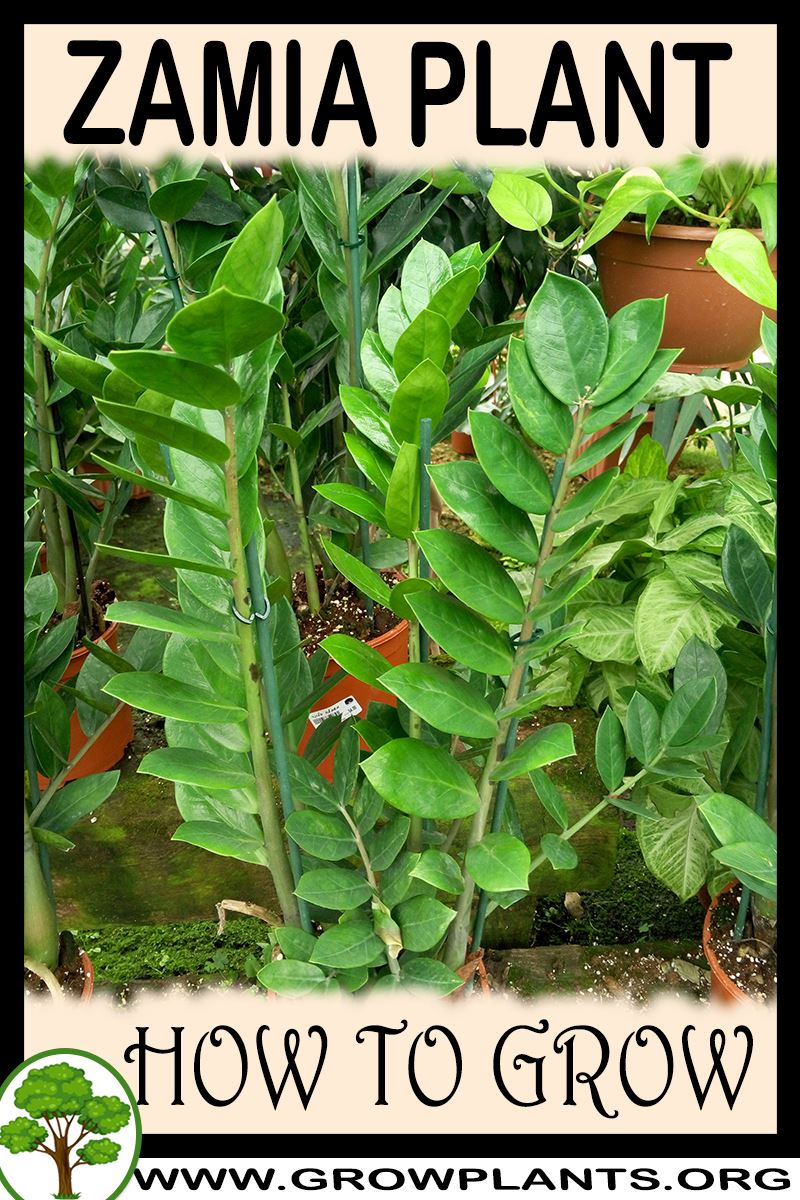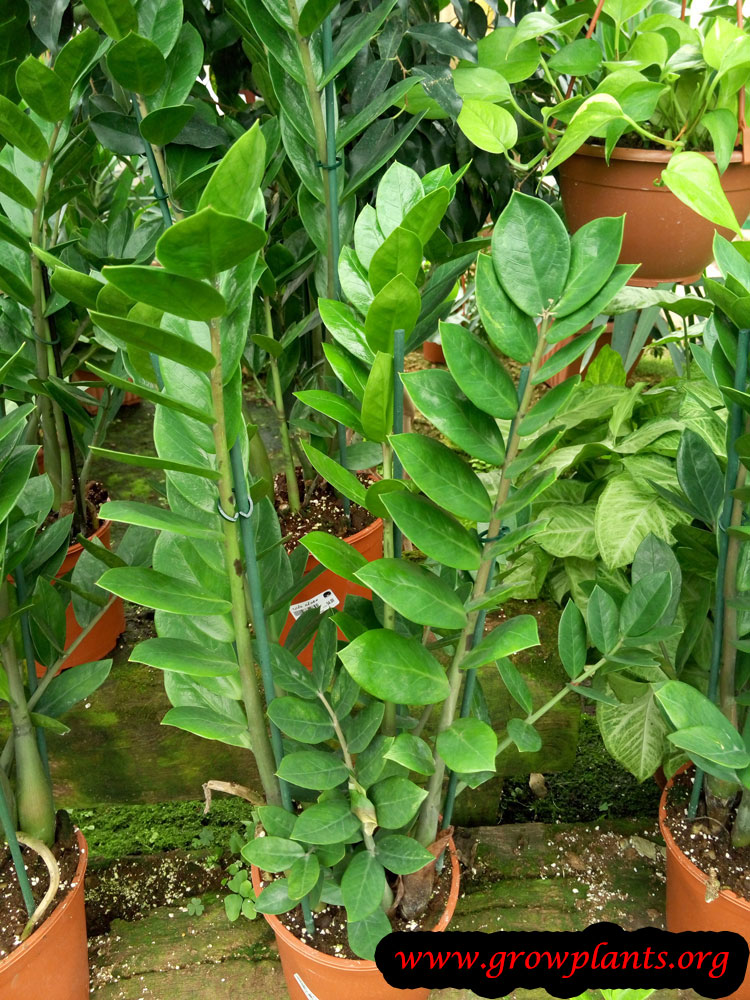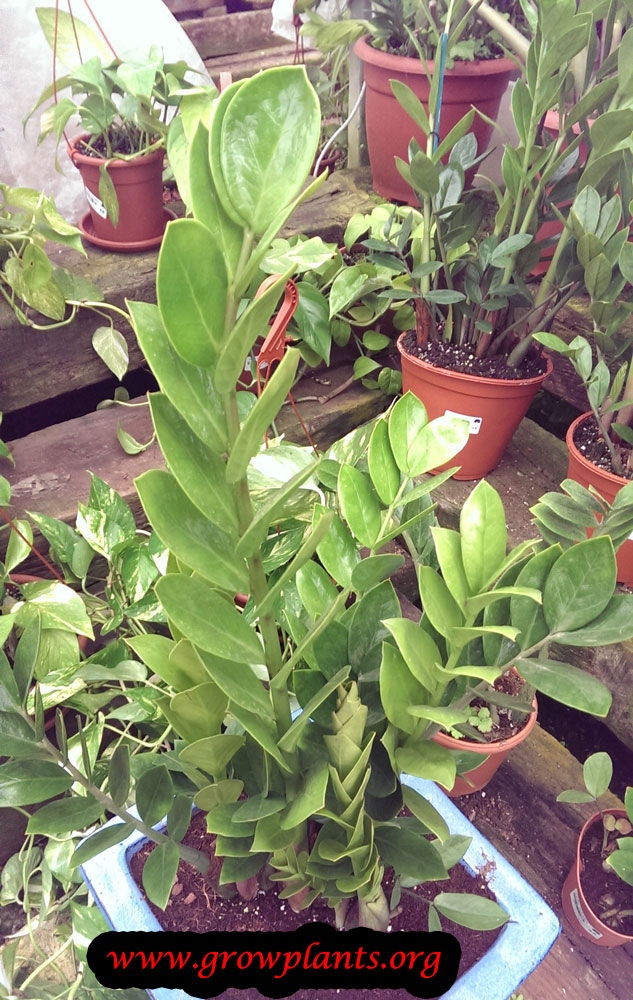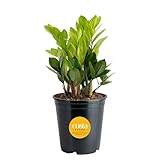

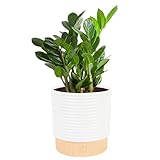


Plant Profile & Key Characteristics
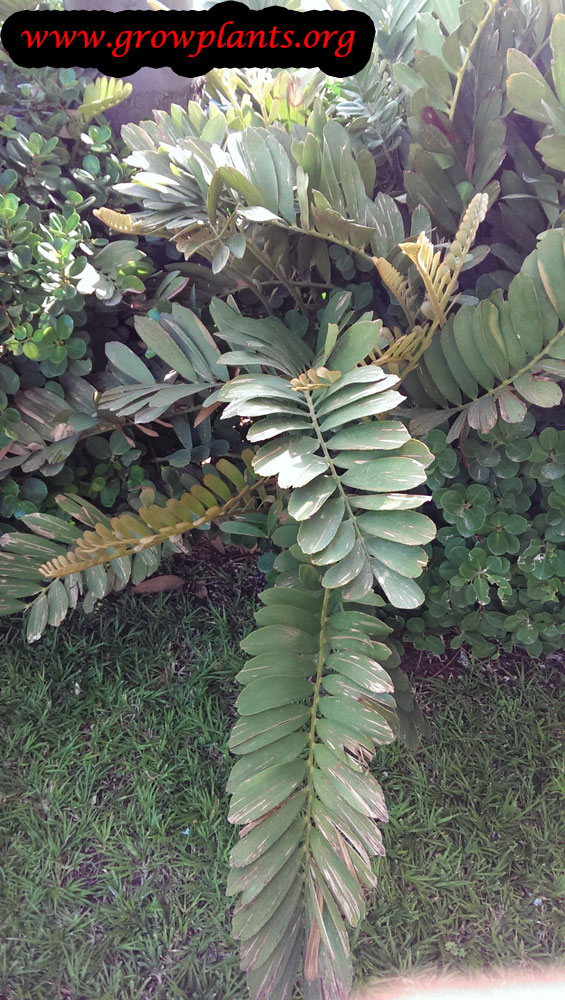
Overview: Zamia is a slow-growing evergreen cycad 0.5-1.5 m that forms a rosette of stiff, pinnate leaves. It is grown as a drought-tolerant ornamental, houseplant or bonsai, and all parts are highly toxic.
Quick Specifications
| Specification | Attribute |
|---|---|
| Plant Type / Life Cycle | Perennial |
| Foliage Type | Evergreen |
| Mature Size | 0.5-1.5 m (20-60 in) |
| Growth Rate | Slow |
| Root System | Short (often underground) stem with coralloid, nitrogen-fixing roots |
| Toxicity | Highly toxic (all parts) to people and pets |
| Hardiness | USDA zones 9+ |
Growth Form & Structure
- Height & Spread: 0.5-1.5 m; excellent in containers and grown indoors.
- Growth Habit & Form: Rosette of pinnate fronds from a short, often underground stem; very slow, especially when young.
- Lifespan & Maturity: Long-lived perennial; very slow growing.
Anatomy & Physical Features
- Leaves & Foliage: Green elliptic leaflets arranged pinnately in a rosette; stiff and leathery.
- Flower Characteristics: Not a true flowering plant – a dioecious cycad bearing brown-yellow cones, with male and female cones on separate plants.
Primary Uses & Landscape Value
- Functional & Ornamental Roles: Architectural ornamental, houseplant or bonsai; drought-tolerant.
Care Guide: Planting, Soil & Watering
Overview: Zamia is a slow-growing evergreen cycad for warm, frost-free climates (zone 9+) that is very drought-tolerant and adapts to full sun through full shade. It needs sharply drained soil and only moderate water, and makes a fine container or bonsai subject.
Quick Care Requirements
| Requirement | Ideal Condition |
|---|---|
| Planting Season | Year-round in warm climates; avoid winter planting in cooler areas |
| Growth Rate | Slow |
| Soil Type | Well-draining and gritty |
| Water Need | Moderate; let the soil dry somewhat between waterings |
Planting & Establishment
- Best Planting Season: In warm climates it can be planted year-round; in cooler areas plant outside in the warm season, not in winter. It tolerates only light cold, to about -4C.
- How to Plant:
- Hole Preparation: Dig a hole a little wider than the root ball in gritty, free-draining soil.
- Soil Amendments: Add coarse sand or grit to ensure fast drainage; the fleshy roots rot in wet ground.
- Planting Depth: Set the crown at soil level, keeping the swollen base from being buried too deep.
- Growth Speed & Expectations: Very slow, especially when young, eventually reaching about 0.5-1.5 m; patience is essential, which is what makes it a good long-term container and bonsai plant.
Soil, Watering & Drainage Care
- Soil Mix & Drainage Needs: Needs a very free-draining, gritty mix; excellent as a houseplant or bonsai in a well-drained pot.
- Watering Schedule & Technique:
- Young / Newly Planted: Water young plants sparingly but regularly, letting the mix dry between waterings.
- Established: Water moderately once established, always allowing the soil to dry out partly first.
- Seasonal Adjustments: Reduce watering markedly in winter and in low light.
Climate, Light & Hardiness
Zamia is a slow-growing tropical to subtropical cycad for warm, frost-free or nearly frost-free climates, also grown indoors, in containers and as bonsai. It takes full sun to full shade and is frost-sensitive - the site notes it should be kept above about −4 °C (25 °F) - so cold is the key limitation.
Quick Climate Specifications
| Climate Zones | Tropical, subtropical, Mediterranean, warm temperate, mild desert; indoors in cold regions |
| USDA Hardiness Zones | Approximately zone 9 and warmer (per site data) |
| Optimal Temp Range | Approximately 20–32 °C (68–90 °F) |
| Cold Damage Begins | Foliage suffers with frost near 0 °C (32 °F) |
| Approx. Survival Minimum | Around −4 °C (25 °F) per site data, briefly and for established plants |
| Frost Tolerance | Low |
| Light Conditions | Full sun to full shade |
Sunlight & Light Exposure
Optimal Light Setup
Full sun to full shade; bright light keeps growth compact, while it also grows, more slowly, in shade - useful for indoor and bonsai culture.
Direct Sun Requirement
Not essential; the plant adapts to a wide light range.
Shade & Heat Management
Protect soft new leaves from the most intense direct sun until they harden.
Temperature Extremes & Hardiness
USDA Hardiness & Regional Limits
The site places it around zone 9 and warmer and advises keeping it above roughly −4 °C (25 °F). Treat that figure as an approximate brief survival minimum for established plants; tolerance varies with plant age and conditions, and young plants are more sensitive.
Cold Damage & Winter Protection
Frost damages the foliage before the survival minimum is reached; in cold regions the site notes it is planted and pruned outdoors outside winter, or kept in containers moved under cover.
Frost Sensitivity
Frost-sensitive; keep it from hard or prolonged freezing.
Extreme Heat Tolerance
Good; a warmth-loving, drought-adapted cycad that handles heat with good drainage.
Wind, Humidity & Microclimate
Dry-Air Tolerance
Good; noted as drought-tolerant, and the leathery leaflets cope with dry air once established.
Wind Tolerance
Moderate; the firm fronds resist wind reasonably well.
Microclimate Recommendations
A warm, sheltered, well-drained, frost-free spot suits it outdoors; indoors give bright light and avoid cold draughts, and note pots chill faster at the roots in winter.
Growing in Pots, Balconies & Indoors
Zamia is a compact, drought-tolerant cycad the grower confirms can be grown indoors as a houseplant or even trained as a bonsai, as well as in ordinary containers. Its low rosette of stiff, glossy leaflets makes an easy, architectural indoor plant, and being slow and tender (zone 9+) it settles happily into pot life for years.
Quick Details
- Container Size: Snug – a 5-20 L (1.3-5 gal) pot suits this slow 0.5-1.5 m plant; it prefers to be a little pot-bound
- Indoor Suitability: A genuine houseplant (and bonsai subject) in bright light (grower: yes)
- Best Spot: Full sun to full shade – very adaptable, though brighter light gives sturdier growth
- Soil & Drainage: Very free-draining, gritty mix (grower: well-drained, keep above about -4C)
- Watering in Pots: Average but careful – let the top dry between waterings; never leave it soggy
Indoors & On the Windowsill
- A true houseplant: Give it a bright spot; it is tolerant, slow and undemanding, making a fine long-term indoor plant or bonsai.
- Care indoors: Water when the top of the mix dries, feed sparingly, and be patient – it grows very slowly, especially when young.
- Overwintering: Being tender, container culture lets you keep it indoors in cold climates or bring an outdoor pot in before frost.
On a Balcony or Patio
- Light & shelter: A warm, bright to partly shaded patio suits it in the growing season; increase sun exposure gradually.
- Watering: Let pots dry between waterings even outdoors – this drought-tolerant plant rots in wet soil.
Choosing the Pot, Soil & Long-Term Care
- Pot & drainage: A pot with strong drainage holes; skip a standing water saucer so roots never sit wet. Terracotta breathes and dries well between waterings.
- Potting mix: A gritty, very free-draining mix – potting compost with coarse sand, grit or perlite.
- Feeding: Feed lightly once or twice in the growing season; nutrients leach from pots, but this slow plant needs little.
- Repotting: It resents disturbance and grows slowly – repot only every few years, refreshing the top mix in between.
- Safety: All parts are poisonous – keep it well away from children and pets, and wash hands after handling.
Fertilizing & Feeding
A slow-growing, light feeder – a little balanced fertilizer with micronutrients during warm-season growth is all it needs, and none while it rests.
Quick Fertilizing Specs
| Feeding Level | Light |
|---|---|
| Main Nutrient Priority | A balanced complete feed with micronutrients |
| Best Feeding Period | Warm active growing season |
| Organic Options | Compost or slow-release organic granules |
| Micronutrients | Watch for manganese and magnesium on a palm-type feed |
| Soil pH | Well-drained soil; adaptable, near neutral |
| Reduce/Stop Feeding | Ease off feeding in the cool, low-growth season |
Feeding by Growth Stage
Newly planted / establishing
Encourage steady root establishment on a slow-growing plant without pushing soft growth.
| Nutrient direction | A gentle, balanced complete fertilizer after new growth appears; keep it light. |
|---|---|
| Timing | After planting, as the plant settles and begins to root. |
| Frequency | A light feeding during the warm active growing season is usually enough. |
| Fertilizer types | A balanced complete fertilizer, Slow-release granular fertilizer |
| Precautions | Avoid heavy feeding; excess fertilizer salts can scorch the roots of a slow grower. |
Active growth (warm season)
Support new frond flushes and firm, green foliage during the warm growing season.
| Nutrient direction | A balanced complete fertilizer that also supplies micronutrients; keep feeding light and steady. |
|---|---|
| Timing | Through the warm active growing season when new fronds emerge. |
| Frequency | Light feedings spread across the growing season; this is a slow, low-demand plant. |
| Fertilizer types | A balanced complete fertilizer with micronutrients, Slow-release palm-and-cycad type fertilizer |
| Routine trace nutrients | manganese, magnesium |
| Precautions | Avoid overfeeding; cycads are slow feeders and are prone to fertilizer burn. |
Cool-season rest
Let the plant rest while growth is minimal in cool or low-light conditions.
| Nutrient direction | None – withhold fertilizer while the plant is not actively growing. |
|---|---|
| Timing | During cool or dim months when frond production stops. |
| Frequency | No feeding at this stage. |
| Fertilizer types | No feeding at this stage until warm-season growth resumes. |
| Precautions | Do not fertilize a resting plant; wait for active growth to return. |
Nutrient Deficiency Signs & Corrections
New fronds emerge small, yellowish and weak, with frizzled or dead leaflets (“frizzle top”).
| Possible causes | Low manganese availability, High or alkaline soil pH reducing manganese uptake, Cold, wet or poorly drained soil limiting root function |
|---|---|
| Appears first on | Newest emerging fronds |
| What to check | soil pH, drainage and root health, whether feeding includes micronutrients |
| Possible correction | Correct soil pH and drainage, and apply a manganese-containing product following its label. |
Older, lower fronds show yellowing along the margins while the centre stays greener.
| Possible causes | Low magnesium availability, Leaching from sandy or container soils, Competition from high potassium |
|---|---|
| Appears first on | Older, lower fronds |
| What to check | soil test for magnesium, recent leaching or heavy watering, overall fertilizer balance |
| Possible correction | Apply a magnesium source such as a labelled Epsom-salt or dolomitic product following its guidance. |
Frond tips and margins turn brown and scorched, often after feeding.
| Possible causes | Excess fertilizer salts in the root zone, Insufficient leaching or watering, Feeding a plant that is not actively growing |
|---|---|
| Appears first on | Frond tips and margins |
| What to check | recent fertilizer applications, soil drainage, how thoroughly the plant is watered |
| Possible correction | Water thoroughly to flush excess salts and lighten future feeding. |
Pruning, Training & Seasonal Maintenance
Zamia is a cycad – a small, slow, rosette-forming plant with a single growing crown, not a palm despite the look of its pinnate leaves. Pruning tolerance is very low: the only routine work is removing fully dead or damaged fronds, because the green fronds feed the plant and the crown cannot be cut back or reshaped. Grown outdoors, in a pot or trained as a bonsai, the approach is the same – tidy spent leaves and otherwise leave it alone.
Quick Pruning & Maintenance Specs
| Pruning Tolerance | Very low – sanitary frond removal only |
| Primary Pruning Window | Any time a frond is fully dead; in cold climates avoid winter |
| Typical Frequency | Once or twice a year; very slow-growing |
| Main Objective | Remove spent fronds and old cones; protect the single crown |
| Young Plant Priority | Keep every healthy frond – young Zamia grows especially slowly |
| Mature Plant Priority | Tidy fully-browned outer fronds and spent cones |
| Best Tool Type | Bypass secateurs or precision snips; a clean knife for offsets |
| Avoid Heavy Pruning During | The soft new-frond flush, and (in cold areas) winter |
Pruning by Plant Age & Size
Newly Established
Remove only broken or fully dead fronds. The source notes Zamia is especially slow when young, so preserving leaf area matters even more than with faster plants.
Young / Formative
No structural training is possible – there is one crown and no branches. For a bonsai, character comes from the swollen caudex and frond arrangement, not from directional cuts.
Mature / Established
Take off only fronds that are fully brown at the base, plus dried cones. Offsets around the base may be left for a clump or detached cleanly for propagation.
Seasonal Pruning Schedule
Ongoing Sanitary
Objective: remove spent fronds and reduce refuges for the weevils that are this plant’s main pest. Remove: fully brown fronds and old cones at any time (skip winter in cold climates). Do NOT remove: partly-green fronds still feeding the plant. Expected response: no regrowth from the cut – a new flush appears only from the crown when the plant is ready.
Structural Pruning & Training
None applies. Thinning the small crown simply weakens the plant; there is nothing to train or reduce.
Special Growth to Remove
- Dead fronds – remove once fully brown, leaving a short stub at the caudex.
- Spent cones – dioecious; dried cones can be removed once finished.
- Basal offsets – keep for a fuller clump or detach for propagation.
Container & Small-Space Pruning
Zamia is a common houseplant and bonsai subject; keep to removing spent outer fronds only. Do not root-prune to miniaturise it – it resents root disturbance and is slow to recover; control size through pot choice and its own slow habit instead.
Tools
The relatively slender fronds part cleanly with precision snips or bypass secateurs; a sharp clean knife is best for separating offsets. No saw, loppers or shears are needed.
Tool Hygiene & Disease Risk
Increased risk: the plant is poisonous, so wear gloves and wash tools and hands; clean cuts also limit the crown and caudex rots that follow wet, ragged wounds. Wipe blades between plants when weevil or scale damage is present.
Cut Placement & Technique
Cut spent fronds a short distance from the caudex, not flush into it, and never cut the central crown.
Heavy Pruning & Rejuvenation
Not tolerated. With a single growing point, Zamia cannot be cut back for size or rejuvenated; destroying the crown ends the plant unless it pushes offsets from the base.
Post-Pruning Care
Minimal – keep the cut area on the dry side and avoid overwatering, the usual cause of rot after frond removal. No feeding is prompted by pruning.
Common Pruning Mistakes
- Removing green fronds to “neaten” a slow plant that cannot replace them quickly.
- Root-pruning hard for bonsai and triggering caudex rot.
- Cutting the crown, which cannot regrow.
When NOT to Prune
Do not prune during the soft new flush, in winter in cold climates, or on a freshly repotted plant; and never strip green fronds for looks.
Recommended Tools (by task)
- precision_snips – for the slender fronds and neat work on a small or bonsai plant.
- bypass_secateurs – for thicker frond bases close to the caudex.
- blade_disinfectant – given the toxic sap and to limit rot between plants.
Pruning Troubleshooting
| Problem | Possible Cause | What to Check | Corrective Action |
| Crown pales after tidying | Too many living fronds removed | Count of remaining green fronds | Stop cutting; allow the slow next flush to restore leaf area |
| Caudex soft after root-prune | Rot from root disturbance / overwatering | Firmness of the caudex and soil moisture | Ease off water, remove rotten tissue, keep dry until firm |
| No new leaves for months | Normal slow habit | Whether the crown is firm and intact | Wait; do not prune to “stimulate” growth |
Propagation Guide
Zamia is a dioecious cycad increased from seed or from basal offsets. Seed requires separate male and female plants and usually hand pollination, so offsets are often the more practical way to reproduce a plant reliably. Growth is slow while young, and cycads are not grafted.
Quick Propagation Specs
| Best Propagation Method | Basal offsets, or seed |
| Alternative Methods | Seed (needs male and female plants) |
| Propagation Difficulty | Moderate |
| Seed True-to-Type | Variable — the sexes are on separate plants |
| Vegetative True-to-Type | Yes |
| Best Propagation Season | The warm season |
| Germination Temperature | 25–30°C (77–86°F) |
| Seed Sowing Depth | Laid on its side, half-buried |
Growing from Seed
Seed Handling & Viability
Seed is recalcitrant; sow fresh, remove the fleshy outer coat, and do not let it dry out. Viable seed needs both a male and a female plant and usually hand pollination.
Sowing Depth & Orientation
Lay each seed on its side, half-buried in a warm, gritty, free-draining medium.
Germination Conditions
Warm and humid, about 25–30°C (77–86°F).
Germination Time
Slow and erratic, often over many months, and seedlings then grow slowly.
Division, Offsets, Pups & Suckers
Where a basal offset forms, remove it with a clean cut, let the wound callus and dry for several days, then pot into a very free-draining medium kept warm and barely moist. Rooting is slow, and firm offsets are the most reliable.
Bloom & Flower Guide
Quick Details
- Cone Season: Can appear at any time of year
- Flower Appearance: Not a true flower – plants are male or female and bear brown-yellow cones; male cones are slender, female cones stouter
- Edibility: Highly toxic – all parts contain harmful compounds; never eat any part
Detailed Blooming Overview
Zamia is a group of small, palm-like cycads – cone-bearing gymnosperms rather than true flowering plants, so they produce cones instead of flowers. Male and female plants are separate, each carrying brown-yellow cones that can appear at almost any time of year, with male cones slender and female cones stouter. As with all cycads every part is highly poisonous to people and pets, so it is grown only as an ornamental.
Flower Characteristics
- Reproductive structures are cones, not flowers, as in all gymnosperms
- Separate male and female plants (dioecious), in brown-yellow tones
- Male cones slender, female cones stouter and more barrel-like
Bloom Care & Thinning
- Managing the cone: cones form occasionally on mature plants and need no special care
- Seed set: grown as an ornamental; seed only forms where both a male and a female plant are present
- Safety: keep the plant and any shed material away from children and pets – all parts are toxic
Pests, Diseases & Troubleshooting
Zamias are slow, tough cycads with a short but serious pest and problem list. The devastating one is cycad aulacaspis scale, which can smother and kill a plant; mealybugs, other scale, cycad weevils and mites are secondary. Diseases are few, but root and crown rot from overwatering is the usual killer, and the classic abiotic disorders are manganese and magnesium deficiency (‘frizzle top’) and cold or sun damage. All parts are highly poisonous. Species-level details are uncertain here.
Quick Troubleshooting Overview
| Issue / Pest | Main Symptom | Primary Solution |
|---|---|---|
| Cycad aulacaspis scale | White crusty scale coating leaves and roots | Isolate, oil sprays, remove badly infested fronds |
| Mealybugs / scale | White fluff or bumps in the crown | Wipe, alcohol, horticultural oil |
| Root & crown rot | Yellowing, soft base, collapse | Ease watering, gritty mix, improve drainage |
| Frizzle top (Mn deficiency) | New leaves yellow, frizzled, dying back | Apply manganese (and magnesium) feed |
| Cold / sun damage | Bleached or blackened fronds | Shelter from frost; acclimatise to sun gradually |
Common Pests & Management
- Cycad aulacaspis scale (Aulacaspis yasumatsui):
- Symptoms: A white, crusty encrustation of tiny scales coating the undersides of fronds, then the tops, stems and even the roots; it multiplies explosively and can yellow, brown and kill a cycad within months – by far the most dangerous pest of the group.
- Prevention & Control: Act early and isolate infested plants: prune off and bag heavily encrusted fronds, then spray thoroughly with horticultural or fish oil (which smothers scale) to all surfaces, repeating every week or two, and treat the soil since it infests roots. Encourage or introduce the specialist predatory beetle where available; persistent, repeated treatment is essential.
- Mealybugs (Pseudococcus / Planococcus spp.):
- Symptoms: White cottony clusters in the crown and among emerging leaves, with honeydew and sooty mould, weakening new growth.
- Prevention & Control: Dab with alcohol on a cotton bud and wash off, then treat with horticultural oil or insecticidal soap; check the roots of potted plants when repotting.
- Scale insects (Coccus / Aspidiotus spp.):
- Symptoms: Brown or waxy bumps on fronds and stems, sapping vigour and producing honeydew.
- Prevention & Control: Wipe or scrape off, prune badly infested fronds, and smother with horticultural oil, repeating for crawlers.
- Cycad weevils (Rhopalotria / Curculionidae):
- Symptoms: Weevils whose larvae bore into the cones and, in some cases, the crown and stem – the ‘weevil’ noted in the source; usually minor but can damage cones and new growth.
- Prevention & Control: Remove and destroy infested cones, keep the plant vigorous, and physically remove weevils; chemical control is rarely needed for a garden plant.
- Two-spotted spider mite (Tetranychus urticae):
- Symptoms: Fine pale stippling that bronzes whole leaves, with delicate webbing on the undersides and growing tips in hot, dry, dusty spells; heavily fed leaves dry and drop. Look for the moving specks with a hand lens.
- Prevention & Control: Raise humidity and hose foliage down regularly, and never let plants suffer dust or drought stress. Introduce predatory mites (Phytoseiulus persimilis) under cover. Treat hot-spots with insecticidal soap or horticultural oil, repeating at 5-7 day intervals to catch newly hatched mites.
Diseases & Fungal Issues
- Root & crown rot (Phytophthora / Pythium spp.):
- Symptoms: Yellowing fronds, a soft or blackened caudex (stem base) and collapse in wet, airless soil – the commonest cause of death, as cycads resent constant moisture.
- Treatment & Management: Grow in a very free-draining, gritty mix, let the soil dry well between waterings, and never leave the plant waterlogged; cut away rotted tissue, dust with fungicide, and repot into fresh dry mix to recover a rotting plant.
- Fungal leaf spot (Colletotrichum / Cercospora spp.):
- Symptoms: Brown or black spots and blotches on the fronds in humid, crowded conditions; largely cosmetic on an established plant.
- Treatment & Management: Improve airflow, avoid overhead watering, and remove badly spotted fronds; a copper fungicide is rarely needed.
Growing Difficulties & Abiotic Problems
- Overwatering / root rot:
- Cause & Symptoms: As a slow, drought-adapted cycad, Zamia is far more often killed by too much water and heavy soil than by drought or any pest.
- Correction Strategy: Use a gritty, sharply drained medium, water thoroughly then wait until it is dry, and reduce watering sharply in cool weather.
- Frizzle top (manganese/magnesium deficiency):
- Cause & Symptoms: New fronds emerge yellow, weak and ‘frizzled’ and die back when manganese (and sometimes magnesium) is deficient or locked up in wet or alkaline soil – a classic cycad disorder.
- Correction Strategy: Apply a manganese sulphate feed (and magnesium if needed) as a soil or foliar treatment, correct drainage and pH, and feed with a cycad/palm fertiliser containing micronutrients.
- Slow growth & cold/sun damage:
- Cause & Symptoms: Young plants grow very slowly (as the source notes), and fronds bleach in sudden strong sun or blacken in frost.
- Correction Strategy: Be patient and feed lightly, acclimatise shade-grown plants to sun gradually, and shelter from frost. Remember all parts are poisonous – site away from children and pets and wear gloves when handling.
What Helps – Products & Tools
The critical tool is horticultural or fish oil, applied thoroughly and repeatedly to all surfaces and the soil, against cycad aulacaspis scale – the pest most likely to kill the plant – with insecticidal soap and alcohol swabs for mealybug and scale. For health, a gritty free-draining mix and a manganese/magnesium micronutrient feed matter more than any fungicide.