

Plant Profile & Key Characteristics
Overview: A herbaceous geophyte genus grown as ornamentals for their bright five-petalled or double flowers, mostly 20-40 cm (8-16 in) tall. Perennial or annual depending on species, dying back after flowering.
Quick Specifications
| Specification | Attribute |
|---|---|
| Plant Type / Life Cycle | Herbaceous perennial or annual (geophyte) |
| Foliage Type | Deciduous (dies back after flowering) |
| Mature Size | 20-40 cm (8-16 in) typical |
| Growth Rate | Moderate |
| Root System | Geophyte — tuberous or fibrous rootstock (varies by species) |
| Toxicity | Toxic — contains irritant protoanemonin; the sap irritates skin and it is harmful if eaten |
| Hardiness | USDA zones 5-11a |
Growth Form & Structure
- Height & Spread: Typically 20-40 cm (8-16 in) in the ground or in pots, where the plant grows well.
- Growth Habit & Form: Low clump-forming herbaceous plant rising from an underground rootstock.
- Lifespan & Maturity: Flowers in the season it is planted; hardy types return each year, tender ones lifted or grown as annuals.
Anatomy & Physical Features
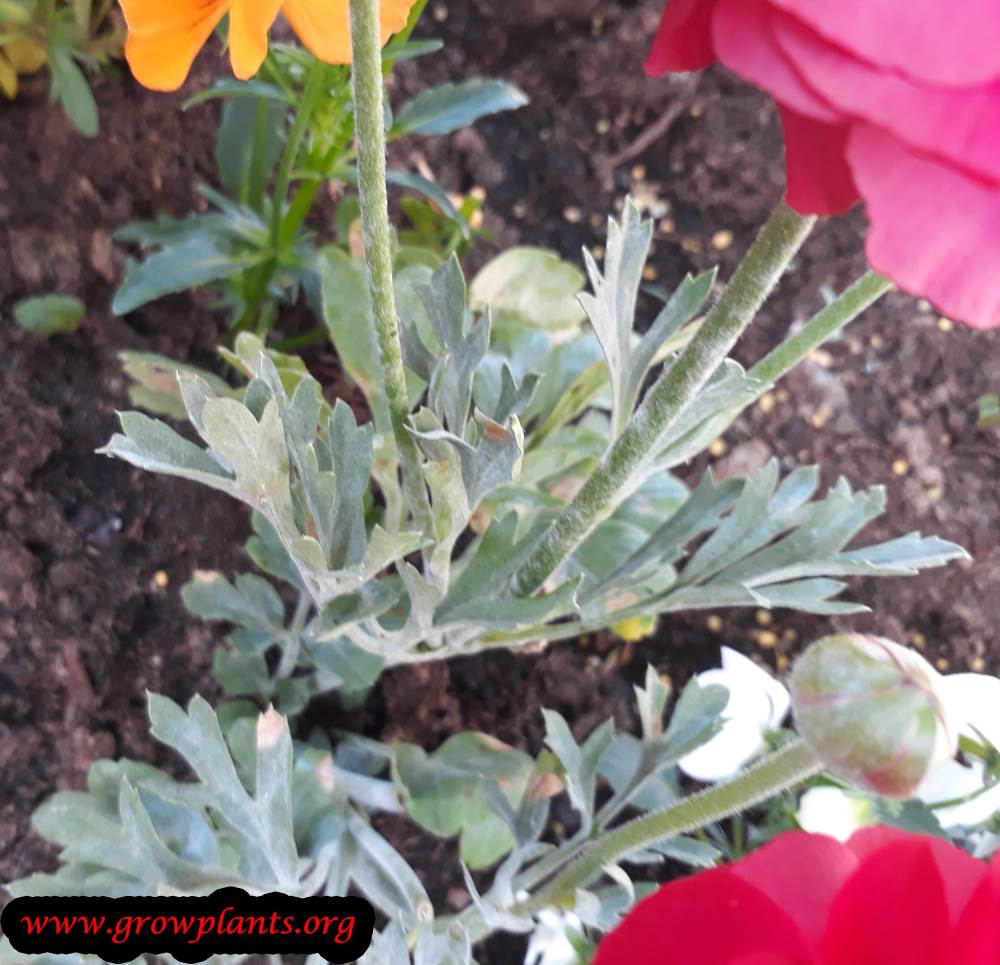
- Leaves & Foliage: Green leaves, pinnate and grouped in threes, lobed to deeply lobed.
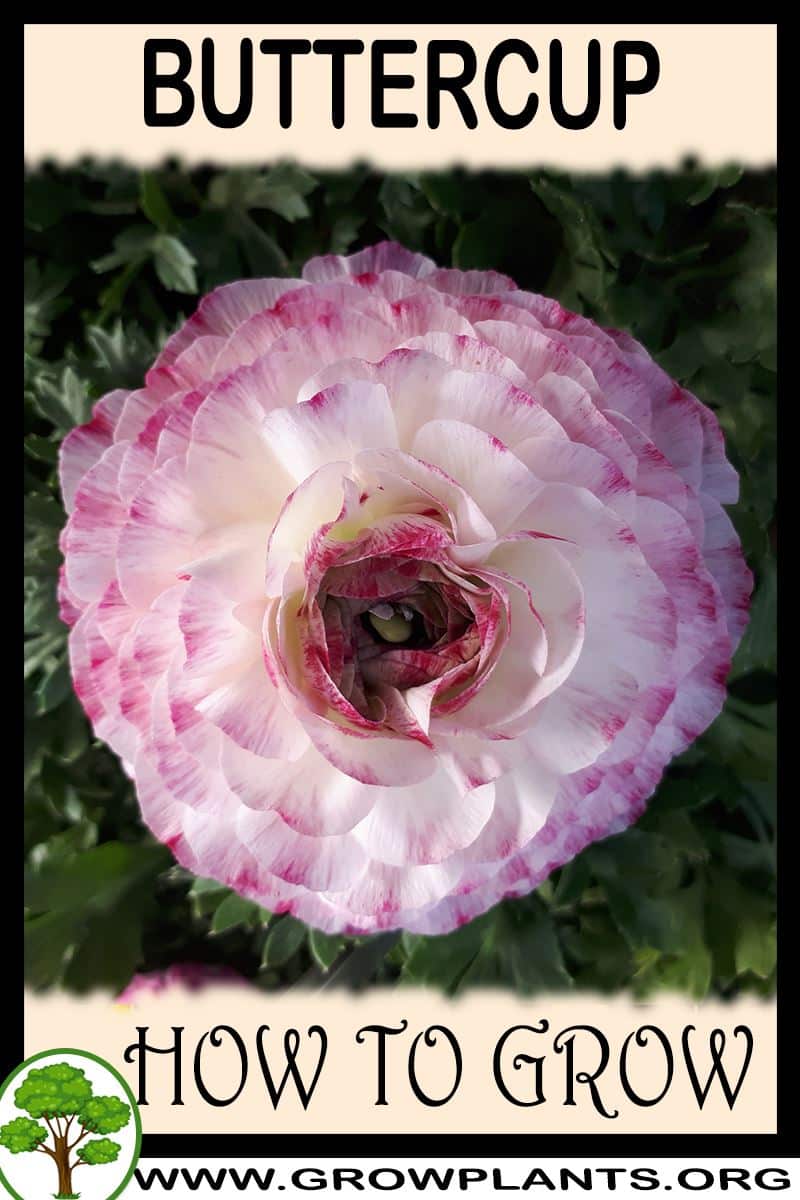
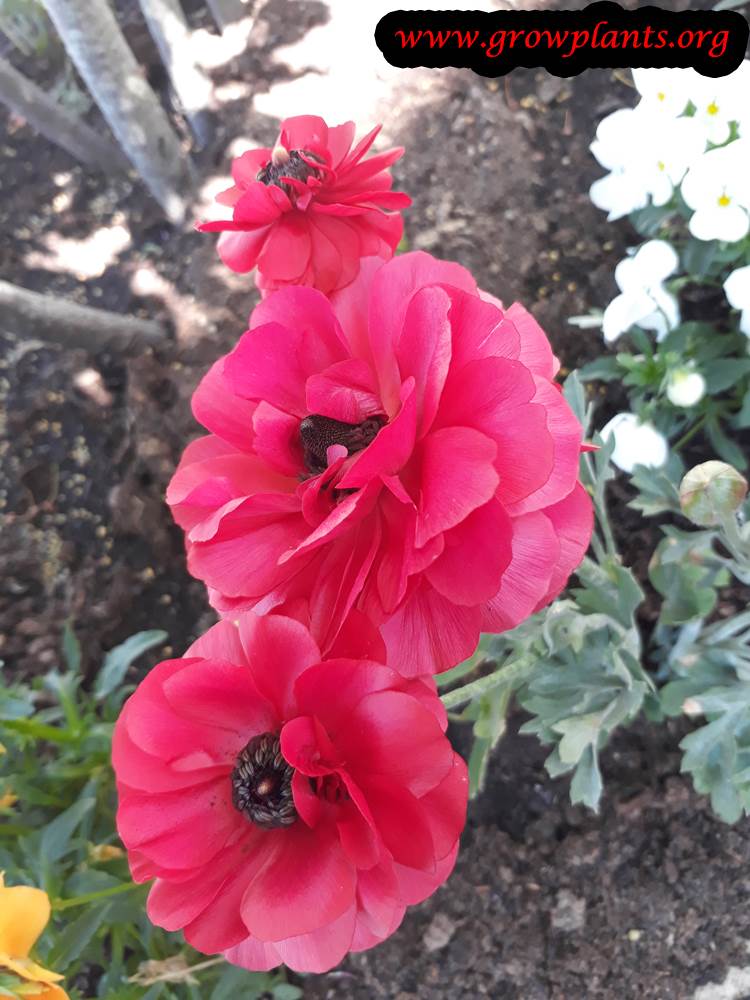
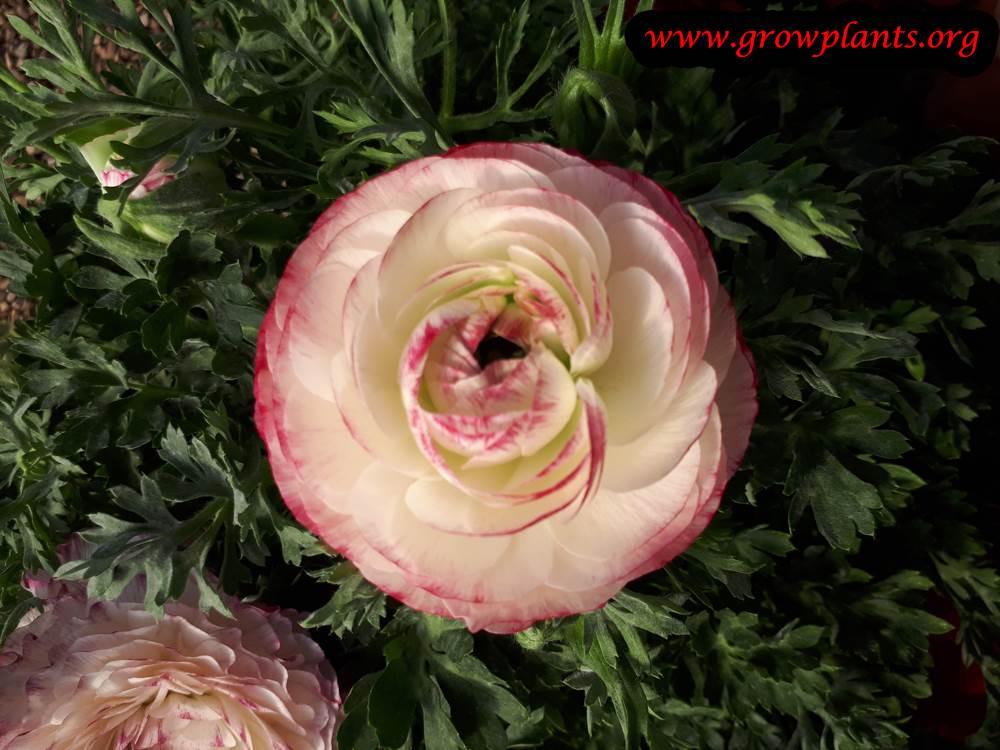
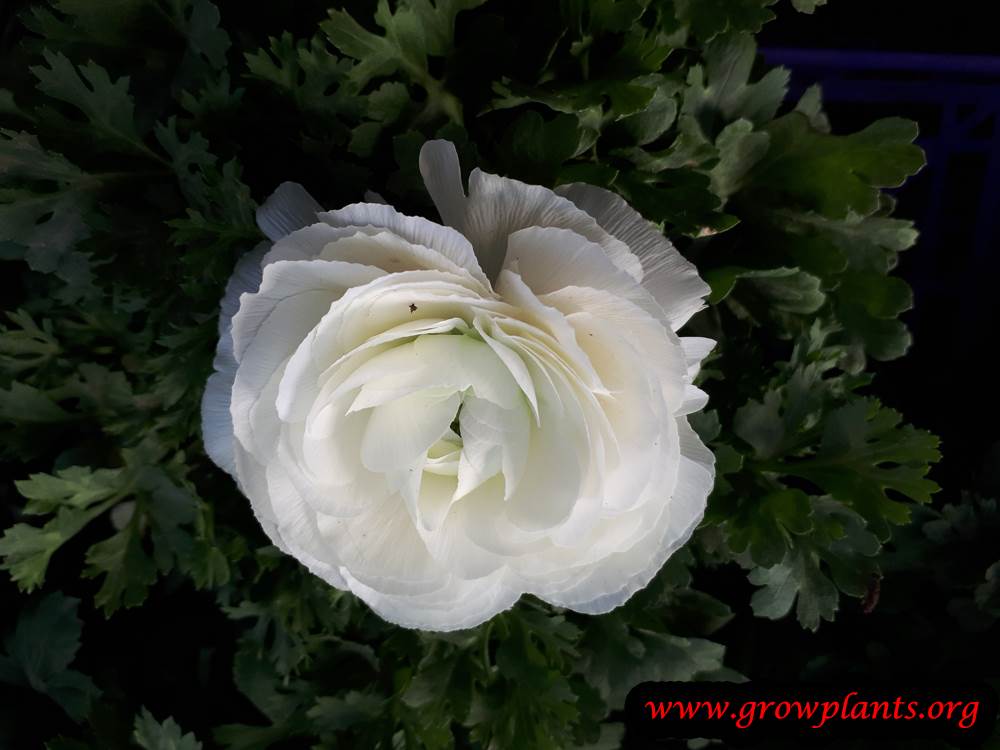
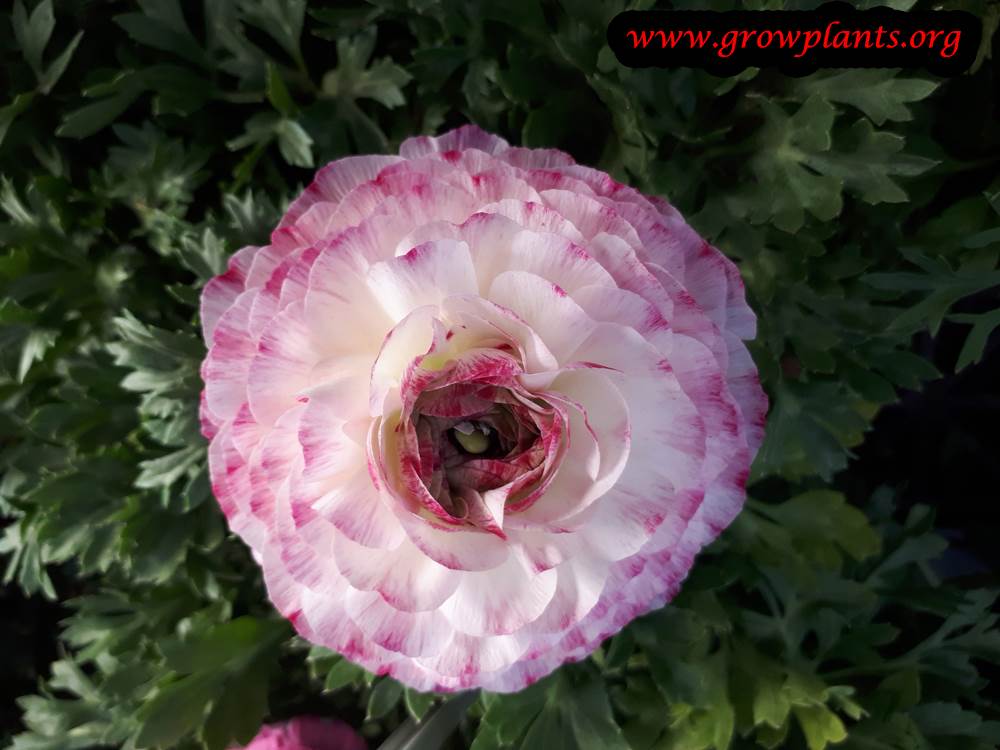
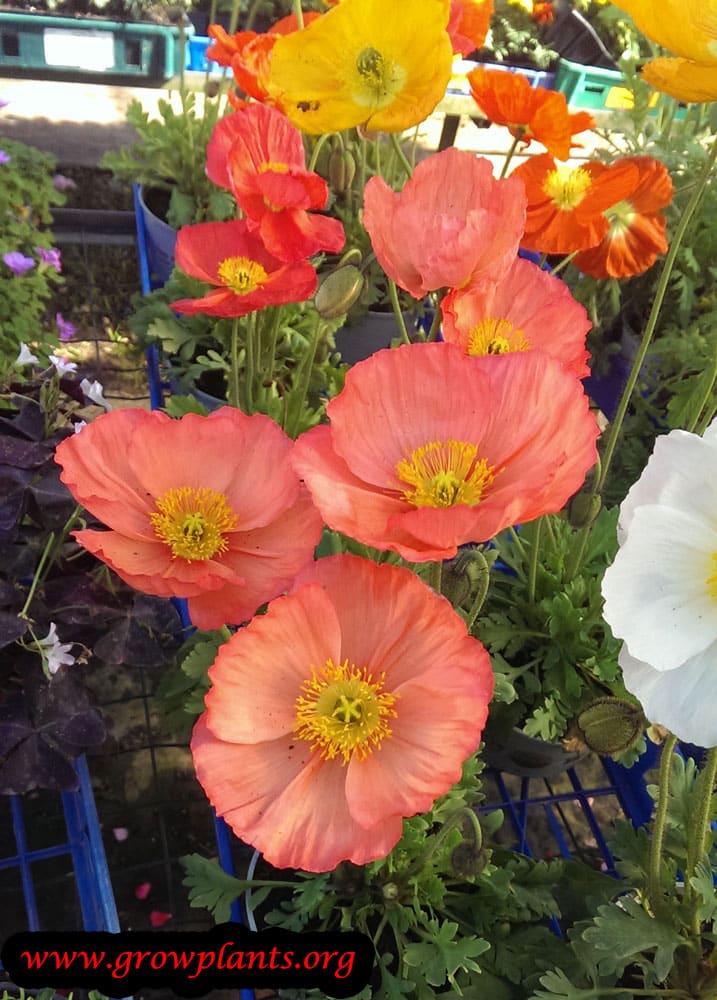
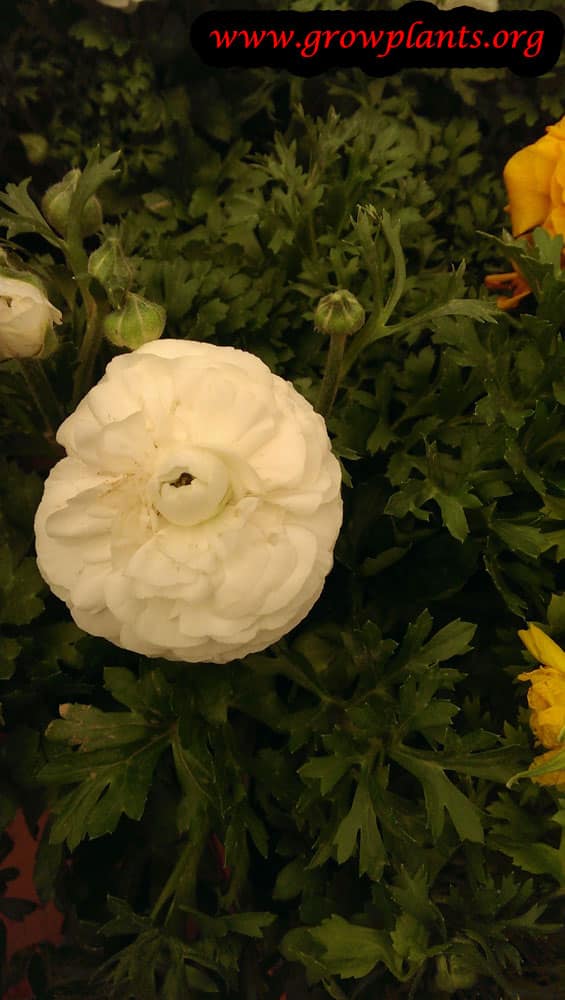
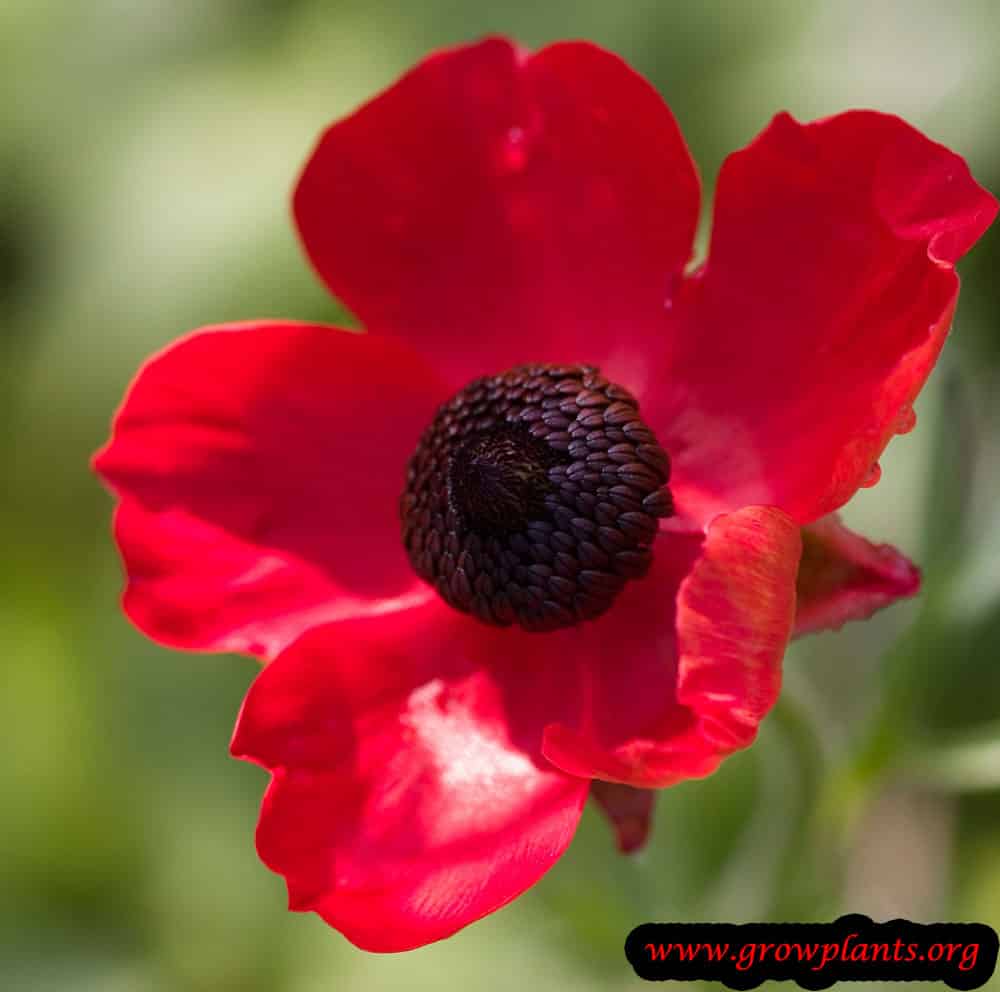
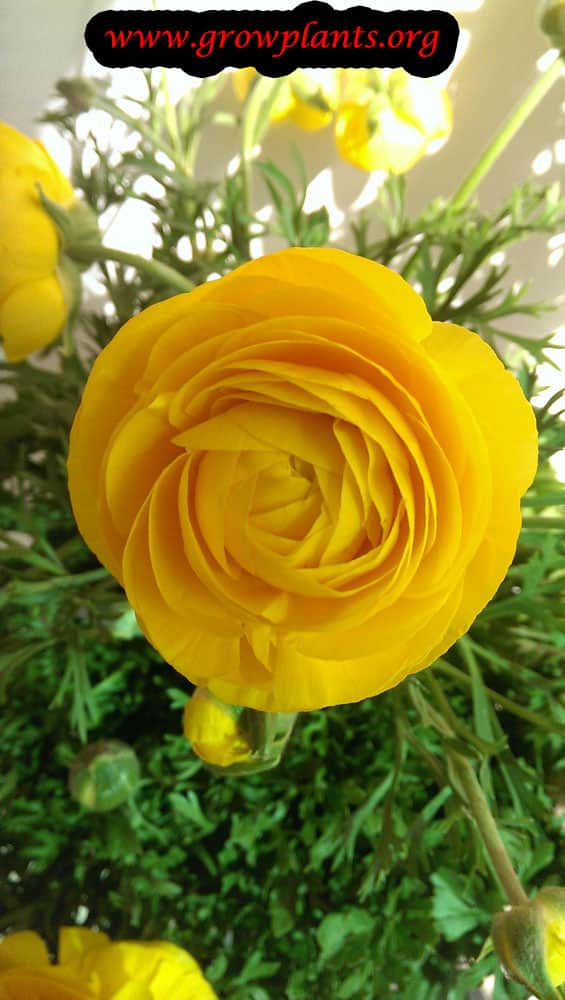
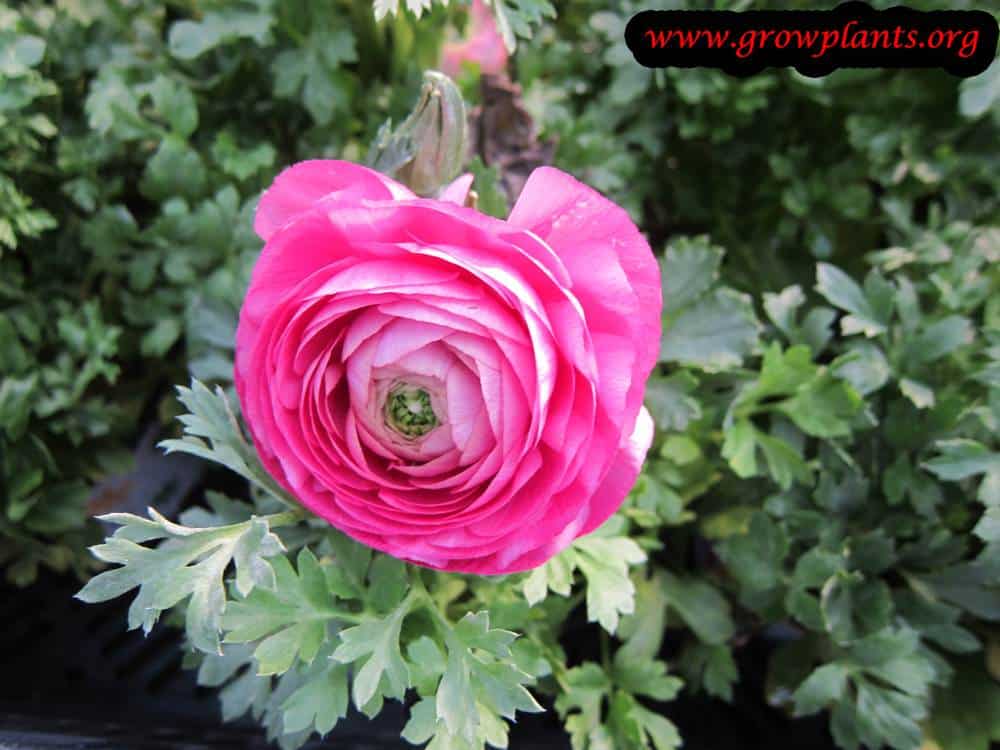
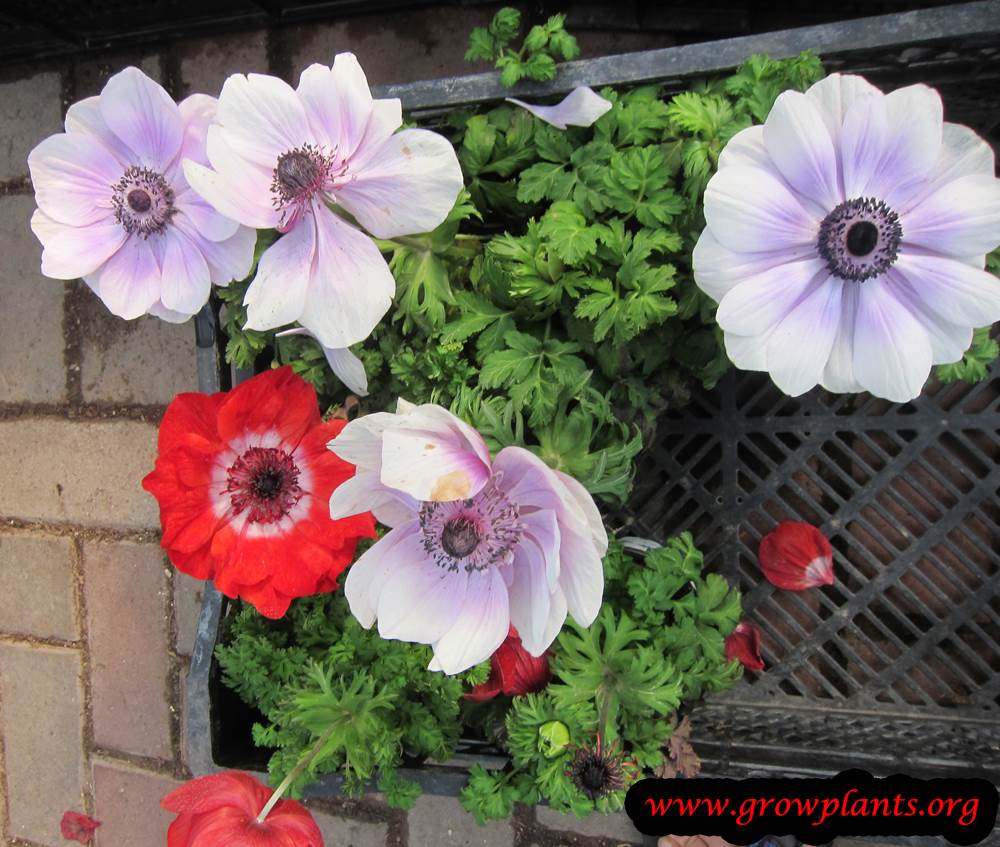
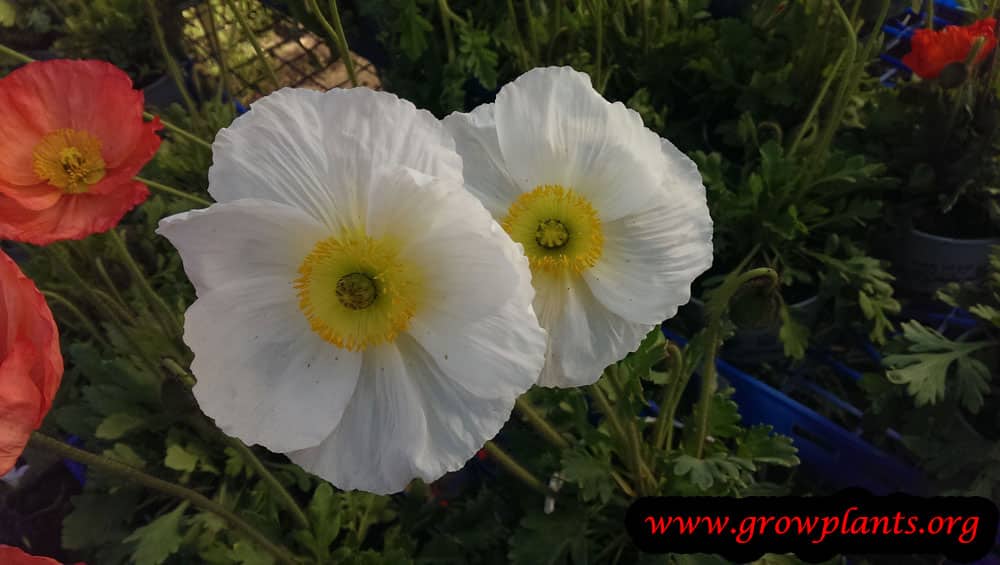
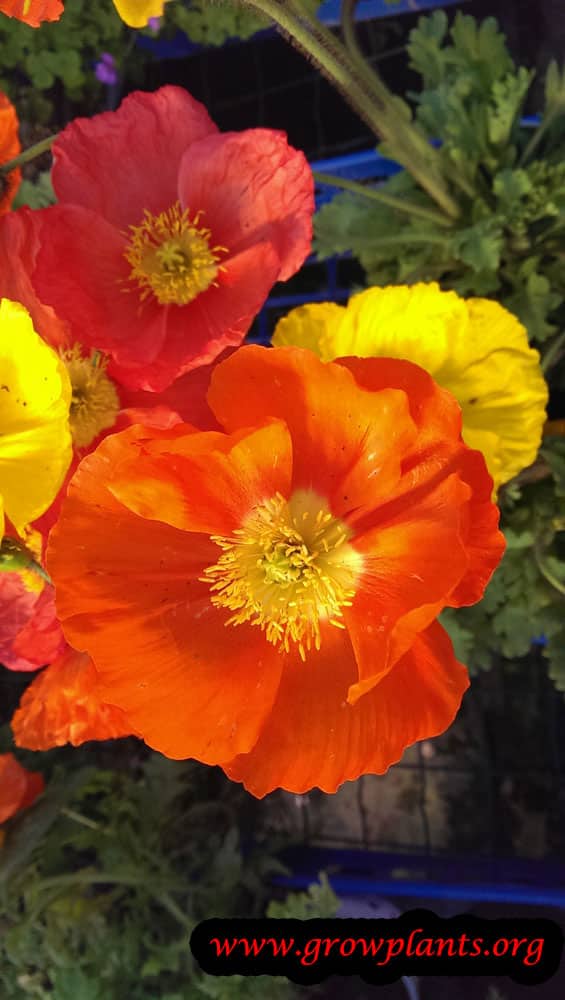
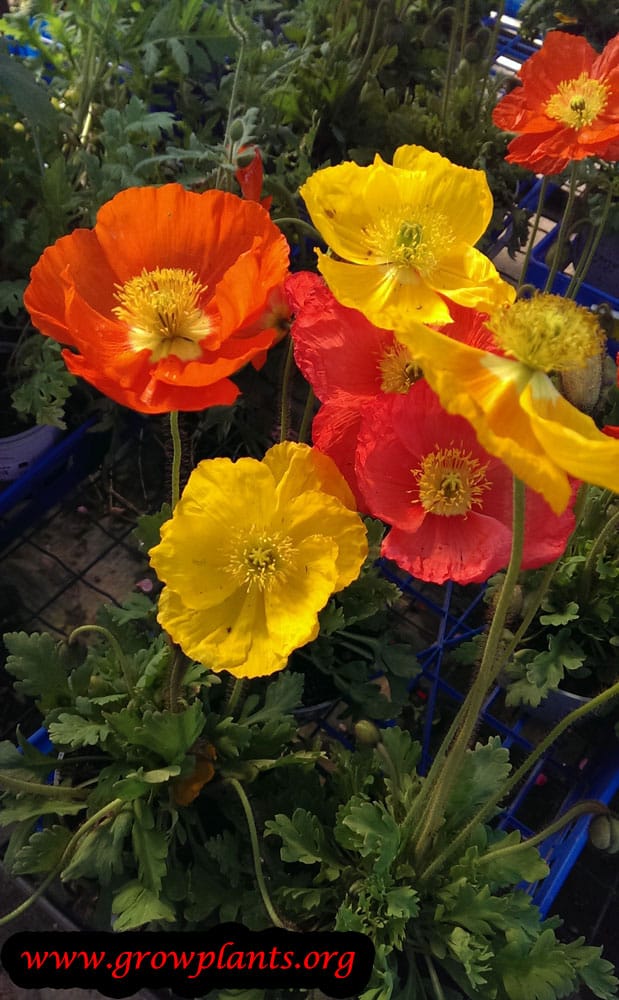
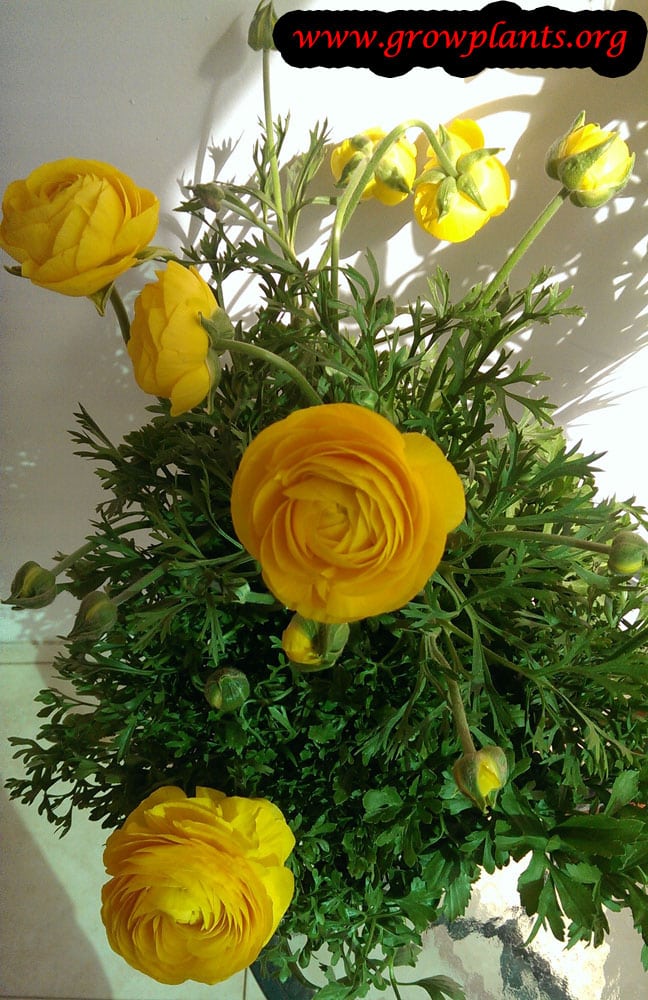
- Flower Characteristics: Five-petalled or many-petalled blooms in red, yellow, pink, purple, orange or white.
Primary Uses & Landscape Value
- Functional & Ornamental Roles: Bedding, border and container ornamentals, and popular cut flowers.
Care Guide: Planting, Soil & Watering
Overview: Buttercup (Ranunculus) is a tuberous, deciduous perennial grown for its brilliant, often multi-petalled flowers, suited to mediterranean, subtropical and temperate climates (hardiness zone 5-11a). A cool-season grower, it wants well-draining soil and part shade, takes moderate water while in growth, and goes dormant in summer heat. All parts are toxic.
Quick Care Requirements
| Requirement | Ideal Condition |
|---|---|
| Planting Season | In spring, or in autumn to winter in mild-winter climates |
| Growth Rate | Moderate |
| Soil Type | Well-draining, fertile; moderate moisture |
| Water Need | Moderate while in growth; dry when dormant |
Planting & Establishment
- Best Planting Season: Plant the tubers (claws) in spring in colder areas, or in autumn to winter where winters are mild, so they grow and flower through the cool season and rest in summer.
- How to Plant:
- Hole Preparation: Loosen a well-drained bed or fill a pot with free-draining mix; soak the dry tuberous claws for a few hours first, then set them with the claws pointing downwards.
- Soil Amendments: Work in compost or organic matter for fertile, free-draining soil; sharp drainage is essential, as the tubers rot in cold, wet ground.
- Planting Depth: Plant the tubers a few centimetres deep with the prongs facing down, or set transplants at the level they were growing.
- Growth Speed & Expectations: A moderate grower reaching about 20-40 cm; after flowering the foliage dies back and the tuber rests through summer.
Soil, Watering & Drainage Care
- Soil Mix & Drainage Needs: Free-draining soil is essential to prevent the tubers rotting; in containers use a well-draining potting mix and avoid a permanently wet saucer.
- Watering Schedule & Technique:
- Young / Newly Planted: After planting, keep the soil lightly moist to start the tubers into growth without waterlogging them.
- Established: Water moderately and evenly through the growing and flowering season, letting the surface dry slightly between waterings.
- Seasonal Adjustments: Reduce water as the leaves yellow after flowering and keep the dormant tubers dry through summer; water more in warm, dry spells during active growth.
Climate, Light & Hardiness
Garden buttercup grows as a cool-season geophyte across Mediterranean, subtropical, and temperate climates, doing best in half shade with moderate winter cold tolerance; because it is typically grown from corms, treat the zone range below as a general guide rather than a strict outdoor-hardiness limit.
Quick Climate Specifications
| Climate Zones | Mediterranean, Subtropical, Temperate |
|---|---|
| USDA Hardiness Zones | 5–11a |
| Frost Tolerance | Moderate |
| Light Conditions | Half Shade |
Sunlight & Light Exposure
Optimal Light Setup
Grows best in half shade to bright, indirect light; too much hot, direct sun shortens bloom life and can scorch the flowers.
Direct Sun Requirement
Some morning sun is fine, but avoid intense all-day direct sun, especially in warm climates.
Shade & Heat Management
In warm-winter regions it is grown through the cool season and goes dormant as summer heat arrives - this is a normal part of the corm's cycle.
Best Exposure / Orientation
A cool, partly shaded bed or container extends the bloom period.
Temperature Extremes & Hardiness
USDA Hardiness & Regional Limits
Site data lists zones 5–11a; because it's a corm-forming geophyte, treat this as a general growing-season guide - at the cold end of this range corms are often lifted and stored over winter, while at the hot end they are planted in autumn or winter for a cool-season bloom rather than left in the ground year-round.
Cold Damage & Winter Protection
Foliage is damaged by hard freezes; where winters are severe, corms are typically lifted after the foliage yellows and replanted the following season.
Frost Sensitivity
Moderately frost tender; a hard freeze can damage both foliage and flowers.
Extreme Heat Tolerance
Poor - the plant goes summer-dormant in heat, which is a normal part of its cycle rather than a problem.
Wind, Humidity & Microclimate
Humidity Preferences
Prefers the mild, moist conditions of a cool growing season.
Rainfall & Seasonal Moisture
Needs reliable moisture through its cool-season growth and bloom period, tapering off as the corms go dormant in summer heat.
Growing in Pots, Balconies & Indoors
Ranunculus (buttercup) is a bright spring container plant but not a houseplant – it wants cool, bright outdoor conditions, and grows beautifully from tubers in pots on a patio or balcony.
Quick Details
- Container Size: A medium pot for a 20-40 cm (8-16 in) clump
- Indoor Suitability: Not a houseplant – it needs cool, bright outdoor light
- Best Spot: Half shade to bright light; cool conditions give the best, longest flowering
- Soil & Drainage: Rich but free-draining mix
- Watering in Pots: Average – keep evenly moist while in growth, then dry off as foliage dies back
Indoors & On the Windowsill
- Houseplant limits: Not suited to warm indoor rooms; it needs cool air and bright light and goes dormant after flowering.
- Windowsill note: A cool, bright windowsill can carry pots in bud, but flowering is far better outdoors.
On a Balcony or Patio
- Light & cool: Give it bright light with some shelter from the hottest sun; cool spring conditions on a balcony suit it perfectly. Pots dry fast, so keep the mix evenly moist while growing.
- After flowering: Let the pot dry as the leaves yellow; the tubers can be lifted and stored dry for the next season.
Choosing the Pot, Soil & Long-Term Care
- Pot & drainage: A pot with strong drainage holes and no standing-water saucer; plant the tubers in a rich, free-draining mix.
- Potting mix: A well-aerated, organic-rich mix – peat or coir blended with perlite or vermiculite so it drains freely.
- Feeding: Potted plants need feeding more often than those in open ground, since frequent watering leaches nutrients from the mix – feed regularly through the growing season.
- Repotting: Refresh the top of the mix each year and pot up about every two years; for perennials, lightly prune the root ball and top growth when you do.
Safety: Ranunculus is toxic and its sap can irritate skin (protoanemonin) – keep it away from children and pets and wash hands after handling.
Fertilizing & Feeding
A moderate feeder grown from a geophyte for its colorful, often cut-flower blooms: balanced feeding through active leaf growth and into flowering supports strong stems and color, tapering off once bloom finishes and the plant dies back.
Quick Fertilizing Specs
| Feeding Level | Moderate feeder while actively growing |
|---|---|
| Main Nutrient Priority | Balanced feeding through leaf growth and into bloom, supporting sturdy flower stems |
| Best Feeding Period | From active leaf growth through the bloom period |
| Organic Options | Well-drained soil enriched with compost or organic matter at planting |
| Reduce/Stop Feeding | Reduce and stop feeding as flowering finishes and the plant begins to die back |
| Micronutrients | Usually adequate from a complete fertilizer in average garden soil; correct only a diagnosed deficiency |
| Soil pH | Tolerates a wide range provided the soil drains well |
Feeding by Growth Stage
Active leaf growth through flowering
Support the lobed, pinnate leaves and sturdy flowering stems that carry this plant’s colorful, often multi-petaled blooms.
| Nutrient direction | Balanced feeding through leaf development and into bloom supports strong stems suited to cutting for indoor display. |
|---|---|
| Timing | From active leaf growth through the bloom period, which shifts earlier or later depending on climate. |
| Frequency | Regular light-to-moderate feeding while growth and flowering are active. |
| Fertilizer types | A balanced complete fertilizer worked into well-drained soil, Compost or organic matter worked in at planting |
| Precautions | This plant is toxic if ingested; keep it away from pets and children, and wear gloves when handling and cutting stems since the sap can irritate skin. |
Post-bloom dieback
Let the plant taper off undisturbed as flowering finishes and foliage dies back for the season.
| Nutrient direction | None – withhold fertilizer once flowering ends and foliage begins to yellow and die back. |
|---|---|
| Timing | As pruning of dead foliage takes place after the bloom season ends. |
| Frequency | No feeding at this stage. |
| Fertilizer types | No feeding at this stage – allow the plant to rest without fertilizer. |
| Precautions | Do not fertilize while the plant is dying back or resting; resume feeding only once active leaf growth restarts for the next cycle. |
Nutrient Deficiency Signs & Corrections
Leaves are pale green to yellow and overall growth and flowering are weak.
| Possible causes | low available nitrogen in the soil, an extended period without any feeding, nitrogen leaching from heavy watering or rain |
|---|---|
| Appears first on | older, lower leaves |
| What to check | recent feeding history, soil fertility, overall foliage color and vigor |
| Possible correction | Apply a light-to-moderate balanced feed during active leaf growth. |
Leaf margins yellow or scorch on older leaves and flower stems are weak or floppy.
| Possible causes | low potassium in the soil, heavy nitrogen feeding without balance, nutrient leaching in wet or heavily watered conditions |
|---|---|
| Appears first on | older leaf margins |
| What to check | soil nutrient status, recent feeding balance, flower stem strength |
| Possible correction | Rebalance feeding to include adequate potassium alongside nitrogen. |
New leaves emerge pale to yellow while the veins remain green.
| Possible causes | high soil pH tying up available iron, waterlogged, poorly drained soil around the roots, root stress from disturbance during planting or division |
|---|---|
| Appears first on | newest leaves |
| What to check | soil pH if known, drainage around the root zone, recent planting or division |
| Possible correction | Improve drainage and apply a chelated iron product per its label. |
Pruning, Training & Seasonal Maintenance
Buttercup (Ranunculus) grown from tuberous roots is herbaceous, not woody, so its “pruning” is really seasonal die-back management: the foliage naturally yellows and collapses once flowering finishes, and it is cut away at that point – typically summer – as the plant enters its dormant phase. Cutting the still-green foliage earlier reduces how much energy the tuber can store for next year’s growth and bloom.
Quick Pruning & Maintenance Specs
| Pruning Tolerance | Moderate (seasonal die-back removal, not structural) |
| Primary Pruning Window | Summer, once foliage has yellowed after flowering |
| Typical Frequency | Once per year, at the end of the bloom cycle |
| Main Objective | Clear spent top growth as the tuber goes dormant; optionally deadhead to prolong cut-flower bloom |
| Best Tool Type | Precision snips |
Pruning by Plant Age & Size
Newly Established
Leave a newly planted tuber’s foliage untouched through its first flowering cycle.
Young / Formative
No structural training applies to this herbaceous geophyte.
Mature / Established
Deadhead individual flower stems as they fade if grown for cut flowers or tidiness, then remove all top growth once it yellows and dies back for the season.
Seasonal Pruning Schedule
Summer/Post-Flowering
Objective: clean up as the plant goes dormant. Once flowering has finished and the foliage has yellowed on its own, cut away all the dead top growth. Do not cut back green, still-functioning foliage earlier for tidiness – it is actively recharging the underground tuber for next year’s flowering, and removing it early will reduce next season’s bloom.
Special Growth to Remove
- Spent individual flower stems – snip at the base as each fades, especially useful for cut-flower production to encourage further stems.
- Fully yellowed/dead foliage – remove once the plant has finished dying back naturally for the season.
Container & Small-Space Pruning
Ranunculus grows well in containers; the same rule applies – deadhead spent stems for more bloom, but wait for foliage to yellow before clearing it, since a potted tuber has an even smaller energy reserve to protect for next year.
Tools
- Precision snips – for deadheading individual flower stems and cutting away the dead foliage at season’s end; no larger tool is needed on this herbaceous plant.
Tool Hygiene & Disease Risk
Routine: ordinary clean, sharp tools are sufficient. Note that Ranunculus sap is an irritant on skin, so wearing gloves while cutting is worth doing for the grower’s sake, not the plant’s.
Cut Placement & Technique
Deadhead by cutting the individual flower stem down to its base among the foliage. Clear dead top growth at the end of the season by cutting at or just above soil level once it has fully yellowed.
Common Pruning Mistakes
- Cutting back green foliage early for tidiness, which reduces the tuber’s stored reserves and next year’s bloom.
- Handling the sap without gloves – this plant is noted as toxic/irritant.
When NOT to Prune
Do not remove foliage while it is still green and upright; wait until it yellows and collapses on its own at the end of the bloom cycle.
Recommended Tools (by task)
- precision_snips – for deadheading cut-flower stems and clearing dead foliage at the end of the season.
Propagation Guide
Florist buttercup (Ranunculus) is most commonly grown from its claw-shaped tuberous roots – sold and referred to in the trade as ‘bulbs,’ though botanically they are tuberous roots rather than true bulbs – which reliably reproduce the parent’s flower color and form. It can also be raised from seed, but named color selections won’t necessarily come true that way; propagation is easy to moderate, and vegetative propagation is not strictly required, though it is the more predictable route for a specific color.
Quick Propagation Specs
| Best Propagation Method | Division of the tuberous root clusters (‘claws’) |
| Alternative Methods | Seed |
| Propagation Difficulty | Easy–Moderate |
| Seed True-to-Type | Variable for named color selections; species seed is more consistent |
| Vegetative True-to-Type | Yes |
| Best Propagation Season | Plant tuberous roots and sow seed in the site’s stated planting window – spring, or autumn–winter in warmer climates |
| Seed Germination Time | Can be slow and uneven; site gives no exact figure |
| Germination Temperature | Cool conditions, roughly 10–15°C (50–59°F), are typically favored |
| Seed Sowing Depth | Shallow – just cover the seed |
Growing from Seed
Sowing Season
Matches the site’s general planting season – spring, or autumn–winter in warmer climates.
Sowing Depth & Orientation
Sow shallowly, just covering the seed.
Germination Conditions
Well-drained soil in half shade (per the site’s stated light preference); cool temperatures generally favor even germination.
Germination Time
Can be slow and uneven; site gives no specific timeframe.
Seedling Care
Grow on with average watering in well-drained soil. Note that the whole plant is toxic, so handle seedlings and roots with care, especially around children or pets.
Rhizomes, Tubers, Bulbs & Corms
The site lists ‘Bulb’ as a starting method for this plant; the structure involved is more precisely a cluster of claw-shaped tuberous roots rather than a true bulb or corm. Each claw cluster can be divided so that every division keeps several finger-like tuberous roots plus a growing point (the crown where the roots join); plant with the fingers pointing downward. Divide and replant during the dormant part of the site’s stated planting window.
Bloom & Flower Guide
Quick Details
- Bloom Season: Late winter to early spring in warm climates; spring to early summer where it is cooler.
- Time to First Bloom: Tubers flower in their first season, typically a few months after planting.
- Flower Appearance: Rounded flowers ranging from simple five-petalled to densely many-petalled, in red, yellow, pink, purple, orange or white.
- Edibility: Toxic – do not eat; all parts contain irritant protoanemonin.
Detailed Blooming Overview
Garden ranunculus are prized for their tightly packed, rose-like blooms in jewel colours, carried on strong stems that make them outstanding cut flowers. Depending on climate they open from late winter into early summer, one of the showiest displays of the cool season.
Flower Characteristics
- Five-petalled to fully double, many-petalled flowers.
- A wide colour range: red, yellow, pink, purple, orange, white.
- Long-lasting and excellent for cutting.
Bloom Care & Thinning
- Prolonging bloom: Regular deadheading and cutting for the vase both encourage more flowers.
- Safety: Handle with care and keep away from anyone who might chew it – buttercups are toxic and the sap can irritate skin.
Pests, Diseases & Troubleshooting
Ranunculus are grown from tuberous roots and are generally trouble-free in the open garden, but they resent heat and wet feet: their two biggest enemies are tuber/root rot in soggy soil and sap-sucking insects under cover. Manage them culturally first – sharp drainage, good airflow and cool growing conditions prevent most problems before any spray is needed.
Quick Troubleshooting Overview
| Issue / Pest | Main Symptom | Primary Solution |
|---|---|---|
| Aphids | Sticky, curled new growth and distorted buds; clusters on stems | Blast off with water; insecticidal soap or neem if persistent |
| Spider mites | Fine stippling, dull leaves and faint webbing in hot, dry air | Raise humidity, hose foliage, apply horticultural oil |
| Tuber / root rot | Claws fail to sprout or collapse; mushy, foul roots | Improve drainage, avoid overwatering, plant in raised/free-draining beds |
| Powdery mildew | White powdery film on leaves and stems | Improve airflow, avoid overhead water, sulfur or potassium bicarbonate |
| Botrytis (gray mold) | Fuzzy grey rot on flowers and leaves in cool, damp weather | Remove affected tissue, improve ventilation, avoid wetting blooms |
Common Pests & Management
- Aphids (Aphis / Myzus spp.):
- Symptoms: Soft green, black or peach-coloured insects massing on succulent new shoots, flower stems and buds; they cause curling, stunting and sticky honeydew that turns black with sooty mould. Look-alikes: whitefly (which fly up when disturbed).
- Prevention & Control: Knock colonies off with a firm jet of water and encourage ladybirds, lacewings and hoverflies. Remove badly infested shoot tips. If they persist, treat with insecticidal soap or neem oil, coating the undersides of leaves; spray in the cool of the evening to protect pollinators.
- Two-spotted spider mite (Tetranychus urticae):
- Symptoms: Very fine pale stippling gives leaves a dusty, bleached look; in heavy attacks fine webbing appears on leaf undersides and shoot tips. Worst in hot, dry, still air – common on plants forced under cover.
- Prevention & Control: Raise humidity and hose down foliage regularly, as mites hate moisture. Preserve predatory mites and other natural enemies by avoiding broad-spectrum insecticides. Treat hotspots with horticultural oil or insecticidal soap, repeating every 5–7 days to catch newly hatched mites.
- Greenhouse whitefly (Trialeurodes vaporariorum):
- Symptoms: Tiny white moth-like insects that flutter up in clouds when foliage is disturbed; scale-like nymphs on leaf undersides secrete honeydew and sooty mould, weakening plants grown under glass.
- Prevention & Control: Hang yellow sticky traps to monitor and reduce adults, and improve ventilation. Under cover, the parasitic wasp Encarsia can give good control. For heavier infestations use insecticidal soap or neem, targeting leaf undersides thoroughly.
- Leafminers (Liriomyza spp.):
- Symptoms: Pale, winding or blotchy tunnels mined between the upper and lower leaf surfaces; heavy mining reduces vigour and disfigures foliage.
- Prevention & Control: Pick off and destroy mined leaves as they appear and clear debris that shelters pupae. Natural parasitic wasps usually keep numbers down outdoors; avoid needless spraying. Where damage is severe, sticky traps for the adult flies and a neem drench help break the cycle.
Diseases & Fungal Issues
- Botrytis / gray mould (Botrytis cinerea):
- Symptoms: Fuzzy grey-brown mould on petals, buds and leaves during cool, damp, still weather; flowers rot and stems may collapse.
- Treatment & Management: Space plants for good airflow, avoid overhead watering and remove faded flowers and dead tissue promptly. Water early in the day so foliage dries. A broad copper or biofungicide can protect in persistently wet spells.
- Powdery mildew (Podosphaera / Erysiphe spp.):
- Symptoms: White, powdery patches on upper leaf surfaces and stems, later yellowing and distorting the foliage; worst in crowded, shaded plantings.
- Treatment & Management: Thin and space plants, give full airflow and avoid excess nitrogen. Spray with sulfur, potassium bicarbonate or a light horticultural oil at first signs, repeating as needed.
- Downy mildew (Peronospora spp.):
- Symptoms: Pale yellow blotches on the upper leaf surface with a greyish or purplish downy growth beneath; thrives in cool, wet conditions.
- Treatment & Management: Improve drainage and ventilation, avoid overhead irrigation and remove infected leaves. Copper-based fungicides give protection where the disease is a recurring problem.
- Root & tuber rot (Rhizoctonia / Pythium / Sclerotium spp.):
- Symptoms: Tubers fail to sprout, or plants wilt and collapse with soft, brown, foul-smelling roots and crown; almost always tied to waterlogged soil.
- Treatment & Management: Prevention is everything: plant in sharply drained soil or raised beds, never leave dormant tubers in cold wet ground, and pre-sprout claws in barely-moist media. Discard rotted tubers and do not replant the same spot without improving drainage.
- Mosaic & viral disease (CMV and related viruses):
- Symptoms: Mottled yellow-green leaves, ring patterns, distorted growth and broken flower colour; spread mainly by aphids.
- Treatment & Management: There is no cure – rogue out and destroy affected plants and control aphid vectors. Buy healthy stock and keep tools clean.
Growing Difficulties & Abiotic Problems
- Tuber rot from overwatering:
- Cause & Symptoms: Ranunculus tubers are adapted to a dry summer dormancy; constantly wet soil suffocates and rots them, the single most common cause of failure.
- Correction Strategy: Plant in free-draining soil or containers, water moderately during active growth, and allow the soil to dry between waterings. Lift or keep tubers dry once foliage yellows.
- Heat stress & early dormancy:
- Cause & Symptoms: As temperatures climb the plants naturally yellow, stop flowering and go dormant; premature in hot regions.
- Correction Strategy: Grow as a cool-season plant, provide light afternoon shade where summers are hot, and accept dormancy as normal rather than overwatering to ‘rescue’ them.
- Toxic / irritant sap:
- Cause & Symptoms: All parts contain protoanemonin, an irritant that can blister skin and is poisonous if eaten – not a disease but an important handling caution.
- Correction Strategy: Wear gloves when planting or cutting, wash hands afterwards, and keep the plants and cut stems away from children and pets.
- Poor flowering:
- Cause & Symptoms: Too much shade, excess nitrogen or planting tubers too warm leads to lush leaves but few blooms.
- Correction Strategy: Give full sun in cool conditions, use a balanced or slightly phosphorus-rich feed, and start tubers when the soil is cool.
What Helps – Products & Tools
For Ranunculus the useful toolkit is simple and low-impact: insecticidal soap and horticultural or neem oil for aphids, mites and whitefly; yellow sticky traps for monitoring; sulfur or potassium bicarbonate for powdery mildew; and copper-based fungicide for botrytis and downy mildew in wet spells. The best ‘product’, though, is sharp drainage to prevent tuber rot.