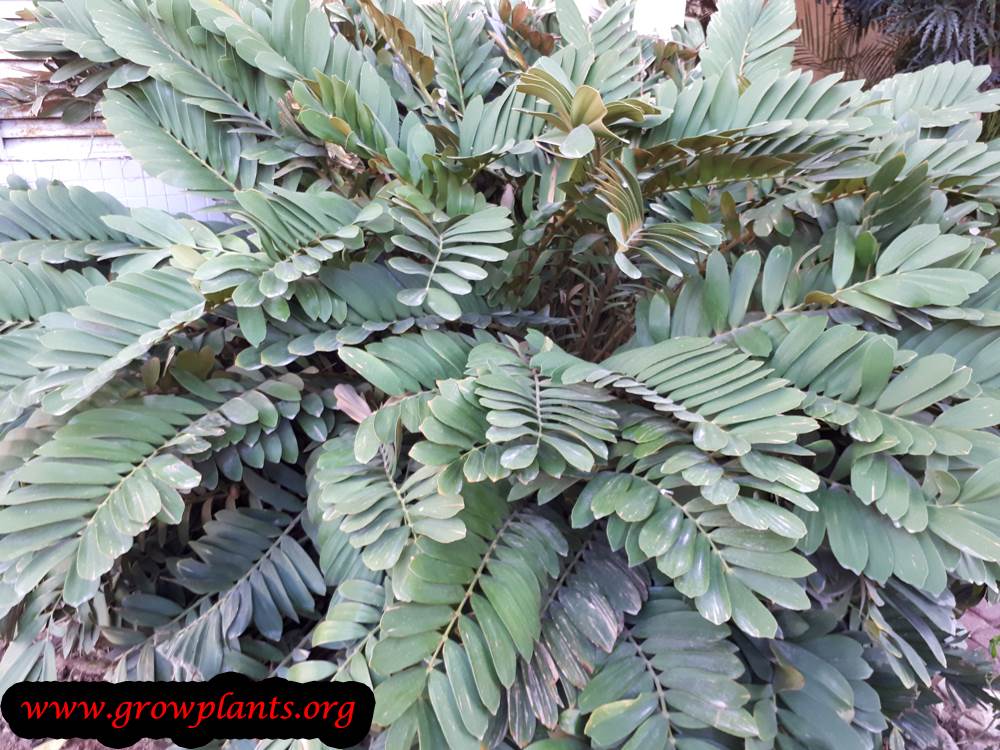
Plant Profile & Key Characteristics
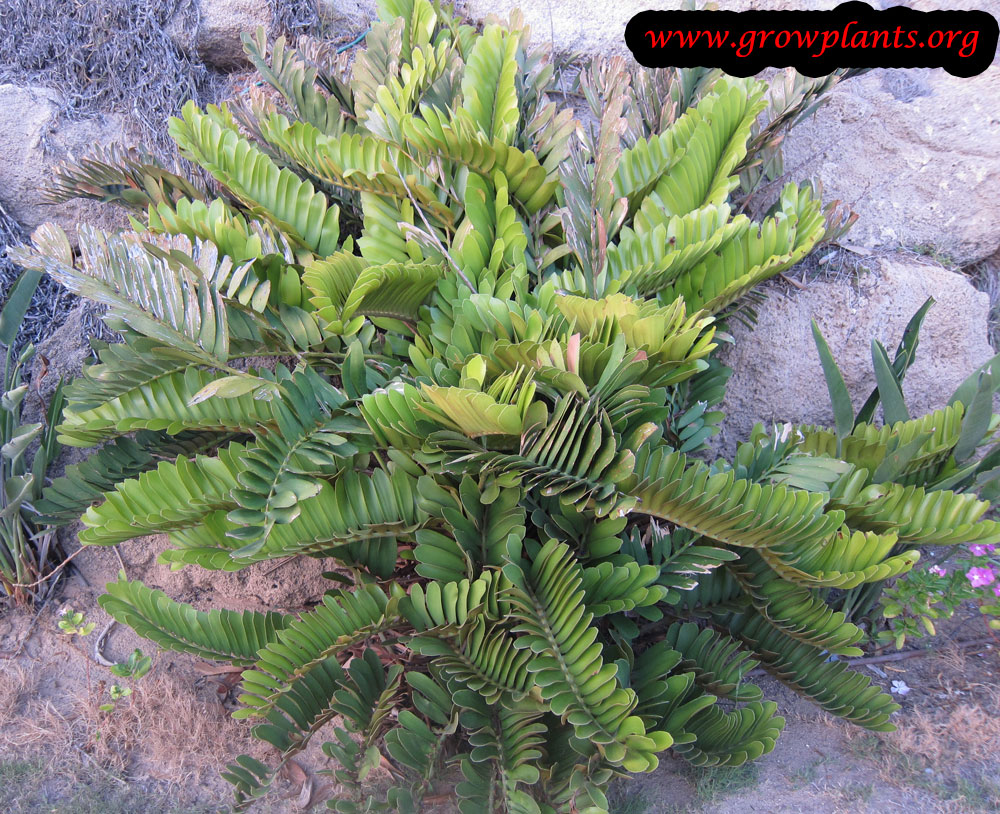
Overview: Zamia furfuracea (cardboard palm) is an evergreen perennial cycad forming a stout low shrub 0.5–1.5 m tall with a rosette of stiff pinnate leaves. It is grown as a drought-tolerant ornamental, houseplant or bonsai in warm frost-free climates.
Quick Specifications
| Specification | Attribute |
|---|---|
| Plant Type / Life Cycle | Perennial (cycad) |
| Foliage Type | Evergreen |
| Mature Size | 0.5–1.5 m (20–60 in) tall and wide |
| Growth Rate | Slow (especially when young) |
| Root System | Tuberous – thickened partly subterranean caudex |
| Toxicity | Highly toxic – all parts poisonous to people and pets |
| Hardiness | USDA zone 9+ |
Growth Form & Structure
- Height & Spread: Compact mound 0.5–1.5 m across; well suited to containers and can be trained as bonsai.
- Growth Habit & Form: Rosette-forming cycad with a squat woody caudex, from which whorls of rigid feather-like fronds radiate.
- Lifespan & Maturity: Very long-lived; extremely slow to develop, particularly in the juvenile stage.
Anatomy & Physical Features
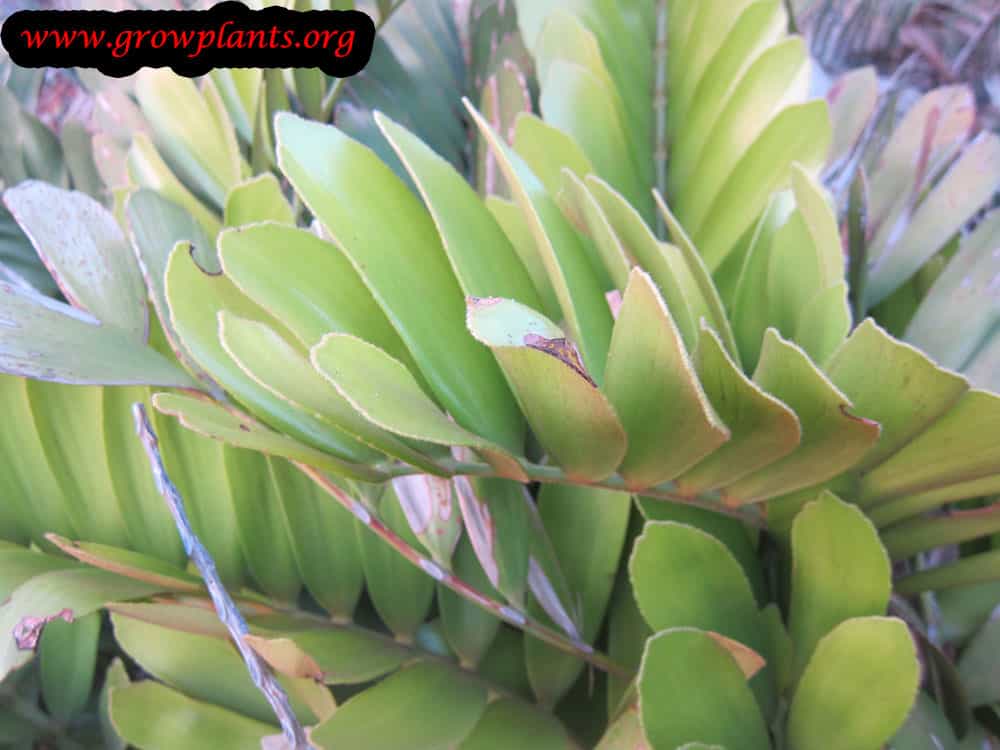
- Leaves & Foliage: Green, elliptic, leathery leaflets arranged pinnately along the frond, giving a stiff cardboard-like texture.
- Flower Characteristics: Dioecious; instead of flowers it bears brown-yellow reproductive cones, males and females on separate plants.
Primary Uses & Landscape Value
- Functional & Ornamental Roles: Architectural drought-tolerant accent for beds and rockeries, or an indoor houseplant / bonsai specimen.
Care Guide: Planting, Soil & Watering
Overview: The cardboard palm is a slow-growing, drought-tolerant cycad that thrives in well-draining soil and a warm position. It stores water in a swollen base and needs only moderate, careful watering with sharp drainage to avoid rot.
Quick Care Requirements
| Requirement | Ideal Condition |
|---|---|
| Planting Season | Year-round in warm climates; in cooler areas plant outdoors outside the winter months |
| Growth Rate | Slow (very slow when young) |
| Soil Type | Well-draining, sandy or gritty soil |
| Water Need | Moderate — water when the top of the soil dries, and never leave the roots waterlogged |
Planting & Establishment
- Best Planting Season: Plant in the warm season; in cooler climates avoid setting it outdoors in winter, and protect from hard frost (hardy only to about -4°C).
- How to Plant:
- Hole Preparation: Dig a hole a little wider than the root ball in a warm, well-drained spot; the fleshy base resents sitting in wet soil.
- Soil Amendments: Add grit or coarse sand to open up heavy soil; rich, water-holding mixes are unnecessary and encourage rot.
- Planting Depth: Set the plant with its swollen base (caudex) at soil level — burying it leads to rot.
- Growth Speed & Expectations: Growth is very slow, especially when young; plants stay compact (0.5–1.5 m) for many years.
Soil, Watering & Drainage Care
- Soil Mix & Drainage Needs: Provide free-draining, sandy soil (or a cactus/palm mix in pots); excellent drainage is the key to preventing root and base rot.
- Watering Schedule & Technique:
- Young / Newly Planted: Water moderately after planting, letting the surface dry between waterings while the roots establish.
- Established: Water when the top few centimetres of soil are dry; the plant is drought tolerant and far more forgiving of dryness than of overwatering.
- Seasonal Adjustments: Reduce watering in cool weather and keep it on the dry side through winter.
Climate, Light & Hardiness
Cardboard palm is a slow-growing subtropical to tropical cycad for warm, frost-free or nearly frost-free climates, also popular indoors, in containers and as bonsai. It grows in full sun to full shade and is frost-sensitive - the site advises keeping it above about −4 °C (25 °F) - so cold is the main limitation.
Quick Climate Specifications
| Climate Zones | Tropical, subtropical, Mediterranean, warm temperate, mild desert; indoors in cold regions |
| USDA Hardiness Zones | Approximately zone 9 and warmer (per site data) |
| Optimal Temp Range | Approximately 20–32 °C (68–90 °F) |
| Cold Damage Begins | Foliage suffers with frost near 0 °C (32 °F) |
| Approx. Survival Minimum | Around −4 °C (25 °F) per site data, briefly and for established plants |
| Frost Tolerance | Low |
| Light Conditions | Full sun to full shade |
Sunlight & Light Exposure
Optimal Light Setup
Full sun to full shade; bright light produces a compact rosette of stiff, cardboard-like leaflets, while shade is tolerated with slower growth.
Direct Sun Requirement
Not essential; adaptable across a wide light range, which suits indoor use.
Shade & Heat Management
Shield soft new flushes from the most intense sun until they firm up.
Temperature Extremes & Hardiness
USDA Hardiness & Regional Limits
The site places it around zone 9 and warmer and advises keeping it above roughly −4 °C (25 °F). Treat that as an approximate brief survival minimum for established plants; tolerance varies with age and conditions.
Cold Damage & Winter Protection
Frost damages the foliage before the survival minimum is reached; in cold regions grow in containers moved under cover for winter.
Frost Sensitivity
Frost-sensitive; protect it from hard or prolonged freezing, and note young plants are more vulnerable.
Extreme Heat Tolerance
Good; a warmth-loving, drought-adapted cycad that copes with heat given good drainage.
Wind, Humidity & Microclimate
Dry-Air Tolerance
Good; noted as drought-tolerant, and the stiff leaflets handle dry air well once established.
Wind Tolerance
Moderate to high; the rigid, leathery fronds are notably wind-resistant.
Microclimate Recommendations
A warm, sheltered, well-drained, frost-free position suits it outdoors; indoors give bright light and avoid cold draughts, and remember container roots cool faster in winter.
Growing in Pots, Balconies & Indoors
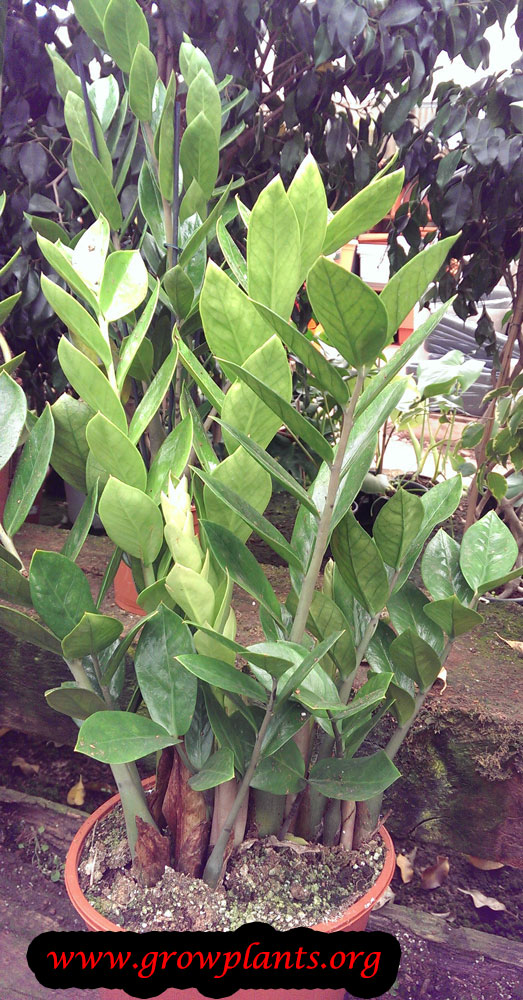
The cardboard palm (Zamia furfuracea) is a popular, compact cycad the grower confirms grows well indoors as a houseplant or bonsai, and in ordinary containers. Its rosette of thick, cardboard-textured leaflets makes a tough, drought-tolerant indoor plant, and being slow and tender (zone 9+) it takes readily to long-term pot life.
Quick Details
- Container Size: Snug – a 5-20 L (1.3-5 gal) pot suits this slow 0.5-1.5 m plant; it likes to be a little pot-bound
- Indoor Suitability: A genuine, popular houseplant (and bonsai subject) in bright light (grower: yes)
- Best Spot: Full sun to full shade – very adaptable, though bright light keeps it compact and sturdy
- Soil & Drainage: Very free-draining, gritty mix (grower: well-drained, keep above about -4C)
- Watering in Pots: Average but careful – let the top dry between waterings; never leave it soggy
Indoors & On the Windowsill
- A true houseplant: Give it a bright spot; it is one of the easiest cycads indoors – slow, tolerant and long-lived, and often trained as bonsai.
- Care indoors: Water when the top of the mix dries, feed sparingly, and be patient with its slow growth, especially while young.
- Overwintering: As a tender plant, a pot lets you keep it indoors year-round in cold climates or bring an outdoor specimen in before frost.
On a Balcony or Patio
- Light & shelter: A warm, bright to partly shaded patio suits it in summer; raise sun exposure gradually to avoid scorch.
- Watering: Let pots dry between waterings even outdoors – this drought-tolerant plant rots in wet soil.
Choosing the Pot, Soil & Long-Term Care
- Pot & drainage: A pot with strong drainage holes; skip a standing water saucer so roots never sit wet. Terracotta breathes and dries well between waterings.
- Potting mix: A gritty, very free-draining mix – potting compost with coarse sand, grit or perlite.
- Feeding: Feed lightly once or twice in the growing season; nutrients leach from pots, but this slow plant needs little.
- Repotting: It dislikes disturbance and grows slowly – repot only every few years, refreshing the top mix in between.
- Safety: All parts, especially the seeds, are highly poisonous and dangerous to pets – keep it well out of reach of children and animals, and wash hands after handling.
Fertilizing & Feeding
A slow-growing, light feeder – a little balanced fertilizer with micronutrients during warm-season growth is all it needs, and none while it rests.
Quick Fertilizing Specs
| Feeding Level | Light |
|---|---|
| Main Nutrient Priority | A balanced complete feed with micronutrients |
| Best Feeding Period | Warm active growing season |
| Organic Options | Compost or slow-release organic granules |
| Micronutrients | Watch for manganese and magnesium on a palm-type feed |
| Soil pH | Well-drained soil; adaptable, near neutral |
| Reduce/Stop Feeding | Ease off feeding in the cool, low-growth season |
Feeding by Growth Stage
Newly planted / establishing
Encourage steady root establishment on a slow-growing plant without pushing soft growth.
| Nutrient direction | A gentle, balanced complete fertilizer after new growth appears; keep it light. |
|---|---|
| Timing | After planting, as the plant settles and begins to root. |
| Frequency | A light feeding during the warm active growing season is usually enough. |
| Fertilizer types | A balanced complete fertilizer, Slow-release granular fertilizer |
| Precautions | Avoid heavy feeding; excess fertilizer salts can scorch the roots of a slow grower. |
Active growth (warm season)
Support new frond flushes and firm, green foliage during the warm growing season.
| Nutrient direction | A balanced complete fertilizer that also supplies micronutrients; keep feeding light and steady. |
|---|---|
| Timing | Through the warm active growing season when new fronds emerge. |
| Frequency | Light feedings spread across the growing season; this is a slow, low-demand plant. |
| Fertilizer types | A balanced complete fertilizer with micronutrients, Slow-release palm-and-cycad type fertilizer |
| Routine trace nutrients | manganese, magnesium |
| Precautions | Avoid overfeeding; cycads are slow feeders and are prone to fertilizer burn. |
Cool-season rest
Let the plant rest while growth is minimal in cool or low-light conditions.
| Nutrient direction | None – withhold fertilizer while the plant is not actively growing. |
|---|---|
| Timing | During cool or dim months when frond production stops. |
| Frequency | No feeding at this stage. |
| Fertilizer types | No feeding at this stage until warm-season growth resumes. |
| Precautions | Do not fertilize a resting plant; wait for active growth to return. |
Nutrient Deficiency Signs & Corrections
New fronds emerge small, yellowish and weak, with frizzled or dead leaflets (“frizzle top”).
| Possible causes | Low manganese availability, High or alkaline soil pH reducing manganese uptake, Cold, wet or poorly drained soil limiting root function |
|---|---|
| Appears first on | Newest emerging fronds |
| What to check | soil pH, drainage and root health, whether feeding includes micronutrients |
| Possible correction | Correct soil pH and drainage, and apply a manganese-containing product following its label. |
Older, lower fronds show yellowing along the margins while the centre stays greener.
| Possible causes | Low magnesium availability, Leaching from sandy or container soils, Competition from high potassium |
|---|---|
| Appears first on | Older, lower fronds |
| What to check | soil test for magnesium, recent leaching or heavy watering, overall fertilizer balance |
| Possible correction | Apply a magnesium source such as a labelled Epsom-salt or dolomitic product following its guidance. |
Frond tips and margins turn brown and scorched, often after feeding.
| Possible causes | Excess fertilizer salts in the root zone, Insufficient leaching or watering, Feeding a plant that is not actively growing |
|---|---|
| Appears first on | Frond tips and margins |
| What to check | recent fertilizer applications, soil drainage, how thoroughly the plant is watered |
| Possible correction | Water thoroughly to flush excess salts and lighten future feeding. |
Pruning, Training & Seasonal Maintenance
Despite its common name, the cardboard palm (Zamia furfuracea) is a cycad, not a true palm – it grows from one thick, low crown and carries stiff, leathery leaflets. Pruning tolerance is very low: remove only fully dead or broken fronds, since the firm green fronds power a very slow plant and the crown cannot be cut back or reshaped. As a popular houseplant it just needs its oldest, fully-spent fronds tidied.
Quick Pruning & Maintenance Specs
| Pruning Tolerance | Very low – sanitary frond removal only |
| Primary Pruning Window | Any time a frond is fully dead; avoid winter in cold climates |
| Typical Frequency | Once or twice a year; very slow-growing |
| Main Objective | Remove spent leathery fronds and old cones; keep the crown intact |
| Young Plant Priority | Retain all healthy fronds while the plant is slow to establish |
| Mature Plant Priority | Tidy fully-browned outer fronds and dried cones |
| Best Tool Type | Bypass secateurs (the stiff rachis is tougher than it looks) |
| Avoid Heavy Pruning During | The soft new-frond flush, and winter in cold areas |
Pruning by Plant Age & Size
Newly Established
Remove only broken or fully dead fronds. A young cardboard palm is slow to bulk up and needs all its stiff leaf area.
Young / Formative
No structural training is possible – one crown, no branches. Its form is the low rosette of arching leathery fronds; let each flush harden.
Mature / Established
Cut only fronds that are fully brown at the base, plus dried cones. Basal offsets can be kept for a clump or removed cleanly for propagation.
Seasonal Pruning Schedule
Ongoing Sanitary
Objective: remove spent fronds and cut down refuges for the weevils that specifically attack Zamia. Remove: fully brown fronds and old cones at any time (not in winter in cold climates). Do NOT remove: partly-green fronds still feeding the plant. Expected response: no regrowth at the cut; the next stiff flush emerges from the crown alone.
Structural Pruning & Training
None applies – there is nothing to select or thin, and reducing the crown only weakens the plant.
Special Growth to Remove
- Dead fronds – remove once fully brown; the tough rachis may need secateurs rather than snips.
- Spent cones – dioecious; dried cones can be taken off when finished.
- Basal offsets – retain for fullness or detach for propagation.
Container & Small-Space Pruning
This is most often a container or indoor plant; keep to removing the oldest fully-spent fronds and do not over-tidy. Avoid root-pruning to control size – it dislikes root disturbance; let its slow habit and pot size keep it compact.
Tools
The stiff, leathery frond bases usually need sharp bypass secateurs rather than fine snips; a clean knife suits offset removal. No saw, loppers or shears are appropriate.
Tool Hygiene & Disease Risk
Increased risk: the plant is poisonous, so glove up and wash tools and hands; clean cuts limit the crown/caudex rots that follow ragged wet wounds. Wipe blades between plants where weevil or scale damage is seen.
Cut Placement & Technique
Cut spent fronds a short way out from the crown, not flush into the caudex, and never cut the central growing point.
Heavy Pruning & Rejuvenation
Not tolerated. With a single crown it cannot be size-reduced or rejuvenated by hard pruning; losing the crown ends the plant unless basal offsets appear.
Post-Pruning Care
Minimal – keep cuts dry initially and avoid overwatering, the main post-pruning risk. Do not feed just because you pruned.
Common Pruning Mistakes
- Cutting green fronds for a tidier look and starving a slow plant.
- Trimming leaflet tips to “shape” the fronds – browned tips will not regrow and the frond looks worse.
- Damaging or cutting the crown, which cannot recover.
When NOT to Prune
Not during the soft new flush, not in winter in cold climates, and not on a freshly repotted plant; never remove green fronds for appearance.
Recommended Tools (by task)
- bypass_secateurs – the stiff, leathery frond bases need a firm clean cut close to the crown.
- blade_disinfectant – wipe blades given the toxic sap and to limit rot between plants.
Pruning Troubleshooting
| Problem | Possible Cause | What to Check | Corrective Action |
| Fronds yellowing after heavy tidying | Too many green fronds removed | How many living fronds remain | Stop removing fronds; let the slow next flush rebuild the crown |
| Brown leaflet tips after trimming | Leaflets snipped rather than whole dead fronds | Whether whole fronds, not tips, were cut | Remove only whole fully-brown fronds; do not trim living leaflet tips |
| Soft caudex after repot/prune | Rot from root disturbance / overwatering | Caudex firmness and soil moisture | Reduce water, cut out rot, keep dry until firm |
Propagation Guide
The cardboard palm is usually grown from seed, because it offsets only sparingly. As a dioecious cycad it sets seed only where male and female plants are both present, and normally with hand pollination. Seedlings are slow while young, and cycads are not grafted.
Quick Propagation Specs
| Best Propagation Method | Seed |
| Alternative Methods | Offsets, where produced (sparse) |
| Propagation Difficulty | Moderate |
| Seed True-to-Type | Variable — the sexes are on separate plants |
| Vegetative True-to-Type | Yes |
| Best Propagation Season | The warm season |
| Germination Temperature | 25–30°C (77–86°F) |
| Seed Sowing Depth | Laid on its side, half-buried |
Growing from Seed
Seed Handling & Viability
The bright, fleshy-coated seeds are recalcitrant; sow fresh and remove the fleshy sarcotesta, handling with care as all parts are poisonous. Viable seed needs both a male and a female plant and usually hand pollination.
Dormancy & Pre-Sowing Treatment
Soaking the cleaned seed in warm water for a day or so before sowing helps water uptake.
Sowing Depth & Orientation
Lay each seed on its side, half-buried in a warm, gritty, free-draining medium.
Germination Conditions
Warm and humid, about 25–30°C (77–86°F).
Germination Time
Slow and erratic, often over many months.
Division, Offsets, Pups & Suckers
This species offsets only occasionally. Where a basal offset does form, remove it with a clean cut, let the wound callus and dry for several days, then pot into a very free-draining medium kept warm and barely moist.
Bloom & Flower Guide
Quick Details
- Cone Season: Can appear at any time of year
- Flower Appearance: Not a true flower – plants are male or female and bear brown-yellow cones; male cones are slender, the female cone a stout barrel
- Edibility: Highly toxic – all parts contain harmful compounds and are especially dangerous to pets; never eat any part
Detailed Blooming Overview
The cardboard palm is neither a palm nor a flowering plant but a cycad, so it produces cones rather than flowers. Male and female plants are separate, carrying brown-yellow cones that can emerge at almost any time of year – the male cones slender and the female a stout, barrel-shaped structure. Every part of the plant is highly poisonous and it is a well-known cause of serious poisoning in dogs and cats, so it is grown purely as an ornamental.
Flower Characteristics
- Reproductive structures are cones, not flowers, as in all gymnosperms
- Separate male and female plants (dioecious), in brown-yellow tones
- Male cones slender; female cone a stout barrel that ripens to reveal red seeds
Bloom Care & Thinning
- Managing the cone: cones form occasionally on mature plants and need no special care
- Seed set: grown as an ornamental; seed only forms where both a male and a female plant are present
- Safety: keep the plant, its seeds and any shed material well away from children and pets – all parts are toxic
Pests, Diseases & Troubleshooting
Overview: Zamia furfuracea (cardboard palm) is a slow, tough cycad – not a true palm – and its overwhelming pest concern is the Asian cycad scale, a devastating armored scale that can smother and kill cycads. Beyond that, its problems are root rot from overwatering and manganese deficiency. All parts are toxic, so handle debris with care. Good drainage, bright light, and vigilant scale control keep it healthy.
Quick Troubleshooting Overview
| Issue / Pest | Main Symptom | Primary Solution |
|---|---|---|
| Asian cycad scale | White crust coating leaves, then browning | Isolate; horticultural oil; remove infested leaves |
| Mealybugs | White cottony tufts on leaf bases | Alcohol swab; oil/soap; ant control |
| Spider mites | Stippling on leaflets in dry heat | Hose foliage; horticultural oil |
| Root rot | Yellowing, soft base in wet soil | Sharp drainage; water sparingly |
| Frizzle top / manganese deficiency | Weak, yellow, frizzled new leaves | Apply manganese; correct soil |
Common Pests & Management
- Asian cycad scale (Aulacaspis yasumatsui):
- Symptoms: A tiny white armored scale that multiplies explosively, coating the undersides then both surfaces of the leaves with a white crust that spreads to stems and even roots; leaves yellow, brown, and die, and a heavy infestation can kill the plant. This is the single most serious cycad pest worldwide.
- Prevention & Control: Isolate infested plants immediately and cut off and bag the worst-encrusted leaves. Smother remaining scale with thorough, repeated horticultural oil sprays covering both leaf surfaces and the stem, treating every week or two since it recovers fast. Encourage or introduce the specialist predator beetle where available, and inspect any new cycad carefully before planting.
- Mealybugs (Pseudococcus / Planococcus spp.):
- Symptoms: White, cottony clusters at leaf bases, in the crown, and sometimes on roots, weakening growth and leaving honeydew; ants often tend them.
- Prevention & Control: Wipe off colonies with an alcohol swab, control ants, and repeat treatments as they hide in the crown. Horticultural oil or insecticidal soap handles wider infestations.
- Spider mites (Tetranychus urticae):
- Symptoms: Fine stippling and a dull, dusty cast to the leaflets with light webbing, mainly on indoor or greenhouse plants in dry heat.
- Prevention & Control: Raise humidity, rinse the foliage, and keep the plant unstressed. Insecticidal soap or horticultural oil treats persistent colonies.
- Scale insects (soft & armored) (Coccidae / Diaspididae):
- Symptoms: Brown or waxy bumps on leaves and stems besides the cycad scale, with yellowing and sooty mold from soft-scale honeydew.
- Prevention & Control: Scrape or wipe off light infestations, remove badly encrusted leaves, and smother the rest with horticultural oil while controlling ants.
Diseases & Fungal Issues
- Root & crown rot (Phytophthora / Pythium spp.):
- Symptoms: Yellowing leaves, a soft base or caudex, and dark, mushy roots from overwatering or heavy, waterlogged soil.
- Treatment & Management: Grow in gritty, fast-draining soil, water only when the soil has dried, and never leave it standing in water. Remove rotted tissue and repot into fresh, dry media; prevention through drainage is key.
- Leaf spot (Colletotrichum / Cercospora spp.):
- Symptoms: Brown or dark spots on the leaflets in humid, crowded, or wet-foliage conditions; usually minor on a vigorous plant.
- Treatment & Management: Improve airflow, water at the base, and remove badly spotted leaves. Copper fungicide is available for chronic spotting but is seldom necessary.
- Fungal crown rot (Fusarium / Rhizoctonia spp.):
- Symptoms: Softening and browning of the central growing point and new leaves, often following cold, injury, or waterlogging.
- Treatment & Management: Keep the crown dry, provide warmth and drainage, and avoid overhead watering into the center. Remove affected tissue early; a badly rotted growing point may not recover.
Growing Difficulties & Abiotic Problems
- Overwatering / root rot:
- Cause & Symptoms: Yellowing fronds and a soft, declining base from too-frequent watering or poor drainage; the main non-pest cause of loss.
- Correction Strategy: Use a gritty, sharply drained mix, water deeply only when dry, and provide pot drainage. Cardboard palm tolerates drought far better than wet feet.
- Manganese deficiency (frizzle top):
- Cause & Symptoms: New leaves emerge weak, yellow, undersized, and frizzled with dead streaks, from manganese shortage in cold, wet, or alkaline soils.
- Correction Strategy: Apply a manganese sulfate soil or foliar treatment and correct waterlogging and high pH; treat early, as severely affected new growth may not straighten.
- Cold damage / low light:
- Cause & Symptoms: Yellowing or browning after cold, and pale, stretched, weak growth in deep shade.
- Correction Strategy: Give bright light to full sun and protect from frost; move containers to warmth in cold weather and avoid deep shade, which weakens the plant and invites pests.
What Helps – Products & Tools
For cycads the essential tools are horticultural (and light paraffinic) oil applied thoroughly and repeatedly against the Asian cycad scale – the make-or-break pest – plus insecticidal soap for mealybugs and mites, a manganese sulfate supplement for frizzle top, and gritty, sharp-draining soil to prevent root rot. Isolate and inspect new cycads before adding them. All parts are toxic, so handle and dispose of trimmings carefully; apply oils in the evening and follow the label.