Plant Profile & Key Characteristics
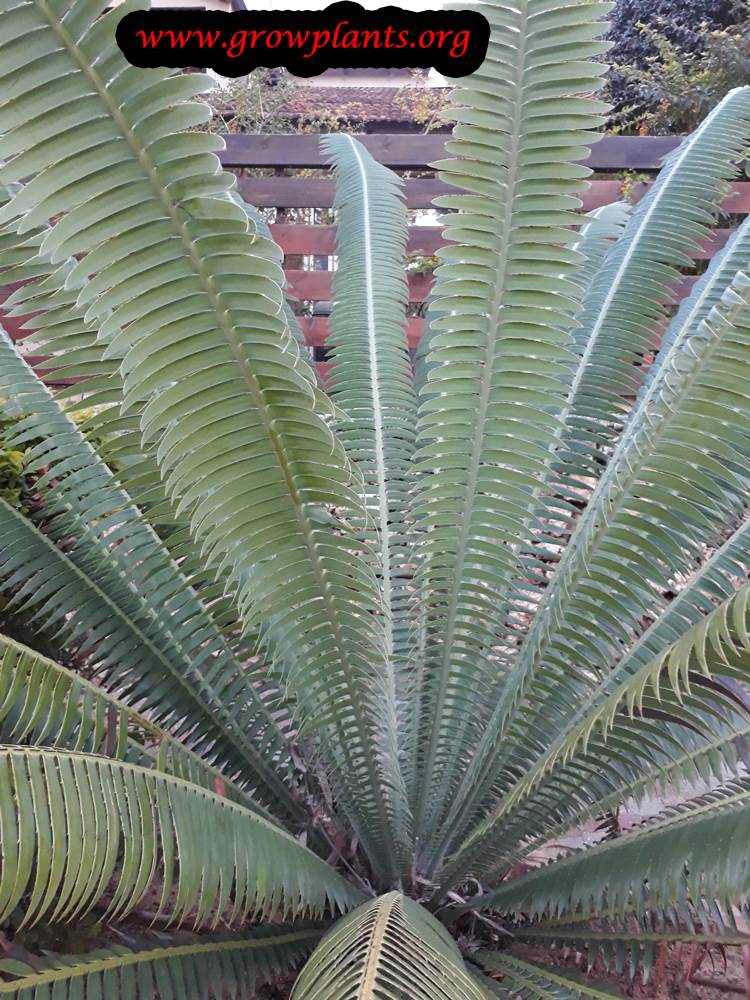
Overview: Queen sago (Cycas circinalis) is a slow-growing, evergreen palm-like cycad reaching about 1-3 m (3-9 ft), grown as a drought-tolerant ornamental for its crown of long, feathery fronds. All parts are toxic.
Quick Specifications
| Specification | Attribute |
|---|---|
| Plant Type / Life Cycle | Perennial (evergreen cycad) |
| Foliage Type | Evergreen |
| Mature Size | 1-3 m (3-9 ft) tall |
| Growth Rate | Slow |
| Toxicity | Toxic – all parts contain toxic alkaloids/cycasin; seeds not edible |
| Hardiness | USDA zones 9+ (or grown indoors) |
Growth Form & Structure
- Height & Spread: A stout, palm-like plant reaching 1-3 m (3-9 ft); grows in the ground, in containers, or indoors.
- Growth Habit & Form: A single stout trunk topped by a rosette of long, arching pinnate fronds.
- Lifespan & Maturity: A very long-lived, slow-growing plant that takes many years to reach size.
Anatomy & Physical Features
- Trunk & Bark: A thick, rough trunk clad in the persistent bases of old fronds.
- Leaves & Foliage: Long (1-2 m / 3-6 ft), feathery pinnate fronds of stiff, linear, dark-green leaflets.
- Flower Characteristics: Dioecious; male plants bear a yellow-brown cone and female plants a feathery structure, on separate plants.
- Fruit Profile: Rounded red-brown seeds that are toxic and not edible.
Primary Uses & Landscape Value
- Functional & Ornamental Roles: Drought-tolerant architectural ornamental for gardens and containers; also grown as a houseplant.
Care Guide: Planting, Soil & Watering
Overview: Queen sago is a slow-growing, drought-tolerant cycad for full sun to shade in a sharply well-draining soil. It needs only light, infrequent watering and no more than light frost, and every part of the plant is poisonous.
Quick Care Requirements
| Requirement | Ideal Condition |
|---|---|
| Planting Season | In spring, summer or autumn, in warmth |
| Growth Rate | Slow |
| Soil Type | Sharply well-draining; tolerates dry soil |
| Water Need | Low to moderate – allow to dry between waterings |
Planting & Establishment
- Best Planting Season: Plant in spring through autumn in warmth; protect it from anything more than light frost.
- How to Plant:
- Hole Preparation: Dig a hole a little wider than the root ball in gritty, free-draining soil.
- Soil Amendments: Add grit or coarse material if drainage is poor; it dislikes heavy, wet ground.
- Planting Depth: Set the base of the caudex at soil level; never bury the crown.
- Growth Speed & Expectations: Very slow; a long-lived plant 1-3 m (3-9 ft) that adds only a little each year.
Soil, Watering & Drainage Care
- Soil Mix & Drainage Needs: Sharp drainage is essential to avoid rot; it grows well in a pot with drainage holes and as a houseplant.
- Watering Schedule & Technique:
- Young / Newly Planted: Water moderately while it establishes, letting the surface dry.
- Established: Water sparingly and deeply, allowing the soil to dry well between waterings.
- Seasonal Adjustments: A little more in summer heat; keep nearly dry in the cool season.
Climate, Light & Hardiness
Queen sago is a slow-growing tropical to subtropical cycad for warm, frost-free or nearly frost-free climates, and it is often grown as a container or indoor plant in colder regions. It takes full sun to full shade and tolerates no more than light frost, so cold is the main factor limiting outdoor culture.
Quick Climate Specifications
| Climate Zones | Tropical, subtropical, Mediterranean, warm temperate, desert (with mild winters); indoors in cold regions |
| USDA Hardiness Zones | Approximately zone 9 and warmer (per site data) |
| Optimal Temp Range | Approximately 20–32 °C (68–90 °F) |
| Cold Damage Begins | Foliage suffers with frost near 0 °C (32 °F); tolerates no more than light frost |
| Frost Tolerance | Very Low |
| Light Conditions | Full sun to full shade (slower in deep shade) |
Sunlight & Light Exposure
Optimal Light Setup
Full sun to full shade; it grows fastest and stays most compact in bright light, but tolerates shade, where growth is slower.
Direct Sun Requirement
Not essential - it adapts to a wide light range, though good light produces the sturdiest fronds.
Shade & Heat Management
New, soft flushes of foliage can scorch in intense sun, so light shade while they harden off is helpful.
Temperature Extremes & Hardiness
USDA Hardiness & Regional Limits
The site places it around zone 9 and warmer, reflecting a warm, essentially frost-free requirement for reliable outdoor growth.
Cold Damage & Winter Protection
It tolerates no more than light frost; foliage is damaged by freezing and young plants are especially vulnerable. In cold regions, grow in containers moved under cover for winter.
Frost Sensitivity
Very frost-sensitive - brief light frost is the practical limit, and hard freezes cause serious damage.
Extreme Heat Tolerance
Good; a warmth-loving cycad that handles high temperatures with adequate soil moisture.
Wind, Humidity & Microclimate
Humidity Preferences
Enjoys warm, humid conditions but adapts to average humidity.
Dry-Air Tolerance
Moderate; the stiff, leathery fronds cope with fairly dry air once established.
Wind Tolerance
Moderate; the tough fronds handle some wind, though strong gusts can tatter long leaves.
Microclimate Recommendations
A warm, sheltered, frost-free pocket suits it outdoors; indoors give bright light and protection from cold draughts, and note that container roots chill faster in winter.
Growing in Pots, Balconies & Indoors
Queen sago (Cycas circinalis) is a slow-growing, palm-like cycad the grower confirms makes a good indoor plant and container specimen. Its architectural crown of feathery fronds suits a bright room, and being slow and tender (zone 9+) it lives happily in the same pot for years, moving under cover in cold-winter areas.
Quick Details
- Container Size: Snug – a 10-30 L (2.5-8 gal) pot suits this slow 1-3 m plant; it likes to be somewhat pot-bound
- Indoor Suitability: A genuine houseplant in a bright spot (grower: yes)
- Best Spot: Full sun to half shade indoors or out; it even tolerates full shade but grows slower
- Soil & Drainage: Very free-draining, gritty mix (grower: well-drained); tolerates only light frost
- Watering in Pots: Sparing – small to average; let the top dry well between waterings and never leave it wet
Indoors & On the Windowsill
- A true houseplant: Give it the brightest spot you can; it is undemanding and slow, making a long-lived indoor feature.
- Care indoors: Water only when the top of the mix has dried, feed sparingly, and avoid cold draughts; a single flush of new fronds a year is normal.
- Overwintering: Being tender, container culture lets you keep it as a permanent indoor plant in cold climates, or bring an outdoor pot in before frost.
On a Balcony or Patio
- Light & shelter: It enjoys a warm, bright patio in the growing season; introduce it to stronger sun gradually to avoid scorch.
- Watering: Let pots approach dryness between waterings even outdoors – this drought-tolerant plant rots in soggy soil.
Choosing the Pot, Soil & Long-Term Care
- Pot & drainage: A pot with strong drainage holes; skip a standing water saucer so roots never sit wet. Terracotta suits it well, breathing and drying between waterings.
- Potting mix: A gritty, very free-draining mix – potting compost cut with plenty of coarse sand, grit or perlite.
- Feeding: Feed lightly a couple of times in the growing season; potted nutrients leach, but this slow plant needs little.
- Repotting: It resents disturbance – repot only every few years, refreshing the top mix in between.
- Safety: All parts, especially the seeds, are highly poisonous (they contain toxic alkaloids) – keep it well away from children and pets, and wash hands after handling.
Fertilizing & Feeding
A slow-growing, light feeder – a little balanced fertilizer with micronutrients during warm-season growth is all it needs, and none while it rests.
Quick Fertilizing Specs
| Feeding Level | Light |
|---|---|
| Main Nutrient Priority | A balanced complete feed with micronutrients |
| Best Feeding Period | Warm active growing season |
| Organic Options | Compost or slow-release organic granules |
| Micronutrients | Watch for manganese and magnesium on a palm-type feed |
| Soil pH | Well-drained soil; adaptable, near neutral |
| Reduce/Stop Feeding | Ease off feeding in the cool, low-growth season |
Feeding by Growth Stage
Newly planted / establishing
Encourage steady root establishment on a slow-growing plant without pushing soft growth.
| Nutrient direction | A gentle, balanced complete fertilizer after new growth appears; keep it light. |
|---|---|
| Timing | After planting, as the plant settles and begins to root. |
| Frequency | A light feeding during the warm active growing season is usually enough. |
| Fertilizer types | A balanced complete fertilizer, Slow-release granular fertilizer |
| Precautions | Avoid heavy feeding; excess fertilizer salts can scorch the roots of a slow grower. |
Active growth (warm season)
Support new frond flushes and firm, green foliage during the warm growing season.
| Nutrient direction | A balanced complete fertilizer that also supplies micronutrients; keep feeding light and steady. |
|---|---|
| Timing | Through the warm active growing season when new fronds emerge. |
| Frequency | Light feedings spread across the growing season; this is a slow, low-demand plant. |
| Fertilizer types | A balanced complete fertilizer with micronutrients, Slow-release palm-and-cycad type fertilizer |
| Routine trace nutrients | manganese, magnesium |
| Precautions | Avoid overfeeding; cycads are slow feeders and are prone to fertilizer burn. |
Cool-season rest
Let the plant rest while growth is minimal in cool or low-light conditions.
| Nutrient direction | None – withhold fertilizer while the plant is not actively growing. |
|---|---|
| Timing | During cool or dim months when frond production stops. |
| Frequency | No feeding at this stage. |
| Fertilizer types | No feeding at this stage until warm-season growth resumes. |
| Precautions | Do not fertilize a resting plant; wait for active growth to return. |
Nutrient Deficiency Signs & Corrections
New fronds emerge small, yellowish and weak, with frizzled or dead leaflets (“frizzle top”).
| Possible causes | Low manganese availability, High or alkaline soil pH reducing manganese uptake, Cold, wet or poorly drained soil limiting root function |
|---|---|
| Appears first on | Newest emerging fronds |
| What to check | soil pH, drainage and root health, whether feeding includes micronutrients |
| Possible correction | Correct soil pH and drainage, and apply a manganese-containing product following its label. |
Older, lower fronds show yellowing along the margins while the centre stays greener.
| Possible causes | Low magnesium availability, Leaching from sandy or container soils, Competition from high potassium |
|---|---|
| Appears first on | Older, lower fronds |
| What to check | soil test for magnesium, recent leaching or heavy watering, overall fertilizer balance |
| Possible correction | Apply a magnesium source such as a labelled Epsom-salt or dolomitic product following its guidance. |
Frond tips and margins turn brown and scorched, often after feeding.
| Possible causes | Excess fertilizer salts in the root zone, Insufficient leaching or watering, Feeding a plant that is not actively growing |
|---|---|
| Appears first on | Frond tips and margins |
| What to check | recent fertilizer applications, soil drainage, how thoroughly the plant is watered |
| Possible correction | Water thoroughly to flush excess salts and lighten future feeding. |
Pruning, Training & Seasonal Maintenance
Queen sago (Cycas circinalis) is a cycad, not a true palm or conifer, but it shares the palm’s critical limitation: a single growing point at the top of the trunk, from which all the pinnate fronds arise. It therefore tolerates almost no pruning — the only routine cut is the removal of fully dead, brown fronds. Green fronds must be left in place, because each one feeds that single crown, and there is no structural or rejuvenation pruning: cut the growing point and the trunk is lost. It is also poisonous, so handle debris with care.
Quick Pruning & Maintenance Specs
| Pruning Tolerance | Very low – single growing point; remove only dead fronds |
| Primary Pruning Window | Any time a frond is fully dead and brown |
| Secondary Maintenance Window | Remove basal offsets (pups) if propagating or thinning |
| Typical Frequency | Occasional – only as old fronds die (slow grower) |
| Main Objective | Tidy dead fronds without harming the crown |
| Young Plant Priority | Leave all green fronds; do not shape |
| Mature Plant Priority | Remove only fully dead fronds; retain a full green crown |
| Best Tool Type | Bypass secateurs or a pruning saw for tough frond bases; gloves |
| Avoid Heavy Pruning During | Always – never remove green fronds or cut the crown |
Pruning by Plant Age & Size
Newly Established
Do not prune at all beyond removing a frond that has died completely; a young cycad needs every green frond to build strength.
Young / Formative
There is no formative training — the plant makes its own symmetrical whorl of fronds. Leave it entirely alone structurally.
Mature / Established
Remove only fronds that are fully brown and dead, cutting close to the trunk without wounding it. Offsets (pups) may form at the base and can be removed for propagation if desired.
Seasonal Pruning Schedule
Ongoing (as fronds die)
Objective: tidiness only. Remove completely dead, brown fronds whenever they appear; do not remove yellowing or green fronds, which are still feeding the crown. There is no seasonal cutting regime.
Occasional (offset removal)
Objective: propagation or thinning. Detach basal pups cleanly with a sterile blade when you want new plants; otherwise leave them.
Structural Pruning & Training
None — a cycad has one apical growing point and no branch framework, so there is nothing to train and no thinning to do. Removing green fronds does not “shape” it; it only weakens the single crown.
Special Growth to Remove
Dead brown fronds (routine) and, optionally, basal offsets for propagation. Reproductive cones arise from the crown rather than from persistent flowering wood, so there is no flower-wood pruning; simply leave the cone to run its course. Do not remove healthy fronds under any pretext.
Container & Small-Space Pruning
Very popular as a container and indoor specimen; the care is the same — remove only dead fronds and keep the full green crown, since a potted cycad already grows slowly and cannot spare foliage. Do not cut it back to control size; choose a size-appropriate plant instead.
Tools
Bypass secateurs for thinner dead frond stalks and a pruning saw or loppers for the tough, fibrous frond bases on a large plant; a sterile blade for detaching offsets. Wear gloves — the plant is poisonous and the leaflets are sharp.
Tool Hygiene & Disease Risk
Increased handling caution rather than disease spread: all parts are poisonous (alkaloids), so wear gloves, keep cut debris away from pets and children, and wash tools afterward. Clean blades also reduce the chance of introducing rot into the trunk through any cut.
Cut Placement & Technique
Cut dead fronds close to the trunk but without gouging it, leaving a short stub of the fibrous base rather than wounding the stem. Never cut into the crown or the growing point. Detach offsets at their attachment with a clean, sterile blade.
Heavy Pruning & Rejuvenation
Not tolerated — unlike a shrub, a cycad cannot be cut back and made to reshoot; it has a single growing point, and cutting the crown typically kills the trunk, leaving only any basal pups to carry on. There is no rejuvenation pruning; a tired or overgrown plant is managed by placement, not by cutting.
Post-Pruning Care
Little is needed after removing a dead frond; keep the well-drained soil on the dry side and protect from more than light frost. Do not feed as a response to frond removal — steady, unforced growth is best for a slow cycad.
Common Pruning Mistakes
- Removing green or merely yellowing fronds, starving the single crown.
- “Tidying” the plant into a bare trunk, which weakens or kills it.
- Cutting the growing point in a mistaken attempt to reduce height.
- Handling debris without gloves despite its toxicity.
When NOT to Prune
Do not remove any frond that still holds green, and never cut the crown. Avoid cutting during frost or on a stressed plant, and leave newly potted specimens undisturbed to establish.
Recommended Tools (by task)
- bypass_secateurs — for cleanly removing thinner dead fronds.
- pruning_saw — for the tough, fibrous frond bases on a larger trunk.
- blade_disinfectant — to clean blades given the plant’s toxicity and to avoid introducing trunk rot.
Pruning Troubleshooting
| Problem | Possible Cause | What to Check | Corrective Action |
| Sparse, weak crown | Green fronds removed, starving the growing point | Whether healthy fronds were cut off | Stop removing green fronds; let a full crown rebuild |
| Yellow, frizzled new flush | Micronutrient deficiency (e.g. manganese), not pruning | Soil/nutrition, new-leaf colour | Correct nutrition; do not cut the affected fronds early |
| Plant declines after “tidying” the trunk | Crown or growing point damaged | Whether the top was cut | Protect any basal pups; never cut the crown again |
| Sticky/encrusted fronds | Scale insects, not a pruning issue | Undersides of fronds for scale | Treat the pest; remove only truly dead fronds |
Propagation Guide
Queen sago is grown from seed or from basal offsets. Because it is dioecious, seed requires separate male and female plants and usually hand pollination, and germination is slow; offsets give an exact copy but are also slow to establish. There is no grafting with cycads, and propagation overall is demanding.
Quick Propagation Specs
| Best Propagation Method | Basal offsets (pups) |
| Alternative Methods | Seed (needs male and female plants) |
| Propagation Difficulty | Difficult |
| Seed True-to-Type | Variable — seedlings differ and the sexes are on separate plants |
| Vegetative True-to-Type | Yes |
| Best Propagation Season | The warm season |
| Germination Temperature | 25–30°C (77–86°F) |
| Seed Sowing Depth | Laid on its side, half-buried |
Growing from Seed
Seed Handling & Viability
The large seeds are recalcitrant — sow them fresh and do not let them dry out. Remove the fleshy outer coat first. Viable seed is only produced where both a male and a female plant are present, and usually only with hand pollination.
Sowing Depth & Orientation
Lay each seed on its side and half-bury it in a warm, moist, gritty, free-draining medium.
Germination Conditions
Keep warm and humid, about 25–30°C (77–86°F).
Germination Time
Germination is slow and erratic, often spread over many months.
Division, Offsets, Pups & Suckers
Basal offsets (pups) form around the trunk base. Remove a firm offset with a clean cut, let the wound callus and dry for several days, then set it in a warm, very free-draining medium and keep it barely moist until it roots. Rooting is slow, and larger, firm offsets are far more reliable than small ones.
Bloom & Flower Guide
Quick Details
- Cone Season: Winter into spring
- Flower Appearance: Not a true flower – plants are male or female and bear large cones; male cones are elongated and firm, female structures are soft and feathery, in yellow-brown tones
- Edibility: Highly toxic – all parts contain harmful compounds; never eat any part
Detailed Blooming Overview
Queen sago looks palm-like but is in fact a cycad – an ancient cone-bearing plant rather than a true flowering one, so it does not really bloom. Male and female plants are separate: in winter and spring a mature male throws up a large, cone-shaped structure, while a female forms a loose, feathery crown, both in yellow-brown shades. Striking as these are, every part of a cycad is highly poisonous to people and pets, so it is grown strictly as an ornamental.
Flower Characteristics
- Reproductive structures are cones, not flowers, as in all gymnosperms
- Separate male and female plants (dioecious)
- Male cones elongated and firm; female structures soft and feather-like, yellow-brown
Bloom Care & Thinning
- Managing the cone: the cone is a natural, occasional event on mature plants and needs no special care
- Seed set: in cultivation these are grown as ornamentals, and seed only forms where both a male and a female plant are present
- Safety: keep the plant and any shed material away from children and pets – all parts are toxic
Pests, Diseases & Troubleshooting
Overview: Cycas circinalis (queen sago) is a large, arching-leaved cycad grown for its palm-like crown of fronds. As cycads (not true palms), Cycas are slow, tough and long-lived, but they face one truly serious pest — Asian cycad scale — which can kill an established plant, plus rots and a very characteristic manganese deficiency. Management is mostly about sharp drainage, early scale detection, and correct nutrition. Note also that all parts of the plant, especially the seeds, are highly toxic to people and pets.
Quick Troubleshooting Overview
| Issue / Pest | Main Symptom | Primary Solution |
|---|---|---|
| Asian cycad scale | Dense white crust smothering fronds & roots | Act fast: prune, wash off, horticultural oil, repeat |
| Mealybugs | White cottony fluff in crown and on new flush | Alcohol dab, isolate, insecticidal soap / oil |
| Cycad blue butterfly | New flush shredded by caterpillars | Protect emerging leaves, hand-pick, Bt if needed |
| Root / crown rot | Soft base, yellowing, collapse in wet soil | Improve drainage, reduce water, remove rot |
| Manganese deficiency (“frizzle top”) | New leaves frizzled, chlorotic, stunted | Apply manganese sulfate, correct pH |
Common Pests & Management
- Asian cycad scale (Aulacaspis yasumatsui):
- Symptoms: A rapidly spreading, snow-white encrustation that coats leaf undersides, then the whole frond, the trunk and even the roots; foliage yellows, browns and dies. This is the single most devastating cycad pest worldwide and can kill a mature plant if left unchecked. Distinguish from harmless leaf mottling by the thick, crusty white layer that builds up in weeks.
- Prevention & Control: Inspect frequently and act immediately. Cut off and bag heavily infested fronds, wash the plant down, and apply thorough coverage of horticultural or fine white oil (including trunk and soil surface), repeating every 7–14 days over several cycles because roots can harbour scale. Isolate new plants before adding them to a collection; consider systemic control for severe cases and encourage the introduced predator beetles used in biocontrol programmes.
- Mealybugs (Pseudococcus spp.):
- Symptoms: White cottony clusters nestled in the crown and among emerging leaves, with honeydew and sooty mould.
- Prevention & Control: Spot-treat with alcohol on a cotton bud, isolate affected plants, and use insecticidal soap or horticultural oil, focusing on the protected crown where they hide.
- Soft & armoured scale (Coccus, Chrysomphalus spp.):
- Symptoms: Brown or tan bumps along the frond midribs and leaflets, yellow spotting and sticky honeydew from soft scales.
- Prevention & Control: Rub off small numbers; treat with horticultural oil for good coverage, repeating to catch crawlers. Keep plants unstressed and well fed.
- Cycad blue butterfly (Chilades pandava) — where present:
- Symptoms: Small caterpillars swarm and shred the soft new flush as it emerges, leaving lacy, skeletonised or stubby new leaves; the tough mature fronds are ignored.
- Prevention & Control: The tender flush is the only vulnerable window — watch it closely. Hand-pick caterpillars, and if needed apply Bacillus thuringiensis (Bt) or a suitable product while the leaves are still soft.
- Spider mites (Tetranychus spp.) — mainly indoors:
- Symptoms: Fine stippling, dullness and faint webbing on fronds in hot, dry indoor air.
- Prevention & Control: Increase humidity and airflow, rinse the foliage, and treat persistent cases with horticultural oil.
Diseases & Fungal Issues
- Root & crown rot (Phytophthora / Pythium spp.):
- Symptoms: Overall yellowing, a soft or bleeding base of the trunk, and collapse — almost always the result of heavy, wet, poorly drained soil or planting too deep.
- Treatment & Management: Prevent by planting high in a gritty, free-draining mix and watering sparingly — cycads tolerate drought far better than wet feet. Remove rotten tissue, let the base dry, and improve drainage; severe trunk rot is often fatal.
- Fungal leaf spot (Colletotrichum / Pestalotiopsis spp.):
- Symptoms: Brown to black spots or blotches on leaflets, sometimes with yellow halos, worse in humid, crowded, wet-foliage conditions.
- Treatment & Management: Remove spotted fronds, improve airflow, and keep foliage dry. A copper-based fungicide helps only in persistent cases; good nutrition and light prevent most spotting.
Growing Difficulties & Abiotic Problems
- Manganese deficiency — “frizzle top”:
- Cause & Symptoms: The classic cycad disorder — new leaves emerge chlorotic (yellow), weak, frizzled, curled and stunted, and may die back, while older leaves look normal. Caused by manganese shortage, often locked up by cold, wet, or high-pH (alkaline) soils.
- Correction Strategy: Apply manganese sulfate to the soil (and/or as a foliar feed), correct overly alkaline pH, and improve drainage so roots can take up nutrients. Do not confuse with nitrogen deficiency (uniform paleness) or magnesium deficiency (yellowing older leaves).
- Overwatering & poor drainage:
- Cause & Symptoms: Yellowing fronds and a soft base from soil that stays wet — the leading cause of decline in cultivation.
- Correction Strategy: Water deeply but infrequently, let the mix dry well between waterings, and use a coarse, sharply draining medium.
- Cold damage:
- Cause & Symptoms: Browned or spotted fronds after frost or prolonged cold, especially on tender new growth.
- Correction Strategy: Protect in cold snaps; site in a warm, sheltered spot or bring container plants under cover.
- Transplant sulk & slow recovery:
- Cause & Symptoms: After repotting or moving, the plant may sit for a long time before flushing new leaves.
- Correction Strategy: Be patient, keep it warm and lightly watered, and avoid the temptation to overwater to “encourage” growth.
What Helps — Products & Tools
The essentials are horticultural / fine white oil and insecticidal soap for scale and mealybugs (with repeat applications and, for Asian cycad scale, possibly a systemic option), Bacillus thuringiensis (Bt) for cycad blue butterfly caterpillars, a copper-based fungicide for stubborn leaf spot, and — crucially — manganese sulfate to correct frizzle top. A gritty, free-draining mix is the best insurance against rot. Handle with care and keep seeds away from children and pets, as all parts are toxic.