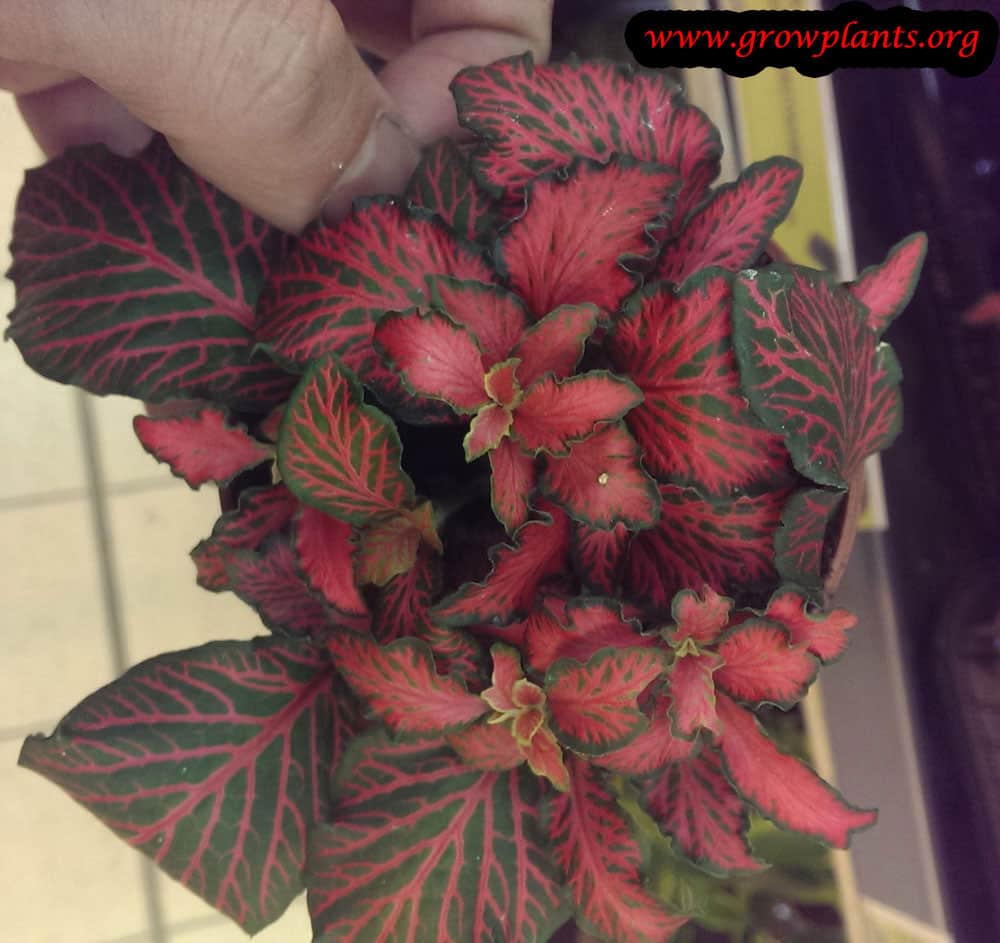
Plant Profile & Key Characteristics
Overview: Fittonia is a low, creeping evergreen subshrub reaching only 5–20 cm (2–8 in) tall, prized for its intricately vein-patterned leaves. It is grown as a tender perennial ground cover in the tropics and as a popular houseplant or terrarium plant elsewhere.
Quick Specifications
| Specification | Attribute |
|---|---|
| Plant Type / Life Cycle | Perennial (grown as an annual in cold climates) |
| Foliage Type | Evergreen |
| Mature Size | 5–20 cm (2–8 in) tall, low and creeping |
| Growth Rate | Moderate |
| Root System | Fibrous, shallow |
| Toxicity | Non-toxic (pet-safe) |
| Hardiness | USDA 10b+ (perennial); grown as annual in 5–10a |
Growth Form & Structure
- Height & Spread: Stays low at 5–20 cm (2–8 in) tall with a creeping, mat-forming spread; equally at home in shallow pots, terrariums and hanging planters.
- Growth Habit & Form: Herbaceous trailing subshrub that roots along its stems to form a dense, ground-hugging carpet.
- Lifespan & Maturity: Establishes a full mat quickly under warm, humid, shaded conditions; long-lived where kept frost-free.
Anatomy & Physical Features
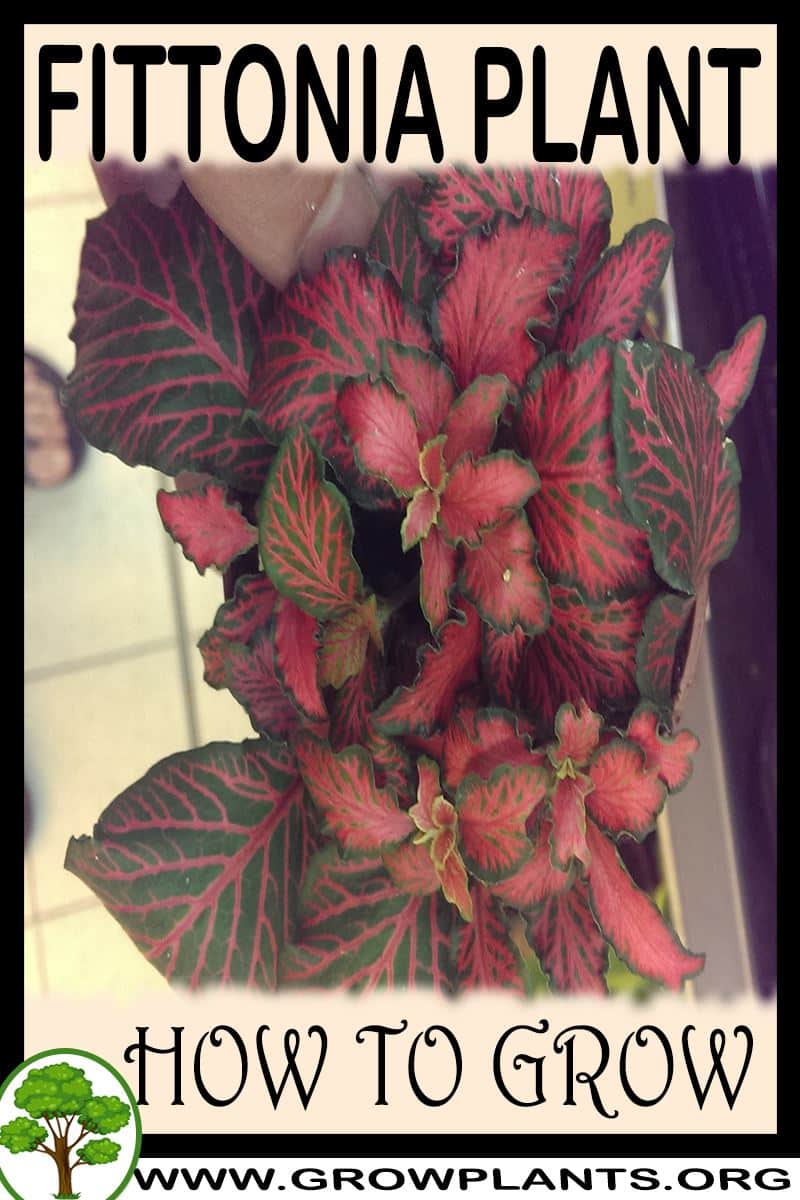
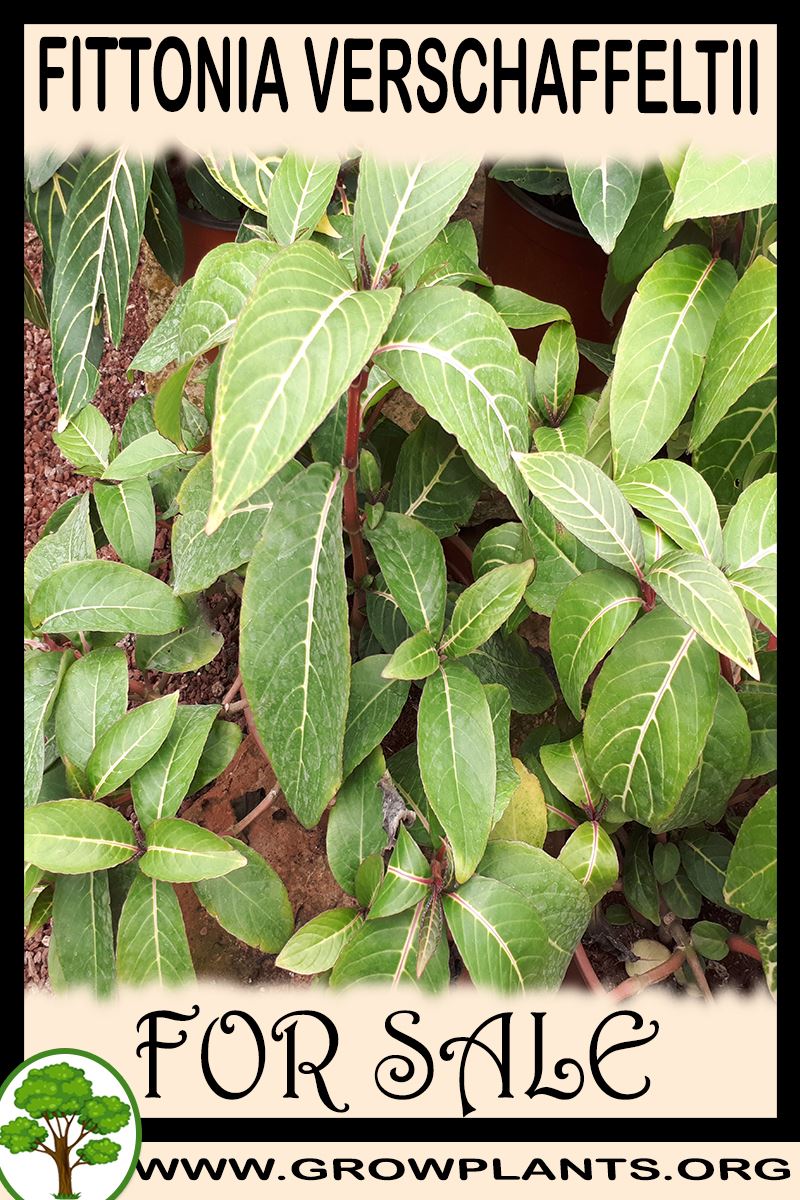
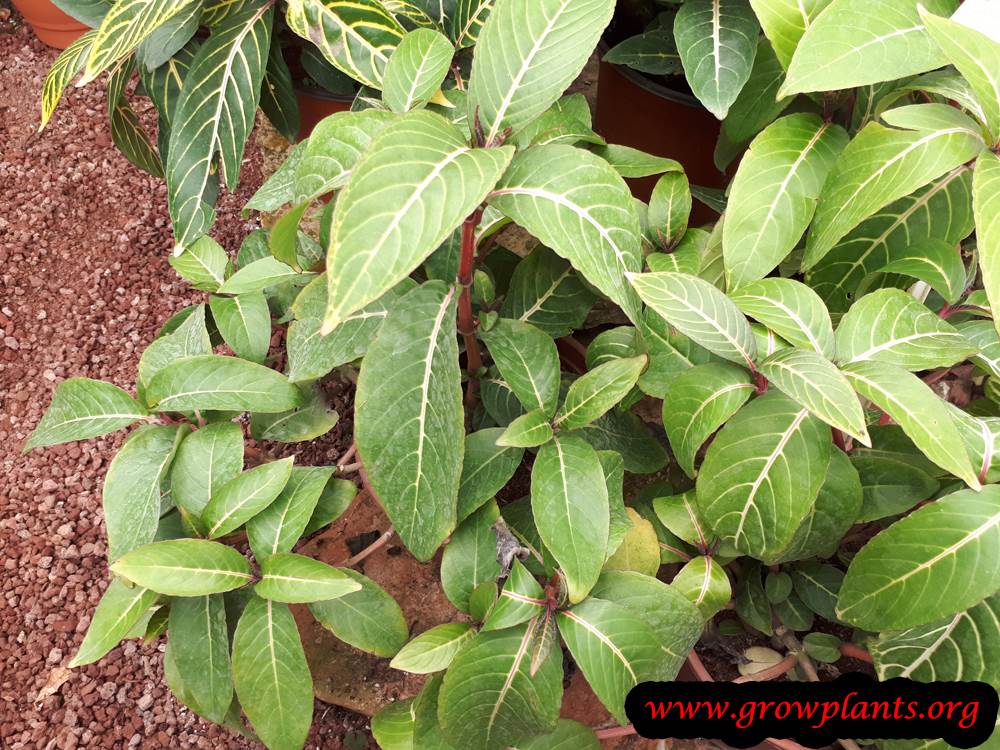
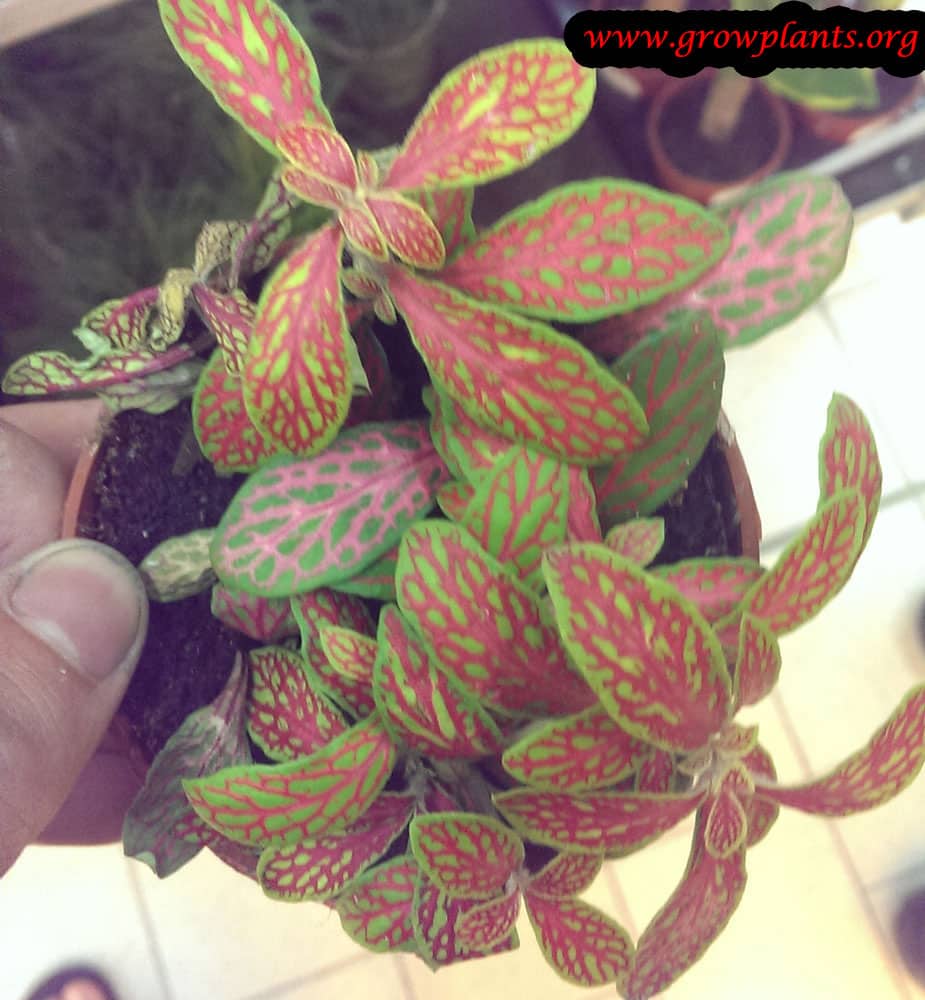
- Leaves & Foliage: Oval leaves in green, red, pink, purple, yellow, orange or white, veined in a contrasting colour so the veins trace a mosaic-like network across each leaf – the plant’s chief ornamental feature.
- Flower Characteristics: Occasional small white flowers on green bracts held in short spikes; insignificant beside the foliage.
Primary Uses & Landscape Value
- Functional & Ornamental Roles: Tropical ground cover, houseplant and terrarium or bottle-garden filler, grown purely for its decorative leaves.
Care Guide: Planting, Soil & Watering
Overview: Fittonia (nerve plant) is a low, spreading tropical evergreen for tropical climates or, most often, as a houseplant (hardiness zone 10b+ as a perennial). It needs frost-free warmth, high humidity, and moist, airy soil, and grows best in full shade or bright indirect light.
Quick Care Requirements
| Requirement | Ideal Condition |
|---|---|
| Planting Season | Year-round in warm, frost-free conditions |
| Growth Rate | Moderate |
| Soil Type | Moist, rich, well-aerated soil |
| Water Need | Moderate – keep evenly moist |
Planting & Establishment
- Best Planting Season: In warm, frost-free conditions – including indoors – it can be planted year-round.
- How to Plant:
- Hole Preparation: Dig a hole a little larger than the root ball in a warm, sheltered, shaded spot.
- Soil Amendments: Blend in organic matter to keep the soil rich and moisture-retentive while staying loose and airy.
- Planting Depth: Set the root ball level with the soil surface, keeping the low crown unburied.
- Growth Speed & Expectations: A moderate grower forming a low, spreading mat about 5-20 cm (2-8 in) tall – ideal as ground cover or a houseplant.
Soil, Watering & Drainage Care
- Soil Mix & Drainage Needs: Use a moist, rich, well-aerated mix with good drainage holes; the plant likes steady moisture and high humidity but not stagnant, waterlogged soil.
- Watering Schedule & Technique:
- Young / Newly Planted: Keep the soil evenly moist while the plant establishes, and maintain humidity.
- Established: Water regularly to keep the soil lightly moist at all times – Fittonia wilts quickly if it dries out, but resents sitting in water.
- Seasonal Adjustments: Water a little less in cool weather and keep humidity up in dry, heated indoor air.
Climate, Light & Hardiness
Fittonia (nerve plant) is a small tropical foliage plant grown mainly indoors or in warm, frost-free, humid, shaded conditions. It is very frost-tender and humidity-loving, so warmth and moist air - not cold hardiness - are the keys to keeping it thriving.
Quick Climate Specifications
| Climate Zones | Tropical (outdoors); grown as a houseplant elsewhere |
|---|---|
| USDA Hardiness Zones | About 10b and warmer as a perennial outdoors; grown as an annual or houseplant in roughly zones 5–10a |
| Optimal Temp Range | Warm, roughly 18–27 °C (64–81 °F) |
| Cold Damage Begins | Suffers below about 15 °C (59 °F); keep well above this in winter |
| Approx. Survival Minimum | Damaged by any frost; best kept above roughly 10–13 °C (50–55 °F) |
| Frost Tolerance | None |
| Light Conditions | Full shade / bright indirect light |
Sunlight & Light Exposure
Optimal Light Setup
Grows best in full shade to bright, indirect light - an east- or north-facing window, or a well-lit spot out of direct sun. Direct sun scorches the thin, patterned leaves.
Shade & Heat Management
Keep it out of hot direct sun, which quickly crisps the foliage; filtered light preserves the leaf markings and prevents drying.
Best Exposure / Orientation
A shaded, stable, draught-free position indoors suits it; it also thrives in the enclosed, humid light of a terrarium.
Temperature Extremes & Hardiness
Indoor Comfortable Temperature
Happiest in normal warm room temperatures of roughly 18–27 °C (64–81 °F), with no cold draughts.
USDA Hardiness & Regional Limits
The site data places it at about USDA zone 10b and warmer as a perennial (grown as an annual or houseplant in roughly zones 5–10a). Outdoors it is only suited to genuinely frost-free, humid, shaded settings; elsewhere it is an indoor plant.
Cold Damage & Winter Protection
Growth stalls and leaves suffer below about 15 °C (59 °F). Keep it away from cold windows, unheated rooms and winter draughts.
Frost Sensitivity
No frost tolerance at all - even a light chill damages the foliage, and frost is fatal.
Wind, Humidity & Microclimate
Humidity Preferences
Loves high humidity; dry air causes leaf-edge browning and wilting. Grouping plants, a pebble tray, or a terrarium keeps the air suitably moist.
Dry-Air Tolerance
Poor tolerance of dry air - heated winter rooms and air-conditioning are common causes of crisping.
Microclimate Recommendations
A warm, humid, softly-lit, draught-free niche - a terrarium, bathroom or kitchen windowsill - gives the most reliable results.
Growing in Pots, Balconies & Indoors
Fittonia is one of the best true houseplants the grower lists – a small, shade-loving plant that thrives in the steady warmth and low light of a room. Its love of humidity and dislike of frost make a pot indoors its natural home.
Quick Details
- Container Size: Small – a wide, shallow 1-3 L (about a quart to a gallon) pot suits its low, spreading roots
- Indoor Suitability: Excellent – a genuine houseplant for warm, humid, shaded rooms
- Best Spot: Bright indirect light, out of direct sun
- Soil & Drainage: Moist but well-aerated mix; never soggy
- Watering in Pots: Keep evenly moist – it wilts fast if the pot dries, but recovers when watered
Indoors & On the Windowsill
- A true houseplant: Give it a warm room with bright, indirect light – no direct sun, which scorches the patterned leaves.
- Humidity: It loves moist air; group it with other plants, stand the pot on a damp pebble tray, or grow it in a terrarium or bathroom.
- Windowsill: An east or north sill, or set back from a bright window, is ideal; keep it away from cold draughts and heaters.
On a Balcony or Patio
- Light & shelter: Outdoors only in warm, frost-free weather – keep it in bright shade, sheltered from sun and wind, as leaves and pots dry quickly.
- Overwintering: Bring it inside well before any cold; it is frost-tender and happiest as an indoor plant year-round in cool climates.
Choosing the Pot, Soil & Long-Term Care
- Pot & drainage: A shallow, wide 1-3 L pot with drainage holes; skip a standing water saucer to avoid root rot; terracotta breathes and dries faster, while glazed or plastic holds moisture longer.
- Potting mix: A moisture-retentive but airy mix – peat or coir with perlite; it likes damp roots without stagnation.
- Feeding: Potted plants use up their soil faster as nutrients wash out with each watering, so feed a little and often through the growing season.
- Repotting: Refresh the mix or pot up about every two years; for perennials, lightly trim the root ball and top growth when you do.
Growing this plant in a greenhouse
A greenhouse can give fittonia frost protection and cold protection. In the right climate it may also be kept growing through winter, depending on how much warmth and light are provided.
Greenhouse at a glance
| Greenhouse suitability | Good - clearly useful |
|---|---|
| Main benefits | frost protection, cold protection |
| Season extension | earlier spring & later autumn |
| Outdoor protection advisable below | about 15°C |
| Maintain greenhouse minimum | around 15°C for active growth |
| Suitable types | heated greenhouse, polycarbonate greenhouse, lean-to |
| Heating | Heating is recommended in cold climates for continuous growth. |
Related greenhouse guides
- Greenhouses: How to Choose the Right Greenhouse
- Best Greenhouse Heaters
- Greenhouse Climate Control: Temperature, Ventilation and Humidity
- Best Lean-To Greenhouses
Fertilizing & Feeding
A light feeder grown for its foliage: keep feeding gentle and regular during active growth, and ease off in low light. These plants show fertilizer-salt damage quickly, so light and steady beats heavy.
Quick Fertilizing Specs
| Feeding Level | Light |
|---|---|
| Main Nutrient Priority | Balanced, nitrogen-forward feeding for lush foliage |
| Best Feeding Period | Warm, bright months of active growth |
| Organic Options | Diluted balanced liquid feeds; a light worm-casting top-dress |
| Soil pH | Prefers a slightly acidic potting mix |
| Reduce/Stop Feeding | Reduce in low light and stop while growth is dormant |
| Micronutrients | Iron and manganese supplied by a complete houseplant fertilizer |
Feeding by Growth Stage
After repotting
Let roots settle into fresh potting mix after repotting before any feeding.
| Nutrient direction | None – fresh potting mix already supplies nutrients, so withhold fertilizer. |
|---|---|
| Timing | Right after repotting. |
| Frequency | No feeding until the plant is established and actively growing. |
| Fertilizer types | No feeding right after repotting – withhold fertilizer until new growth appears. |
| Precautions | Do not fertilize newly repotted plants; wait for active growth. |
Active growth
Support steady leafy growth and strong leaf color.
| Nutrient direction | A balanced, nitrogen-forward houseplant fertilizer to keep foliage lush and well colored. |
|---|---|
| Timing | Through the warm, brighter months of active growth. |
| Frequency | Light, regular feeding while the plant is actively growing. |
| Fertilizer types | A balanced liquid houseplant fertilizer applied to moist soil, A complete fertilizer at a gentle rate |
| Routine trace nutrients | iron, manganese |
| Precautions | Apply to moist soil and keep feeding light – these plants are sensitive to fertilizer-salt buildup. |
Low-light slowdown
Match feeding to slower growth in low light and cool months.
| Nutrient direction | None – growth slows in low light, so withhold fertilizer until light and growth increase. |
|---|---|
| Timing | Winter and other low-light periods. |
| Frequency | No feeding while growth is slow. |
| Fertilizer types | No feeding during the low-light slowdown – withhold fertilizer until active growth resumes. |
| Precautions | Do not fertilize while the plant is resting in low light. |
Salt management
Periodically leach the pot to remove built-up fertilizer salts.
| Nutrient direction | None – this is a maintenance step, not a feeding; withhold fertilizer and flush with plenty of plain water. |
|---|---|
| Timing | When salts crust on the soil surface or pot rim. |
| Frequency | No feeding – occasional leaching only. |
| Fertilizer types | No fertilizer – leach the container with thorough watering to wash out salts. |
| Precautions | Do not add fertilizer during a leaching flush. |
Nutrient Deficiency Signs & Corrections
Overall pale, yellowing foliage with weak new growth.
| Possible causes | Low nitrogen in exhausted potting mix, Nutrients leached by frequent watering, Root-bound plant with little soil left |
|---|---|
| Appears first on | Older, lower leaves. |
| What to check | Time since last repot or feed, Whether roots fill the pot, Watering frequency |
| Possible correction | Resume light balanced feeding during active growth and repot if root-bound. |
Brown, scorched leaf tips and edges with a crust on the soil.
| Possible causes | Fertilizer-salt buildup in the pot, Low humidity or underwatering concentrating salts, Poor drainage |
|---|---|
| Appears first on | Leaf tips and margins. |
| What to check | Feeding rate, Drainage and salt crust, Humidity |
| Possible correction | Leach the pot with thorough watering and reduce the feeding rate. |
Interveinal yellowing on new leaves with green veins.
| Possible causes | High-pH mix or water reducing iron and manganese availability, Cold, overwatered roots limiting uptake, Not necessarily a true shortage in the soil |
|---|---|
| Appears first on | New, young leaves. |
| What to check | Watering and drainage, Mix and water pH |
| Possible correction | Correct watering and pH, then apply a chelated iron product per its label if it persists. |
Pruning, Training & Seasonal Maintenance
Fittonia (nerve plant, mosaic plant) is a small, low-growing tropical foliage plant grown for its vividly veined leaves, almost always as a houseplant or terrarium subject, so its pruning is entirely about keeping the little creeping stems bushy and the display fresh — there is no woody structure, no season and no fruiting logic to consider. Its two habits drive the work: it goes leggy and bare-stemmed if left, and it can decline after flowering, so regular tip-pinching keeps it dense and pinching off the insignificant flower spikes keeps energy in the prized foliage. It responds beautifully to being cut back, reshooting from lower nodes, which makes it one of the easiest houseplants to rejuvenate. Any time of year suits, since it grows year-round in warm, humid, shaded conditions.
Quick Pruning & Maintenance Specs
| Pruning Tolerance | High for pinching and cut-back — but it is all soft-stem grooming, no structure |
| Primary Maintenance Window | Year-round — it grows and can be pinched at any time in warm conditions |
| Typical Frequency | Light tip-pinching every few weeks in growth; cut back whenever it goes leggy |
| Main Objective | Keep a dense, compact mound of foliage and prevent bare, straggly stems |
| Young Plant Priority | Pinch growing tips early to force branching and a bushy habit |
| Mature Plant Priority | Pinch off flower spikes, cut back leggy stems, remove dead leaves |
| Best Tool Type | Precision snips, or simply fingertips for soft pinching |
| Avoid Heavy Pruning During | Cold spells or when the plant is dry-stressed or wilting |
Pruning by Plant Age & Size
Newly Established
A young or freshly potted nerve plant needs only the removal of any dead leaf while it settles into moist, airy, well-drained compost in warmth and humidity. Once it is actively growing, begin pinching the tips to build a full, branching plant from the start rather than letting a few stems run.
Young / Formative
There is no structural training — instead, ‘formative’ care is pinching. Nipping out each growing tip above a leaf pair forces the node below to branch, so repeated light pinching turns a sparse plug into a dense, spreading mound. This is the single most useful thing you can do for a young Fittonia’s shape.
Mature / Established
An established plant tends to creep and go bare at the base of its stems. Keep pinching the tips for density, pinch off the small flower spikes as they appear so the plant does not tire itself flowering, and when stems get long and leggy cut them back hard — the plant reshoots readily from the lower nodes and the trimmings root easily as cuttings.
Structural Pruning & Training
There is no framework to build, but shaping matters because Fittonia sprawls and thins with age. Cutting leggy stems back to a pair of healthy lower leaves, and pinching tips routinely, keeps the plant as a tight, rounded cushion rather than a ring of bare stems with foliage only at the ends. Do this whenever the habit opens up; the plant is quick to refill.
Special Growth to Remove
The two things worth removing regularly are the flower spikes — the small white flowers on green bracts are unremarkable and the plant often sulks or partly dies back after blooming, so pinch the spikes off to keep it foliage-focused and vigorous — and any dead, crisped or faded leaves, which are common if humidity dips. There are no runners, suckers or woody growth to manage; the creeping stems root where they touch moist compost, which you can encourage for a fuller pot.
Container & Small-Space Pruning
Fittonia is essentially always a container, terrarium or bottle-garden plant, so the container advice is the whole story: pinch tips for a compact cushion, cut back any stem that outgrows the bowl or reaches for the glass, and remove flower spikes to prolong the plant. In a closed terrarium, regular pinching stops it swamping neighbours. Trimmings dropped onto the moist surface or potted separately root within a couple of weeks, so grooming doubles as propagation.
Tools
Fingertips or precision snips are all that is ever needed — the stems are thin and soft, and pinching between finger and thumb above a leaf node is often quicker than reaching for a tool. Secateurs, loppers, saws and shears are wholly unnecessary on a plant of this size.
Tool Hygiene & Disease Risk
Hygiene is Routine: clean, sharp snips (or clean fingers) are enough, as the main problems are sap-sucking pests — aphids, spider mites and mealybugs — rather than a blade-borne disease. If you are grooming a plant that has mealybug or mites, clean your snips and hands before touching a healthy plant so you do not ferry the pests across, and isolate an infested plant while you deal with it.
Cut Placement & Technique
Pinch or cut just above a leaf pair (node): the buds in that node break and branch, giving two shoots for one and a bushier plant. Cutting mid-internode leaves an ugly bare stub that dies back, so always cut to a node. When rejuvenating a leggy plant, cut each straggly stem back to a low pair of healthy leaves and let it reshoot from there.
Heavy Pruning & Rejuvenation
Fittonia takes hard cutting-back very well — this is its great advantage. A tired, bare-stemmed plant can be cut back sharply to a few centimetres of leafy lower stem and will reshoot into a fresh, dense mound within weeks in warm, humid conditions, and the healthy tips you remove root readily as new plants. Do it when the plant is actively growing and warm, not during a cold or dry-stressed spell.
Post-Pruning Care
After pinching or a hard cut-back, keep the plant warm, humid and evenly moist — steady moisture and humidity drive the fresh flush, and a Fittonia that dries out after cutting will collapse dramatically (though it often recovers if watered promptly). A light feed once new growth appears helps a hard-pruned plant rebuild, but heavy feeding is unnecessary; warmth, humidity and even watering matter far more.
Common Pruning Mistakes
- Never pinching, so the stems run long and bare and the plant becomes a straggly ring with leaves only at the tips.
- Leaving the flower spikes on, after which the plant often tires and partly dies back instead of staying lush.
- Cutting mid-stem instead of to a leaf node, leaving dead stubs that fail to reshoot.
- Cutting back and then letting the plant dry out, so the fresh growth wilts and the rejuvenation fails.
When NOT to Prune
Do not cut back a plant that is cold, dry-stressed or wilting — wait until it is turgid, warm and growing, when it will reshoot reliably. Avoid hard pruning in a cold or dark spell when regrowth would be slow and weak. There is no dormant season to work around; simply prune when conditions favour a quick recovery.
Recommended Tools (by task)
- precision_snips — for pinching tips, removing flower spikes and cutting soft, leggy stems back to a leaf node; fingertips do the same job on the softest growth.
Propagation Guide
Fittonia is easiest and best increased vegetatively – from stem-tip cuttings, layering at the nodes, or division – which, as the site notes, is the way to keep the same leaf colour and vein pattern as the mother plant. Seed is possible but colour strains do not come true, so cuttings are preferred. It is an easy, willing rooter.
Quick Propagation Specs
| Best Propagation Method | Stem-tip (node) cuttings |
| Alternative Methods | Division, layering of trailing stems, seed |
| Propagation Difficulty | Easy |
| Seed True-to-Type | Variable – leaf colour not reproduced from seed |
| Vegetative True-to-Type | Yes |
| Best Propagation Season | Warm months, or year-round indoors |
| Cutting Rooting Time | Usually a few weeks in warm, humid conditions |
Stem Cuttings
Cutting Type & Preparation
Take a tip cutting with two or more leaf nodes, remove the lowest leaves and keep at least a couple of leaves at the top.
Rooting Setup
Root in water or directly in a moist, well-aerated mix under high humidity and bright indirect light (never direct sun). Warmth speeds rooting; hormone is optional as these cuttings root readily.
Runners & Stolons
The creeping stems root where nodes touch moist soil, so a trailing shoot can be pinned down (layered) to root before it is cut free from the parent – an almost foolproof method.
Division, Offsets, Pups & Suckers
A dense, well-rooted plant can be teased into clumps, each with roots and shoots, and potted up separately. Keep humid and warm while the divisions settle.
Bloom & Flower Guide
Quick Details
- Bloom Season: Spring, though it flowers only rarely when grown as a houseplant
- Flower Appearance: Small white flowers held on green bracts in an upright spike
- Edibility: Ornamental only, but reassuringly non-toxic and considered safe around pets
Detailed Blooming Overview
Fittonia is grown for its intricately veined leaves rather than its flowers, and indoors it blooms only occasionally. When it does, it sends up a slim spike of green bracts studded with small, unshowy white flowers. Many growers pinch these off to keep the plant compact and leafy.
Flower Characteristics
- Small white flowers emerging from overlapping green bracts.
- Carried in a short, upright inflorescence above the foliage.
Bloom Care & Thinning
- Managing the bloom: The flowers are insignificant; pinching out the spikes keeps growth bushy and the leaves at their best.
- Encouraging flowers: Steady warmth, humidity and bright indirect light make the occasional bloom more likely.
Pests, Diseases & Troubleshooting
Overview: The nerve plant is a low tropical foliage plant grown for its veined leaves; it is not especially pest-prone, but its thin leaves and love of warm, humid, evenly moist conditions make it dramatic about environmental stress – the famous fainting collapse when dry – and prone to root rot if overwatered. Mealybugs, fungus gnats and mites are the usual insect visitors. Stable warmth, high humidity and steady (never soggy) moisture prevent most problems.
Quick Troubleshooting Overview
| Issue / Pest | Main Symptom | Primary Solution |
|---|---|---|
| Sudden wilting / collapse | Leaves flatten and droop dramatically, often from dry soil | Water promptly; usually revives within hours |
| Mealybugs | White cottony fluff in leaf axils and undersides | Alcohol swab, insecticidal soap/oil |
| Fungus gnats | Tiny black flies over soil; larvae in wet mix | Let top dry, sticky traps, BTi drench |
| Spider mites | Fine stippling and dull leaves in dry air | Raise humidity, rinse, miticidal soap |
| Root rot | Yellowing, mushy stems, wilting in wet soil | Ease off water, improve drainage, repot |
| Leaf browning/curling | Crispy edges and shrivelled leaves in dry air | Raise humidity, keep out of drafts |
Common Pests & Management
- Mealybugs (Planococcus citri):
- Symptoms: White cottony tufts hidden in leaf axils, along veins and on leaf undersides, with sticky honeydew and stunted, distorted new growth on a small congested plant.
- Prevention & Control: Dab colonies with an alcohol-moistened cotton bud, then treat with insecticidal soap or a light neem/horticultural oil, reaching into the dense low canopy. Isolate the plant and check roots for root mealybug at repotting.
- Fungus gnats (Bradysia spp.):
- Symptoms: Small dark flies drifting over the pot and settling on soil and leaves; their larvae live in the constantly moist mix and can nibble tender roots, worsening any rot.
- Prevention & Control: Let the surface of the mix dry between waterings, cover it with a thin grit layer, and use yellow sticky traps for adults plus a BTi (Bacillus thuringiensis israelensis) soil drench for larvae. Avoid keeping the mix waterlogged.
- Spider mites (Tetranychus urticae):
- Symptoms: Fine pale stippling, a dull faded look and faint webbing under the leaves when the plant is kept too warm and dry.
- Prevention & Control: Raise humidity and rinse the foliage, isolate the plant, and treat with insecticidal soap or a light miticidal oil if needed. Correcting the dry air usually keeps mites away.
- Aphids (Aphis / Myzus spp.):
- Symptoms: Small green or black soft insects clustered on tender new shoots, with sticky honeydew and puckered young leaves.
- Prevention & Control: Rinse them off, wipe with insecticidal soap, and inspect fresh growth. Rarely a serious problem indoors if caught early.
Diseases & Fungal Issues
- Root and stem rot (Pythium / Rhizoctonia spp.):
- Symptoms: Yellowing, blackening or soft mushy stems at the base and wilting even though the soil is wet, with dark rotten roots; the plant declines and collapses.
- Treatment & Management: Prevention is key: use a well-draining but moisture-retentive mix, a pot with drainage, and water when the surface just begins to dry rather than keeping it soggy. Repot rotting plants into fresh mix, trim dead roots, and take healthy cuttings as insurance since Fittonia roots easily.
- Leaf spot / anthracnose (Colletotrichum / Cercospora spp.):
- Symptoms: Brown or tan spots, sometimes with yellow halos, spreading on leaves kept wet in stagnant, humid air.
- Treatment & Management: Remove affected leaves, avoid wetting the foliage late in the day, and improve airflow. Rarely needs fungicide indoors if watering and ventilation are corrected.
- Powdery mildew / botrytis (Botrytis cinerea):
- Symptoms: Grey fuzzy mould on damaged leaves or a powdery film in cool, damp, crowded conditions.
- Treatment & Management: Improve ventilation, remove affected tissue, and avoid overhead watering. Correcting humidity and airflow usually resolves it.
Growing Difficulties & Abiotic Problems
- Dramatic wilting / fainting:
- Cause & Symptoms: Fittonia collapses spectacularly, flattening its leaves, when the soil dries out even briefly – an alarming but usually recoverable reaction to underwatering (occasionally to overwatering or heat).
- Correction Strategy: Keep the mix evenly moist, never bone dry; when it faints from dryness, water thoroughly and it typically revives within hours. If it wilts in wet soil instead, suspect root rot and check the roots.
- Leaf browning and curling (dry air):
- Cause & Symptoms: Low humidity and dry drafts crisp the thin leaf edges, curl the foliage and cause leaf drop – this plant wants humid, jungle-floor conditions.
- Correction Strategy: Raise humidity with grouping, a pebble tray, a terrarium or a humidifier, keep it away from heating/cooling vents, and maintain warm, stable temperatures.
- Faded colour / leggy growth:
- Cause & Symptoms: Too little light dulls the leaf veining and stretches the stems; harsh direct sun scorches and bleaches the leaves.
- Correction Strategy: Provide bright, indirect light – enough to keep the veining vivid but out of direct midday sun, which the thin leaves cannot take.
- Yellowing lower leaves:
- Cause & Symptoms: Overwatering, poor drainage or a natural loss of the oldest leaves; persistent widespread yellowing usually means the roots are too wet.
- Correction Strategy: Adjust to a steady moist-not-soggy cycle, ensure the pot drains freely, and feed lightly in the growing season; remove spent lower leaves.
What Helps – Products & Tools
Success is nearly all about environment – even moisture, high humidity, warmth and bright indirect light. For pests, alcohol spot-treatment, insecticidal soap and light neem/horticultural oil handle mealybug, aphid and mites, while sticky traps plus a BTi drench control fungus gnats. Disease is managed by airflow and careful watering rather than sprays.