

Plant Profile & Key Characteristics
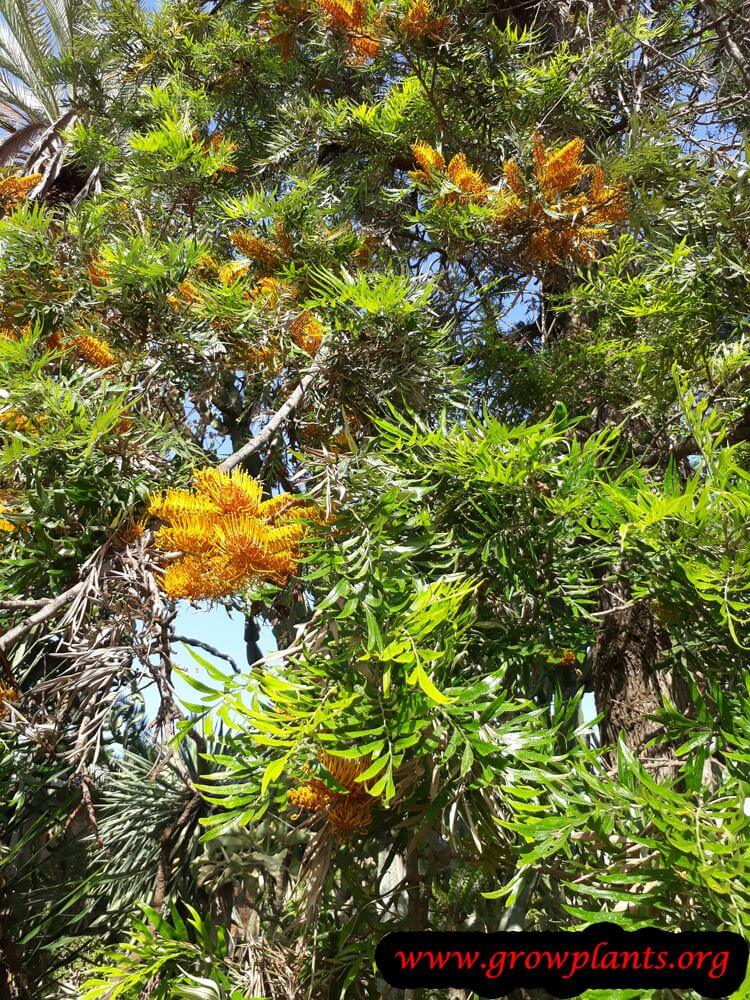
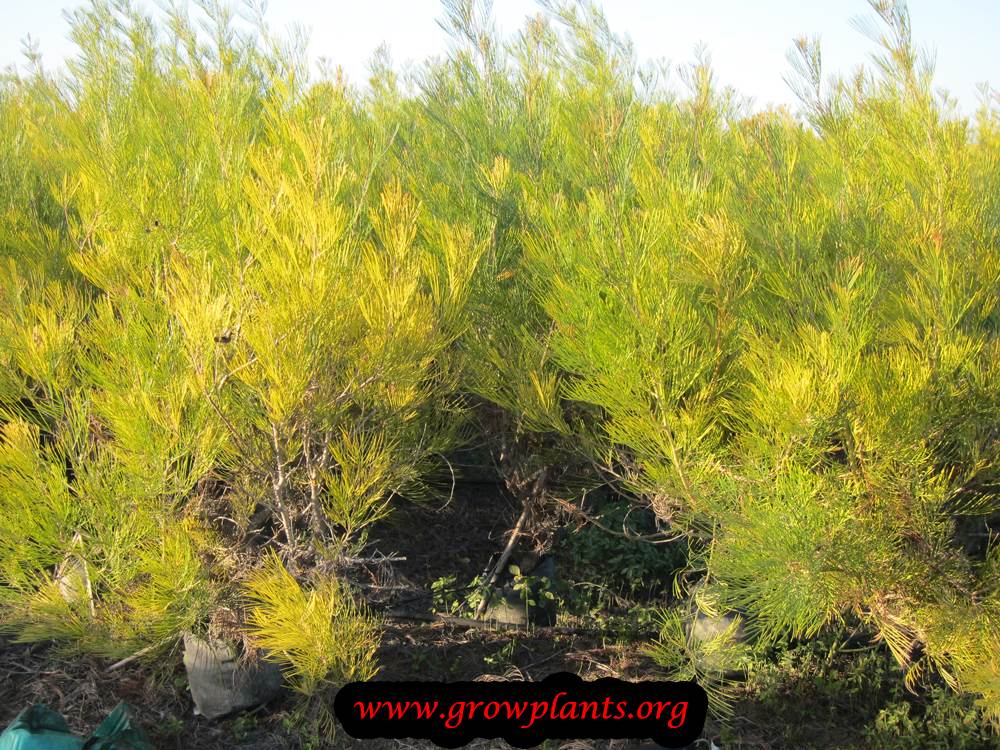
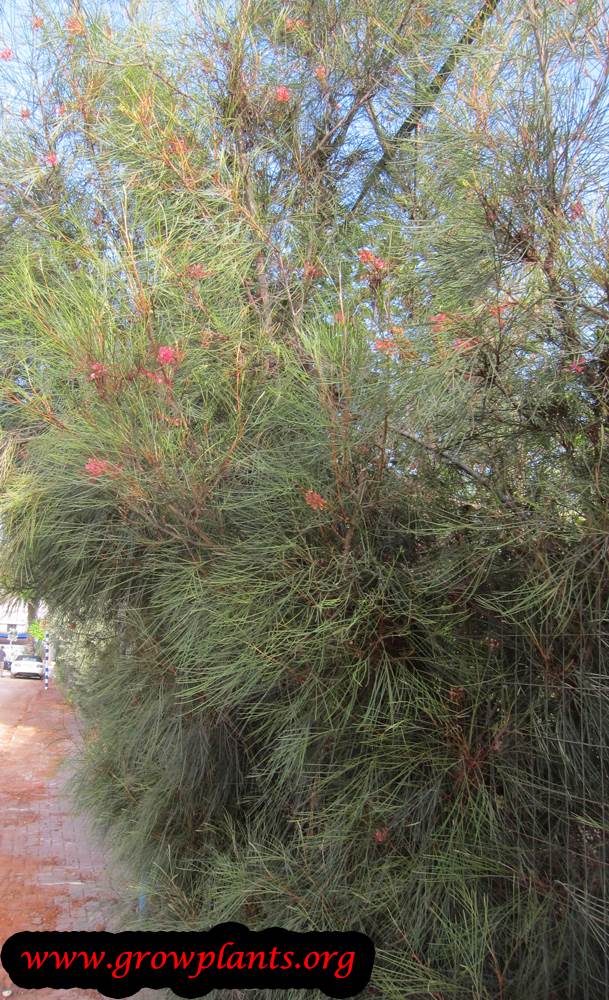
Overview: A diverse evergreen genus ranging from low shrubs to tall trees (0.2–25 m (8 in – 80 ft)). Members are grown ornamentally as shade trees, hedging and bonsai, and for their nectar-rich flowers.
Quick Specifications
| Specification | Attribute |
|---|---|
| Plant Type / Life Cycle | Perennial (evergreen tree or shrub) |
| Foliage Type | Evergreen |
| Mature Size | 0.2–25 m (8 in – 80 ft) tall |
| Growth Rate | Moderate to fast |
Growth Form & Structure
- Height & Spread: Ranges from around 0.2 m in shrubby species to 25 m (80 ft) in the tree species; not generally suited to long-term container growing.
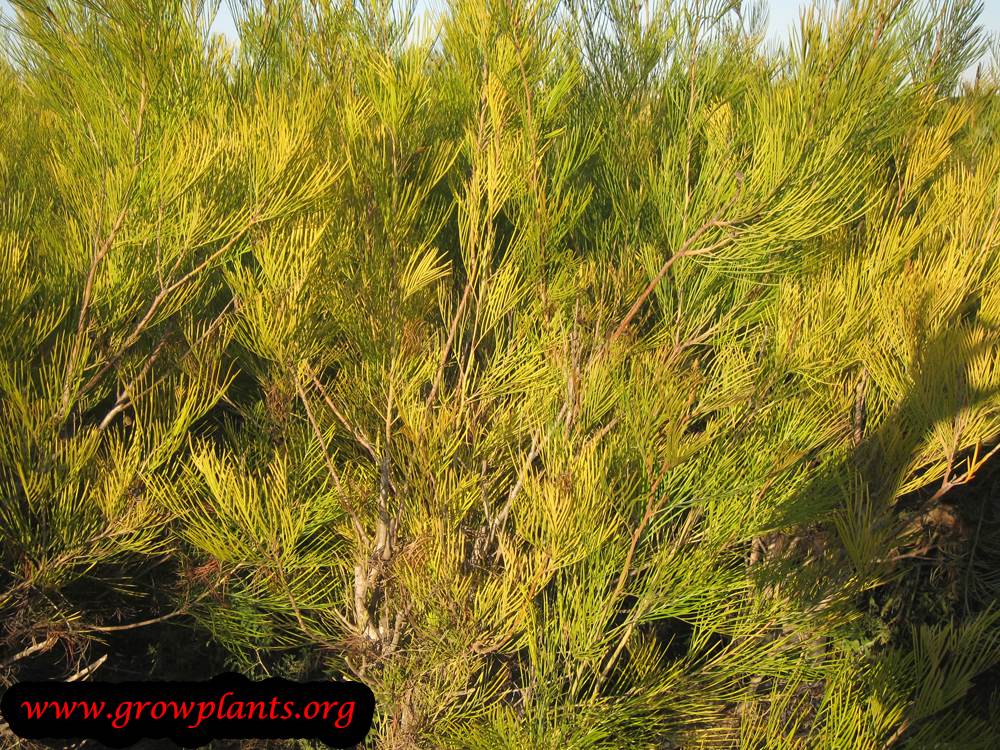
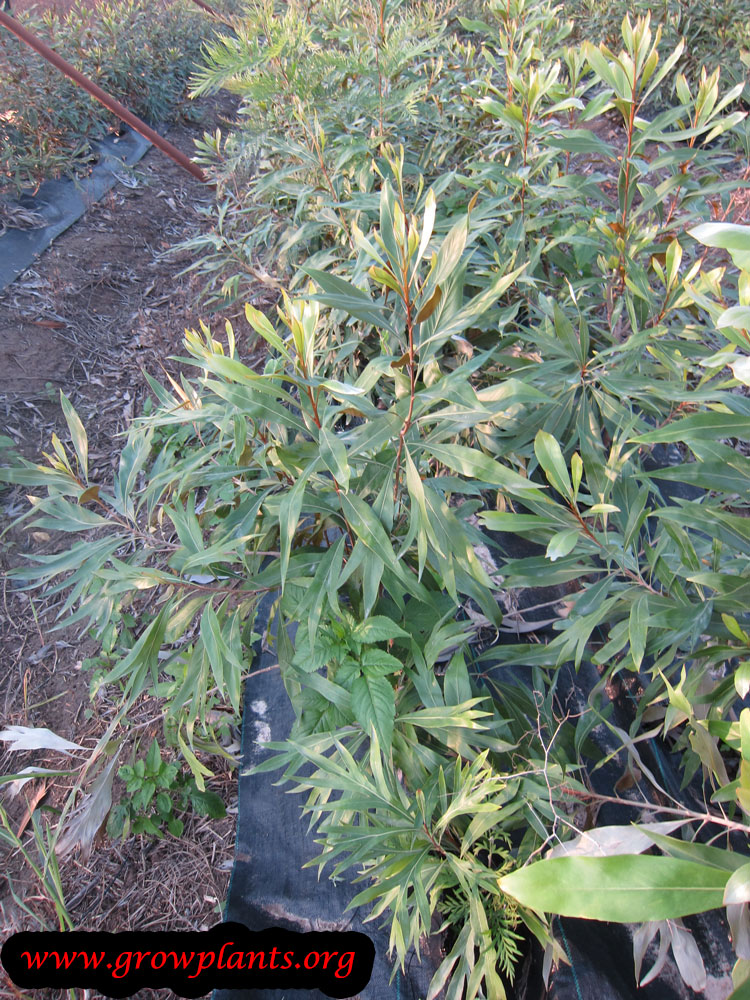
- Growth Habit & Form: Varies from low, spreading shrubs to erect single-trunked trees with an open to dense canopy, according to species.
- Lifespan & Maturity: Long-lived woody perennial; fast early growth to reach size within a few years.
Anatomy & Physical Features
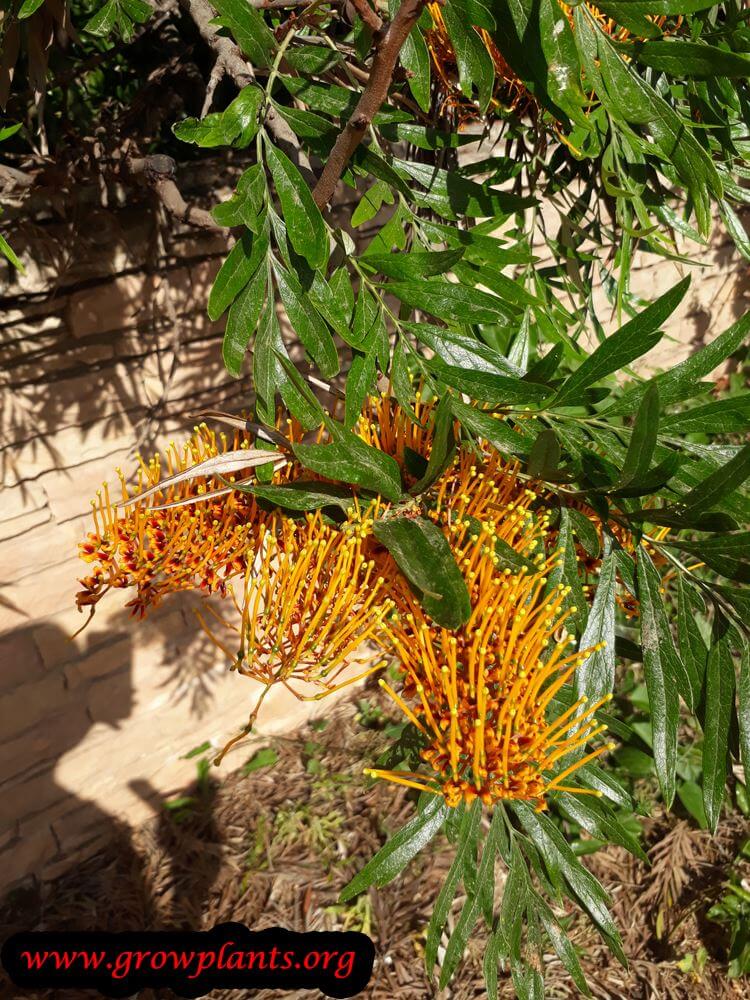
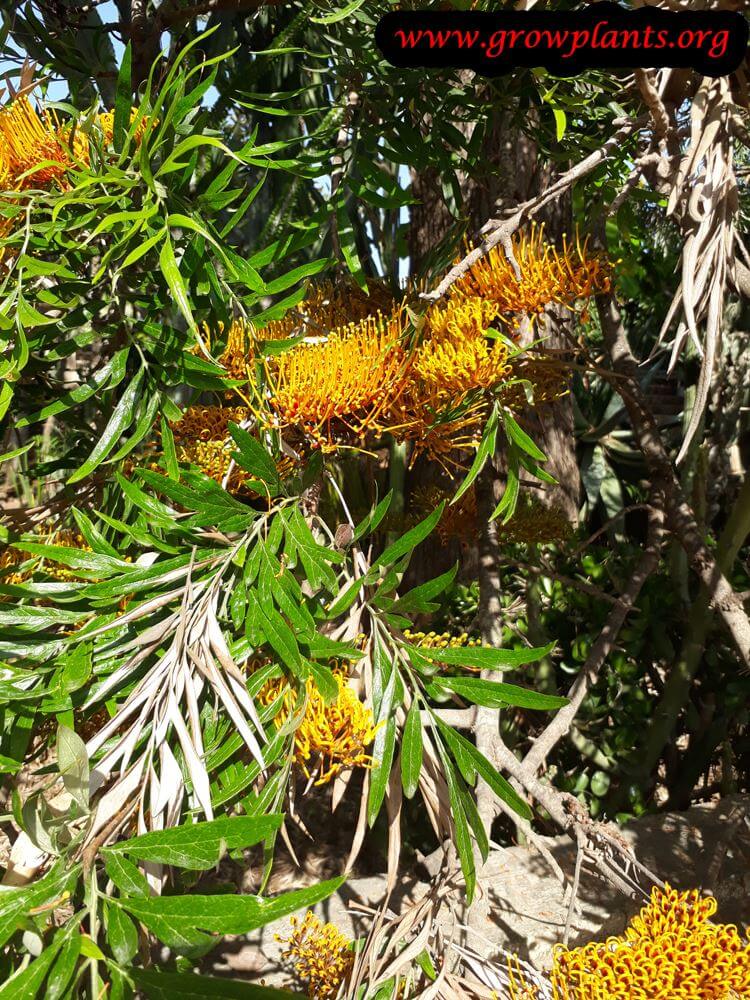
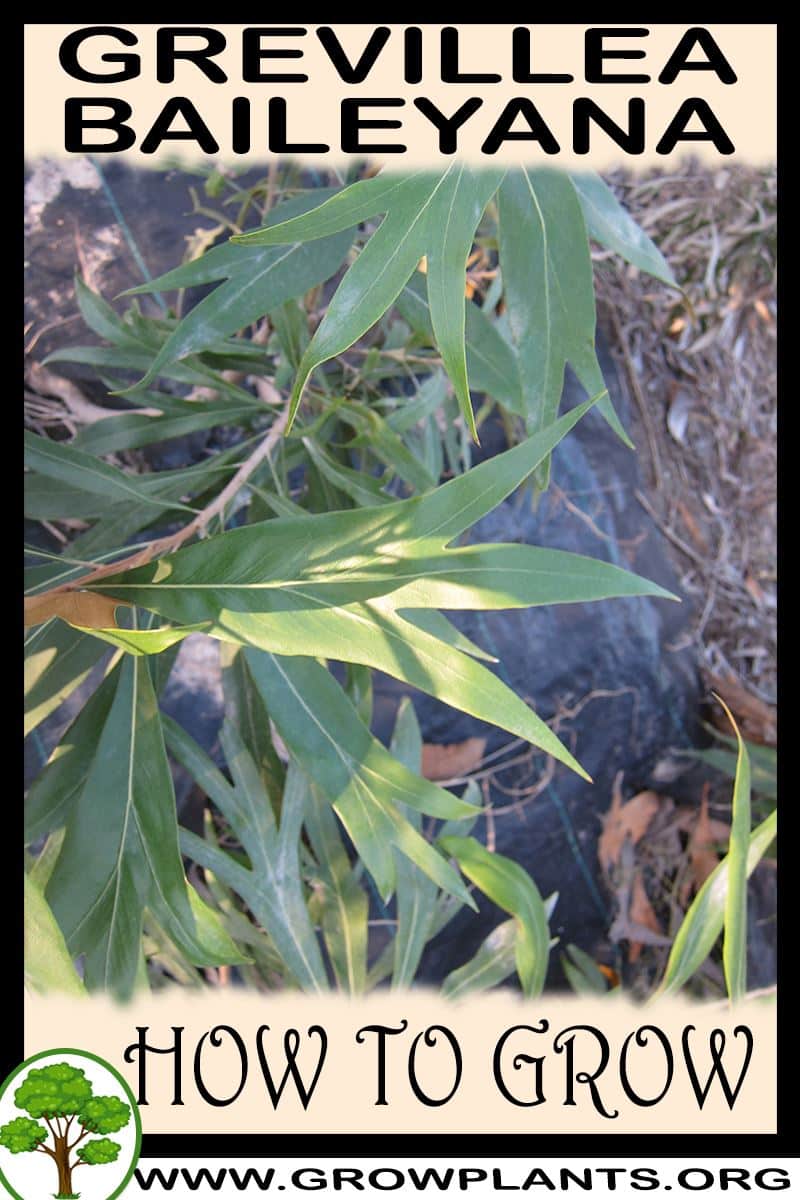
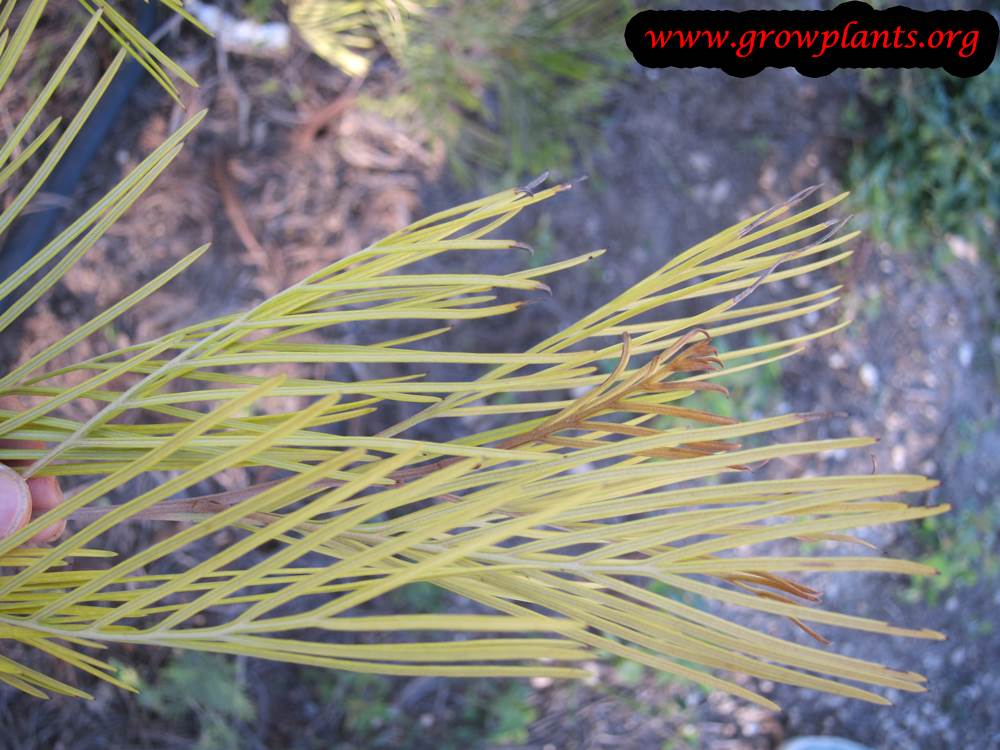
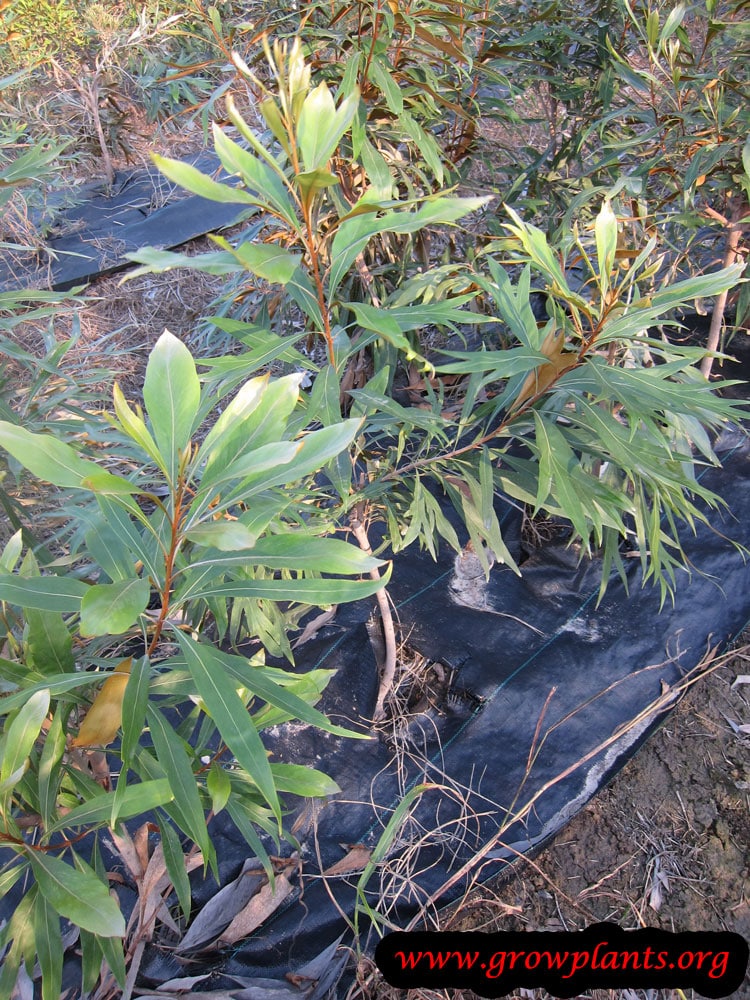
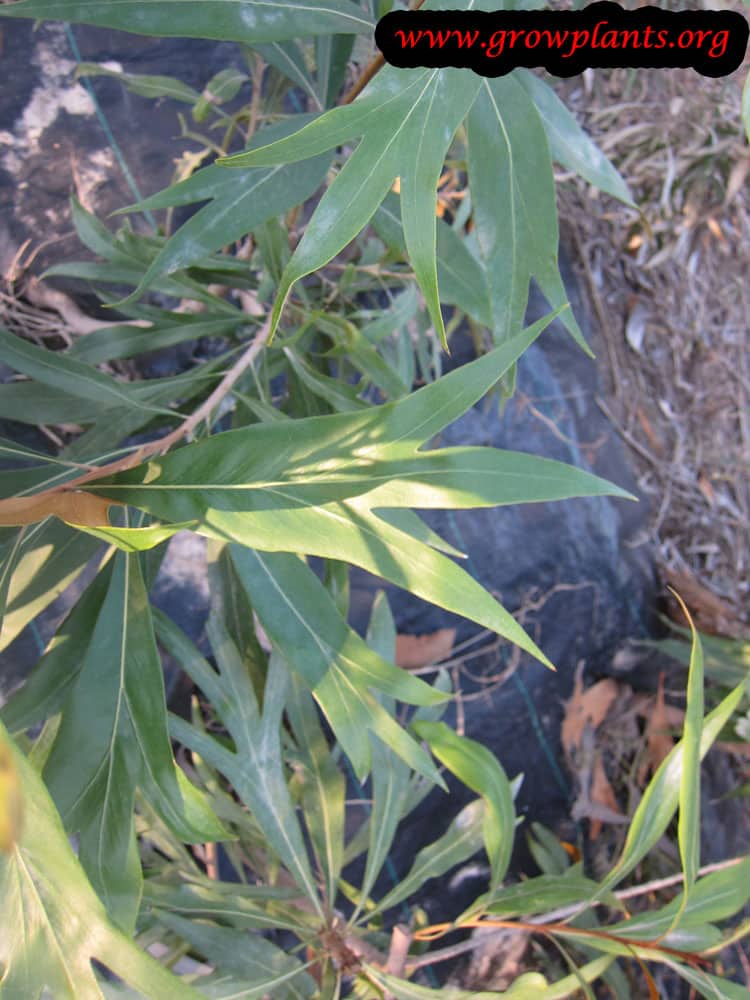
- Leaves & Foliage: Evergreen green leaves, oval to deeply forked/divided depending on the species.
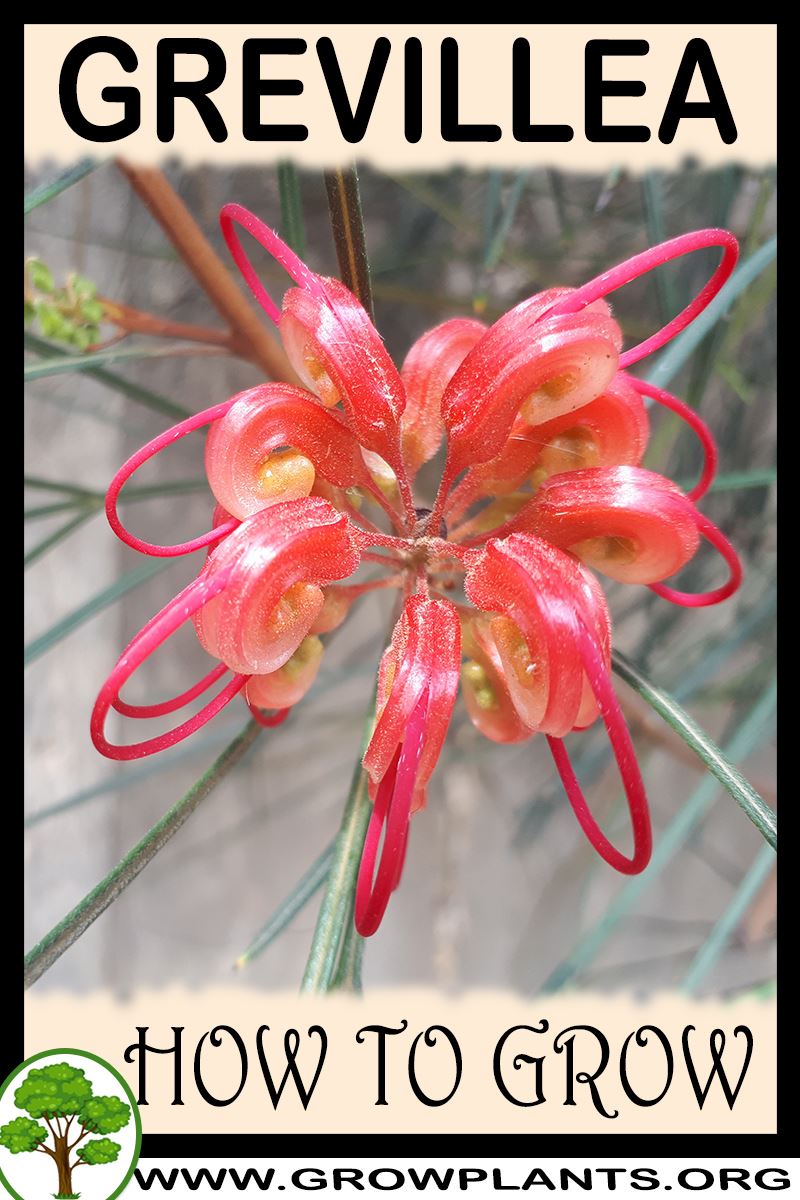
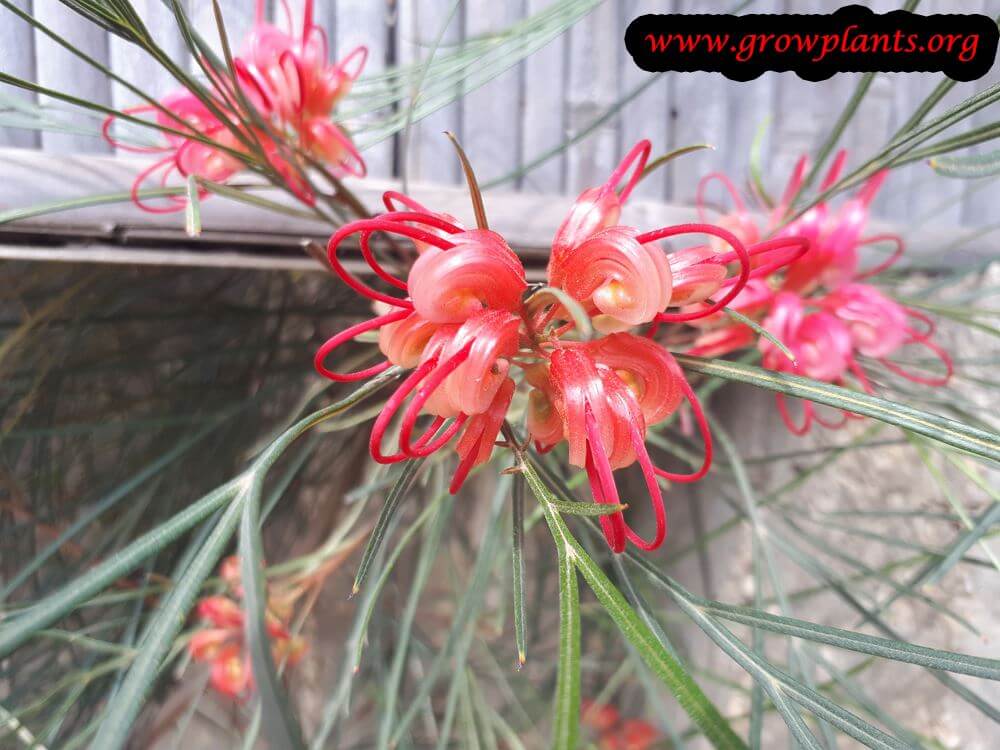
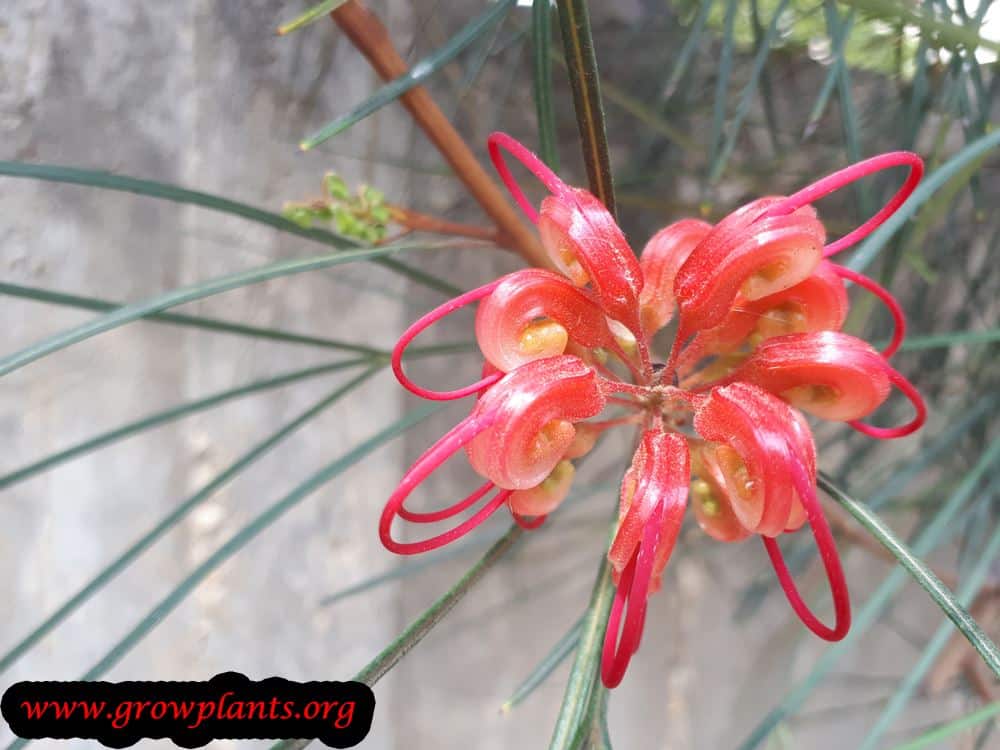
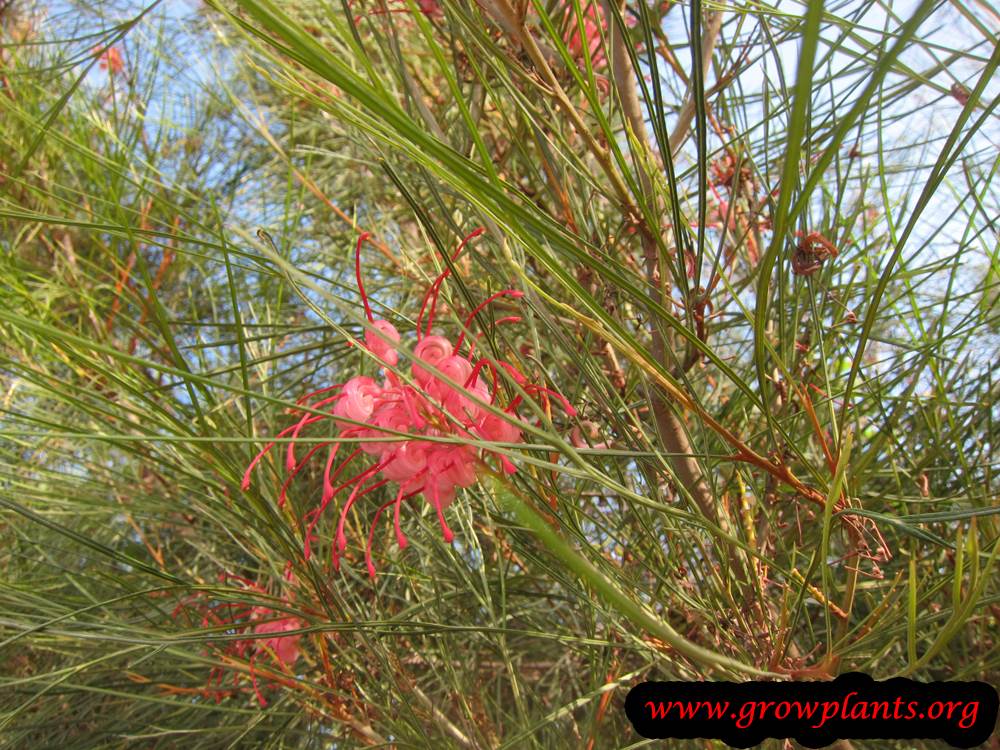
- Flower Characteristics: Nectar-rich flowers in spider-like or one-sided (toothbrush) clusters, colour varying by species.
Primary Uses & Landscape Value
- Functional & Ornamental Roles: Ornamental shrubs and trees, shade tree, hedging, nectar source for birds and pollinators, and bonsai subject.
Care Guide: Planting, Soil & Watering
Overview: Grevillea is a tough, sun-loving evergreen from the protea family that thrives in light, sharply drained soil and tolerates dry conditions once established. Like its relatives it is sensitive to phosphorus, so it prefers lean, slightly acidic ground and low-phosphorus feeding.
Quick Care Requirements
| Requirement | Ideal Condition |
|---|---|
| Planting Season | In the warm season (spring through autumn in frost-free climates) |
| Growth Rate | Moderate to Fast |
| Soil Type | Light and well-draining; tolerates poor, sandy or gravelly ground |
| Soil pH | Slightly acidic to neutral (about 5.5–6.5); avoid lime and high-phosphorus fertilisers |
| Water Need | Low to moderate; drought tolerant once established, let the soil dry between waterings |
Planting & Establishment
- Best Planting Season: Plant in the warm season — spring, summer or autumn in frost-free and warm climates — giving the roots time to establish before any cold.
- How to Plant:
- Hole Preparation: Dig a hole about as deep as, and a little wider than, the root ball, loosening the sides so young roots can spread into the surrounding soil.
- Soil Amendments: Grevillea wants sharp drainage rather than rich soil; add coarse sand or grit to heavy ground, but avoid manure, mushroom compost and phosphorus-rich fertilisers, which can damage the roots of this protea-family plant.
- Planting Depth: Set the plant at the same depth it grew in its pot, with the root collar at soil level; do not pile soil or mulch against the trunk.
- Growth Speed & Expectations: Moderate to fast, quickly making a large shrub or tree in good conditions.
Soil, Watering & Drainage Care
- Soil Mix & Drainage Needs: Grows best in light, gritty, freely draining soil; it will not tolerate waterlogging, so improve drainage on heavy sites or plant on a slope or raised bed.
- Watering Schedule & Technique:
- Young / Newly Planted: Water regularly through the first season to settle the roots, keeping the soil lightly moist but never soggy.
- Established: Once established it is markedly drought tolerant — water deeply but infrequently, letting the soil dry out between waterings.
- Seasonal Adjustments: Reduce watering in winter and cool weather; give occasional deep soaks during extended summer heat or drought.
Climate, Light & Hardiness
Grevillea is a sun-loving genus of trees and shrubs for subtropical, tropical, mediterranean, desert, and temperate climates, grown as anything from a groundcover to a shade tree depending on species. Cold tolerance varies by species within the genus, but as a group it is reliable outdoors from USDA zone 8 and warmer.
Quick Climate Specifications
| Climate Zones | Subtropics, tropics, mediterranean, desert, temperate |
|---|---|
| USDA Hardiness Zones | 8+ (varies by species and cultivar) |
| Frost Tolerance | Low to Moderate, depending on species |
| Light Conditions | Full Sun |
| Wind Tolerance | Moderate |
Sunlight & Light Exposure
Optimal Light Setup
Full sun is needed for healthy growth and the best display of its bottlebrush-like flower clusters.
Direct Sun Requirement
Needs strong, direct sun for most of the day.
Best Exposure / Orientation
An open, sunny site suits it whether grown as a small shrub or as a shade tree.
Temperature Extremes & Hardiness
USDA Hardiness & Regional Limits
As a genus, reliable outdoor culture starts around USDA zone 8; because Grevillea spans tiny groundcovers to trees over 20 m tall, individual species and cultivars differ meaningfully in their exact cold limits, so gardeners should confirm the specific species’ rating where precision matters.
Cold Damage & Winter Protection
Cold tolerance varies by species, cultivar, plant age, and exposure – young plants are generally more cold-sensitive than established ones; a sheltered site helps in the colder part of the genus’s range.
Frost Sensitivity
Frost-sensitive as a general rule, though hardier species/cultivars exist; light frost can damage new growth.
Extreme Heat Tolerance
Good – well adapted to desert and subtropical heat given only small to average water once established.
Wind, Humidity & Microclimate
Wind Tolerance
Moderate; many Grevillea are used as informal windbreak or screening plants in the landscape.
Rainfall & Seasonal Moisture
Adapted to modest rainfall and drought once established, needing only small to average supplemental water.
Microclimate Recommendations
An open, sunny, well-drained site suits the genus broadly; in the coldest part of its range, siting near a warm wall or in a sheltered spot helps protect more tender species.
Growing in Pots, Balconies & Indoors
Grevillea is a sun-loving shrub or tree that ranges enormously in size (from about 0.2 m up to 25 m). The grower marks it as neither an indoor houseplant nor a plant he recommends for containers, so it is best planted in the open ground in a suitable climate.
Quick Details
- Container Size: Not recommended by the grower – it prefers open ground
- Indoor Suitability: Not a houseplant – it needs full sun
- Best Spot: Full sun, in the ground
- Soil & Drainage: Lean, sharply drained soil; avoid rich, wet or heavy conditions
- Watering: Small to average – it is drought-tolerant once established and dislikes soggy roots
Indoors & On the Windowsill
- Houseplant limits: The grower marks it as not for indoors – it is a full-sun, often large woody plant with vigorous, deep roots that will not tolerate a room or sill.
On a Balcony or Patio
- Not a pot plant here: The grower does not recommend growing Grevillea in containers – many form large shrubs or trees with deep, fast roots. If you must try a small or prostrate cultivar in a big pot, give it very sharp drainage and a lean, low-phosphorus mix (this family dislikes phosphorus-rich feeds), and expect it to be short-lived compared with a ground-grown plant.
Choosing the Pot, Soil & Long-Term Care
- Better in the ground: Plant it out in full sun in free-draining, low-phosphorus soil; it is drought-tolerant once established and resents wet, rich or confined roots.
Fertilizing & Feeding
A light feeder that actually prefers lean soil: this plant belongs to a family of natives that can be sensitive to rich, phosphorus-heavy fertilizers, so restrained feeding with a low-phosphorus product suits it far better than a standard all-purpose blend.
Quick Fertilizing Specs
| Feeding Level | Light feeder – thrives in lean soil |
|---|---|
| Main Nutrient Priority | A low-phosphorus, slow-release fertilizer formulated for phosphorus-sensitive natives |
| Best Feeding Period | Spring through the warm growing and bloom season |
| Organic Options | A light mulch layer; avoid rich, high-fertility soil amendments |
| Reduce/Stop Feeding | Ease off once established, and through any cool-season slowdown |
| Micronutrients | Rarely an issue in well-drained soil; correct only a diagnosed deficiency |
| Soil pH | Tolerates a wide range; performs best in lean, well-drained soil |
Feeding by Growth Stage
Establishment after planting
Help new roots settle into well-drained soil without the shock of a rich, high-fertility feeding program.
| Nutrient direction | Little to no supplemental fertilizer is needed at planting; a low-phosphorus, slow-release native fertilizer if used at all, applied sparingly. |
|---|---|
| Timing | At planting and through the first season of root establishment. |
| Frequency | At most a single light application at planting, with no regular feeding schedule needed while roots establish. |
| Fertilizer types | A low-phosphorus, slow-release fertilizer formulated for phosphorus-sensitive native plants, used sparingly if at all, A light mulch layer to conserve moisture and moderate soil temperature |
| Precautions | Avoid standard high-phosphorus garden fertilizers; this plant belongs to a family known to react poorly to excess phosphorus, showing leaf-tip burn and decline rather than better growth. |
Spring growth and bottlebrush bloom
Support steady branching growth and the colorful bottlebrush flower clusters that make this plant a garden favorite.
| Nutrient direction | Restrained, low-phosphorus feeding sustains good color and bloom without the leaf burn a richer fertilizer can trigger in this phosphorus-sensitive genus. |
|---|---|
| Timing | Through the spring growth flush and into the summer bloom period. |
| Frequency | An occasional light feeding at most; established, well-mulched plants often need none at all. |
| Fertilizer types | A low-phosphorus, slow-release native or proteaceae-formulated fertilizer, Mulch renewed as needed rather than a rich fertilizer program |
| Precautions | More feeding is not better here – overfeeding, and phosphorus in particular, is a more common problem for this plant than underfeeding. |
Cool-season slowdown
Let growth ease through cooler weather without pushing fresh, tender growth that cold conditions could damage.
| Nutrient direction | None – no supplemental feeding is needed while growth has slowed for the cool season. |
|---|---|
| Timing | During the cooler part of the year when growth naturally slows. |
| Frequency | No feeding during this slowdown. |
| Fertilizer types | No feeding at this stage; do not fertilize until active spring growth resumes. |
| Precautions | This lean-feeding plant tolerates a feeding pause well; there is little benefit and real risk in feeding through a period of slow growth. |
Nutrient Deficiency Signs & Corrections
Leaf tips and margins blacken or burn, and overall vigor declines despite otherwise adequate care.
| Possible causes | a high-phosphorus fertilizer applied to this phosphorus-sensitive genus, fertilizer salt buildup from over-application, poor drainage concentrating nutrients around the roots |
|---|---|
| Appears first on | leaf tips and margins |
| What to check | the phosphorus content of any recently applied fertilizer, soil drainage, how heavily or often the plant has been fed |
| Possible correction | Stop feeding with any high-phosphorus product, flush the soil with water, and switch to a low-phosphorus, native-formulated fertilizer if feeding resumes. |
Overall pale, washed-out foliage and reduced new growth.
| Possible causes | very lean soil with minimal organic matter, an extended period without any feeding, root competition from surrounding vegetation |
|---|---|
| Appears first on | older leaves and general foliage color |
| What to check | soil organic matter and feeding history, root competition nearby, overall growth rate compared to expectations |
| Possible correction | Apply a light, low-phosphorus balanced fertilizer rather than assuming a richer feeding program is needed. |
New leaves turn yellow while the veins remain green.
| Possible causes | alkaline soil tying up available iron, waterlogged or compacted soil limiting root function, root disturbance from recent transplanting |
|---|---|
| Appears first on | newest growth at the branch tips |
| What to check | soil pH and drainage, root health, recent transplanting or root disturbance |
| Possible correction | Improve drainage and soil aeration first, then apply a chelated iron product per its label if the issue persists. |
Pruning, Training & Seasonal Maintenance
Grevillea covers an enormous size range within one genus – from low groundcover forms to 25 m shade trees, and it is also used as bonsai – so pruning needs scale directly with the growth habit of the specific plant in hand. Across forms, the genus tolerates moderate, light and frequent tip-pruning very well, especially right after a flower flush, but – as with most Proteaceae – it does not reliably reshoot from bare, leafless old wood, so heavy cuts should stay within wood that still carries foliage or green bark. Because flowers form on current-season growth, routine tip-pruning after each bloom flush both shapes the plant and encourages the next flush of flowers, and pruning can be done across most of the growing season without sacrificing long-term bloom.
Quick Pruning & Maintenance Specs
| Pruning Tolerance | Moderate on green/recent wood; Low into bare old wood |
| Primary Pruning Window | After each flowering flush |
| Typical Frequency | Light, repeated tip-pruning through the growing season |
| Main Objective | Shape, density and repeat flowering (shrub forms); framework and clearance (tree forms) |
| Young Plant Priority | Formative shaping / leader selection for tree forms; wiring and pinching for bonsai |
| Mature Plant Priority | Size and spread control; canopy clearance and deadwood removal on tree forms |
| Best Tool Type | Scales with form: secateurs for shrub tips up to saw/pole pruner for tree limbs |
| Avoid Heavy Pruning Into | Bare, leafless old wood – unreliable regrowth in this genus |
Pruning by Plant Age & Size
Newly Established
Minimal – remove only damaged growth and let the plant establish its own habit before shaping.
Young / Formative
Shrub and groundcover forms: pinch growing tips to build a dense, bushy base. Tree forms grown as shade trees: select a single leader or a small number of well-spaced main scaffold branches. Bonsai-trained specimens: combine wiring with regular light pinching rather than heavy cuts.
Mature / Established
Shrub/groundcover forms: routine light tip-pruning after each bloom flush to maintain density and repeat flowering. Tree forms: canopy clearance, removal of crossing or rubbing branches and deadwood, with height/spread managed gradually rather than by hard heading cuts into old wood.
Seasonal Pruning Schedule
Post-Flowering
- Objective: maintain a compact, floriferous habit and stimulate the next bloom flush
- Remove: spent flower racemes and untidy new-growth tips
- Do not remove: wood that has already lost its leaves – it may not reshoot
- Expected response: fresh flowering growth from the cut point
- Flowering impact: positive – encourages a denser subsequent flush
Ongoing Sanitary
- Objective: remove dead, damaged or diseased growth as it appears
- Remove: dead twigs, storm damage
- Do not remove: healthy green wood without reason
- Expected response: no disruption to the growth cycle
- Flowering impact: negligible
Flowering & Fruiting Wood
Grevillea flowers in racemes borne on current-season growth, so light-to-moderate pruning simply removes some of that season’s buds temporarily – the plant reflushes and reflowers on the regrowth. The critical caution is different from most flowering shrubs: because this genus has limited capacity to resprout from bare, leafless old wood, a hard cut that goes past the last live foliage can leave a permanently bare stub rather than triggering regrowth.
Structural Pruning & Training
For tree-form specimens grown as shade trees, select and maintain a single-trunk or lightly-branched framework. For shrub and groundcover forms, height and spread are controlled mainly through repeated tip-pruning rather than hard heading cuts. Interior canopy thinning is rarely necessary – most Grevillea foliage is naturally airy – but light thinning can help on congested older specimens.
Special Growth to Remove
No grafted rootstock is typically involved (propagation is by seed or cuttings), so rootstock suckers are not a concern. Spent flower racemes can be removed for tidiness, and any crossing or storm-damaged growth should be cut back to sound wood.
Container & Small-Space Pruning
Standard pot/houseplant culture is not typical for this genus. Bonsai training, however, is a well-documented specialised use noted for this genus and inherently combines container growing with frequent light canopy pinching and periodic root pruning at repotting – treat bonsai specimens as a distinct, more intensive pruning regime rather than applying general in-ground shrub advice.
Tools
- Bypass secateurs for tip-pruning and small wood on shrub forms
- Loppers for thicker shrub or small-tree branches
- Pruning saw for structural limb removal on tree-form specimens
- Pole pruner for upper-canopy work on specimens approaching the genus’s large tree sizes
Hedge shears are not recommended – shearing the whole canopy surface damages the natural open, floriferous habit and risks cutting into unresponsive bare wood.
Tool Hygiene & Disease Risk
Routine – no specific transmissible disease is flagged for this genus; clean, sharp tools are sufficient.
Cut Placement & Technique
Use thinning cuts back to a lateral branch or node rather than indiscriminate heading, to preserve the natural open flowering habit. For tip-pruning, cut just above an outward-facing bud. For larger limb removal on tree forms, cut just outside the branch collar and avoid flush cuts or long stubs.
Heavy Pruning & Rejuvenation
Approach with caution – because this genus regrows unreliably from bare old wood, avoid hard rejuvenation cuts into leafless stems. If size reduction is needed, cut back gradually over two seasons and only into wood that still carries some foliage or green bark, checking the response before cutting further.
Post-Pruning Care
Water normally after pruning. Avoid high-phosphorus fertiliser after cutting back – like many Australian native Proteaceae, Grevillea is notably phosphorus-sensitive, and a native or low-phosphorus formulation is safer if feeding is needed at all.
Common Pruning Mistakes
- Shearing the whole plant into a hedge shape, which damages the natural flowering habit and can cut into unresponsive old wood
- Hard-pruning into bare, leafless wood expecting it to reshoot
- Applying a high-phosphorus fertiliser after pruning, which this genus tolerates poorly
When NOT to Prune
Avoid pruning during an active bloom flush if flowers (and the pollinators they attract) are the priority – wait until the flush finishes. In hot, dry or desert-climate settings, avoid major cuts during the most stressful part of summer.
Pruning Troubleshooting
| Problem | Possible Cause | What to Check | Corrective Action |
| Dieback after a cut | Cut made into bare, leafless old wood | Whether the cut point had any live foliage/green bark | In future, cut only into wood with live foliage; remove the dead stub back to sound tissue |
| Reduced flowering after pruning | Pruning removed a season’s worth of flower buds on current growth | Timing of the last prune relative to the bloom flush | Shift pruning to just after a flower flush rather than before or during it |
| Sparse, leggy growth | Shearing surface growth only, without any renewal or tip-pinching | Whether cuts have ever gone beyond the outer canopy surface | Switch to selective thinning/tip-pruning cuts rather than shearing |
Recommended Tools (by task)
- bypass_secateurs – tip-pruning and deadheading on shrub and groundcover forms
- loppers – thicker branches on larger shrubs or small trees
- pruning_saw – structural limb removal on tree-form specimens
- pole_pruner – upper-canopy access on specimens grown to this genus’s full tree size
Propagation Guide
Within the genus Grevillea, semi-hardwood cuttings are the standard, most reliable way to keep a particular selection true, since many species can hybridize where grown near each other and seed is therefore not always identical to the parent; growing from seed is still a valid option and vegetative propagation is not required. Difficulty is moderate: seed of some species has a hard coat and can germinate slowly or unevenly, and cuttings of this genus can also be slow and inconsistent to strike.
Quick Propagation Specs
| Best Propagation Method | Semi-hardwood stem cuttings |
| Alternative Methods | Seed |
| Propagation Difficulty | Moderate |
| Seed True-to-Type | Variable — species in this genus can hybridize, so seed-grown plants are not always identical to the parent |
| Vegetative True-to-Type | Yes |
| Best Propagation Season | Spring through autumn in warm climates |
Growing from Seed
Seed Handling & Viability
Not detailed in site data; as seed of many Australian native shrubs and trees can lose viability over time, sowing reasonably fresh seed generally gives the most reliable results.
Dormancy & Pre-Sowing Treatment
Not specified for this plant, and treatment needs vary widely across the many species in this genus; some Grevillea species have hard seed coats that benefit from light scarification, and some fire-adapted Australian natives respond to smoke treatment, but many species germinate without any pretreatment. Where germination is slow, a brief soak or light nick of the seed coat is a reasonable, low-risk step to try.
Sowing Season
Spring is generally the most reliable sowing season, aligning with the site’s spring–summer–autumn planting window for warm climates.
Germination Conditions
Full sun and well-drained soil, consistent with this genus’s general growing preferences; avoid a constantly wet medium.
Germination Time
Not specified by site data; germination across this genus can be slow and uneven, sometimes taking from a few weeks to a couple of months depending on species and any pretreatment used.
Seedling Care
Grevillea and its relatives in the Proteaceae often have fine, sensitive root systems, so seedlings are best transplanted while still small and handled with minimal root disturbance.
Stem Cuttings
Cutting Type
Semi-hardwood tip cuttings taken from firm, non-flowering current-season growth.
Best Timing
Late spring through summer (or into autumn in mild climates), once new growth has firmed up but before it becomes old and woody.
Cutting Preparation
Take a short section of firm, non-flowering current season’s growth and remove the lower leaves before inserting it into the rooting medium.
Rooting Setup
Use a free-draining, low-fertility propagating mix (such as a sand/perlite blend), reflecting this genus’s general preference for lean, well-drained soil, and keep humidity around the cutting elevated.
Rooting Hormone
Often beneficial for this genus, since cuttings can be slow to strike; a rooting hormone is commonly used to improve success, though it is not always essential.
Rooting Time
Variable by species, often taking several weeks to a few months.
Bloom & Flower Guide
Quick Details
- Bloom Season: Spring and summer (often with scattered bloom at other times)
- Flower Appearance: Clusters of small, curved flowers with long protruding styles, forming spider- or bottlebrush-like heads
- Edibility: Ornamental and nectar-rich for wildlife — not for eating
Detailed Blooming Overview
Grevillea earns its common name ‘spider flower’ from the way its many small flowers cluster together, each with a long slender style curling outward. Massed on the stem they read as a bottlebrush or a spidery spray, in white, red, pink, orange, yellow or blends. As a member of the Proteaceae, the colorful part is the perianth with its projecting style rather than showy petals.
Flower Characteristics
- Small flowers grouped in inflorescences shaped like a bottlebrush or spider.
- Colors range across white, red, pink, orange and yellow, sometimes multicolored.
- Rich in nectar — a magnet for nectar-feeding birds and bees.
Bloom Care & Thinning
- Managing the bloom: A light prune after each flush keeps the plant compact and encourages more flowering wood.
- Feeding note: Proteaceae dislike high phosphorus — use a low-phosphorus feed to keep plants healthy and free-flowering.
Pests, Diseases & Troubleshooting
Overview: Grevillea (Proteaceae) is a genuinely tough, low-input genus that shrugs off most insect pests thanks to tough, often needle-like or leathery foliage. This entry is at genus level, so the shared Grevillea profile — Phytophthora and phosphorus sensitivity foremost — applies across the many species and hybrids. Its real weaknesses are two: Phytophthora root rot in wet or heavy soils, and — unusually among garden plants — a sensitivity to phosphorus, which is toxic to Proteaceae and will scorch and kill a plant fed with ordinary fertiliser. Grow lean, in free-draining acidic soil, feed only with low-phosphorus native blends, and pest problems stay minor.
Quick Troubleshooting Overview
| Issue / Pest | Main Symptom | Primary Solution |
|---|---|---|
| Phosphorus toxicity | Yellowing then blackened, scorched leaf tips and margins; dieback | Stop all phosphorus feed; use only low-P native fertiliser |
| Phytophthora root rot | Wilting, yellowing, branch dieback in wet or heavy soil | Improve drainage, plant on a mound, do not overwater |
| Scale insects | Immobile brown/white bumps on stems and leaves; honeydew, sooty mould | Prune out, horticultural oil, protect natural predators |
| Borers | Holes, sawdust (frass) and dieback in stems and trunk | Keep plants vigorous, prune out and destroy affected wood |
| Webbing caterpillars | Leaves webbed together with frass; foliage skeletonised | Prune out nests, hand-pick, Bt spray on young larvae |
| Leaf spot | Brown/black spots and blotches, mainly in humid weather | Improve airflow, remove fallen leaves, avoid wet foliage |
Common Pests & Management
- Scale insects (soft and armoured scales, incl. Coccus, Saissetia):
- Symptoms: Small, immobile brown, grey or white bumps clustered along stems, leaf ribs and undersides. Soft scales excrete honeydew that blackens foliage with sooty mould and attracts ants; heavy infestations weaken growth.
- Prevention & Control: Keep plants healthy and prune out heavily encrusted stems. Encourage the many natural predators (ladybirds, parasitic wasps) by avoiding broad-spectrum insecticides; control ants, which farm scale and protect it. Spray horticultural oil to smother scale, coating stems and leaf undersides thoroughly.
- Borers (longicorn / longhorn beetle larvae, Cerambycidae):
- Symptoms: Round or oval holes in stems and trunk, ejected sawdust-like frass, and ringbarking that causes limbs above to wilt and die back. Borers target stressed, damaged or old wood.
- Prevention & Control: Vigour is the best defence — borers rarely trouble a healthy, well-sited plant, so avoid drought stress, phosphorus damage and wounding. Prune out and burn or bin affected wood well below the tunnelling. Probe visible tunnels with wire, and paint large pruning wounds. Avoid unnecessary trunk injuries.
- Webbing / leaf-eating caterpillars (leaf skeletonisers, e.g. Uraba lugens, web-tent moths):
- Symptoms: Leaves webbed and tied together with silk and frass, and foliage skeletonised or chewed. Young caterpillars graze the leaf surface; older ones strip whole shoots and shelter within the webbed mass.
- Prevention & Control: Prune out and destroy the webbed nests and clusters of caterpillars while small. Hand-pick where practical, and encourage birds and predatory insects. A targeted Bacillus thuringiensis (Bt) spray controls young caterpillars while sparing beneficials.
- Leaf miners and mealybugs:
- Symptoms: Some grevilleas develop pale blister-mines or blotches where small larvae feed inside the leaf, disfiguring but rarely serious. Mealybugs appear as white cottony masses in leaf axils and on new growth, especially on sheltered or container plants, with honeydew and sooty mould.
- Prevention & Control: Remove and destroy mined leaves. For mealybugs, wipe colonies with alcohol or dislodge with water, encourage predators, and use insecticidal soap or horticultural oil on persistent infestations. Both are usually minor on established, outdoor plants.
Diseases & Fungal Issues
- Phytophthora root rot (Phytophthora cinnamomi):
- Symptoms: The most serious disease of the genus. A soil-borne water mould that rots the fine roots; above ground the plant wilts, foliage yellows and dulls, branches die back, and a previously healthy shrub can decline and die, often quite suddenly, in wet or poorly drained ground.
- Treatment & Management: Prevention is decisive because there is no cure once established. Plant only in sharply drained soil, raise plants on a mound in heavy ground, and never overwater or let water pool at the base. Use pathogen-free stock and clean tools, and mulch without piling material against the stem. On valued plants a phosphonate (phosphite) treatment can suppress the disease — note this is a fungicidal phosphite, not a phosphate fertiliser.
- Fungal leaf spot and blotch:
- Symptoms: Brown, grey or black spots and irregular blotches on leaves, sometimes with yellowing, chiefly in warm humid weather or on crowded, shaded plants.
- Treatment & Management: Improve air circulation with thinning pruning, rake up and remove fallen infected leaves, and avoid overhead watering. It is largely cosmetic; a copper fungicide can be used on persistent, valued specimens.
- Grey mould (Botrytis cinerea):
- Symptoms: Fuzzy grey mould on flowers and soft new growth in cool, damp, still conditions; affected tissue browns and rots. Mainly a nuisery, greenhouse and wet-season problem.
- Treatment & Management: Remove affected flowers and shoots, improve ventilation and spacing, and avoid wetting the foliage. Good airflow generally prevents it without chemicals.
Growing Difficulties & Abiotic Problems
- Phosphorus toxicity — the signature Proteaceae problem:
- Cause & Symptoms: Grevilleas evolved on ancient phosphorus-poor soils and cannot regulate phosphorus uptake, so ordinary garden fertilisers, manures and “bloom booster” feeds poison them. Symptoms are yellowing between the veins followed by blackened, scorched leaf tips and margins, dieback of shoots and, in severe cases, death.
- Correction Strategy: Never use standard or high-phosphorus fertiliser, poultry manure or bone meal. Feed sparingly, if at all, with a low-phosphorus native/Proteaceae-safe fertiliser. Flush the root zone with water to leach excess phosphorus, and mulch with leaf litter rather than rich composts.
- Root rot from overwatering / poor drainage:
- Cause & Symptoms: Beyond Phytophthora, simple waterlogging suffocates the fine roots; leaves yellow and drop, growth stalls and the plant wilts despite wet soil.
- Correction Strategy: Site in full sun with excellent drainage, plant on a raised mound in clay, and water deeply but infrequently once established — most grevilleas are drought-tolerant and dislike constant moisture.
- Iron chlorosis in alkaline soil:
- Cause & Symptoms: On limey or high-pH soils, iron and other micronutrients lock up, giving yellowing between green veins on the youngest leaves.
- Correction Strategy: Grow in neutral to acidic soil; where soil is alkaline, apply chelated iron and acidifying organic mulches, or grow in containers with an acidic ericaceous-style mix. Correcting pH is more durable than repeat iron sprays.
- Frost and sun / heat stress:
- Cause & Symptoms: Species vary widely in hardiness; tender types show blackened, wilted growth after frost, while others scorch if moved from shade into fierce sun. Cold, wet winters are especially hard on marginal plants.
- Correction Strategy: Match the species to the climate and give tender types a warm, sheltered, well-drained spot. Acclimatise container plants gradually to full sun, and protect from hard frost when young.
What Helps — Products & Tools
The most important “product” for a grevillea is the right fertiliser — a low-phosphorus native/Proteaceae blend — and good drainage. Otherwise keep on hand: horticultural / neem oil for scale and mealybugs; Bacillus thuringiensis (Bt) for webbing caterpillars; chelated iron for chlorosis on alkaline soil; a copper fungicide in reserve for leaf spot; and, for prized plants at risk, a phosphonate (phosphite) product to suppress Phytophthora. Follow all labels, and spray oils in the cool of evening to protect pollinators.