
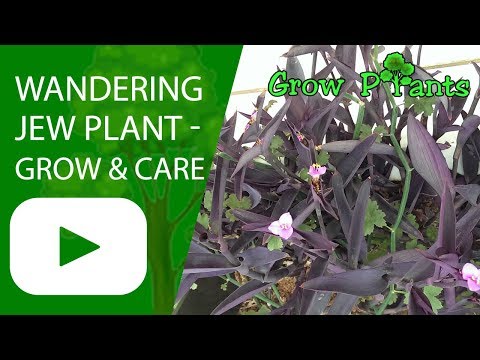
Plant Profile & Key Characteristics
Overview: Tradescantia cerinthoides is a fast-growing, 10-30 cm (4-12 in) herbaceous perennial in the spiderwort genus (Tradescantia), grown mainly as an ornamental foliage and flowering plant. It is evergreen in frost-free climates and is usually treated as an annual where winters are cold.
Quick Specifications
| Specification | Attribute |
|---|---|
| Plant Type / Life Cycle | Perennial (grown as an annual in cold climates) |
| Foliage Type | Evergreen (dies back where frost occurs) |
| Mature Size | 10-30 cm (4-12 in) high, spreading wider |
| Growth Rate | Moderate to fast |
| Root System | Fibrous and shallow |
| Toxicity | Mildly toxic – the sap can irritate skin and is an irritant to cats and dogs |
| Hardiness | USDA zone 9b+ as a perennial |
Growth Form & Structure
- Height & Spread: In the ground it reaches 10-30 cm (4-12 in) high and forms a spreading clump. In a container it stays more compact; start in a 5-10 litre pot at least twice the width of the root ball and pot on as the roots fill it.
- Growth Habit & Form: Mounding, clump-forming herbaceous perennial with arching, slightly fleshy stems and grassy, lance-shaped leaves.
- Lifespan & Maturity: A short-lived but easily renewed perennial that reaches full size within a single growing season and is quickly propagated from stem cuttings.
Anatomy & Physical Features
- Leaves & Foliage: Leaves are green with red or purple, the bottom of the leaf, elliptic-shaped with pointed top and hairy leaf. The foliage is slightly fleshy and, in the variegated cultivars, brightly patterned.
- Flower Characteristics: Small three-petalled flowers in purple, each bloom lasting only a single day but produced in succession over the season.
Primary Uses & Landscape Value
- Functional & Ornamental Roles: Ornamental clump for borders, cottage-garden and native plantings, edging and containers, and also grown as a houseplant. Spreads readily and is listed as invasive in the source, so give it room or keep it contained.
Care Guide: Planting, Soil & Watering
Overview: This spiderwort is an easy, vigorous perennial that does best in rich, evenly moist yet free-draining soil with room to spread. It enjoys steady moisture and some humidity but is forgiving once established, tolerating short dry spells and light drought.
Quick Care Requirements
| Requirement | Ideal Condition |
|---|---|
| Planting Season | Spring after the last frost in cold climates; through to year-round in frost-free zones |
| Growth Rate | Moderate to Fast |
| Soil Type | Light, rich, well-draining soil high in organic matter |
| Water Need | Low to Moderate – prefers evenly moist soil but tolerates short dry spells; let the top few cm dry between waterings |
Planting & Establishment
- Best Planting Season: Timing depends on your climate: Spring as an annual or in zone 9, spring to summer in zone 10a, spring to autumn 10b-11a, year-round in zone 11b+. In frost-prone areas, plant in spring once the danger of frost has passed, or simply grow it as an annual.
- How to Plant:
- Hole Preparation: Dig a hole about twice the width of the root ball and no deeper, loosening the surrounding soil so the shallow roots spread out easily.
- Soil Amendments: Work in compost, humus or well-rotted organic matter to enrich the bed, and keep the mix light and free-draining – add perlite or grit to heavy ground.
- Planting Depth: Set the plant with its crown at soil level and keep the fleshy stems from being buried, which can invite rot.
- Growth Speed & Expectations: Growth is moderate to fast, and plants spread readily by trailing, self-rooting stems – give them space to crawl and expect quick, dense groundcover in good conditions.
Soil, Watering & Drainage Care
- Soil Mix & Drainage Needs: It wants soil that holds moisture yet drains freely. In containers use a peat- or potting-mix base blended with perlite plus humus and organic matter, and always plant in pots with drainage holes so the roots never sit in water and rot.
- Watering Schedule & Technique:
- Young / Newly Planted: Water regularly and mulch around young plants to hold moisture while the roots establish, keeping the soil consistently moist but never waterlogged.
- Established: Once settled, water moderately and deeply, letting the top few centimetres dry before watering again – established plants shrug off short dry spells.
- Seasonal Adjustments: Water more during summer heat and less in winter, keeping the soil only barely moist for plants overwintered in cold climates.
Climate, Light & Hardiness
Tradescantia cerinthoides grows as a true perennial in warm climates from about USDA zone 9b up (zone 9a with attentive overwinter care), and is grown as an annual in colder zones down to about zone 3. It tolerates full sun through full shade but needs plenty of light to flower.
Quick Climate Specifications
| Climate Zones | Mediterranean, Desert, Subtropics, Temperate, Tropics |
|---|---|
| USDA Hardiness Zones | 9b+ as a perennial (zone 9a with the right overwinter care); grown as an annual from zone 3 upward |
| Optimal Temp Range | Typically 18–29°C (64–84°F) during active growth |
| Cold Damage Begins | Foliage is damaged by frost; growth halts as temperatures approach 0°C (32°F) |
| Approx. Survival Minimum | The rootstock may persist through winter with care down to about USDA zone 9a, corresponding to lows of roughly −6 to −9°C (15–20°F), though top growth dies back with frost |
| Frost Tolerance | Low |
| Light Conditions | Full Sun / Half Shade / Full Shade |
| Wind Tolerance | Low–Moderate |
| Salt / Coastal Tolerance | Low |
Sunlight & Light Exposure
Optimal Light Setup
Adapts to full sun through full shade, but flowering depends on abundant indirect light.
Direct Sun Requirement
Not required, though some direct sun (per seedling-stage guidance) benefits flowering and often intensifies the red/purple tones on the leaf undersides.
Shade & Heat Management
In hot desert or subtropical sun, part shade helps prevent leaf scorch on its hairy foliage.
Best Exposure / Orientation
A bright, filtered-light or sunny spot with good drainage suits it, matching its own sowing-location guidance.
Temperature Extremes & Hardiness
USDA Hardiness & Regional Limits
Reliably perennial from about zone 9b upward (zone 9a with care). Outside this range it is grown as an annual, typically from about zone 3.
Cold Damage & Winter Protection
At the cold edge of its perennial range, mulching the crown for winter improves the odds of the rootstock surviving.
Frost Sensitivity
Top growth is frost-tender and dies back with freezing temperatures.
Extreme Heat Tolerance
Tolerates hot summers well, including desert and subtropical heat, provided some shade or moisture is available.
Wind, Humidity & Microclimate
Humidity Preferences
Prefers moist, humid, rich-soil conditions; less vigorous in prolonged dry air without extra moisture.
Wind Tolerance
Its crawling habit tolerates moderate wind, though strong wind can dry the shallow-rooted growth.
Rainfall & Seasonal Moisture
Performs best with fairly consistent moisture while tolerating some drought once established.
Microclimate Recommendations
Give it room to spread, as it grows vigorously and can become weedy in favorable warm, humid conditions.
Growing in Pots, Balconies & Indoors
Spiderworts like Tradescantia cerinthoides are among the easiest and most rewarding container plants – fast, forgiving trailing or clumping growers that settle happily into pots on a windowsill, balcony or patio, reaching about 10-30 cm (4-12 in) tall. The grower confirms they grow well indoors as houseplants; a mature plant with room to grow will even flower. The main limit indoors is light: ordinary room lighting is too weak, so give it plenty of bright, indirect daylight (a little direct sun is welcome).
Quick Details
- Container Size: Start at 5-10 L (2.6-5.2 gal), at least twice the size of the root ball – it grows fast and fills a pot quickly.
- Indoor Suitability: A genuine, easy houseplant in bright indirect light; it only blooms once mature.
- Best Spot: Bright, indirect light with a little sun (full sun to part shade outdoors).
- Soil & Drainage: Airy potting mix or peat with perlite, enriched with humus and organic matter; must drain freely.
- Watering in Pots: Keep lightly moist (a mulch helps); let the base briefly hold water then dry out over a few days – drought-tolerant and unhappy in constant wet.
- Mature Size: About 10-30 cm (4-12 in) tall.
Indoors & On the Windowsill
- A real houseplant: Yes – spiderwort is one of the classic beginner houseplants. Give it a spot with good light (even a little sun is fine); ordinary artificial room light alone is not enough, but bright indirect daylight does the job.
- Flowering indoors: It needs to mature and have room to grow before it blooms, so give it space, light and time.
- Windowsill growing: The trailing stems look great cascading from a bright sill or shelf, and the plant stays happy in a fairly small pot.
- Overwintering: It is tender – in cold-winter climates bring it indoors before frost and keep it as a houseplant through winter; cuttings root very easily if you want a backup.
- Keep out of reach: Spiderwort sap can irritate skin and is mildly toxic to pets and people if chewed – site it away from curious cats, dogs and small children, and never treat it as edible.
On a Balcony or Patio
- Light & wind: Give it a bright spot with some sun. On hot, exposed balconies, walls and railings throw back heat and pots dry fast – check moisture often and offer a little shade in the fiercest afternoon sun.
- Practicalities: It is light and easy to move or bring in for winter; make sure water drains freely and does not pool under the pot.
Choosing the Pot, Soil & Long-Term Care
- Pot & drainage: A 5-10 L pot with strong drainage holes; skip a permanently full saucer to avoid root rot. Terracotta breathes and dries faster (well suited to this drought-tolerant plant), while glazed or plastic holds moisture longer.
- Potting mix: Airy potting mix or peat/coir with perlite, plus humus and organic matter; a layer of chopped mulch on top keeps the surface from drying too fast.
- Feeding: Potted plants need feeding more often than in the ground, since nutrients leach out with watering – a light balanced feed through the growing season is plenty.
- Repotting & potting up: It grows fast, so when the roots fill the pot either move up a size or prune the roots and top growth and replant; refresh the mix every couple of years.
Grower’s Container Tip
- Fill-and-dry watering: The grower lets the base of the pot fill with water and then dry out once every few days, keeping a chopped-mulch layer on top – a simple rhythm that keeps spiderwort evenly moist without leaving it waterlogged.
- Give it headroom: Because it grows so quickly, he starts it in a pot at least 200% larger than the root ball so it has room to spread.
Growing this plant in a greenhouse
A greenhouse can give tradescantia cerinthoides frost protection and cold protection.
Greenhouse at a glance
| Greenhouse suitability | Conditional - depends on your climate |
|---|---|
| Main benefits | frost protection, cold protection |
| Season extension | earlier spring & later autumn |
| Outdoor protection advisable below | about 0°C |
| Suitable types | unheated greenhouse, polycarbonate greenhouse |
| Heating | Heating is optional - useful mainly for winter growing in cold areas. |
Related greenhouse guides
- Greenhouses: How to Choose the Right Greenhouse
- Polycarbonate Greenhouses: What to Look for Before Buying
Fertilizing & Feeding
A light feeder: this compact, hairy-leaved spiderwort with red-purple leaf undersides needs only an occasional balanced feeding to stay full and colorful, tapering off as growth slows.
Quick Fertilizing Specs
| Feeding Level | Light feeder |
|---|---|
| Main Nutrient Priority | Balanced feeding with adequate nitrogen to support dense foliage and purple blooms without washing out the leaves’ red-purple undersides |
| Best Feeding Period | Spring through the warm active growing season |
| Organic Options | Compost or humus worked into moist, rich soil, refreshed with mulch while the plant is young |
| Reduce/Stop Feeding | Hold feeding back as growth slows in cooler conditions, or where grown as a cold-climate annual once its cycle ends |
| Micronutrients | Usually met by rich, organic-matter soil and a complete fertilizer; correct only a diagnosed issue |
| Soil pH | Tolerates a wide range; prefers rich, moist, near-neutral soil |
Feeding by Growth Stage
Establishment and early spreading growth
Help a young plant establish and begin filling in as a compact, crawling groundcover.
| Nutrient direction | A balanced feeding with adequate nitrogen supports fresh leafy growth and quick establishment of the hairy, colorful foliage. |
|---|---|
| Timing | As newly planted or newly rooted starts are getting established, from planting through the first flush of new growth. |
| Frequency | A light feeding as active growth begins is usually enough to help this fast-rooting spreader settle in. |
| Fertilizer types | A balanced, general-purpose fertilizer, Compost or other organic matter worked into rich, moisture-retentive soil |
| Precautions | Keep soil evenly moist after feeding; this plant thrives in rich, humid conditions and mulch helps hold moisture while it establishes. |
Warm-season spreading growth and bloom
Sustain the compact foliage, with its red-purple leaf undersides, and purple blooms through the growing season.
| Nutrient direction | Occasional light balanced feeding keeps growth full and colorful; heavy nitrogen feeding tends to favor plain green growth over the leaf’s red-purple coloring. |
|---|---|
| Timing | Through the warm active growing season, including the bloom period. |
| Frequency | An occasional light feeding is enough; this vigorous grower rarely needs more. |
| Fertilizer types | A balanced, general-purpose fertilizer used sparingly, Organic matter or mulch renewed to keep soil moist and humid |
| Precautions | Avoid heavy feeding, which can push this naturally compact grower into looser growth and mute its red-purple leaf coloring. |
Cool-season dormancy or indoor slowdown
Let the plant rest through cooler conditions where growth naturally slows, or complete its cycle where grown as a cold-climate annual.
| Nutrient direction | None – withhold fertilizer. |
|---|---|
| Timing | During cool weather, winter dormancy, or low-light indoor rest. |
| Frequency | No feeding at this stage. |
| Fertilizer types | No feeding at this stage; let the plant rest until active growth resumes. |
| Precautions | Do not fertilize during this period; where grown as an annual in colder climates the planting will not benefit, and warm-climate plantings are better served resuming feeding only once new growth restarts. |
Nutrient Deficiency Signs & Corrections
Foliage fades to pale green and overall spreading growth slows.
| Possible causes | low available soil nitrogen, nitrogen leaching from this plant’s preference for consistently moist soil, thin, low-organic-matter soil |
|---|---|
| Appears first on | older, lower leaves |
| What to check | recent feeding history, soil organic matter and moisture retention, watering and drainage |
| Possible correction | Apply a balanced, nitrogen-containing fertilizer and build soil organic matter, then keep watering consistent. |
Interveinal yellowing on older leaves while the veins themselves stay green.
| Possible causes | low soil magnesium, high potassium feeding competing with magnesium uptake, leaching in light, sandy soils despite this plant’s preference for rich soil |
|---|---|
| Appears first on | older, lower leaves |
| What to check | soil magnesium status and soil pH, how the plant has recently been fed, soil texture and drainage |
| Possible correction | Correct soil pH toward what this plant tolerates and apply a chelated or labeled magnesium product per its label. |
Leaf margins brown or scorch and growth stalls despite adequate watering.
| Possible causes | fertilizer salt buildup in the root zone, under-watering that concentrates salts, especially indoors or in containers, excessive or too-frequent feeding for this light feeder |
|---|---|
| Appears first on | leaf margins and tips |
| What to check | recent fertilizer amounts, watering consistency, since this plant prefers steady moisture and humidity, drainage, especially in containers |
| Possible correction | Ease off feeding, water thoroughly to flush accumulated salts, then return to lighter feeding. |
Pruning, Training & Seasonal Maintenance
Spiderwort is a fast, low, trailing perennial that is a little hardier than many of its Tradescantia relatives (reliably perennial to zone 9b, surviving zone 9a with care), which means gardeners at the cooler edge of its range may see occasional frost damage on the soft stems even though it has no woody tissue to protect. Pruning tolerance is high year-round; the priority after any cold damage is cleanup, and the priority the rest of the year is controlling its naturally sprawling, rooting habit. Flowers form on current-season growth, so cutting the plant back has no effect on next year’s purple bloom.
Quick Pruning & Maintenance Specs
| Pruning Tolerance | High |
| Primary Pruning Window | After the spring–summer bloom flush |
| Secondary Maintenance Window | Early spring frost-damage cleanup where grown near the cold edge of zone 9a; otherwise anytime during active growth |
| Typical Frequency | Light pinching every 3–4 weeks; one harder cutback per year |
| Main Objective | Keep the mat compact, remove any frost-damaged growth, prevent a bare center |
| Young Plant Priority | Pinch growing tips once rooted in, to force branching |
| Mature Plant Priority | Cut back leggy, rooted trailing stems to renew the crown |
| Best Tool Type | Precision snips (thin, soft stems) |
| Avoid Heavy Pruning During | Peak summer heat stress or immediately after repotting |
Pruning by Plant Age & Size
Newly Established
Remove only damaged growth from transplanting; wait until rooted in and actively growing before the first pinch.
Young / Formative
No structural training applies to this creeping herb – repeated tip-pinching every few nodes is the only “training,” building a dense mounding habit instead of a few long bare runners.
Mature / Established
Cut the oldest, most prostrate stems back to a few centimeters above the crown once growth becomes thin or bare in the middle.
Seasonal Pruning Schedule
Pre-Growth / Early-Spring
Where grown at the cooler edge of its range (zone 9a), inspect for stems blackened or mushy from winter cold and cut these back to firm, live tissue before new growth resumes; this is cleanup, not structural pruning, and is not needed in warmer zones where the plant stays evergreen.
Post-Flowering
Objective: reset the plant after its purple bloom flush. Remove spent flower stems and lightly cut back leggy growth; do not remove young unopened shoots. New compact foliage follows within a few weeks.
Ongoing Sanitary
Remove browning leaves and any stems damaged by aphids or mealybug as they appear.
Structural Pruning & Training
Given its reported invasive, aggressive habit and its ability to root at any node touching soil, the real risk is uncontrolled spread rather than a dense, crowded canopy. Periodically thin and shorten the outermost rooting stems to keep the mat within its bed or pot, and renew any bare-based stem by cutting it back to the crown.
Special Growth to Remove
- Spent flower stems – deadhead after the purple triangular blooms fade
- Frost-blackened stem tips where winters are marginal
- Runner-like trailing stems that have rooted beyond the intended bed or pot – cut where they leave the growing area
Container & Small-Space Pruning
Grows well in containers and fills them quickly. When roots fill the pot, prune both roots and top growth together at repotting rather than only upsizing the container. Between repottings, regular pinching keeps a container specimen mounded rather than thin and trailing.
Tools
precision_snips for all cuts – thin, soft stems with no woody tissue anywhere on the plant.
Tool Hygiene & Disease Risk
Routine. Aphids and mealybug are insect pests, not pathogens typically spread by pruning tools; clean, sharp snips are sufficient.
Cut Placement & Technique
Pinch or cut just above a leaf node to trigger branching from that point; deadhead spent flower stems back to the nearest healthy leaf pair; on frost-damaged stems, cut back to visibly firm green tissue.
Heavy Pruning & Rejuvenation
Tolerated well. A leggy or frost-damaged plant can be cut back hard to a few centimeters and regrows quickly in active season. Since it roots readily from cuttings, restarting from fresh tip cuttings is an equally valid alternative to nursing an old, damaged plant.
Post-Pruning Care
Keep soil evenly moist after a hard cutback; skip extra feeding immediately after cutting since regrowth is already vigorous; watch tender new regrowth for aphids and mealybug.
Common Pruning Mistakes
- Assuming the plant is fully hardy at zone 9a and leaving frost-blackened stems in place, inviting rot into the crown
- Letting rooting trailing stems spread unchecked given the plant’s aggressive habit
- Shearing the whole mound flat instead of pinching or cutting at individual nodes
When NOT to Prune
Avoid a hard cutback immediately after transplanting or repotting, before re-establishment. Hold off on heavy pruning during peak summer heat – light tidying only during that period.
Recommended Tools (by task)
- precision_snips – for pinching tips, deadheading, removing frost-damaged stems, and cutting back leggy trailing growth
Propagation Guide
Tradescantia cerinthoides (Spiderwort) roots fastest and most reliably from stem cuttings in soil or water, though seed is also easy and stays true to type for this species. Overall propagation difficulty is Easy.
Quick Propagation Specs
| Best Propagation Method | Stem cuttings (soil or water) |
| Alternative Methods | Seed; ground layering of trailing stems; clump division |
| Propagation Difficulty | Easy |
| Seed True-to-Type | Usually true-to-type (species) |
| Vegetative True-to-Type | Yes |
| Best Propagation Season | Spring to early summer for cuttings; spring to summer for seed |
| Seed Germination Time | 2–8 weeks |
| Cutting Rooting Time | Roots often visible within a couple of weeks in water under warm, humid conditions |
| Germination Temperature | Warm room conditions, roughly 20–25°C (68–77°F) |
| Seed Sowing Depth | 0.5–1cm (0.25–0.5in) |
| Grafting Required | No |
Growing from Seed
Seed Handling & Viability
Keep saved seed in a dry, dark place; refrigerating it before sowing is recommended.
Sowing Season
Spring to summer, in a sunny, well-drained location.
Sowing Depth & Orientation
Sow at 0.5–1cm (0.25–0.5in) deep; where sowing a row or bed, space plants around 20x30cm (8x12in) apart.
Germination Conditions
Moist soil with light humidity; keep evenly watered but not waterlogged.
Germination Time
2–8 weeks, with timing varying by conditions.
Seedling Care
Grow on in full sun with regular watering, keeping the soil consistently moist.
Stem Cuttings
Cutting Type
Tip or stem cuttings carrying at least 3 leaves.
Best Timing
Spring to early summer.
Cutting Preparation
Cut a healthy stem section with at least 3 leaves.
Rooting Setup
Insert directly into moist soil and keep humidity high, or root in a jar of water, changing the water every few days.
Rooting Hormone
Not necessary; this plant roots readily without it.
Rooting Time
Once a few roots form in water, pot the cutting into soil (fertilizer can help if rooting is slow); soil-rooted cuttings establish over a similar few-week span.
Air & Ground Layering
Trailing stems can simply be bent over and lightly covered with soil at a node; roots form where the stem contacts soil, after which the new plant can be severed from the parent.
Division, Offsets, Pups & Suckers
Mature clumps can be lifted and pulled apart into rooted sections at repotting time; keep roots attached to each division, pot up immediately, and water well until new growth resumes.
Bloom & Flower Guide
Quick Details
- Bloom Season: Spring / Summer
- Time to First Bloom: Fast-growing – it usually flowers in its first or second season
- Flower Appearance: Small three-petalled flowers in a neat triangular form, coloured purple
- Edibility: Not edible – the sap of this spiderwort can irritate skin and it is considered mildly toxic to cats and dogs (it causes dermatitis), so it is grown for looks only
Detailed Blooming Overview
Tradescantia cerinthoides – Tradescantia cerinthoides – is a spiderwort grown mainly for its foliage, but it flowers freely in spring and summer. Each bloom is a small three-petalled triangle in purple. A hallmark of spiderworts is that every individual flower lasts only a single day, usually opening in the morning and closing by the heat of the afternoon, while the plant keeps opening a steady succession of fresh blooms over many weeks.
Flower Characteristics
- Three triangular petals forming a small, tidy triangular flower.
- Colour: purple.
- Each flower is short-lived (about a day), with new buds opening in succession.
- The open, pollen-rich flowers draw bees and other pollinators.
Bloom Care & Thinning
- Prolonging the show: Because each flower lasts only a day, deadheading is not essential, but shearing back leggy or tired stems after the first flush encourages fresh growth and a new wave of flowers.
- Light: The most generous flowering comes in bright light – morning sun with some afternoon shade suits it well.
- Pollination: Bees visit the open, pollen-rich flowers readily.
- Safety: Handle with a little care – the sap can cause skin irritation in people and pets, so keep nibbling cats and dogs away.
Bloom Health & Protection
- Aphids: Soft new flower stems and buds can attract aphids; a firm jet of water, insecticidal soap or neem oil keeps them down.
Pests, Diseases & Troubleshooting
Tender trailing spiderworts such as this one are among the most resilient of houseplants and warm-climate ground covers, but their soft, fleshy, fast-growing stems attract sap-sucking insects and rot readily in soggy soil. The overwhelming majority of problems are cultural and preventable: bright indirect light, free-draining mix that is allowed to dry slightly between waterings, good airflow, and prompt removal of tired growth keep a plant nearly trouble-free. Reach for organic and physical controls first and treat sprays as a last resort.
Quick Troubleshooting Overview
| Issue / Pest | Main Symptom | Primary Solution |
|---|---|---|
| Mealybugs | White cottony fluff in leaf joints and stem tips | Dab with alcohol, then spray neem or insecticidal soap |
| Spider mites | Fine pale stippling and cobwebbing, dry indoor air | Raise humidity, rinse foliage, apply horticultural oil |
| Aphids | Clusters on soft new tips; sticky honeydew | Blast off with water; insecticidal soap if persistent |
| Root & stem rot | Blackened, mushy, collapsing stems; sour smell | Cut back watering, improve drainage, re-root healthy tips |
| Leggy, fading growth | Sparse stems, washed-out or reverted variegation | Move to brighter indirect light and pinch tips |
| Brown crispy leaf tips | Dry, scorched leaf edges and tips | Raise humidity, water evenly, flush salts from the soil |
Common Pests & Management
- Mealybugs (Pseudococcus longispinus, Planococcus citri):
- Symptoms: Small, soft, white cottony-waxy insects tucked into leaf axils, stem joints and the undersides of leaves, often the single most common pest of spiderworts. They exude honeydew that turns leaves sticky and sooty; heavy colonies stunt and yellow the plant. Do not mistake the white fluff for a fungal mould.
- Prevention & Control: Inspect new plants and isolate them, and wipe leaves regularly. Touch each clump with a cotton bud dipped in rubbing alcohol to kill on contact, then spray thoroughly with neem oil or insecticidal soap, repeating weekly to catch hatchlings. The mealybug destroyer beetle (Cryptolaemus) is an excellent biological control in greenhouses.
- Spider Mites (Tetranychus urticae):
- Symptoms: Tiny sap-suckers that thrive in warm, dry indoor air. Look for fine pale or bronze stippling on the upper leaf surface and delicate webbing across leaf undersides and stem tips; badly infested plants dry out and drop leaves. A sharp tap over white paper dislodges the moving specks.
- Prevention & Control: Raise humidity and avoid hot, stagnant air, and shower the foliage periodically to knock mites off. For active infestations spray horticultural oil or insecticidal soap on the leaf undersides, repeating every few days; predatory mites (Phytoseiulus persimilis) give clean control indoors.
- Aphids (Aphis and Myzus persicae):
- Symptoms: Soft green, black or pink insects clustered on the tender growing tips and flower stalks. They distort new growth and coat it in sticky honeydew that blackens with sooty mould and attracts ants.
- Prevention & Control: Dislodge them with a firm jet of water and pinch out the worst tips. Encourage ladybirds and lacewings outdoors; for stubborn colonies use insecticidal soap or neem, spraying in the cool of the evening to protect pollinators.
- Scale Insects (Coccus hesperidum, soft brown scale):
- Symptoms: Flat to domed brown or tan bumps clamped along stems and leaf veins that do not brush off. They feed on sap, weaken the plant and, like mealybugs, produce honeydew and sooty mould.
- Prevention & Control: Scrape off light infestations by hand or with an alcohol-dipped swab. Smother the rest with horticultural oil, ensuring the spray reaches under the scale covers, and repeat to catch the mobile crawler stage.
- Fungus Gnats (Bradysia spp.):
- Symptoms: Small dark flies drifting up from the potting mix, a sign of soil kept too wet. The larvae live in the top layer of moist mix and can nibble tender roots and rooting cuttings, weakening young plants.
- Prevention & Control: The cure is to let the surface of the mix dry between waterings, which breaks their cycle. Set yellow sticky traps to catch the adults and drench with Bacillus thuringiensis israelensis (mosquito bits) or top-dress with a layer of grit to stop egg-laying.
- Slugs & Snails (Deroceras and others):
- Symptoms: Irregular holes chewed in the tender foliage of plants grown outdoors or in damp, shaded ground-cover plantings, with tell-tale silvery slime trails on leaves and soil.
- Prevention & Control: Water in the morning so foliage is dry by nightfall, clear leaf litter and hiding places, and set out beer traps or copper barriers. Iron-phosphate pellets are a pet-safer bait if pressure is heavy.
Diseases & Fungal Issues
Spiderworts are strongly disease-resistant, and nearly every problem below traces back to excess moisture or crowded, stagnant conditions.
- Root & Stem Rot (Pythium, Rhizoctonia, Fusarium):
- Symptoms: The commonest killer of this genus. Stems turn soft, black and translucent at the base and collapse, roots are brown and mushy, and the whole plant wilts despite wet soil. Triggered by overwatering and poor drainage.
- Treatment & Management: There is no cure for badly rotted tissue, so act early: cut away all healthy tips, let the cut ends callus, and re-root them in fresh, free-draining mix, discarding the rotten base. Prevent by using an open mix, letting the surface dry between waterings and never leaving pots standing in water.
- Gray Mould (Botrytis cinerea):
- Symptoms: A fuzzy grey-brown mould on decaying leaves, dead stem stubs and spent flowers in cool, humid, crowded conditions, spreading into healthy tissue from the debris.
- Treatment & Management: Improve airflow, thin congested growth and promptly remove dead and dying material and fallen litter. Avoid overhead watering late in the day; a copper-based fungicide helps only under persistent damp pressure.
- Fungal Leaf Spot (Cercospora, Colletotrichum):
- Symptoms: Occasional brown to tan spots, sometimes with a yellow halo, on older or splashed leaves in wet, humid weather. Largely cosmetic and rarely serious on a vigorous plant.
- Treatment & Management: Pick off spotted leaves, water at the base to keep foliage dry, and space plants for airflow. A copper fungicide is only warranted if spotting becomes widespread.
Growing Difficulties & Abiotic Problems
- Overwatering & Soggy Soil:
- Cause & Symptoms: The number-one abiotic problem. Constantly wet, airless soil suffocates roots and invites rot, showing as yellowing, mushy stem bases and sudden collapse even as the plant is watered more.
- Correction Strategy: Use a light, free-draining mix, water only when the top of the soil feels dry, and ensure pots drain freely. When in doubt, err on the dry side; spiderworts recover far better from drought than from wet feet.
- Leggy Growth & Fading Variegation:
- Cause & Symptoms: In too little light stems stretch and go bare at the base, leaf colour washes out, and variegated cultivars lose their pattern or revert to plain green.
- Correction Strategy: Move to bright, indirect light (variegated types need the most), pinch the tips regularly to force bushy growth, and cut back leggy stems and re-root the cuttings to renew the plant. Snip out any all-green reverting shoots.
- Brown, Crispy Leaf Tips & Edges:
- Cause & Symptoms: Dry air, erratic watering, or a build-up of fertiliser salts and fluoride scorch the delicate leaf margins and tips brown and papery.
- Correction Strategy: Keep watering even, raise humidity for indoor plants, feed at half strength, and flush the pot thoroughly with plain water every so often to leach out accumulated salts.
- Leaf Scorch & Sunburn:
- Cause & Symptoms: The soft, often variegated foliage of tender spiderworts bleaches and develops dry, faded or scorched patches in harsh, direct midday sun.
- Correction Strategy: Give bright but filtered light or morning sun only, and acclimatise plants gradually when moving them into brighter conditions. Deeply coloured types (like purple heart) take more sun than white-variegated ones.
- Sap Irritation (handling note):
- Cause & Symptoms: The clear sap of many spiderworts can cause redness or itchy contact dermatitis on sensitive skin, and it may irritate the mouth and skin of curious pets.
- Correction Strategy: Wear gloves when pinching, cutting back or propagating, wash hands afterwards, and site plants out of reach of pets that like to chew foliage.
What Helps – Products & Tools
For this genus a small, organic-leaning kit covers almost everything: neem oil and insecticidal soap for mealybugs, aphids, mites and scale; horticultural oil to smother scale and mites; rubbing alcohol and cotton buds for spot-treating mealybugs; yellow sticky traps plus Bt israelensis (mosquito bits) for fungus gnats; iron-phosphate slug bait or beer traps for slugs; and, only if fungal spotting or mould persists, a copper fungicide. Above all, a free-draining potting mix and a moisture meter prevent the root rot that causes most losses. Apply oils and soaps in the cool of the evening to protect bees.