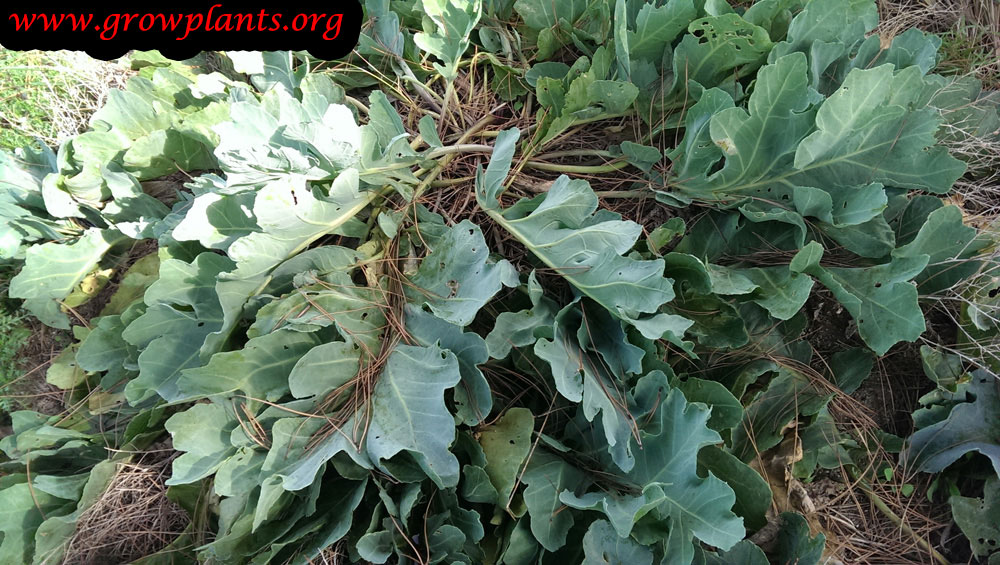
Plant Profile & Key Characteristics
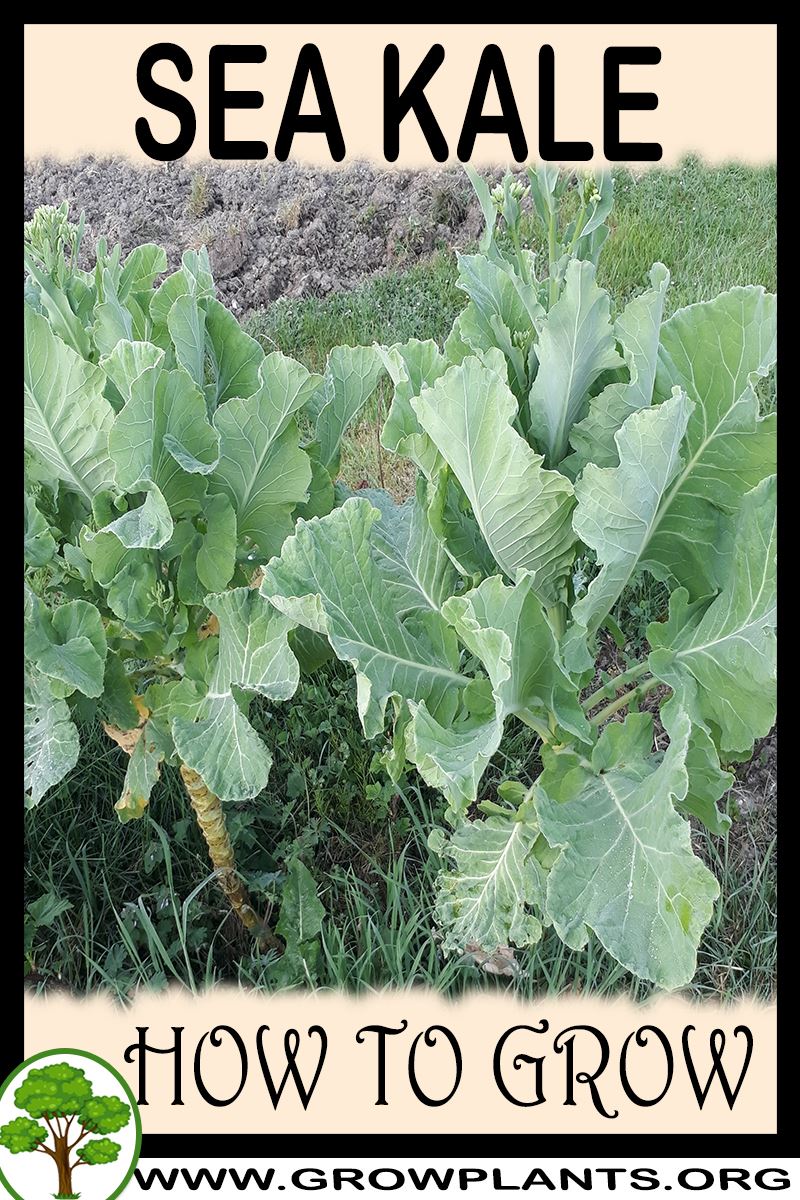
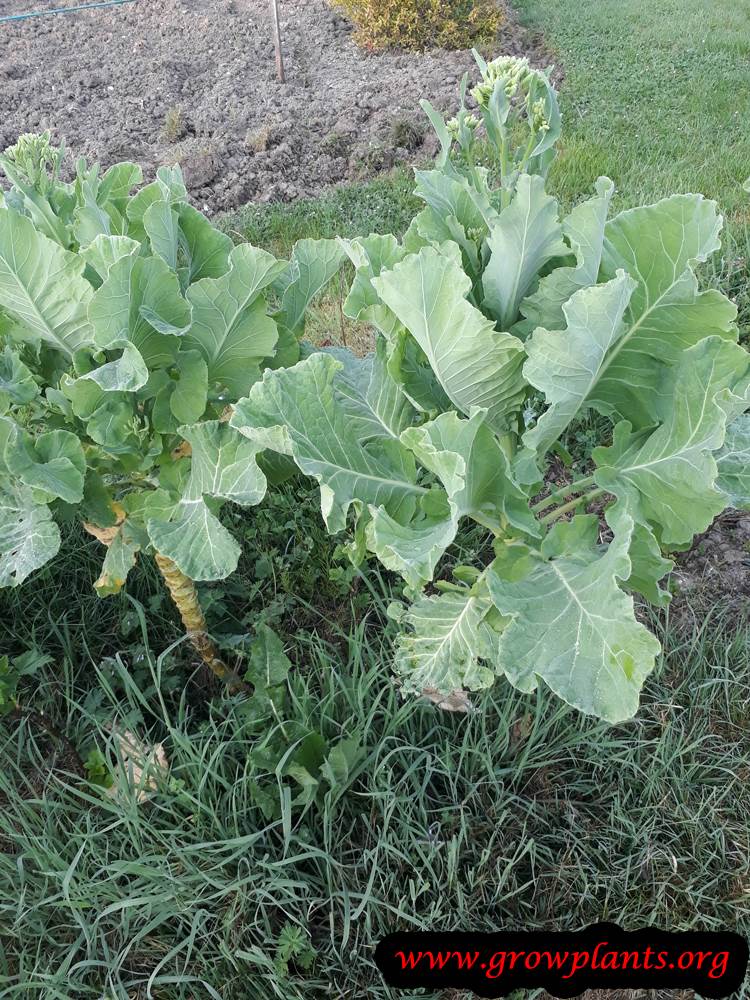
Overview: Sea kale (Crambe maritima) is a hardy, clump-forming herbaceous perennial reaching 50-80 cm (20-32 in) tall, with waxy, wavy blue-green leaves and domed heads of small white flowers. It is grown both as an edible coastal vegetable and as an ornamental foliage plant for temperate gardens.
Quick Specifications
| Specification | Attribute |
|---|---|
| Plant Type / Life Cycle | Perennial (herbaceous) |
| Foliage Type | Herbaceous; dies back in cold winters |
| Mature Size | 50-80 cm (20-32 in) tall |
| Growth Rate | Fast to moderate |
| Toxicity | Non-toxic / edible (a traditional vegetable) |
| Hardiness | USDA zone 2-9 |
Growth Form & Structure
- Height & Spread: 50-80 cm (20-32 in) tall in the ground; can also be grown in a large container
- Growth Habit & Form: Mounded, clump-forming herbaceous perennial with broad, cabbage-like basal leaves
- Lifespan & Maturity: Long-lived perennial; produces edible shoots and pods within roughly 0.5-1.5 years and harvestable roots after a few years
Anatomy & Physical Features
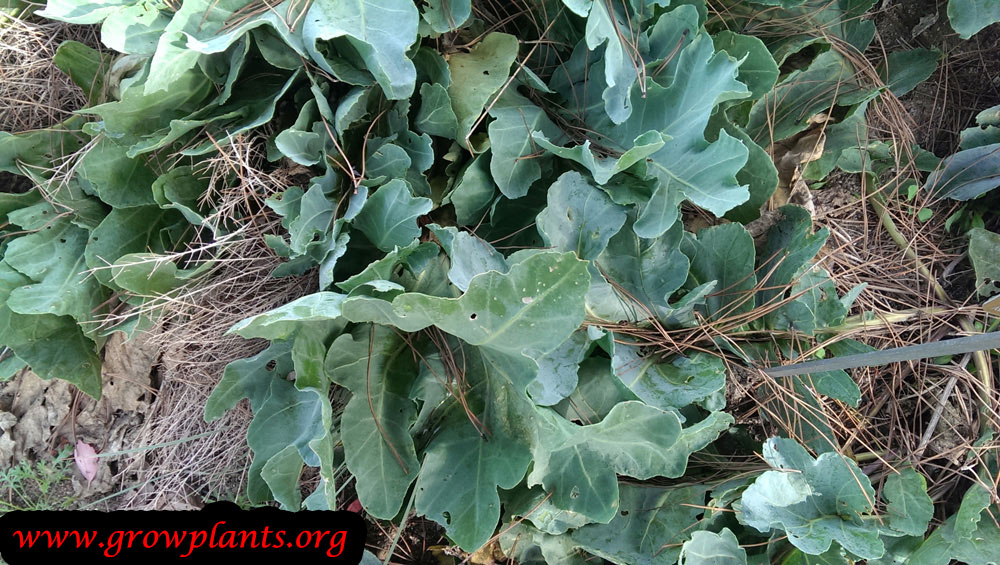
- Leaves & Foliage: Large, wavy, oval blue-green leaves with serrated edges, about 15-30 cm long
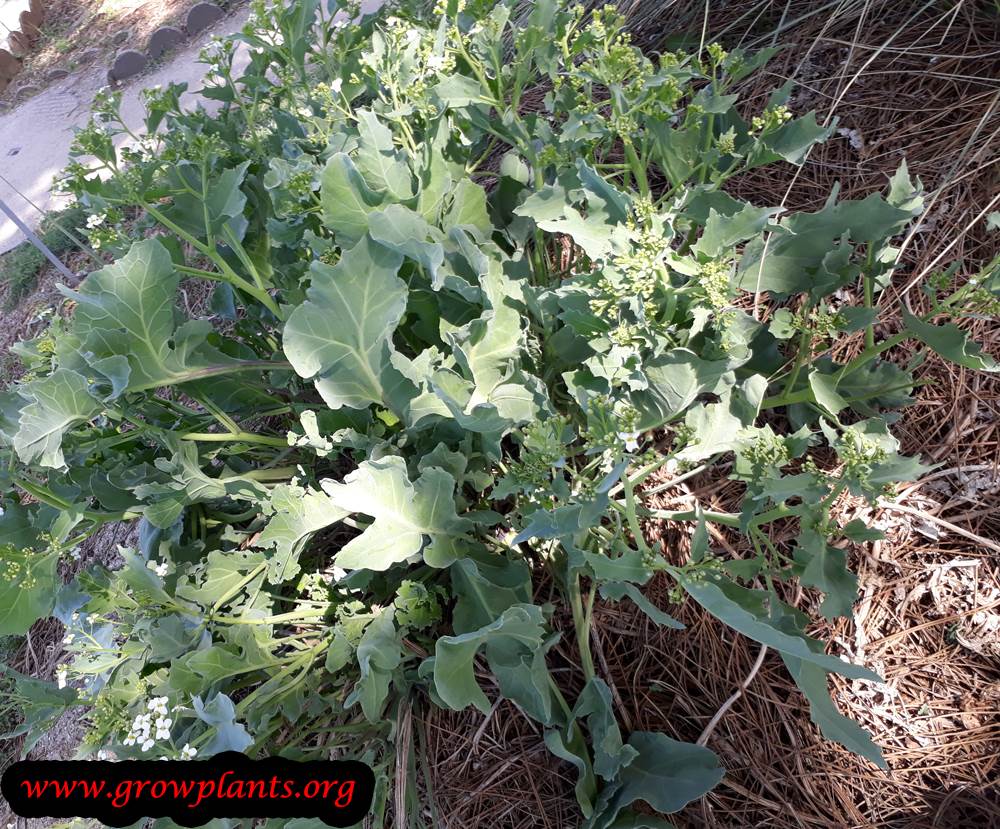
- Flower Characteristics: Small white flowers (about 1-2 cm) borne in domed clusters in summer, attracting bees and butterflies
- Root: White flesh under a brownish peel
Primary Uses & Landscape Value
- Edible Uses: Blanched young shoots, leaves, flower buds, seed pods and roots are all edible — used raw, in salads, pickled, cooked or stuffed
- Functional & Ornamental Roles: Ornamental architectural foliage plant as well as a perennial vegetable for coastal and temperate gardens
Care Guide: Planting, Soil & Watering
Overview: Sea kale (Crambe maritima) is a hardy coastal perennial vegetable that thrives in full sun to partial shade and sandy, free-draining soil. As a seashore plant it tolerates poor, sandy ground and needs only moderate, even moisture, but it dislikes heavy, waterlogged soil.
Quick Care Requirements
| Requirement | Ideal Condition |
|---|---|
| Planting Season | Cool seasons — spring or autumn |
| Growth Rate | Moderate to Fast |
| Soil Type | Sandy, free-draining; tolerates poor, salty coastal soil |
| Water Need | Moderate — keep the soil evenly moist but never waterlogged |
Planting & Establishment
- Best Planting Season: Plant in the milder cool seasons, spring or autumn, avoiding the coldest and hottest extremes; it is very cold hardy (roughly zones 2–9) and needs a cold winter to thrive as a perennial.
- How to Plant:
- Hole Preparation: Dig a deep, well-loosened hole, as this plant forms a long taproot and deep, fleshy roots that need loose, open soil.
- Soil Amendments: Work in plenty of coarse sand and grit to lighten heavy ground, along with some compost; a mulch helps conserve moisture and suppress weeds.
- Planting Depth: Set crowns or transplants with the growing point at or just below the soil surface; do not bury the crown deeply.
- Growth Speed & Expectations: Growth is moderate to fast once established — plants form a broad clump of 50-80 cm (20-32 in) and take a year or two to reach harvest size.
Soil, Watering & Drainage Care
- Soil Mix & Drainage Needs: Provide light, sandy, free-draining soil; its deep roots rot in cold, wet ground, so good drainage is essential. A mulch keeps the root zone cool and moist.
- Watering Schedule & Technique:
- Young / Newly Planted: Keep the soil evenly moist while seedlings and transplants establish their deep roots.
- Established: Water moderately; the established taproot makes the plant fairly drought tolerant, so let the surface dry between waterings.
- Seasonal Adjustments: Water more in dry summer spells and little in winter, when the plant dies back and rests.
Climate, Light & Hardiness
Sea kale is a hardy, long-lived maritime perennial of cool-temperate coasts, grown in full sun to half shade on free-draining, often sandy soil. As a true seashore plant it is very cold-hardy and outstanding at tolerating salt spray and coastal exposure, dying back in winter and reshooting from the crown in spring.
Quick Climate Specifications
| Climate Zones | Cool-temperate; coastal and inland |
| USDA Hardiness Zones | Approx. 2–9 |
| Optimal Temp Range | approximately 13–21 °C (55–70 °F) |
| Cold Damage Begins | foliage frost-tender late in the season, but the plant is deciduous and dies back naturally |
| Approx. Survival Minimum | dormant crown hardy to about −40 °C (−40 °F) (zone 2) |
| Frost Tolerance | High |
| Light Conditions | Full Sun / Half Shade |
| Wind Tolerance | High |
| Salt / Coastal Tolerance | High |
Sunlight & Light Exposure
Optimal Light Setup
Full sun gives the sturdiest, most productive plants; the facts also allow half shade, which it takes well.
Shade & Heat Management
A cool-temperate plant, it needs no heat protection in its range; light shade is tolerated but full exposure suits it, as on its native shorelines.
Best Exposure & Orientation
An open, sunny, free-draining site - including windy, salt-laden coastal positions that defeat most vegetables - is ideal.
Temperature Extremes & Hardiness
USDA Hardiness & Regional Limits
The site lists USDA 2–9, and as a herbaceous shoreline perennial it is genuinely cold-hardy: the top growth dies away each winter and the fleshy crown and roots overwinter, resprouting in spring. Its limit is more heat and poor drainage at the warm end than winter cold.
Cold Damage & Winter Protection
Because it is naturally deciduous, autumn frosts simply hasten the normal die-back; the dormant crown tolerates severe winter freezing to around −40 °C (−40 °F) at the cold end of its range, needing little more than free drainage to avoid a wet, cold crown.
Frost Sensitivity
Very low: only the soft new spring shoots can be nipped by a late frost, and even these usually recover.
Extreme Heat Tolerance
A cool-climate plant, it dislikes prolonged heat and struggles in hot, humid summers; the warm end of its range, not the cold, sets its limit.
Wind, Humidity & Microclimate
Wind Tolerance
Excellent - its low, robust, waxy foliage is built for open, windy shorelines and stands exposure that flattens other crops.
Coastal / Salt Tolerance
As a native seashore plant it tolerates salt spray and coastal winds very well, making it a rare vegetable for front-line coastal beds; this salt-spray tolerance is separate from tolerance of saline irrigation water.
Rainfall & Seasonal Moisture
Adapted to sharply drained, sandy coastal soils with moderate moisture; it dislikes waterlogging, especially in winter. This is a climate-adaptation note, separate from routine irrigation.
Microclimate Recommendations
An open, free-draining, sunny site - coastal or inland - suits it; the main thing to avoid is a heavy, wet soil that rots the dormant crown.
Growing in Pots, Balconies & Indoors
Sea kale is a hardy coastal perennial grown for its blanched spring shoots. It can live for years in a large, deep pot on a patio, but it is not an indoor plant – it needs full outdoor light, a winter chill to trigger growth, and room for a deep root.
Quick Details
- Container Size: A large, deep, heavy pot for a long-lived perennial with a deep root
- Indoor Suitability: Not a houseplant; it needs real winter cold and full outdoor light
- Best Spot: full sun to light shade – an open, breezy balcony or patio (it is a seaside plant)
- Soil & Drainage: Free-draining, gritty organic mix; sharp drainage like its shingle-beach home
- Watering in Pots: Moderate – keep evenly moist in growth; it tolerates dry spells better than most and dislikes waterlogging
Indoors & On the Windowsill
- Not a houseplant: It needs genuine winter cold to break dormancy and full outdoor light; a warm room will not suit it.
- Forcing: Its one indoor-ish trick is forcing – covering the dormant crown in late winter to blanch pale, tender shoots – but this is done over the crown in place, not by bringing it into a room.
- Overwintering: Fully hardy – leave the pot outside through winter, because the cold is needed, not avoided.
On a Balcony or Patio
- Light & wind: Full sun to light shade, and it shrugs off wind and salt air; give it a big, heavy, stable pot so it will not topple.
- Practicalities: A permanent, weighty planting – site it where the weight and drainage runoff are not a problem.
Choosing the Pot, Soil & Long-Term Care
- Pot & drainage: A large, deep pot for a long-lived perennial with a deep root; strong drainage and no standing water.
- Potting mix: A free-draining, gritty organic mix – it likes sharp drainage like its shingle-beach home.
- Feeding: Feed through the growing season and mulch; refresh the top of the mix each year.
- Long term: A permanent resident – top-dress annually and repot or divide it every few years.
Fertilizing & Feeding
A moderate feeder: fertile soil plus light, steady feeding through the cool growing season keeps leaves tender, while heavy nitrogen softens growth and invites pests. A fertilizer formulated for tomatoes and vegetables supports that feeding pattern through harvest.
Quick Fertilizing Specs
| Feeding Level | Moderate |
|---|---|
| Main Nutrient Priority | Nitrogen for continuous, tender leafy growth on a balanced base. |
| Best Feeding Period | During the cool-season active growing period (spring and autumn). |
| Organic Options | Compost or well-rotted manure worked in ahead of planting, plus diluted liquid feeds during growth. |
| Micronutrients | Usually supplied by fertile soil; iron or manganese chlorosis can show on new leaves in cold or high-pH soil. |
| Soil pH | Near neutral; tolerates sandy, coastal soils. |
| Reduce/Stop Feeding | Ease off if leaves grow soft and lush, and keep feeding light near harvest. |
Feeding by Growth Stage
Establishment after sowing or transplanting
Settle seedlings in and build a strong root system before rapid leaf growth begins.
| Nutrient direction | A balanced, complete fertilizer worked into fertile soil; lean mostly on well-prepared, organic-matter-rich soil at this stage. |
|---|---|
| Timing | From sowing or transplanting until seedlings are actively pushing out new leaves. |
| Frequency | Light feeding is usually enough while roots establish. |
| Fertilizer types | Balanced complete garden fertilizer, Compost or other organic matter worked into the bed |
| Precautions | Avoid heavy fertilizer against tender seedling roots, which can burn them; keep the bed evenly moist. |
Active leaf growth
Drive fast, tender leafy growth for harvest.
| Nutrient direction | A nitrogen-forward complete fertilizer to support continuous leaf production. |
|---|---|
| Timing | During the cool-season growing period once plants are established. |
| Frequency | Several light feedings spread across the active growing season. |
| Fertilizer types | Nitrogen-forward complete fertilizer, Diluted liquid feed or a light side-dressing |
| Precautions | Excess nitrogen leaves growth soft and more attractive to aphids and caterpillars; keep feeding steady rather than heavy. |
Repeated cut-and-come-again harvest
Keep fresh regrowth coming after each cutting of leaves.
| Nutrient direction | A balanced complete fertilizer with adequate nitrogen to push new leaves after each harvest. |
|---|---|
| Timing | Through the harvest window as leaves are cut and allowed to regrow. |
| Frequency | A light feeding after cuttings helps regrowth; feed sparingly. |
| Fertilizer types | Balanced complete fertilizer, Diluted liquid feed applied after cutting |
| Precautions | Avoid overfeeding leaves you will eat soon; keep the soil evenly moist to reduce bitterness and bolting. |
Winter dieback and rest
Let the perennial crown rest over winter before regrowth in spring.
| Nutrient direction | None – withhold fertilizer while the plant is dormant. |
|---|---|
| Timing | After top growth dies back in autumn until new growth resumes in spring. |
| Frequency | No feeding at this stage. |
| Fertilizer types | No feeding at this stage – the dormant crown needs no fertilizer until active growth resumes. |
| Precautions | Do not fertilize the dormant crown; a mulch layer is enough over winter. |
Nutrient Deficiency Signs & Corrections
Older, lower leaves turn pale then yellow while growth slows and leaves stay small.
| Possible causes | Low soil nitrogen or nitrogen leached out by heavy watering or rain, Cold or waterlogged soil limiting nutrient uptake, Poor, low-organic-matter soil |
|---|---|
| Appears first on | Older, lower leaves |
| What to check | Recent heavy rain or irrigation that may have leached nitrogen, Soil organic matter and general fertility, Soil temperature and drainage |
| Possible correction | Apply a nitrogen-forward complete fertilizer at label rates and keep the soil evenly moist; build organic matter over time. |
Yellowing and browning scorch along the margins of older leaves.
| Possible causes | Low soil potassium, Sandy soil that holds few nutrients, Drought stress limiting potassium uptake |
|---|---|
| Appears first on | Margins of older leaves |
| What to check | Soil test for potassium, Watering consistency, Soil type and organic matter |
| Possible correction | Use a complete fertilizer that includes potassium and keep watering consistent. |
New leaves yellow between the veins while the veins themselves stay green.
| Possible causes | High (alkaline) soil pH locking up iron and manganese, Cold, wet soil reducing micronutrient uptake, Waterlogging or poor root health |
|---|---|
| Appears first on | Youngest leaves |
| What to check | Soil pH, Drainage and root condition, Whether symptoms followed cold, wet spells |
| Possible correction | Correct soil pH toward the plant’s preferred range and, if needed, apply a chelated iron or manganese product per its label. |
Pruning, Training & Seasonal Maintenance
Sea kale (Crambe maritima) is a long-lived herbaceous perennial vegetable, and its maintenance is unlike an annual leaf crop: the two acts that matter are the spring blanching (forcing) of the young shoots and the removal of the flower stalk, which its own note calls for (‘recommend to prune / thin the stem of the flowers’). It is not structurally pruned; instead you manage a perennial crown for years, cutting flower stalks and old foliage to keep the plant’s energy in the crown and roots, and dividing it for propagation.
Quick Pruning & Maintenance Specs
| Pruning Tolerance | Low as a structure — but the crown regrows reliably from cutting back and forcing |
| Primary Maintenance | Spring blanching/forcing of young shoots, then flower-stalk removal after harvest |
| Secondary Maintenance | Cutting spent foliage as it dies down in autumn |
| Typical Frequency | An annual cycle of force → deflower → autumn cut-down |
| Main Objective | Keep the crown vigorous and productive; do not exhaust it flowering or over-forcing |
| Young Plant Priority | Establish for 1–2 seasons before forcing; do not harvest a young crown hard |
| Mature Plant Priority | Force in spring, then let the plant refoliate and rebuild; remove flower stalks |
| Best Tool Type | Precision snips / bypass secateurs for stalks; a spade for division |
Pruning by Plant Age & Size
Newly Established
Do not force or hard-harvest a young crown. Sea kale needs one to two seasons to build a strong crown and root before it can stand spring forcing; in the establishment period simply remove dead leaves and any flower stalk so the plant channels energy into the crown rather than seed.
Young / Formative
There is no framework to train — the ‘formative’ work is building crown strength. Keep removing flower stalks in these early years and let the leaves feed the crown; the payoff is a plant robust enough to force.
Mature / Established
Each spring, blanch the emerging shoots by excluding light (a pot or bucket over the crown) to produce tender, pale forced stems — the classic sea-kale harvest. After cutting the forced shoots, uncover the plant and let it grow away and refoliate. Remove the flower stalk after harvest so the recovering crown is not drained by flowering and seeding.
Seasonal Pruning Schedule
Early Spring — Forcing / Blanching
Objective: tender blanched shoots. Cover the crown to exclude light as it starts into growth; cut the pale forced shoots at the base when ready. Do not force the same crown to exhaustion year after year — alternate or rest crowns so they recover.
Post-Harvest (Late Spring–Summer)
Uncover and let the plant grow full green leaves to recharge the crown. Remove the flower stalk unless you specifically want the edible pods or the ornamental sea-holly-like bloom — leaving it to flower and seed diverts energy the crown needs to rebuild after forcing.
Autumn Dormancy
As the large leaves yellow and die back, cut them away at the base for tidiness and to reduce slug harbour over winter. The crown overwinters dormant and reshoots the following spring.
Structural Pruning & Training
None in the woody sense. The ‘structure’ you manage is the perennial crown: keep it single and strong, remove exhausted outer foliage, and divide it when it becomes congested (below). Sea kale is grown both as a vegetable and as a bold ornamental, so some growers keep the flowering stems for display — a legitimate choice that trades some crown vigour for the bloom.
Special Growth to Remove
- Flower stalks — remove after harvest to keep the crown’s energy for regrowth (its own care note), unless you want the edible pods or the ornamental flower.
- Spent, dying leaves — cut at the base in autumn.
- Root thongs — sections of root lifted for propagation (see rejuvenation), not a disease removal but a deliberate division.
Container & Small-Space Pruning
Possible in a large, deep container because the crown and taproot need room; forcing is easy in a pot (simply cover it). In a container the crown tires faster, so feed and rest it between forcings and divide sooner than you would in open ground.
Tools
Precision snips or bypass secateurs for cutting forced shoots, flower stalks and spent leaves; a clean spade or knife for lifting and dividing crowns and taking root thongs. No saw, loppers or shears are relevant to this soft-stemmed perennial.
Tool Hygiene & Disease Risk
Routine — clean, sharp tools. The main enemies are slugs and caterpillars (including Pieris) rather than tool-borne disease, so hygiene is chiefly about clean cuts when dividing crowns; use a clean blade for root thongs so cut surfaces do not rot.
Cut Placement & Technique
Cut forced shoots and flower stalks cleanly at the base. When dividing, lift the crown and cut straight root sections (thongs) with a clean knife, keeping track of the top and bottom of each piece so it is replanted the right way up. Remove old leaves at the base rather than tearing them.
Heavy Pruning & Rejuvenation
Rejuvenation is by division, not cutting back: every few years lift a congested crown in dormancy, divide it and take root thongs to replant. This renews vigour and multiplies the stock. The crown tolerates being cut down to the ground in autumn and returns each spring, but it does not respond to hard structural pruning the way a shrub does — there is no woody frame to renovate, only a crown to rest and divide.
Post-Pruning Care
After forcing and after flower-stalk removal, let the plant refoliate undisturbed and keep it watered so the crown recharges; a light feed after the demanding spring force is reasonable here (unlike hard-pruned woody plants, a forced crown genuinely benefits from replenishment). Watch for slug damage on the fresh regrowth.
When NOT to Prune
Do not force or hard-harvest a crown that is under two years old or that was heavily forced the previous spring — it needs to rebuild. Do not cut the plant right back while it is still actively refoliating after harvest; let the leaves finish feeding the crown first.
Recommended Tools (by task)
- bypass_secateurs — clean cuts on forced shoots, flower stalks and spent leaf stems.
- garden_spade — lifting and dividing congested crowns and taking root thongs for propagation.
Pruning Troubleshooting
| Problem | Possible Cause | What to Check | Corrective Action |
| Thin, weak forced shoots in spring | Crown over-forced or too young / exhausted | Age of crown; whether it was forced hard last year | Rest the crown a season, feed and let it refoliate fully before forcing again |
| Plant runs to flower and gives little leaf/shoot | Flower stalks left on; energy going to seed | Presence of bolting stems after harvest | Remove flower stalks promptly (unless you want pods/ornament) so the crown rebuilds |
| Crown congested, declining yields | Overdue for division | Crowded multiple crowns, small shoots | Lift and divide in dormancy; replant vigorous thongs, discard the tired centre |
Propagation Guide
Sea kale is most reliably increased from root cuttings (traditional ‘thongs’) lifted during winter dormancy, which reproduce a chosen plant exactly and crop sooner than seedlings. Seed is also used but germinates slowly and unevenly because each seed is enclosed in a hard corky pod, so overall it is a Moderate plant to propagate.
Quick Propagation Specs
| Best Propagation Method | Root cuttings (‘thongs’) |
| Alternative Methods | Seed; crown division |
| Propagation Difficulty | Moderate |
| Seed True-to-Type | Variable — seedlings differ, so named forms are kept by root cuttings |
| Vegetative True-to-Type | Yes — root cuttings and divisions reproduce the parent |
| Best Propagation Season | Root cuttings in winter dormancy; seed in spring or autumn |
| Seed Germination Time | Slow and staggered, often over several weeks |
| Seed Sowing Depth | About 1–2 cm (0.5–1 in) |
| Grafting Required | No |
Growing from Seed
Seed Handling & Viability
The seed sits inside a round corky pod that slows and staggers germination. Soaking the pods, or peeling the corky layer away, helps moisture reach the seed; even so, expect uneven emergence rather than a quick even stand.
Sowing Season
Sow in spring or autumn.
Sowing Depth
Sow about 1–2 cm (0.5–1 in) deep in free-draining, sandy soil.
Germination Time
Germination is slow and irregular, often spread over several weeks; do not discard trays early.
Seedling Care
Grow seedlings on until they are sturdy before planting out; because they vary, select the best plants to keep.
Leaf & Root Cuttings
Root cuttings are the classic way to multiply sea kale and give true-to-type plants that establish quickly.
- Lift roots in winter while the plant is dormant and cut pencil-thick sections about 8–15 cm (3–6 in) long.
- Keep the polarity the right way up — make a straight cut at the top (crown end) and a slanted cut at the bottom — so you plant them the correct way round.
- Set each thong upright with the top just at or below the soil surface; new shoots break from the top end.
Division, Offsets, Pups & Suckers
Established crowns can be divided in early spring; make sure each divided piece carries at least one growth bud and its own roots, then replant at the same depth.
Bloom & Edible Flower Guide
Quick Details
- Bloom Season: Summer
- Time to First Bloom: From its second or third year – as a perennial, sea kale flowers once well established
- Flower Appearance: Many small four-petalled white flowers, each about 1–2 cm, massed in domed clusters on branching stems
- Edibility: Edible – the sweet, honey-scented flowers and the young flowering shoots (used like sprouting broccoli) can be eaten
Detailed Blooming Overview
Sea kale is a handsome coastal perennial, grown for its blanched spring shoots and also as an ornamental. In summer it produces broad, foaming clusters of small white, honey-scented flowers that are a great draw for bees and butterflies. The immature flowering shoots can be cut and cooked like sprouting broccoli.
Flower Characteristics
- Numerous small four-petalled (cruciform) white flowers, 1–2 cm across, in domed clusters on branching stems.
- Sweetly honey-scented; followed by rounded seed pods if left to mature.
Bloom Care & Thinning
- Managing the bloom: It is often recommended to thin out or remove some flowering stems so the plant channels its strength into the crown for next year’s shoots; leave a few to enjoy the blooms and feed pollinators.
- Pollination: Pollinated by bees and butterflies.
Bloom Health & Protection
- Aphids: Aphids often cluster on flowering shoots and buds; a strong jet of water, insecticidal soap or neem oil keeps them in check.
- Cabbage white caterpillars: These can graze buds and open flowers – a Bacillus thuringiensis (Bt) spray is a targeted, low-impact option.
Fruit & Uses
Sea kale is an unusual multi-part perennial vegetable: the classic edible is the young shoots and leaf-stalks, traditionally blanched (grown in the dark) to keep them pale, tender and sweet, but the flower buds, young pods and the root are all edible too. Blanched shoots and buds are eaten raw or cooked, while unblanched mature leaves are tougher and more strongly flavoured.
Quick Edible Specs
| Edible Parts | Young shoots and leaves; flower buds; young pods; root |
|---|---|
| Main Use(s) | Culinary – raw, salad, pickle, cooked, stuffed |
| Eaten Raw or Cooked | Both; young blanched shoots are the prime part |
| Preparation Required | Blanch (exclude light) the young shoots for tenderness; harvest buds and pods young |
| Harvest Season | Leaves/shoots through the year; buds in early summer; pods summer–autumn; root after a few years |
| Time to First Harvest | A perennial – pods appear from roughly the first to second year (site figure); root after several years |
| Storage | Shoots and buds best fresh; roots can be lifted and stored |
| Safety/Toxicity Caveat | No toxic parts; unblanched mature leaves are coarse and better cooked |
Shoots & Stems
The young shoots and their pale leaf-stalks are the prized part. Traditionally they are blanched – covered to exclude light in spring – so they emerge white, tender and mild, like a cross between asparagus and cabbage. Harvest young; older, green, unblanched leaves (green, wavy, serrated, 15–30 cm) become coarse.
Leaves & Greens
The green wavy leaves are edible but stronger and tougher than the blanched shoots; use them cooked. Cut leaves at the base once the plant is established – it can be picked through the year, but leave enough foliage on this perennial to keep it vigorous.
Flowers & Flower Buds
The green flower buds are edible and are eaten raw, in salad, pickled or cooked – used much like sprouting broccoli, and best picked before the small white summer flowers open.
Seeds, Pods & Nuts
The green pods (3–8 mm, round to elliptic) are edible while young and tender; harvest in summer to autumn and collect on time before they toughen.
Roots & Tubers
The white, brown-skinned root is edible, eaten raw, in salad or pickled. It is lifted only after the perennial has grown for a few years.
Preparation, Uses & Safety
Steam or lightly boil the blanched shoots and buds (classically served like asparagus), pickle or eat them raw; cook the coarser green leaves; use the young pods and the root raw, in salad or pickled. No detoxifying preparation is required and there are no toxic parts – blanching is for tenderness and flavour, not safety.
Pests, Diseases & Troubleshooting
Overview: Sea kale is a hardy brassica, and its pests and diseases are those of the cabbage family: caterpillars, flea beetles, mealy cabbage aphid and slugs above ground, and soil-borne clubroot and white blister below. The winning strategy is a physical barrier – insect-proof mesh – combined with brassica crop rotation and good drainage; healthy, unstressed plants shrug off most problems, and blanched forced shoots are largely trouble-free.
Quick Troubleshooting Overview
| Issue / Pest | Main Symptom | Primary Solution |
|---|---|---|
| Cabbage caterpillars | Ragged holes in leaves; green/velvety caterpillars and eggs | Net with fine mesh; hand-pick; Bt spray on young larvae |
| Flea beetles | Tiny shot-holes peppering young leaves; beetles jump | Fleece/mesh young plants; keep moist; sticky traps |
| Mealy cabbage aphid | Grey waxy aphid colonies; curled, distorted leaves | Water jet, insecticidal soap, encourage predators |
| Slugs & snails | Shredded seedlings and new shoots overnight; slime | Traps, barriers, iron-phosphate pellets, hand-pick |
| Clubroot | Wilting, stunting; swollen distorted galled roots | Lime to raise pH, improve drainage, long rotation; no cure |
| White blister | White glistening pustules on leaf undersides | Remove affected leaves, improve airflow, rotate |
Common Pests & Management
- Cabbage white caterpillars (Pieris brassicae & Pieris rapae; also cabbage moth (Mamestra brassicae)):
- Symptoms: Yellow-and-black or velvety green caterpillars chew ragged holes and can strip leaves to the veins; look for clusters of yellow eggs and green frass on the undersides. Cabbage moth caterpillars bore into the heart of the plant.
- Prevention & Control: Cover plants with fine insect-proof mesh from the start to block egg-laying butterflies and moths – the single most effective measure. Hand-pick caterpillars and rub off egg clusters, and spray Bacillus thuringiensis (Bt) onto young larvae; encourage parasitic wasps and birds.
- Flea beetles (Phyllotreta spp.):
- Symptoms: Tiny dark beetles that pepper young leaves with countless small round shot-holes and leap when disturbed; heavy attacks check or kill seedlings, though established plants tolerate damage.
- Prevention & Control: Protect young plants with fleece or fine mesh, keep them well watered and growing fast to outgrow damage, and use yellow sticky traps to catch adults. Clear debris where beetles shelter; the pest is worst in hot, dry spells.
- Mealy cabbage aphid (Brevicoryne brassicae):
- Symptoms: Dense colonies of grey, mealy-waxed aphids on leaf undersides and in the growing point, causing curling, yellowing and distortion, with honeydew and sooty mould; they also spread viruses.
- Prevention & Control: Squash small colonies, blast with a water jet, and support ladybirds, lacewings and hoverflies. Insecticidal soap or neem to the undersides handles heavier infestations; remove and destroy badly infested growing tips and old crop debris.
- Slugs & snails (Gastropoda):
- Symptoms: Ragged holes, shredded seedlings and grazed new shoots overnight, with tell-tale slime trails; most damaging to young plants and emerging forced shoots.
- Prevention & Control: Hand-pick after dark, set beer traps, and ring plants with grit, copper tape or crushed shell. Iron-phosphate pellets are the pet-safe choice; encourage ground beetles, frogs and hedgehogs.
- Cabbage root fly (Delia radicum):
- Symptoms: White maggots tunnel into the roots, causing sudden wilting, stunting and blue-tinged foliage, and can kill young transplants; a serious pest of the brassica family.
- Prevention & Control: Fit brassica collars around the stem base at soil level to stop egg-laying, or grow under insect mesh. Firm plants in well, rotate brassica ground, and remove and destroy affected roots to reduce carry-over.
Diseases & Fungal Issues
- Clubroot (Plasmodiophora brassicae):
- Symptoms: The signature brassica disease: plants wilt in warm weather, grow poorly and yellow, and lifted roots show gross swollen, distorted, galled masses that rot to a foul slime. The soil-borne organism persists for many years and thrives in acid, wet soils.
- Treatment & Management: There is no cure once soil is infested, so prevention rules: never bring in infected plants or soil, lime to raise the pH toward neutral/alkaline (the organism hates alkaline soil), improve drainage, and rotate brassicas on the longest cycle you can. Raise robust transplants and remove and destroy affected roots – never compost them.
- White blister / white rust (Albugo candida):
- Symptoms: Glistening white, blister-like pustules on leaf undersides (and sometimes stems), with corresponding pale-yellow blotches above; leaves may distort in wet, humid conditions.
- Treatment & Management: Remove and destroy affected leaves, space plants and improve airflow to dry foliage faster, and avoid overhead watering. Rotate crops and clear debris; fungicides are seldom needed on a garden scale.
- Downy mildew (Hyaloperonospora parasitica):
- Symptoms: Yellow blotches on the upper leaf surface with a greyish, downy fungal growth beneath, mainly on seedlings and in cool, damp, humid weather.
- Treatment & Management: Improve airflow and spacing, avoid overhead watering and overcrowding, and remove affected leaves. Sow thinly for sturdy seedlings; copper offers limited help under persistent wet pressure.
- Black rot (Xanthomonas campestris):
- Symptoms: Yellow V-shaped lesions spreading in from the leaf margins with blackened veins, in warm wet weather; a serious bacterial disease of brassicas.
- Treatment & Management: Use clean seed and healthy plants, avoid working among wet foliage, and remove and destroy affected plants. Rotate brassicas and improve drainage; there is no chemical cure.
Growing Difficulties & Abiotic Problems
- Bolting:
- Cause & Symptoms: Stress – drought, heat, or root disturbance – can push plants to run to flower prematurely at the expense of leaf and shoot quality.
- Correction Strategy: Keep plants steadily watered and unstressed in deep, fertile, well-drained soil, and avoid disturbing the fleshy roots. Established crowns naturally flower in season, which is normal.
- Poor drainage & root rot:
- Cause & Symptoms: Sea kale resents waterlogged soil; heavy wet ground rots the thick roots and crown over winter.
- Correction Strategy: Grow in free-draining, sandy or gritty soil (as on its native shingle beaches), raise the bed if needed, and avoid winter wet. Add grit and organic matter to heavy soils before planting.
- Forcing / blanching notes:
- Cause & Symptoms: Shoots are often deliberately blanched by excluding light, which yields the tender pale edible stems; unblanched shoots are tougher and more bitter.
- Correction Strategy: Cover crowns to force pale shoots in the cool season, and rest the plant afterwards. This is a cultural technique, not a disorder – keep forcing pots and soil clean to avoid rot.
What Helps – Products & Tools
The most valuable ‘product’ here is a physical one: fine insect-proof mesh or fleece to exclude cabbage butterflies, moths, flea beetles and root fly, plus brassica collars for the stem base. Back it with Bt for caterpillars, insecticidal soap or neem for aphids, iron-phosphate pellets for slugs, and garden lime to raise soil pH against clubroot; good drainage and long rotation do the rest.