
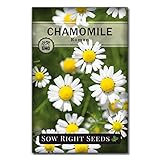



Plant Profile & Key Characteristics
Overview: A low, mat-forming evergreen herb, 15-30 cm (6-12 in) tall, grown as an edible and medicinal plant and as an aromatic ground cover. It is a fast-growing fragrant perennial for Mediterranean, subtropical and temperate gardens.
Quick Specifications
| Specification | Attribute |
|---|---|
| Plant Type / Life Cycle | Perennial (evergreen herb) |
| Foliage Type | Evergreen |
| Mature Size | 15-30 cm (6-12 in) tall |
| Growth Rate | Fast |
| Toxicity | Non-toxic / edible (herbal use) |
| Hardiness | USDA zone 4-9 (zone 10a with care) |
Growth Form & Structure
- Height & Spread: 15-30 cm (6-12 in) tall, spreading into a mat; grows well in containers of about 2.5-7 L.
- Growth Habit & Form: Low, spreading mat-forming herb usable as a fragrant lawn or ground cover.
- Lifespan & Maturity: Fast-growing perennial that establishes quickly.
Anatomy & Physical Features
- Leaves & Foliage: Narrow, finely divided (pinnate) aromatic leaves, releasing an apple-like scent when brushed.
- Flower Characteristics: Small white daisy flowers with a yellow centre (full detail in the Bloom section).
Primary Uses & Landscape Value
- Edible Uses: Flowers and leaves used for herbal tea and beverages; also used medicinally.
- Functional & Ornamental Roles: Aromatic ground cover or fragrant lawn, ornamental, and a bee-attracting plant.
Note: Botanical name: Chamaemelum nobile.
Care Guide: Planting, Soil & Watering
Overview: This low, mat-forming herb enjoys full sun and grows fast, needing moisture while young and tolerating drier soil once established. It takes heavier soils and a low to moderate supply of water.
Quick Care Requirements
| Requirement | Ideal Condition |
|---|---|
| Planting Season | Spring in zones 4-6; spring to summer in zones 7-9; spring or autumn in zone 10a |
| Growth Rate | Fast |
| Soil Type | Fertile, moisture-retentive; tolerates heavier soils |
| Water Need | Low to moderate – keep young plants moist, then water more sparingly |
Planting & Establishment
- Best Planting Season: In spring in zones 4-6, extending through summer in zones 7-9, and in spring or autumn in zone 10a.
- How to Plant:
- Hole Preparation: Dig a hole a little larger than the root ball and loosen the base.
- Soil Amendments: Mix in fertilizer and organic matter, and keep the soil moist and lightly mulched while young plants settle in.
- Planting Depth: Set low crowns level with the soil surface so the mat can spread outward.
- Growth Speed & Expectations: A fast grower forming a dense, fragrant mat 15-30 cm tall.
Soil, Watering & Drainage Care
- Soil Mix & Drainage Needs: Grow in fertile soil that holds moisture; it copes with heavier ground but still needs the surplus to drain away. In containers use a potting or peat mix with perlite, humus and organic matter, mulch to hold moisture, and let the pot drain fully each time.
- Watering Schedule & Technique:
- Young / Newly Planted: Water young plants generously – even daily in warm weather – to keep the soil moist while they root in.
- Established: Once established it is more drought tolerant; water deeply but let the top of the soil dry before watering again.
- Seasonal Adjustments: Increase watering in summer heat and cut back in winter as growth slows.
Note: Space plants 10-20cm (4-8in) apart, depending on mature size.
Climate, Light & Hardiness
Roman chamomile is a low, evergreen perennial ground cover suited to Mediterranean, subtropical, and temperate climates, reliably hardy through USDA zone 4–9 and growable in zone 10a with attentive care. It prefers full sun to half shade and evenly moist soil, especially while young.
Quick Climate Specifications
| Climate Zones | Mediterranean, subtropical, temperate |
|---|---|
| USDA Hardiness Zones | 4–9, and 10a with attentive care |
| Frost Tolerance | Moderate |
| Light Conditions | Full sun to half shade |
Sunlight & Light Exposure
Optimal Light Setup
Full sun gives the densest, most floriferous mat; half shade is tolerated, especially where summers run hot.
Shade & Heat Management
In the hottest part of its range (zone 10a) afternoon shade helps offset heat stress, which is why that zone is listed as workable only “with the right care.”
Temperature Extremes & Hardiness
USDA Hardiness & Regional Limits
Reliably perennial in zone 4–9; zone 10a is marginal and needs summer heat mitigation such as part shade and consistent soil moisture.
Cold Damage & Winter Protection
Foliage can die back in the coldest part of its zone 4–6 range, with the plant regrowing from the crown; a mulch layer protects the crown through winter.
Frost Sensitivity
Young, newly planted chamomile is more frost-sensitive than an established mat - the spring-only planting guidance for zone 4–6 reflects this.
Wind, Humidity & Microclimate
Humidity Preferences
Prefers consistently moist soil rather than dry conditions, particularly during establishment; ordinary outdoor air humidity is otherwise not a concern.
Rainfall & Seasonal Moisture
Suits the winter-wet, summer-dry rhythm of Mediterranean and temperate climates; keep soil from drying out fully while the plant is young.
Growing in Pots, Balconies & Indoors
Roman chamomile is a low, spreading perennial herb grown for its fragrant, edible flowers. The grower does not rate it as a houseplant, but its small size makes it easy in a pot on a bright, sunny windowsill, balcony or patio.
Quick Details
- Container Size: 2.5-7 L (0.5-1.5 gal); start in a pot at least 200% larger than the plant (grower’s values)
- Indoor Suitability: Not a deep-indoor houseplant, but manageable on a very bright, sunny windowsill
- Best Spot: Full sun to part shade
- Soil & Drainage: Free-draining mix with plenty of holes; the grower stresses good drainage
- Watering in Pots: Water moderately; let the base drain and dry out the same day – do not leave it standing wet
Indoors & On the Windowsill
- Houseplant limits: The grower marks it as not a houseplant – indoors it needs strong direct light to bloom, so keep it to the sunniest sill rather than a room interior.
- Windowsill growing: A compact plant on a bright sill can give a few flowers for tea; direct sun is essential.
- Overwintering: As a tender-ish perennial it can be sheltered on a bright sill through a cold winter and moved back out in the warm season.
On a Balcony or Patio
- Light, wind & heat: It is happy on a balcony or patio in good light. Pots dry quickly because walls and paving reflect heat, so check them often in warm spells; shelter tall stems from wind and mind the pot weight and drainage runoff.
- Practicalities: A shallow, wide 2.5-7 L pot in full sun suits it; deadhead to keep flowers coming.
Choosing the Pot, Soil & Long-Term Care
- Pot & drainage: Start about 200% larger than the plant, in a 2.5-7 L pot with plenty of drainage holes; the grower lets the base fill with water but ensures it dries out the same day to avoid rot.
- Pot material: Terracotta breathes and dries quickly (handy for sun-loving Mediterranean plants); glazed or plastic pots hold moisture longer.
- Potting mix: The grower uses potting mix or peat with perlite, mixed with humus and organic matter; chopped mulch on top helps keep the surface moist.
- Feeding: Potted plants use up nutrients faster because watering leaches them out, so feed a little more often than plants in open ground.
- Repotting: The grower advises switching the soil every few years when grown on as a perennial.
Grower’s Container Tip
- Right-size the pot & base-water: Start in a container about 200% larger than the plant; you can let the pot base fill with water but make sure it dries out the same day – his method for keeping the roots moist without rotting them.
Fertilizing & Feeding
A low, spreading perennial grown for its edible flowers and fragrant foliage; it is typically grown as a ground cover and does best with a light hand on fertilizer, especially once established.
Quick Fertilizing Specs
| Feeding Level | light |
|---|---|
| young_feeding | A newly planted or newly rooted young plant benefits from a bit more consistent light feeding while it spreads and fills in as a ground cover. |
| mature_feeding | Once spreading and established, mature plantings generally need only occasional light feeding. |
| Main Nutrient Priority | A balanced, modest fertilizer supports steady foliage and flower production without encouraging lanky growth. |
| Best Feeding Period | The active growing season, tapering off as flowering finishes and cooler weather sets in. |
| Organic Options | Mulch and compost worked in at planting, refreshed occasionally, suit this ground-cover herb well. |
| Soil pH | Tolerates a wide range of soil pH; very acidic or very alkaline extremes are best avoided. |
| Reduce/Stop Feeding | Ease off feeding as flowering winds down and the plant heads into cooler, slower-growing conditions. |
Feeding by Growth Stage
Establishment and spread
Help a young planting root in and begin spreading as a ground cover.
| Nutrient direction | Balanced feeding to support steady rooting and spread, without forcing rapid, weak growth. |
|---|---|
| Timing | At planting and through the first period of active rooting and spreading. |
| Frequency | Light, occasional feedings while the planting fills in are usually enough. |
| Fertilizer types | A balanced fertilizer worked in at planting, or a top-dressing of compost and mulch |
| Precautions | Avoid heavy fertilizer at planting, which can stress young roots and encourage weak, floppy top growth instead of steady spread. |
Active growth and bloom
Support foliage and flower production through the main growing and flowering period.
| Nutrient direction | Keep nitrogen on the low side; this aromatic, low-growing herb favors compact, floriferous growth over lush leaf growth. |
|---|---|
| Timing | Through the active growing season and into bloom. |
| Frequency | An established planting rarely needs feeding beyond an occasional light application. |
| Fertilizer types | An occasional light, balanced fertilizer application, or a refresh of compost/mulch around the planting |
| Precautions | Avoid frequent or nitrogen-rich feeding, which can produce lanky growth and fewer flowers. |
Nutrient Deficiency Signs & Corrections
Overall pale or yellow-green foliage, particularly on older growth, with reduced vigor.
| Possible causes | Nitrogen deficiency in poor soil, Waterlogged or compacted soil limiting root uptake, Natural slowdown as bloom finishes |
|---|---|
| Appears first on | Older foliage first |
| What to check | Soil drainage and texture, Recent feeding history, Whether new growth still looks healthy |
| Possible correction | A light, balanced feeding during active growth is usually enough to correct a genuine deficiency. |
New foliage turning pale to yellow while the leaf veins stay green.
| Possible causes | High or alkaline soil pH tying up iron, Poor drainage limiting root function, Recent transplant or root disturbance |
|---|---|
| Appears first on | Newest growth |
| What to check | Soil pH and drainage, Whether the planting was recently disturbed, Whether older foliage remains a normal green |
| Possible correction | Correct the underlying soil pH or drainage issue; a chelated iron product applied per its label can help if color does not recover on its own. |
Interveinal yellowing on older foliage while veins remain green.
| Possible causes | Magnesium deficiency in light or heavily leached soil, Excess potassium competing with magnesium uptake, Normal aging of older foliage |
|---|---|
| Appears first on | Older foliage |
| What to check | Whether yellowing is between the veins rather than whole-leaf, Soil type and watering pattern, Overall vigor of new growth |
| Possible correction | Rule out watering and soil issues first; a chelated or soluble magnesium product used per its label can correct a true deficiency. |
Pruning, Training & Seasonal Maintenance
Roman chamomile is a low, mat-forming evergreen perennial, so unlike an annual chamomile it needs ongoing maintenance to keep the mat dense and tidy across years rather than a single end-of-season cleanup. It tolerates cutting well and can be trimmed through most of the year, but the facts for this plant specifically favor winter as the best time for a fuller tidy, when growth has slowed and old flower stalks and any winter-damaged foliage can be cleared before the next season’s flush.
Quick Pruning & Maintenance Specs
| Pruning Tolerance | Moderate to High (tolerates shearing well as a mat-forming groundcover) |
| Primary Pruning Window | Winter, for the main tidy of dead growth and old flower stalks |
| Secondary Maintenance Window | Light deadheading through summer bloom |
| Typical Frequency | Weekly deadheading in bloom; one fuller winter trim |
| Main Objective | Dense, even mat; prolonged bloom for tea harvest; prevent bare/woody patches |
| Young Plant Priority | Pinch runners lightly to encourage lateral spread into a solid mat |
| Mature Plant Priority | Deadhead through bloom; shear/tidy the whole mat in winter |
| Best Tool Type | Precision snips for deadheading; hand shears for the winter mat trim |
| Avoid Heavy Pruning During | Peak summer bloom, if flowers are being harvested for tea |
Pruning by Plant Age & Size
Newly Established
Avoid cutting back a newly planted mat; let it root in and knit together first, only removing any damaged growth.
Young / Formative
No staking or framework training applies to this low groundcover – light pinching of the spreading stems simply encourages denser lateral fill.
Mature / Established
Once established, alternate light deadheading through the bloom season with a fuller winter trim to keep the mat from thinning or going patchy over time.
Seasonal Pruning Schedule
Dormant/Winter
Objective: reset the mat before spring growth. Remove: old flower stalks, dead or matted foliage. Do not remove: healthy evergreen foliage close to the crown. Response: fresh, denser growth as temperatures rise. Flowering impact: none – this is after the bloom season, so next year’s flowering is unaffected.
Ongoing Sanitary
Deadhead spent flower heads through summer bloom to keep the mat tidy and encourage continued flowering for tea harvest.
Structural Pruning & Training
As the mat matures it can develop thin or slightly woody patches; periodically trim these areas back hard to encourage fresh lateral growth to fill in, rather than letting bare spots persist.
Special Growth to Remove
Remove spent flower stems regularly; clear any dead or winter-browned foliage each winter so it doesn’t smother new growth underneath.
Container & Small-Space Pruning
In a container, keep the mat trimmed a little tighter than an in-ground planting to prevent it from spilling over and thinning at the center; because the facts note this plant benefits from a soil refresh every few years as a perennial container plant, pair that repotting with a hard trim-back to rejuvenate top growth alongside the root refresh.
Tools
Precision snips for spot deadheading; small hand shears for the broader winter tidy of the mat – full-size hedge shears are unnecessary at this scale.
Tool Hygiene & Disease Risk
Increased care is worthwhile – this plant’s noted pest/disease list includes powdery mildew, so remove and dispose of any mildew-affected foliage rather than composting it, and wipe tools between plants if mildew is present.
Cut Placement & Technique
Deadhead individual flower stalks down to the foliage mat rather than leaving bare stubs; for the winter tidy, shear evenly across the top of the mat rather than cutting unevenly into the crown.
Heavy Pruning & Rejuvenation
A hard shear of a thinning or overgrown mat is tolerated, best done in winter; expect a temporary gap before spring regrowth fills back in.
Post-Pruning Care
Keep the soil evenly moist after a winter trim to support fresh spring growth; no extra feeding is needed for this plant, which prefers well-drained, only moderately fertile conditions.
Common Pruning Mistakes
Letting spent flower stalks accumulate all season instead of deadheading, which reduces total bloom for tea harvest; skipping the winter tidy for several years, which lets the mat go patchy and woody at the center.
When NOT to Prune
Avoid a hard shear during peak summer bloom if flowers are being harvested, since this removes the current crop; individual deadheading is fine at that time instead.
Recommended Tools (by task)
- Summer deadheading – precision_snips: quick, targeted removal of spent flower stalks.
- Winter mat tidy – hedge_shears: even, low-effort trim across the whole spreading mat.
Propagation Guide
Roman chamomile can be propagated from seed and vegetatively by division or cuttings.
Quick Propagation Specs
| Methods | Seed; division; cuttings |
| Grafting Required | No |
Growing from Seed
Surface-sow the fine seed or cover only very lightly and keep the medium evenly moist while seedlings establish.
Vegetative Propagation
Divide established rooted growth or use healthy vegetative cuttings during active growth.
Note: Seeds typically germinate in 7-14 days and need light to sprout, so do not bury them.
Bloom & Edible Flower Guide
Quick Details
- Bloom Season: Summer
- Flower Appearance: Small white daisy flowers with a yellow centre
- Edibility: The flowers are edible and are the classic source of chamomile tea
Detailed Blooming Overview
Roman chamomile flowers through summer, dotting its feathery, ground-hugging foliage with small white daisies. Brush against the plant and it releases a soft, apple-like scent. The flowers are the part traditionally gathered and dried for a calming, fragrant beverage.
Flower Characteristics
- Small daisy heads with white ray petals around a domed yellow centre.
Bloom Care & Thinning
- Harvesting: Pick the flowers when fully open and the petals are still fresh, then dry them for tea.
- Pollination: Pollinated by bees, and a reliable draw for pollinators in the garden.
Bloom Health & Protection
- Aphids and powdery mildew: Can appear in crowded or humid conditions; airflow keeps mildew down, and a jet of water or neem oil handles aphids – worth favouring gentler options on flowers you intend to harvest.
Fruit & Uses
Roman chamomile is a low-growing edible and medicinal herb whose small, white-petalled, yellow-centered flowers and finely divided leaves are used fresh or dried, mainly steeped as a beverage/tea. Both parts are infused rather than cooked as food.
Quick Edible Specs
| Edible Parts | Flowers; Leaves (and stems) |
|---|---|
| Main Use(s) | Beverage (tea/infusion); traditionally also regarded as a medicinal herb (traditional-use note only) |
| Eaten Raw or Cooked | Infused (tea) or used fresh |
| Preparation Required | None beyond rinsing; dry for storage |
| Harvest Season | Flowers – summer bloom season; Leaves/stems – all year once established |
| Time to First Harvest | After the plant is established |
| Storage | Air-dry flowers and leaves for long-term tea use; best fresh otherwise |
| Safety/Toxicity Caveat | Chamomile is in the daisy (Asteraceae) family – people with ragweed or related pollen allergies should be cautious |
Flowers & Flower Buds
The white-petalled, yellow-centered flowers are the classic chamomile-tea part. Pick them once fully open during the summer bloom season and use fresh or dry them for later infusions.
Leaves & Greens
The narrow (about 0.2mm wide, 1–2cm long), finely divided (pinnate) leaves and stems are also edible and can be cut once the plant is established, year-round. Like the flowers, they are mainly used for beverages/infusions.
Harvesting
Flowers are picked through the summer bloom season as they open; leaves and stems can be cut at any time once the plant is established. Removing spent flower heads (see Pruning) does not conflict with harvesting – picking flowers for use serves the same purpose.
Preparation, Uses & Safety
No cooking is required – flowers and leaves are used fresh or air-dried, mainly steeped as a beverage/tea, and the flowers are traditionally regarded as a medicinal herb (a traditional-use note only, not a health claim). As a daisy-family (Asteraceae) plant, anyone with ragweed or related pollen allergies should be cautious when consuming or handling it.
Pests, Diseases & Troubleshooting
Overview: Roman chamomile is an aromatic, low-growing herb that is genuinely close to pest-free; its scent deters many insects, and its real risks are fungal problems in wet, poorly drained soil rather than pests. Grow it lean, sunny and well-drained and it needs almost no intervention.
Quick Troubleshooting Overview
| Issue / Pest | Main Symptom | Primary Solution |
|---|---|---|
| Aphids | Occasional clusters on soft growth | Water jet; soap if needed |
| Thrips | Silvery flecking on flowers/leaves | Sticky traps; tolerate light |
| Slugs & snails | Grazed seedlings in damp spots | Handpick; grit barriers |
| Powdery/downy mildew | White or grey coating in humidity | Airflow; sun; spacing |
| Root/crown rot | Collapse in wet, heavy soil | Sharp drainage; ease watering |
Common Pests & Management
- Aphids (Aphidoidea):
- Symptoms: Clusters of small green, black or grey soft-bodied insects on new shoots, buds and leaf undersides; curled distorted growth, honeydew and sooty mould.
- Prevention & Control: Blast off with a strong jet of water and squash colonies early. Encourage ladybirds, lacewings and hoverflies; avoid excess nitrogen that fuels soft growth. Use insecticidal soap or neem for stubborn outbreaks, sprayed in the evening to spare pollinators.
- Thrips (Thysanoptera):
- Symptoms: Fine silvery flecking on foliage and flowers with tiny slivers that dart when disturbed; minor on chamomile.
- Prevention & Control: Monitor with sticky traps, tolerate light feeding, and encourage predatory insects; insecticidal soap is enough for rare heavier bouts.
- Slugs & snails (Gastropoda):
- Symptoms: Seedlings and soft new growth grazed in damp, shaded conditions.
- Prevention & Control: Improve drainage and airflow, hand-pick after dark, and ring plants with grit or iron-phosphate bait.
Diseases & Fungal Issues
- Powdery mildew (Erysiphe / Golovinomyces spp.):
- Symptoms: White powdery film on foliage in crowded, humid or dry-rooted plantings, mainly late season.
- Treatment & Management: Space for airflow, grow in good light and keep roots evenly moist; shear over and remove affected growth. Sprays are rarely justified on a culinary/aromatic herb.
- Downy mildew (Peronospora spp.):
- Symptoms: Yellowing with grey mould beneath in cool, wet spells.
- Treatment & Management: Improve airflow, avoid overhead watering, and remove affected foliage.
- Root & crown rot (Rhizoctonia / Pythium spp.):
- Symptoms: Browning, collapse and rotting crowns in waterlogged or heavy soil – the main real risk for chamomile.
- Treatment & Management: Grow in free-draining soil in full sun, avoid overwatering, and do not mulch heavily against the crown; improve drainage on heavy ground.
Growing Difficulties & Abiotic Problems
- Wet feet / rot:
- Cause & Symptoms: Yellowing, thinning and die-out of patches where soil stays wet, especially in winter.
- Correction Strategy: Plant in sharp-draining, sunny soil, water sparingly once established, and lift-and-divide congested mats to keep them healthy.
- Legginess & die-out in shade:
- Cause & Symptoms: Sparse, floppy growth and bare centres in too much shade or old lawns.
- Correction Strategy: Grow in full sun, trim after flowering, and refresh mats by division every couple of years.
- Heat & drought scorch:
- Cause & Symptoms: Browning and crisping of the mat in prolonged heat and drought.
- Correction Strategy: Water during extended dry spells and give light afternoon shade in very hot climates.
What Helps – Products & Tools
This herb rarely needs more than good drainage and sun. Keep insecticidal soap or neem for the odd aphid or thrips flush and iron-phosphate bait or grit for slugs; disease is managed culturally rather than with fungicides.