

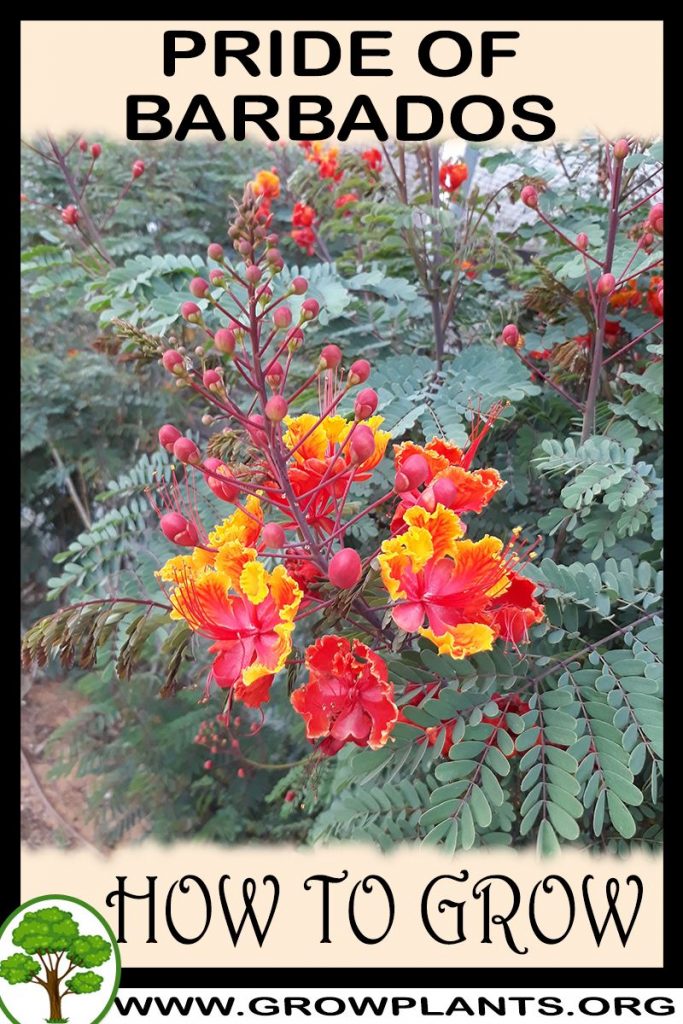
Plant Profile & Key Characteristics
Overview: A fast-growing, deciduous to evergreen legume shrub reaching about 1.4-3 m (5-9 ft), grown as an ornamental flowering shrub, a nitrogen-fixer and for bonsai.
Quick Specifications
| Specification | Attribute |
|---|---|
| Plant Type / Life Cycle | Perennial (legume shrub) |
| Foliage Type | Deciduous or evergreen (by climate) |
| Mature Size | 1.4-3 m tall (5-9 ft) |
| Growth Rate | Fast to Moderate |
| Root System | Taproot; nitrogen-fixing (legume) |
| Toxicity | Toxic – seeds and pods are poisonous if ingested |
| Hardiness | USDA zones 8-11 |
Growth Form & Structure
- Height & Spread: 1.4-3 m (5-9 ft) in the ground; can also be grown in a container or trained as bonsai.
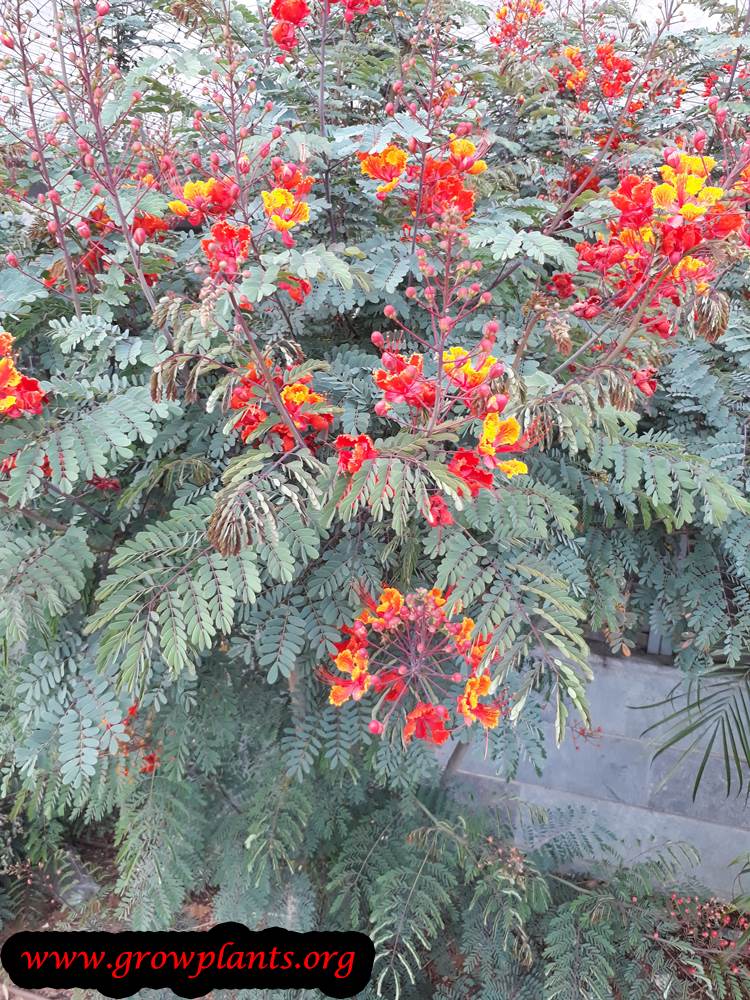
- Growth Habit & Form: Fast, open, multi-stemmed shrub or small tree with airy foliage.
- Lifespan & Maturity: Perennial that reaches flowering size quickly given its fast growth.
Anatomy & Physical Features
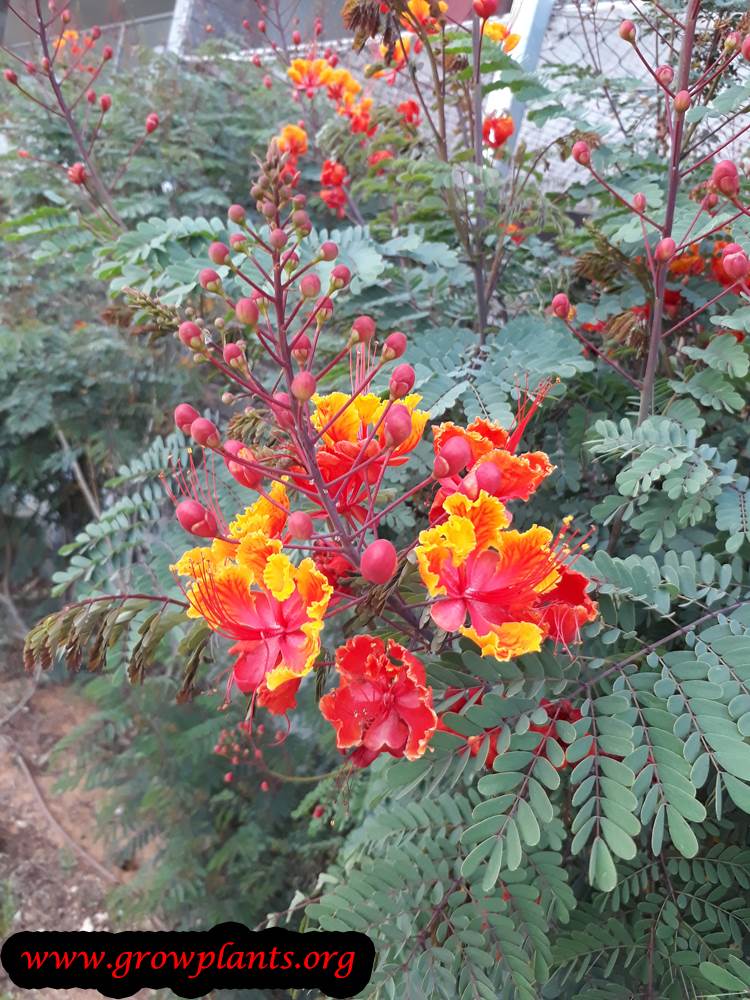
- Leaves & Foliage: Green, elliptic leaflets carried in a fern-like pinnate arrangement.
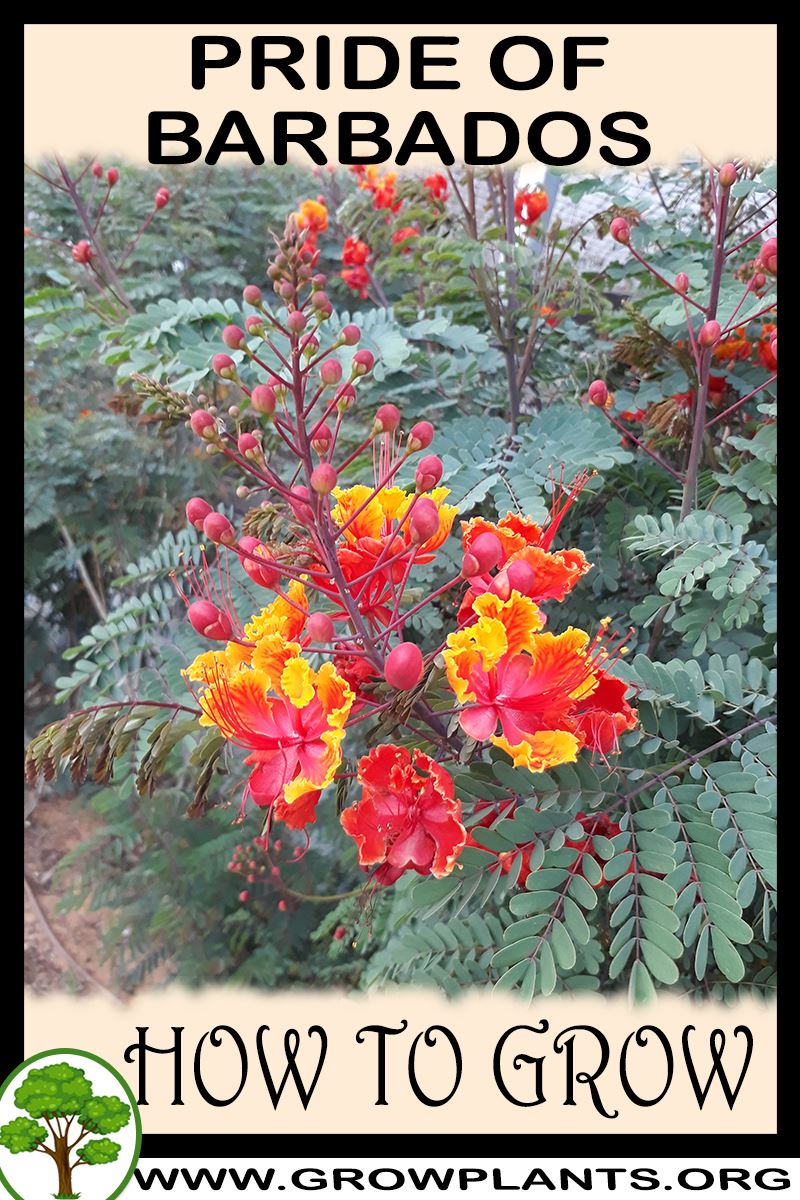
- Flower Characteristics: Showy flowers in red, orange or yellow (often combined) with spoon-shaped, wavy-edged petals and long, prominent stamens.
Primary Uses & Landscape Value
- Functional & Ornamental Roles: Ornamental flowering shrub, pollinator and butterfly plant, nitrogen-fixer, and bonsai subject.
Care Guide: Planting, Soil & Watering
Overview: A heat-loving flowering legume for subtropical, mediterranean and desert gardens (hardiness zone 8-11) that takes only light frost. It needs well-drained soil and just a light to moderate supply of water once established.
Quick Care Requirements
| Requirement | Ideal Condition |
|---|---|
| Planting Season | Late winter to spring |
| Growth Rate | Moderate to Fast |
| Soil Type | Well-drained |
| Water Need | Low to Moderate – drought-tolerant once established |
Planting & Establishment
- Best Planting Season: Plant in late winter to spring as the weather warms, so it establishes before the heat of summer; site in full sun for the best flowering.
- How to Plant:
- Hole Preparation: Dig a hole about twice the width of the root ball and no deeper, keeping the plant at its original level.
- Soil Amendments: It isn’t fussy – as a nitrogen-fixer it needs little feeding; add grit to heavy soil to improve drainage.
- Planting Depth: Set the root collar level with the soil surface – don’t bury the stem base.
- Growth Speed & Expectations: Fast to moderate, quickly making a 1.4-3 m shrub that flowers through the warm season.
Soil, Watering & Drainage Care
- Soil Mix & Drainage Needs: Well-drained soil is the main requirement; it tolerates lean ground but rots in soggy conditions.
- Watering Schedule & Technique:
- Young / Newly Planted: Water regularly through the first season to help it root in.
- Established: Once established it is drought-tolerant – water deeply but infrequently, letting the soil dry between.
- Seasonal Adjustments: Give occasional deep watering in summer heat and little to none in cool, wet weather.
Climate, Light & Hardiness
Pride of Barbados is a heat-loving legume shrub for subtropical, Mediterranean and desert climates, flowering best in full sun (it also takes half shade). The dataset gives roughly zones 8–11 and notes it can survive light frost - at the cooler end it may die back and resprout from the base.
Quick Climate Specifications
| Climate Zones | Subtropical, Mediterranean, desert |
|---|---|
| USDA Hardiness Zones | Approximately 8–11 (per dataset) |
| Optimal Temp Range | Approximately 20–32 °C / 68–90 °F |
| Cold Damage Begins | Foliage and stems injured by frost below roughly −2 °C / 28 °F |
| Approx. Survival Minimum | Established roots survive brief frost and may resprout after top-kill near −5 °C / 23 °F; varies with age and exposure |
| Frost Tolerance | Low |
| Light Conditions | Full sun (best bloom) to half shade |
| Wind Tolerance | Moderate |
Sunlight & Light Exposure
Optimal Light Setup
Full sun gives the most prolific red-and-orange flowering; in half shade it grows but blooms noticeably less.
Best Exposure / Orientation
A hot, sunny, sheltered aspect suits its tropical looks and helps it through cool nights.
Temperature Extremes & Hardiness
USDA Hardiness & Regional Limits
Reliably evergreen and shrubby in frost-free parts of its range, at the colder margin (about zone 8) it often behaves as a root-hardy perennial - frost cuts the top, and it regrows from the base in spring. Cold tolerance varies with plant age and how hard and long the freeze is.
Cold Damage & Winter Protection
Brief light frost is survivable, but sharper freezes damage stems; a warm, sheltered spot or a moveable container protects it in marginal areas.
Extreme Heat Tolerance
It thrives in intense summer heat and is at its best where summers are long and hot.
Wind, Humidity & Microclimate
Dry-Air Tolerance
Well adapted to hot, dry air.
Microclimate Recommendations
A hot, sunny, free-draining spot - ideally against a warm wall in cooler areas - offsets its one weakness, winter cold.
Growing in Pots, Balconies & Indoors
Pride of Barbados is a dazzling tropical flowering shrub that grows beautifully in a large pot on a hot, sunny patio or balcony. It is not a houseplant, but a pot lets you overwinter this tender plant under cover. Its seeds and pods are poisonous.
Quick Details
- Container Size: A large, deep pot, 30-50 L (8-13 gal), for a mature shrub
- Indoor Suitability: Not a houseplant; a tender flowering shrub for a hot patio or balcony that overwinters under cover
- Best Spot: Full sun – it blooms best in the hottest, brightest spot
- Soil & Drainage: Water moderately – let the surface dry slightly between waterings; it is drought-tolerant once established but pots must drain freely
- Watering in Pots: Houseplant limits: Not a houseplant – it wants blazing full sun and open air, far more than a room offers. Overwintering indoors: Being tender, it is well suited to a pot – move it into a bright, frost-free room or greenhouse over winter and back out once frost has passed. SAFETY: The seeds and pods are toxic if eaten – keep them away from children and pets.
Indoors & On the Windowsill
- Light, heat & wind: Give it the sunniest spot you can. Walls, railings and paving reflect heat, so pots dry quickly – check moisture daily in warm weather, and shelter tall growth from wind. A drip irrigation kit with a timer can take over that watering check automatically.
On a Balcony or Patio
- Pot & drainage: A 30-50 L pot with strong drainage holes; skip a standing water saucer to avoid root rot. Terracotta breathes and dries fast; glazed or plastic holds moisture longer.
- Potting mix: Use a well-aerated, organic-rich mix – peat or coir blended with perlite or vermiculite for free drainage.
- Feeding: Potted plants lose nutrients as watering leaches them from the mix, so feed more often than in open ground – a balanced liquid feed through the growing season.
- Repotting: Refresh the mix or pot up about every two years; prune it back in late winter to keep a compact, well-flowering shape.
Choosing the Pot, Soil & Long-Term Care
Growing this plant in a greenhouse
A greenhouse can give pride of barbados frost protection, cold protection, humidity control and extra warmth. In the right climate it may also be kept growing through winter, depending on how much warmth and light are provided.
Greenhouse at a glance
| Greenhouse suitability | Conditional - depends on your climate |
|---|---|
| Main benefits | frost protection, cold protection, humidity control, extra warmth |
| Season extension | earlier spring & later autumn |
| Outdoor protection advisable below | about -2°C |
| Suitable types | unheated greenhouse, polycarbonate greenhouse, lean-to |
| Heating | Heating is optional - useful mainly for winter growing in cold areas. |
Related greenhouse guides
- Greenhouses: How to Choose the Right Greenhouse
- Best Lean-To Greenhouses
- Polycarbonate Greenhouses: What to Look for Before Buying
Fertilizing & Feeding
A light, undemanding feeder: as a legume, Pride of barbados fixes some of its own nitrogen and flowers well on modest, balanced feeding rather than heavy nitrogen or high-phosphorus ‘bloom’ products.
Quick Fertilizing Specs
| Feeding Level | Moderate; flowers well on balanced feeding. |
|---|---|
| Main Nutrient Priority | Balanced nutrition; adequate nitrogen and balanced nutrients drive flowering. |
| Best Feeding Period | During active growth and through the bloom season. |
| Organic Options | Compost and other organic matter provide steady, gentle nutrition. |
| Soil pH | Tolerates a wide range; slightly acidic to near-neutral soil is ideal. |
| Reduce/Stop Feeding | Ease off feeding as flowering ends and the plant rests. |
Feeding by Growth Stage
Early growth
Establish Pride of barbados and build a healthy framework of stems and leaves ahead of flowering.
| Nutrient direction | Balanced nutrition to build healthy stems and foliage as growth gets going; as a legume it fixes some of its own nitrogen, so keep nitrogen modest. |
|---|---|
| Timing | As new growth begins in the warm growing season. |
| Frequency | A light feeding as growth begins is usually enough. |
| Fertilizer types | A balanced complete fertilizer used lightly, Compost or other organic matter |
| Precautions | Avoid heavy nitrogen, which favors leaves over flowers and can loosen, floppy growth. |
Blooming
Sustain steady, colorful flowering through the bloom season.
| Nutrient direction | Steady, balanced nutrition through the bloom season; adequate nitrogen and balanced nutrients drive flowering, so ordinary complete fertilizer is what supports bloom. |
|---|---|
| Timing | Through the flowering season. |
| Frequency | Light feedings spread through the flowering season keep bloom going. |
| Fertilizer types | A balanced complete fertilizer used lightly through bloom |
| Precautions | Skip high-phosphorus ‘bloom booster’ products; excess phosphorus provides no real flowering advantage and can harm soil life. |
Dormancy or cool-season rest
Through the cool season the plant rests and takes up little in the way of nutrients.
| Nutrient direction | None – withhold fertilizer while the plant is resting. |
|---|---|
| Timing | During winter dormancy or the cool-season slowdown. |
| Frequency | No feeding at this stage. |
| Fertilizer types | No feeding at this stage – the plant is resting and not actively taking up nutrients. |
| Precautions | Do not fertilize until active growth resumes in the warm season. |
Nutrient Deficiency Signs & Corrections
Older, lower leaves turn pale and growth becomes thin and slow.
| Possible causes | Low available nitrogen in the soil, Cold or waterlogged roots limiting nutrient uptake, Leaching of nutrients from a light or sandy soil |
|---|---|
| Appears first on | Older, lower leaves. |
| What to check | Soil drainage and how wet the roots stay, Recent feeding history and soil richness, Whether the fading starts on the oldest leaves |
| Possible correction | Improve drainage, and apply a light balanced feeding to restore steady, moderate growth. |
The newest leaves yellow between the veins while the veins stay green.
| Possible causes | High soil pH reducing iron or manganese availability, Waterlogged or cold roots that cannot take micronutrients up, A genuine iron or manganese shortage |
|---|---|
| Appears first on | New, upper leaves. |
| What to check | Soil pH, Drainage and root health, Whether only the newest growth is affected |
| Possible correction | Correct soil pH and drainage; if it persists, apply a chelated iron or manganese product according to its label. |
The plant grows plenty of leaves but produces few flowers.
| Possible causes | Excess nitrogen favoring foliage over flowering, Too little light for good bud formation, Heat or drought stress during the bloom period |
|---|---|
| Appears first on | Flowering shoots and buds. |
| What to check | Recent nitrogen inputs and overall soil richness, How much direct light the plant receives, Watering steadiness through the bloom season |
| Possible correction | Ease off nitrogen, give the plant adequate light, and rely on balanced nutrition rather than high-phosphorus bloom products, which offer no real flowering advantage. |
Pruning, Training & Seasonal Maintenance
Pride of Barbados (Caesalpinia pulcherrima) is a fast, woody leguminous shrub or small tree of 1.4–3 m that carries its showy red-orange-yellow flowers on the current season’s new growth. Because bloom comes on new wood, it responds well to a firm cut-back before growth begins: this both shapes the plant and drives the vigorous flushes that flower. It tolerates hard pruning and, in its cooler range, may die back in winter and regrow from the base regardless.
The main objectives are a tidy multi-stem framework, height and spread control, and maximised flowering — achieved by pruning in late winter to early spring rather than in the growing season, so no developing flower wood is sacrificed.
Quick Pruning & Maintenance Specs
| Pruning Tolerance | High (blooms on new wood; accepts hard cut-back) |
| Primary Pruning Window | Late winter to early spring, before the new flush |
| Secondary Maintenance Window | Light deadheading / tidying through the flowering season |
| Typical Frequency | Once yearly hard shape, plus occasional tidy-up |
| Main Objective | Shape a strong framework, control size, drive flowering new wood |
| Young Plant Priority | Select 3–5 well-spaced main stems (open, multi-leader form) |
| Mature Plant Priority | Remove dead/weak wood, cut back to control size, renew flowering shoots |
| Best Tool Type | Bypass secateurs and loppers; a pruning saw for old basal stems |
| Avoid Heavy Pruning During | Autumn before frost in marginal zones (tender new growth) |
Pruning by Plant Age & Size
Newly Established
Limit cutting to damaged or crossing shoots in the first season while roots establish. Let the young plant build stem caliper before any hard shaping.
Young / Formative
Train as an open multi-stemmed shrub: choose three to five strong, well-spaced stems as the framework and shorten the rest. This open, vase-like structure suits its arching, prickly branches and keeps the interior airy.
Mature / Established
Each late winter, remove dead and thin twiggy wood, shorten the framework to the desired height, and cut back leggy shoots to strong buds. This resets the plant to a flush of new, free-flowering wood.
Seasonal Pruning Schedule
Late winter / early spring (primary): objective is renewal and size control — remove dead, frost-damaged and weak stems and cut the framework back hard; do not leave old, exhausted twigs; expect a strong new flush that carries the season’s bloom. Summer (ongoing sanitary): deadhead spent flower clusters and remove any dieback; retain healthy leafy shoots, which are next flushes of flower. In frost-prone gardens, avoid an autumn cut that would push tender growth into cold.
Flowering & Fruiting Wood
Flowers are borne on current-season shoots, so the plant flowers on new wood. This is why a late-winter cut-back increases rather than reduces bloom: it forces fresh shoots that flower through spring and summer. Pruning in mid-flush, by contrast, removes forming flower shoots and delays the display. Seed pods follow the flowers; leave a few if seed is wanted, or shear them off to keep energy in flowering and limit self-seeding.
Structural Pruning & Training
Select and maintain an open, multi-leader framework. Remove crossing, rubbing and inward-growing shoots to keep the centre uncluttered. Height and spread are controlled by shortening the main stems in late winter — this shrub accepts being kept smaller than its natural size.
Special Growth to Remove
The plant is grown from seed and is not grafted, so there is no rootstock and no rootstock suckers to chase. Do remove weak basal twigs and any low congested shoots to keep a clean framework; keep the strong basal stems you have chosen as the future structure.
Container & Small-Space Pruning
In a pot it is kept as a compact multi-stem shrub or trained as a small standard; prune harder and more often to balance the top with a limited root run, and shorten the longest shoots to prevent legginess. It has even been used for bonsai, which relies on this tolerance of repeated cutting.
Tools
Most cuts are twig to finger thickness — use bypass secateurs. Loppers handle older framework stems, and a pruning saw deals with the thickest basal wood on an old plant. The stems are prickly, so leather gloves are advisable.
Tool Hygiene & Disease Risk
Routine. The listed problems are aphids and mites, not a readily tool-transmitted disease, so clean, sharp blades are enough; step up to disinfecting only if you are cutting out material you suspect is diseased.
Cut Placement & Technique
Use thinning cuts back to a junction to remove whole stems, and heading cuts to an outward-facing bud when shortening to steer growth outward and keep the centre open. Cut just above the bud without leaving long stubs. On thick basal stems, undercut first to avoid bark tearing.
Heavy Pruning & Rejuvenation
Tolerated well. An overgrown or frost-damaged plant can be cut back hard — even close to the base — in late winter; it regenerates strongly and flowers on the resulting new wood the same season. This is a normal renewal method for this species, not a last resort.
Post-Pruning Care
After a hard cut-back, water to support the new flush but do not force-feed — the cut itself drives vigorous regrowth. Keep an eye on newly exposed bark for sunburn in the hottest sites and watch fresh shoots for aphids.
Common Pruning Mistakes
- Pruning in autumn in a frost-prone zone, pushing tender growth that is then killed by cold.
- Shearing it like a formal hedge, which spoils its natural arching, open form and reduces flowering wood quality.
- Fearing hard renewal — timid pruning leaves a leggy, sparse plant when it would respond to a firm late-winter cut.
When NOT to Prune
Do not prune heavily just before frost in marginal climates, and avoid major cutting during the main flowering flush. Hold off on hard shaping in the first establishment season.
Recommended Tools (by task)
- bypass_secateurs — for the bulk of twig-to-finger cuts when deadheading and shaping the flowering shoots.
- loppers — for older framework stems during the late-winter cut-back and size control.
- pruning_saw — for the thickest basal stems when renewing an old or overgrown plant.
Pruning Troubleshooting
| Problem | Possible Cause | What to Check | Corrective Action |
| Leggy, few flowers | Not cut back; flowering wood is old and exhausted | Whether a hard late-winter prune has been done | Cut the framework back hard in late winter to force free-flowering new wood |
| New growth killed each winter | Pruned too late in autumn, stimulating tender growth | Timing of the last cut relative to frost | Shift hard pruning to late winter; leave top growth as frost protection over winter |
| Dense, tangled centre | Crossing shoots not thinned | Interior for rubbing and inward stems | Thin to an open multi-leader frame with clean cuts to junctions |
Propagation Guide
Pride of Barbados is grown mainly from seed, whose very hard coat needs nicking or a hot-water soak before it will germinate in warm soil. Semi-hardwood cuttings and air layering are possible but less reliable; the shrub is also trained as a bonsai. Colour forms come largely true from seed.
Quick Propagation Specs
| Best Propagation Method | Seed (scarified / hot-water soak) |
| Alternative Methods | Semi-hardwood cuttings; air layering |
| Propagation Difficulty | Easy from seed; Moderate from cuttings |
| Seed True-to-Type | Mostly uniform; colour forms come largely true |
| Best Propagation Season | Warm season; sow in spring |
| Germination Temperature | Warm, roughly 24–30°C (75–86°F) |
| Seed Sowing Depth | About 1–2 cm |
Growing from Seed
Dormancy & Pre-Sowing Treatment
The very hard coat needs nicking (scarifying) or a hot-water soak, after which germination is warm but often staggered.
Stem Cuttings
Semi-hardwood cuttings taken in the warm season root variably; rooting hormone is beneficial.
Air & Ground Layering
Low branches can be air-layered during the warm season as an alternative to cuttings.
Bloom & Flower Guide
Quick Details
- Bloom Season: Spring and summer, and longer in warm climates
- Time to First Bloom: Can flower in its first year from seed where the season is warm
- Flower Appearance: Ruffled, spoon-shaped petals with wavy, frilled edges in fiery red, orange and yellow blends, set off by long, showy stamens
- Edibility: Ornamental only; the seeds and pods are toxic, so the plant is not eaten
Detailed Blooming Overview
Pride of Barbados, also called red bird of paradise, is all about its flamboyant flowers. Each bloom has five crinkled, spoon-shaped petals edged like a frilled apron, in hot reds, oranges and yellows, with long stamens shooting well beyond the petals. The fiery colour and open shape make it a magnet for butterflies and hummingbirds through the warm months. It is a plant to enjoy for its display, since the seeds and pods are toxic.
Flower Characteristics
- Five ruffled, spoon-shaped petals with serrated, wavy edges.
- Colours of red, orange, yellow, or red blended with yellow and orange.
- Long, prominent stamens that give the flower its airy look.
Bloom Care & Thinning
- Pollination: The bright, open flowers draw butterflies and hummingbirds.
- Site for flowering: Full sun and warmth give the longest, most vivid display.
- Encouraging rebloom: Trimming back and removing spent flowers keeps the shrub blooming and limits the toxic seed pods; site it away from children and pets.
Pests, Diseases & Troubleshooting
Overview: Pride-of-Barbados and its Caesalpinia relatives are tough, heat- and drought-loving legumes with few serious problems; the pests they attract are the common sap-suckers and leaf-chewers, and they shrug off most disease unless soils stay wet. Their main real risks are root rot in poorly drained ground and cold dieback at the edge of their range.
Quick Troubleshooting Overview
| Issue / Pest | Main Symptom | Primary Solution |
|---|---|---|
| Scale insects | Bumps on stems/leaves, honeydew, sooty mould | Prune, horticultural oil, beneficials |
| Aphids | Sticky, curled new growth on shoots and buds | Water jet, insecticidal soap |
| Caterpillars | Chewed and notched leaflets | Hand-pick, Bt |
| Whitefly | Tiny white flies, honeydew, yellowing | Sticky traps, soap/oil, encourage predators |
| Spider mites | Stippling and webbing in hot dry spells | Hose off, oil/soap, raise humidity |
| Root rot | Wilting and dieback in wet soil | Improve drainage, ease watering |
Common Pests & Management
- Scale insects (armoured & soft scale):
- Symptoms: Brown, grey or waxy limpet-like bumps along stems, leaf midribs and undersides, with yellowing, honeydew and sooty mould from soft-scale types.
- Prevention & Control: Prune out heavily encrusted wood and wash foliage; smother with horticultural oil, covering stems and undersides, and repeat. Conserve ladybirds and parasitic wasps that keep scale in balance.
- Aphids (Aphis spp.):
- Symptoms: Green, black or yellow clusters on soft new shoots, flower buds and seed pods, causing curling, honeydew and sooty mould.
- Prevention & Control: Blast off with water and encourage lacewings, ladybirds and hoverflies; use insecticidal soap for persistent colonies, keeping open flowers clear for pollinators.
- Caterpillars (loopers and leaf-feeders):
- Symptoms: Chewed, notched or skeletonised leaflets, with frass and larvae on the foliage.
- Prevention & Control: Hand-pick and remove egg masses; encourage birds and parasitic wasps. Spot-treat outbreaks with Bacillus thuringiensis (Bt), which is selective and pollinator-safe.
- Whitefly (Bemisia / Trialeurodes spp.):
- Symptoms: Tiny white flies that rise in clouds when foliage is disturbed, with honeydew, sooty mould and yellowing on the leaf undersides where they cluster.
- Prevention & Control: Use yellow sticky traps to monitor and reduce numbers, encourage Encarsia parasitoids, and spray insecticidal soap or horticultural oil on leaf undersides in the evening.
- Spider mites (Tetranychus spp.):
- Symptoms: Fine pale stippling, bronzing and faint webbing on leaflets during hot, dry, dusty weather.
- Prevention & Control: Hose down foliage, relieve drought stress, and treat with horticultural oil or insecticidal soap on undersides if numbers climb.
- Borers & mealybugs (occasional):
- Symptoms: Borers leave small holes, sawdust-like frass and wilting branch tips; mealybugs form white cottony tufts with honeydew.
- Prevention & Control: Prune out and destroy borer-infested wood and keep plants vigorous, since borers target stressed tissue; treat mealybugs with alcohol swabs, soap or oil.
Diseases & Fungal Issues
- Leaf spots (fungal, Cercospora and others):
- Symptoms: Brown or black spots that may merge on leaflets, mostly cosmetic and worse in wet, humid seasons.
- Treatment & Management: Rake up fallen leaves, water at the base rather than overhead, and improve spacing and airflow. Fungicide is rarely needed; copper helps in persistently wet weather.
- Root & collar rot (Phytophthora / Pythium):
- Symptoms: Wilting despite moist soil, dark roots and crown, and dieback – driven by heavy, waterlogged soils.
- Treatment & Management: Prevent with sharp drainage and restrained watering; these are drought-adapted plants that resent wet feet. Improve drainage; badly rotted plants seldom recover.
- Sooty mould (secondary):
- Symptoms: Black powdery film on leaves growing on the honeydew of aphids, scale, whitefly or mealybugs.
- Treatment & Management: Control the sap-sucking pest producing the honeydew; the mould then weathers off and can be rinsed away.
Growing Difficulties & Abiotic Problems
- Root rot from overwatering / poor drainage:
- Cause & Symptoms: Yellowing, wilting and dieback in wet or clay soils – the most likely serious problem for these drought-lovers.
- Correction Strategy: Plant in free-draining soil, water established plants deeply but infrequently, and avoid soggy sites.
- Cold / frost dieback:
- Cause & Symptoms: Stems blacken and die back after frost at the edge of their hardiness; the plant is tender.
- Correction Strategy: In marginal climates grow in a warm, sheltered spot or container; cut back frost-damaged wood in spring, as plants usually resprout from the base in mild-winter areas.
- Iron chlorosis:
- Cause & Symptoms: Pale new leaves with green veins in alkaline or waterlogged soils.
- Correction Strategy: Improve drainage and soil organic matter; apply chelated iron as a short-term correction and avoid over-liming.
What Helps – Products & Tools
For these legumes the toolkit is insecticidal soap and horticultural/neem oil for scale, aphids, whitefly, mealybugs and mites, Bacillus thuringiensis (Bt) for caterpillars, yellow sticky traps for whitefly, and copper fungicide for leaf spots in wet weather – though good drainage and unstressed, sunny growth prevent most problems without any spraying.