Plant Profile & Key Characteristics
Overview: Balinese long pepper (Piper retrofractum) is an evergreen climbing vine reaching 2-10 m, grown for its spicy fruit and edible young leaves. This perennial is also kept as a fragrant ornamental and can be trained indoors.
Quick Specifications
| Specification | Attribute |
|---|---|
| Plant Type / Life Cycle | Perennial |
| Foliage Type | Evergreen |
| Mature Size | 2-10 m (6-30 ft) climbing |
| Growth Rate | Fast |
| Root System | Climbing vine with adventitious clinging roots |
| Toxicity | Non-toxic; fruit and leaves edible |
| Hardiness | USDA zone 13+ |
Growth Form & Structure
- Height & Spread: 2-10 m (6-30 ft) as a vine on a trellis or support; also grown in containers and as a houseplant.
- Growth Habit & Form: Evergreen climbing vine that clings and scrambles, needing trellising for support.
- Lifespan & Maturity: Perennial; typically takes about 3-4 years to begin bearing fruit.
Anatomy & Physical Features
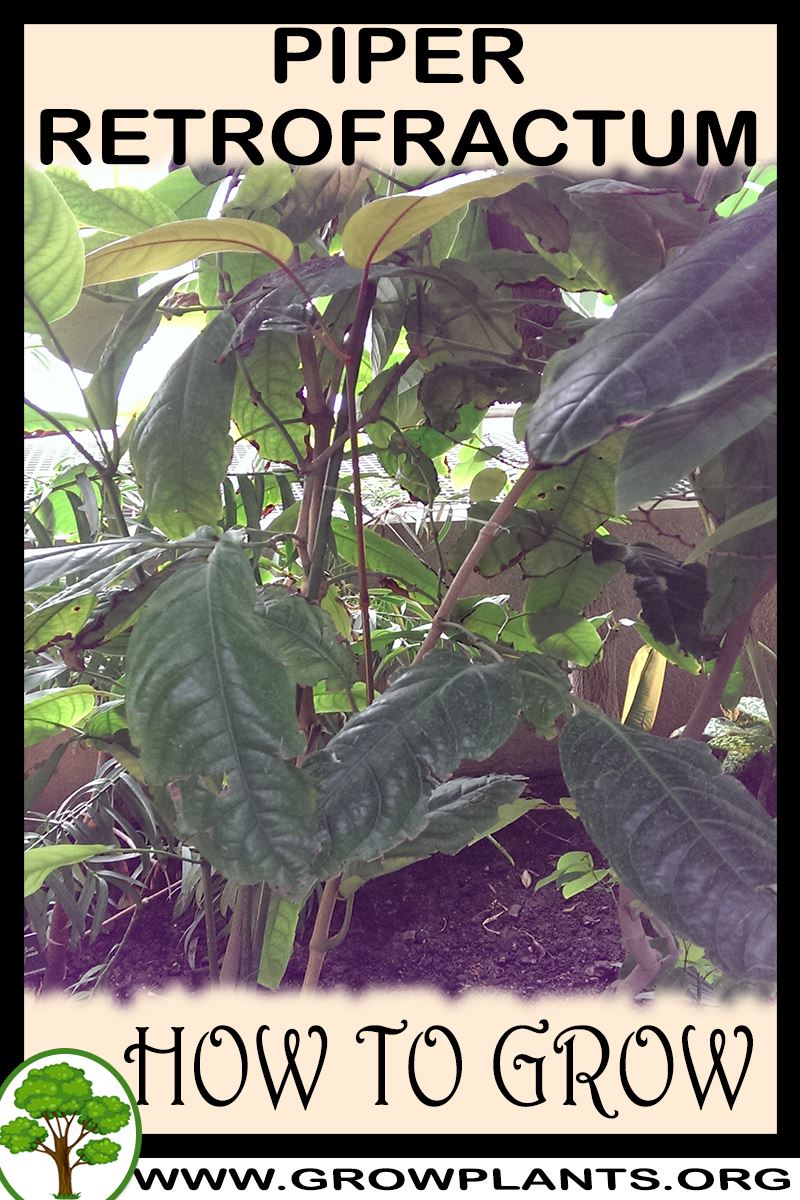
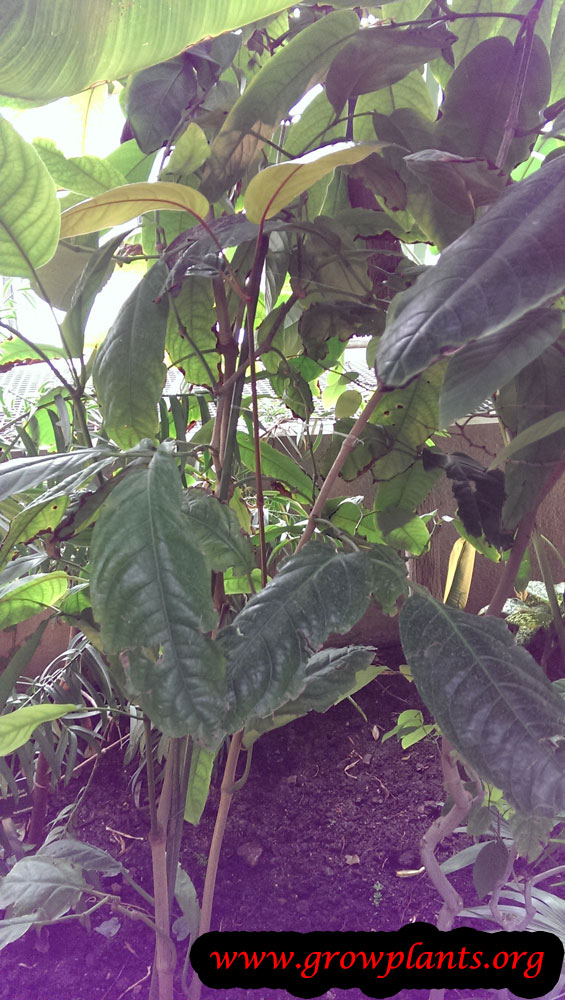
- Leaves & Foliage: Dark green, oval leaves with darker veins; young leaves are edible.
- Flower Characteristics: White flower spike with green stamens, resembling a narrow ice-pop; self- and wind-pollinated.
- Fruit Profile: Elongated catkin-like fruit that turns red when fully ripe, dried and ground as long-pepper spice.
Primary Uses & Landscape Value
- Edible Uses: Fruit is dried and used as a pungent spice; young, tender leaves are cooked.
- Functional & Ornamental Roles: Spice vine, fragrant ornamental, trellis or screen climber, and container/houseplant.
Care Guide: Planting, Soil & Watering
Overview: Piper retrofractum is a tropical climbing pepper vine that thrives in warm, humid, frost-free conditions in bright to dappled shade, and needs a rich, moisture-retentive, slightly acidic soil with a trellis to climb. Keep the soil consistently moist and the air humid, but let it drain freely so the roots never sit waterlogged.
Quick Care Requirements
| Requirement | Ideal Condition |
|---|---|
| Planting Season | Year-round in warm, frost-free tropical conditions |
| Growth Rate | Fast |
| Soil Type | Rich, moisture-retentive, well-draining soil high in organic matter |
| Soil pH | Acidic (source notes it prefers acid soil) |
| Water Need | Moderate to High — keep consistently moist and humid, never bone-dry |
Planting & Establishment
- Best Planting Season: Plant year-round where it stays warm and frost-free; in marginal areas start in the warm season so it establishes before any cool weather.
- How to Plant:
- Hole Preparation: Dig a hole roughly twice the width of the root ball and set a trellis or support in place at planting so the vine has something to climb.
- Soil Amendments: Work in plenty of compost and organic matter to build a rich, moisture-holding, slightly acidic soil.
- Planting Depth: Set the plant at the same depth it grew in its pot, keeping the root collar at soil level; firm gently and water in.
- Growth Speed & Expectations: Fast in warm, humid conditions, quickly climbing 2–10 m up its support.
Soil, Watering & Drainage Care
- Soil Mix & Drainage Needs: Use a rich, organic, free-draining mix; high humidity and steady moisture matter, but standing water rots the roots, so make sure excess drains away.
- Watering Schedule & Technique:
- Young / Newly Planted: Water frequently to keep the soil evenly moist while the vine establishes.
- Established: Water regularly and deeply so the soil stays consistently moist; mist or grow in humid air where the climate is dry.
- Seasonal Adjustments: Water more in heat and active growth; ease back in cooler weather while keeping the soil from drying out completely.
Climate, Light & Hardiness
Like its relative black pepper, Balinese long pepper is a strictly tropical vine needing warmth and humidity, hardy outdoors only in zone 13 and above or grown as a houseplant elsewhere. It prefers full shade and has essentially no cold tolerance.
Quick Climate Specifications
| Climate Zones | Tropical; also grown as a houseplant |
|---|---|
| USDA Hardiness Zones | 13+ |
| Frost Tolerance | Very Low |
| Light Conditions | Full Shade |
Sunlight & Light Exposure
Grown in full shade, mimicking the dappled understory light of its native tropical forest habitat; direct sun is not part of its natural light requirement.
Best Exposure / Orientation
A shaded trellis or support in a warm, humid spot suits this climbing vine best, whether outdoors in the tropics or indoors as a houseplant.
Temperature Extremes & Hardiness
USDA Hardiness & Regional Limits
Hardy only in true tropical conditions (roughly zone 13 and warmer); elsewhere it is grown indoors as a houseplant.
Frost Sensitivity
Highly frost–sensitive with essentially no cold tolerance; even brief chilling can damage or kill the plant.
Wind, Humidity & Microclimate
Humidity Preferences
Requires consistently high humidity, reflecting its native tropical understory environment.
Dry-Air Tolerance
Poor tolerance of dry air; indoor growers should provide extra humidity, especially in heated winter rooms.
Growing in Pots, Balconies & Indoors
Javanese long pepper is listed by the grower as suitable both indoors and in containers. Like its relatives, this tropical climbing vine (to 2-10 m / 6-30 ft, easily kept smaller) prefers shade, so it does well in a warm, brightly lit but indirect indoor spot with a support to climb.
Quick Details
- Container Size: A pot of about 15-25 L (4-6 gal) with a moss pole or trellis
- Indoor Suitability: A good indoor plant given warmth, humidity and a support
- Best Spot: Full shade / bright indirect light – avoid harsh direct sun
- Soil & Drainage: Rich, free-draining, moisture-retentive mix
- Watering in Pots: Keep evenly moist; it likes average to generous water and dislikes drying out
Indoors & On the Windowsill
- A houseplant option: The grower rates it suitable indoors – give it warmth, humidity, bright indirect light and a support to climb.
- Windowsill / support: Train it up a moss pole; group with other plants or mist to keep the air humid.
- Overwintering: Frost-tender – keep it warm indoors through any cold season.
On a Balcony or Patio
- Light & wind: A shaded, sheltered balcony suits it; keep it out of direct midday sun and cold draughts.
- Practicalities: Bring it under cover before cool weather arrives.
Choosing the Pot, Soil & Long-Term Care
- Pot & drainage: A 15-25 L pot with strong drainage holes; skip a standing-water saucer to avoid root rot.
- Potting mix: A light, aerated, organic-rich mix – potting compost or peat/coir with added perlite or vermiculite for drainage. A rich but open, moisture-holding mix suits this rainforest vine.
- Feeding: Nutrients wash out of pots faster than open ground, so feed potted long pepper more often – a balanced liquid feed through the active growing season.
- Repotting: Refresh the top layer of mix each year and renew it or pot up every couple of years; lightly trim the roots and top growth when you do.
Fertilizing & Feeding
A warm-climate climbing vine grown for its elongated fruit spikes: moderate feeding through establishment and active vine growth carries it toward flowering and fruit development.
Quick Fertilizing Specs
| Feeding Level | Moderate feeder |
|---|---|
| Main Nutrient Priority | Nitrogen to build vine growth, shifting toward balanced and potassium as fruit spikes form |
| Best Feeding Period | Through active growth once rooted and climbing its support |
| Organic Options | Compost or well-rotted organic matter in the moist, humus-rich root zone |
| Reduce/Stop Feeding | Ease off feeding if grown as a houseplant and light or growth drops in cooler months |
| Micronutrients | Correct iron or other deficiencies only if diagnosed; this acid-soil vine can chlorose on alkaline ground |
| Soil pH | Prefers acidic, humus-rich, consistently moist soil |
Feeding by Growth Stage
Establishment on a support
Help a newly planted or potted vine root in and begin climbing.
| Nutrient direction | A balanced fertilizer with organic matter supports root and vine development while humidity is maintained. |
|---|---|
| Timing | At planting and through initial rooting, whether in the ground or a container. |
| Frequency | Light, regular feeding while the vine settles in. |
| Fertilizer types | A balanced complete fertilizer, Compost or well-rotted organic matter |
| Precautions | Keep feeding light on a fresh planting or newly potted vine until roots are established. |
Active vine growth
Fuel the climbing growth that builds the vine framework before fruiting spikes appear.
| Nutrient direction | A nitrogen-forward complete fertilizer supports the foliage and vine extension of this fast grower. |
|---|---|
| Timing | Through the main warm-season growth period as the vine climbs. |
| Frequency | Regular light feedings support steady growth. |
| Fertilizer types | A nitrogen-forward complete fertilizer, Organic mulch to hold moisture and feed the soil |
| Precautions | Pair feeding with consistent moisture and humidity; this vine’s uptake suffers if it dries out between waterings. |
Flowering and fruit spike development
Support the distinctive elongated flower spikes and the fruit that follows them.
| Nutrient direction | Shift toward a balanced fertilizer with adequate potassium to support spike and fruit development. |
|---|---|
| Timing | Once the vine is mature enough to flower, continuing through fruit development. |
| Frequency | Steady, moderate feeding through this stage. |
| Fertilizer types | A balanced fertilizer with potassium, Organic matter to sustain soil fertility |
| Precautions | Avoid excess nitrogen once flowering begins, which favors foliage over spike and fruit development. |
Nutrient Deficiency Signs & Corrections
Older leaves pale to yellow-green and vine growth slows noticeably.
| Possible causes | low available soil or potting-mix nitrogen, nitrogen leaching from frequent watering, root stress limiting uptake |
|---|---|
| Appears first on | older, lower leaves |
| What to check | recent feeding history, growing medium fertility and drainage, watering frequency |
| Possible correction | Apply a nitrogen-forward complete fertilizer and maintain even moisture. |
New leaves show yellowing between the veins while veins stay green.
| Possible causes | soil or potting mix pH too high for this acid-preferring vine, poor drainage or waterlogged roots, irrigation water high in carbonates |
|---|---|
| Appears first on | newest growth at the vine tips |
| What to check | soil or potting-mix pH, drainage around the roots, irrigation water quality |
| Possible correction | Correct pH toward the acidic side this plant prefers and apply a chelated iron product per its label. |
Leaf margins scorch or yellow on older leaves and fruit spikes develop poorly.
| Possible causes | low soil or potting-mix potassium, potassium leaching from frequent watering, heavy nitrogen feeding without balancing potassium |
|---|---|
| Appears first on | older leaf margins |
| What to check | recent fertilizer balance, growing medium and leaching potential, fruit spike development |
| Possible correction | Shift to a balanced fertilizer with adequate potassium and maintain steady moisture. |
Pruning, Training & Seasonal Maintenance
Piper retrofractum is a woody, evergreen climbing vine grown for its long, red-when-ripe fruit spikes (‘long pepper’), which develop on the lateral (plagiotropic) branches that grow off the main climbing stem rather than on the climbing stem itself. Grown in true tropical conditions with no dormant season, training and light pruning continue year-round; the objective is to establish the climbing stem, top it early to force fruiting laterals, and then keep the vine’s laterals renewed and within easy reach so spikes can be picked, as the plant’s own care notes specify (‘design for easy harvest’).
Quick Pruning & Maintenance Specs
| Pruning Tolerance | Moderate – tolerates ongoing lateral training, but heavy cuts to the climbing stem set back cropping |
| Primary Pruning Window | Year-round (continuous tropical growth) |
| Secondary Maintenance Window | Post-harvest thinning of spent fruiting laterals |
| Typical Frequency | Ongoing light training plus a heavier post-harvest pass |
| Main Objective | Induce fruiting laterals; keep the vine compact for spike harvest |
| Young Plant Priority | Train the climbing stem onto a support; top at a manageable height |
| Mature Plant Priority | Renew and thin fruiting laterals; remove exhausted ones |
| Best Tool Type | Bypass secateurs for laterals; precision snips for tip work and spike picking |
| Avoid Heavy Pruning During | While fruit spikes are developing/ripening on the laterals |
Pruning by Plant Age & Size
Newly Established
Minimal cutting; tie the young climbing stem to its support and remove only damaged growth while roots and stem establish.
Young / Formative
Climbing-stem training: guide the upright stem up a post or living support, then top it at the intended working height – this pinch/cut is the key formative step, forcing branching into the horizontal laterals that will carry the fruit spikes.
Mature / Established
Ongoing lateral management: thin crowded laterals for light and airflow, and remove old laterals that have stopped producing well to make room for vigorous replacements, given the roughly 3–4 years new growth needs to reach bearing age.
Seasonal Pruning Schedule
Post-Harvest
Objective: renew fruiting wood. Remove spent laterals that have finished producing spikes, plus weak or shaded-out laterals. Do not remove young laterals that have not yet fruited. Expected response: fresh laterals develop from the climbing stem for the next round of spikes. Fruiting impact: positive, keeping the vine productive rather than carrying unproductive old laterals.
Ongoing Sanitary
With pests (ants, aphids) and harvest both continuous, remove damaged or pest-affected tips as noticed rather than saving everything for one seasonal pass.
Flowering & Fruiting Wood
Long pepper spikes form on the lateral branches, not the main climbing stem, so early topping of the climbing stem is what creates future fruiting wood, while a hard cut into the climbing stem of a mature vine costs a season or more of laterals. Once a lateral has produced its spike, it declines in productivity, which is why lateral renewal – not repeated cutting of the climbing stem – is the ongoing focus.
Structural Pruning & Training
Train the climbing stem (or a small number of them) up a support; select well-placed laterals and remove crossing or inward-facing ones; hold overall height by heading back any regrowth that exceeds the level where the stem was first topped.
Special Growth to Remove
Not typically grafted, so no rootstock suckers. Remove basal shoots competing with the trained climbing stem unless deliberately kept to form a second stem, and any laterals crowding into the support or shading the vine’s own base.
Container & Small-Space Pruning
Grown in a pot on a moss pole or small trellis (suitable per its care notes), top the climbing stem lower than an in-ground plant and pinch laterals more often to keep it compact, since the restricted root volume cannot support as tall a frame.
Tools
Bypass secateurs for lateral cuts and renewal; precision snips for tip pinching, tying-in and picking mature spikes; a saw is not needed given the vine’s slender stems.
Tool Hygiene & Disease Risk
Increased – Piper species in humid tropical culture are prone to fungal/bacterial stem and foot-rot issues, so disinfect blades between plants when any stem or root disease is present, and avoid pruning in wet conditions where possible.
Cut Placement & Technique
Remove whole laterals back to the climbing stem with a thinning cut rather than heading them partway; when topping the young climbing stem, cut just above a node so branching starts cleanly below the cut.
Heavy Pruning & Rejuvenation
An old vine carrying mostly spent laterals can be rejuvenated by cutting the climbing stem back hard to force a fresh flush of laterals, at the cost of at least one season’s harvest; stage this across sections of a planting rather than cutting an entire productive vine back at once.
Post-Pruning Care
Keep up the consistent moisture and humidity this vine needs; avoid extra feeding right after lateral renewal since new growth is already being driven by the plant’s own vigor; check cut sites for rot during humid weather.
Common Pruning Mistakes
Letting the climbing stem grow tall before topping it, which wastes early vigor and delays lateral (fruiting) development; leaving old laterals in place for years without renewal, reducing spike production; cutting laterals while spikes are actively developing on them.
When NOT to Prune
Avoid cutting laterals carrying developing or ripening spikes; avoid pruning immediately after transplanting until the vine is re-established; hold off heavy cuts during prolonged wet weather given the susceptibility to stem/foot rot in humid conditions.
Recommended Tools (by task)
- Young stem training/topping and tying to support: soft_ties_stakes – secures the climbing stem while the framework is established.
- Lateral renewal and thinning: bypass_secateurs – clean removal of whole laterals back to the climbing stem.
- Tip pinching and spike picking: precision_snips – fine cuts on soft growth and fruit spikes.
Pruning Troubleshooting
| Problem | Possible Cause | What to Check | Corrective Action |
| Tall vine, few fruit spikes | Climbing stem was never topped, so fruiting laterals never formed | Height at which the stem was first pinched/cut | Top the climbing stem now to force lateral branching |
| Fewer spikes on an older vine | Old laterals never renewed | Age of the bearing laterals | Remove the oldest unproductive laterals after harvest to make room for new ones |
| Blackened stems near cuts in wet weather | Fungal/bacterial stem disease favored by humidity | Recent rainfall, tool hygiene, drainage | Disinfect tools, avoid pruning in wet conditions, improve drainage/airflow |
Propagation Guide
Like its relative black pepper, this climbing pepper vine is best propagated from stem (nodal) cuttings, which root readily and preserve the exact vine; seed is a slower, less predictable alternative. Propagation is easy given warmth and humidity, but this species is even more cold-tender than black pepper, so consistent tropical warmth matters more than any particular calendar season.
Quick Propagation Specs
| Best Propagation Method | Stem (nodal) cuttings |
| Alternative Methods | Ground/serpentine layering of a trailing stem; seed |
| Propagation Difficulty | Easy under warm, humid conditions |
| Seed True-to-Type | Variable – seedling vines can differ from the parent |
| Vegetative True-to-Type | Yes |
| Best Propagation Season | Warm, humid conditions year-round; avoid propagating during cool spells given this species’ zone 13+ tenderness |
| Seed Germination Time | Slow and uneven, often several weeks to a couple of months |
| Cutting Rooting Time | Commonly a few weeks under warm, humid conditions |
| Germination Temperature | Warm, roughly 25–30°C (77–86°F) |
| Seed Sowing Depth | Shallow – seed pressed lightly into the surface of a moist, humid medium |
Growing from Seed
Seed Handling & Viability
Seed extracted from the fully ripened red fruit is short-lived; sow it fresh, as viability declines quickly once dried or stored.
Sowing Season
Any time under steady warmth and humidity, matching the site’s year-round planting season.
Germination Conditions
Warm (around 25–30°C / 77–86°F), humid, and shaded from direct sun.
Germination Time
Slow and uneven, often several weeks to a couple of months.
Seedling Care
Keep seedlings humid and shaded until well established; the fine root system is easily stressed by dry air.
Stem Cuttings
Cutting Type
Semi-hardwood nodal cuttings, generally taken with three to five nodes.
Best Timing
During active warm-season growth; consistent warmth matters more than a strict calendar window in truly tropical conditions.
Cutting Preparation
Cut a healthy climbing shoot into sections with several nodes, strip the lower leaves, and bury at least one node – nodes already carry visible aerial-root initials that make rooting reliable.
Rooting Setup
A moist, warm, humid propagation mix; once rooted, provide a support or trellis for the climbing growth, matching the site’s own trellising note.
Rooting Hormone
Generally not necessary, since nodal cuttings root readily, though it can help in less ideal conditions.
Rooting Time
Often a few weeks under warm, humid conditions.
Air & Ground Layering
Because the vine roots naturally at its nodes, pinning a trailing stem section into moist rooting medium while it is still attached to the parent (serpentine/ground layering) is a reliable alternative to cuttings; sever and pot up once rooted.
Bloom & Flower Guide
Quick Details
- Bloom Season: Year-round in the tropics
- Flower Appearance: Tiny flowers set on a stout green spike with prominent stamens, looking like a small green ice-pop
- Edibility: The flowers are not eaten — the spike matures into the long-pepper spice, which is a fruit
Detailed Blooming Overview
Like its cousin black pepper, this long pepper carries its tiny flowers on a fleshy spike — here a stout green column studded with stamens, rather like a little green ice-pop. That whole spike ripens into the wrinkled long-pepper spice.
Flower Characteristics
- Minute flowers packed on a thick, green, cylindrical spike with visible green stamens.
Bloom Care & Thinning
- Encouraging bloom: Consistent tropical warmth and humidity with a climbing support bring it into flower.
- Pollination: Self-pollinating, with wind assisting — no pollinator is needed.
Fruit & Uses
Piper retrofractum is grown for its pungent fruit spikes, dried and used as the spice known as Balinese or Javanese long pepper, and for its young leaves, which are edible cooked. Like black pepper, the fruit is always dried or otherwise processed before use rather than eaten fresh.
Quick Edible Specs
| Edible Parts | Fruit (dried into long pepper spice); young leaves |
|---|---|
| Main Use(s) | Culinary spice (long pepper); leaves used as a cooked vegetable |
| Eaten Raw or Cooked | Fruit is dried/processed, not eaten fresh; leaves are cooked |
| Preparation Required | Dry (fruit, after harvest); Cook (leaves) |
| Harvest Season | All year in a tropical climate |
| Time to First Harvest | Several years of growth are needed before the vine bears a useful crop – see Care/Growth for details |
| Storage | Dried fruit spikes keep well long-term in a sealed, dry container out of direct light |
| Safety/Toxicity Caveat | None specific – harvest leaves away from the fruiting stems so picking one crop does not reduce the other |
Fruit
The fruit forms as a narrow, catkin-like spike of many tiny berries fused together, green at first and turning red as it fully ripens – this spike shape, rather than loose individual berries, is characteristic of long pepper. Spikes are picked before they are fully ripe and then dried, which darkens and shrivels them into the pungent, more intensely hot spice known as long pepper, used whole or ground.
Leaves & Greens
Young, tender leaves are picked for use as a cooked green – take them from growth away from the fruiting spikes so leaf-picking does not reduce the fruit crop. Leaves are dark green with darker veins, oval in shape.
Harvesting
Fruit spikes and leaves can both be harvested all year in a tropical climate. The vine needs several years of growth before it bears a worthwhile crop; pick fruit spikes before they fully ripen for the traditional long pepper spice, and take only young, tender leaves so the plant keeps producing.
Preparation, Uses & Safety
The dried fruit spike is used whole or ground as a hot, aromatic culinary spice in regional cooking. Young leaves are used cooked. No specific toxicity or safety caveat applies to normal culinary use of the fruit or leaves.
Pests, Diseases & Troubleshooting
Overview: Javanese long pepper is a tropical Piper vine and, like its relative black pepper, its make-or-break issue is Phytophthora foot rot in warm, wet, poorly drained soil, alongside the usual sap-suckers (often farmed by ants) and root-knot nematode. Give it a well-drained, organically rich root run, a sturdy humid support to climb, and strict drainage and sanitation to keep the soil-borne rots at bay.
Quick Troubleshooting Overview
| Issue / Pest | Main Symptom | Primary Solution |
|---|---|---|
| Phytophthora foot rot | Wilting vine; blackened rotting stem base and roots | Sharp drainage; never waterlog; Trichoderma; remove infected vines |
| Root-knot nematode | Stunting, wilting in heat, galled roots | Clean stock/soil; heavy organic mulch; rotate |
| Aphids & ants | Sticky honeydew, sooty mould; ants patrolling stems | Neem/soap; break ant trails; conserve predators |
| Mealybugs/scale | White tufts or brown bumps on stems and leaf axils | Alcohol swab; light oil; isolate stock |
| Anthracnose/leaf spot | Dark sunken spots on leaves and spikes | Airflow; remove infected parts; copper if wet |
| Leaf yellowing | Yellow leaves from waterlogging or sunburn | Improve drainage; give filtered light and humidity |
Common Pests & Management
- Aphids (Aphidoidea):
- Symptoms: Soft green or black aphids cluster on the soft growing tips, leaf undersides and developing spikes, leaving sticky honeydew and sooty mould and sometimes distorting new growth; they often spread viruses.
- Prevention & Control: Rinse colonies off with water and conserve natural predators. Neem or insecticidal soap clears heavier colonies; disrupting the ants (below) that protect them makes control far easier.
- Ants (Formicidae):
- Symptoms: Ants stream up and down the vine and are a sign, not the cause, of trouble – they farm and protect aphids, mealybugs and scale for their honeydew, actively fending off the predators that would control them.
- Prevention & Control: Rather than targeting the ants directly, control the sap-suckers they tend and interrupt the ant trails with sticky bands around the support or stem base, so beneficial insects can move in.
- Mealybugs (Pseudococcus / Planococcus spp.):
- Symptoms: White cottony masses lodge in leaf axils, stem nodes and on the roots, oozing honeydew and blackening foliage with sooty mould; heavy colonies weaken the vine and root mealybug attacks the root ball.
- Prevention & Control: Swab colonies with alcohol and follow with insecticidal soap or light oil weekly. Check and wash roots at repotting, isolate new plants, and break the ant partnership that shields them.
- Scale insects (Coccidae / Diaspididae):
- Symptoms: Brown or grey limpet-like scales encrust stems, nodes and leaf undersides, sapping vigour and (soft scales) producing honeydew.
- Prevention & Control: Prune out heavily crusted wood and dab with alcohol. A horticultural oil smothers crawlers; conserve parasitic wasps and disrupt ant tending.
- Root-knot nematode (Meloidogyne spp.):
- Symptoms: Vines are stunted and wilt in the heat, decline in vigour, and their roots carry knotty galls that impair water and nutrient uptake – a serious problem in warm sandy soils.
- Prevention & Control: Plant clean stock in clean or solarised soil, build organic matter and beneficial microbes with heavy mulch, keep vines watered to mask damage, and rotate away from infested ground.
- Flea beetles (Alticini):
- Symptoms: Small jumping beetles chew a fine peppering of tiny holes (‘shot-hole’) in the leaves, a common if mostly cosmetic pest of Piper foliage.
- Prevention & Control: Keep vines vigorous to outgrow damage, clear debris where beetles shelter, and use neem or row cover on young plants if peppering becomes heavy.
Diseases & Fungal Issues
- Phytophthora foot rot (Phytophthora capsici / P. spp.):
- Symptoms: The classic killer of Piper vines: the stem base and collar blacken and rot, roots decay, and the whole vine wilts, yellows and collapses, often rapidly after warm wet weather or waterlogging; dark lesions may also appear on leaves.
- Treatment & Management: Prevention is everything – plant on raised, sharply drained beds, never waterlog, keep soil splashing off the collar with mulch (not piled against the stem), and use Trichoderma or approved biocontrol. Remove and destroy infected vines with surrounding soil; there is no reliable cure once the collar rots.
- Anthracnose (Colletotrichum spp.):
- Symptoms: Dark, sunken spots with paler centres on leaves and fruiting spikes, sometimes causing spike rot and drop in warm humid weather.
- Treatment & Management: Prune for airflow, remove infected leaves and spikes, and avoid overhead watering. A copper or approved fungicide protects new growth and spikes during wet spells.
- Leaf spot (Cercospora / Colletotrichum):
- Symptoms: Brown to grey leaf spots, sometimes ringed or haloed, develop in humid crowded conditions and can merge into blotches with some leaf drop.
- Treatment & Management: Improve airflow, remove spotted leaves and debris, and keep foliage dry. Copper fungicide checks persistent outbreaks.
Growing Difficulties & Abiotic Problems
- Waterlogging & leaf yellowing:
- Cause & Symptoms: Heavy, poorly drained or overwatered soil suffocates the roots, yellowing the leaves and predisposing the vine to fatal foot rot.
- Correction Strategy: Grow in open, organically rich, free-draining soil or a raised bed, water regularly but never waterlog, and improve drainage before adding more water when leaves yellow.
- Sunburn / leaf scorch:
- Cause & Symptoms: Full harsh sun on this understory vine bleaches and browns exposed leaves, especially when suddenly exposed.
- Correction Strategy: Provide bright filtered light or light shade and a humid, sheltered position, and acclimate plants gradually to brighter spots.
- Support & humidity needs:
- Cause & Symptoms: As a climbing vine it grows poorly and stays weak without something to climb and adequate warmth and humidity.
- Correction Strategy: Provide a sturdy moss-pole, tree or trellis to climb, keep humidity high, and maintain warm tropical conditions for strong growth and spike production.
What Helps – Products & Tools
For Piper the priorities are drainage and soil biology: a Trichoderma biofungicide and raised free-draining beds against Phytophthora foot rot, plus neem and insecticidal soap for aphids, mealybug and mites, a light horticultural oil for scale, sticky bands to break ant trails, and a copper fungicide for anthracnose and leaf spot in wet weather.