Plant Profile & Key Characteristics
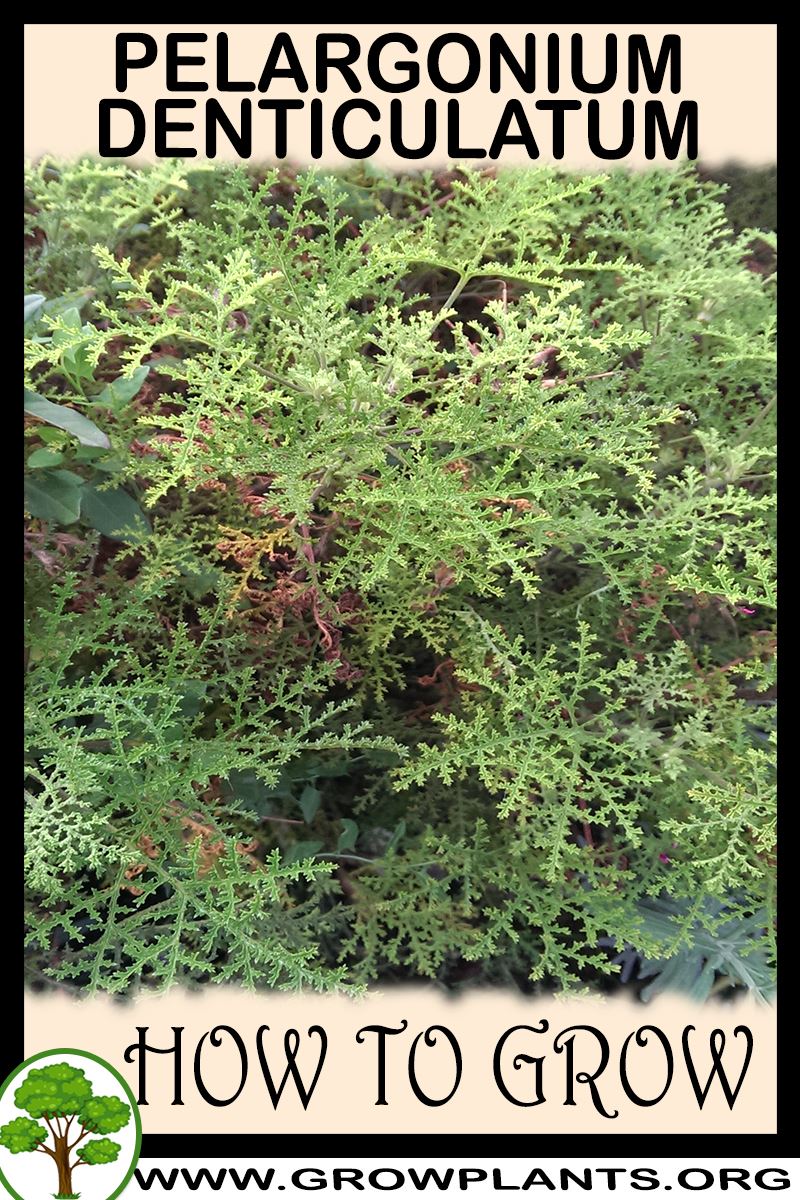
Overview: Pelargonium denticulatum (pine or fern-leaf geranium) is an evergreen sub-shrub, 0.4–1 m tall, grown for its finely cut, aromatic foliage and pink-purple flowers. It is a tender perennial for tropical, Mediterranean and subtropical gardens (USDA zone 9 and warmer).
Quick Specifications
| Specification | Attribute |
|---|---|
| Plant Type / Life Cycle | Perennial (evergreen sub-shrub) |
| Foliage Type | Evergreen |
| Mature Size | 0.4–1 m tall (16–40 in) |
| Growth Rate | Moderate to fast |
| Toxicity | Pelargonium species are listed as toxic to cats, dogs and horses |
| Hardiness | USDA zone 9+ |
Growth Form & Structure
- Height & Spread: A bushy sub-shrub 0.4–1 m tall; well suited to containers.
- Growth Habit & Form: Upright, branching evergreen sub-shrub; responds well to hard renewal pruning every few years.
Anatomy & Physical Features
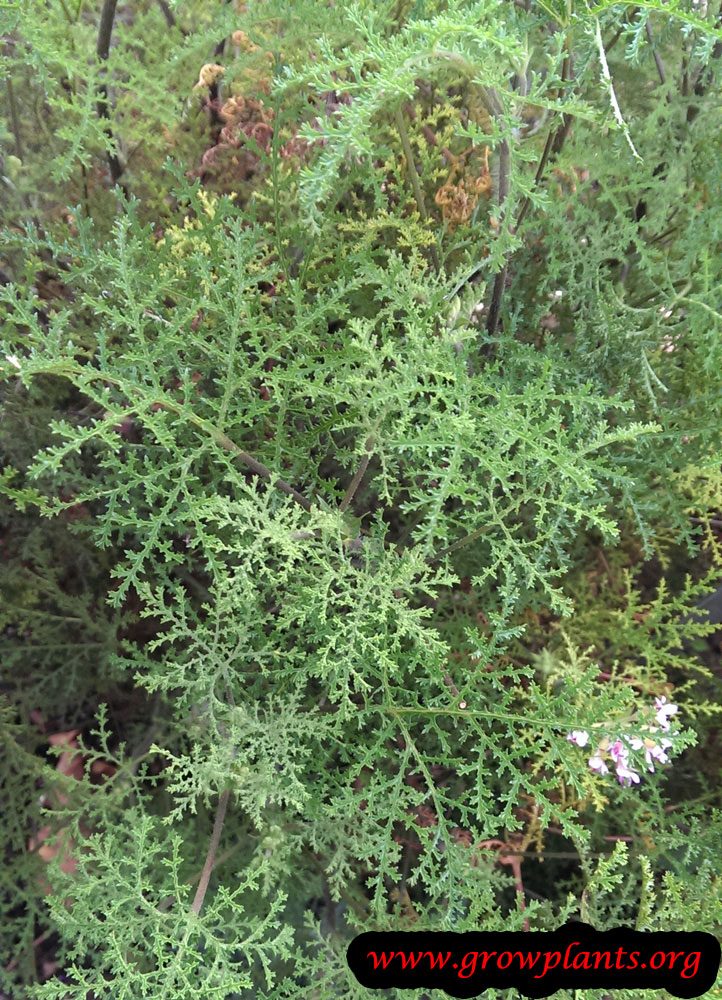
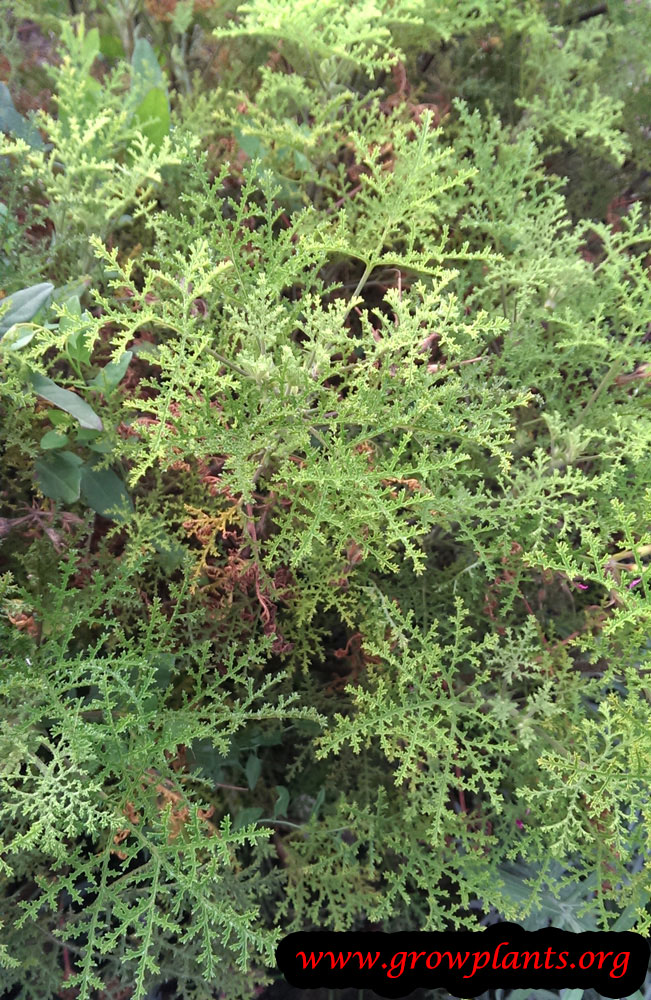
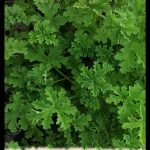
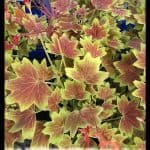
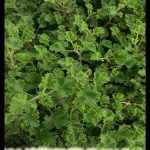
- Leaves & Foliage: Bright to dark green, deeply jagged leaves with 5–7 lobes resembling teeth or pine needles; aromatic.
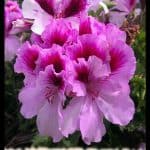
- Flower Characteristics: Pink-purple flowers with darker veining at the petal base that attract pollinators (full detail in the Bloom guide).
Primary Uses & Landscape Value
- Functional & Ornamental Roles: Fragrant, fine-textured ornamental for pots, borders and scented gardens.
Care Guide: Planting, Soil & Watering
Overview: Pine geranium thrives in full sun to light shade in a warm, nearly frost-free position (hardiness zone 9 and up), in well-draining soil. It takes a moderate amount of water and appreciates a mulch while it is young.
Quick Care Requirements
| Requirement | Ideal Condition |
|---|---|
| Planting Season | The warm season, from spring through autumn |
| Growth Rate | Fast to Moderate |
| Soil Type | Well-draining soil |
| Water Need | Moderate – keep evenly moist, letting the surface dry slightly between waterings |
Planting & Establishment
- Best Planting Season: Plant in the warm season, from spring through autumn once frost has passed; it tolerates no more than a light frost.
- How to Plant:
- Hole Preparation: Dig a hole roughly twice the width of the root ball and the same depth, loosening the surrounding soil for easy rooting.
- Soil Amendments: Blend in compost or well-rotted organic matter, and add grit or coarse material if drainage is slow.
- Planting Depth: Set the root collar level with the soil surface and keep the stem base above soil to avoid rot.
- Growth Speed & Expectations: Fast to moderate; it bushes out quickly in warm weather, with young plants helped along by a mulch.
Soil, Watering & Drainage Care
- Soil Mix & Drainage Needs: Well-draining soil is essential; in containers use a free-draining potting mix and ensure the pot drains well to prevent root rot.
- Watering Schedule & Technique:
- Young / Newly Planted: Keep the soil lightly moist while roots establish, mulching to hold moisture around young plants.
- Established: Water deeply but allow the top few centimetres to dry before watering again.
- Seasonal Adjustments: Increase watering in hot weather and cut back sharply in cool weather and winter.
Climate, Light & Hardiness
Pelargonium denticulatum is a tender, Mediterranean-type evergreen sub-shrub that grows best in full sun to light shade under warm, mild conditions. It is frost-sensitive - hardy in nearly frost-free gardens (about USDA zone 9 and warmer per the site data), surviving only light, brief frost.
Quick Climate Specifications
| Climate Zones | Tropical, subtropical, Mediterranean |
| USDA Hardiness Zones | Approximately zone 9 and warmer |
| Optimal Temp Range | Approximately 15–24 °C (59–75 °F) |
| Cold Damage Begins | Around light frost, near 0 °C (32 °F) |
| Frost Tolerance | Low |
| Light Conditions | Full sun to half shade |
| Wind Tolerance | Moderate |
| Salt / Coastal Tolerance | Moderate |
Sunlight & Light Exposure
Optimal Light Setup
The site data lists full sun to half shade as optimal. Good light drives compact growth and free flowering; in cooler, milder-summer climates give it as much sun as possible.
Direct Sun Requirement
Enjoys several hours of direct sun for the best form and flowering, but in very hot climates afternoon shade prevents leaf scorch and fading.
Shade & Heat Management
Tolerates light shade, though too much shade reduces flowering and softens growth. In heatwaves light shade and steady (not soggy) moisture reduce stress.
Best Exposure / Orientation
A bright, warm, sheltered position - sunny in mild-summer areas, with afternoon protection in hot ones - suits it well.
Temperature Extremes & Hardiness
USDA Hardiness & Regional Limits
The site data places it at about USDA zone 9 and warmer, a winter-cold survival limit rather than a heat rating. Where winters are colder it is overwintered frost-free (indoors, a cold frame or greenhouse) or grown afresh each season.
Cold Damage & Winter Protection
Foliage is damaged by frost and the plant tolerates no more than light, brief frost; a hard freeze kills it. Move container plants to a frost-free spot before freezing weather. Cold tolerance varies somewhat with plant age, exposure and conditions.
Frost Sensitivity
Frost is the main limit - even a light freeze blackens soft growth.
Extreme Heat Tolerance
Good in warm Mediterranean-type heat once established, especially with light afternoon shade in the hottest regions; heat tolerance is separate from drought tolerance.
Wind, Humidity & Microclimate
Humidity Preferences
Adaptable, and content in the average to moderately dry air typical of Mediterranean climates; damp, stagnant air encourages fungal problems, so it prefers airy conditions.
Dry-Air Tolerance
Good - it handles dry air well, which is why it suits Mediterranean and container culture. The aromatic foliage is a bonus in warm, dry air.
Wind Tolerance
Moderate; the somewhat brittle, fast-growing stems can break in strong wind, so a sheltered spot keeps the bushy form intact.
Coastal / Salt Tolerance
Moderately tolerant of coastal conditions and salt-laden air, which differs from tolerance of saline soil or irrigation water.
Microclimate Recommendations
A warm, bright, sheltered corner - or a container that can be moved to frost-free shelter for winter - gives the most reliable results; container roots heat and dry faster and are more frost-exposed.
Growing in Pots, Balconies & Indoors
Pelargonium denticulatum is a scented-leaf geranium – one of the classic container and windowsill plants. On a bright, sunny sill it grows and even flowers, and because it is frost-tender it is very often potted so it can be overwintered indoors. It is not a low-light foliage houseplant, but in strong light it does beautifully in pots.
Quick Details
- Container Size: A pot of about 3-10 L (0.8-2.6 gal) suits its 0.4-1 m (16-40 in) size
- Indoor Suitability: Not a shade-tolerant houseplant, but a bright, sunny windowsill grows it well and it overwinters happily indoors
- Best Spot: Full sun to half shade – the brighter the better
- Soil & Drainage: Free-draining, aerated mix – potting mix with perlite or grit; it hates sitting wet
- Watering in Pots: Water moderately and let the top dry between waterings; it is drought-tolerant and rots if kept soggy
Indoors & On the Windowsill
- A fine windowsill plant: Though the grower does not class it as a foliage houseplant, it is one of the best plants for a bright, sunny sill, where its scented or showy flowers do well in strong light.
- Overwintering indoors: It is frost-tender, so in cold climates this is a key reason to pot it – bring it to a cool, bright, frost-free room for winter, water sparingly, cut it back, and return it outdoors after frost.
- Light matters: In a dim corner it grows pale and leggy; give it the sunniest window you have.
On a Balcony or Patio
- Sun & heat: It loves full sun and the reflected heat off walls and railings, and shrugs off short dry spells – ideal for a hot, bright balcony.
- Water & wind: Check moisture as pots dry fast in sun, but let it dry a little between waterings; it tolerates wind better than most.
Choosing the Pot, Soil & Long-Term Care
- Pot & drainage: Terracotta suits it well, breathing and drying fast; use strong drainage holes and skip a standing water saucer to avoid root rot.
- Potting mix: A free-draining, aerated mix – potting mix with perlite or grit.
- Feeding: Feed through the growing season; pot nutrients leach, so a regular light feed keeps it flowering, easing off in winter.
- Repotting & shape: Pot on every year or two, pinch and lightly prune to keep it bushy, and take cuttings easily to renew it.
Safety
- Keep from pets: Pelargoniums are mildly toxic to cats and dogs – since they are often kept indoors and on sills, place them out of pets’ reach.
Growing this plant in a greenhouse
A greenhouse can give pelargonium denticulatum frost protection, cold protection, humidity control and extra warmth. In the right climate it may also be kept growing through winter, depending on how much warmth and light are provided.
Greenhouse at a glance
| Greenhouse suitability | Conditional - depends on your climate |
|---|---|
| Main benefits | frost protection, cold protection, humidity control, extra warmth |
| Season extension | earlier spring & later autumn |
| Outdoor protection advisable below | about 5°C |
| Maintain greenhouse minimum | around 5°C for active growth |
| Suitable types | unheated greenhouse, polycarbonate greenhouse, lean-to |
| Heating | Heating is optional - useful mainly for winter growing in cold areas. |
Related greenhouse guides
- Greenhouses: How to Choose the Right Greenhouse
- Best Lean-To Greenhouses
- Polycarbonate Greenhouses: What to Look for Before Buying
Fertilizing & Feeding
This is a moderate feeder that responds to steady, balanced nutrition through the growing and blooming season, then very little once it slows for its dormant period.
Quick Fertilizing Specs
| Feeding Level | Moderate |
|---|---|
| Best Feeding Period | Through the active growing and blooming season |
| Main Nutrient Priority | A balanced complete fertilizer with adequate nitrogen to support both foliage and flowering |
| Organic Options | Compost or a balanced organic fertilizer worked in at planting and used as a topdressing |
| Soil pH | Slightly acidic to neutral; well-drained |
| Reduce/Stop Feeding | Ease off feeding as growth slows heading into the cool, dormant season |
| Micronutrients | A complete fertilizer usually supplies the trace elements these plants need |
Feeding by Growth Stage
Spring flush of new growth
Fuel vigorous new leaves and stems as the plant breaks into active growth
| Nutrient direction | A balanced complete fertilizer with steady nitrogen to build healthy foliage |
|---|---|
| Timing | From the start of active growth in spring |
| Frequency | Light, regular feedings through the active growing season |
| Fertilizer types | Balanced complete fertilizer, Compost or a balanced organic fertilizer as a topdressing |
| Precautions | Avoid heavy nitrogen, which can push soft leafy growth at the expense of flowers |
Blooming period
Support abundant flowering while keeping foliage healthy
| Nutrient direction | A balanced complete fertilizer; adequate nitrogen with potassium supports flowering |
|---|---|
| Timing | As flower buds form and through the blooming season |
| Frequency | Continue light, regular feedings while the plant is in bloom |
| Fertilizer types | Balanced complete fertilizer |
| Precautions | Avoid high-phosphorus bloom boosters; balanced feeding and good light are what drive flowering |
Dormancy or rest period
Let the plant rest through its cool-season rest without pushing new growth
| Nutrient direction | None – withhold fertilizer while active growth has stopped |
|---|---|
| Timing | During the cool, dormant or resting season |
| Frequency | No feeding at this stage |
| Fertilizer types | No feeding at this stage – do not fertilize until active growth resumes |
| Precautions | Do not fertilize until active growth resumes in spring |
Nutrient Deficiency Signs & Corrections
Overall pale color with yellowing older leaves and weak, slow growth
| Possible causes | Low soil nitrogen, Nutrients leached out by frequent watering, especially in containers, Cold soils limiting nutrient uptake |
|---|---|
| Appears first on | older, lower leaves |
| What to check | recent feeding history, soil moisture and drainage, whether growth simply slowed with cool weather |
| Possible correction | Resume regular feeding with a balanced complete fertilizer through the growing season |
Yellowing between the veins on the newest leaves while the veins stay green
| Possible causes | High soil pH reducing iron and manganese availability, Waterlogged or poorly drained soil, Cold, wet root conditions |
|---|---|
| Appears first on | new, upper leaves |
| What to check | soil pH, drainage, root health |
| Possible correction | Correct pH and drainage; a chelated iron product applied per its label can green up new growth |
Lush leafy growth but few flowers
| Possible causes | Excess nitrogen relative to other nutrients, Too little light, Over-rich feeding |
|---|---|
| Appears first on | the whole plant |
| What to check | light exposure, the nitrogen level of the fertilizer being used |
| Possible correction | Move to brighter light and switch to a balanced fertilizer rather than a high-nitrogen one |
Pruning, Training & Seasonal Maintenance
Pelargonium denticulatum is a fast-growing, soft-wooded, aromatic shrub that can be pruned year-round and benefits from regular tip work to keep its finely divided, fern-like foliage dense rather than sparse and stretched. Because new growth (and the fragrance that comes with it) is produced continuously, light trims at almost any time simply refresh the plant; a periodic harder cut every few years resets an aging, woody base.
Quick Pruning & Maintenance Specs
| Pruning Tolerance | High |
| Primary Pruning Window | Year-round (light shaping) |
| Secondary Maintenance Window | Every few years — hard renewal cut |
| Typical Frequency | Ongoing light trims; hard cut once every few years |
| Main Objective | Maintain dense, bushy foliage; prevent a woody, leggy base |
| Young Plant Priority | Pinch tips early to build branching |
| Mature Plant Priority | Periodic renewal — remove at least 30% of old/weak growth |
| Best Tool Type | Precision snips/bypass secateurs |
| Avoid Heavy Pruning During | Peak summer heat or just before a cold snap |
Pruning by Plant Age & Size
Newly Established
Pinch soft tips once rooted in to build early branching; hold off on any hard cut until the plant is established.
Young / Formative
This is a pinch-trained shrub, not one grown to a formal leader — regular tip pinching over the first season builds the dense, deeply-lobed mound (0.4–1 m) the species is grown for.
Mature / Established
On an established plant, shift to periodic renewal: every few years, cut back at least 30% of the plant to remove weak or old stems and stimulate fresh, more strongly-scented new growth.
Structural Pruning & Training
Because the plant is noted as aggressive and can sprawl and go woody at the base if neglected, renewal pruning of the oldest stems matters more than fine selective thinning of a permanent framework.
Special Growth to Remove
Remove old, weak, or overly woody stems at the renewal prune; routine tip pinching for shape also keeps the plant from setting seed heavily, which can otherwise divert energy from fresh foliage growth.
Container & Small-Space Pruning
In a pot, favor more frequent light pinching over occasional hard cuts, since a container plant’s smaller root volume regrows more slowly after a hard renewal cut than an in-ground plant.
Tools
- Precision snips — tip pinching on soft new growth.
- Bypass secateurs — the periodic hard renewal cut through older stems.
Tool Hygiene & Disease Risk
Routine: clean, sharp tools are sufficient; aphids (a noted pest) can be spread between plants on unclean blades, so wipe tools if aphid activity is present.
Cut Placement & Technique
Pinch or snip just above a node to direct the branching response; at renewal time, remove whole weak stems near the base rather than partial heading cuts.
Post-Pruning Care
Water normally after light trims; after a hard renewal cut, avoid heavy feeding since the plant is already primed to push vigorous new growth from the cut itself.
Common Pruning Mistakes
Skipping pinching for long stretches, which produces a sparse, woody plant with foliage only at the stem tips; being too conservative at renewal time and not removing enough old growth to reverse legginess.
When NOT to Prune
Avoid hard cuts during peak summer heat or right before an expected cold snap, since the plant tolerates only light frost.
Recommended Tools (by task)
- precision_snips — routine tip pinching to maintain dense foliage.
- bypass_secateurs — the periodic 30% renewal cut.
Propagation Guide
Pelargonium denticulatum (pine / fern-leaf scented geranium) is easiest and standard from stem cuttings, which root quickly and reproduce the parent’s leaf form and scent exactly. Seed is possible but the seedlings vary, so cuttings are the usual way to keep a selected plant — overall an Easy plant to propagate.
Quick Propagation Specs
| Best Propagation Method | Stem (tip) cuttings |
| Alternative Methods | Seed (species / mixed plants); division of a large old plant |
| Propagation Difficulty | Easy |
| Seed True-to-Type | Species is broadly uniform, but scented selections vary — keep them by cuttings |
| Vegetative True-to-Type | Yes — a cutting reproduces the parent |
| Best Propagation Season | Spring through autumn, while warm and frost-free |
| Cutting Rooting Time | About 2–4 weeks |
Stem Cuttings
Cutting Type
Take a tip or short semi-ripe cutting from a healthy non-flowering shoot with a few nodes, and strip the lower leaves.
Best Timing
Root cuttings from spring through autumn while the weather is warm.
Cutting Preparation
Cut cleanly just below a node. Letting the cut base dry for a few hours firms it and reduces rot, as pelargoniums are prone to stem-base rot (blackleg).
Rooting Setup
Insert the cutting into a gritty, free-draining mix, keep it bright and only lightly moist — a wet mix rots the cuttings rather than rooting them.
Rooting Hormone
Unnecessary — pelargoniums root readily without it, though a light dip does no harm.
Rooting Time
Roots usually form in about 2–4 weeks.
Growing from Seed
Sowing Season
Sow in spring into warmth; seed gives species-type plants but the offspring vary.
Sowing Depth & Germination
Barely cover the seed in a warm, bright, moist mix; germination is usually within about 1–3 weeks and can be uneven.
Division, Offsets, Pups & Suckers
A large, old, multi-stemmed plant can be lifted and split in spring, keeping roots on each piece, as a quick alternative to cuttings.
Bloom & Edible Flower Guide
Quick Details
- Bloom Season: Summer
- Time to First Bloom: Usually within the first year from a young plant or cutting
- Flower Appearance: Small pink-purple flowers, the upper petals marked with darker veining, held above the finely cut, fragrant foliage
- Edibility: Edible – both the pine-scented leaves and the flowers are edible (note: the plant is mildly toxic to cats and dogs)
Detailed Blooming Overview
This is a scented-leaf pelargonium, grown mainly for its finely divided, pine-scented foliage, but through the summer it also carries dainty pink-purple flowers that lift the whole plant. The blooms are nectar-rich and welcome bees and other pollinators.
Flower Characteristics
- Small pink-purple flowers with darker veining toward the base of the petals.
- Nectar draws in bees and other pollinators.
Bloom Care & Thinning
- Deadheading: Remove spent flowers to keep the plant neat; no thinning of the blooms is needed.
- Light: Bright light with shelter from scorching sun gives the best flowering.
Bloom Health & Protection
- Botrytis (grey mould): Can rot petals in damp, crowded conditions – better airflow and removing faded blooms help, with a suitable fungicide if it spreads.
- Geranium (tobacco) budworm: Caterpillars that tunnel into buds – hand-picking and, if needed, a Bt (Bacillus thuringiensis) spray are the gentle standbys.
Fruit & Uses
This is a scented-leaf geranium (pine or fern-leaf geranium) whose aromatic, finely divided leaves are the edible part, used like other culinary scented geraniums to flavour dishes, syrups and desserts rather than as a bulk green. The edible flowers can also be used as a mild garnish.
Quick Edible Specs
| Edible Parts | Leaves (aromatic, scented) — primary; flowers (garnish) |
|---|---|
| Main Use(s) | Culinary flavouring (infusing sugar, syrups, jellies and desserts); aromatic garnish |
| Eaten Raw or Cooked | Both — used raw as garnish or to infuse cooked preparations |
| Preparation Required | None beyond rinsing; leaves are often used to infuse flavour and removed before serving |
| Harvest Season | Leaves can be picked through the year once established |
| Storage | Best used fresh; leaves can be dried for later flavouring |
| Safety/Toxicity Caveat | Used in small culinary amounts as a flavouring; concentrated essential oil is not for undiluted internal use. Note: pelargoniums are toxic to cats and dogs. |
Leaves & Greens
The bright to dark green, deeply jagged (fern- or pine-like) leaves are aromatic and are the main edible part. Like other scented geraniums they are used to impart their fragrance to sugar, syrups, jellies, custards and baked goods, and as a scented lining under cakes. Their strong aroma and firm texture mean they are used sparingly as a seasoning; whole leaves used only for infusing are usually lifted out before serving.
Flowers & Flower Buds
The small pink-purple flowers are edible and can be used as a decorative, mildly flavoured garnish for salads, desserts and drinks. Pick them freshly opened.
Harvesting
Trim young, healthy branch tips for leaves once the plant is established; light regular picking keeps growth bushy (see Pruning). Gather flowers as they open. Use fresh, or dry the leaves for storage.
Preparation, Uses & Safety
Rinse before use. Main uses are infusing the leaf fragrance into sugars, syrups, jellies and desserts, and garnishing with the flowers; steeped leaves may be removed before serving. Keep to normal culinary quantities and avoid undiluted essential oil internally. Keep the plant and its trimmings away from cats and dogs, for which pelargoniums are toxic.
Pests, Diseases & Troubleshooting
Overview: This is a scented-leaf pelargonium – its aromatic, essential-oil-rich foliage makes it noticeably more pest-resistant than showy zonal or regal geraniums, and many chewing insects avoid it. Its real risks are Botrytis grey mould and stem/root rots in cool, damp, overwatered conditions, plus occasional aphids, whitefly and caterpillars on soft growth. Management is mostly cultural: gritty free-draining mix, careful watering, and good airflow.
Quick Troubleshooting Overview
| Issue / Pest | Main Symptom | Primary Solution |
|---|---|---|
| Aphids | Curled soft tips, honeydew, sooty mould | Water jet, insecticidal soap, conserve ladybirds |
| Whitefly | White flies rising in clouds, honeydew | Yellow sticky traps, Encarsia wasps, horticultural oil |
| Geranium budworm (caterpillar) | Holes bored in buds and new leaves | Hand-pick, Bt, remove damaged buds |
| Botrytis grey mould | Fuzzy grey rot on leaves/flowers/stems | Improve airflow, remove dead tissue, keep foliage dry |
| Pelargonium rust | Brown pustules in rings on leaf undersides | Remove infected leaves, airflow, fungicide if severe |
| Edema | Corky blisters/warts on leaf undersides | Reduce watering/humidity, improve light and airflow |
Common Pests & Management
- Aphids (Aphis / Myzus spp.):
- Symptoms: Green, black or peach colonies on tender shoot tips, buds and leaf undersides, causing curling, stunting, sticky honeydew and sooty mould; aphids can also vector geranium viruses.
- Prevention & Control: Dislodge with a firm water jet; pinch out infested tips; conserve ladybirds, lacewings and hoverflies; avoid heavy nitrogen. Insecticidal soap or a light horticultural oil for persistent colonies, sprayed in the cool of evening to protect bees.
- Whitefly (Trialeurodes vaporariorum / Bemisia tabaci):
- Symptoms: Tiny white moth-like insects on leaf undersides that fly up in clouds when disturbed; honeydew, sooty mould and yellowing, especially under glass or on regal types.
- Prevention & Control: Hang yellow sticky traps to monitor and thin adults; introduce Encarsia formosa parasitoid wasps under cover; keep plants unstressed; treat with insecticidal soap or horticultural oil on leaf undersides, repeating to catch emerging adults.
- Geranium budworm / tobacco budworm (Chloridea (Helicoverpa) virescens):
- Symptoms: Small caterpillars that bore neat holes into flower buds and chew ragged holes in new leaves; buds fail to open or are hollowed, with tell-tale frass. The hallmark caterpillar of geraniums and petunias.
- Prevention & Control: Inspect buds and pick off caterpillars by hand (they are most active at dusk); remove and destroy damaged buds where eggs hide; encourage birds and parasitic wasps; apply Bacillus thuringiensis (Bt) to young larvae, which spares pollinators.
- Two-spotted spider mite (Tetranychus urticae):
- Symptoms: Fine pale stippling, dulling and bronzing of leaves with faint webbing beneath in hot, dry conditions, especially under cover.
- Prevention & Control: Raise humidity and hose foliage; avoid drought and dust stress; conserve or release predatory mites; horticultural oil or insecticidal soap with thorough undersurface coverage.
- Mealybugs (Pseudococcus / Planococcus spp.):
- Symptoms: Cottony white masses in leaf axils and on stems, with honeydew and slow loss of vigour, mostly on plants kept indoors or overwintered.
- Prevention & Control: Wipe off or dab with an alcohol-tipped swab; prune out heavy infestations; conserve natural enemies; horticultural oil, repeated to catch crawlers.
Diseases & Fungal Issues
- Botrytis grey mould (Botrytis cinerea):
- Symptoms: Fuzzy grey-brown mould on faded flowers, leaves and stems in cool, damp, still air; soft rotting patches spread from dead tissue into healthy growth. The commonest disease of geraniums, especially over winter and under cover.
- Treatment & Management: Improve air circulation and spacing; water in the morning at the base and keep foliage dry; promptly remove spent flowers, yellow leaves and any mouldy tissue; reduce humidity and avoid overcrowding; a fungicide is a last resort where cultural steps fail.
- Pelargonium rust (Puccinia pelargonii-zonalis):
- Symptoms: Concentric rings of powdery, cinnamon-brown pustules on leaf undersides with matching yellow spots on the upper surface; heavy infection yellows and drops leaves. Mainly a problem of zonal (P. x hortorum) types.
- Treatment & Management: Remove and destroy infected leaves at first sign; avoid wetting foliage and improve airflow; space plants and dispose of debris; use rust-tolerant cultivars and clean cuttings; a suitable fungicide only where the disease is established and severe.
- Bacterial blight / wilt (Xanthomonas hortorum pv. pelargonii):
- Symptoms: V-shaped yellow wedges from leaf margins, wilting of leaves and shoots, blackened water-conducting tissue and stem collapse; systemic and not curable – a serious problem spread on cuttings and tools.
- Treatment & Management: Buy certified clean stock; never take cuttings from suspect plants; rogue out and destroy infected plants immediately; disinfect tools and hands between plants; avoid overhead watering and splashing.
- Black leg / stem & root rot (Pythium spp. / Rhizoctonia):
- Symptoms: Blackening, softening and rot at the stem base of cuttings and young plants (black leg), or wilting with decayed roots, in cold, wet, overwatered mixes.
- Treatment & Management: Use fresh, sterile, free-draining media and clean containers; water sparingly and never let mix stay saturated; provide warmth and airflow for cuttings; discard affected plants and improve drainage.
- Leaf spots (Alternaria / Cercospora spp.):
- Symptoms: Small brown, sometimes sunken or target-like spots on leaves in warm humid weather, occasionally with a yellow halo.
- Treatment & Management: Remove affected leaves and debris; avoid overhead watering; improve airflow; copper fungicide only where recurrent and severe.
Growing Difficulties & Abiotic Problems
- Edema (oedema):
- Cause & Symptoms: A physiological disorder, not a pest: roots take up more water than leaves can transpire in cool, damp, low-light conditions, bursting cells to form corky blisters and warts on leaf undersides. Common on zonal geraniums.
- Correction Strategy: Reduce watering, especially in cool dull weather; increase light, warmth and air movement; space plants and avoid high humidity; damaged leaves will not recover but new growth will be clean once conditions balance.
- Leaf yellowing / lower-leaf drop:
- Cause & Symptoms: Overwatering and poor drainage, or nitrogen/magnesium shortage, yellow the lower leaves; waterlogged roots are the usual culprit.
- Correction Strategy: Let the mix dry between waterings and ensure free drainage; feed lightly and evenly; apply magnesium (Epsom salts) for interveinal yellowing on older leaves.
- Leggy, sparse growth & few flowers:
- Cause & Symptoms: Too little light and lack of pinching produce stretched, bare stems with sparse bloom.
- Correction Strategy: Grow in full sun (or bright light); pinch young plants to force branching; feed for flowering (moderate nitrogen, adequate potassium); deadhead regularly.
- Sunburn / heat & cold stress:
- Cause & Symptoms: Sudden strong sun bleaches leaves; frost blackens and kills soft top-growth of these tender perennials.
- Correction Strategy: Acclimatise plants to full sun gradually; protect from frost and overwinter tender plants under cover; keep evenly watered in extreme heat.
What Helps – Products & Tools
Geranium care leans on cultural fixes first: airflow, dry foliage and restrained watering stop most Botrytis, rust and rot. For insects, use a water jet or insecticidal soap on aphids, yellow sticky traps and Encarsia wasps for whitefly, Bacillus thuringiensis (Bt) for budworm caterpillars, and horticultural (neem) oil for mites and mealybugs. Where fungal disease is entrenched, a copper fungicide (leaf spot) or a rust-appropriate fungicide can back up sanitation. Apply oils and soaps in the evening to protect pollinators.