Plant Profile & Key Characteristics
Overview: Majorcan hellebore (Helleborus lividus) is an evergreen herbaceous perennial 40-70 cm grown as an ornamental and cut flower for its winter-to-spring green-and-pink blooms. All parts are toxic.
Quick Specifications
| Specification | Attribute |
|---|---|
| Plant Type / Life Cycle | Perennial |
| Foliage Type | Evergreen |
| Mature Size | 40-70 cm (16-28 in) |
| Growth Rate | Moderate |
| Toxicity | Highly toxic (all parts); sap can irritate skin |
| Hardiness | USDA zones 5-9 |
Growth Form & Structure
- Height & Spread: 40-70 cm; suits containers, even indoors.
- Growth Habit & Form: Clumping evergreen perennial.
- Lifespan & Maturity: Long-lived perennial; medium growing.
Anatomy & Physical Features
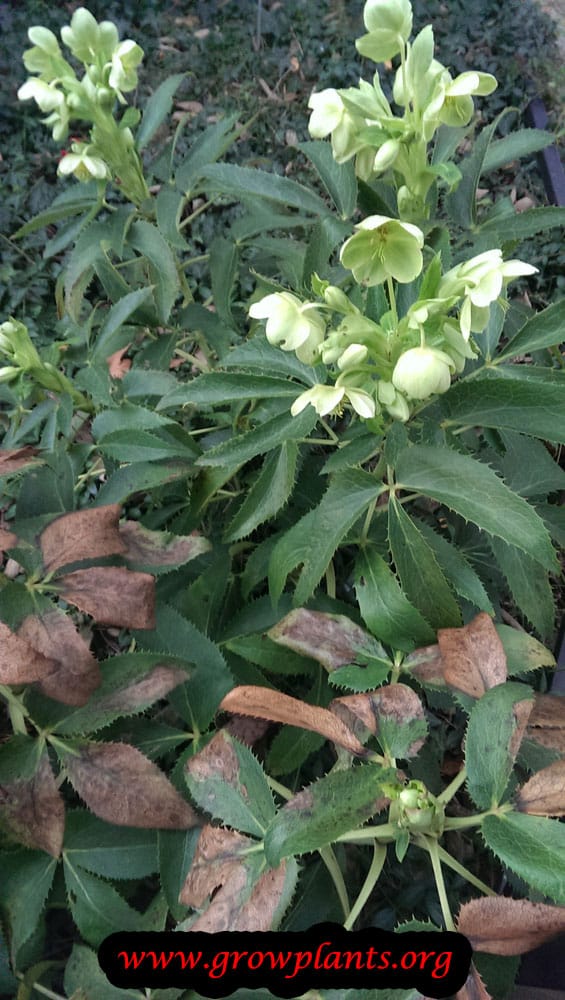
- Leaves & Foliage: Green pedate (divided) leaves; some cultivars have spiny edges.
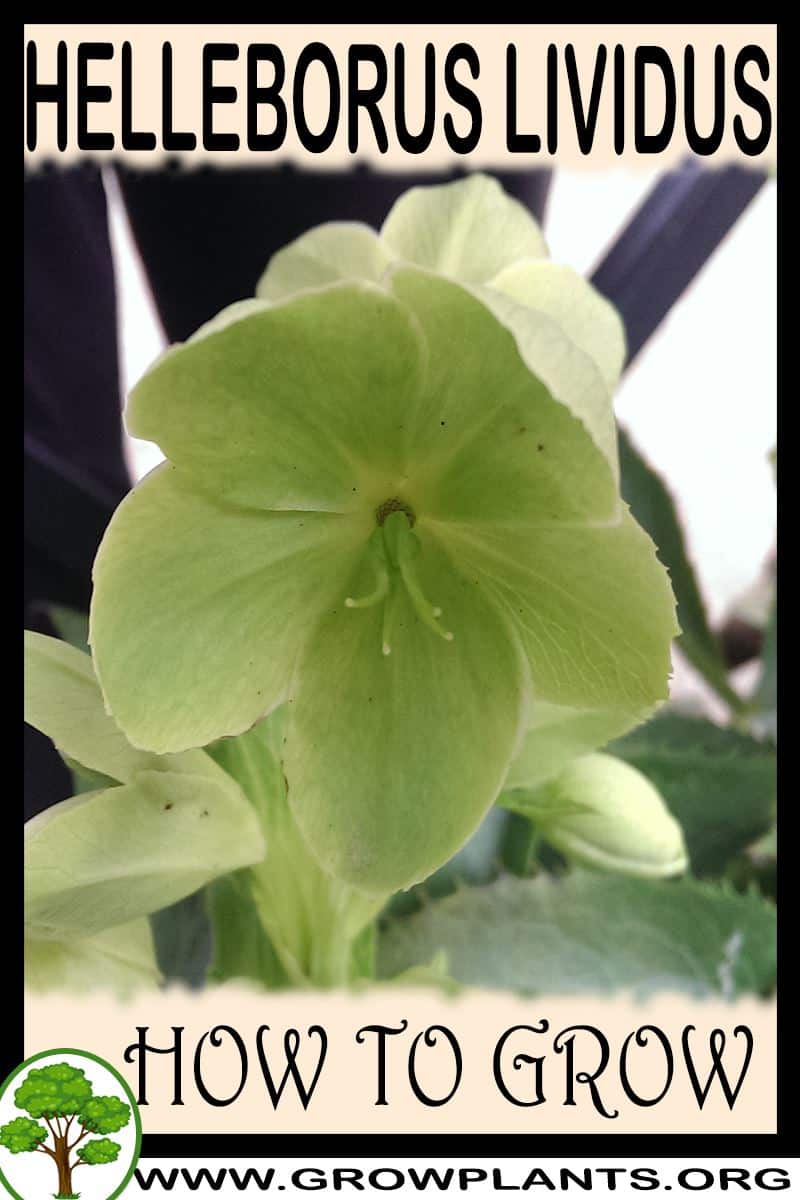
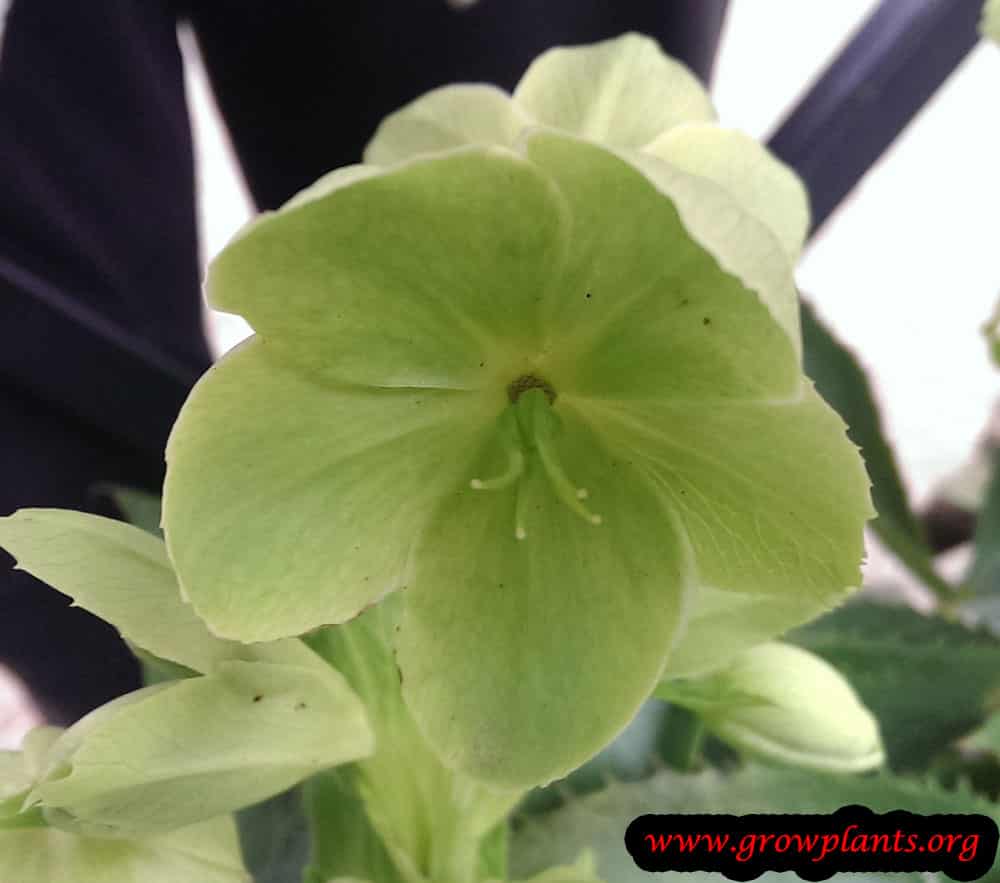
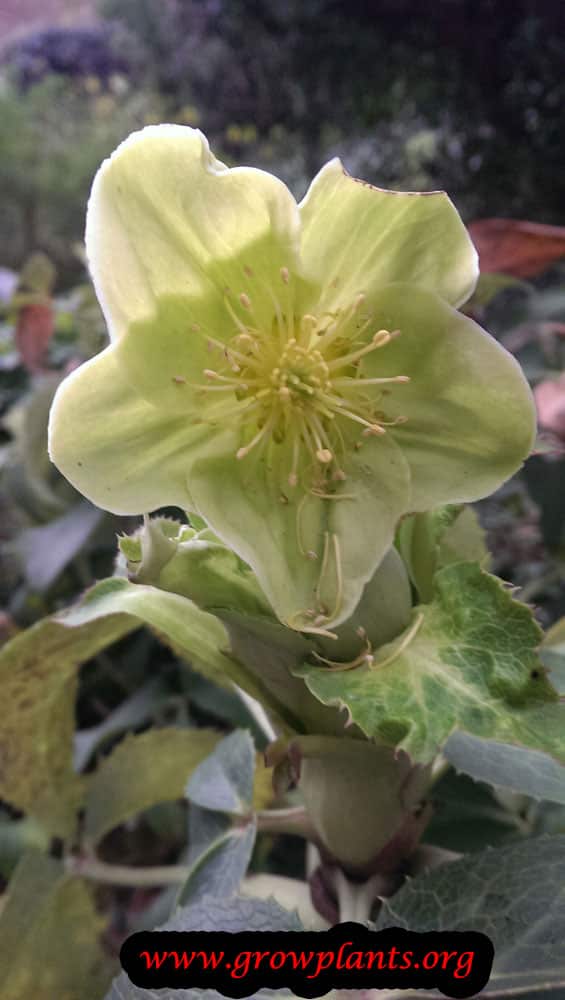
- Flower Characteristics: Flat, five-‘petalled’ (sepalled) flowers in green or pink, borne from winter to spring.
Primary Uses & Landscape Value
- Functional & Ornamental Roles: Winter and shade ornamental and cut flower; containers or houseplant.
Care Guide: Planting, Soil & Watering
Overview: Majorcan hellebore is an evergreen perennial for mild zones (5-9) that flowers in winter and prefers full to partial shade, out of hot sun. It likes moist, well-drained soil in a frost-free spot and rewards patience with long-lasting winter blooms.
Quick Care Requirements
| Requirement | Ideal Condition |
|---|---|
| Planting Season | Autumn |
| Growth Rate | Moderate |
| Soil Type | Moist and well-draining |
| Water Need | Moderate to high; keep the soil evenly moist |
Planting & Establishment
- Best Planting Season: Plant in autumn so it establishes before its winter flowering; it prefers a frost-free, sheltered position.
- How to Plant:
- Hole Preparation: Dig a hole a little wider than the root ball in humus-rich, moisture-retentive soil.
- Soil Amendments: Work in compost or leaf mould to hold moisture while keeping the soil well drained.
- Planting Depth: Set the crown at soil level – do not bury it – and firm gently.
- Growth Speed & Expectations: A moderate grower to about 40-70 cm; slow to settle but long-lived, flowering through winter once established.
Soil, Watering & Drainage Care
- Soil Mix & Drainage Needs: Wants moist but free-draining soil and shade; grows well in a container in a cool, shaded spot.
- Watering Schedule & Technique:
- Young / Newly Planted: Keep newly planted crowns consistently moist while establishing.
- Established: Water regularly to keep the soil evenly moist, avoiding both drought and waterlogging.
- Seasonal Adjustments: Water more in warm weather; keep just moist in winter while it flowers.
Climate, Light & Hardiness
Helleborus lividus is a shade-loving evergreen perennial for subtropical and Mediterranean climates, growing best in partial to full shade and cooler conditions. It is a cold-hardy winter- and spring-flowering plant (site data lists USDA zones 5–9); hot, dry summers - not winter cold - are usually its main limit.
Quick Climate Specifications
| Climate Zones | subtropical and Mediterranean |
|---|---|
| USDA Hardiness Zones | 5–9 |
| Optimal Temp Range | Cool, roughly 10–20°C (50–68°F) |
| Cold Damage Begins | Open flowers and soft new growth can be nipped by severe frost, though the plant itself is hardy |
| Approx. Survival Minimum | Zone 5 corresponds to winter lows near −29°C (−20°F). Note the Majorcan hellebore is among the more frost-sensitive species, so it is best at the milder end of this range |
| Frost Tolerance | High (established plant) / Moderate (open blooms) |
| Light Conditions | Partial to full shade (full sun only where summers stay cool) |
| Wind Tolerance | Moderate |
Sunlight & Light Exposure
Optimal Light Setup
Grows best in partial or dappled shade, and tolerates full shade with a little light. Winter sun with summer shade - as under deciduous trees - suits it well.
Shade & Heat Management
Full sun is acceptable only where summers are not hot; in warm regions shade and a cool, mulched root zone are important to prevent heat and moisture stress. This Mediterranean species is a little more tender than the hardiest hellebores and appreciates the warmer end of its range.
Best Exposure / Orientation
A sheltered, shaded woodland-type position protected from hot afternoon sun gives the healthiest foliage and longest-lasting flowers.
Temperature Extremes & Hardiness
USDA Hardiness & Regional Limits
The site data lists hardiness zones 5–9. The plant is genuinely cold-hardy and often blooms in late winter; a "frost-free" note in its care refers mainly to protecting the open flowers, not the crown, which withstands hard freezes.
Cold Damage & Winter Protection
Established crowns need no special winter protection within range. During severe frost the flowers and leaves may temporarily wilt or brown, then recover as it thaws; a light mulch steadies soil temperature.
Frost Sensitivity
The plant is frost-hardy; only the open blooms and tender new growth are frost-sensitive.
Extreme Heat Tolerance
Heat is the real constraint - prolonged hot, dry weather stresses the foliage and shortens the plant's life, so shade and cool, moist soil matter most in warm climates.
Wind, Humidity & Microclimate
Humidity Preferences
Prefers average to somewhat moist air; it dislikes hot, dry, exposed positions.
Wind Tolerance
Wind tolerance is moderate; a sheltered position keeps the evergreen leaves and winter flowers in good condition.
Microclimate Recommendations
A cool, shaded, sheltered spot with a mulched, moisture-retentive root zone is ideal - think woodland edge or the north side of a wall.
Growing in Pots, Balconies & Indoors
Helleborus lividus is among the most container-friendly hellebores – a compact, marbled-leaved species from mild climates that the grower confirms grows well both in pots and indoors. Being a little tender, it is often potted precisely so it can be sheltered in winter, and it makes a handsome plant for a cool, bright room or a shaded balcony at 40-70 cm (16-28 in).
Quick Details
- Container Size: A pot of about 5-15 L (1.3-4 gal) suits its clump-forming 40-70 cm size
- Indoor Suitability: Grows indoors in a cool, bright spot – it dislikes hot, dry rooms and deep shade
- Best Spot: Half shade to full shade with some light; full sun only where it is not hot
- Soil & Drainage: Rich, organic, free-draining mix; this species especially dislikes wet, heavy soil
- Watering in Pots: Average to generous – keep evenly moist but never waterlogged
Indoors & On the Windowsill
- Grows indoors: The grower confirms it can be a houseplant. It does best in a cool, bright room out of hot direct sun – a cool sill, porch or north or east window suits it, and its marbled foliage is attractive even out of flower.
- Care indoors: Keep the soil evenly moist but well drained, give good light without scorching, and keep it away from dry radiator heat. It flowers in the cool season, so cool conditions suit it.
- Overwintering: Being the more frost-tender hellebore, this is a key reason to pot it – in cold areas move the container to a cool, bright, frost-free spot for winter, then return it to a shaded place.
On a Balcony or Patio
- Light & shelter: It prefers a shaded or part-shaded corner over a hot, sunny balcony; strong direct heat scorches the leaves. A sheltered, bright but shaded spot is ideal.
- Water & wind: Pots dry faster than open ground, so keep the mix evenly moist; shelter it from cold, drying wind, to which this species is more sensitive than most hellebores.
Choosing the Pot, Soil & Long-Term Care
- Pot & drainage: A pot with strong drainage holes; skip a standing water saucer to avoid root rot, which this species is prone to. A free-draining setup matters more here than moisture retention.
- Potting mix: Rich, organic and sharply free-draining – potting mix with plenty of perlite or grit.
- Feeding: Potted plants leach nutrients with watering, so feed through the growing season with a balanced feed for strong leaves and flowers.
- Repotting: Refresh the mix or pot on every year or two; remove tired old leaves as new growth appears and divide congested clumps in the cool season.
- Safety: The grower records it as poisonous – all parts can cause irritation and upset if eaten, so keep it away from children and pets, especially indoors.
Fertilizing & Feeding
Helleborus lividus is a light-feeding shade perennial; a little balanced complete fertilizer or compost through the cool growing season is enough, and it does not need high-phosphorus bloom products.
Quick Fertilizing Specs
| Feeding Level | Light |
|---|---|
| Best Feeding Period | Through the cool active season, autumn into spring. |
| Main Nutrient Priority | A balanced complete fertilizer. |
| Soil pH | Near neutral to slightly alkaline. |
| Organic Options | Compost or leaf mould worked in or top-dressed. |
| Reduce/Stop Feeding | Ease off through hot summer when growth stalls. |
Feeding by Growth Stage
Cool-season growth
Support leaf and root growth during the cool growing season.
| Nutrient direction | A balanced, complete fertilizer at a light rate to support steady foliage growth. |
|---|---|
| Timing | As cool-season growth is active, from autumn through spring. |
| Frequency | Light feeding during the cool active season is usually enough. |
| Fertilizer types | Balanced complete fertilizer, Compost or leaf mould as a top dressing |
| Precautions | This shade perennial is a light feeder; keep feeding gentle to avoid soft, floppy growth. |
Winter to spring bloom
Support flowering through the late-winter and spring bloom.
| Nutrient direction | A balanced complete fertilizer; adequate nitrogen and potassium support bloom better than high-phosphorus products. |
|---|---|
| Timing | Through the winter-to-spring flowering period. |
| Frequency | Continue gentle feeding across the bloom. |
| Fertilizer types | Balanced complete fertilizer |
| Precautions | High-phosphorus bloom products are unnecessary for hellebores. |
Hot-summer rest
Let the plant coast through hot summer weather when growth stalls.
| Nutrient direction | None – withhold fertilizer while the plant is resting. |
|---|---|
| Timing | During the hottest part of summer when growth pauses. |
| Frequency | No feeding at this stage. |
| Fertilizer types | No feeding at this stage – a resting plant is not taking up nutrients. |
| Precautions | Do not fertilize until active growth resumes. |
Nutrient Deficiency Signs & Corrections
Older, lower leaves turn uniformly pale green to yellow and overall growth slows.
| Possible causes | Low available nitrogen in the soil, Cold or waterlogged soil limiting root uptake, Nitrogen leached away after heavy watering or rain |
|---|---|
| Appears first on | Older, lower leaves. |
| What to check | Whether paling starts on old lower leaves, Recent feeding history, Soil moisture and drainage |
| Possible correction | Apply a balanced complete fertilizer at a light rate and improve drainage; nitrogen-hungry plants green up as growth resumes. |
Youngest leaves show yellowing between green veins (interveinal chlorosis).
| Possible causes | High or alkaline soil pH locking up iron, Waterlogged or poorly aerated soil, Genuinely low available iron |
|---|---|
| Appears first on | Newest, youngest leaves. |
| What to check | Whether yellowing is on new versus old growth, Soil pH, Soil drainage and watering habits |
| Possible correction | Confirm soil pH and correct it if it is too high, improve drainage, and apply a chelated iron product following its label directions. |
Pruning, Training & Seasonal Maintenance
Helleborus lividus is a caulescent evergreen perennial – unlike the familiar Lenten rose group, its leathery, often spiny-edged leaves grow on the same above-ground stems that go on to flower, and each flowering stem blooms only once before declining. Pruning tolerance is low to moderate and is about hygiene and stem renewal rather than shaping; the safest window is after flowering finishes and seed has set, usually late spring into summer. Because flowers form at the tip of the current stem, pruning timing has little effect on the bloom already open, but removing spent stems is essential for a tidy, disease-free clump and strong flowering next winter.
Quick Pruning & Maintenance Specs
| Pruning Tolerance | Low to Moderate |
| Primary Pruning Window | Late Spring to Summer, after flowering and seed set |
| Secondary Maintenance Window | Late Winter, ahead of new bloom |
| Typical Frequency | 1–2 times per year |
| Main Objective | Remove spent flowering stems and diseased foliage |
| Young Plant Priority | None – let new stems establish |
| Mature Plant Priority | Renew the clump by removing stems that have already flowered |
| Best Tool Type | Precision snips or bypass secateurs |
| Avoid Heavy Pruning During | Active bloom and hot, dry summer stress |
Pruning by Plant Age & Size
Newly Established
Do not prune in the first year beyond removing any frost- or transport-damaged leaves; the plant needs its full leaf and stem framework to establish.
Young / Formative
No structural training system applies – this is a basal, multi-stemmed perennial, not a plant trained to a leader or frame. Simply allow new stems to arise from the base undisturbed.
Mature / Established
Each year, cut back the individual stems that have already flowered and set seed, at the base, to make room for the new stems that will carry next winter’s flowers. Thin overcrowded old stems from dense clumps to keep air moving through the foliage.
Seasonal Pruning Schedule
| Stage | Objective | Remove | Do Not Remove | Expected Response | Flowering Impact |
| Post-Flowering (Late Spring–Summer) | Stem renewal | Whole flowering stems, cut to the base, once bloom has faded and seed has set or dispersed | Young, unflowered basal stems | New stems emerge from the crown for next season | None on the current bloom; protects next winter’s flowering |
| Ongoing Sanitary | Disease control | Leaves with black leaf-spot lesions or heavy aphid/leaf-miner damage, removed promptly | Healthy green foliage | Lower fungal spore load in the clump | None |
Structural Pruning & Training
Thin old, spent stems from congested clumps for airflow – dense, humid foliage encourages the leaf-spot fungus common to hellebores. No height or spread control is needed; the plant stays naturally compact.
Special Growth to Remove
- Spent flowering stems – remove at the base once flowering is over; they will not rebloom.
- Frost-damaged, blackened, or leaf-spot-affected leaves – remove and discard, do not compost.
- Do not remove young, unflowered basal stems – they are next season’s flowers.
Container & Small-Space Pruning
Grows well in pots. In containers, remove spent flowering stems promptly – the confined root zone benefits from not supporting dead top growth – and keep the pot where air circulates freely, since crowded container foliage is more prone to leaf-spot than an open border clump.
Tools
Precision snips or bypass secateurs for the semi-woody stem bases; no loppers or saw are needed on a plant this size.
Tool Hygiene & Disease Risk
Increased risk. Hellebore leaf-spot is a genuine fungal disease of this genus that spreads readily on water splash and can be carried on tool blades and hands between plants. Disinfect the blade after cutting visibly spotted foliage before moving to a healthy plant, and never compost infected material.
Cut Placement & Technique
Cut spent stems as close to the crown as possible without nicking it or any emerging new shoots; angle the cut slightly so water sheds away from the wound.
Heavy Pruning & Rejuvenation
Not applicable in the woody-shrub sense. This is a basal perennial with no stump to cut back to – renewal happens stem by stem, not through a single hard rejuvenation cut.
Post-Pruning Care
After removing diseased foliage, water at the base rather than overhead to slow fungal reinfection. No extra feeding is needed after routine stem or leaf removal. Watch new basal growth for aphids and leaf miner.
Common Pruning Mistakes
Treating it like an acaulescent hellebore (such as Helleborus niger) and shearing all foliage back hard in winter – because flowers form on the tips of these same stems, that removes the coming bloom. Composting leaf-spot-infected foliage is another common mistake that recycles the fungus back into the garden.
When Not to Prune
Avoid cutting stems while they are still flowering or setting seed if continued bloom or self-sown seedlings are wanted. Avoid pruning in wet, humid weather, which favors leaf-spot spread, and avoid hard cutting straight after transplanting.
Recommended Tools (by task)
- Removing spent flowering stems at the base (semi-woody, pea- to pencil-thick): bypass_secateurs – gives a clean cut at the crown without crushing tissue.
- Trimming individual diseased or damaged leaves: precision_snips – fine control around emerging new shoots.
- Leaf-spot hygiene between cuts or between plants: blade_disinfectant – this genus has a real, tool-transmissible fungal leaf-spot risk.
Propagation Guide
Helleborus lividus is best raised from seed, but it is one of the more freely-hybridizing hellebore species (a parent of popular hybrids such as H. x sternii), so seed only comes true to the species when the plant is grown well away from other Helleborus species or hybrids. To guarantee an exact copy of a particular plant, divide an established clump instead; grafting is not required. Overall propagation is moderate in difficulty – seed germination is slow and irregular, and division, while straightforward in principle, needs care because the plant resents root disturbance.
Quick Propagation Specs
| Best Propagation Method | Seed (for the species, grown in isolation from other Helleborus) |
| Alternative Methods | Division of mature clumps |
| Propagation Difficulty | Moderate |
| Seed True-to-Type | Usually true-to-type only when isolated – readily crosses with other Helleborus species/hybrids nearby |
| Vegetative True-to-Type | Yes |
| Best Propagation Season | Sow fresh seed in summer as soon as ripe; divide clumps in autumn |
| Seed Germination Time | Slow and often erratic – commonly several months, sometimes not until the following autumn or winter |
| Seed Sowing Depth | Surface-sow or cover very lightly, about 0.5–1 cm (¼–½ inch) |
Growing from Seed
Seed Handling & Viability
Seed loses viability quickly if dried and stored – collect and sow it fresh as soon as the ripening pods split open.
Dormancy & Pre-Sowing Treatment
Fresh seed needs a warm summer period followed by a cold winter period to break dormancy; no scarification is needed, but seed will not sprout until this warm-then-cold sequence has been experienced, which happens naturally outdoors or in an unheated cold frame.
Sowing Season
Sow immediately after collecting the seed, in summer (planting season for the species overall is autumn).
Sowing Depth & Orientation
Surface-sow or cover only very lightly, roughly 0.5–1 cm (¼–½ inch); deep burial delays or prevents germination.
Germination Conditions
Keep pots or seed beds outdoors or in a shaded cold frame so they experience natural seasonal temperature swings; keep the medium consistently moist but not waterlogged. This species is somewhat tender, so protect seedlings from hard frost.
Germination Time
Irregular and slow – seedlings may not appear until the following autumn, winter, or even the second spring.
Seedling Care
Once seedlings have a couple of true leaves, prick them out carefully, since hellebore roots are brittle; young plants typically take a couple of years to reach flowering size.
Division, Offsets, Pups & Suckers
Divide established, multi-crowned clumps in autumn once the plant has several years of growth and multiple growth crowns. Lift the whole clump and use a sharp knife to separate sections, each with several buds/growth points and a good portion of roots attached – a piece with too few roots or buds will establish poorly. Trim back old foliage to reduce moisture loss, replant promptly, and keep divisions shaded and consistently moist while they recover.
Bloom & Flower Guide
Quick Details
- Bloom Season: Winter into spring
- Flower Appearance: Flat, five-parted flowers in green to pink
- Edibility: Not edible – all parts of hellebore are toxic
Detailed Blooming Overview
Majorcan hellebore (Helleborus lividus) is a handsome evergreen that flowers through winter and into spring, carrying flat blooms in soft green-to-pink shades over marbled foliage. As with other hellebores, the lasting colour comes from durable sepals rather than true petals.
Flower Characteristics
- Flat, five-parted flowers in green flushed with pink.
- Long-lasting on the plant and as a cut flower.
Bloom Care & Thinning
- Managing the bloom: Tidy old foliage as the flowers open so the display stands out; shelter from hard frost protects the winter buds.
- Pollination: Visited by early bees and other insects on mild days.
Bloom Health & Protection
- Safety: Every part of the plant is toxic if eaten and the sap can irritate skin – grow it as an ornamental or cut flower, and wear gloves when handling.
Pests, Diseases & Troubleshooting
Hellebores have a small but specific problem list: the hellebore aphid on flowers and new leaves, slugs and vine weevil, and – more seriously – hellebore leaf spot and the incurable ‘hellebore black death’ virus. Helleborus lividus is the tender, Mediterranean species, so unlike its hardy cousins it also dislikes cold, wet winters and heavy humidity, needing sharp drainage and shelter. All parts are poisonous, so handle with gloves.
Quick Troubleshooting Overview
| Issue / Pest | Main Symptom | Primary Solution |
|---|---|---|
| Hellebore aphid | Grey-green colonies on flowers and new leaves | Water-jet, beneficials, insecticidal soap |
| Slugs & snails | Grazed leaves and flowers, slime trails | Hand-pick, iron-phosphate pellets |
| Leaf spot | Dark blotches, cankered stems, leaf collapse | Cut off old leaves, remove debris, copper |
| Black death (virus) | Black streaking, distortion, stunting | Dig up and destroy – incurable; control aphids |
| Cold/wet damage | Blackened, rotted crown in cold wet | Sharp drainage, shelter; it is frost-tender |
Common Pests & Management
- Hellebore aphid (Macrosiphum hellebori):
- Symptoms: Grey-green aphids clustering on flowers, flower stalks and unfurling new leaves, sucking sap and coating them in honeydew and sooty mould, distorting the blooms.
- Prevention & Control: Wipe or wash off colonies and pinch out badly infested growth, encourage ladybirds and lacewings, and treat persistent outbreaks with insecticidal soap or neem oil. Controlling aphids also reduces spread of the black-death virus.
- Slugs & snails (Deroceras / Helix spp.):
- Symptoms: Irregular holes in leaves and stems with tell-tale silvery slime trails, worst on soft young growth in damp, shady conditions and after rain or watering; seedlings can be grazed to the ground overnight.
- Prevention & Control: Clear hiding places, water in the morning so surfaces dry by nightfall, and hand-pick after dark. Set beer traps or ring vulnerable plants with grit, copper tape or crushed shell. Where pressure is high, scatter iron-phosphate pellets, which are safe around pets and wildlife.
- Vine weevil (Otiorhynchus sulcatus):
- Symptoms: Notched leaf margins from adults and root-eating grubs that cause potted or crown-weak plants to wilt and fail.
- Prevention & Control: Check the roots of ailing plants, drench with parasitic nematodes in mild weather, and hand-pick adults at night.
Diseases & Fungal Issues
- Hellebore leaf spot (black spot) (Coniothyrium hellebori (Microsphaeropsis hellebori)):
- Symptoms: Dark brown to black blotches, often ringed, on leaves, stems and flowers, sometimes with cankered, collapsing leaf stalks; worst in wet, crowded conditions.
- Treatment & Management: Cut off and destroy all old and spotted foliage in late winter before flowering (this also shows off the blooms), improve airflow, avoid overhead watering, and clear debris; a copper fungicide protects new growth under heavy pressure.
- Hellebore black death (Helleborus net necrosis virus (HeNNV)):
- Symptoms: Black streaking, ring-spots and mottling following the veins, with distorted, stunted, puckered growth; an incurable virus spread by aphids.
- Treatment & Management: There is no cure – dig up and destroy affected plants promptly to protect the rest, and control aphids rigorously since they spread it; buy only clean, healthy plants.
- Crown & root rot (Phytophthora / Pythium spp.):
- Symptoms: Blackening, softening and collapse of the crown in cold, wet, badly drained soil – a particular risk for this Mediterranean species.
- Treatment & Management: Grow in sharply drained, gritty soil with the crown kept dry, avoid waterlogging, and remove rotted material; prevention through drainage and siting is essential.
Growing Difficulties & Abiotic Problems
- Cold & winter-wet sensitivity:
- Cause & Symptoms: Unlike the hardy hybrid hellebores, Helleborus lividus is a tender Mediterranean species that is damaged by hard frost and rots in cold, wet, heavy soil.
- Correction Strategy: Grow in a sheltered, well-drained, part-shaded spot or a pot that can be protected in winter, use gritty free-draining soil, and keep the crown dry.
- Poisonous sap:
- Cause & Symptoms: All parts are poisonous and the sap can irritate skin (the ‘poisonous’ trait noted).
- Correction Strategy: Wear gloves when cutting or handling, wash hands afterwards, and site away from where children or pets might chew it.
What Helps – Products & Tools
Insecticidal soap or neem oil controls the hellebore aphid (which also spreads the black-death virus), and iron-phosphate pellets deal with slugs. A copper fungicide plus cutting off old foliage manages leaf spot; for this tender species the most valuable ‘tool’ is sharp drainage and winter shelter.