Plant Profile & Key Characteristics
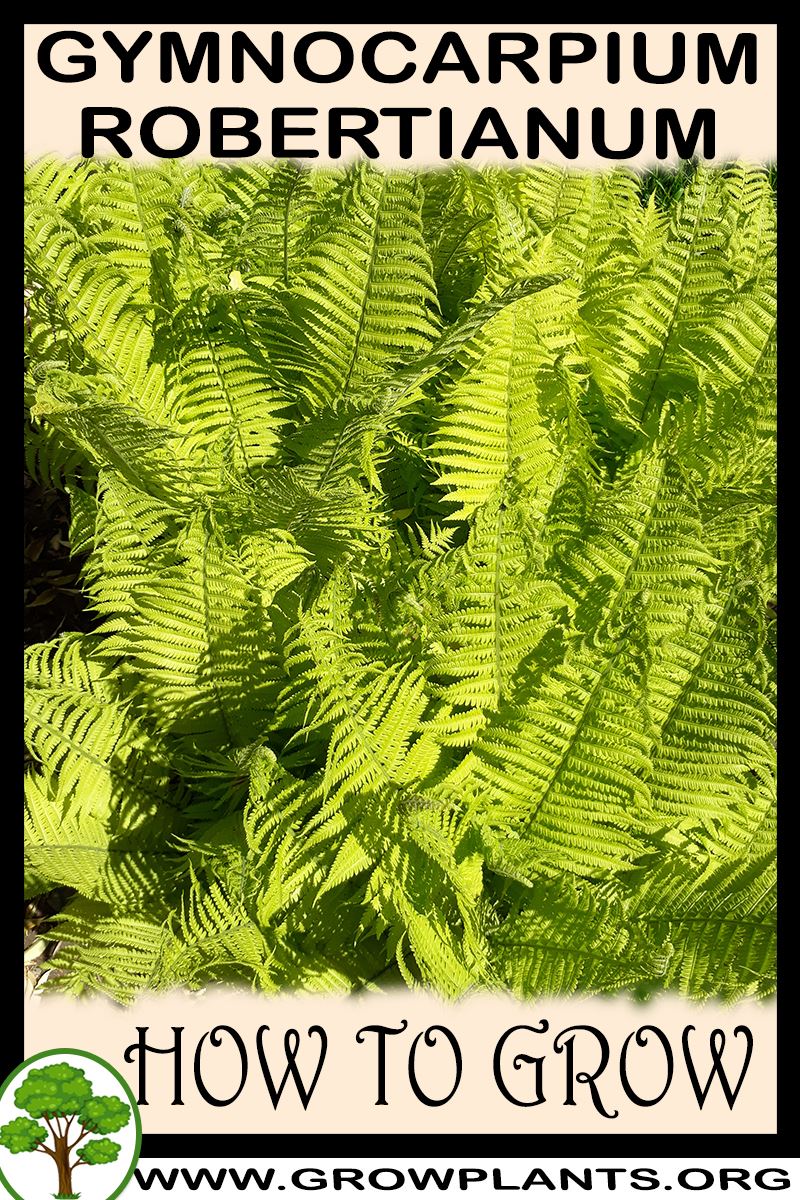
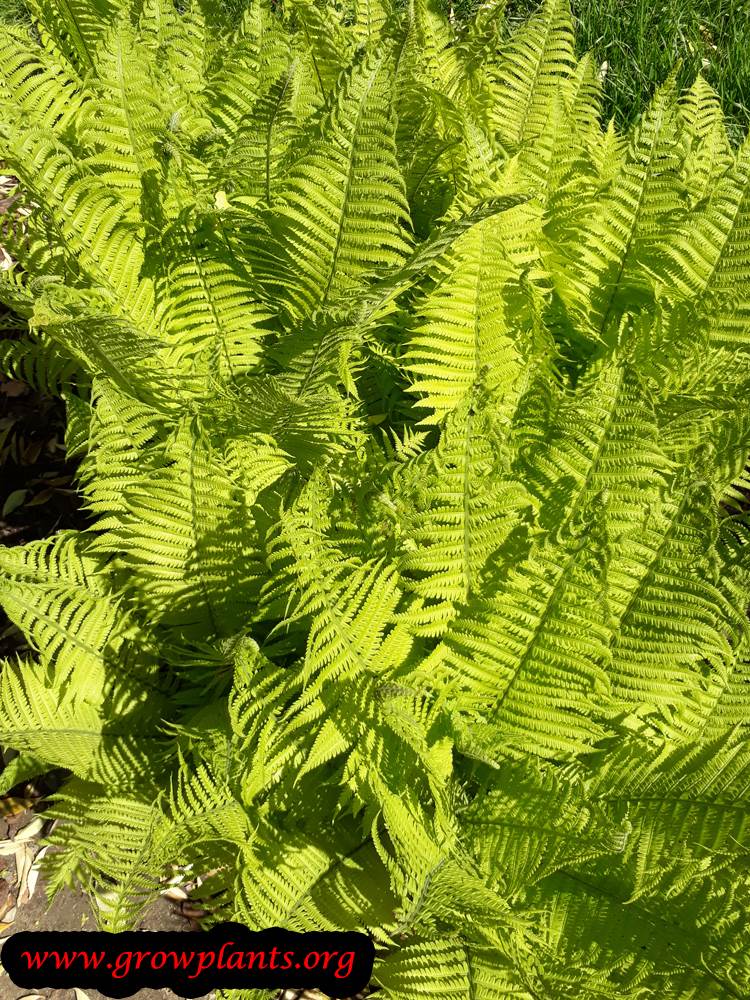
Overview: A small fern (limestone or scented oak fern) forming low tufts of finely divided, triangular pinnate fronds 10-50 cm tall. Grown as a shade-loving ornamental groundcover fern, especially on alkaline soils.
Quick Specifications
| Specification | Attribute |
|---|---|
| Plant Type / Life Cycle | Perennial (herbaceous fern) |
| Foliage Type | Evergreen (semi-evergreen in colder zones) |
| Mature Size | 10-50 cm (4-20 in) |
| Growth Rate | Slow to moderate |
| Root System | Rhizomatous – spreads by creeping rhizomes |
| Hardiness | USDA zone 5-9 |
Growth Form & Structure
- Height & Spread: 10-50 cm, spreading via rhizomes into a low colony; also grows in pots.
- Growth Habit & Form: Low, spreading fern with triangular pinnate fronds arising from creeping rhizomes.
- Lifespan & Maturity: Perennial; fronds emerge and unfurl each season.
Anatomy & Physical Features
- Leaves & Foliage: Green, finely divided triangular pinnate fronds; the foliage is noted as faintly scented.
Primary Uses & Landscape Value
- Functional & Ornamental Roles: Shade groundcover and woodland fern for moist, alkaline soils; also grown as a container and indoor plant.
Care Guide: Planting, Soil & Watering
Overview: The limestone fern is a hardy woodland fern that thrives in cool, shady, consistently moist conditions. As its name suggests it favours alkaline, limestone-rich soil, and its shallow rhizomes need steady moisture with good drainage — never drought, never waterlogging.
Quick Care Requirements
| Requirement | Ideal Condition |
|---|---|
| Planting Season | Spring to summer, during the active growing season |
| Growth Rate | Slow to moderate |
| Soil Type | Moist but well-draining, humus-rich woodland soil |
| Soil pH | Alkaline — a genuine limestone / lime-loving fern |
| Water Need | Moderate to high — keep the soil consistently moist, never letting it dry out |
Planting & Establishment
- Best Planting Season: Plant in spring or early summer once the soil has warmed, giving the fern the full growing season to establish its rhizomes before cooler weather.
- How to Plant:
- Hole Preparation: Dig a hole a little wider than the root ball in a shady, sheltered spot, loosening the surrounding soil so the shallow rhizomes can spread.
- Soil Amendments: Enrich the soil with leaf mould or compost for moisture retention, and, unusually for a fern, add limestone chippings or garden lime to raise the pH, since this species genuinely favours alkaline ground.
- Planting Depth: Set the crown at soil level with the rhizome just below the surface; do not bury it deeply, and mulch lightly to keep the roots cool and moist.
- Growth Speed & Expectations: Growth is slow to moderate; the fern spreads gradually by rhizome to form a low, spreading colony.
Soil, Watering & Drainage Care
- Soil Mix & Drainage Needs: Provide a moisture-retentive but free-draining, humus-rich soil; the rhizomes rot if left in standing water, so combine steady moisture with good drainage, and keep the plant in shade.
- Watering Schedule & Technique:
- Young / Newly Planted: Water regularly to keep the soil evenly moist while the fern establishes, never allowing it to dry out.
- Established: Continue to water whenever the surface begins to dry, aiming for consistently damp (not soggy) soil, especially in shade under trees where the ground can dry quickly.
- Seasonal Adjustments: Increase watering in warm, dry weather and reduce in cool, wet conditions when the soil stays naturally moist.
Climate, Light & Hardiness
Limestone fern is a cold-hardy woodland fern for temperate and subtropical climates, also grown indoors, thriving in half to full shade with alkaline, humus-rich soil.
Quick Climate Specifications
| Climate Zones | Temperate, Subtropical |
|---|---|
| USDA Hardiness Zones | 5–9 |
| Frost Tolerance | High |
| Light Conditions | Half Shade to Full Shade |
Sunlight & Light Exposure
Optimal Light Setup
Needs half to full shade, as expected of a woodland fern; direct sun scorches the fronds.
Temperature Extremes & Hardiness
USDA Hardiness & Regional Limits
Hardy in USDA zones 5–9, tolerating cold winters typical of temperate woodland climates; fronds die back in the coldest zones with the rhizome resprouting in spring.
Wind, Humidity & Microclimate
Humidity Preferences
As a woodland fern, it appreciates humid, sheltered conditions over hot, dry, exposed sites.
Growing in Pots, Balconies & Indoors
The limestone fern is a small, shade-loving fern that makes a genuine houseplant – the grower confirms it grows well indoors and in containers. Away from direct sun it is quite at home in a room, so it suits low-light corners better than a hot windowsill.
Quick Details
- Container Size: A small to medium pot, 3-8 L, is ample for this 10-50 cm fern
- Indoor Suitability: A true houseplant – happy in indoor light, out of direct sun
- Best Spot: Bright indirect light to shade; never scorching midday sun
- Soil & Drainage: Moisture-retentive but free-draining; it favours alkaline (limestone) soil, so a little added lime or grit suits it
- Watering in Pots: Keep evenly moist – pots dry faster than open ground; do not let it dry out fully
Indoors & On the Windowsill
- Houseplant care: A reliable indoor fern – give it a shaded to bright-indirect spot and steady moisture, and mist or group it with other plants to lift humidity.
- Windowsill growing: An east- or north-facing sill is ideal; keep it off a baking south window where the fronds will scorch.
- Overwintering: Hardy to cool climates, but a potted plant enjoys a sheltered, frost-free spot indoors over a hard winter.
On a Balcony or Patio
- Light & shade: Best on a shaded or lightly lit balcony rather than in full sun; pots on paving still dry quickly, so check moisture often.
Choosing the Pot, Soil & Long-Term Care
- Pot & drainage: A small, well-drained pot with strong drainage holes and no standing-water saucer to avoid root rot; terracotta breathes and dries faster, glazed or plastic holds moisture longer.
- Potting mix: A well-aerated, organic-rich potting mix – peat or coir blended with perlite or vermiculite, with a little lime or grit to suit its taste for alkaline soil.
- Feeding: Potted plants are fed more often than those in the ground, as watering steadily leaches nutrients from the mix – a dilute feed in the growing season is plenty for a fern.
- Repotting: Refresh the top of the mix and pot up about every couple of years, lightly trimming the root ball and top growth every couple of years, dividing crowded crowns.
Fertilizing & Feeding
This is a naturally light-feeding woodland fern – err on the side of underfeeding rather than pushing lush growth with heavy fertilizer.
Quick Fertilizing Specs
| Feeding Level | Light feeder |
|---|---|
| Main Nutrient Priority | Balanced nutrition with an emphasis on gentle, infrequent feeding |
| Best Feeding Period | Spring through summer while fronds are actively growing |
| Soil pH | Prefers alkaline to neutral soil; unlike most woodland ferns it dislikes strongly acidic conditions |
| Organic Options | A light topdressing of compost or leaf mold works well alongside or instead of synthetic fertilizer |
| Micronutrients | Watch for iron chlorosis if soil pH runs too high for the site |
Feeding by Growth Stage
Establishment After Planting
Help newly planted fronds and rhizomes settle in without pushing soft, weak growth
| Nutrient direction | A gentle, balanced feeding direction supports steady rooting |
|---|---|
| Timing | During the first growing season after planting, once new fronds begin to emerge |
| Frequency | A light feeding early in the growing season is usually enough; avoid frequent applications |
| Fertilizer types | A diluted, balanced, general-purpose fertilizer formulated for shade perennials or ferns |
| Precautions | Keep feeding light – this alkaline-soil-loving woodland fern is sensitive to salt buildup and fertilizer burn on tender fronds |
Active Growing Season
Support fresh frond production through the main growing season
| Nutrient direction | A light, balanced nutrient direction keeps foliage healthy without forcing excess leafy growth |
|---|---|
| Timing | Through the spring and summer growing season while fronds are actively expanding |
| Frequency | A couple of light feedings spaced well apart through the growing season is generally sufficient – this is a naturally light feeder |
| Fertilizer types | A diluted balanced fertilizer, or a light topdressing of compost worked lightly into the soil surface |
| Precautions | Avoid feeding heavily; excess nitrogen produces soft, floppy fronds prone to collapse and disease |
Winter Dormancy / Rest
Let the fern rest without pushing new growth heading into cold weather
| Nutrient direction | None – withhold fertilizer as growth slows |
|---|---|
| Timing | Autumn through winter as fronds die back or growth pauses |
| Frequency | No feeding at this stage |
| Fertilizer types | No feeding at this stage – withhold fertilizer until new fronds emerge in spring |
| Precautions | Do not fertilize dormant or resting plants; wait for active spring growth to resume |
Nutrient Deficiency Signs & Corrections
Older, lower fronds turn pale green to yellow while new growth stays green
| Possible causes | Insufficient nitrogen availability in the soil, Waterlogged or compacted soil limiting root uptake, Naturally low soil fertility in the planting site |
|---|---|
| Appears first on | Older, lower fronds first |
| What to check | Soil drainage and compaction around the root zone, Recent feeding history, Overall plant vigor and new frond production |
| Possible correction | Improve soil organic matter and apply a diluted balanced fertilizer during active growth; correct drainage if soil stays waterlogged |
New fronds emerge pale yellow to whitish while leaf veins stay green
| Possible causes | High soil pH limiting iron availability (common in alkaline, limestone-loving woodland soils), Poor root aeration from compacted or overly wet soil, Root stress from recent transplanting |
|---|---|
| Appears first on | Newest, youngest fronds first |
| What to check | Soil pH and drainage, Root health and any recent disturbance, Whether yellowing is interveinal (between veins) or uniform |
| Possible correction | Correct pH toward the plant’s preferred range with soil amendments, improve drainage, or apply a chelated iron product per its label |
Frond tips and margins turn brown and crispy shortly after feeding
| Possible causes | Fertilizer applied too heavily or too concentrated for this light-feeding fern, Salt buildup from repeated feeding without adequate rainfall or watering, Root damage from another cause unrelated to feeding |
|---|---|
| Appears first on | Frond tips and outer margins first |
| What to check | Recent feeding rate and frequency, Soil moisture and drainage, Whether symptoms track with feeding timing |
| Possible correction | Flush the root zone with plain water and reduce feeding strength and frequency going forward |
Pruning, Training & Seasonal Maintenance
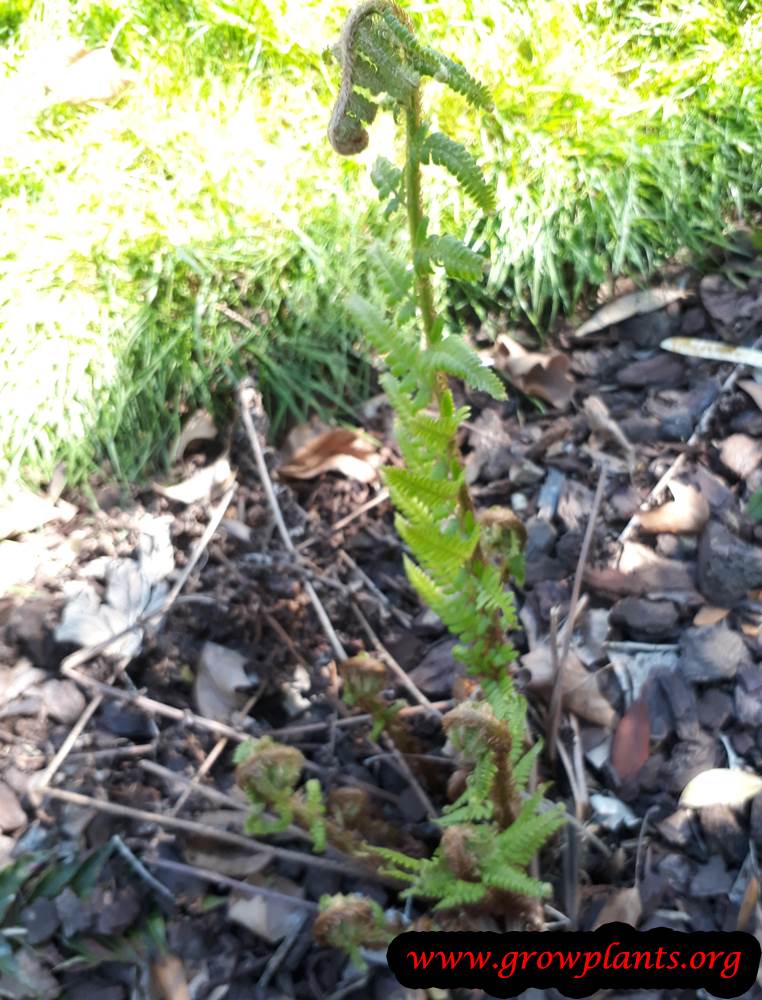
Gymnocarpium robertianum is a low, creeping fern with no woody structure and no flowers or fruit to consider, so its only “pruning” is the removal of dead or damaged fronds – this can be done at almost any time of year, as the source guidance confirms, since it is not tied to a bloom or fruiting cycle. The one timing caution is around the new fronds: like most ferns, this species unfurls tightly coiled fiddleheads (croziers) as it grows, and these emerging fronds should never be cut or disturbed, since they cannot be replaced once damaged.
Quick Pruning & Maintenance Specs
| Pruning Tolerance | Low – dead-frond removal only |
| Primary Pruning Window | All year, as fronds die |
| Typical Frequency | As needed |
| Main Objective | Remove dead or damaged fronds; keep the creeping mat tidy |
| Young Plant Priority | None – let a newly planted fern establish undisturbed |
| Mature Plant Priority | Remove dead fronds; control rhizome spread if it exceeds its space |
| Best Tool Type | Precision snips |
| Avoid Heavy Pruning During | While new fiddleheads (croziers) are actively unfurling |
Structural Pruning & Training
No above-ground structural training applies to this low, frond-forming fern. The one spread-related consideration is below ground: this species grows from a creeping rhizome, so if it spreads beyond its intended area, controlling it means dividing or removing sections of rhizome rather than pruning the fronds themselves.
Special Growth to Remove
- Dead or browned fronds, cut at the base near soil level as they occur
- Rhizome sections beyond the intended planting area, if the naturally spreading habit needs to be contained
Container & Small-Space Pruning
In a container, the same light dead-frond removal applies; because it spreads by rhizome, a container also naturally limits how far it can creep, so little active spread control is usually needed compared with an open bed.
Tools
- Precision snips for cutting dead fronds at the base
Tool Hygiene & Disease Risk
Routine – clean, sharp tools are sufficient; no significant transmissible disease risk is noted for this species.
Cut Placement & Technique
Cut dead fronds off close to the soil at their base rather than pulling them, which can disturb the shallow rhizome; take care not to damage neighbouring fiddleheads while working around the crown.
Heavy Pruning & Rejuvenation
Not applicable – this fern is not cut back hard or rejuvenated by pruning; if a patch becomes congested, thinning by dividing and replanting rhizome sections is the appropriate renewal method rather than cutting the foliage.
Post-Pruning Care
No special aftercare beyond maintaining its normal moist, shaded conditions; light dead-frond removal does not warrant extra feeding.
Common Pruning Mistakes
- Cutting or knocking off unfurling fiddleheads while tidying dead fronds nearby
- Pulling dead fronds free instead of cutting them, which can dislodge the shallow rhizome
When NOT to Prune
Avoid disturbing the plant while new fiddleheads are actively unfurling.
Recommended Tools (by task)
- Precision snips – the only tool needed for this fern’s fine, soft fronds and shallow rhizome.
Propagation Guide
The most practical way to increase Gymnocarpium robertianum is to lift and divide its spreading rhizome in spring, which gives true-to-type plants quickly and easily; raising new plants from spores is also biologically possible and keeps genetic diversity, but it is a much slower, more specialist route. Division is easy for a home grower, while spore propagation is moderate to difficult.
Quick Propagation Specs
| Best Propagation Method | Rhizome Division |
| Alternative Methods | Spores |
| Propagation Difficulty | Easy (division); Difficult (spores) |
| Vegetative True-to-Type | Yes |
| Best Propagation Season | Spring |
Rhizomes, Tubers, Bulbs & Corms
Gymnocarpium robertianum spreads by a slender creeping rhizome just below the soil surface. In spring, lift a section of the clump and cut the rhizome into pieces roughly 5–10cm (2–4 inches) long, making sure each piece carries at least one growing point with fronds and attached roots. Replant divisions immediately at the same depth as they were growing, in humus-rich, free-draining, alkaline soil to match the plant’s own soil preference, and keep them consistently moist and shaded until new fronds appear.
Spores
Like other ferns, Gymnocarpium robertianum can also be grown from the spores produced on the underside of mature fronds. Sow ripe spores (fine brown dust shed from the sori) onto the surface of a sterile, moist growing medium and keep the container covered, warm, and humid in bright indirect light so it never dries out. Germination and establishment are slow, often taking many weeks to months before the young prothalli develop into recognizable little ferns ready to prick out, so this route suits patient or specialist growers rather than those wanting quick increase.
Pests, Diseases & Troubleshooting
Overview: The limestone oak fern (Gymnocarpium robertianum) is a delicate, creeping woodland fern that is naturally healthy and rarely troubled by pests when grown in cool, shaded, moist, well-drained (ideally limy) ground. The few problems are the usual shade-fern sap-feeders – scale, mealybug and aphids – plus slugs on the soft fronds, with root rot the main risk if the soil is waterlogged.
Quick Troubleshooting Overview
| Issue / Pest | Main Symptom | Primary Solution |
|---|---|---|
| Scale insects | Brown bumps on fronds/stalks, sticky honeydew | Wipe off, light horticultural oil |
| Mealybugs | White cottony fluff on fronds and crown | Alcohol swab, insecticidal soap |
| Slugs & snails | Ragged holes and chewed young fronds | Barriers, traps, iron-phosphate bait |
| Aphids | Colonies on soft new croziers, distortion | Rinse off, insecticidal soap |
| Root rot / frond scorch | Collapsing crown in wet soil, or crisped fronds | Improve drainage; keep moist, shaded, sheltered |
Common Pests & Management
- Scale insects (Coccidae / Diaspididae):
- Symptoms: Small brown or tan bumps along the frond stalks (stipes) and leaflet undersides; yellowing and honeydew from soft scales.
- Prevention & Control: Wipe off with a damp cloth or soft brush; apply a light horticultural oil, testing first as fern fronds are sensitive. Isolate new plants and keep the fernery airy.
- Mealybugs (Pseudococcidae):
- Symptoms: White cottony tufts on fronds, in the crown and among the creeping rhizomes; sticky honeydew and weak growth.
- Prevention & Control: Dab with dilute alcohol on a cotton bud and rinse; treat persistent colonies with insecticidal soap. Check roots/rhizomes at division.
- Slugs and snails:
- Symptoms: Ragged holes and chewed edges on the soft, freshly unfurling fronds; slime trails; worst in the damp shade this fern favours.
- Prevention & Control: Hand-pick at night, set beer traps and grit/copper barriers, encourage predators, and use iron-phosphate bait if damage is heavy on new growth.
- Aphids (occasional):
- Symptoms: Soft colonies on emerging croziers and tender frond tips, with distortion and honeydew.
- Prevention & Control: Rinse off with water; treat lingering colonies with insecticidal soap. Rarely a serious issue outdoors.
Diseases & Fungal Issues
- Root / rhizome rot (Pythium, Phytophthora):
- Symptoms: Fronds yellow, wilt and collapse; the creeping rhizomes turn soft and brown in waterlogged, airless soil.
- Treatment & Management: Grow in moist but free-draining, humus-rich (limy) soil; never let it sit waterlogged. Remove rotten sections and improve drainage.
- Fungal leaf spot (minor):
- Symptoms: Occasional brown spots or blotches on fronds in stagnant, overly wet air; largely cosmetic.
- Treatment & Management: Improve air movement, remove affected fronds, and avoid persistent overhead wetting; fungicide is rarely needed.
Growing Difficulties & Abiotic Problems
- Frond scorch (sun / dry air / wind):
- Cause & Symptoms: Brown, crisped frond edges from too much sun, dry air, or wind – this is a cool shade fern and resents exposure and drought.
- Correction Strategy: Site in cool shade with shelter from wind and reliable soil moisture; the delicate fronds stay fresh only in a humid, sheltered spot.
- Drying out:
- Cause & Symptoms: The thin fronds wilt and brown quickly if the soil dries; the plant can go dormant early in drought.
- Correction Strategy: Keep the root run evenly moist, mulch with leaf-mould, and water in dry spells.
- Wrong soil pH:
- Cause & Symptoms: As a limestone species it prefers neutral-to-alkaline soil; on strongly acid ground it may sulk and grow weakly.
- Correction Strategy: Add grit and a little limestone/ground chalk to acid soils, replicating its native calcareous woodland habitat.
What Helps — Products & Tools
This fern needs very little: a light horticultural oil or insecticidal soap for occasional scale, mealybug and aphids (spot-test on ferns), and iron-phosphate bait plus barriers for slugs on the young fronds. The main "tools" are cool shade, shelter, steady moisture and free-draining limy soil, which keep it healthy without any spraying.