

Plant Profile & Key Characteristics
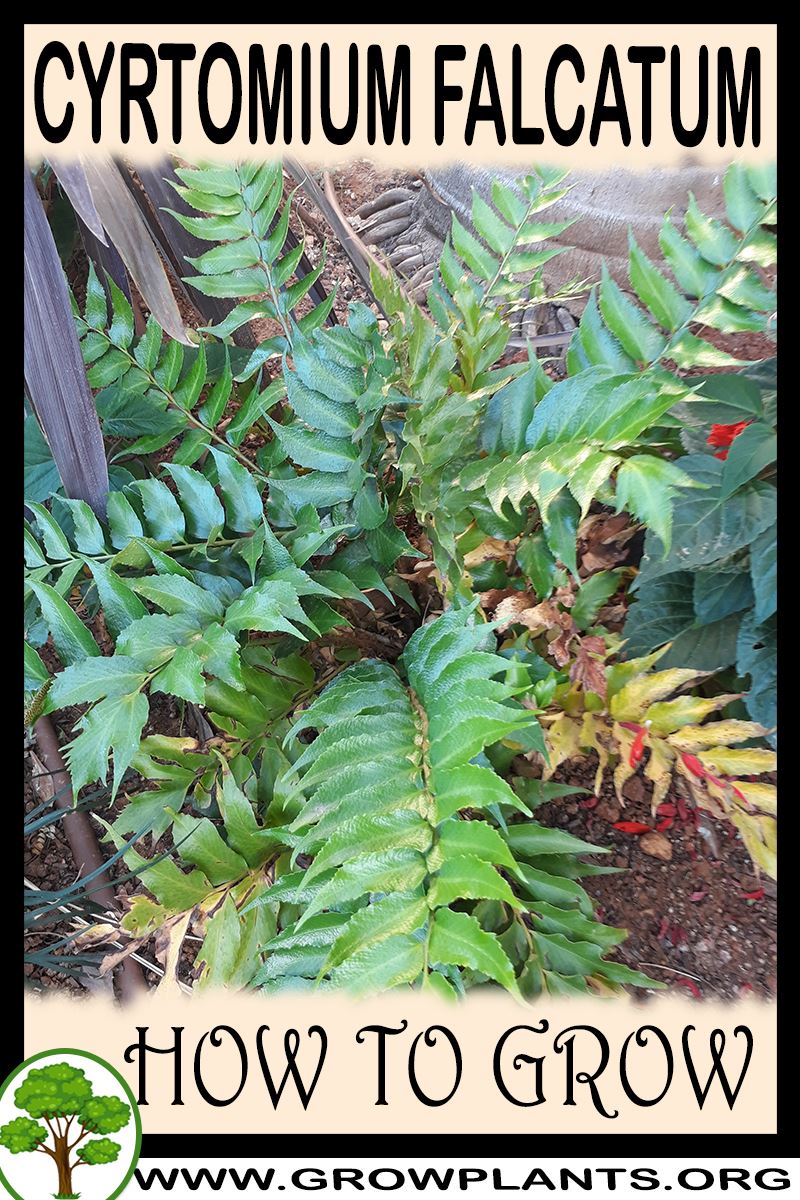
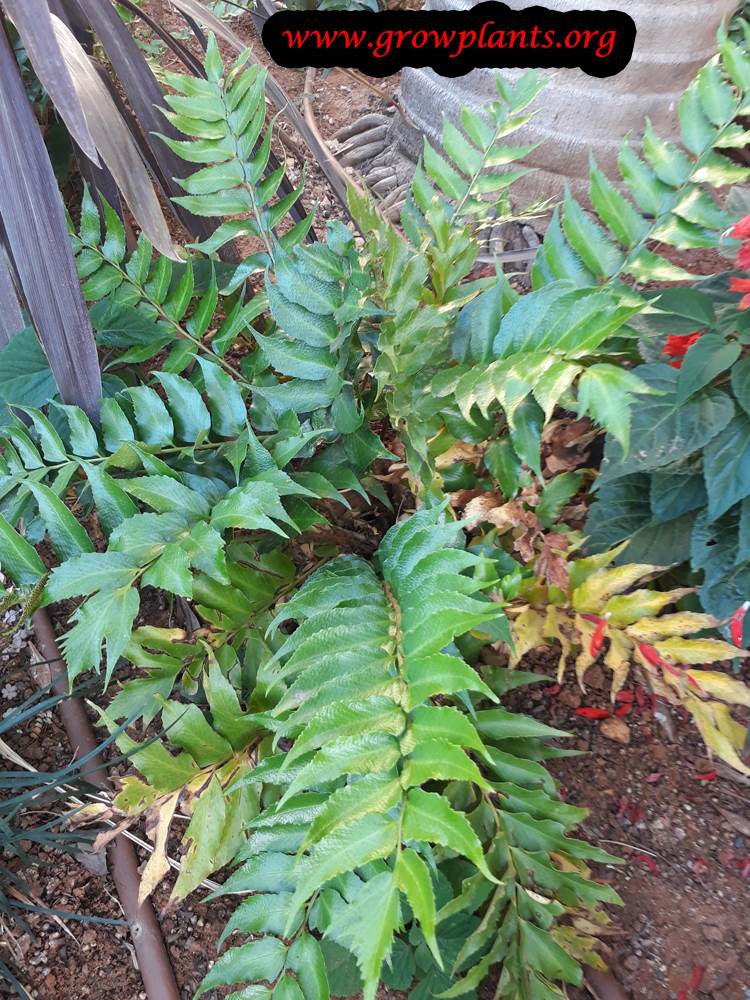
Overview: The Japanese holly fern is an evergreen (to deciduous) fern 40-60 cm (16-24 in) tall, with glossy, leathery, holly-like fronds. It is grown as an ornamental groundcover and shade plant, and does well in containers and indoors.
Quick Specifications
| Specification | Attribute |
|---|---|
| Plant Type / Life Cycle | Perennial (evergreen fern) |
| Foliage Type | Evergreen (deciduous in colder areas) |
| Mature Size | 40-60 cm (16-24 in) tall |
| Growth Rate | Moderate to fast |
| Root System | Rhizomatous |
| Hardiness | USDA zones 6-10 |
Growth Form & Structure
- Height & Spread: 40-60 cm tall; well suited to shady borders, containers and indoor use.
- Growth Habit & Form: Clump-forming, spreading fern with arching pinnate fronds rising from a creeping rhizome.
- Lifespan & Maturity: Moderately fast to establish, forming a spreading clump.
Anatomy & Physical Features
- Leaves & Foliage: Green, glossy, leathery fronds divided into holly-like elliptic leaflets in a pinnate arrangement.
Primary Uses & Landscape Value
- Functional & Ornamental Roles: Ornamental evergreen groundcover for shade, and a container and house plant.
Care Guide: Planting, Soil & Watering
Overview: Japanese holly fern is a shade-loving fern that grows best in part to full shade and moist, humus-rich, well-draining soil. It likes to stay consistently moist and enjoys humidity.
Quick Care Requirements
| Requirement | Ideal Condition |
|---|---|
| Planting Season | Spring to summer |
| Growth Rate | Moderate to Fast |
| Soil Type | Moist, humus-rich, well-draining soil |
| Water Need | Moderate to High – keep evenly moist, do not let it dry out |
Planting & Establishment
- Best Planting Season: plant in spring to summer once the soil has warmed, in a shaded, sheltered spot.
- How to Plant:
- Hole Preparation: dig a hole as deep as the root ball and a little wider.
- Soil Amendments: work in compost or leaf mould to build the moisture-holding humus ferns prefer.
- Planting Depth: set the crown level with the soil surface – do not bury it.
- Growth Speed & Expectations: moderate to fast, forming a clump about 40–60 cm across.
Soil, Watering & Drainage Care
- Soil Mix & Drainage Needs: humus-rich, moisture-retentive soil that still drains – never waterlogged. In containers or indoors use a quality potting mix.
- Watering Schedule & Technique:
- Young / Newly Planted: keep the soil consistently moist while the fern establishes.
- Established: water regularly so it never dries out fully, and more often in heat.
- Seasonal Adjustments: water less in cool weather; mist or raise humidity in dry air.
Climate, Light & Hardiness
Cyrtomium falcatum (Japanese holly fern) is an evergreen-to-deciduous fern of temperate, subtropical, and Mediterranean climates, hardy across USDA zone 6–10 – notably more cold-tolerant than most of the other ferns in this dataset. It grows in half shade to full shade with consistent moisture and humidity.
Quick Climate Specifications
| Climate Zones | temperate, subtropical, or Mediterranean climates |
|---|---|
| USDA Hardiness Zones | 6–10 |
| Optimal Temp Range | cool-to-warm temperate conditions with adequate shade and moisture |
| Cold Damage Begins | fronds can be damaged by hard freezes; foliage may die back to the rootstock in the coldest parts of its range |
| Approx. Survival Minimum | established plants typically tolerate brief cold consistent with zone 6, roughly −23 to −18°C (−10 to 0°F) |
| Frost Tolerance | Moderate |
| Light Conditions | Half Shade / Full Shade |
| Wind Tolerance | Low |
Sunlight & Light Exposure
Optimal Light Setup
Half shade to full shade suits it best; too much direct sun scorches the fronds.
Shade & Heat Management
Handles warm summer shade well with average to generous water; avoid hot, dry, exposed spots.
Best Exposure/Orientation
A shaded woodland-type or building-shaded position, indoors or out.
Temperature Extremes & Hardiness
USDA Hardiness & Regional Limits
Hardy across zones 6–10, giving it a genuinely temperate cold tolerance uncommon for a fern of this appearance – considerably hardier than most tender tropical/subtropical ferns in this group.
Cold Damage & Winter Protection
At the cooler end of its range, expect fronds to die back in hard freezes, with new growth returning from the rootstock in spring; mulch protects the crown through winter.
Frost Sensitivity
Moderate; more frost-tolerant than typical houseplant ferns, but foliage still suffers in a hard freeze.
Extreme Heat Tolerance
Good in shade with average to generous moisture; less tolerant of hot, direct sun.
Wind, Humidity & Microclimate
Humidity Preferences
High; the site data lists moisture and humidity as core care needs.
Dry-Air Tolerance
Fair to poor; benefits from consistent humidity, though it is somewhat more resilient than the more tender tropical ferns in this group.
Wind Tolerance
Low; a shaded fern not adapted to strong, drying wind.
Rainfall & Seasonal Moisture
Adapted to consistently moist conditions typical of shaded temperate and subtropical sites.
Microclimate Recommendations
A shaded, humid, wind-sheltered microclimate; at the cold edge of its range, a position with some overhead protection reduces winter frond damage.
Growing in Pots, Balconies & Indoors
The holly fern (Cyrtomium falcatum) (40-60 cm (16-24 in)) is a fine houseplant and container plant – the grower rates it Yes for both. Ferns generally do better in the shelter and steady moisture of a pot than in the open garden, thriving in shade and humidity where flowering plants would struggle. The holly fern is unusually tough and shade-tolerant, forgiving of drier indoor air than most.
Quick Details
- Container Size: A small-to-medium pot; it stays compact and enjoys being snug
- Indoor Suitability: A good houseplant for bright, indirect light
- Best Spot: Shade to dappled light – bright but indirect; keep out of harsh midday sun
- Soil & Drainage: Humus-rich, moisture-retentive but free-draining mix
- Watering in Pots: Generous and steady – never let the rootball dry out, but avoid standing water
Indoors & On the Windowsill
- As a houseplant: Give it bright, indirect light (an east or north window, or a bright bathroom), steady warmth and, above all, humidity – mist it, group it with other plants or stand it on a damp pebble tray, as dry indoor air browns the fronds.
- Watering: Keep the mix evenly moist at all times; a fern that dries out sheds its fronds quickly.
- Overwintering: Tender maidenhairs are happiest indoors year-round in cold climates – keep them warm and humid and out of cold draughts.
- Pet-friendly: True ferns like this are non-toxic, making them a safe choice around children and pets.
On a Balcony or Patio
- Light & shelter: Give it a shaded, sheltered corner – direct sun scorches the fronds and wind and dry air crisp them. It suits a shady balcony where sun-lovers fail.
- Moisture: Pots dry fast outdoors, so check often in warm weather and keep the fern out of drying draughts.
Choosing the Pot, Soil & Long-Term Care
- Pot & drainage: Strong drainage holes so it stays moist but never waterlogged; a saucer is useful here to keep humidity, but tip away any water that stands more than a day.
- Potting mix: A humus-rich, moisture-retentive but free-draining mix – peat or coir with perlite and a little leaf mould – so it stays evenly damp without going sour.
- Feeding: Ferns are light feeders; a weak, diluted balanced feed now and then through the growing season is plenty, as frequent watering washes nutrients from the mix.
- Repotting & dividing: Refresh the mix and pot up (or split congested clumps) about every couple of years to keep the fronds full.
Fertilizing & Feeding
A light feeder: this fast-growing holly fern, grown indoors or outdoors as a ground cover, is like most ferns sensitive to fertilizer buildup, so a diluted balanced feeding through active growth is enough.
Quick Fertilizing Specs
| Feeding Level | Light feeder |
|---|---|
| Main Nutrient Priority | Balanced feeding with adequate nitrogen to support its faster flush of glossy, pinnate fronds |
| Best Feeding Period | Spring through the warm active growing season |
| Organic Options | A moist, humus-rich mix does most of the work; light compost top-dressing is optional |
| Reduce/Stop Feeding | Hold off feeding right after repotting and again once growth slows in low light or cooler months |
| Micronutrients | Iron and manganese are commonly included in a complete houseplant fertilizer; correct other issues only when diagnosed |
| Soil pH | Prefers a consistently moist, humus-rich mix |
Feeding by Growth Stage
Establishment after planting or repotting
Let fresh roots settle into moist, humid soil, whether in a container or as ground cover, without fertilizer stress.
| Nutrient direction | None – withhold fertilizer while the fern settles into its new soil. |
|---|---|
| Timing | The first weeks after planting or repotting. |
| Frequency | No feeding at this stage; resume once fresh new fronds confirm the roots have settled in. |
| Fertilizer types | No feeding at this stage; do not fertilize until new frond growth confirms the roots have settled in. |
| Precautions | Do not fertilize freshly disturbed roots; ferns are especially prone to fertilizer burn right after transplanting. |
Active growth
Support its relatively quick flush of glossy, elliptic-leafleted fronds through spring and summer.
| Nutrient direction | A diluted, balanced fertilizer with adequate nitrogen supports fresh frond growth without overwhelming sensitive roots. |
|---|---|
| Timing | Through spring and summer while conditions stay warm, humid, and partly to fully shaded. |
| Frequency | An occasional light feeding is enough, even for this comparatively fast-growing fern. |
| Fertilizer types | A diluted, balanced complete fertilizer formulated for foliage or houseplants |
| Routine trace nutrients | iron, manganese |
| Precautions | Always dilute below label strength, and keep soil consistently moist while feeding since this fern also tolerates a fair amount of water. |
Low-light or slow-growth period
Let the fern coast through low light, cooler weather, or its winter pruning period without pushing new growth it can’t support.
| Nutrient direction | None – withhold fertilizer while growth is slow or stalled. |
|---|---|
| Timing | During autumn and winter, or any period of visibly slowed frond production. |
| Frequency | No feeding during this slowdown; resume only when active frond growth clearly returns. |
| Fertilizer types | No feeding at this stage; hold off fertilizing until active growth resumes. |
| Precautions | Withhold fertilizer now; feeding a fern that isn’t actively growing raises the risk of salt buildup and root damage. |
Nutrient Deficiency Signs & Corrections
Older fronds fade to pale green or yellow and the usually quick flush of new fronds slows.
| Possible causes | low available nitrogen in the potting mix or garden soil, nitrogen leaching from a moisture-loving mix that’s watered often, soil or mix that hasn’t been fed or refreshed in a long time |
|---|---|
| Appears first on | older, lower fronds |
| What to check | recent feeding history, how long since the mix or bed was refreshed, watering frequency and drainage |
| Possible correction | Apply a diluted, balanced fertilizer with adequate nitrogen and refresh the mix or soil if it’s depleted. |
New fronds emerge pale yellow while the veins remain distinctly green.
| Possible causes | hard, alkaline tap water shifting the mix away from the fern’s preferred range, waterlogged or poorly aerated roots given how much water this species tolerates, a mix or garden soil that has drifted alkaline over time |
|---|---|
| Appears first on | newest fronds |
| What to check | water source and mineral content, drainage and root health, whether new growth or old growth is affected first |
| Possible correction | Switch to rainwater or filtered water where possible and apply a chelated iron product per its label if needed. |
Frond tips and margins brown and crisp even with regular watering.
| Possible causes | fertilizer salts accumulating in a container or bed with limited drainage, feeding at full label strength, which most ferns cannot tolerate, under-watering that concentrates salts between waterings |
|---|---|
| Appears first on | frond tips and margins |
| What to check | recent fertilizer strength and frequency, watering consistency, container or bed drainage |
| Possible correction | Stop feeding, flush the mix thoroughly with plain water, then resume with a much more diluted feeding. |
Pruning, Training & Seasonal Maintenance
Cyrtomium falcatum (Japanese holly fern) is evergreen in the milder parts of its zone 6-10 range but can suffer frost damage further north, where it behaves more as a deciduous plant. Pruning here is purely cosmetic — source data describes it as done ‘just for design’ — since fronds are otherwise long-lasting and the plant is not managed for flowering (ferns do not flower). The safest window is autumn into winter, tidying the clump before its fast-to-medium spring growth flush rather than removing living tissue during active growth.
Quick Pruning & Maintenance Specs
| Pruning Tolerance | Low (grooming only) |
| Primary Pruning Window | Autumn-Winter |
| Typical Frequency | A seasonal tidy is usually enough, given the fast-to-medium growth that refills the clump |
| Main Objective | Appearance/design — remove tattered, frost-damaged, or discolored fronds |
| Young Plant Priority | None — allow full frond development |
| Mature Plant Priority | Seasonal removal of outer, declining fronds to keep the clump neat |
| Best Tool Type | Precision snips |
Pruning by Plant Age & Size
Newly Established
No pruning — let the plant fill in.
Young / Formative
No structural training needed; this is a clump-forming rosette fern, not a plant trained to a framework.
Mature / Established
An annual autumn/winter tidy of tattered or frost-marked fronds is enough; because growth is fast-to-medium, the 40-60 cm clump replaces removed fronds quickly.
Seasonal Pruning Schedule
| Stage | Dormant / Winter (Autumn-Winter) |
| Objective | Refresh appearance ahead of spring |
| What to remove | Tattered, discolored, or frost-damaged fronds |
| What NOT to remove | Healthy, glossy, holly-like fronds still contributing to the clump’s fullness |
| Expected response | Fast-to-medium regrowth fills gaps by the next growing season |
| Flowering impact | None — ferns do not flower |
Special Growth to Remove
Old or weather/frost-damaged fronds, cut at the base.
Container & Small-Space Pruning
This species suits pots, planters, and indoor growing in half to full shade. In containers, groom spent fronds promptly, since the clump’s fast-to-medium growth in a confined root zone benefits from not carrying dead weight; keep humidity and moisture up rather than compensating with heavier pruning.
Tools
Precision snips for individual frond removal.
Tool Hygiene & Disease Risk
Routine — clean, sharp tools are sufficient; no specific pathogen is documented for this species, but avoid leaving frond stubs in the moist, humid conditions it prefers, since stubs can rot.
Cut Placement & Technique
Remove each frond at its base near the crown/rhizome, not partway up the stipe, for a clean appearance and to avoid stub rot.
Heavy Pruning & Rejuvenation
Not a standard practice for this species. Because growth is fast-to-medium and fronds persist well, there is no dormant hard-cutback tradition here; if frost has damaged the clump, remove only the dead fronds and let the fast regrowth rate refill it rather than cutting the whole clump to the ground pre-emptively.
Post-Pruning Care
Keep soil moist and humidity up afterward, matching this species’ baseline requirement; no extra feeding is needed purely for light grooming.
Common Pruning Mistakes
- Removing fronds purely for appearance while they are still green and functional
- Cutting mid-crown instead of at the frond base, leaving unsightly stubs
When NOT to Prune
Avoid removing fronds during the active spring/summer growth flush unless they are genuinely damaged — healthy fronds on this species are otherwise long-lasting.
Recommended Tools (by task)
- precision_snips — clean single-frond removal for a fern with leathery but non-woody stipes
Propagation Guide
Cyrtomium falcatum spreads by rhizomes and is best increased by rhizome division, which the site marks as the necessary (recommended) propagation method for this ground-cover fern. Division gives an easy, reliable route to new plants that establish quickly given this fern’s fast-to-medium growth rate.
Quick Propagation Specs
| Best Propagation Method | Rhizome division |
| Propagation Difficulty | Easy |
| Best Propagation Season | Spring or summer |
| Time Until Division Establishes | A few weeks under warm, humid conditions |
Division, Offsets, Pups & Suckers
Dig up an established clump and cut or pull apart the creeping rhizome into sections, making sure each section carries healthy roots and at least one growing point/frond cluster. Because this species spreads as ground cover, well-rooted rhizome sections separate readily; pot up or replant divisions in spring or summer and keep them consistently moist (average to heavy watering) in half to full shade until new growth confirms establishment.
Pests, Diseases & Troubleshooting
Overview: Japanese holly fern (Cyrtomium falcatum) is a tough, leathery-leaved fern that is more resilient than most ferns but still prone to the classic fern pests – scale, mealybugs and foliar nematodes – and to rot in soggy soil. A crucial point is that ferns are sensitive to many pesticides, so oils and soaps must be used cautiously and tested first. Management is cultural: humid but airy conditions, careful watering, and gentle hand-removal of pests.
Quick Troubleshooting Overview
| Issue / Pest | Main Symptom | Primary Solution |
|---|---|---|
| Scale insects | Brown or dark bumps along fronds and midribs; honeydew | Scrape off; dilute horticultural oil (test first); repeat |
| Mealybugs | White cottony masses in crowns and frond bases | Alcohol swab; gentle soap spray; isolate |
| Foliar nematodes | Dark bands between frond veins; sections die | Remove affected fronds; avoid wetting foliage; discard if severe |
| Root rot | Yellowing, wilting, mushy crown in soggy soil | Improve drainage; water less; repot into fresh mix |
| Leaf scorch | Brown, bleached patches from direct sun/dry air | Move to shade; raise humidity; trim damaged fronds |
Common Pests & Management
- Fern scale (Pinnaspis aspidistrae):
- Symptoms: Elongate white male scales and pear-shaped brown female scales encrust the frond undersides and midribs, sapping vigour, yellowing fronds and dropping honeydew that turns sooty; a very common fern pest.
- Prevention & Control: Scrape or wipe off by hand, remove badly infested fronds, and use a dilute horticultural oil or insecticidal soap cautiously – test on a frond first, as ferns can be sensitive – repeating every one to two weeks; isolate affected plants.
- Brown soft scale (Coccus hesperidum):
- Symptoms: Flat brown oval scales along the stems and frond veins, leaving sticky honeydew and sooty mould and weakening the plant.
- Prevention & Control: Same approach as fern scale – physical removal plus cautious, tested oil or soap; encourage parasitic wasps in greenhouse settings.
- Mealybugs (Pseudococcus species):
- Symptoms: White cottony masses gather in the crown, frond bases and among new growth, and sometimes on the roots, sucking sap and dropping honeydew.
- Prevention & Control: Dab with an alcohol swab, spray a gentle (tested) insecticidal soap, check the root zone if plants decline, and isolate until clean.
- Foliar (leaf) nematodes (Aphelenchoides species):
- Symptoms: Dark brown to black bands and blotches appear between the frond veins, giving a blocky pattern, and affected sections die; the microscopic worms swim in films of water on wet foliage.
- Prevention & Control: Remove and destroy affected fronds, avoid overhead watering and keep foliage dry, space plants apart, and discard heavily infested plants since there is no easy cure.
- Aphids and thrips (various species):
- Symptoms: Occasionally aphids cluster on soft new croziers, and thrips cause silvery flecking; usually minor on this tough fern.
- Prevention & Control: Rinse off aphids with water, use a gentle tested insecticidal soap, and monitor thrips with sticky traps; rarely needs more.
- Slugs and snails (various species):
- Symptoms: In damp shaded conditions they rasp holes in the fronds and graze soft new growth, leaving slime trails.
- Prevention & Control: Hand-pick after dark, remove damp hiding places, use copper barriers on pots, and use iron-phosphate bait sparingly.
Diseases & Fungal Issues
- Root and crown rot (Pythium / Rhizoctonia species):
- Symptoms: In waterlogged or poorly drained soil the roots and crown turn brown and mushy, fronds yellow, wilt and collapse; the commonest way to lose this fern.
- Treatment & Management: Use a free-draining, humus-rich mix, never let the pot stand in water, water only when the surface begins to dry, and remove rotted material – repot into fresh mix if the crown is still sound.
- Fungal and bacterial leaf spot (Cylindrocladium / Pseudomonas species):
- Symptoms: Brown or black spots and blotches on the fronds, sometimes with yellow halos, in humid, crowded, wet conditions.
- Treatment & Management: Remove spotted fronds, improve airflow and spacing, keep water off the foliage, and use a copper fungicide only if necessary and after testing tolerance.
- Sooty mould (Capnodium species):
- Symptoms: Black sooty coating on fronds growing on the honeydew left by scale and mealybugs, blocking light rather than infecting tissue.
- Treatment & Management: Control the underlying scale or mealybug, then wipe the fronds clean; the mould disappears once the honeydew source is gone.
Growing Difficulties & Abiotic Problems
- Leaf scorch and brown tips:
- Cause & Symptoms: Direct hot sun, dry air or salt build-up bleaches and browns patches and frond tips on this shade-loving fern.
- Correction Strategy: Grow in bright indirect light or dappled shade, raise humidity, flush salts periodically, and trim scorched fronds.
- Cold damage:
- Cause & Symptoms: Though hardier than many ferns, hard frost browns and kills the fronds and can damage the crown.
- Correction Strategy: Shelter or mulch in cold climates, keep container plants above freezing, and cut back damaged fronds so fresh croziers can emerge.
- Pesticide sensitivity:
- Cause & Symptoms: Ferns can be burned by oils, soaps and some pesticides, showing brown scorched patches after spraying.
- Correction Strategy: Always test any spray on a single frond first, use dilute rates, avoid spraying in heat or strong light, and prefer physical pest removal where possible.
What Helps – Products & Tools
Favour physical removal – scraping scale, swabbing mealybugs and cutting off infested fronds – because ferns are sensitive to sprays. When needed, use dilute horticultural oil or insecticidal soap after testing on one frond, iron-phosphate bait for slugs, and a cautious copper fungicide for leaf spot. Good drainage and humidity prevent most problems. Apply any spray in the evening, at low rates, and follow the label.