Plant Profile & Key Characteristics
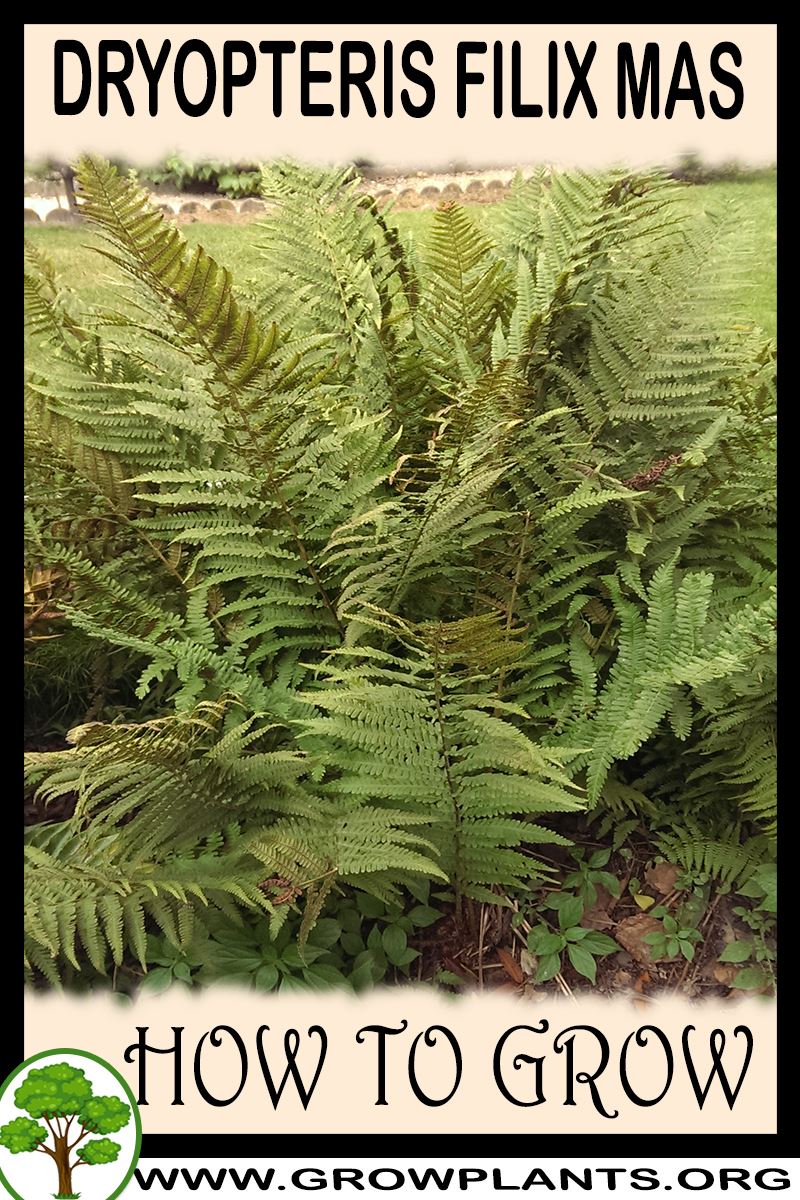
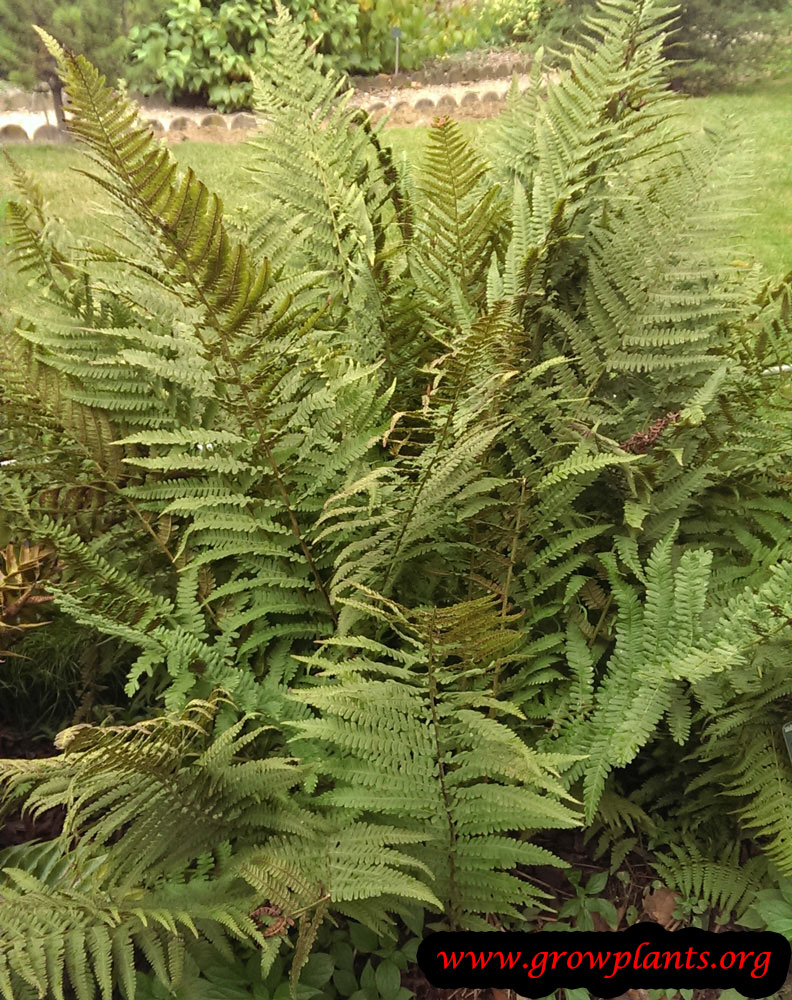
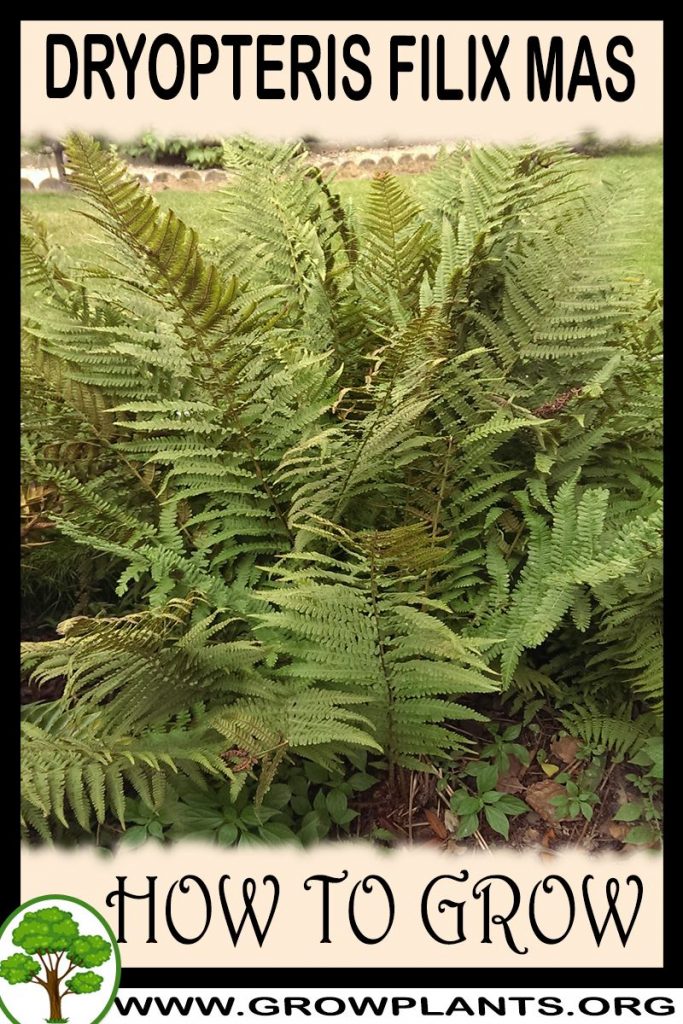
Overview: A robust perennial fern with bright green, twice-divided fronds forming a shuttlecock-like clump 1-1.7 m (3-5.5 ft) tall. Evergreen in mild winters but cold-deciduous where hard frosts occur, grown as an ornamental foliage plant for shade.
Quick Specifications
| Specification | Attribute |
|---|---|
| Plant Type / Life Cycle | Perennial (fern) |
| Foliage Type | Evergreen to cold-deciduous |
| Mature Size | 1-1.7 m tall (3-5.5 ft) |
| Growth Rate | Moderate to fast |
| Root System | Rhizomatous crown with fibrous roots |
| Toxicity | Rhizome is toxic if ingested |
| Hardiness | USDA zones 2-10 |
Growth Form & Structure
- Height & Spread: 1-1.7 m (3-5.5 ft) tall in the ground, forming a spreading clump; readily kept more compact in a large container or as a houseplant.
- Growth Habit & Form: Clump-forming fern; fronds emerge as croziers from a central rhizomatous crown and arch outward into a vase shape.
- Lifespan & Maturity: Long-lived perennial that fills out its clump over a few seasons; non-flowering, reproducing by spores.
Anatomy & Physical Features
- Leaves & Foliage: Green, bi-pinnate (twice-divided) fronds with a soft, feathery texture, arranged in a symmetrical rosette.
Primary Uses & Landscape Value
- Functional & Ornamental Roles: Ornamental shade and woodland plant for borders, damp corners and containers; also grown indoors as a foliage houseplant.
Care Guide: Planting, Soil & Watering
Overview: Male fern (Dryopteris filix-mas) is a hardy shade-loving fern (hardiness zone 2–10) that thrives in cool, humid conditions and moist, humus-rich soil. Keep the soil consistently moist and it will grow lush in full shade where many plants struggle.
Quick Care Requirements
| Requirement | Ideal Condition |
|---|---|
| Planting Season | Spring to summer |
| Growth Rate | Fast to Moderate |
| Soil Type | Rich, humus-rich soil that stays moist yet drains freely |
| Water Need | Moderate to High — keep the soil evenly moist, never bone-dry |
Planting & Establishment
- Best Planting Season: Plant in spring or summer once the ground has warmed, choosing a cool, shaded, sheltered spot.
- How to Plant:
- Hole Preparation: Dig a hole wider than the root ball and loosen the surrounding soil so young roots spread easily.
- Soil Amendments: Work in plenty of compost or leaf mould to enrich the soil and hold moisture while still draining.
- Planting Depth: Set the crown level with the soil surface — don’t bury it, or it may rot.
- Growth Speed & Expectations: Fast to moderate in good conditions, forming a substantial clump of fronds.
Soil, Watering & Drainage Care
- Soil Mix & Drainage Needs: Use rich, organic, moisture-retentive soil that still drains — ferns like damp ground but not standing water. A mulch of leaf mould helps lock in moisture.
- Watering Schedule & Technique:
- Young / Newly Planted: Water regularly to keep the soil constantly moist while the fern establishes.
- Established: Continue watering so the soil never fully dries; humidity and cool shade keep the fronds fresh.
- Seasonal Adjustments: Reduce watering in autumn and winter as growth slows and the plant may die back.
Climate, Light & Hardiness
Dryopteris filix mas (male fern) is an exceptionally cold-hardy fern of temperate, Mediterranean, and subtropical climates that can also be grown as a houseplant, hardy across an unusually wide USDA zone 2–10 range. Unlike most of the other ferns in this dataset, it actually benefits from a genuinely cold winter and full shade with consistent moisture.
Quick Climate Specifications
| Climate Zones | temperate, Mediterranean, or subtropical climates; also grown as a houseplant |
|---|---|
| USDA Hardiness Zones | 2–10 |
| Optimal Temp Range | cool-to-warm temperate conditions with a distinct cold winter dormancy |
| Cold Damage Begins | fronds die back to the crown each winter in the colder part of its range; this is normal seasonal behavior rather than damage |
| Approx. Survival Minimum | the crown/rootstock typically survives briefly to around −40 to −45°C (−40 to −50°F), consistent with zone 2 |
| Frost Tolerance | Very High (crown/rootstock) / Low (unprotected fronds) |
| Light Conditions | Full Shade |
| Wind Tolerance | Low |
Sunlight & Light Exposure
Optimal Light Setup
Full shade; a woodland-floor or building-shaded position suits it best.
Shade & Heat Management
Handles warm-season shade well with average to generous water; not suited to hot, dry, sun-exposed sites.
Best Exposure/Orientation
A cool, shaded, moist woodland-type position, indoors or out.
Temperature Extremes & Hardiness
USDA Hardiness & Regional Limits
Hardy across an unusually wide zone 2–10 range – the most cold-hardy fern in this dataset by a clear margin, comfortable in severe continental winters as well as milder Mediterranean and subtropical climates.
Cold Damage & Winter Protection
The site data notes it actually wants a cold winter; fronds naturally die back in cold climates and the crown re-sprouts in spring, needing no winter protection.
Frost Sensitivity
The crown/rootstock is extremely cold-hardy; only unprotected fronds in the open are frost-sensitive, and that die-back is a normal seasonal pattern rather than plant loss.
Extreme Heat Tolerance
Moderate; tolerates warm-temperate and subtropical summers in shade with adequate moisture, but is not a heat specialist.
Wind, Humidity & Microclimate
Humidity Preferences
High; the site data lists humidity alongside cold winters as a core requirement.
Dry-Air Tolerance
Fair; prefers consistent humidity but is generally more resilient than tender tropical ferns given its temperate origins.
Wind Tolerance
Low; a shaded woodland fern not adapted to strong, drying wind.
Rainfall & Seasonal Moisture
Adapted to consistently moist temperate woodland conditions.
Microclimate Recommendations
A cool, shaded, humid, wind-sheltered microclimate; its exceptional cold hardiness means no special winter protection is needed even in severe-winter climates.
Growing in Pots, Balconies & Indoors
The male fern (Dryopteris filix-mas) (1-1.7 m (40-68 in)) is a fine houseplant and container plant – the grower rates it Yes for both. Ferns generally do better in the shelter and steady moisture of a pot than in the open garden, thriving in shade and humidity where flowering plants would struggle. It is a big, hardy fern – happy in a shady bed or a roomy pot, indoors or out.
Quick Details
- Container Size: A medium tub – it is a larger fern
- Indoor Suitability: A good houseplant for bright, indirect light
- Best Spot: Shade to dappled light – bright but indirect; keep out of harsh midday sun
- Soil & Drainage: Humus-rich, moisture-retentive but free-draining mix
- Watering in Pots: Generous and steady – never let the rootball dry out, but avoid standing water
Indoors & On the Windowsill
- As a houseplant: Give it bright, indirect light (an east or north window, or a bright bathroom), steady warmth and, above all, humidity – mist it, group it with other plants or stand it on a damp pebble tray, as dry indoor air browns the fronds.
- Watering: Keep the mix evenly moist at all times; a fern that dries out sheds its fronds quickly.
- Overwintering: This one is fairly hardy and can summer outdoors in shade; in cold areas a potted plant can shelter over winter, though it may die back and reshoot.
- Safety: The male fern’s rhizome is toxic if eaten – keep it away from children and pets and site it where it won’t be nibbled.
On a Balcony or Patio
- Light & shelter: Give it a shaded, sheltered corner – direct sun scorches the fronds and wind and dry air crisp them. It suits a shady balcony where sun-lovers fail.
- Moisture: Pots dry fast outdoors, so check often in warm weather and keep the fern out of drying draughts.
Choosing the Pot, Soil & Long-Term Care
- Pot & drainage: Strong drainage holes so it stays moist but never waterlogged; a saucer is useful here to keep humidity, but tip away any water that stands more than a day.
- Potting mix: A humus-rich, moisture-retentive but free-draining mix – peat or coir with perlite and a little leaf mould – so it stays evenly damp without going sour.
- Feeding: Ferns are light feeders; a weak, diluted balanced feed now and then through the growing season is plenty, as frequent watering washes nutrients from the mix.
- Repotting & dividing: Refresh the mix and pot up (or split congested clumps) about every couple of years to keep the fronds full.
Fertilizing & Feeding
This is a light-feeding woodland fern that thrives on humidity and cool, humus-rich soil. Feeding matters far less than soil quality and moisture, so keep any fertilizer use light.
Quick Fertilizing Specs
| Feeding Level | Light feeder |
|---|---|
| Main Nutrient Priority | Balanced feeding over an organic-matter-rich soil base; heavy nitrogen is not needed for good frond growth |
| Best Feeding Period | Active growing season, spring into summer |
| Organic Options | Leaf mold or compost worked into the soil as the main nutrient source, with light liquid feeding as a supplement only |
| Soil pH | Prefers slightly acidic to near-neutral, humus-rich soil; tolerates a range if moisture and drainage are good |
| Reduce/Stop Feeding | Taper off as autumn cooling sets in, and stop through winter while the plant is dormant or has died back |
Feeding by Growth Stage
Establishment After Planting
Help a newly planted male fern root into cool, humus-rich woodland-style soil during its first season.
| Nutrient direction | Focus on organic matter and consistent moisture rather than fertilizer; new roots benefit more from soil structure than from feeding. |
|---|---|
| Timing | The first growing season after planting, spring through summer. |
| Frequency | Feeding is rarely needed at this stage; a single light application is enough if the planting site is unusually poor. |
| Fertilizer types | Leaf mold or well-rotted compost worked into the planting hole and surrounding soil, A diluted, balanced liquid feed only if the soil is notably lean |
| Precautions | Skip fertilizer until new fronds show the plant has rooted in; fresh roots are sensitive to concentrated fertilizer salts. |
Active Growing Season
Support the unfurling of new fronds through the cool, moist growing season typical of this woodland species.
| Nutrient direction | A balanced, diluted feed keeps foliage full without forcing soft, floppy growth; keep applications light. |
|---|---|
| Timing | Spring into summer, while new fiddleheads and fronds are emerging. |
| Frequency | Light, infrequent feeding is usually enough; this is a naturally light-feeding fern. |
| Fertilizer types | A diluted, balanced liquid or granular fertilizer formulated for foliage plants, A compost top-dressing as an organic alternative |
| Precautions | Watch for fertilizer salt buildup, particularly in containers; flush the soil thoroughly if fronds show tip browning, and skip feeding on a plant under heat or drought stress. |
Dormant or Dieback Season
Let the plant rest through cold weather, when cold climates typically bring on frond dieback, without pushing unusable growth.
| Nutrient direction | None – withhold fertilizer once cold weather sets in or fronds die back. |
|---|---|
| Timing | Autumn through winter, or whenever fronds die back and growth visibly stops. |
| Frequency | No feeding at this stage. |
| Fertilizer types | No feeding at this stage; resume light feeding only once new fiddleheads emerge in spring. |
| Precautions | Do not fertilize during dieback or dormancy; wait for new fiddleheads to appear before feeding again. |
Nutrient Deficiency Signs & Corrections
Older, lower fronds turn pale green to yellow while newer fiddleheads look normal.
| Possible causes | Nitrogen or general nutrient deficiency in lean, leached soil, Iron chlorosis triggered by alkaline or compacted soil, Waterlogged roots limiting nutrient uptake, Excess heat or dry shade reducing overall vigor |
|---|---|
| Appears first on | Older, lower fronds first |
| What to check | Recent feeding history and soil richness, Soil drainage and compaction around the root zone, Whether the site is too warm or dry for a cool-woodland species, Whether newer fronds are also affected |
| Possible correction | Work compost into the soil to improve richness and drainage; if iron chlorosis is suspected in alkaline soil, correct pH and apply a chelated iron product per its label. |
Frond tips and margins turn brown and crisp while the rest of the leaf stays green.
| Possible causes | Fertilizer salt buildup from over-feeding, Low humidity or inconsistent watering, Heat stress from a site warmer than this species prefers |
|---|---|
| Appears first on | Frond tips and outer margins |
| What to check | How recently and heavily the plant was fed, Humidity and shade levels around the foliage, Watering consistency and soil drainage |
| Possible correction | Flush the soil thoroughly to move excess salts through, ease off feeding strength and frequency, and move or shade the plant if it is getting more heat than it tolerates well. |
The fern produces few new fronds and overall growth is noticeably slow through the growing season.
| Possible causes | Nutrient-poor soil lacking organic matter, Root crowding overdue for division, Insufficient shade or excess dryness for the species’ cool-woodland needs |
|---|---|
| Appears first on | New fiddlehead and crown production |
| What to check | Soil organic matter content, Root crowding at the base of the plant, Shade and moisture levels relative to the species’ preference |
| Possible correction | Work compost or other organic matter into the soil, divide the crown if roots are crowded, and adjust shade or moisture toward what this woodland species prefers. |
Pruning, Training & Seasonal Maintenance
Dryopteris filix-mas (male fern) is one of the larger ferns commonly grown as an ornamental, forming a substantial clump 1-1.7 m tall. In the colder part of its wide zone 2-10 range it dies back with frost, while staying evergreen in milder temperate or mediterranean conditions. Pruning is limited to removing old, spent fronds, most safely done in autumn into winter after they have finished their useful life and before the next spring’s growth. As a fern it does not flower, so pruning carries no bloom-timing consequence.
Quick Pruning & Maintenance Specs
| Pruning Tolerance | Moderate |
| Primary Pruning Window | Autumn-Winter |
| Typical Frequency | Annual tidy in cold-deciduous conditions, otherwise as needed |
| Main Objective | Remove old/spent fronds to keep the crown clean for the next flush |
| Young Plant Priority | None — let the young clump build size |
| Mature Plant Priority | Seasonal removal of old fronds, and a full cutback where winter kills the top growth |
| Best Tool Type | Bypass secateurs (older fronds and stipes on a plant this size are tougher than on snip-only ferns) |
Pruning by Plant Age & Size
Newly Established
No pruning; this species establishes readily from spores rather than needing division, so let a young clump build undisturbed.
Young / Formative
No structural training — this is a clump-forming fern gaining size, not a plant trained to a framework.
Mature / Established
At 1-1.7 m, older established clumps benefit from a full autumn/winter removal of old fronds, particularly where cold kills them back, to prevent a mat of collapsed dead foliage smothering the crown.
Seasonal Pruning Schedule
| Stage | Dormant / Winter |
| Objective | Clear old or frost-killed fronds before spring growth |
| What to remove | Old, spent, or frost-blackened fronds |
| What NOT to remove | Green, actively functioning fronds, especially on evergreen specimens in milder zones |
| Expected response | A fresh fiddlehead flush from the crown, aided by this species’ fast-to-medium growth rate |
| Flowering impact | None — ferns do not flower |
Special Growth to Remove
Old fronds cut back to the crown.
Container & Small-Space Pruning
This species suits pots and indoor growing in full shade. Because it is comparatively large (up to 1.7 m), a container will constrain its ultimate size more effectively than pruning should — keep frond removal to spent growth rather than trying to prune it smaller, since heading back a live frond mid-stipe just leaves a stub, not a compact plant.
Tools
Bypass secateurs for the tougher, more substantial stipes typical of this larger fern; precision snips are an option only on younger, smaller-stemmed growth.
Tool Hygiene & Disease Risk
Routine — clean, sharp tools are sufficient; no specific transmissible pathogen is documented for this species.
Cut Placement & Technique
Cut each frond at its base at the crown, not partway up the stipe.
Heavy Pruning & Rejuvenation
Tolerated. Where winter cold kills the fronds back, a full cutback of dead growth to the crown in late winter, before new fiddleheads emerge, is standard practice for this species and is well supported by its fast-to-medium growth rate. In evergreen/mild conditions, a hard cutback is optional and only needed for a tidy reset.
Post-Pruning Care
Maintain the average-to-big water this fern needs; no extra feeding is required purely for the pruning itself.
Common Pruning Mistakes
- Removing green, still-functional fronds prematurely
- Leaving frond stubs instead of cutting at the crown
- Using snips alone on this larger species’ tougher stipes, producing a crushed rather than clean cut
When NOT to Prune
Avoid cutting green fronds, and avoid disturbing the crown once new fiddleheads begin unfurling in spring.
Recommended Tools (by task)
- bypass_secateurs — clean cuts through this species’ comparatively thick, tough frond stipes at the crown
Propagation Guide
Dryopteris filix-mas (Male fern) can be started from spores, as this true species reproduces reliably from them – the site marks vegetative propagation as not necessary, unlike many cultivated ferns. In practice, dividing an established rhizome clump is the quicker, more reliable route for most home growers, while sowing spores is the more natural (if slower) alternative. Overall difficulty is easy by division and moderate by spores.
Quick Propagation Specs
| Best Propagation Method | Rhizome/crown division |
| Alternative Methods | Spores |
| Propagation Difficulty | Easy (division) / Moderate (spores) |
| Seed True-to-Type | Not applicable – propagated by spores, not seed; this true species reproduces true from spores |
| Best Propagation Season | Spring or summer |
| Time Until Division Establishes | A few weeks in cool, humid, shaded conditions |
Division, Offsets, Pups & Suckers
In spring or summer, lift an established plant and divide the rhizome/crown into sections that each carry roots and several fronds. This fern’s fast-to-medium growth rate helps divisions bulk up quickly; grow on in a full-shade position with average to heavy watering and cool, humid conditions consistent with its preference for a cold winter. Remove only old fronds, as the site’s own autumn/winter pruning of old leaves indicates.
Spores
Since vegetative propagation is not required for this species, mature spores from the frond undersides can be sown on a sterile, constantly moist medium under high humidity and low light. Germination and establishment are slow and can take a long time before young ferns are large enough to pot on, but because this is the straight species (not a named cultivar), spore-grown plants come true to type.
Pests, Diseases & Troubleshooting
Overview: The male fern is a hardy, tough wood fern with relatively few pests; its notable problems are scale and, most characteristically, foliar (leaf) nematode that bands the fronds, plus slugs and snails on soft new croziers. A critical point is that ferns are sensitive to insecticidal soaps and horticultural oils, which can scorch the fronds – so control leans hard on hygiene, hand-removal and careful watering rather than sprays.
Quick Troubleshooting Overview
| Issue / Pest | Main Symptom | Primary Solution |
|---|---|---|
| Foliar (leaf) nematode | Brown bands between frond veins, spreading up | Remove/destroy fronds; keep foliage dry |
| Scale insects | Brown/white bumps along frond stalks & undersides | Wipe/prune off; avoid harsh oils |
| Slugs & snails | Ragged holes; chewed emerging croziers | Hand-pick at night, traps, barriers |
| Mealybugs | White cottony fluff in crown & frond bases | Wipe off; isolate; gentle control |
| Crown / rhizome rot | Collapsing centre; mushy base in wet soil | Improve drainage; ease watering |
| Frond scorch | Browned, crisped fronds in dry sun/air | Shade, humidity, even moisture |
Common Pests & Management
- Foliar (leaf) nematode (Aphelenchoides spp.):
- Symptoms: The signature fern pest: microscopic nematodes swim in surface water films into the fronds, producing dark brown bands and blotches that are sharply limited by the leaf veins, typically starting on lower fronds and progressing upward; affected fronds shrivel and die. Distinguished from fungal spot by the vein-bounded banding.
- Prevention & Control: There is no easy spray – remove and destroy affected fronds promptly, avoid overhead watering and splashing that let nematodes swim between fronds, space plants for quick drying, and clear fallen debris. Isolate infected plants and do not propagate from them; badly affected clumps are best discarded.
- Scale insects (Diaspididae & Coccidae (incl. fern scale Pinnaspis aspidistrae)):
- Symptoms: Brown, tan or white elongate or oyster-shaped bumps along the frond stalks (stipes), midribs and undersides; sap-sucking yellows and weakens fronds, and soft scales leave honeydew and sooty mould. Fern scale shows pale male and darker female forms.
- Prevention & Control: Wipe or gently scrape scale off and prune out heavily infested fronds, and isolate new plants. Because ferns resent oils and soaps, use them only very dilute and spot-tested, if at all; physical removal and cutting back are safer, and beneficials help in a greenhouse.
- Slugs & snails (Gastropoda):
- Symptoms: Ragged holes and chewed edges in the fronds and, most damagingly, grazed or severed emerging croziers (fiddleheads) in spring, with slime trails on and around the plant, especially in damp shade.
- Prevention & Control: Hand-pick after dark, remove hiding places, and use beer traps, copper barriers or iron-phosphate slug pellets around the crown; keep mulch pulled back slightly from the base so croziers can emerge cleanly.
- Mealybugs (Pseudococcidae):
- Symptoms: White cottony masses in the crown, among the frond bases and along stalks, sap-sucking to yellow and weaken the fern, with honeydew; more of a problem on plants kept indoors or under glass.
- Prevention & Control: Wipe off colonies with a damp cloth or cotton bud, hose the plant, and isolate infested specimens; avoid harsh sprays on the sensitive fronds and rely on repeated physical removal and beneficials.
- Aphids (Aphidoidea):
- Symptoms: Occasional clusters of soft green insects on tender new croziers and frond tips, causing slight distortion and honeydew; usually minor on this fern.
- Prevention & Control: Rinse off with water and remove badly affected new fronds; tolerate small numbers for natural predators. Avoid soap sprays that can mark fern foliage.
Diseases & Fungal Issues
- Frond (leaf) spot & blight (Various fungi incl. Cylindrocladium / Taphrina):
- Symptoms: Brown to blackish spots and blotches on the fronds, sometimes with yellow halos, enlarging and merging in wet, humid, crowded conditions; distinguished from foliar nematode because fungal spots are rounded and not strictly bounded by veins.
- Treatment & Management: Improve air movement and spacing, water at the base to keep fronds dry, and remove and destroy spotted fronds and debris. Fungicides are rarely warranted; if used, choose a fern-safe product and spot-test first.
- Crown & rhizome rot (Pythium / Phytophthora / Rhizoctonia spp.):
- Symptoms: The centre of the clump collapses, croziers blacken and fail to expand, and the rhizome/base turns soft and brown – caused by waterlogged soil, planting too deep, or a constantly wet crown.
- Treatment & Management: Plant with the crown at soil level in humus-rich but well-drained ground, ease off watering, and improve drainage; remove rotted material and, if potted, repot into fresh, airier mix.
- Grey mould (Botrytis cinerea):
- Symptoms: Fuzzy grey mould on damaged, dead or congested fronds in cool, damp, still air, spreading into healthy tissue.
- Treatment & Management: Remove dead and damaged fronds, thin crowded clumps, and improve airflow; keep foliage dry. Good sanitation prevents it without fungicide.
Growing Difficulties & Abiotic Problems
- Frond scorch (dry air / sun / drought):
- Cause & Symptoms: Browned, crisped frond tips and margins, or whole fronds bleaching, when this shade-and-moisture-loving fern is exposed to direct sun, dry wind or drought; older fronds also brown naturally at season’s end.
- Correction Strategy: Site in dappled shade with consistent soil moisture and organic mulch, and shelter from drying wind; in dry indoor air raise humidity. Trim spent fronds at the base.
- Fertiliser / salt sensitivity:
- Cause & Symptoms: Brown scorched tips and margins from over-feeding or salt build-up – ferns are light feeders and easily burned by strong fertiliser.
- Correction Strategy: Feed sparingly with a dilute, balanced feed during active growth only, and flush pots occasionally to remove salts. Rely on rich, humusy soil more than heavy feeding.
- Soap/oil phytotoxicity (treatment injury):
- Cause & Symptoms: Yellow or brown scorched patches and damaged fronds appearing after insecticidal soap or horticultural-oil sprays, to which ferns are unusually sensitive.
- Correction Strategy: Prefer physical removal and sanitation for pests; if a spray is unavoidable, use it at reduced strength, test on a few fronds first, and keep it out of hot sun. Never spray a stressed, dry plant.
What Helps – Products & Tools
For the male fern the emphasis is gentle and cultural: hand-removal of scale and mealybug, slug barriers/traps and iron-phosphate pellets for slugs and snails, and strict frond sanitation for foliar nematode and leaf spot. Keep insecticidal soaps and horticultural oils to a minimum – ferns are prone to spray scorch – and if ever used, dilute and spot-test them first.