


Plant Profile & Key Characteristics
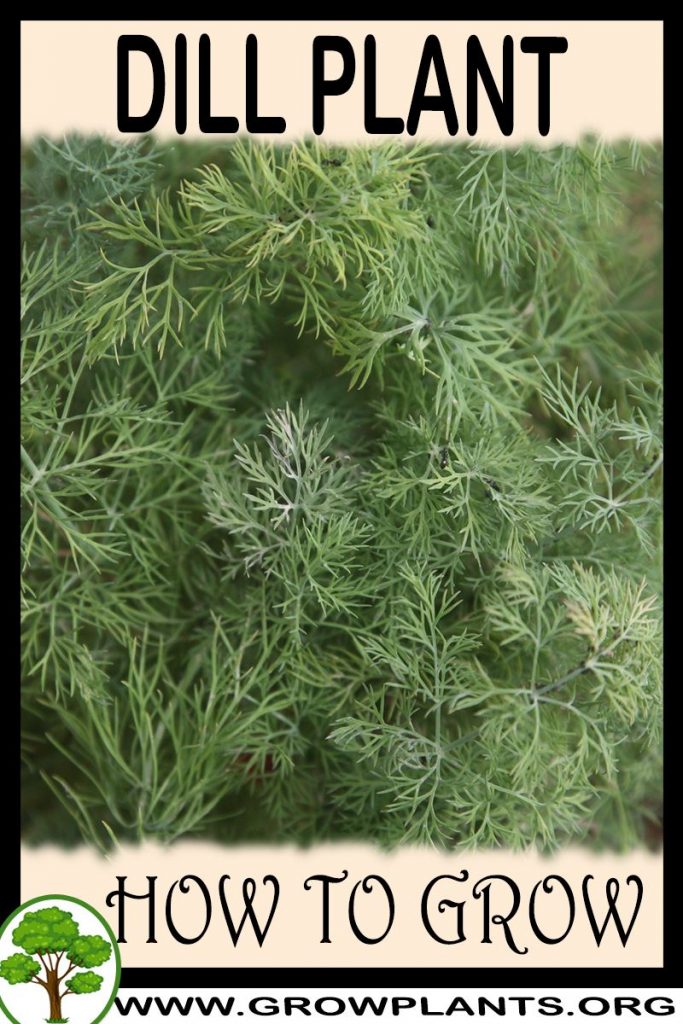
Overview: Dill is a fast-growing aromatic annual herb reaching 40-60 cm, with fine feathery foliage and flat yellow flower umbels. It is grown chiefly as a culinary herb for its fragrant leaves and edible seeds.
Quick Specifications
| Specification | Attribute |
|---|---|
| Plant Type / Life Cycle | Annual herb |
| Mature Size | 40-60 cm (16-24 in) tall; flower stalks over 70 cm (28 in) |
| Growth Rate | Fast to Moderate |
| Root System | Slender taproot |
| Toxicity | Non-toxic / edible culinary herb |
| Hardiness | USDA zones 3-8 (spring sowing), 8-11 (autumn sowing) |
Growth Form & Structure
- Height & Spread: 40-60 cm (16-24 in) of foliage, with hollow flower stalks rising above 70 cm (28 in); readily grown in a pot.
- Growth Habit & Form: Upright herbaceous annual with a single main stem branching into fine, thread-like foliage topped by umbels.
- Lifespan & Maturity: Completes its life cycle in one season, going quickly from leaf to flower to seed.
Anatomy & Physical Features
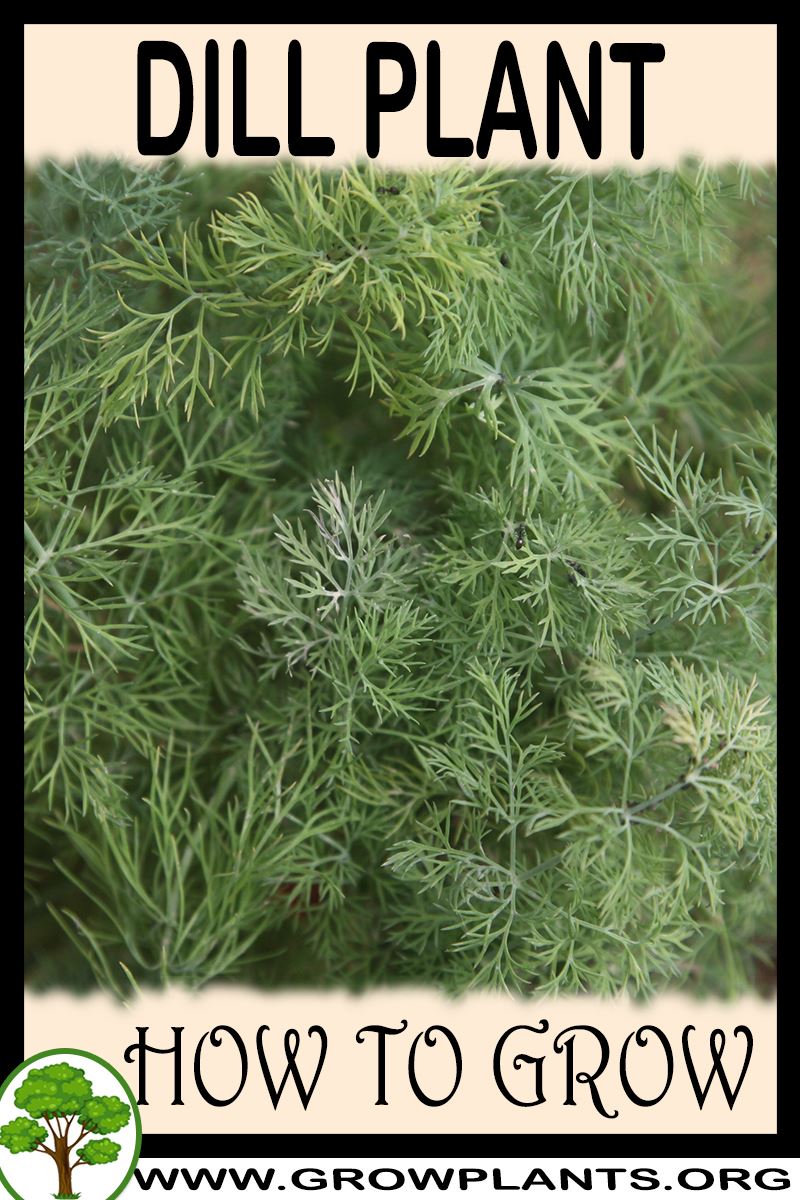
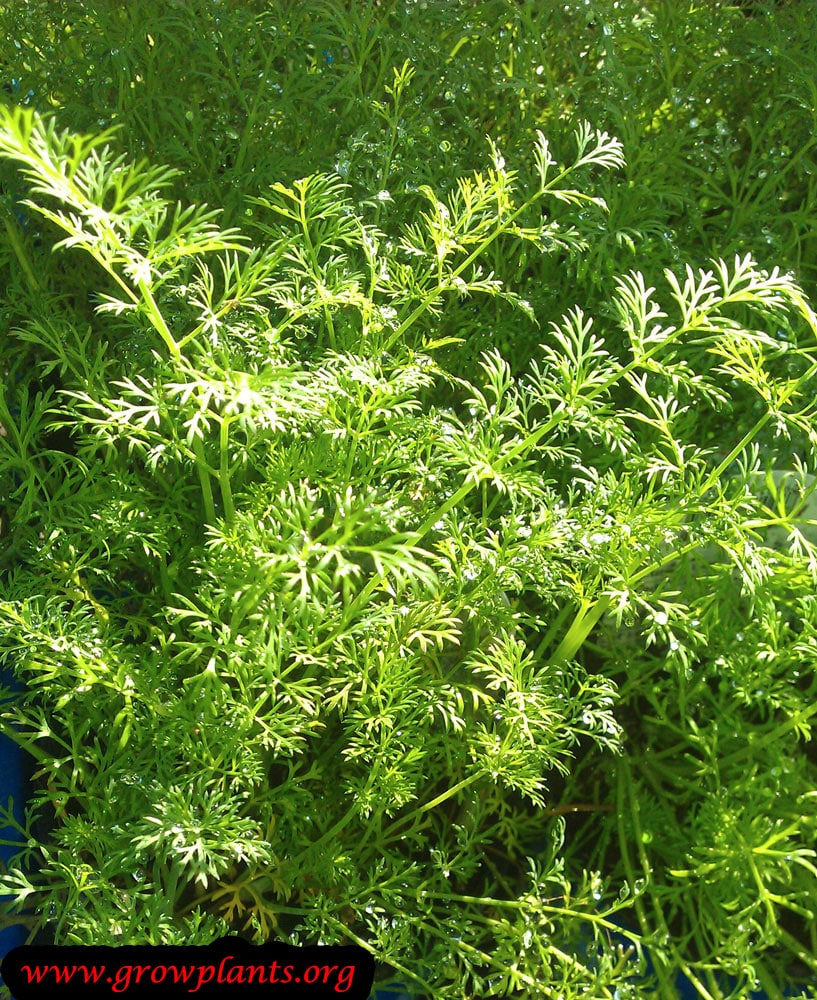
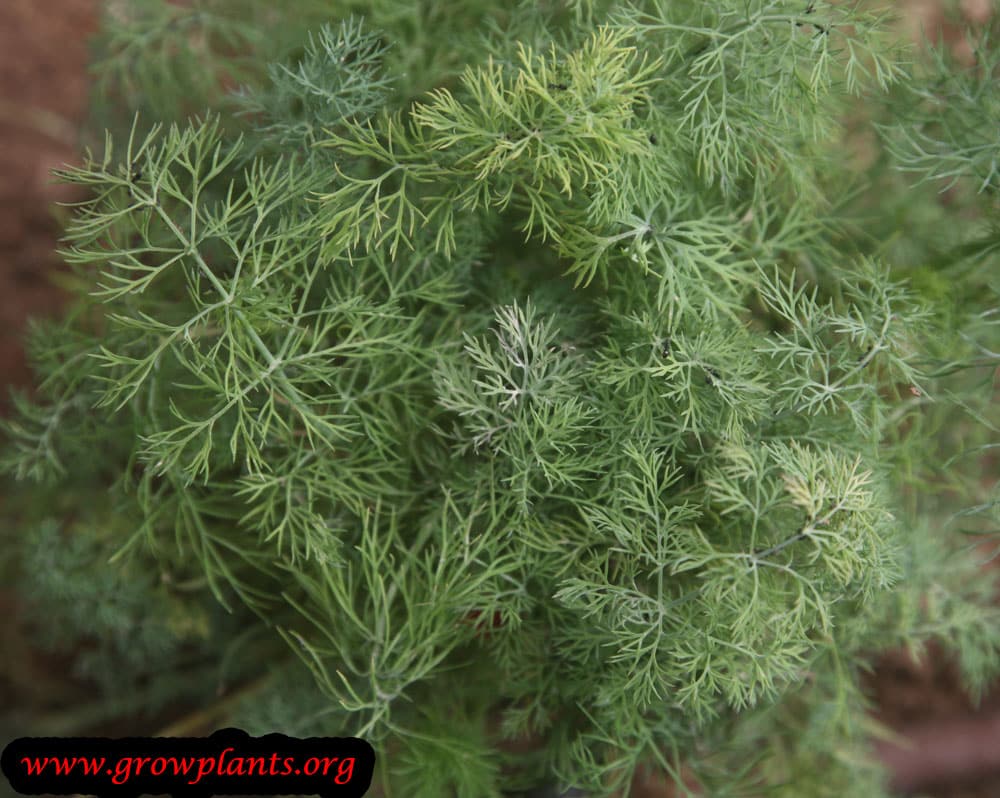
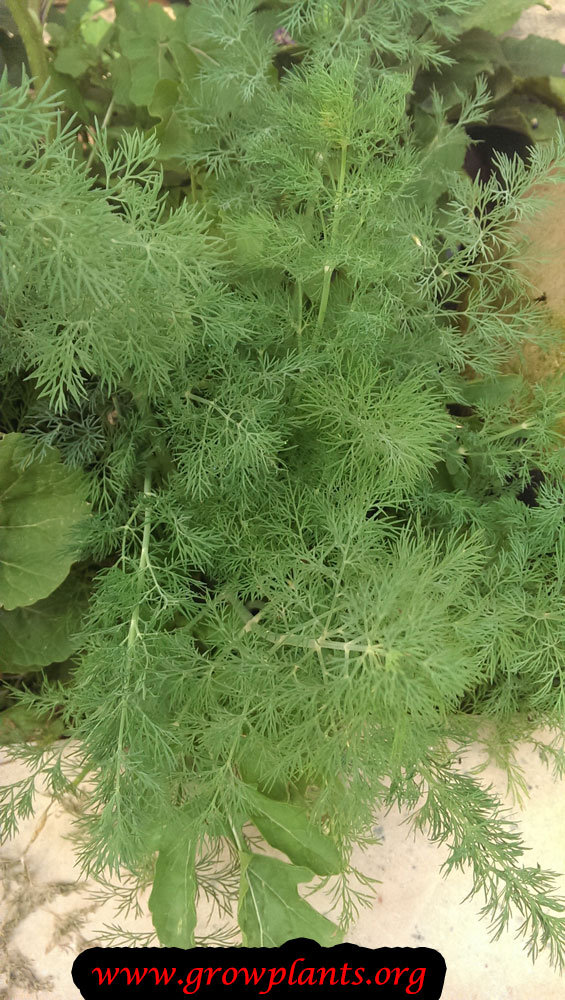
- Leaves & Foliage: Green, finely divided pinnate leaves 0.5-4 cm, thread-like and aromatic, borne in soft feathery clusters.
- Flower Characteristics: Small yellow flowers in flat umbels; insect-pollinated (see the Bloom accordion).
Primary Uses & Landscape Value
- Edible Uses: Leaves used fresh in salads, soups and as a herb; both leaves and seeds flavour pickles.
- Functional & Ornamental Roles: Grown as a culinary and pollinator-friendly herb in beds and containers.
Care Guide: Planting, Soil & Watering
Overview: Dill is a fast-growing annual herb that thrives in full sun and loose, well-aerated soil with sharp drainage. It likes steady but moderate moisture; soggy or heavy ground makes it bolt or rot.
Quick Care Requirements
| Requirement | Ideal Condition |
|---|---|
| Planting Season | In temperate climates plant in spring through summer; in frost-free areas plant in autumn |
| Growth Rate | Moderate to Fast |
| Soil Type | Light, loose, well-aerated and free-draining |
| Water Need | Moderate (keep evenly moist, not wet) |
Planting & Establishment
- Best Planting Season: In temperate climates plant in spring after the last frost and on through summer; in frost-free areas plant in autumn.
- How to Plant:
- Hole Preparation: Make a hole just larger than the root ball; keep the surrounding soil loose and airy.
- Soil Amendments: Work in a little compost for a light, aerated bed; avoid over-enriching, which encourages floppy growth.
- Planting Depth: Set the root collar level with the soil surface and firm gently.
- Growth Speed & Expectations: Fast in warm weather, with leaves ready to harvest within a few weeks of establishing.
Soil, Watering & Drainage Care
- Soil Mix & Drainage Needs: Loose, free-draining soil that stays lightly moist; good aeration keeps the fine roots healthy and prevents rot.
- Watering Schedule & Technique:
- Young / Newly Planted: Keep the soil evenly moist while seedlings establish.
- Established: Water when the top few centimetres dry out; avoid letting the plant dry to wilting, which triggers early bolting.
- Seasonal Adjustments: More frequent watering in summer heat, less in cool weather.
Climate, Light & Hardiness
Dill (Anethum graveolens) is a fast-growing annual herb for cool-to-mild weather that grows best in full sun. Young plants tolerate light frost, but heat and long days push it to bolt, so it is grown in spring in cold climates and through autumn in mild ones.
Quick Climate Specifications
| Climate Zones | Temperate, Mediterranean and subtropical |
| USDA Hardiness Zones | About zones 3–8 (spring sowing) and 8–11 (autumn sowing) |
| Optimal Temp Range | Cool to mild, roughly 15–24°C (59–75°F) |
| Frost Tolerance | Low to Moderate (young plants tolerate light frost) |
| Light Conditions | Full sun |
| Wind Tolerance | Low to Moderate (tall, hollow flower stems) |
Sunlight & Light Exposure
Optimal Light Setup
Full sun gives sturdy, aromatic growth; in shade the plants grow lax and flop.
Temperature Extremes & Hardiness
USDA Hardiness & Regional Limits
Grown as a cool-season annual: sown in spring in cold-winter zones (about 3–8) and in autumn in mild zones (about 8–11) to keep it out of peak heat.
Frost Sensitivity
Young plants tolerate light frost, but a hard freeze damages the ferny foliage.
Extreme Heat Tolerance
Heat and long summer days push it to bolt and flower, which ends useful leaf production - sow in succession during the cooler months.
Wind, Humidity & Microclimate
Humidity Preferences
Moderate humidity suits it; good airflow helps keep the foliage healthy.
Wind Tolerance
The tall, hollow flowering stems (well over 70 cm) are easily blown over, so give the plants a sheltered spot or light support.
Microclimate Recommendations
A sunny, sheltered position keeps the brittle stems upright and the leaves productive for longer.
Growing in Pots, Balconies & Indoors
Dill (Anethum graveolens) grows readily in a deep pot, though its feathery stems can reach 40-60 cm and the flower stalk taller still. It is not a houseplant, but a bright, sunny windowsill suits young leafy plants – and a dwarf cultivar keeps it sill-sized. On a balcony or patio it thrives in full sun.
Quick Details
- Container Size: Deep pot, 5-15 L, to anchor the taproot
- Indoor Suitability: Not a true houseplant, but young plants and dwarf types do on a sunny sill
- Best Spot: Full sun
- Soil & Drainage: Free-draining, organic-rich mix
- Watering in Pots: Keep evenly moist; deep pots stop the taproot from checking
Indoors & On the Windowsill
- Houseplant limits: The grower does not rate it as an indoor plant; in low light it grows lanky and flops.
- Windowsill growing: On a bright, sunny sill, pick a dwarf/compact cultivar and harvest young leaves often to keep it bushy before it runs up to flower.
On a Balcony or Patio
- Light & wind: Give it the sunniest spot you have. Walls, railings and paving reflect heat and dry pots quickly, so check moisture daily in warm weather and shelter or stake exposed plants against wind.
- Practicalities: Check that the filled pot’s weight is safe for the balcony and that drainage runoff can escape freely without pooling on the floor below.
Choosing the Pot, Soil & Long-Term Care
- Pot & drainage: A deep 5-15 L pot with strong drainage holes; skip a standing water saucer so the roots never sit wet. Terracotta breathes and dries faster, while glazed or plastic holds moisture longer.
- Potting mix: Well-aerated and organic-rich – a general potting mix, or peat/coir with perlite or vermiculite.
- Feeding: Potted plants need feeding more often than those in the ground because nutrients leach out with each watering – feed lightly through the growing season.
- Repotting: Refresh the mix or pot up about every couple of years; for perennials, lightly prune the root ball and top growth at the same time.
Fertilizing & Feeding
A light feeder grown for aromatic leaves and seed: modest balanced feeding with restrained nitrogen keeps the foliage flavorful, eased back as it flowers and seeds.
Quick Fertilizing Specs
| Feeding Level | Light feeder |
|---|---|
| Main Nutrient Priority | Modest, balanced feeding; avoid excess nitrogen that weakens aroma |
| Best Feeding Period | Through the active growing season |
| Organic Options | Compost or well-rotted organic matter worked into well-drained soil |
| Reduce/Stop Feeding | Ease back as the plant matures or the season ends |
| Soil pH | Well-drained soil in a slightly acidic to near-neutral range |
Feeding by Growth Stage
Establishment after sowing or planting
Settle seedlings or young plants in and get roots and first leaves growing.
| Nutrient direction | A gentle balanced feeding in soil with some organic matter to get growth going. |
|---|---|
| Timing | At and just after germination or transplanting. |
| Frequency | A light feeding as plants take hold. |
| Fertilizer types | A balanced complete fertilizer, Compost worked into well-drained soil |
| Precautions | Go easy on young seedlings; strong fertilizer can burn tender roots. |
Active growth
Keep aromatic foliage healthy and flavorful.
| Nutrient direction | A modest balanced feeding with restrained nitrogen keeps aromatic foliage flavorful. |
|---|---|
| Timing | Through the active growing season. |
| Frequency | Light feeding, sparingly, through the season. |
| Fertilizer types | A modest, restrained-nitrogen complete fertilizer, Compost as a light top-dressing |
| Precautions | Rich, high-nitrogen feeding gives lush but bland leaves and floppy growth, so feed sparingly. |
Flowering and seed set
Let the plant flower and ripen its seed.
| Nutrient direction | Little added nutrition is needed now; steady, restrained feeding lets seed mature. |
|---|---|
| Timing | As the plant bolts, flowers, and sets seed. |
| Frequency | Minimal feeding as flowering and seeding finish out. |
| Fertilizer types | A modest, restrained-nitrogen complete fertilizer, sparingly if at all |
| Precautions | Extra nitrogen now favors leaves over seed, so keep feeding minimal as seed ripens. |
Nutrient Deficiency Signs & Corrections
Older, lower leaves fade to pale green or uniform yellow and overall growth slows.
| Possible causes | low available soil nitrogen, nitrogen lost to leaching from heavy watering or rain, thin soil low in organic matter |
|---|---|
| Appears first on | older, lower leaves |
| What to check | recent feeding history, soil organic matter, watering and drainage |
| Possible correction | Apply a nitrogen-containing complete fertilizer and build soil organic matter, then water evenly. |
Leaf margins brown or scorch and growth stalls despite adequate watering.
| Possible causes | fertilizer salt buildup in the root zone, under-watering that concentrates salts, excessive or too-frequent feeding |
|---|---|
| Appears first on | leaf margins and tips |
| What to check | recent fertilizer amounts, watering consistency, drainage, especially in containers |
| Possible correction | Ease off feeding, water thoroughly to rinse accumulated salts, then return to lighter feeding. |
Pruning, Training & Seasonal Maintenance
Dill is a fast, soft-stemmed annual whose “pruning” is essentially its leaf harvest: regular cutting is welcome and can happen all year (frost-free climates) or through the spring–summer growing window elsewhere, and it directly determines whether the plant stays leafy or races up to its much taller flower stem (70 cm+, versus a 40–60 cm foliage plant). There is no structural framework to train – only a choice between cropping leaves to keep it bushy or letting stems run up to flower and seed.
Quick Pruning & Maintenance Specs
| Pruning Tolerance | High for leaf/stem harvest; it is what the plant is grown for |
| Primary Pruning Window | All year (frost-free) / spring–summer (temperate) |
| Typical Frequency | Ongoing, as leaves are harvested |
| Main Objective | Remove dead leaves; harvest outer leaves with their stems to encourage bushiness |
| Young Plant Priority | Let the plant establish before first harvest |
| Mature Plant Priority | Repeated cutting of outer growth to delay it running up to flower |
| Best Tool Type | Precision snips |
Pruning by Plant Age & Size
Newly Established
Leave the seedling to establish its first true leaves before any cutting; harvesting too early weakens a plant that has not yet built a root system.
Young / Formative
No structural training applies – dill has no framework of branches to shape, only soft stems and feathery leaves.
Mature / Established
Once established, cut leaves with their stems from the outside of the plant; regular light harvesting keeps new leafy growth coming instead of the plant putting its energy into the tall flower stem.
Special Growth to Remove
- Dead or yellowing leaves, removed as they appear.
- The flower stem, if the goal is prolonged leaf production rather than seed – cutting it out before it fully extends redirects the plant back into leafy growth (dill can self-seed and become weedy if flower heads are left to mature and drop, consistent with its noted tendency to be invasive).
Container & Small-Space Pruning
In a pot, keep the plant cut back to leafy growth rather than letting the 70 cm+ flower stem develop, both for compactness and because the tall, thin flower stalk is prone to toppling in a container; if seed is wanted from a potted plant, a light stake for that one stem is more practical than for the rest of the plant.
Tools
- Precision snips – for harvesting leaves with their stems and removing dead foliage; dill’s stems are too soft and thin to need anything heavier.
Tool Hygiene & Disease Risk
Routine hygiene – clean, sharp snips are enough; dill is not associated with a transmissible disease risk that calls for disinfecting between cuts.
Cut Placement & Technique
Harvest outer stems at their base rather than tip-pinching only the leaf tips, which keeps the plant producing new growth from the center.
Post-Pruning Care
None beyond normal watering; dill is a fast grower and regrows leaf flush without any special aftercare.
Common Pruning Mistakes
- Stripping all the leaves at once instead of harvesting outer growth gradually, which stalls the plant.
- Leaving the flower stem to mature and self-seed when continued leaf harvest was the goal, letting the planting turn weedy.
When NOT to Prune
- Avoid heavy cutting immediately after transplanting, before the seedling is established.
Recommended Tools (by task)
- precision_snips – harvesting leaves/stems and removing the flower stem when leaf production is the goal; the only tool this soft-stemmed herb needs.
Propagation Guide
Dill is raised from seed and is best sown directly where it is to grow, because its slender taproot resents transplanting; it is not propagated vegetatively. Seed of this open-pollinated annual comes mostly true and it self-sows freely — sometimes to the point of being weedy — so it is an Easy plant to keep going.
Quick Propagation Specs
| Best Propagation Method | Seed (direct-sown) |
| Alternative Methods | None — no vegetative propagation; relies on self-seeding |
| Propagation Difficulty | Easy |
| Seed True-to-Type | Mostly uniform (may cross with nearby dill) |
| Best Propagation Season | Autumn in frost-free areas; spring to summer in temperate climates |
| Seed Sowing Depth | Shallow — barely covered |
Growing from Seed
Seed Handling & Viability
Store seed cool, dry and dark; umbellifer seed is not long-lived, so use reasonably fresh seed for dependable results.
Sowing Season
Sow in autumn in frost-free areas, or from spring into summer in temperate climates. Because dill dislikes root disturbance, sow in situ rather than raising and moving transplants.
Sowing Depth & Orientation
Sow shallowly and barely cover the seed; light aids germination, so do not bury it deeply.
Germination Time
Kept moist and warm, seed typically germinates within a couple of weeks; timing varies with soil temperature.
Seedling Care
Thin seedlings to reduce crowding and grow on in full sun. Plants self-seed readily, so a few left to flower will provide the next generation.
Bloom & Edible Flower Guide
Quick Details
- Bloom Season: Summer, once warmth and lengthening days trigger the plant to bolt
- Time to First Bloom: In its first year – flowering follows heat and long days
- Flower Appearance: Tiny yellow flowers gathered into flat umbels on tall stems
- Edibility: The flowering umbels are edible and prized for pickling and flavouring
Detailed Blooming Overview
Dill runs up to flower in summer, sending a tall stem well above the feathery foliage and opening broad, flat umbels of small yellow flowers. Those golden heads are not just ornamental – they are the classic “dill flower” used whole in pickling jars, and they draw a steady traffic of pollinators while they last.
Flower Characteristics
- Colour is yellow.
- Flowers are small and carried in umbels – flat, spoke-like clusters.
- Held on a flower stem that rises well above the leaves.
Bloom Care & Thinning
- Managing the bloom: If you are growing dill mainly for its leaves, pinch out the flowering stems as they appear to keep the foliage tender for longer; let some bloom if you want flowers for the kitchen.
- Pollination: Handled by bees and flies, which the open umbels attract readily.
Fruit & Uses
Dill’s feathery leaves (dill weed) are the main edible part, used fresh as an herb; the seeds that follow the flowers are also edible and used as a spice. Both parts are used dried or fresh depending on the part and dish.
Quick Edible Specs
| Edible Parts | Leaves; Seeds |
| Main Use(s) | Culinary herb – salads, soups, pickling (leaves); spice (seeds) |
| Eaten Raw or Cooked | Leaves: raw or cooked; Seeds: used dried as a spice |
| Preparation Required | None for leaves beyond washing; seeds are dried before use |
| Harvest Season | Leaves: autumn–spring in frost-free areas, spring–summer in temperate climates; Seeds: once flower heads mature and dry |
| Time to First Harvest | After the plant is established |
| Storage | Dried seed stores well |
| Safety/Toxicity Caveat | None reported |
Leaves & Greens
The narrow, feathery, aromatic leaves – commonly called dill weed – are cut along with their stems once the plant is established. They are used fresh in salads and soups, as a general herb, and classically added to pickles.
Seeds, Pods & Nuts
The seeds that form after the yellow, umbrella-shaped flower heads mature are also edible. Like the leaf, dill seed is a traditional pickling spice and is used dried, whole or crushed, in cooking. The source does not detail a specific harvest method for the seed beyond noting it is edible.
Harvesting
Leaf harvest timing depends on climate – autumn through spring in frost-free areas, or spring through summer where winters are cold. Cutting leaves regularly encourages fresh new growth; letting the plant flower and set seed shifts it toward seed production and can reduce leaf quality.
Preparation, Uses & Safety
Leaves need no preparation beyond washing and are used fresh; seed is dried before use as a spice. No toxicity concerns are reported. As with other leaf-and-seed herbs, harvesting leaves versus letting the plant go to seed is a trade-off – heavy leaf picking delays flowering and seed set, while an early bolt shortens the leaf season.
Pests, Diseases & Troubleshooting
Overview: Dill is an aromatic umbellifer (carrot family) that is mostly trouble-free but shares the family’s classic issues: sap-sucking aphids, the handsome swallowtail ‘parsley worm’ caterpillar, root-tunnelling carrot fly, and a handful of foliar mildews and leaf blights in crowded, humid conditions. As a short-lived annual it bolts readily in heat, so successional sowing is the key to a steady leaf supply. Because the leaves and seeds are eaten, management leans heavily on cultural and organic methods — airflow, rotation, barriers and beneficial insects — with sprays kept to a genuine last resort.
Quick Troubleshooting Overview
| Issue / Pest | Main Symptom | Primary Solution |
|---|---|---|
| Aphids | Sticky curled shoot tips, insect clusters on umbels | Water jet, encourage ladybirds, insecticidal soap if needed |
| Swallowtail caterpillar | Lacy leaves stripped, banded green caterpillars | Hand-pick / relocate; Bt only if severe |
| Carrot fly | Rusty tunnels in root, reddish stunted tops | Insect mesh barrier, crop rotation |
| Powdery / downy mildew | White dust or yellow blotches on leaves | Airflow, base watering, remove affected leaves |
| Damping-off | Seedlings collapse at soil line | Fresh mix, don’t overwater or oversow |
| Bolting | Early flower stalks, loss of leaf quality | Sow in cool season, even moisture, succession sow |
Common Pests & Management
- Aphids (Aphidoidea):
- Symptoms: Dense clusters of tiny green, grey or black soft-bodied insects on the fine new growth, flower umbels and undersides of the feathery foliage; sticky honeydew and sooty mould follow, and heavy feeding curls and stunts shoots. Distinguish from the white flecking of leafhoppers by the aphids’ pear-shaped bodies and the ants that tend them.
- Prevention & Control: Blast colonies off with a firm jet of water in the morning; encourage ladybirds, lacewings and hoverflies (whose larvae love aphids) by keeping some umbels flowering. Avoid excess nitrogen, which drives soft, aphid-prone growth. Only if colonies persist, treat with insecticidal soap or a light horticultural oil, spraying undersides thoroughly.
- Parsley worm / swallowtail caterpillar (Papilio polyxenes / Papilio machaon):
- Symptoms: Plump green caterpillars banded with black and yellow-orange spots, feeding openly on the lacy leaves and leaving them skeletonised or stripped to the stalk; you may see the caterpillar rear up and evert an orange horn (osmeterium) when disturbed.
- Prevention & Control: This is the larva of a beautiful swallowtail butterfly, so tolerance is best where you can spare the foliage. Hand-pick and relocate to a sacrificial umbellifer, or grow a few extra plants as a nursery patch. Only for a serious infestation on a food crop use a targeted Bacillus thuringiensis (Bt) spray, which affects caterpillars alone.
- Carrot fly (Chamaepsila rosae):
- Symptoms: Rusty-brown tunnels and larval galleries in the taproot and lower stem; foliage takes on a reddish, stunted, wilting appearance. The low-flying adult is drawn to the scent of bruised umbellifer foliage.
- Prevention & Control: Rotate away from where carrots, parsley or fennel grew last season; avoid thinning on still evenings when the crushed-leaf scent lingers. Protect young plants with fine insect-mesh or a 60 cm vertical fleece barrier, since the fly flies low. Firm the soil around crowns to deny egg-laying sites.
- Leaf miners (Liriomyza / Phytomyza spp.):
- Symptoms: Pale, winding or blotchy tunnels between the leaf surfaces where larvae feed; badly mined foliage yellows and dries. Hold a leaf to the light to see the grub within the mine.
- Prevention & Control: Pick off and destroy mined leaves as they appear to break the cycle; hoe lightly to expose pupae to birds. Floating row cover excludes the egg-laying adults on young plants. Chemical sprays rarely reach larvae inside the mine, so cultural removal is the mainstay.
- Cutworms & armyworms (Agrotis / Spodoptera spp.):
- Symptoms: Seedlings severed at the soil line overnight, or ragged chewing of foliage; grey-brown caterpillars curl into a C-shape when found in the top few centimetres of soil.
- Prevention & Control: Clear weeds and crop debris that shelter the moths; fit cardboard or foil collars around seedling stems. Cultivate the bed before sowing to expose larvae to birds, and hand-pick at dusk. Bt or a nematode drench helps in a bad year.
Diseases & Fungal Issues
- Powdery mildew (Erysiphe heraclei):
- Symptoms: A white, dusty coating on upper leaf surfaces and stems, worst in crowded, humid plantings with poor airflow; leaves yellow and dry prematurely, tainting flavour.
- Treatment & Management: Space and thin plants for free air movement, water at the base to keep foliage dry, and cut out affected growth. A potassium-bicarbonate or dilute-milk spray checks early spread; sulphur-based fungicide is a last resort on non-harvest foliage.
- Downy mildew (Plasmopara spp.):
- Symptoms: Pale, angular yellow blotches on the upper leaf bounded by the veins, with a greyish-purple fuzz on the underside in damp, cool weather; foliage collapses in wet spells.
- Treatment & Management: Improve drainage and airflow, avoid overhead watering late in the day, and remove infected leaves promptly. Rotate crops and use wider spacing; copper-based fungicide is available if pressure is high.
- Damping-off (Pythium / Rhizoctonia spp.):
- Symptoms: Seedlings fail to emerge, or topple with a water-soaked, pinched, blackened stem at soil level; patches of collapse spread in cold, wet, over-sown trays.
- Treatment & Management: Sow into fresh, free-draining seed mix, avoid overwatering, and give bright airy conditions. Do not sow too thickly, and water with clean water; a light dusting of cinnamon or a biological drench can suppress the fungi.
- Cercospora / Alternaria leaf blight (Cercospora / Alternaria spp.):
- Symptoms: Small tan-to-brown spots with darker margins, sometimes with concentric rings, that merge and blight the fine foliage; severe attacks brown whole plants in warm, wet weather.
- Treatment & Management: Use clean seed and rotate beds, remove infected debris at season’s end, and keep foliage dry. Improve spacing for airflow; copper fungicide gives protection where the disease recurs.
Growing Difficulties & Abiotic Problems
- Bolting / premature flowering:
- Cause & Symptoms: Heat, long days, transplant shock or root disturbance trigger early flower stalks, after which leaf quality and flavour decline sharply.
- Correction Strategy: Sow in the cooler part of the growing season, keep moisture even, avoid disturbing the taproot, and make successional sowings so young leafy plants are always coming on. Harvest leaves before the umbels open.
- Leggy, weak growth:
- Cause & Symptoms: Too little light or crowded, over-fed plants produce floppy, pale, sparse foliage prone to lodging.
- Correction Strategy: Grow in full sun with steady but modest feeding; thin seedlings to recommended spacing and support tall stems in exposed sites.
- Poor germination / erratic stand:
- Cause & Symptoms: Umbellifer seed is short-lived and needs light and even moisture; old seed or a dry crust gives patchy emergence.
- Correction Strategy: Use fresh seed, sow shallowly, keep the surface consistently moist until emergence, and avoid burying too deep.
What Helps — Products & Tools
For this herb rely first on cultural tools — fine insect-exclusion mesh or fleece against carrot fly and leaf miners, floating row cover for seedlings, and hand-picking of caterpillars. Where treatment is warranted, appropriate types are insecticidal soap or light horticultural oil for aphids, Bacillus thuringiensis (Bt) for caterpillars, potassium-bicarbonate or sulphur fungicide for powdery mildew, and copper fungicide for downy mildew and leaf blights. Always observe the harvest interval on any product used on an edible herb.