


Plant Profile & Key Characteristics
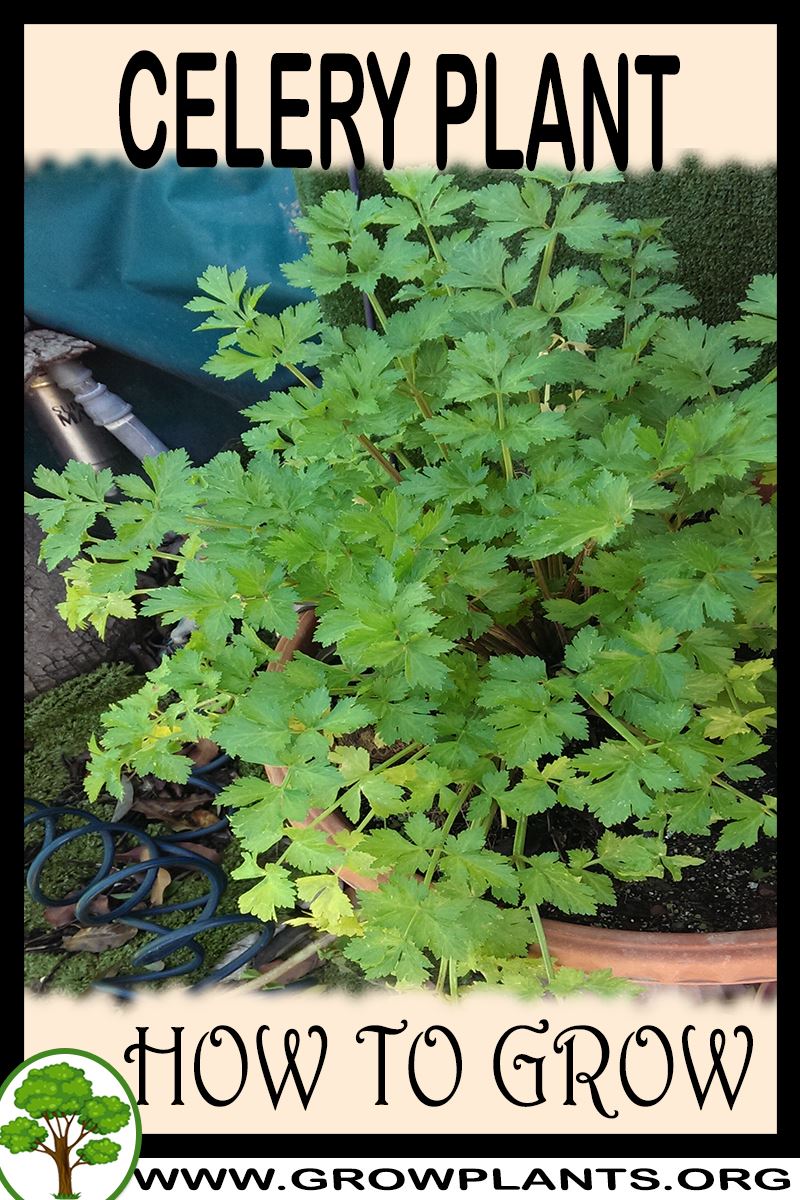
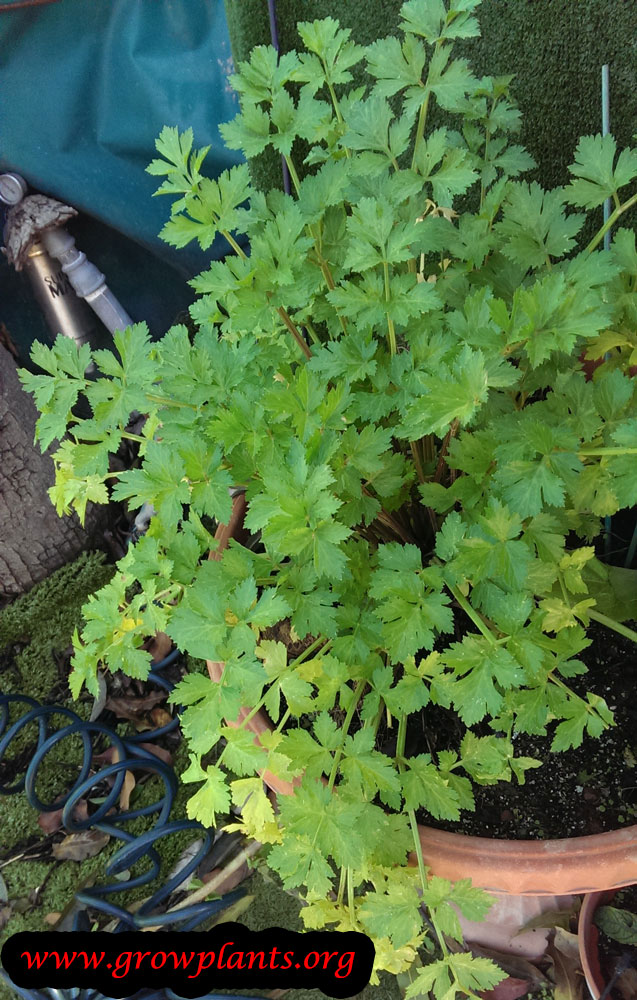
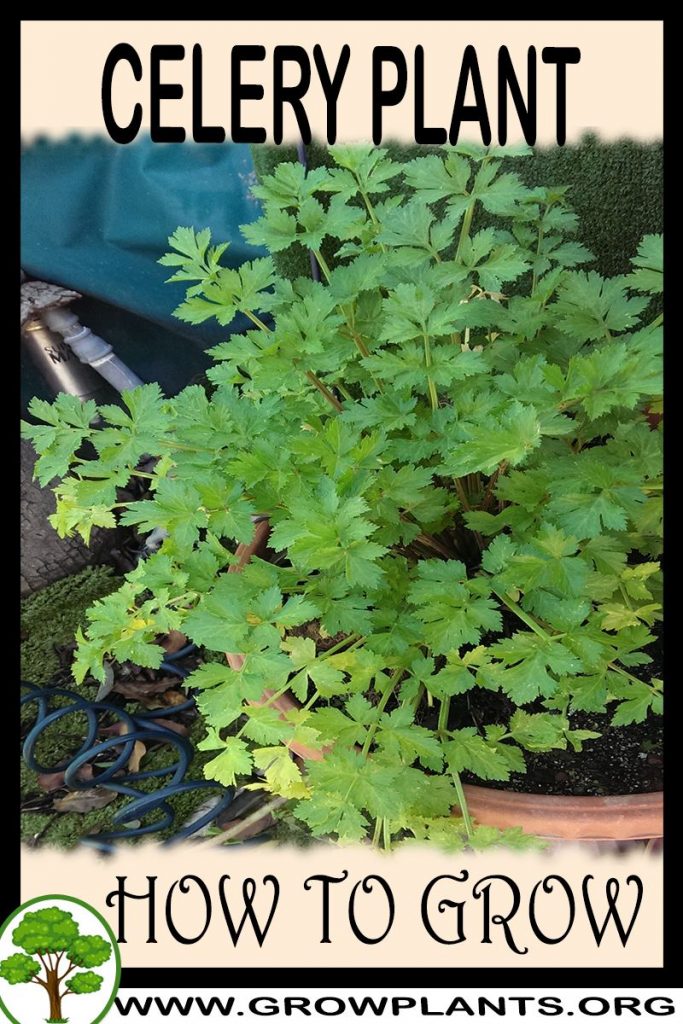
Overview: Celery is a fast-growing herbaceous annual or biennial 0.15-1 m tall, grown as an edible crop for its leaf stalks, aromatic leaves and root. It also produces small white flower umbels.
Quick Specifications
| Specification | Attribute |
|---|---|
| Plant Type / Life Cycle | Annual or biennial |
| Foliage Type | Deciduous (herbaceous, dies back) |
| Mature Size | 0.15-1 m (6-40 in) |
| Growth Rate | Fast to Moderate |
| Root System | Fleshy edible root (celeriac types) |
| Toxicity | Non-toxic / edible vegetable |
| Hardiness | USDA zones 3-9 as biennial; 9-11 as annual |
Growth Form & Structure
- Height & Spread: 0.15-1 m (6-40 in); can be grown in containers.
- Growth Habit & Form: Upright herbaceous plant forming a rosette of ribbed leaf stalks.
- Lifespan & Maturity: Harvested within one season; if left, it flowers and sets seed in its second year.
Anatomy & Physical Features
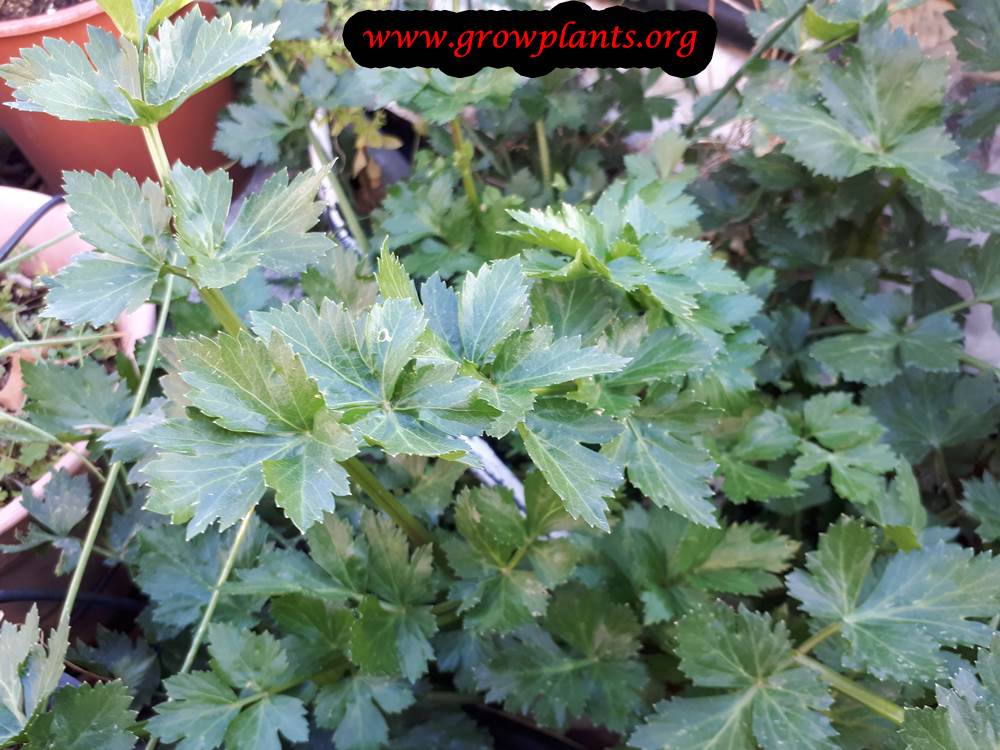
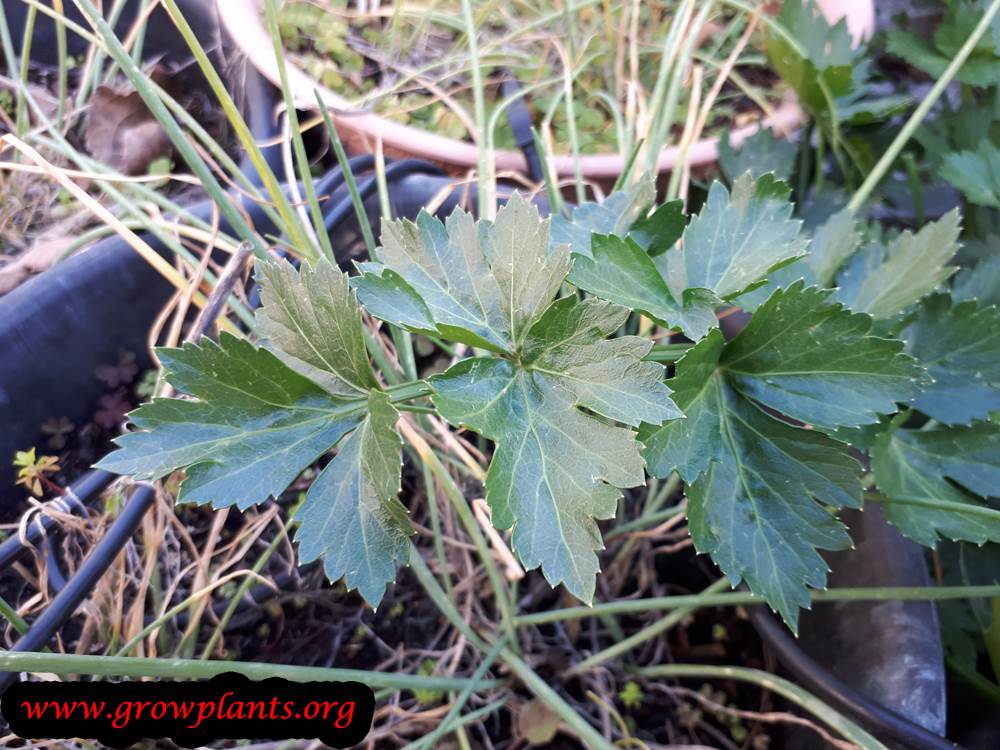
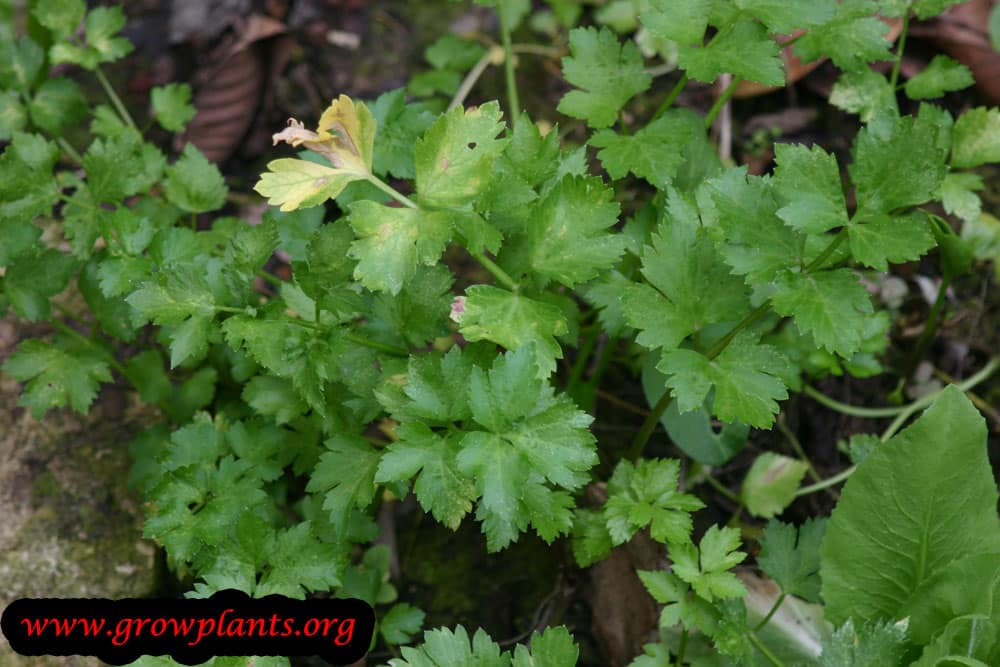
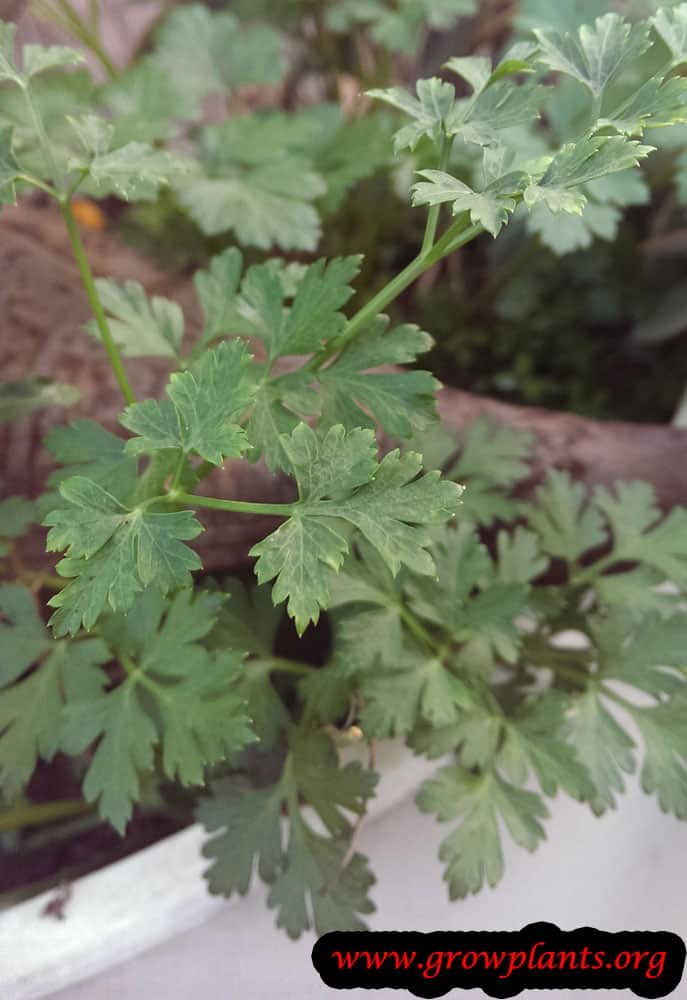
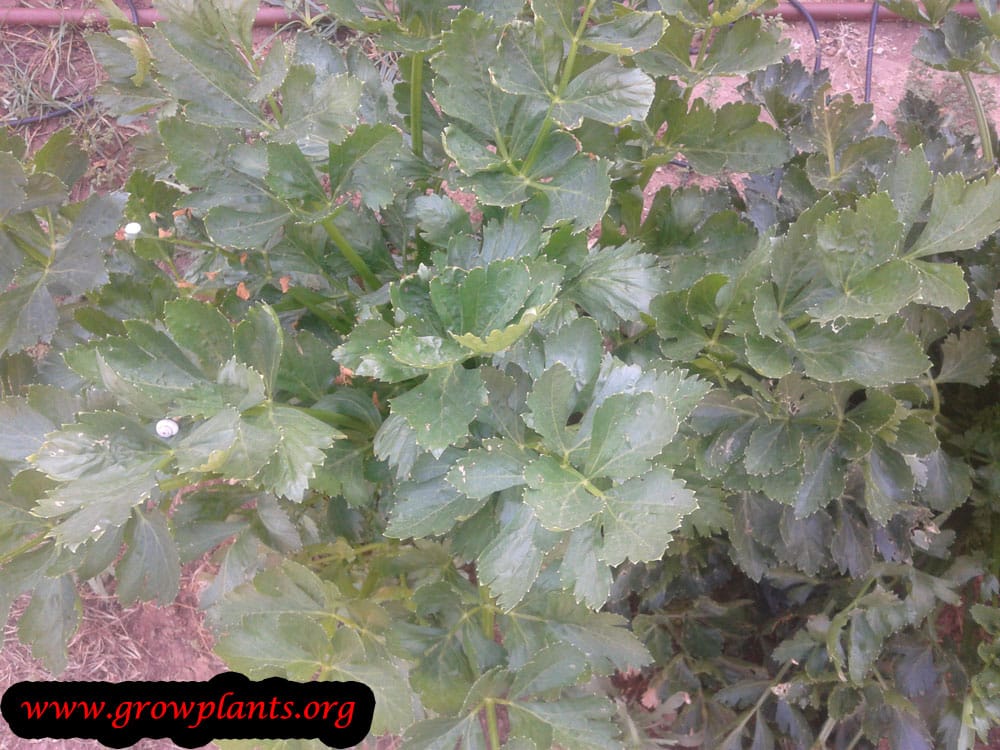
- Leaves & Foliage: Green, lobed pinnate to bi-pinnate leaves on ribbed stalks.
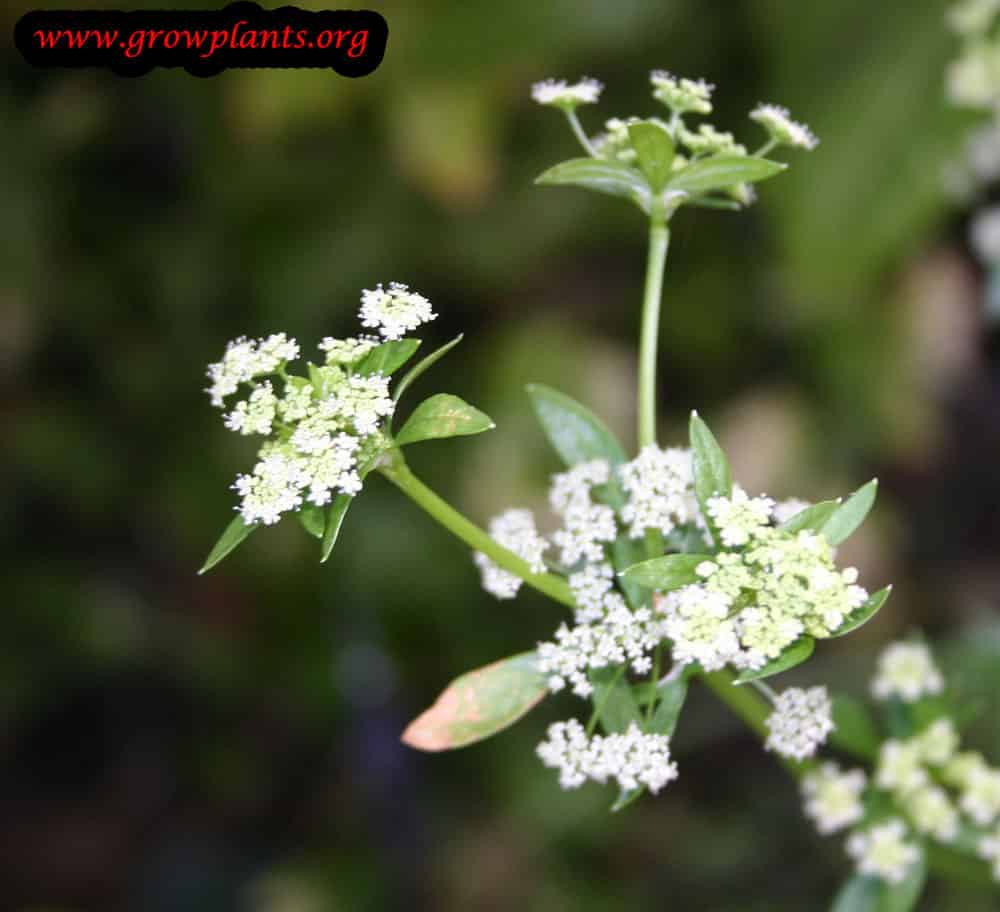
- Flower Characteristics: Tiny white flowers (about 1 mm) in umbel-shaped inflorescences (see the Bloom accordion).
Primary Uses & Landscape Value
- Edible Uses: Leaves and stalks used raw in salads, cooked, or as a herb and spice; the round white root is eaten raw, in salads or cooked.
- Functional & Ornamental Roles: Grown as a vegetable and culinary herb.
Care Guide: Planting, Soil & Watering
Overview: Celery is a cool-season biennial vegetable that grows in rich, moisture-retentive but well-draining soil. It is a hungry, thirsty plant that needs plentiful, consistent water and should never dry out.
Quick Care Requirements
| Requirement | Ideal Condition |
|---|---|
| Planting Season | Spring or autumn (winter in hot climates) |
| Growth Rate | Moderate to Fast |
| Soil Type | Rich, moisture-retentive, well-draining |
| Water Need | High (keep consistently moist) |
Planting & Establishment
- Best Planting Season: Plant in spring or autumn, or through winter in hot climates.
- How to Plant:
- Hole Preparation: Dig a hole slightly larger than the root ball in deep, loosened soil.
- Soil Amendments: Work in plenty of compost and organic matter – celery is a heavy feeder that loves rich ground.
- Planting Depth: Set the root collar at soil level and avoid burying the crown.
- Growth Speed & Expectations: Moderate to fast with steady water and feeding.
Soil, Watering & Drainage Care
- Soil Mix & Drainage Needs: Rich, water-retentive soil that still drains; the aim is constant moisture without standing water.
- Watering Schedule & Technique:
- Young / Newly Planted: Keep the soil constantly moist while the young plants establish.
- Established: Water frequently and deeply so the root zone never dries out.
- Seasonal Adjustments: More water in warm weather; keep moisture steady in cooler conditions.
Climate, Light & Hardiness
Celery (Apium graveolens) is a cool-season, moisture-loving crop that needs a long stretch of mild weather and tolerates full sun to light shade. It is sensitive at both ends - hard frost damages the stalks while heat makes them stringy and triggers bolting - so it is grown in the cooler part of the year.
Quick Climate Specifications
| Climate Zones | Mediterranean, subtropical, temperate and desert (cool season) |
| USDA Hardiness Zones | About zones 3–9 as a biennial; 9–11 grown as an annual |
| Optimal Temp Range | Cool, roughly 15–21°C (59–70°F) |
| Frost Tolerance | Low to Moderate (light frost tolerated; hard frost damages) |
| Light Conditions | Full sun to half shade |
| Wind Tolerance | Moderate |
Sunlight & Light Exposure
Optimal Light Setup
Full sun suits it in cool climates; where summers are hot, light or half shade keeps the stalks tender and slows bolting.
Temperature Extremes & Hardiness
USDA Hardiness & Regional Limits
Celery needs a long cool season. It is grown as a biennial in cooler zones (about 3–9) and as an annual in warm zones (about 9–11), with both frost and heat limiting where and when it can be grown.
Cold Damage & Winter Protection
A spell of cold weather after the plants are established (roughly a couple of weeks below 10°C / 50°F) can trigger premature bolting, and hard frost damages the stalks - so avoid exposing young plants to sharp cold.
Frost Sensitivity
Established plants shrug off light frost, but young seedlings and a hard freeze are readily damaged.
Extreme Heat Tolerance
Hot, dry weather makes the stalks stringy and bitter and pushes the plant to bolt, which is the main reason celery is treated as a cool-season crop.
Wind, Humidity & Microclimate
Humidity Preferences
It likes steady moisture and moderate to high humidity; dry air and drying winds toughen the stalks.
Microclimate Recommendations
A sheltered, evenly moist, rich bed in a cool position gives the most tender growth; never let it dry out or overheat.
Growing in Pots, Balconies & Indoors
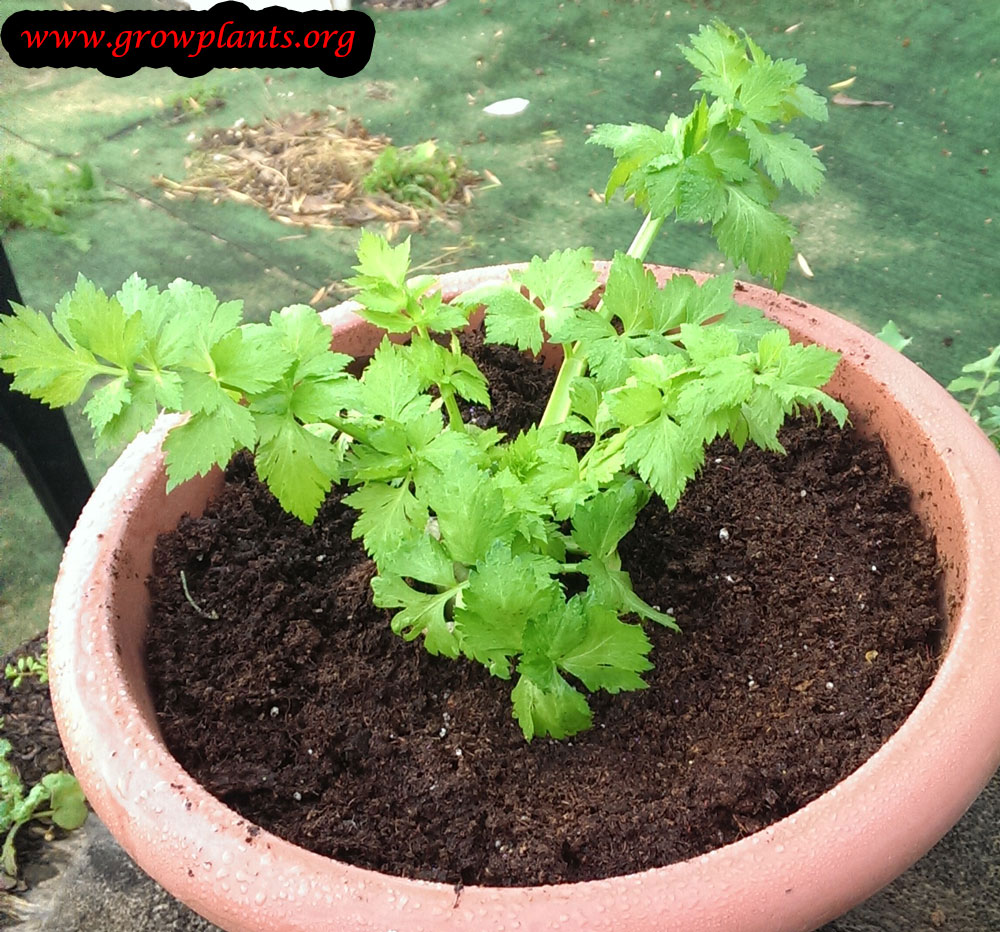
Celery grows well in a roomy pot and, unusually for a vegetable, the grower says it can be grown indoors as long as it gets good light. It is a thirsty, moisture-loving plant, so it suits a large container that will not dry out too fast – on a bright windowsill, or in sun to part shade on a balcony or patio.
Quick Details
- Container Size: Roomy pot, 10-20 L, that holds moisture well
- Indoor Suitability: Can grow indoors with good light (grower’s note) – a bright sill
- Best Spot: Full sun to part shade; tolerates light shade
- Soil & Drainage: Rich, moisture-retentive but free-draining mix
- Watering in Pots: Keep constantly moist – celery hates drying out and turns stringy if it does
Indoors & On the Windowsill
- Houseplant note: The grower says celery can be grown indoors, but only with good light – it is one of the few kitchen crops he lists as indoor-workable.
- Windowsill growing: Give it your brightest sill, keep the soil constantly moist, and harvest outer stalks as you need them; turn the pot for even growth.
On a Balcony or Patio
- Light & wind: Give it the sunniest spot you have. Walls, railings and paving reflect heat and dry pots quickly, so check moisture daily in warm weather and shelter or stake exposed plants against wind.
- Practicalities: Check that the filled pot’s weight is safe for the balcony and that drainage runoff can escape freely without pooling on the floor below.
Choosing the Pot, Soil & Long-Term Care
- Pot & drainage: A roomy 10-20 L pot with strong drainage holes; skip a standing water saucer so the roots never sit wet. Terracotta breathes and dries faster, while glazed or plastic holds moisture longer.
- Potting mix: Well-aerated and organic-rich – a general potting mix, or peat/coir with perlite or vermiculite.
- Feeding: Potted plants need feeding more often than those in the ground because nutrients leach out with each watering – feed lightly through the growing season.
- Repotting: Refresh the mix or pot up about every couple of years; for perennials, lightly prune the root ball and top growth at the same time.
Fertilizing & Feeding
A hungry, moisture-loving crop: celery does best with steady, generous feeding and rich, constantly moist soil through the whole season to keep the stalks tender.
Quick Fertilizing Specs
| Feeding Level | Heavy feeder |
|---|---|
| Main Nutrient Priority | Steady nitrogen-forward complete feeding in rich, constantly moist soil |
| Best Feeding Period | Steadily through the whole growing season |
| Organic Options | Plenty of compost and well-rotted organic matter worked into the bed |
| Reduce/Stop Feeding | Ease back only as the crop approaches harvest |
| Soil pH | Rich, moisture-retentive soil in a slightly acidic to near-neutral range |
Feeding by Growth Stage
Establishment after transplanting
Settle transplants into rich, moist soil and get them rooting.
| Nutrient direction | A balanced feeding in soil well enriched with organic matter to start steady growth. |
|---|---|
| Timing | At and just after transplanting. |
| Frequency | A light feeding as transplants take hold. |
| Fertilizer types | A balanced complete fertilizer, Ample compost worked into the bed |
| Precautions | Keep the soil constantly moist; a check to growth from dryness or hunger hurts stalk quality. |
Leafy stalk growth
Drive continuous, tender growth of leaves and stalks.
| Nutrient direction | A nitrogen-forward complete fertilizer keeps this hungry crop growing steadily. |
|---|---|
| Timing | Through the long main growing season. |
| Frequency | Regular, steady feeding across the season. |
| Fertilizer types | A nitrogen-forward complete fertilizer, Compost as a side-dressing |
| Precautions | Never let this crop go hungry or dry; interrupted growth gives stringy, bitter, or pithy stalks. |
Approaching harvest
Carry full, tender stalks through to harvest.
| Nutrient direction | Continue balanced, nitrogen-forward feeding to keep late growth tender. |
|---|---|
| Timing | In the weeks leading up to harvest. |
| Frequency | Steady light feeding, tapering as harvest nears. |
| Fertilizer types | A nitrogen-forward complete fertilizer, Compost as a side-dressing |
| Precautions | Keep moisture even to the end and water in feedings; edible stalks should not carry fresh fertilizer residue. |
Nutrient Deficiency Signs & Corrections
Older, lower leaves fade to pale green or uniform yellow and overall growth slows.
| Possible causes | low available soil nitrogen, nitrogen lost to leaching from heavy watering or rain, thin soil low in organic matter |
|---|---|
| Appears first on | older, lower leaves |
| What to check | recent feeding history, soil organic matter, watering and drainage |
| Possible correction | Apply a nitrogen-containing complete fertilizer and build soil organic matter, then water evenly. |
Older leaf margins yellow and then scorch and brown.
| Possible causes | low soil potassium, excess nitrogen unbalancing the feeding, sandy soil prone to leaching |
|---|---|
| Appears first on | older leaf margins |
| What to check | balance of recent feeding, soil texture and leaching, overall plant vigor |
| Possible correction | Use a complete fertilizer that supplies adequate potassium and avoid overloading nitrogen. |
Leaf margins brown or scorch and growth stalls despite adequate watering.
| Possible causes | fertilizer salt buildup in the root zone, under-watering that concentrates salts, excessive or too-frequent feeding |
|---|---|
| Appears first on | leaf margins and tips |
| What to check | recent fertilizer amounts, watering consistency, drainage, especially in containers |
| Possible correction | Ease off feeding, water thoroughly to rinse accumulated salts, then return to lighter feeding. |
Pruning, Training & Seasonal Maintenance
Celery is an herbaceous leaf/petiole vegetable with no woody structure, so what applies here is ongoing sanitary maintenance rather than structural pruning: removing dead or yellowing outer leaves as they appear, at any point through the year. Because celery is typically harvested stalk by stalk from the outside in, routine harvesting and sanitary trimming largely overlap — both remove the oldest outer growth and leave the actively developing center of the plant untouched.
Quick Pruning & Maintenance Specs
| Pruning Tolerance | Low (sanitary/outer-stalk removal only) |
| Primary Pruning Window | Ongoing, all year |
| Main Objective | Remove dead outer leaves/stalks; keep the actively growing center intact |
| Best Tool Type | Precision snips |
| Avoid Heavy Pruning During | Never strip the central growing point — celery has a single crown |
Special Growth to Remove
- Dead, yellowing or aphid-damaged outer leaves and petioles, removed at the base
Container & Small-Space Pruning
Celery can be grown in a container, and even indoors with adequate light; the same light outer-leaf sanitation applies, with no need for size or shape control since the plant simply forms a compact rosette of stalks rather than sprawling growth.
Tools
- Precision snips — the only cut this plant needs is removal of individual outer leaves/stalks
Tool Hygiene & Disease Risk
Routine — clean, sharp snips are enough for occasional leaf removal. Aphids are the recurring pest pressure noted for this plant; there’s no documented tool-spread disease risk to manage beyond ordinary garden hygiene.
Common Pruning Mistakes
- Removing leaves from the actively growing center instead of only the oldest outer stalks
- Treating celery as a plant that needs shaping or thinning cuts, which its single-crown rosette habit does not call for
When NOT to Prune
Do not cut into the central crown at any stage — celery has one growing point, and damaging it (rather than removing outer leaves) can set back or end the plant’s development.
Recommended Tools (by task)
| Task | Tool Category | Why |
| Removing dead or damaged outer leaves/stalks | precision_snips | The only cutting this leaf/petiole vegetable needs is removal of individual outer growth |
Propagation Guide
Celery is raised from seed, usually started in trays and transplanted; the tiny seed germinates slowly and unevenly and should be barely covered. Overall Moderate.
Quick Propagation Specs
| Best Propagation Method | Seed, started in trays and transplanted |
| Alternative Methods | Regrowth from the cut base (leaf supply only) |
| Propagation Difficulty | Moderate |
| Seed True-to-Type | Open-pollinated seed comes true; biennial, so it flowers and seeds in a second year (or when cold-shocked) |
| Best Propagation Season | Spring or autumn; winter in hot areas |
| Seed Sowing Depth | Surface to barely covered (very fine seed) |
Growing from Seed
Seed Handling & Sowing
Sow the fine seed onto the surface of a moist mix and press it in, barely covering it.
Germination Conditions
Steady warmth and constant moisture help; germination is slow and uneven, so do not let the surface dry.
Germination Time
Emergence is slow, often taking a few weeks and appearing in batches.
Seedling Care
Prick out and grow on, then harden off carefully; avoid a cold check, which can trigger premature bolting.
Division, Offsets, Pups & Suckers
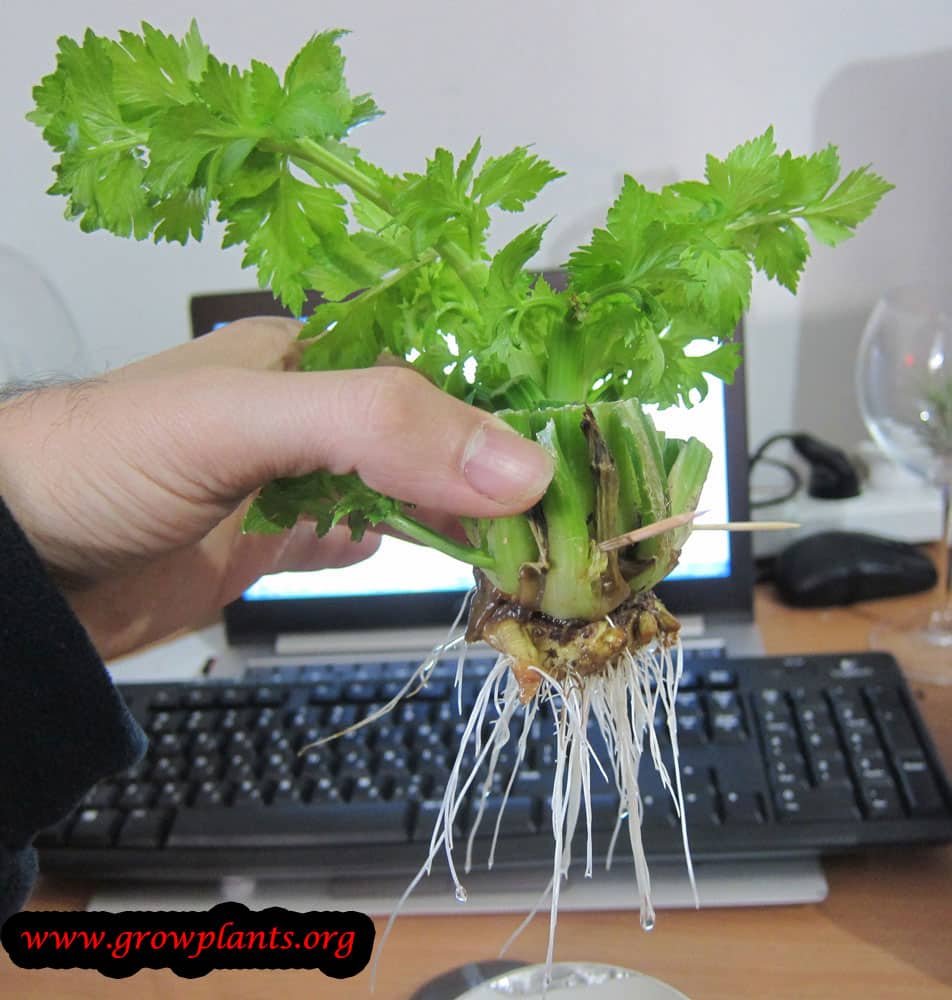
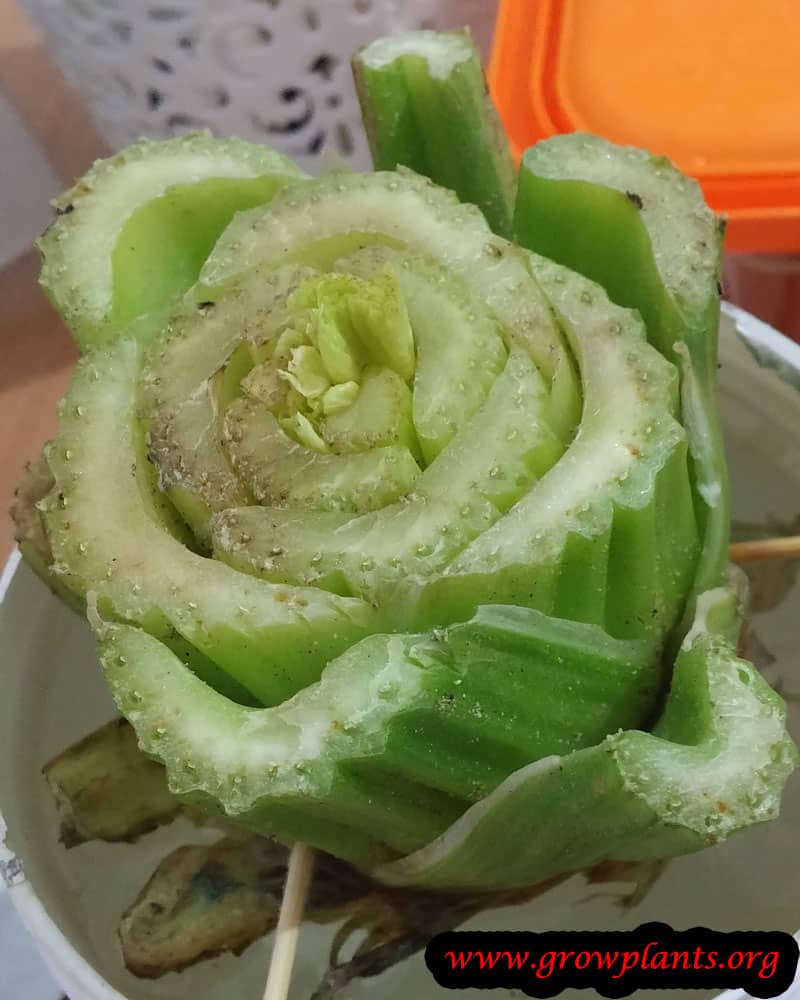
A cut celery base set in shallow water or moist soil will push fresh leafy growth from its centre — handy for a quick supply of leaves, though it will not form a full new head.
Bloom & Flower Guide
Quick Details
- Bloom Season: Summer, or earlier in hot weather
- Time to First Bloom: Usually the second season – celery is biennial and bolts sooner when stressed by heat
- Flower Appearance: Tiny white flowers about 1 mm across, gathered into umbel-shaped heads
- Edibility: The flower is not the eaten part – celery is grown for its stalks and leaves
Detailed Blooming Overview
Celery is normally harvested in its first year while the stalks are tender. If it is held over or hit by a spell of heat it will bolt, sending up branched stems topped with small white umbels. Once it flowers the stalks turn stringy, so blooming usually marks the end of the eating stage.
Flower Characteristics
- Very small white flowers, roughly 1 mm each, in compact umbels.
- Pollinated flowers ripen into the small aromatic fruits sold as celery seed.
Bloom Care & Thinning
- Managing the bloom: Keep plants cool and evenly watered to delay bolting; let a plant flower only if you want to save seed.
- Pollination: Carried out by small bees, flies and other insects.
Fruit & Uses
Both the leaves and a round root are described as edible for this celery, eaten raw or cooked. Note: the source’s edible facts describe a root-type crop rather than the crunchy leaf-stalks (‘celery sticks’) many readers associate with celery – see the safety note below.
Quick Edible Specs
| Edible Parts | Leaves; Root |
| Main Use(s) | Culinary – herb/salad green (leaves), root vegetable (root) |
| Eaten Raw or Cooked | Both |
| Preparation Required | None beyond washing; peel the root |
| Harvest Season | Leaves and root: most of the year |
| Time to First Harvest | After the plant is established |
| Safety/Toxicity Caveat | None reported; see note on root-vs-stalk identity below |
Leaves & Greens
The lobed, pinnate to bi-pinnate leaves grow along the stems and can be cut once the plant is established, either all at once or a few at a time. They are used raw in salads or cooked, and also work as a fresh herb/spice.
Roots & Tubers
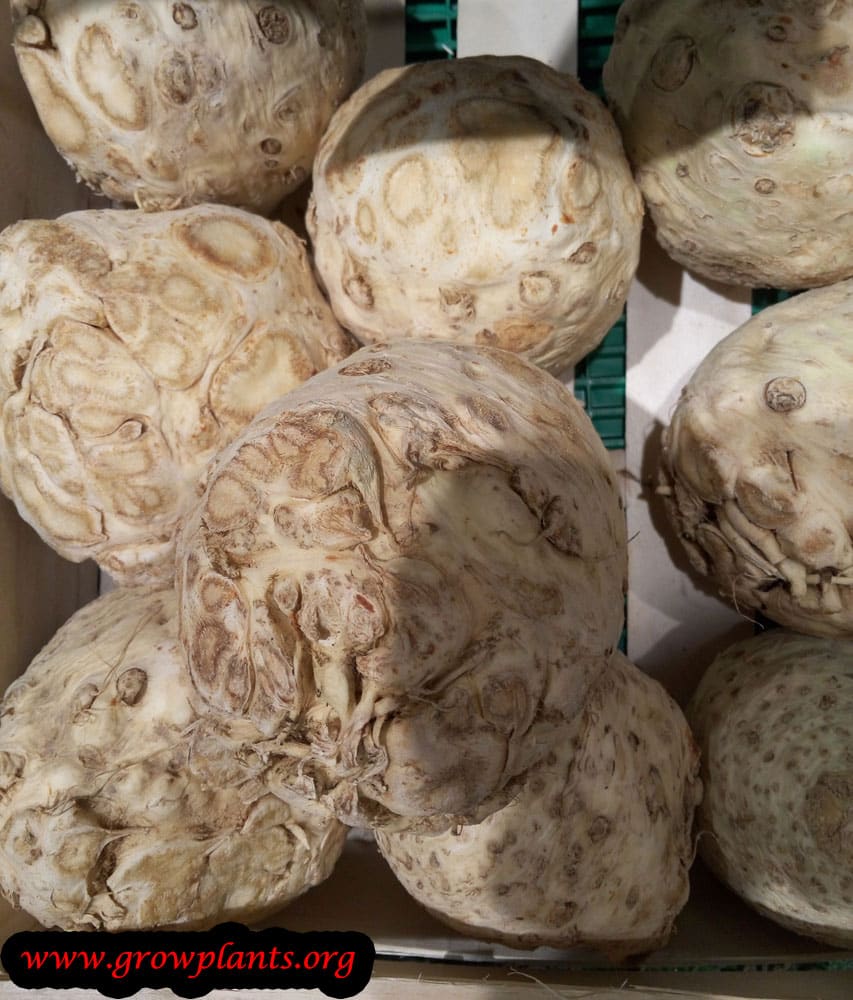
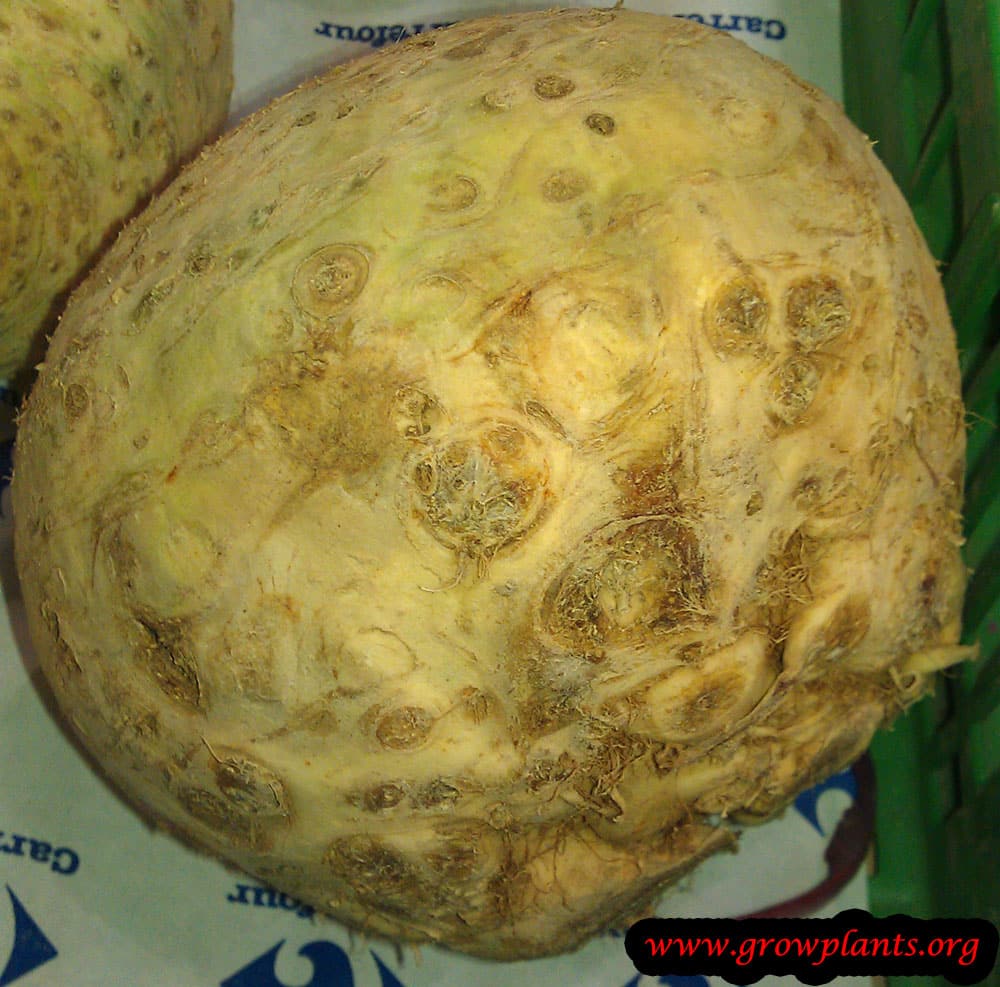
This celery also produces a round, edible root with white flesh and a yellowish skin. The root can be pulled for most of the year and is eaten raw in salads or cooked.
Preparation, Uses & Safety
Both leaves and root need no special preparation beyond washing (and peeling the root). No toxicity concerns are reported. This variety is described with both a harvestable leaf crop and a round edible root – closer to root celery/celeriac than to the crisp leaf-stalk type most commonly called ‘celery’ – and no stalk/petiole use is mentioned anywhere in the source, so treat the crunchy leaf-stalk (‘celery stick’) use as not applicable to this particular plant.
Pests, Diseases & Troubleshooting
Overview: Celery is a demanding, moisture-loving umbellifer prone to several seed-borne leaf blights (early, late and pink rot), soil-borne Fusarium yellows, and to sap-sucking aphids, leaf miners and carrot fly. Just as important are its abiotic disorders — blackheart from calcium/water stress and cracked stem from boron shortage — so even, unchecked growth in rich, moist soil is the foundation of clean plants. Because the stalks are eaten, lean on clean seed, rotation, airflow and even watering before any spray.
Quick Troubleshooting Overview
| Issue / Pest | Main Symptom | Primary Solution |
|---|---|---|
| Aphids | Curled crowns, honeydew, sooty mould | Water jet, reflective mulch, soap if needed |
| Leaf miners | White mines in leaves | Remove mined leaves, insect mesh |
| Early / late blight | Brown or tan leaf spots, black specks | Clean seed, rotation, copper fungicide |
| Fusarium yellows | Yellowing, brown vascular streaks | Resistant cultivars, wide rotation |
| Blackheart | Blackened rotting central heart | Even moisture, adequate calcium |
| Cracked stem | Brown cracks across stalks | Correct boron, steady moisture |
Common Pests & Management
- Aphids (incl. celery leaf aphid) (Myzus persicae / Dysaphis apiifolia):
- Symptoms: Colonies clustered in the leaf crown and along stalks, causing curling, stunting, sticky honeydew and sooty mould; aphids also transmit viruses that mottle and distort the foliage.
- Prevention & Control: Wash off with water, foster ladybirds and lacewings, and avoid heavy nitrogen. Reflective mulch deters landing aphids; use insecticidal soap on persistent colonies, respecting the harvest interval on this edible crop.
- Celery leaf miner (Liriomyza spp.):
- Symptoms: Whitish serpentine or blotch mines within the leaf blades; heavily mined leaves brown and dry, checking growth of the leaf-stalks you harvest.
- Prevention & Control: Remove mined leaves promptly, cover young plants with insect mesh, and hoe to expose pupae. Rotate crops; sprays seldom penetrate the mine, so sanitation is primary.
- Carrot fly (Chamaepsila rosae):
- Symptoms: Rusty larval tunnels in the crown and roots, with reddened, stunted, wilting tops; the low-flying adult is drawn to bruised foliage.
- Prevention & Control: Enclose in fine insect mesh or a low vertical barrier, rotate away from carrots and celeriac, and avoid disturbing plants on still evenings.
- Celery worm / cutworms & armyworms (Papilio polyxenes / Spodoptera / Agrotis spp.):
- Symptoms: Ragged chewing of foliage or seedlings cut off at soil level; green swallowtail ‘celery worms’ or grey soil-dwelling caterpillars are found on or near the plants.
- Prevention & Control: Hand-pick, clear sheltering weeds, and fit seedling collars; Bt targets the caterpillars selectively if numbers climb.
- Slugs & snails (Gastropoda):
- Symptoms: Ragged holes in leaves and slime trails, worst on the tender crowns of young, well-watered celery in damp, shaded beds.
- Prevention & Control: Water in the morning so surfaces dry by night, remove hiding places, set beer traps or copper barriers, and hand-pick at dusk; iron-phosphate bait is a low-toxicity option.
Diseases & Fungal Issues
- Early blight / Cercospora leaf spot (Cercospora apii):
- Symptoms: Circular grey-brown spots that enlarge and merge, blighting older leaves first in warm, humid weather; severe attacks defoliate and weaken the stalks.
- Treatment & Management: Use clean, treated seed, rotate on a 3-year cycle, keep foliage dry with base watering, and remove infected debris. Wider spacing improves airflow; copper fungicide protects in wet seasons.
- Late blight / Septoria leaf spot (Septoria apiicola):
- Symptoms: Small tan spots peppered with tiny black fruiting bodies (pycnidia), spreading in cool, wet conditions to blight leaves and stalks; a major seed-borne celery disease.
- Treatment & Management: Start from certified disease-free seed (hot-water-treated), rotate, and avoid working plants when wet. Remove and destroy infected material; copper sprays give protection under pressure.
- Fusarium yellows (Fusarium oxysporum f. sp. apii):
- Symptoms: Yellowing and stunting, one-sided or whole-plant, with brown vascular streaking inside the stalk base; plants are dwarfed and bitter.
- Treatment & Management: Grow resistant cultivars, rotate widely, and avoid moving infested soil; the soil-borne fungus persists for years, so prevention and resistance are the only reliable tools.
- Pink rot / Sclerotinia (Sclerotinia sclerotiorum):
- Symptoms: A soft, water-soaked pinkish-brown rot of the stalk base and crown, later bearing white cottony mould and hard black sclerotia; common in cool, wet, crowded beds.
- Treatment & Management: Improve drainage and spacing, avoid overhead irrigation, rotate away from other susceptible crops, and remove infected plants with surrounding soil.
- Root rot / damping-off (Pythium spp.):
- Symptoms: Seedlings collapse at the base; older plants show poor, browned roots and wilting in waterlogged ground.
- Treatment & Management: Sow in fresh mix, raise beds for drainage, and water carefully. Do not over-irrigate heavy soils; biological drenches can help in propagation.
Growing Difficulties & Abiotic Problems
- Blackheart:
- Cause & Symptoms: A calcium-deficiency disorder (often driven by uneven watering or drought) that blackens and rots the young central leaves and heart, even when outer stalks look healthy.
- Correction Strategy: Keep soil moisture steady and never let plants dry out and re-wet; maintain adequate calcium and avoid excess nitrogen and potassium that block calcium uptake.
- Cracked / brittle stem:
- Cause & Symptoms: Boron deficiency causes brown horizontal cracks across the outer stalks and brittle, mottled leaves.
- Correction Strategy: Correct with a balanced micronutrient programme; maintain even moisture and pH near 6.0–6.8 so boron stays available.
- Bolting & stringiness:
- Cause & Symptoms: Cold spells early on, or heat and drought later, trigger premature seed-stalk formation, making stalks stringy and bitter.
- Correction Strategy: Avoid exposing young plants to prolonged cold, choose bolt-resistant cultivars, keep growth steady with even water and feeding, and harvest before flowering.
- Tough, stringy stalks:
- Cause & Symptoms: Slow growth from drought, poor soil or heat gives fibrous, hollow, bitter stems.
- Correction Strategy: Grow fast and unchecked in rich, moist soil with plenty of water and feeding; some growers blanch stalks to keep them tender.
What Helps — Products & Tools
The most valuable tools here are certified, hot-water-treated seed, crop rotation, insect-exclusion mesh and steady irrigation. Where needed, suitable types include insecticidal soap for aphids, Bacillus thuringiensis (Bt) for caterpillars, iron-phosphate slug bait, and copper fungicide for the leaf-spot blights; correct calcium and boron via balanced feeding rather than sprays. Observe harvest intervals on this edible crop.